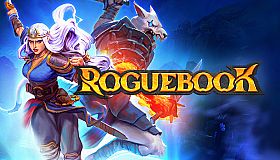














Roguebook é um roguelike deckbuilder single-player que mistura coleção de cartas, posicionamento estratégico e exploração procedural em um cenário de fantasia ligado ao universo de Faeria. O jogador forma equipes e percorre as páginas mutáveis de um livro vivo repleto de lendas e perigos.
Gameplay
O ciclo principal consiste em escolher dois heróis entre pares disponíveis e montar decks durante as próprias partidas. Cada herói traz um conjunto próprio de cartas, uma relíquia pessoal e uma árvore de habilidades que amplia as opções a cada nova tentativa. O posicionamento é essencial: o herói da frente protege o de trás enquanto o jogador organiza ações em sequência para criar combos e responder aos inimigos.
A exploração acontece em mapas hexagonais gerados proceduralmente. Tintas mágicas revelam padrões e descobrem encontros como mercadores, ruínas ou armadilhas. Mais de 200 cartas, 80 relíquias e 30 gemas de aprimoramento oferecem camadas de personalização que mudam a cada nova partida. O mundo se transforma sempre que o livro é aberto, garantindo que nenhuma sessão siga o mesmo caminho.
Modos de Jogo
Roguebook segue uma estrutura roguelike single-player em que cada tentativa começa do zero com os heróis escolhidos e tem como objetivo derrotar o chefe final. Vinte níveis de dificuldade escalam o desafio, trazendo inimigos mais fortes e novas recompensas ao serem concluídos. Após a primeira vitória, o modo epílogo é liberado, dando acesso a relíquias, gemas e encontros adicionais para continuar jogando.
O progresso é mantido por meio de páginas coletadas, usadas para comprar melhorias permanentes e subir o nível dos heróis. Esse sistema recompensa repetições sem alterar o foco single-player na sinergia de decks e na navegação pelo mapa.
Estilo Visual e Mundo
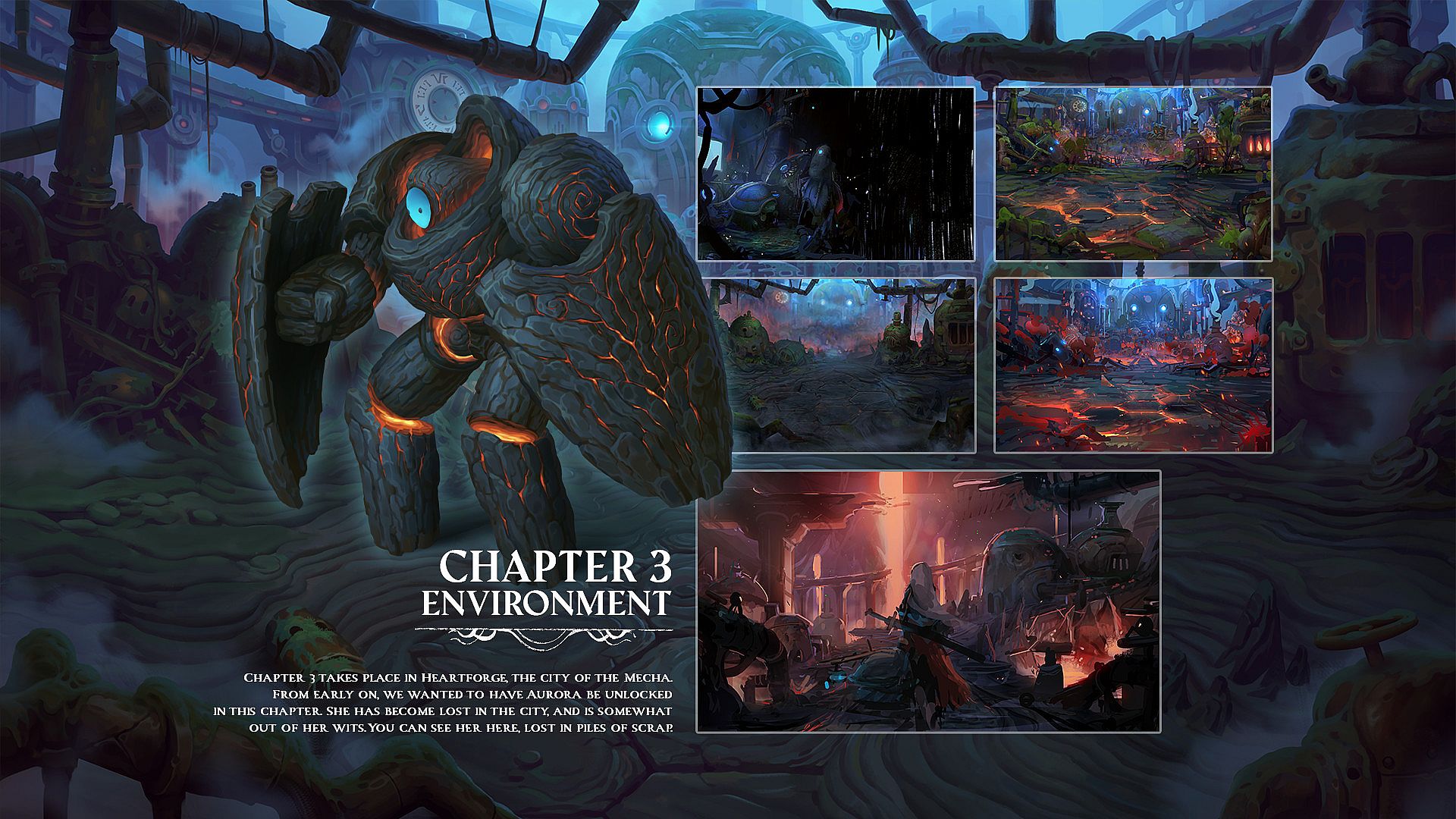
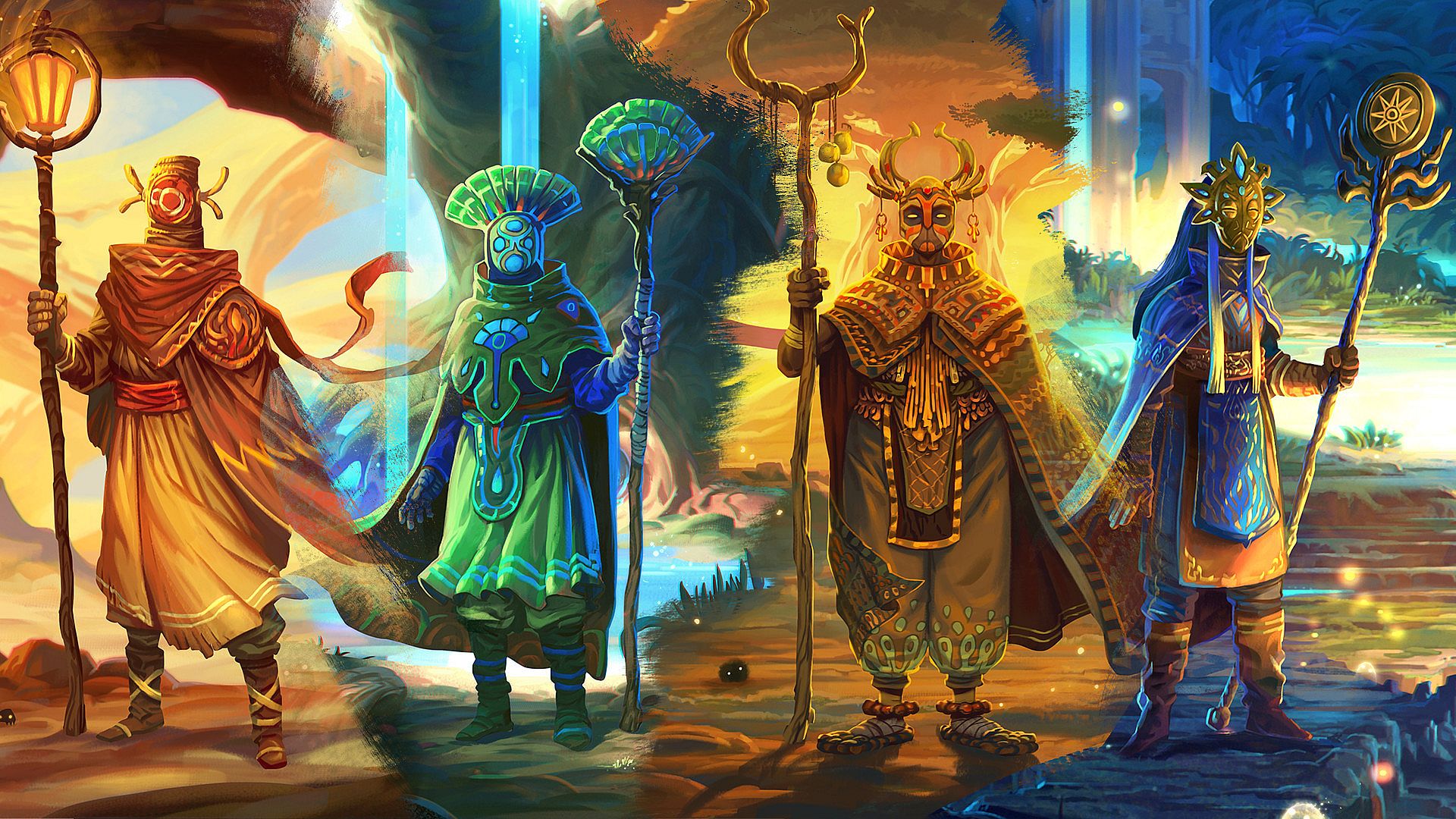
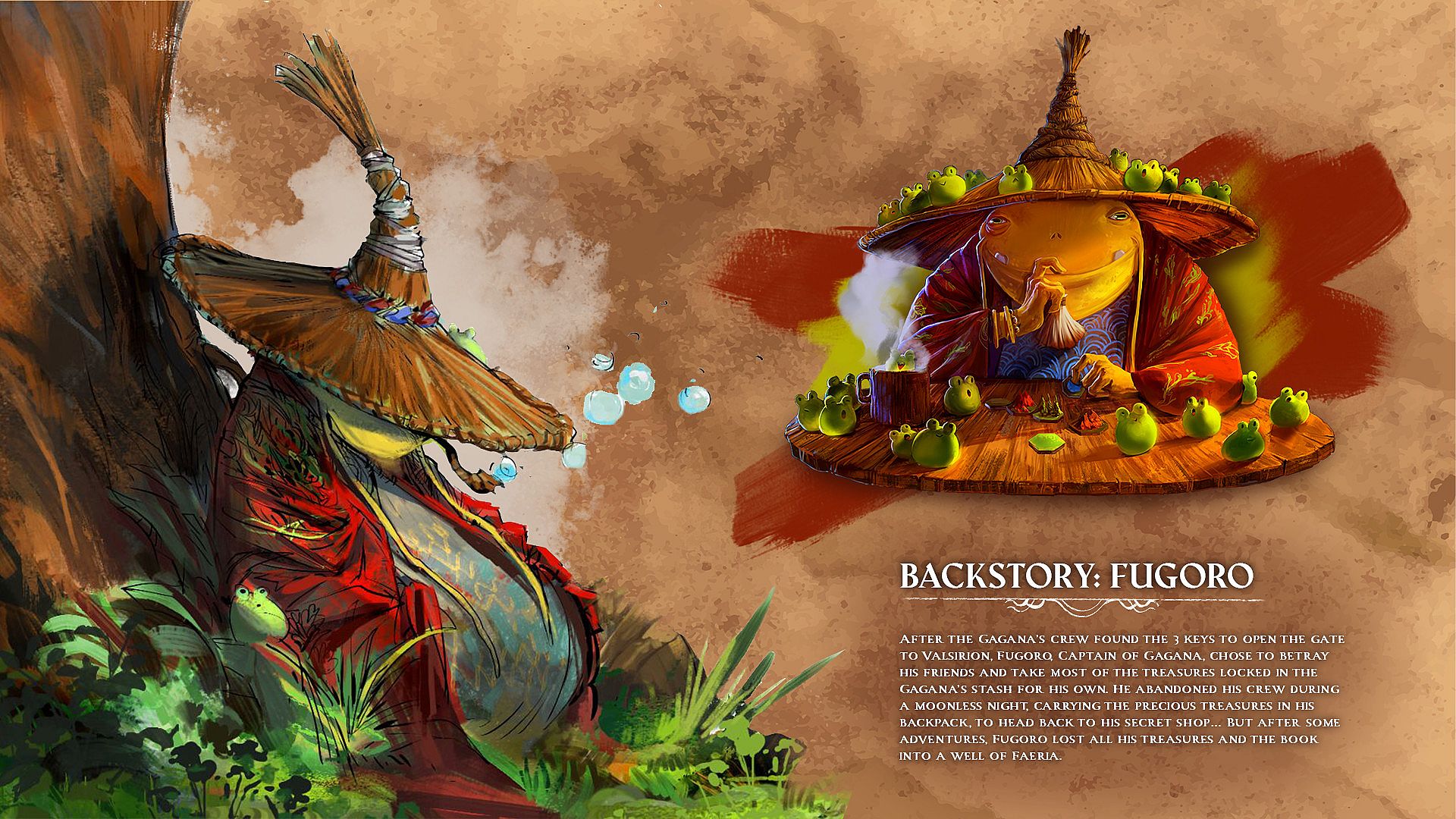
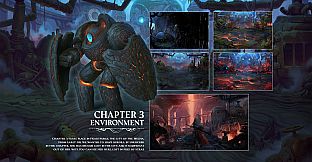
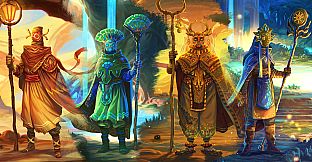
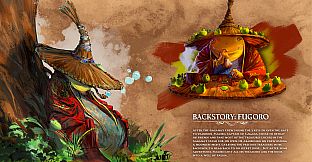
O jogo apresenta seu universo por meio de ilustrações detalhadas que destacam personagens, ambientes e criaturas. Um artbook digital acompanha o título, reunindo mais de 50 páginas de esboços e artes finais que revelam o processo criativo por trás dos visuais e do bestiário. Os jogadores acessam essa coleção diretamente pelos arquivos do jogo no PC.
Os tiles hexagonais e a mecânica de revelação por tinta conferem aos mapas uma estética pintada que evolui a cada sessão. A arte reforça a narrativa de um livro senciente sem desviar o foco das decisões estratégicas durante combates e exploração.
Vale a Pena Jogar?
A recepção dos jogadores continua muito positiva anos após o lançamento, com ótimas avaliações em milhares de análises. A experiência agrada quem busca deckbuilders que priorizam a combinação de heróis, táticas posicionais e variedade procedural em vez de elementos multiplayer. O tempo médio de conclusão fica em torno de 20 horas para a campanha principal, com centenas de horas adicionais para desbloquear tudo em todas as dificuldades.
O suporte segue ativo com o conteúdo já disponível, e a baixa barreira de entrada para partidas single-player torna o jogo acessível para fãs do gênero. Quem procura sinergias profundas e desafios com alto valor de replay vai encontrar consistência em seus sistemas.