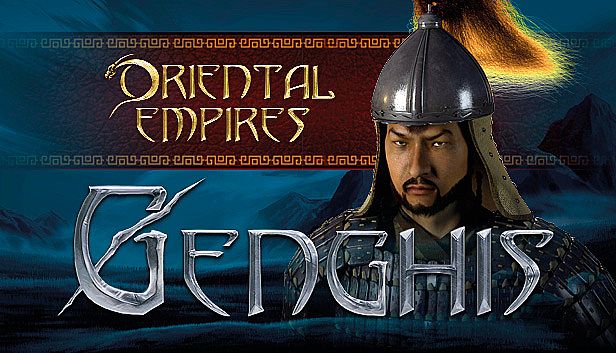













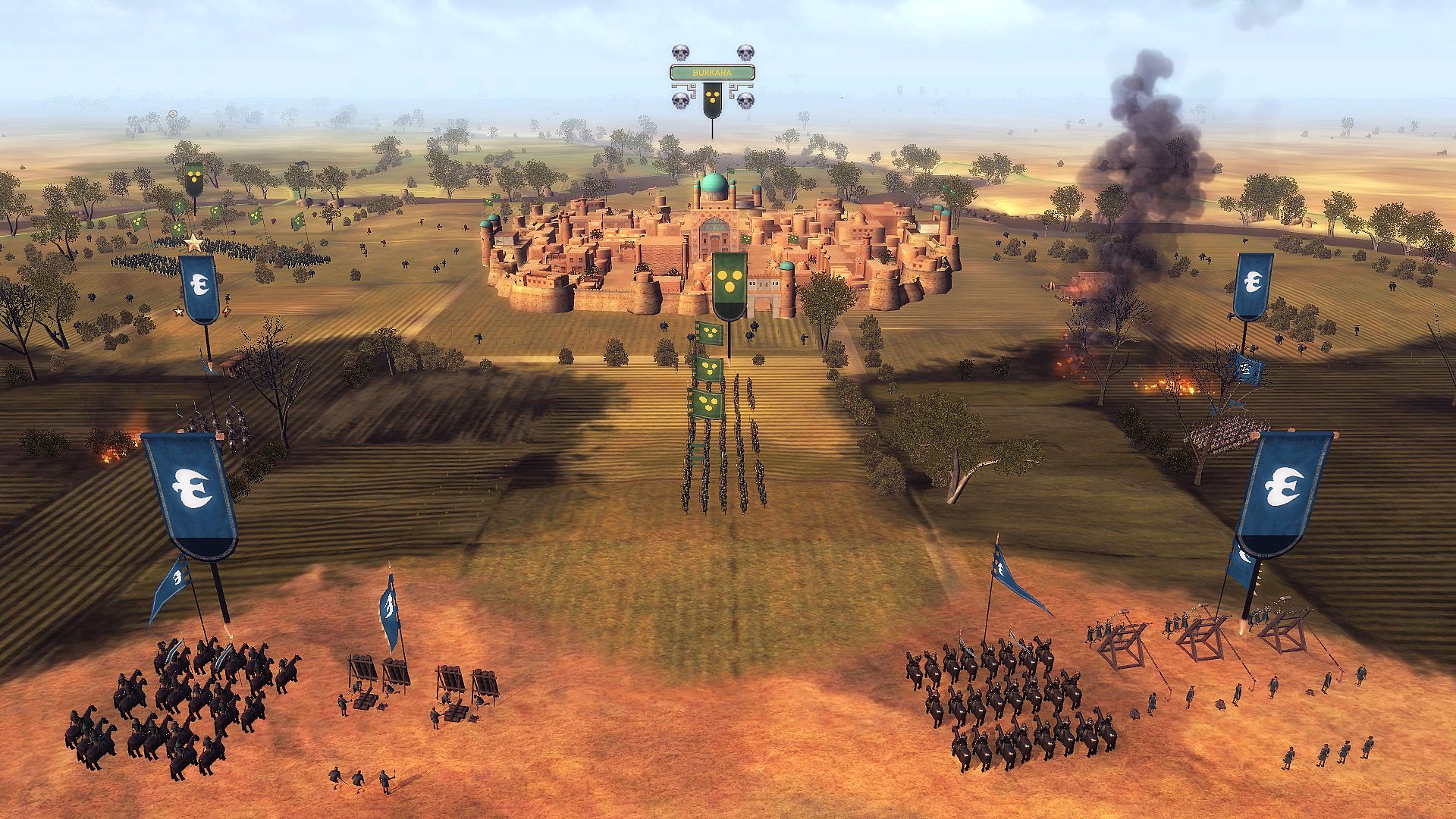

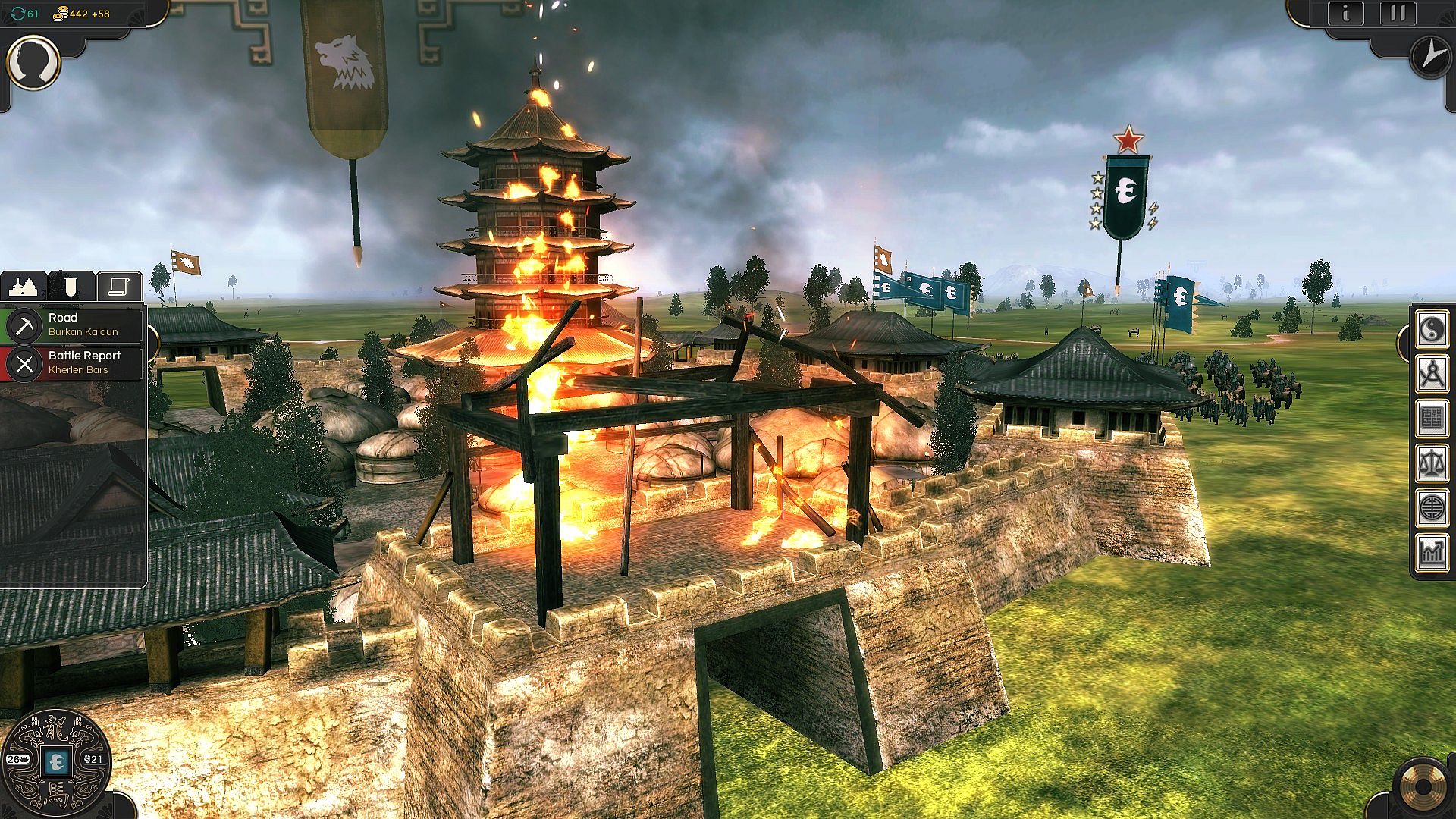
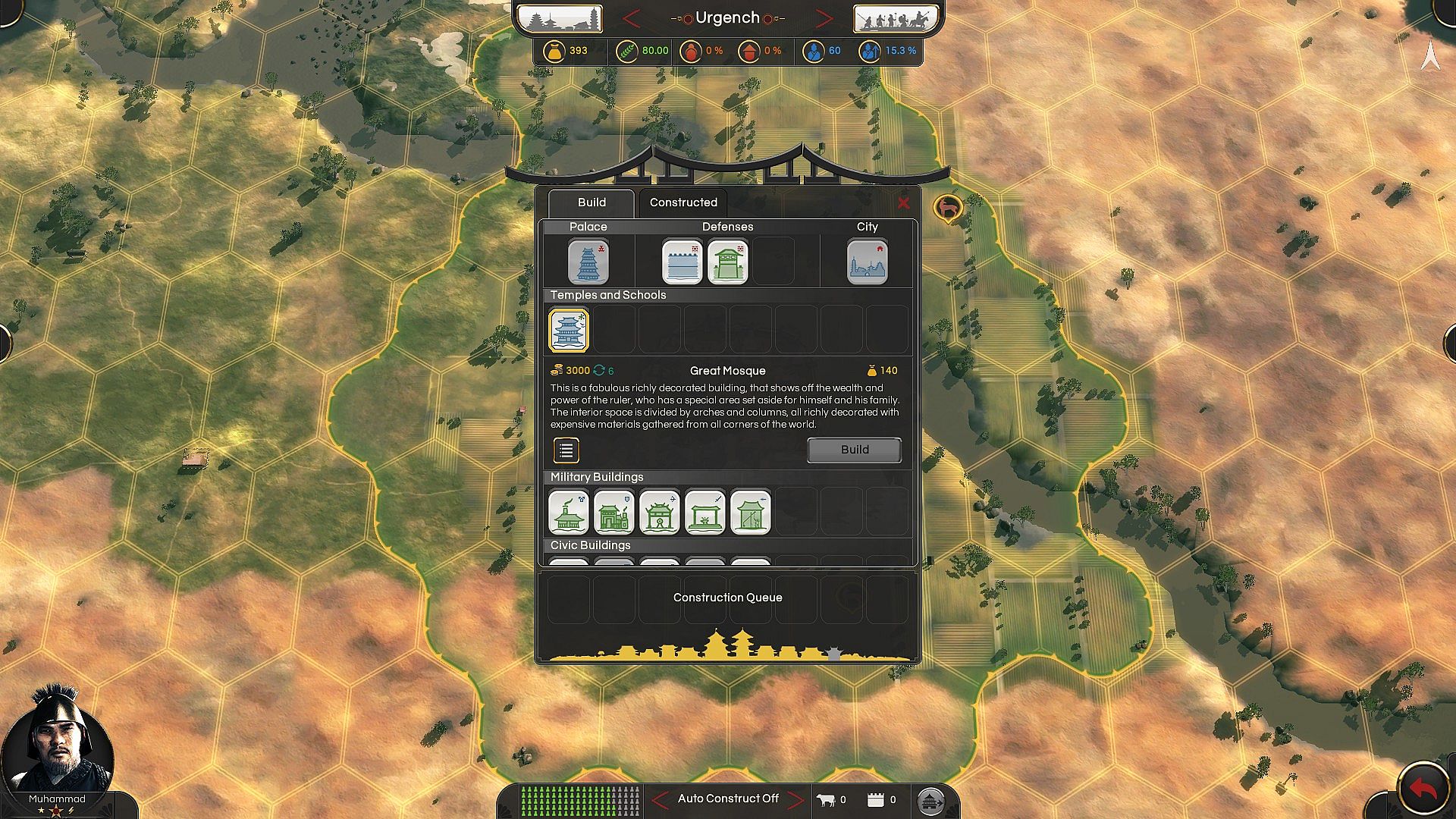
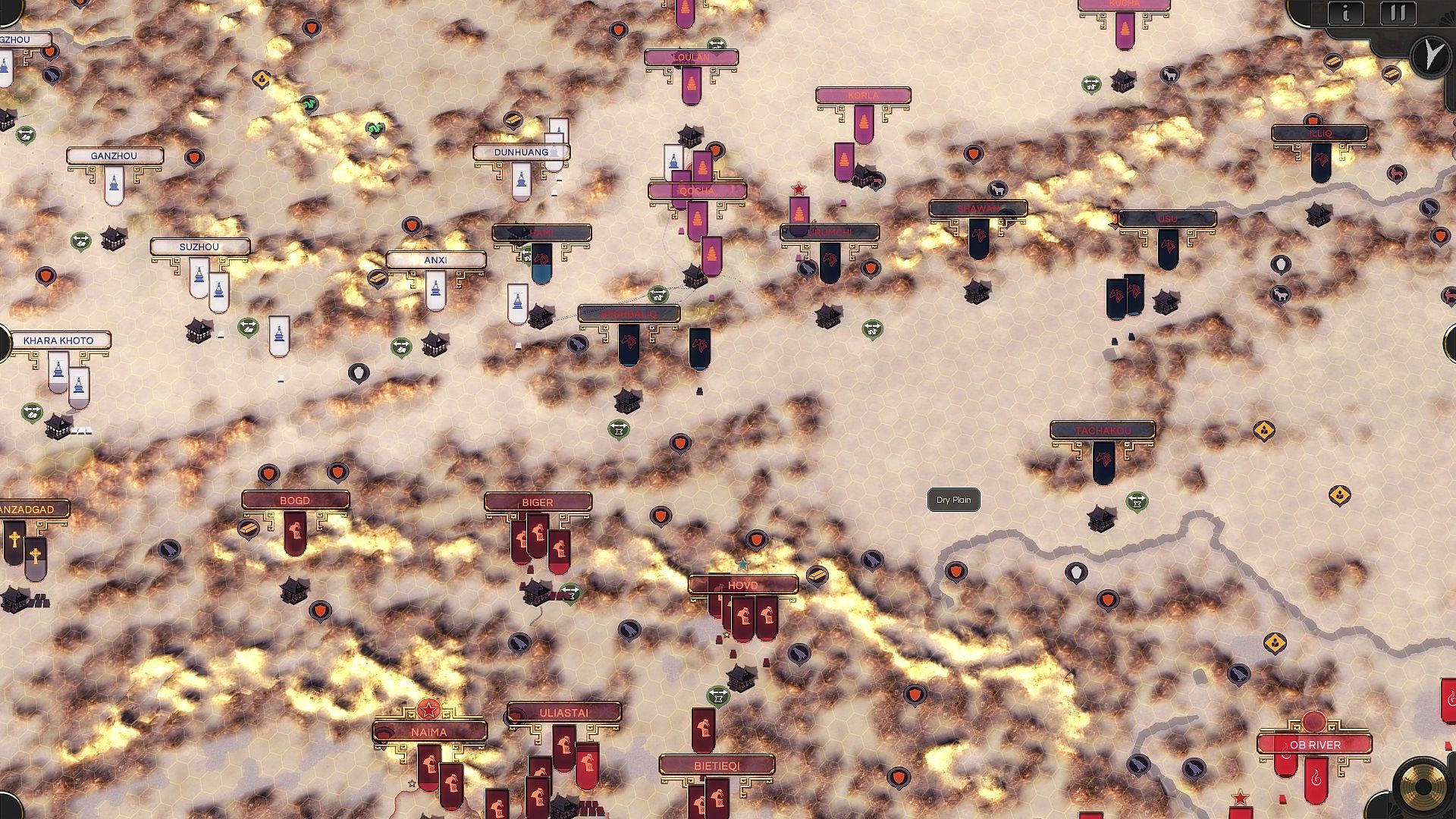
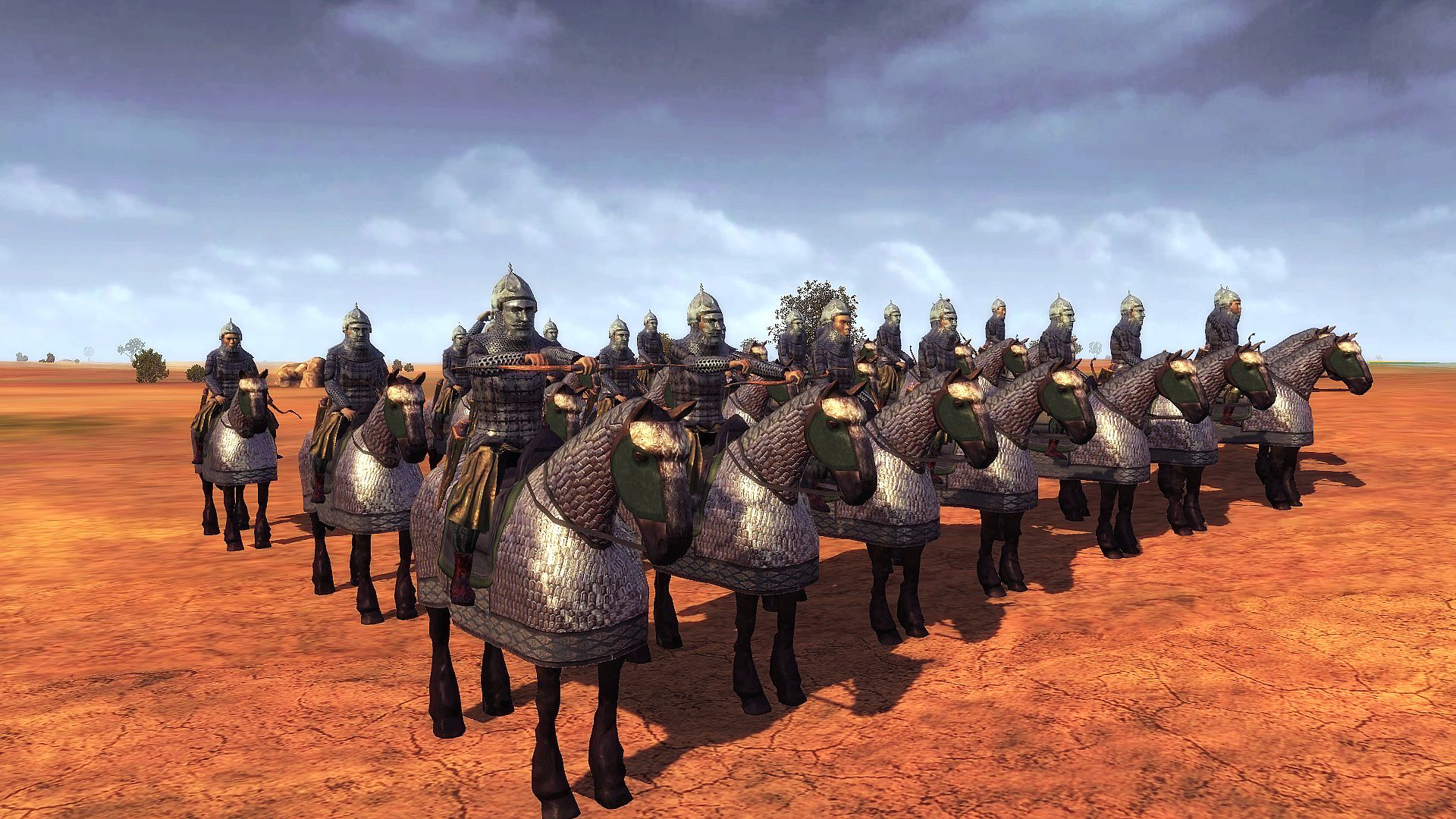
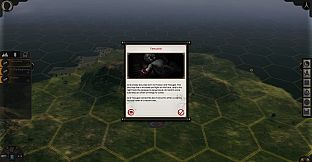
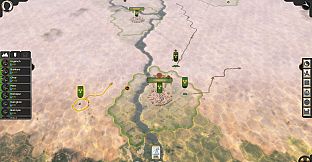
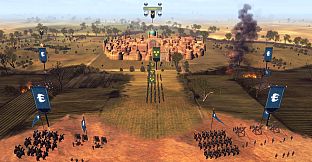
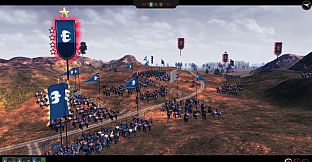
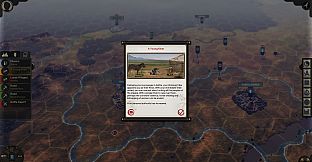
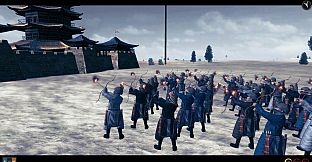
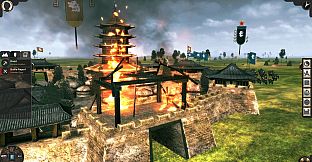
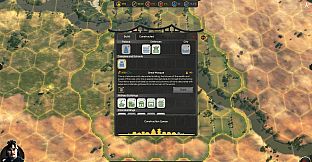

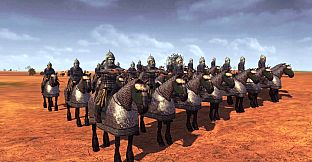
Oriental Empires: Genghis é um jogo de estratégia e simulação que coloca o jogador no papel de Temuchin, desde sua ascensão de pária até a fundação do Império Mongol. O mapa abrange desde a China, passando pelas estepes mongóis, até a região do mar Cáspio, e expande os sistemas centrais de gerenciamento de império com novas unidades, construções, recursos e tecnologias inspirados na era mongol e nas potências vizinhas.
Gameplay
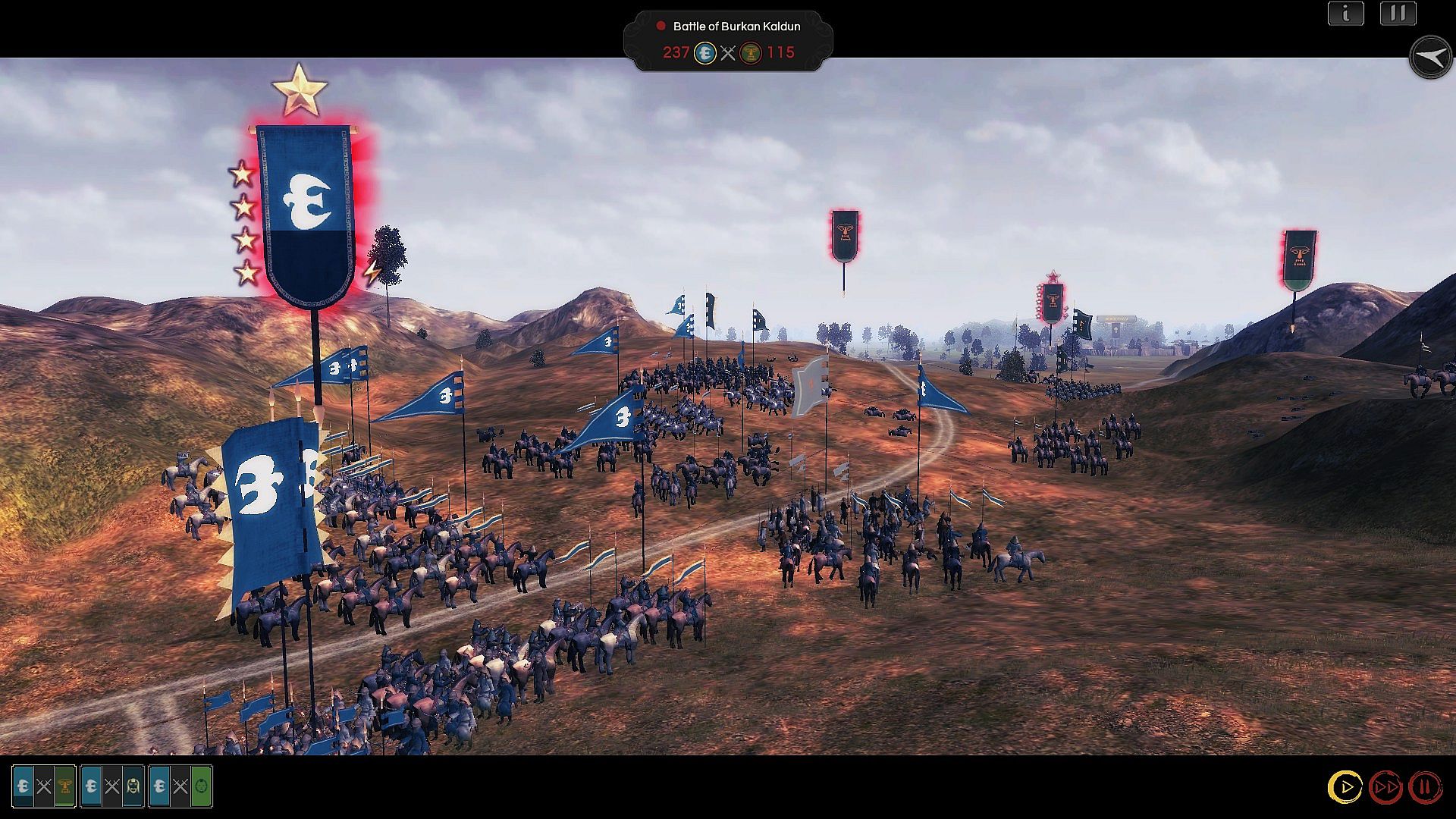
O ciclo principal gira em torno do crescimento de um pequeno grupo de guerreiros até se tornar uma força dominante, equilibrando assuntos internos e ameaças externas. Os jogadores treinam e ampliam unidades militares, firmam alianças com clãs rivais e selecionam batalhas estratégicas para unir as tribos mongóis. A coleta de recursos sustenta novas tecnologias e o desenvolvimento de personagens, influenciando a progressão rumo ao título de Genghis Khan.
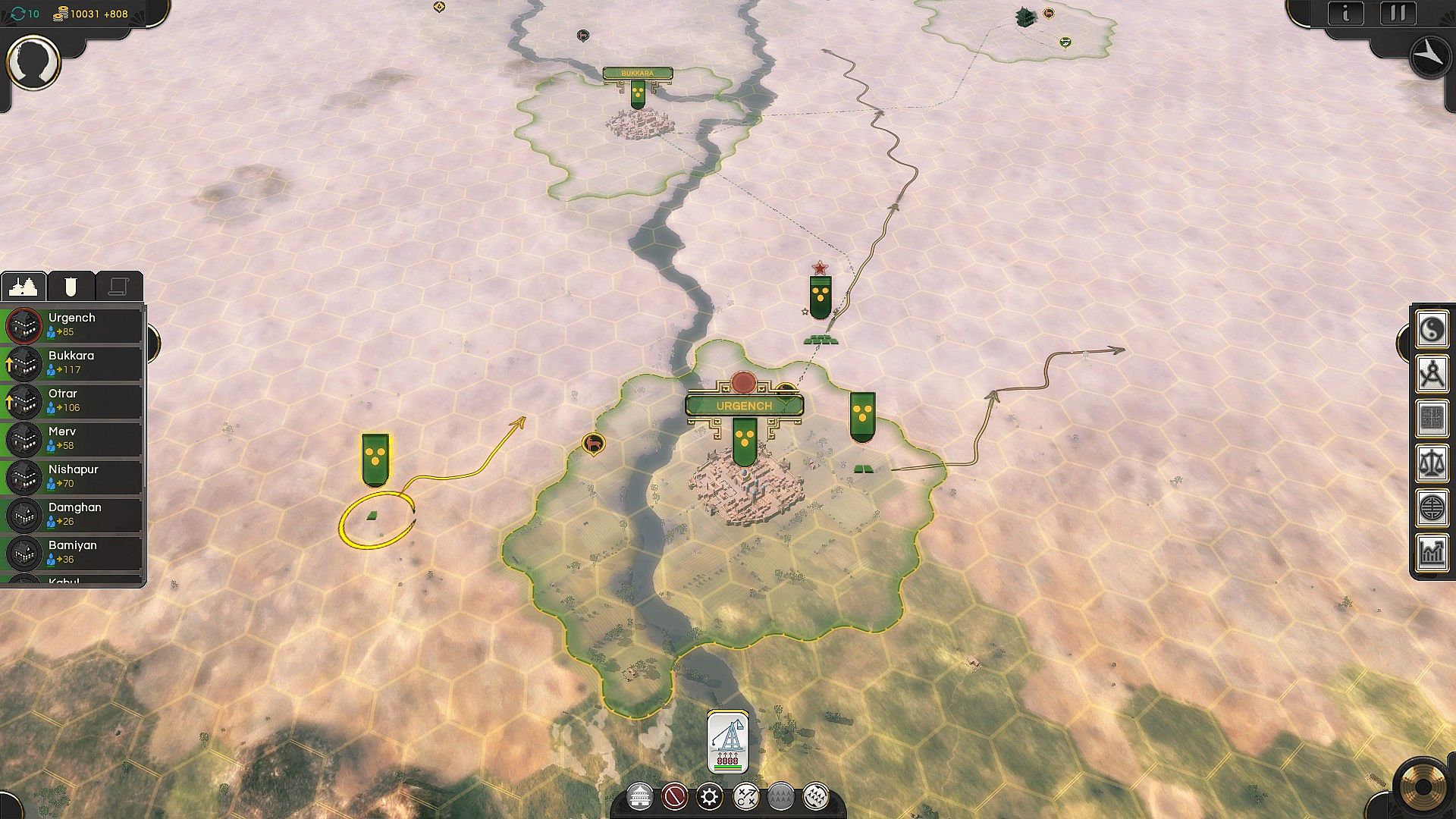
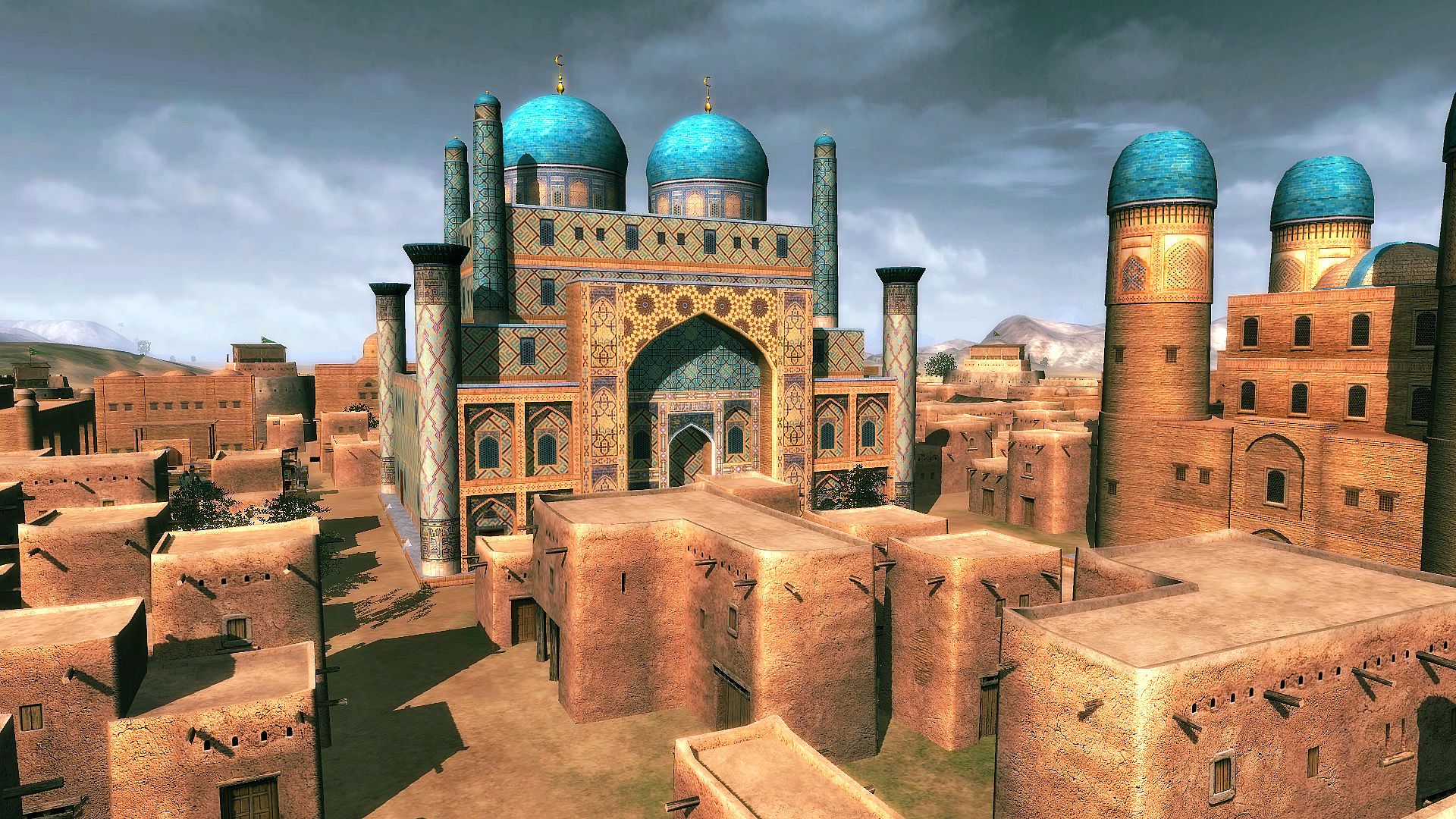
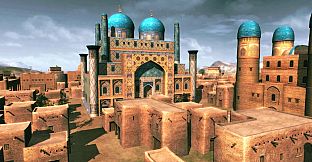
Combate e diplomacia caminham lado a lado com a construção de cidades no mapa ampliado. Novos modelos de construções representam cidades da Rota da Seda e assentamentos da Ásia Central islâmica, enquanto recursos e tecnologias inéditos modificam as opções de produção e militares. Unidades específicas dos mongóis se juntam ao elenco, ao lado de acréscimos para tribos turcas e o Império Corásmio, gerando escolhas táticas distintas nos confrontos com potências como o Xi Xia, o Corásmio e a Dinastia Jin.
Modos de Jogo
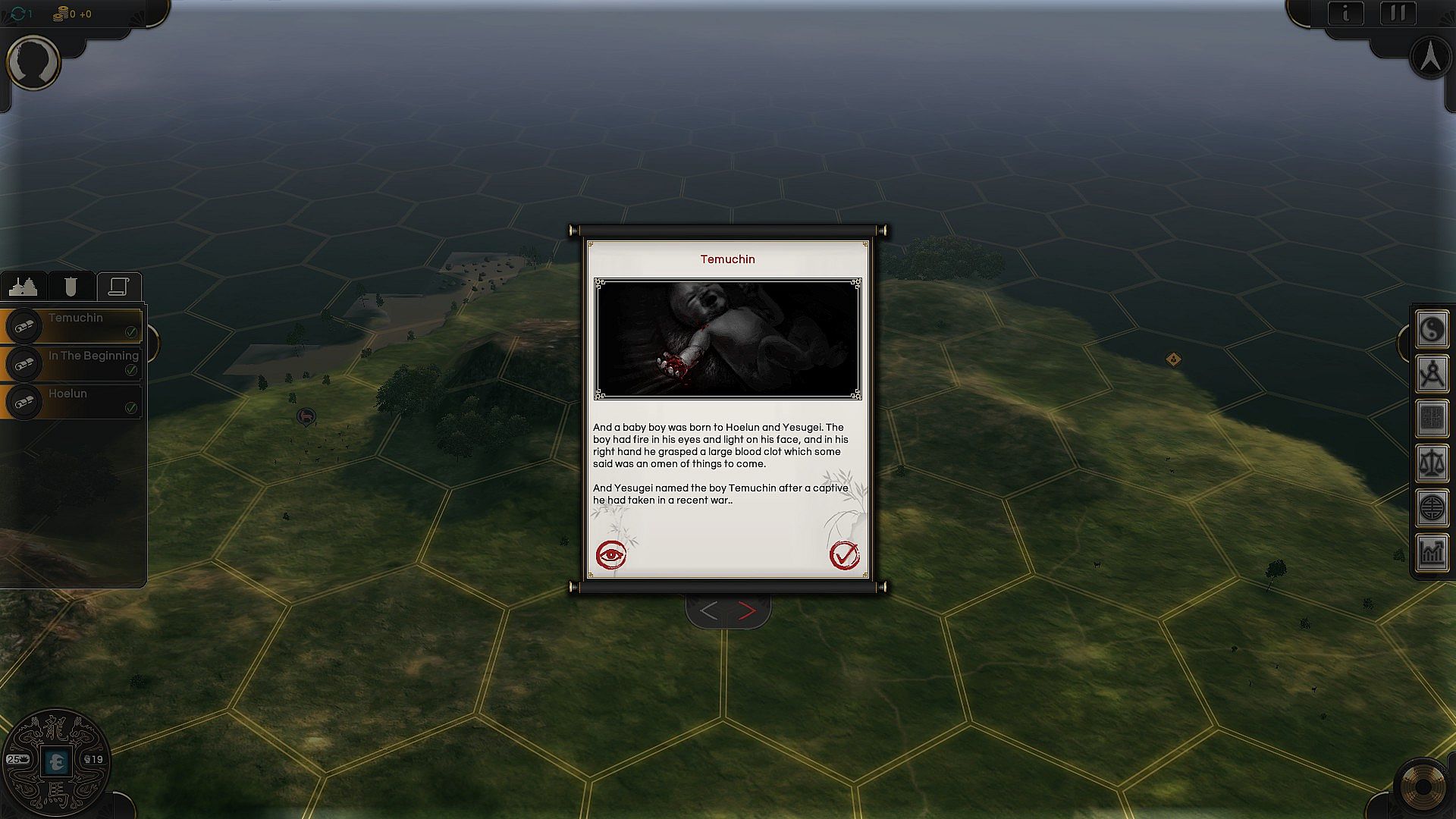
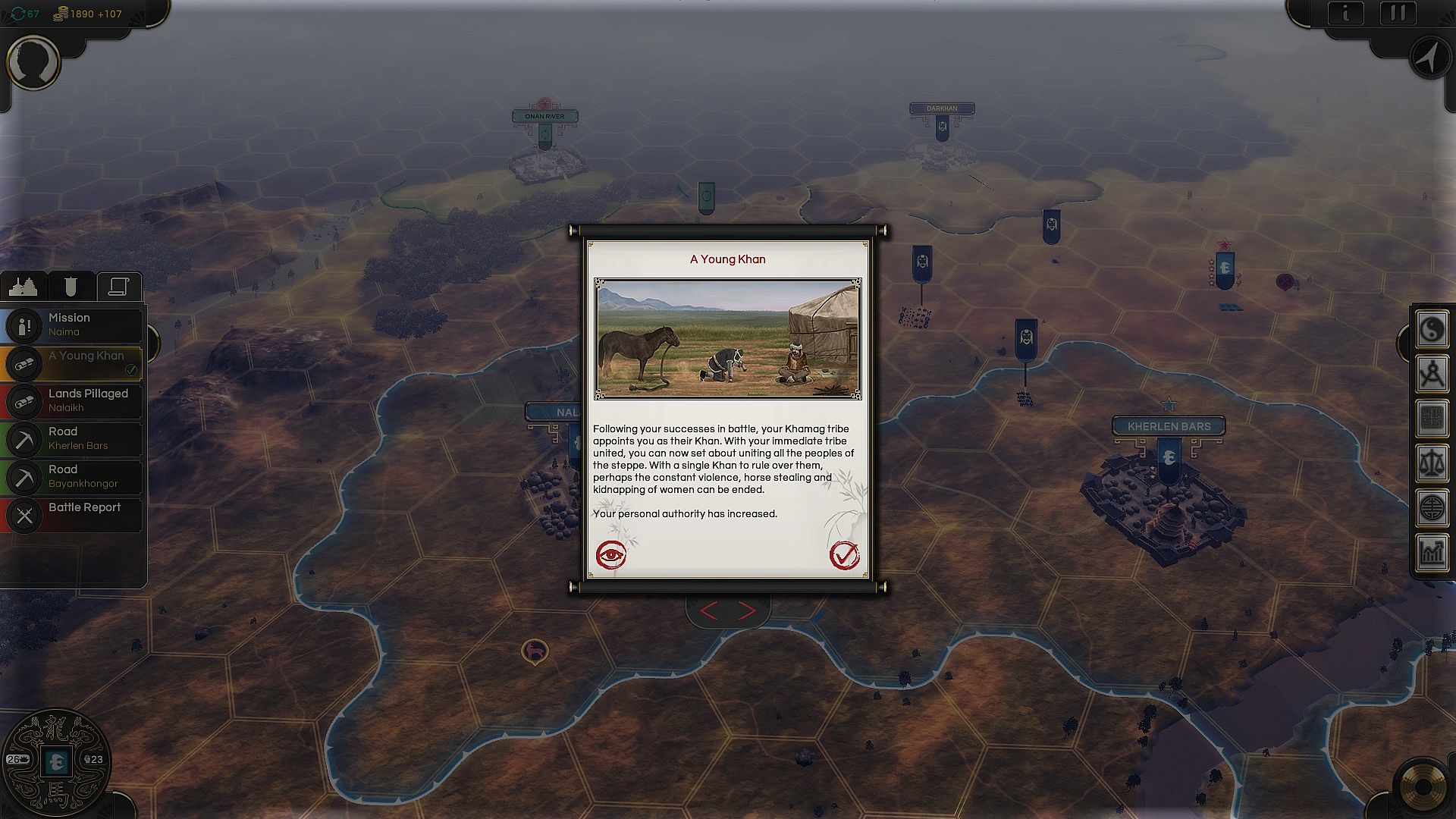
Dois modos principais estruturam a experiência. A campanha narrativa acompanha momentos marcantes da vida de Temuchin, guiando o jogador desde origens humildes, passando pela unificação da nação mongol, até campanhas de grande escala contra impérios consolidados. Um modo sandbox, ambientado na época de seu nascimento, oferece liberdade total para jogar com diferentes facções durante o período conhecido como Tempo dos Mongóis.
Ambos os modos compartilham os mesmos sistemas de expansão, pesquisa tecnológica e interações entre personagens, mas a campanha narrativa adiciona estrutura à história, enquanto o sandbox prioriza conquistas e alianças em aberto por todo o mapa.
Principais Recursos e Mecânicas
A expansão se concentra na submissão de clãs rivais por meio de ações militares e laços diplomáticos. Novos personagens surgem conforme a campanha avança, oferecendo benefícios ou desafios únicos que se integram às árvores de tecnologia e recursos. A escala do mapa permite campanhas extensas que cruzam múltiplas regiões culturais, com terreno e tipos de assentamento influenciando movimento e opções de desenvolvimento.
As listas de unidades destacam variantes de cavalaria e infantaria mongóis, além de forças especializadas de grupos aliados ou conquistados. O gerenciamento de recursos inclui itens exclusivos do cenário, que alimentam tanto o crescimento civil quanto a prontidão militar. Esses elementos se combinam para criar uma trajetória de progressão desde a liderança tribal em pequena escala até operações em nível imperial.
Vale a Pena Jogar?
Jogadores que apreciam estratégia por turnos com temas históricos encontrarão engajamento na estrutura da campanha e na variedade do mapa. O foco no crescimento gradual de um bando de guerreiros, no gerenciamento de alianças e na conquista em larga escala atrai quem se interessa pelo período de unificação mongol e seus conflitos com estados vizinhos.
A recepção foi mista: alguns elogiam a profundidade de gerenciamento, enquanto outros apontam pontos a ajustar no equilíbrio de dificuldade. O título está disponível como experiência completa, sem conteúdo sazonal ou atualizações significativas desde o lançamento. Atrai principalmente fãs de construção de impérios no estilo simulação que valorizam progressão narrativa combinada com liberdade sandbox.