


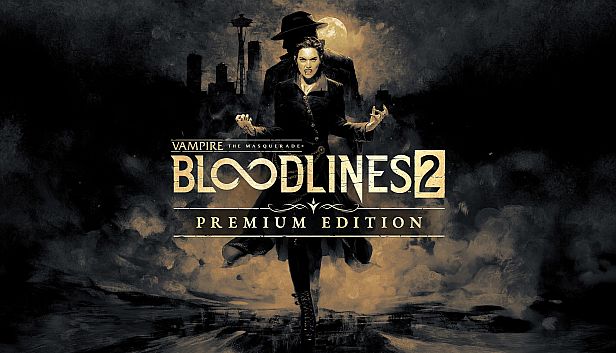


Vampire: The Masquerade - Bloodlines 2 is a single-player action RPG set in a modern Seattle where players control an elder vampire named Phyre while alternating perspectives with a Malkavian detective named Fabien. The game emphasizes vampire survival, political intrigue among the Kindred, and the constant need to uphold the Masquerade by concealing supernatural abilities from humans. On PS5, it delivers a focused narrative experience centered on clan choice, ability progression, and decision-making that influences alliances and outcomes in the city's vampire underworld.
Gameplay
Core gameplay revolves around first-person exploration, combat, and social interactions in an open Seattle environment. Players navigate vertically using enhanced jumps, climbing drainpipes and fire escapes, vampiric sprinting, and gliding without fall damage. Stealth approaches allow stalking targets before striking, while direct combat involves light and heavy melee attacks that vary by clan, directional dashes for counters and kicks, and telekinesis to pull or throw objects and enemies. Feeding on vulnerable targets restores health and fills blood pips required for abilities, though it leaves the player exposed. A Masquerade meter tracks public violations of vampire secrecy, with an eye icon indicating witnesses and bars that progress through stages of infractions leading to severe penalties if ignored. Blood Resonance from feeding on emotionally charged humans unlocks abilities from other clans via contacts in the city. Elixirs provide temporary boosts such as instant health restoration, blood pip recovery, increased strength, or damage reduction. Time slows during ability targeting to plan engagements, and later updates added direct melee weapon handling and a guard mechanic for blocking attacks.
Game Modes
The game operates as a single-player campaign without multiplayer components or separate modes. Progression follows the main story through alternating playable characters, with side missions, exploration of Seattle districts, and detective-style investigations that involve dialogue, memory manipulation, and puzzle elements. Choices in conversations and actions shape faction alignments, story branches, and multiple endings. Combat encounters support both stealth stalker tactics and aggressive brawling depending on player preference and clan selection, while the Masquerade system adds tension to public activities. Post-launch updates introduced quality-of-life features like photo mode and visual filters but did not add new game modes or co-op elements.
Clans and Abilities
Six clans shape starting abilities and playstyles, with flexibility to acquire powers from others through Blood Resonance. Brujah focuses on aggressive melee and crowd control. Tremere emphasizes blood sorcery for ranged effects and debuffs. Banu Haqim prioritizes stealth and precision executions. Ventrue centers on mental domination and resistance. Toreador offers mobility and charm-based approaches. Lasombra provides shadow manipulation for traps and ambushes. Each clan includes a unique passive benefit tied to feeding, along with discipline powers that evolve through an ability tree. Players mix and match elements across clans for varied builds, supporting different approaches to combat, stealth, and social encounters.
Is It Worth Playing?
Reception has been mixed, with praise for the narrative depth, voice acting, atmospheric Seattle setting, and satisfying vampire power fantasy through combat and abilities. Critics and players highlight engaging story twists and character work as standout elements. At the same time, feedback notes limitations in RPG customization, progression systems, and overall scope compared to expectations for the series. Technical issues such as performance during larger fights appeared at launch, though patches addressed some concerns. The Premium Edition includes the base game plus story packs that expand on specific characters and events. This title suits players who prioritize a linear yet choice-influenced vampire story and fluid action over extensive character building or open-ended systems. Those seeking a strong single-player experience with supernatural themes will find value in its focused execution, while fans expecting deep simulation or branching RPG mechanics may find it narrower in scope.