

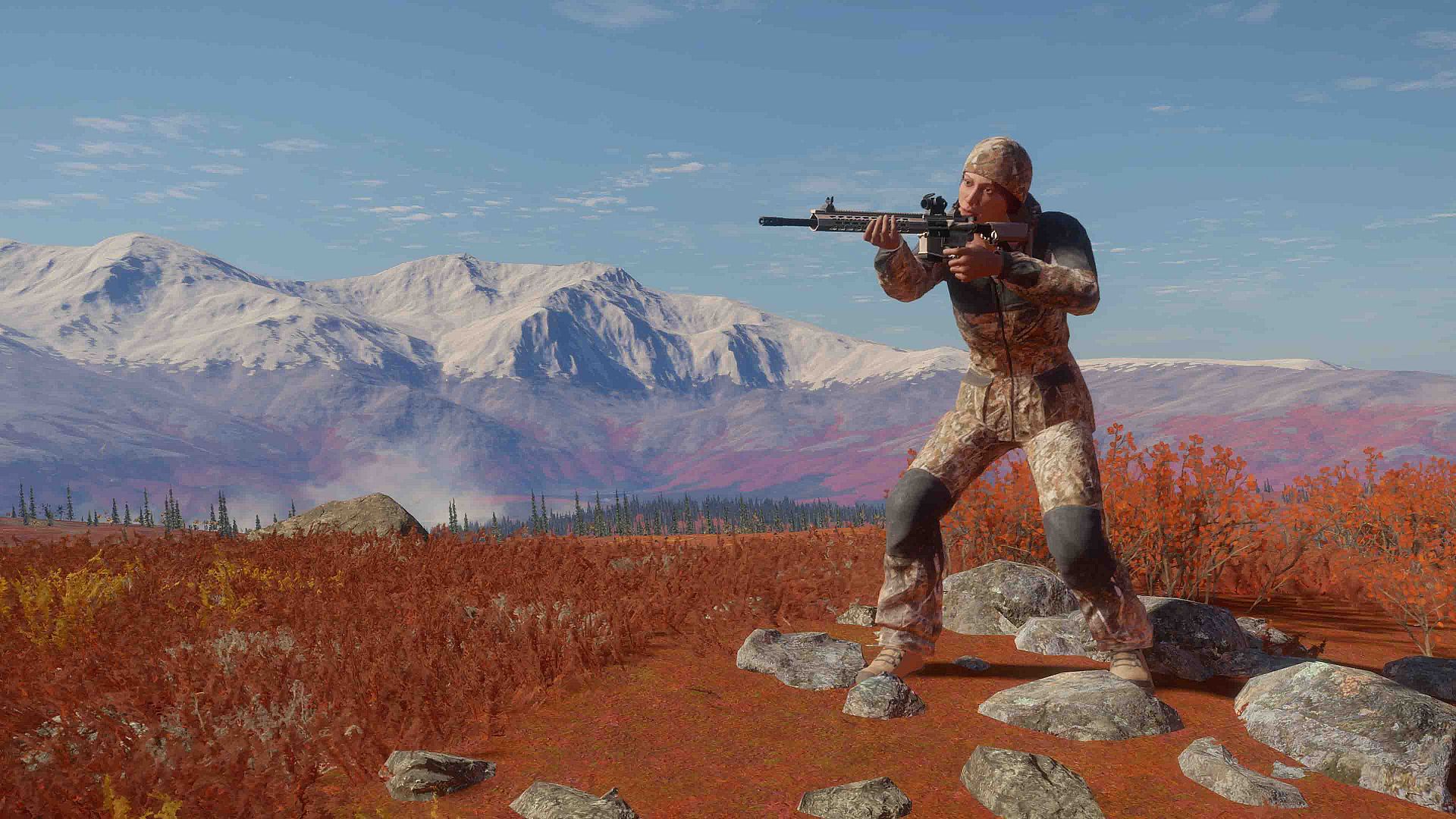
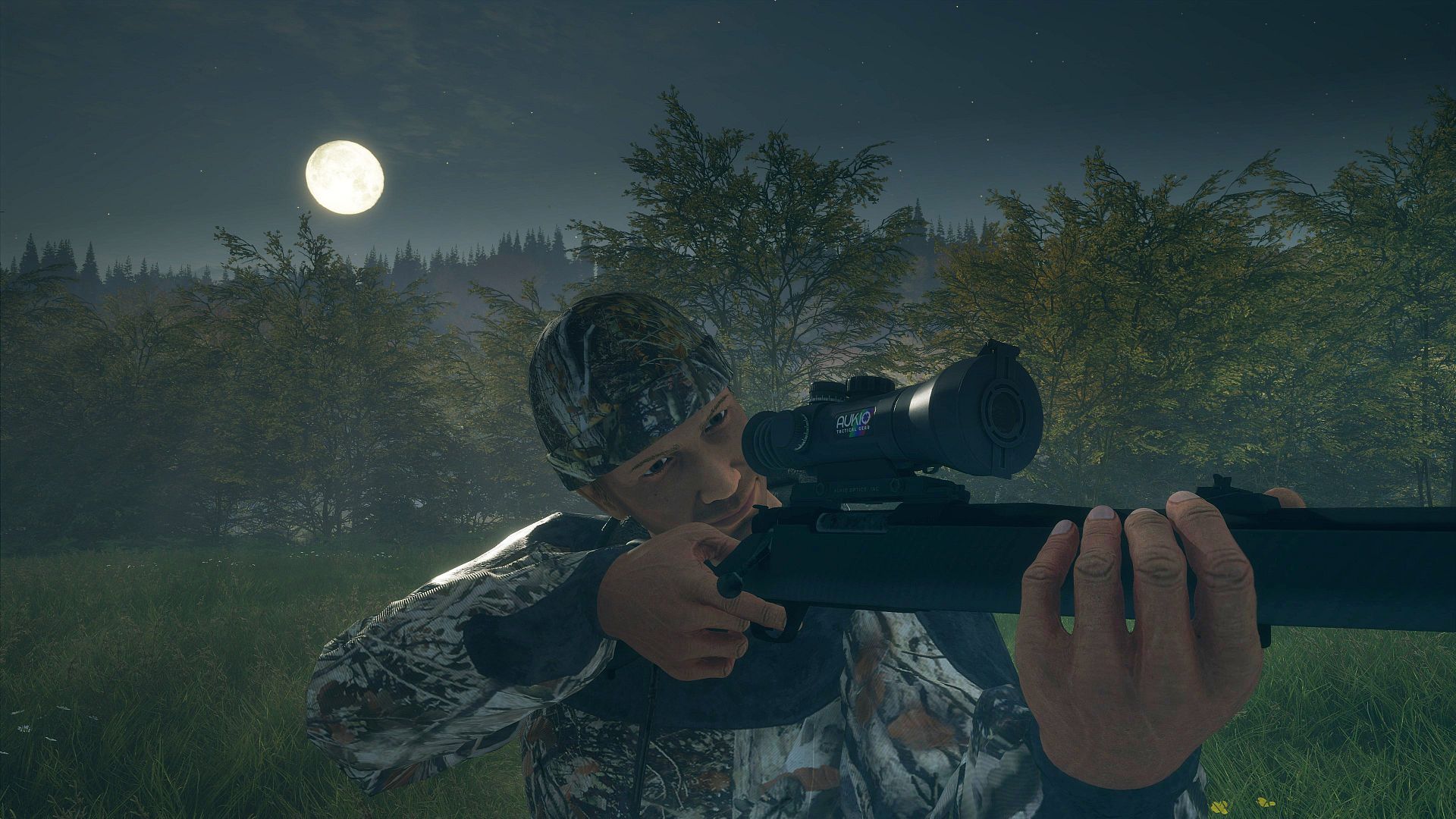
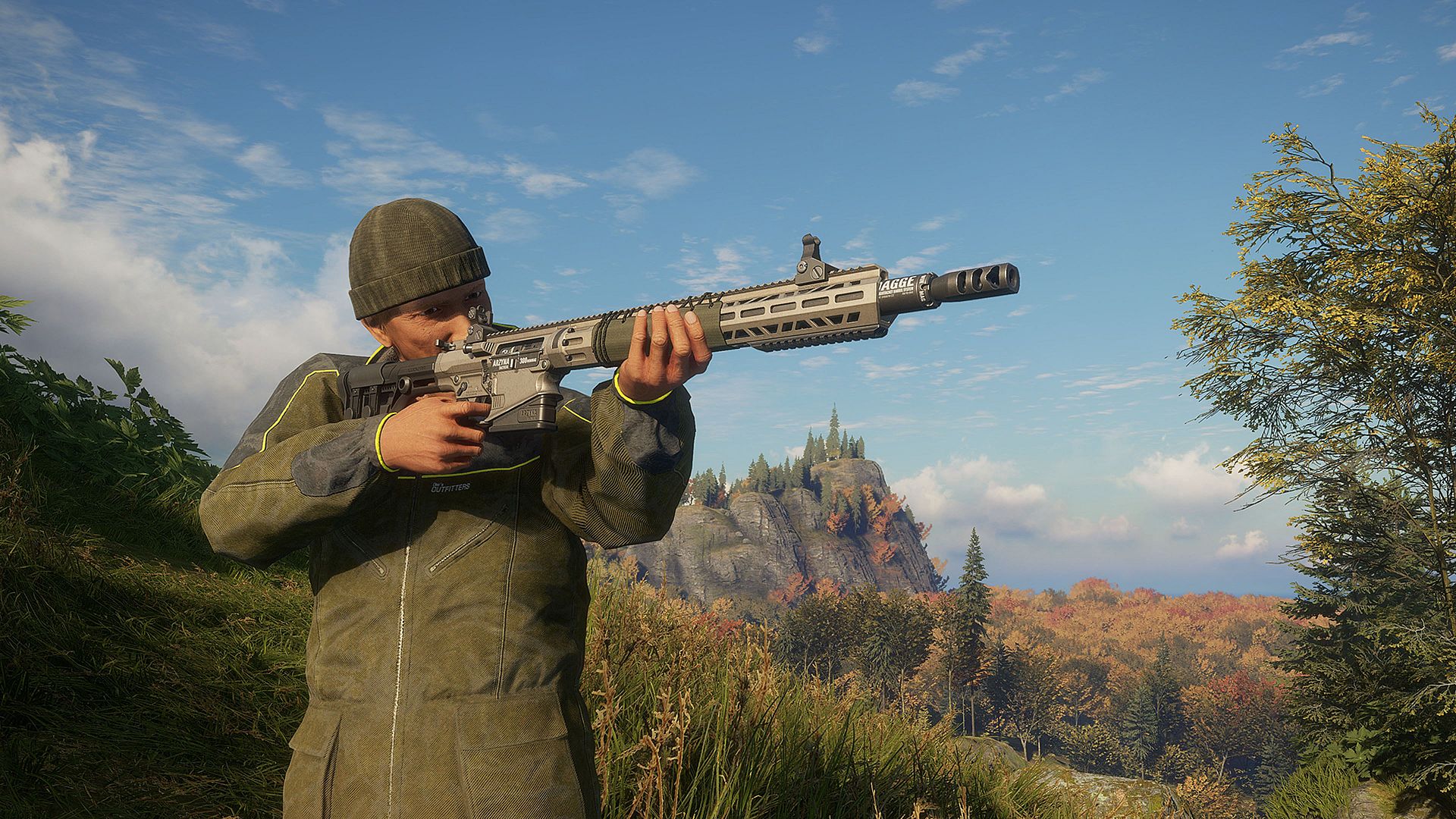
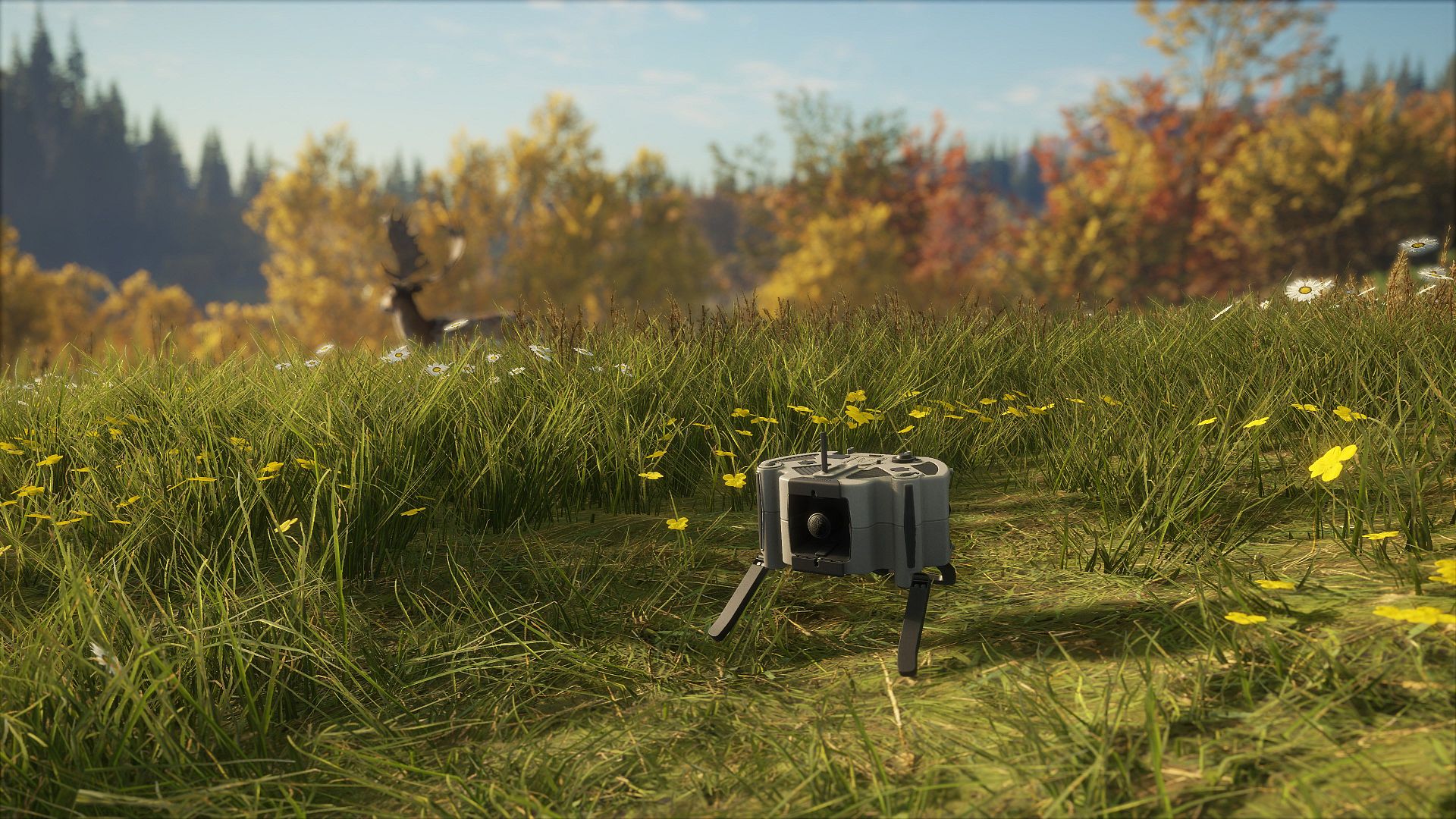
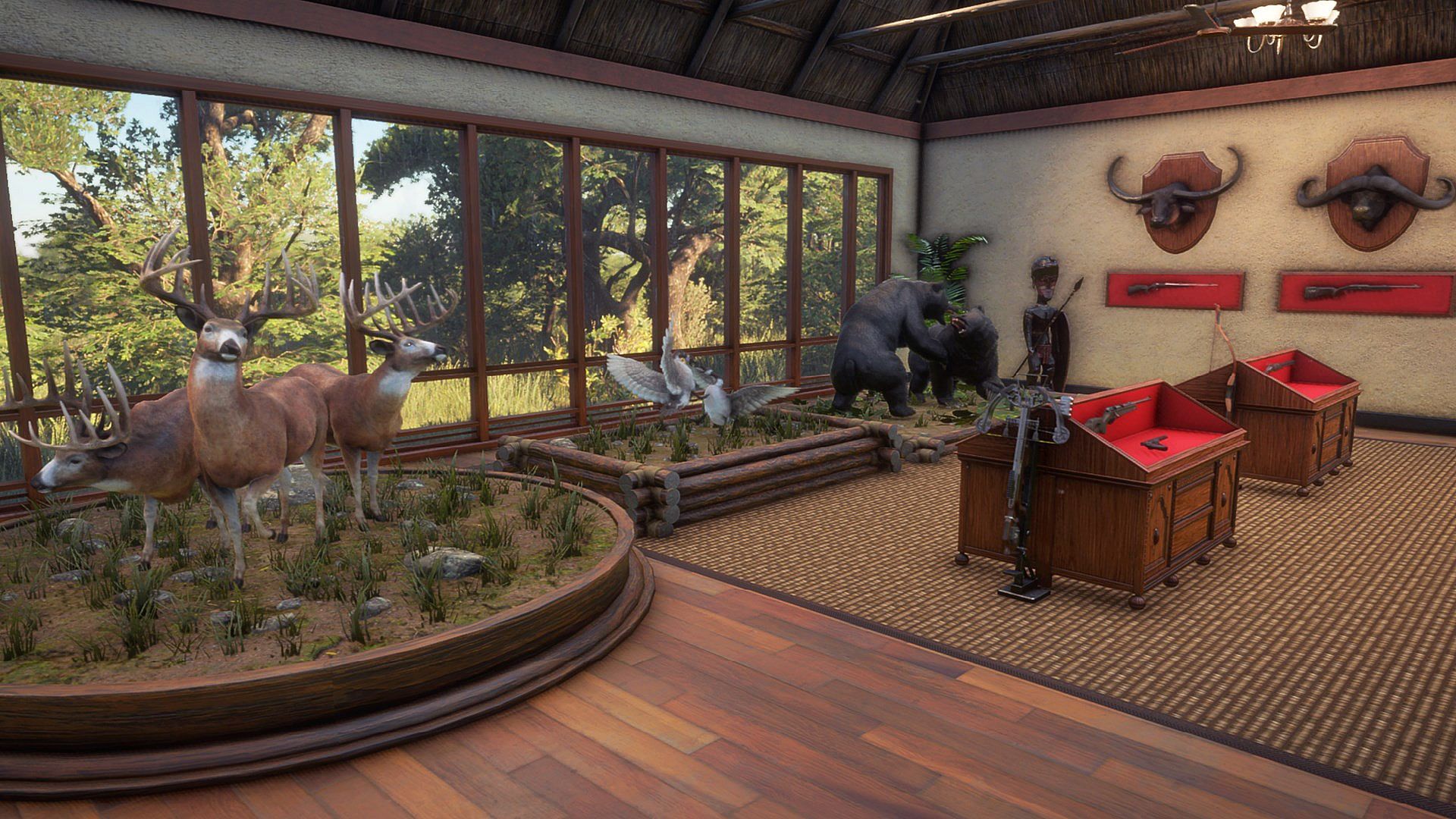
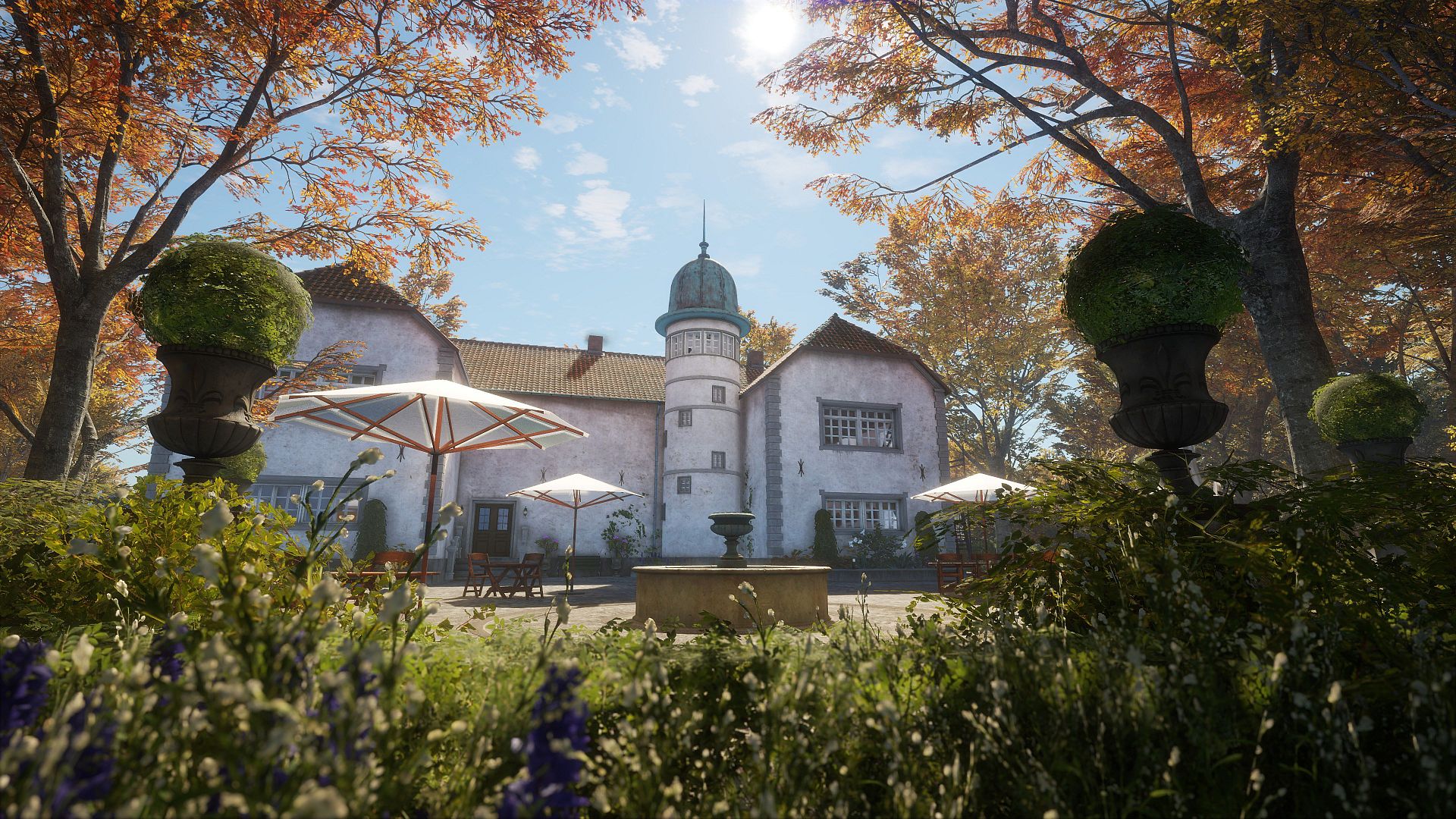
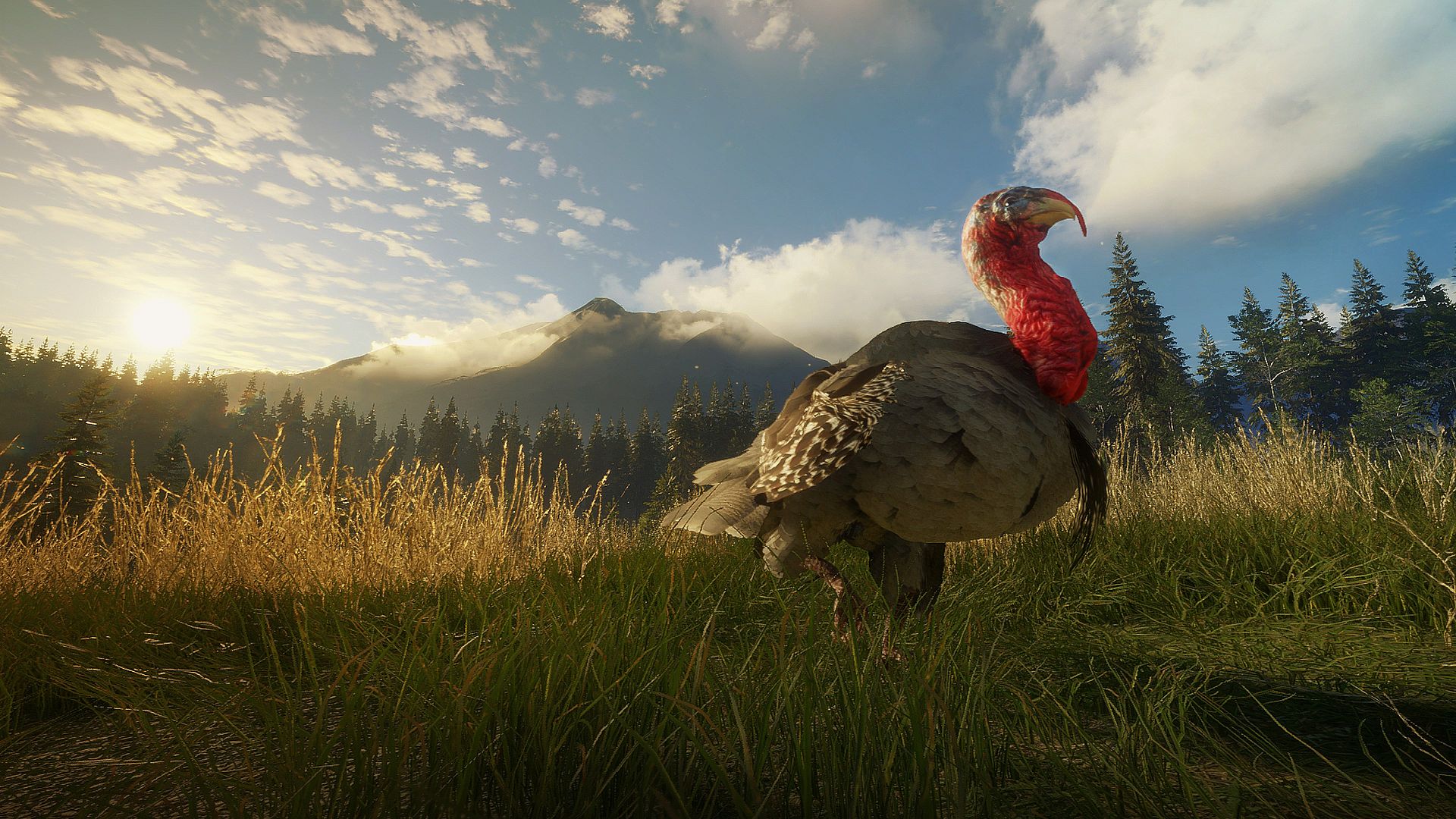
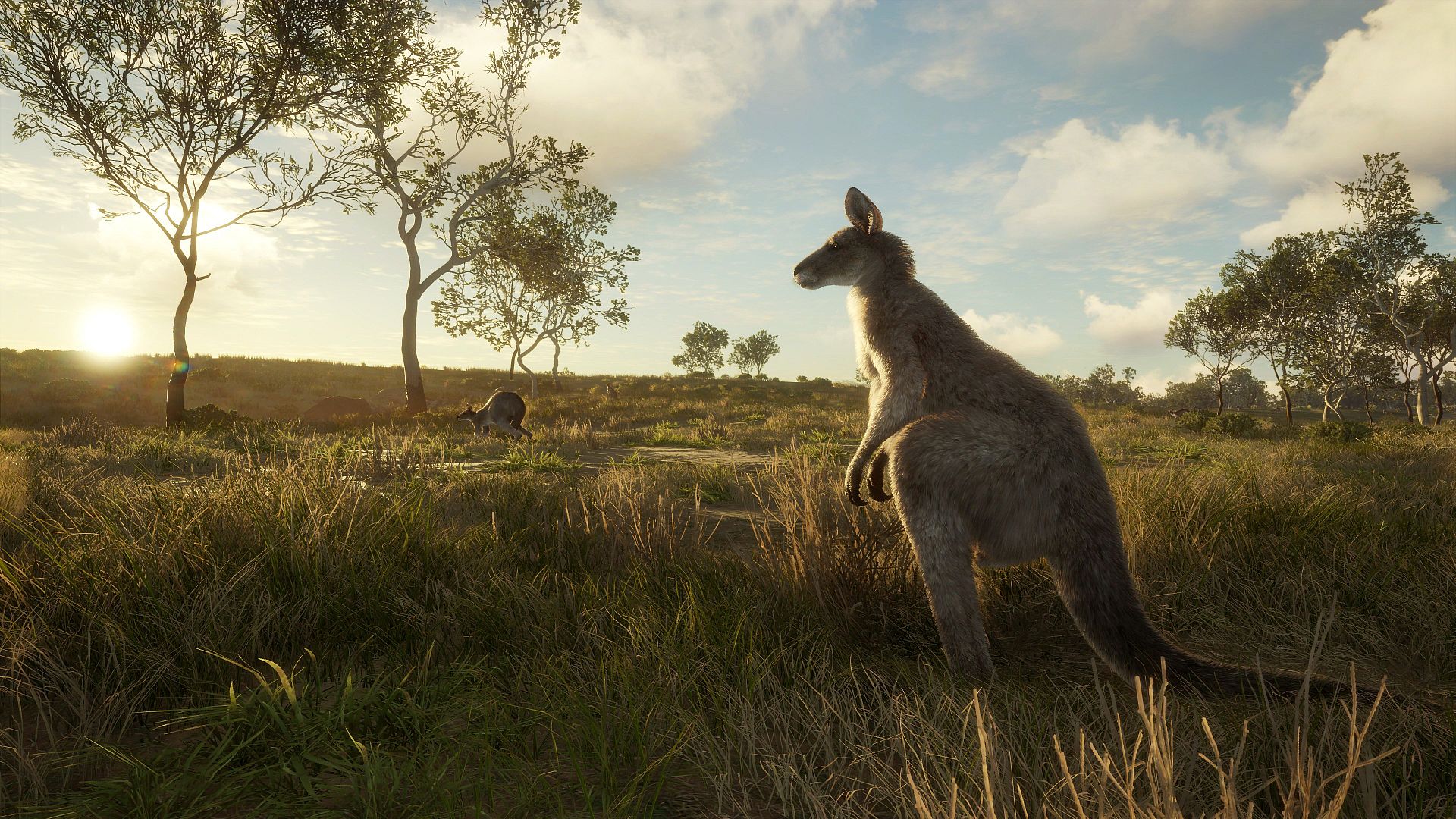
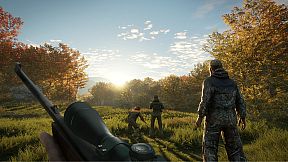
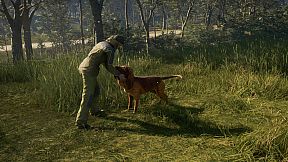
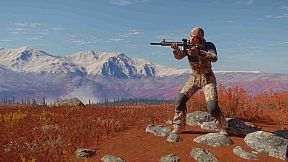
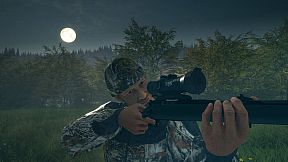
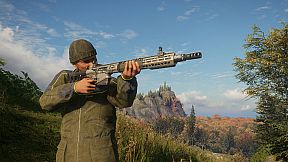
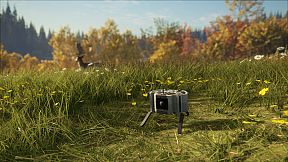
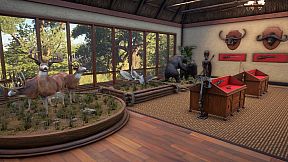

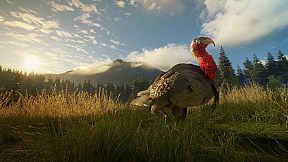
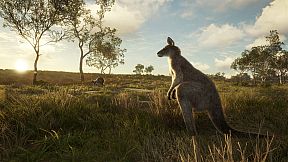
theHunter: Call of the Wild is a realistic hunting simulation game set in expansive open-world reserves. Players track and harvest a variety of wildlife using detailed environmental cues and equipment choices. The experience emphasizes patience, observation, and strategic decision-making across singleplayer and multiplayer sessions on Xbox One and Xbox Series consoles.
Gameplay
Core gameplay centers on locating animals through visible tracks, droppings, and other signs left in the environment. A wind and scent system influences how animals detect the player, requiring careful positioning and movement to avoid detection. Day and night cycles, along with dynamic weather, alter visibility and animal activity patterns throughout each reserve.
Ballistics simulation governs shot placement and effectiveness, with different weapons and ammunition suited to specific species and distances. Players manage noise propagation and use calls to influence animal behavior. A progression system lets hunters develop skills in tracking, stealth, and weapon handling through repeated activity and optional objectives.
Need zones dictate where animals feed, drink, and rest at certain times, adding predictability to encounters once patterns are learned. Harvesting yields scores based on trophy quality, shot accuracy, and ethical factors, encouraging precise and thoughtful approaches over rushed actions.
Game Modes
Singleplayer mode supports free exploration of reserves alongside a series of missions that introduce mechanics and provide structured goals. These missions guide new players through tracking, calling, and harvesting while allowing full freedom to roam afterward.
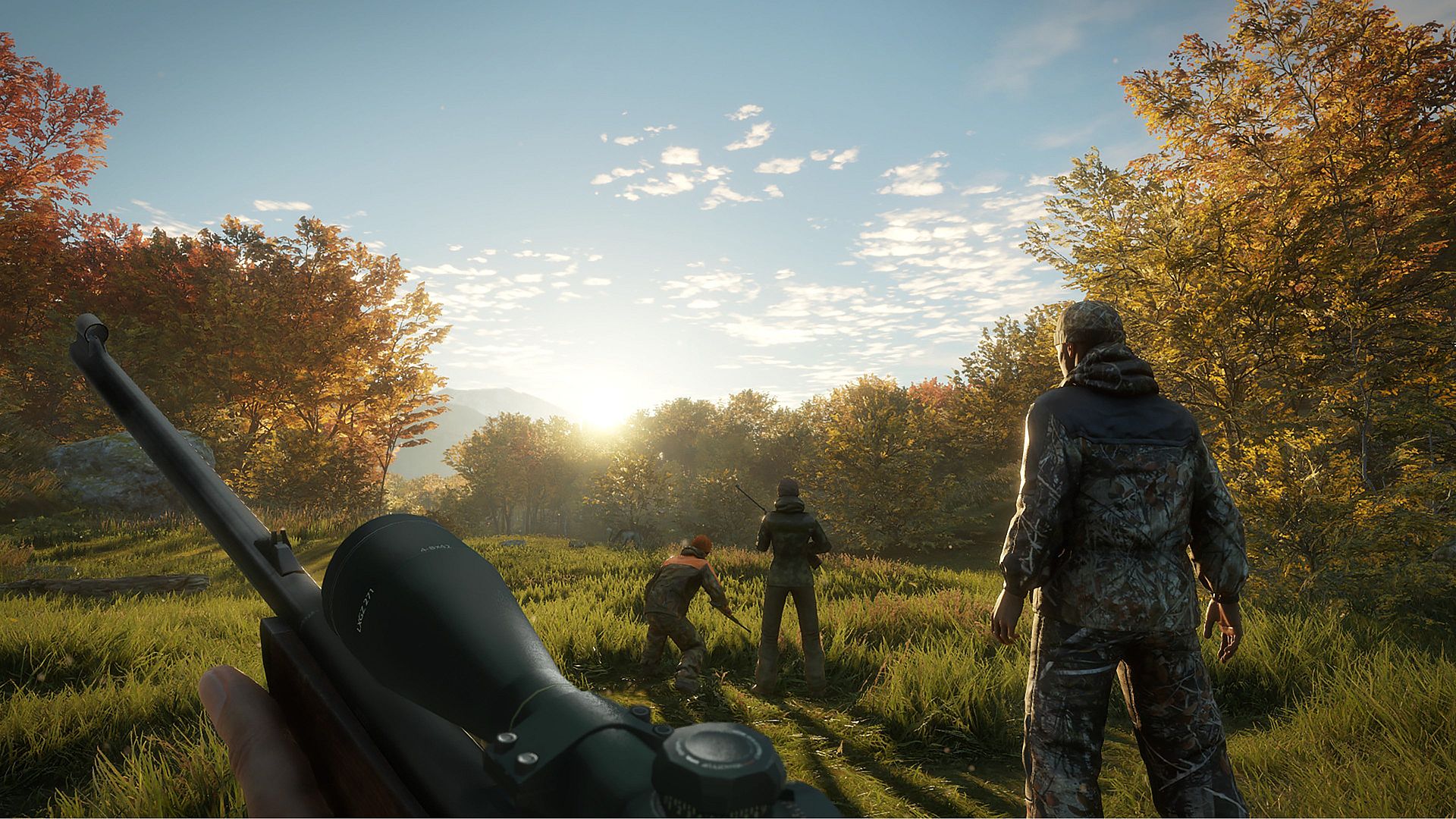
Online multiplayer supports sessions with up to eight participants. Players can collaborate on hunts or pursue individual trophies within the same shared reserve. One participant hosts the session, and the group shares access to the selected location for cooperative or competitive play.
Reserves and Wildlife
Multiple distinct reserves feature varied biomes and species suited to different hunting styles. Compact areas focus on small game, while larger mountainous or coastal maps host bigger animals and predators. Each location includes unique flora, terrain challenges, and animal populations that respond realistically to player presence.
Wildlife ranges from birds and small mammals to large herbivores and apex predators. Matching the right approach and equipment to each species remains essential for success across these environments.
Is It Worth Playing?
Player feedback on Steam rates the game as Very Positive based on over 200,000 reviews, reflecting appreciation for its realistic systems and ongoing content additions. Regular patches continue to refine mechanics, add species variants, and address issues as of September 2026.
This simulation suits players who value methodical pacing and environmental awareness over fast action. Those seeking a patient, skill-building hunting experience on Xbox will find substantial depth in the tracking and progression elements. Multiplayer expands the appeal for groups interested in shared outings.
The game remains actively supported with updates that introduce new features and improvements, maintaining its position as a dedicated entry in the hunting simulation genre.