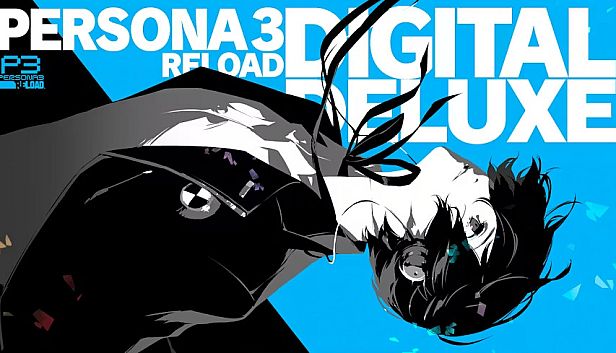














Persona 3 Reload is a single-player role-playing game that blends turn-based combat with daily life management on PC. Players navigate a calendar-based schedule where daytime activities build relationships and personal attributes while nighttime decisions lead into dungeon exploration and battles against Shadows.
Gameplay
The core loop revolves around a calendar system that tracks days and determines available actions. Some choices advance time while others do not, creating a structured rhythm between school life, social interactions, and combat encounters. Social Links form the backbone of progression outside battles, as strengthening bonds with various characters unlocks new abilities and story developments. Social Stats rise through targeted activities such as reading books or tending a rooftop garden, which in turn open options for deeper interactions.
Combat takes place in turn-based encounters where the protagonist summons and switches between multiple Personas to exploit enemy weaknesses. The Velvet Room serves as the hub for Persona fusion and management. Reload introduces several mechanical refinements, including Theurgy special attacks that build through character-specific actions, a Shift mechanic for passing turns to allies, full direct control over party members, and the ability to Guard instead of skipping turns. These changes streamline the flow while preserving the emphasis on strategy and weakness targeting.
Game Modes
The game operates exclusively in single-player mode with no multiplayer components. All progression occurs through the integrated story campaign that alternates between time management segments and dungeon runs in Tartarus during the Dark Hour. There are no separate competitive or cooperative modes, focusing instead on a continuous narrative experience that rewards consistent play across the calendar year.
Key Systems and Features
Exploration centers on Tartarus, a multi-floor tower that players revisit and expand over time. The protagonist's unique ability to wield multiple Personas contrasts with party members who each specialize in one, encouraging thoughtful team composition and fusion experiments in the Velvet Room. Quality-of-life adjustments include improved navigation, visual updates to environments and character models, and refined battle pacing that reduces downtime between turns. These elements work together to maintain momentum across long sessions without altering the fundamental structure of daily planning and nighttime action.
Is It Worth Playing?
Player reception has been strongly positive, with critics and users highlighting the refreshed presentation, combat refinements, and faithful adaptation of the original story. The PC version has received multiple patches addressing performance and stability since launch. Those who enjoy turn-based JRPG combat paired with relationship-building mechanics will find the systems rewarding, particularly with the added control options and new abilities that reduce repetition. The single-player focus suits players seeking a self-contained experience rather than ongoing multiplayer content. Overall, the updates make this version accessible for newcomers while delivering meaningful improvements for those familiar with the series core loop.