




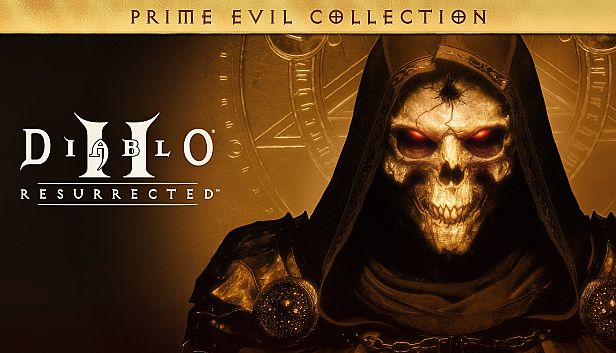




Diablo Prime Evil Collection bundles two cornerstone titles in the action RPG genre, offering a deep dive into demon-slaying adventures across remastered classics. This package includes Diablo II: Resurrected, a faithful remake of the 2000 original with updated visuals and audio, alongside Diablo III: Eternal Collection, which encompasses the base game plus its major expansions. Set in the dark fantasy world of Sanctuary, players confront hordes of monsters, uncover ancient evils, and build powerful heroes through intense combat and progression systems. Available on PS4 and PS5, it appeals to both veterans seeking nostalgia and newcomers exploring hack-and-slash RPG mechanics in a multiplayer or solo context.
Gameplay
The core experience revolves around real-time combat where you control a character from an isometric perspective, unleashing skills and attacks against waves of enemies. In Diablo II: Resurrected, you choose from seven classes like Barbarian or Sorceress, each with unique skill trees that allow for customized builds focused on melee, magic, or summoning. Loot plays a central role, as defeated foes drop gear that enhances stats and abilities, encouraging repeated runs through areas to farm better equipment. Diablo III: Eternal Collection expands this with fluid movement and combo-based fighting, featuring classes such as Demon Hunter or Wizard, where you manage resources like mana or fury to cast devastating spells or strikes.
Mechanics emphasize progression through acts filled with quests, boss fights, and exploration of procedurally generated dungeons. In both games, inventory management and item crafting add layers, letting you socket gems or enchant weapons for optimal setups. Combat feels responsive on consoles, with controller support enabling quick dodges and targeted abilities, while the shared stash system facilitates item transfers between characters.
Game Modes
The collection supports single-player campaigns that follow narrative arcs, from the five acts in Diablo II: Resurrected tracking the Dark Wanderer's path, to Diablo III's story spanning multiple chapters against the forces of Hell. Multiplayer options allow up to four players to join in cooperative play, either locally on the same system or online, with drop-in and drop-out functionality for seamless sessions.
Diablo III introduces Adventure Mode, a free-roam setup outside the main story, where you tackle bounties, rifts, and greater rifts for endless challenges and rewards. This mode supports seasonal play, resetting progress periodically with new themes and leaderboards. Diablo II: Resurrected includes ladder seasons for competitive ranking in online multiplayer, alongside standard non-ladder modes for casual enjoyment.
Classes and Mechanics
Character classes define your approach to battles, with Diablo II offering options like the Paladin for holy auras or the Druid for shapeshifting. Mechanics such as runewords in Diablo II let you combine runes into sockets for powerful effects, while Diablo III's paragon system provides ongoing leveling beyond the cap, granting bonuses to all characters on an account.
Both titles feature difficulty settings that scale enemy toughness and rewards, from normal to torment levels in Diablo III, ensuring replayability. Factions aren't central, but alliances with NPCs and choices in quests influence story branches and available gear.
Updates and Seasons
Diablo III receives regular seasonal updates, with the current season introducing new themes, items, and balance changes to keep the meta fresh. These seasons often include cosmetic rewards and gameplay modifiers, like altered monster behaviors or boosted drop rates. Diablo II: Resurrected has seen patches improving quality of life, such as expanded stash space and bug fixes, maintaining its active community.
Is It Worth Playing?
For those drawn to action RPGs with loot-driven progression and cooperative elements, this collection holds strong appeal. Player ratings average 3.74 out of 5 stars from over 20,000 reviews on PlayStation, reflecting appreciation for its depth despite some technical hiccups on older hardware. Ongoing seasons in Diablo III provide fresh content, making it suitable for returning players, while the remastered Diablo II offers timeless gameplay. If you enjoy building characters and tackling escalating challenges in a fantasy setting, it's a solid choice, especially for console users seeking portable or shared-screen fun.
