




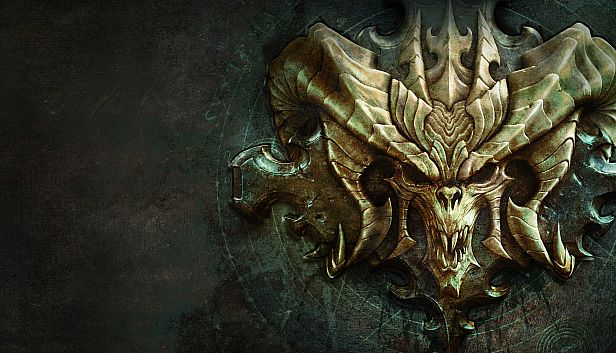











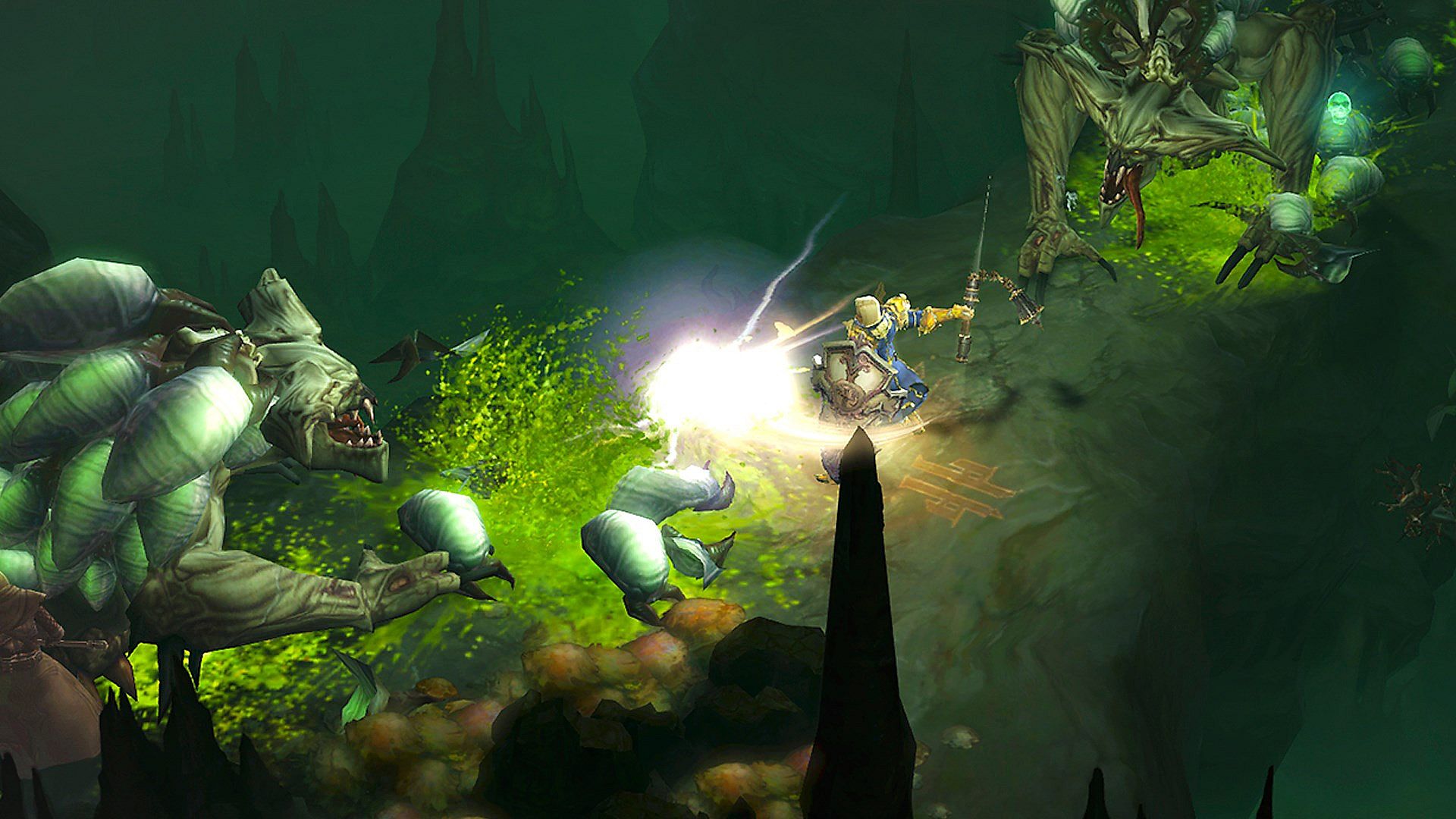
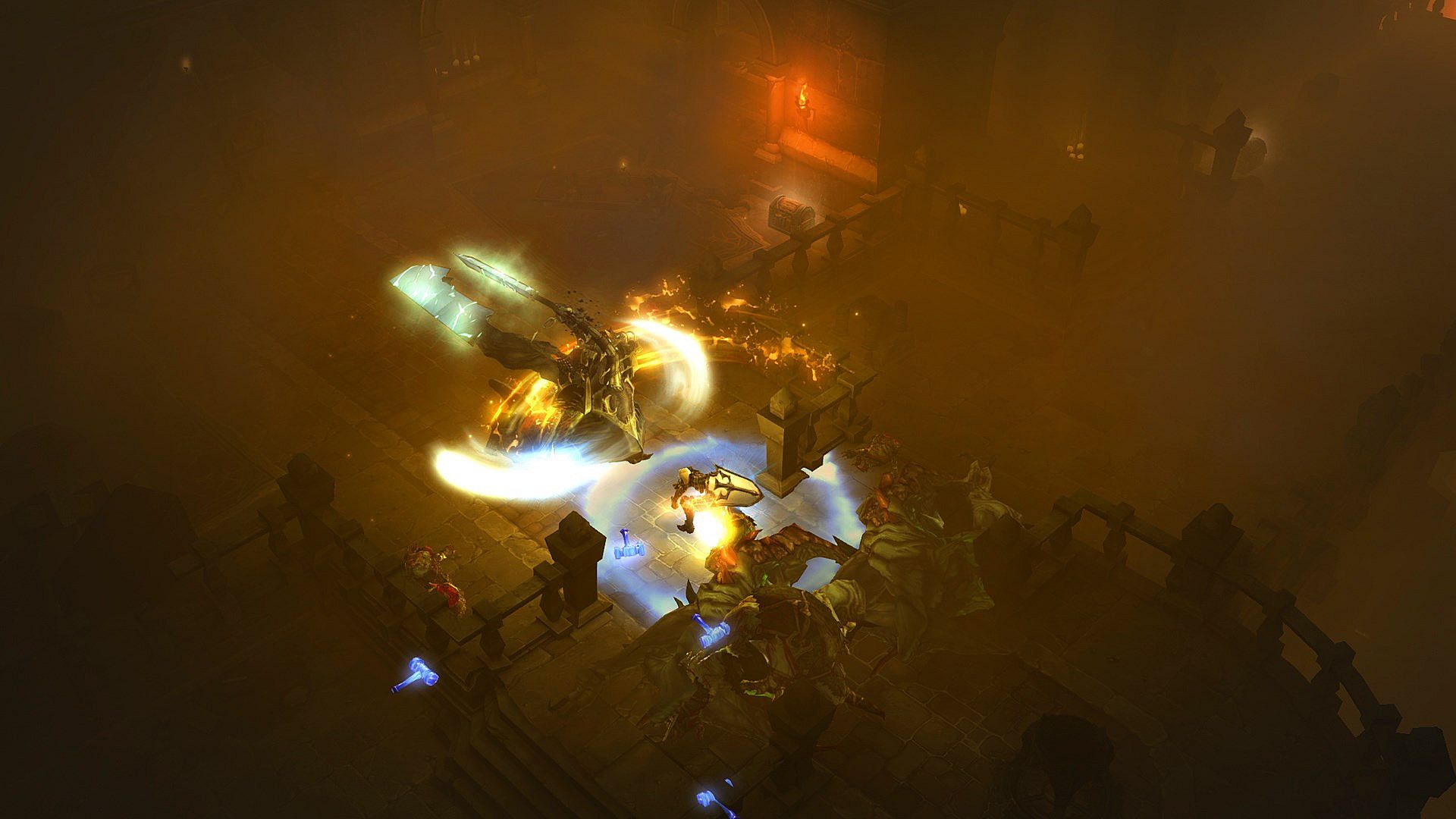
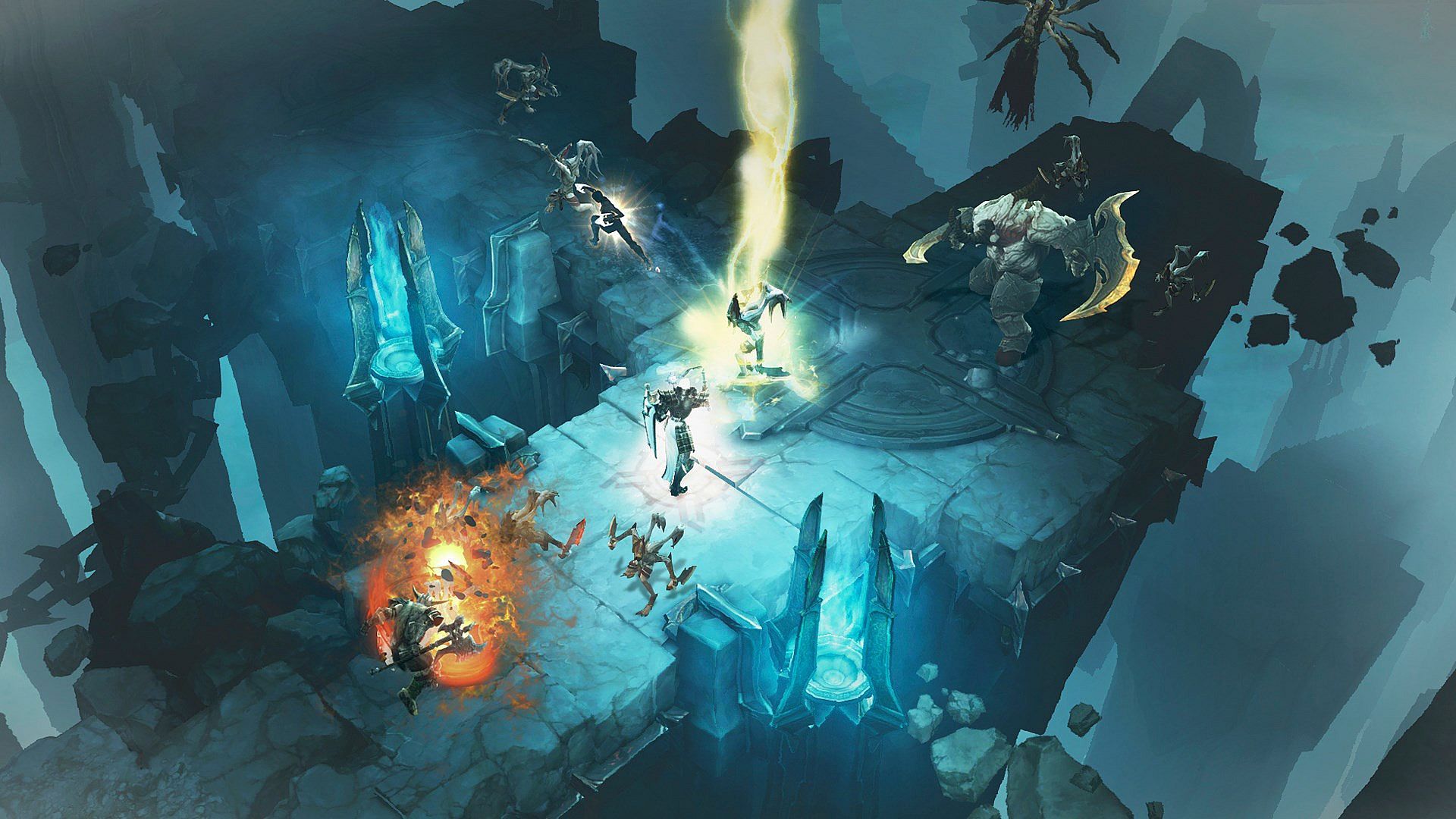
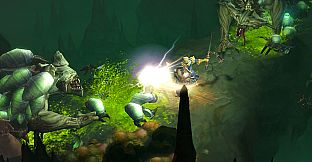
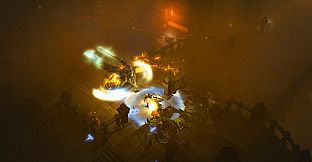
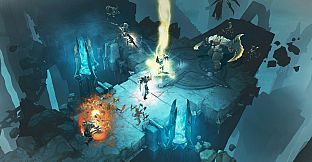
Diablo III: Eternal Collection stands as a comprehensive action RPG package on Xbox One and Xbox Series consoles, bringing together the base game with its major expansions in one edition. Players step into a dark fantasy world where they confront endless waves of demonic enemies, gathering powerful gear along the way. This version includes everything from the original release up to the Reaper of Souls and Rise of the Necromancer packs, offering a full experience for both new and returning fans of the genre.
Gameplay
The core of Diablo III revolves around fast-paced combat where you select abilities and equipment to take down groups of monsters. Combat feels responsive, with each class providing distinct ways to approach fights, such as close-range brawling or ranged spellcasting. Loot plays a central role, as defeated enemies drop items that improve your character's stats and abilities, encouraging constant progression. Skills unlock as you level up, and you can customize loadouts to fit different strategies, though the system locks certain slots unless you enable elective mode in the options. Difficulty scales across multiple levels, from normal up to torment, adjusting enemy toughness and rewards to match your gear and build.
Beyond basic fights, mechanics like resource management come into play, where classes generate and spend energy types to fuel their attacks. Exploration happens in procedurally generated areas, filled with random events and hidden treasures. Multiplayer options allow cooperative play, making it easier to tackle higher difficulties together. The game emphasizes grinding for better equipment, with set items providing massive bonuses that can transform how a class performs.
Game Modes
Campaign mode delivers the main story across five acts, guiding you through a linear narrative while introducing key mechanics and bosses. Once completed, adventure mode opens up, focusing on bounties, rifts, and free exploration without story constraints, ideal for loot farming.
Challenge rifts present weekly tests where you use pre-set builds to compete on leaderboards. Seasonal play adds another layer, requiring new characters each season, which lasts about three months, and includes exclusive rewards like cosmetics. After a season ends, characters transfer to non-seasonal status, preserving progress while letting you start fresh for the next one.
Classes and Customization
Seven classes define the experience: barbarian, monk, wizard, witch doctor, demon hunter, crusader, and necromancer. Each starts with basic abilities that expand into complex builds through runes and passive traits.
- Barbarians excel in melee with high durability and area attacks.
- Monks combine martial arts and spirit-based moves for agile combat.
- Wizards rely on arcane spells for crowd control and damage.
- Witch doctors summon minions and use poison or curse effects.
- Demon hunters focus on traps and ranged weapons.
- Crusaders bring holy powers and heavy armor to the frontline.
- Necromancers command undead armies and drain life from foes.
Customization extends to gear sets that boost specific skills, allowing experiments with hybrid approaches.
Is It Worth Playing?
For those who enjoy action RPGs with heavy emphasis on loot collection and character progression, this collection holds up well thanks to ongoing seasonal updates that keep content fresh. Players report high replayability from trying different classes and builds across seasons, with reviews highlighting scores like 90 out of 100 for its depth and performance on consoles. The current state includes active seasons, ensuring new challenges and rewards periodically. If repetitive grinding for gear appeals to you, especially in co-op, it remains a solid choice on Xbox platforms, though it may feel dated for those seeking more narrative-driven experiences.


