




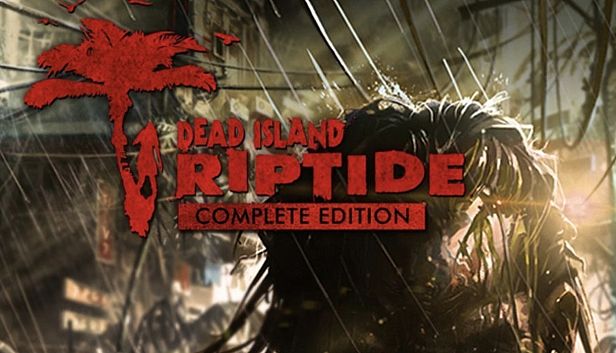










Dead Island: Riptide Complete Edition is a zombie survival action role-playing game set in an open-world tropical environment. Players control survivors who fight through hordes of the undead using melee weapons while exploring islands and completing objectives. The game supports both solo play and online co-op sessions where up to four participants can join the same world.
Gameplay
The core loop centers on melee combat against zombies and human enemies. Weapons include blunt and sharp tools that degrade over time and require repair or replacement. Players level up characters through experience gained from combat and quests, unlocking skill trees that improve attributes like strength, agility, and special abilities.
Exploration involves traversing varied terrain on foot or by vehicle. A motorboat allows travel across water areas with a temporary speed boost. Resource management includes scavenging for items, crafting modifications for weapons, and managing inventory space. Co-op sessions feature seamless joining and enemy scaling to maintain balance regardless of player levels.
Progression carries over skill trees from the prior game when importing a character, starting new players at level 15 with access to early upgrades. The system emphasizes customization through different character classes that influence playstyle and available skills.
Game Modes
The primary experience is the campaign, playable in single-player or online co-op. Drop-in and drop-out support lets friends join or leave without interrupting progress. Missions involve story-driven tasks mixed with side objectives across the open world.
Wave defense segments appear during certain story sections. Players fortify positions using environmental objects like barbed wire before defending against successive zombie waves. These encounters provide breaks for resupply and healing between waves, with on-screen indicators tracking remaining threats.
No separate endless survival mode exists outside the integrated campaign elements. The focus remains on the narrative campaign rather than standalone matchmaking or competitive formats.
Progression and Customization
Character development revolves around three main skill trees per class, covering combat, survival, and utility options. Upgrades enhance weapon handling, add elemental effects, or improve team support in co-op. Weapons and gear can be modified with found parts to alter damage types or add effects like fire or electricity.
Inventory and crafting systems encourage repeated scavenging runs. Players collect cash and materials to buy or improve equipment from vendors scattered throughout the world. Level caps and enemy difficulty adjust based on player progress to keep challenges consistent.
Is It Worth Playing?
Reception for the Complete Edition remains mixed among players who enjoy co-op zombie action. Combat feels visceral and satisfying for many, particularly in group sessions where coordination adds to the chaos. The remastered visuals and lighting improve the tropical setting compared to the original release.
Drawbacks include dated mechanics, occasional bugs, and optimization issues that persist in the remaster. The story and quest design lean heavily on the first game without major innovations. Those seeking a straightforward melee-focused zombie experience with friends may find value in the campaign length and co-op features.
Players who prefer modern controls or polished single-player campaigns might look elsewhere. The game suits fans of older open-world action RPGs who do not mind technical rough edges in exchange for direct zombie dismemberment gameplay.


