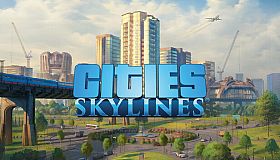







Cities: Skylines is a strategy simulation game focused on city building and management for PC. Players take on the role of mayor, starting with undeveloped land and growing it into a functioning metropolis through careful planning and ongoing adjustments.
Gameplay
The core loop centers on zoning land for residential, commercial, and industrial use while laying out road networks that support traffic flow. Services such as power plants, water systems, police stations, fire departments, hospitals, and schools must be placed strategically to meet citizen needs and maintain happiness levels. Budget management plays a key role, with income from taxes balanced against expenses for maintenance and new construction.
Traffic simulation forms a major part of the experience, requiring players to design efficient road layouts, intersections, and public transport options to prevent congestion. Pollution, education levels, and citizen health influence long-term city growth. Districts allow targeted policies that affect specific areas, such as boosting tourism or restricting certain building types. A day and night cycle adds visual variety and affects some service demands.
Players expand across maps by unlocking additional tiles and can use built-in tools to adjust terrain or create custom layouts. The game supports extensive customization through its modding features, enabling new assets and mechanics added by the community.
Game Modes
The primary experience is a single-player sandbox format where players build freely on selected maps with varying terrain and starting conditions. Different maps present unique challenges related to geography, resources, and climate that shape development strategies.
Built-in editors provide additional ways to engage: the map editor lets users generate or modify landscapes before play begins, while the asset editor supports creation of custom buildings and props for personal or shared use. These tools extend the base gameplay into creative and community-driven directions without altering the core single-player structure.
City Management Systems
Economy and simulation layers track citizen lifepaths, employment, and needs in real time. Resource chains in industrial zones require balanced supply and demand to avoid shortages or surpluses. Public transport networks, including buses, trams, and metro lines, integrate with road systems to move large populations efficiently.
Emergency services respond dynamically to incidents, and ongoing monitoring of metrics like crime rates, fire risk, and healthcare access helps prevent city-wide problems. Policies applied at the district level fine-tune behaviors such as speed limits or tax incentives to guide growth in desired directions.
Is It Worth Playing?
The game maintains a very positive reception among players, with strong praise for its depth in city planning and traffic systems. An active player base continues to engage with new content and community creations years after launch. Regular updates have addressed simulation aspects and added features over time.
It suits those who enjoy methodical, long-session building and problem-solving in a single-player environment. The combination of accessible entry points and layered complexity makes it rewarding for both newcomers to the genre and experienced city builders seeking detailed management tools. Mod support further extends replay value through shared assets and modifications.