








Zombie Pile is a card-based survival strategy game set in a zombie apocalypse on PC. Players take on the role of a lone survivor navigating a dead city through layered card systems that force constant decisions about resources, risk, and long-term survival. The experience blends strategy, indie design, RPG progression elements, casual accessibility, and simulation depth as every action influences noise levels that draw zombies closer.
Gameplay
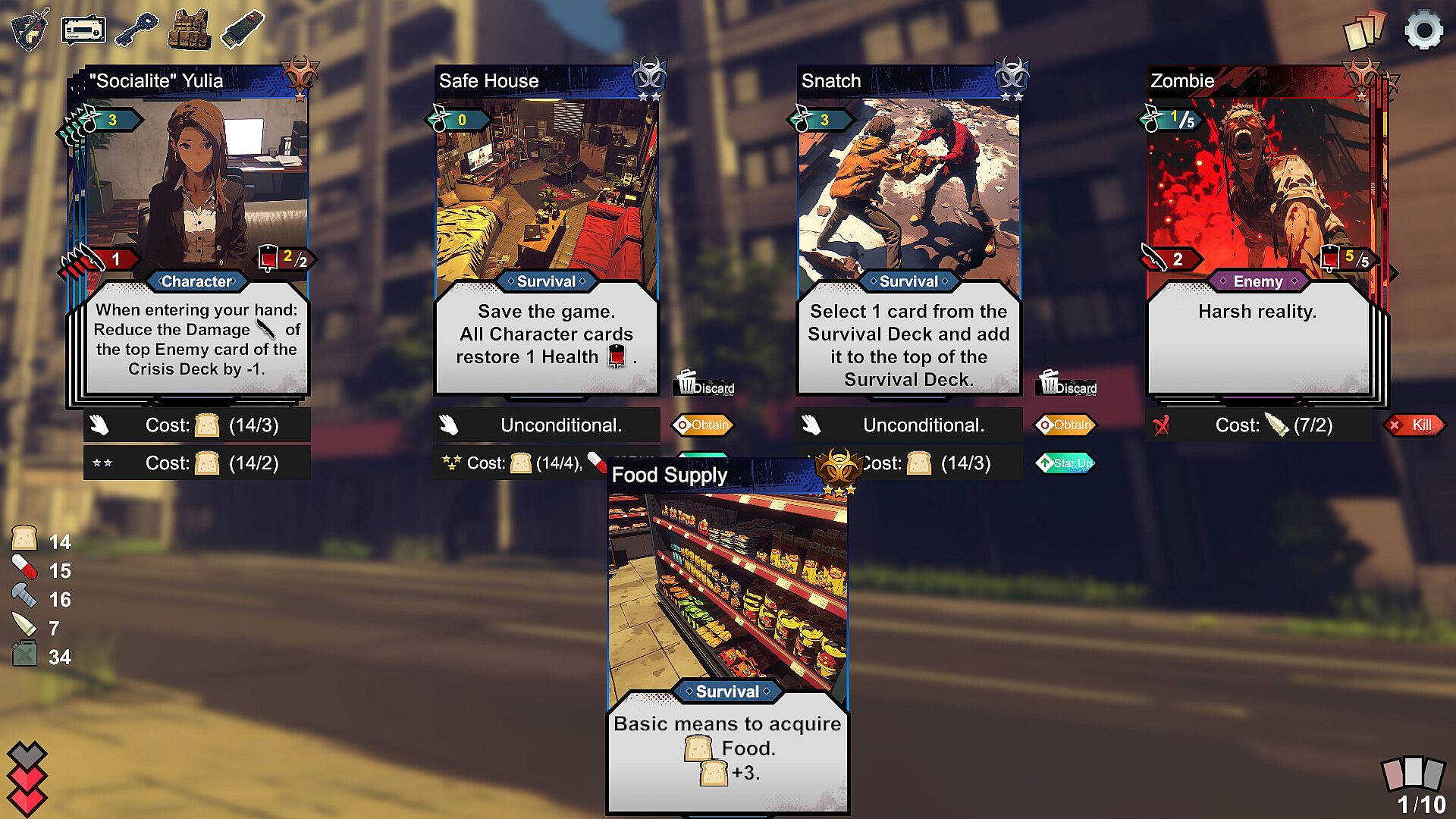
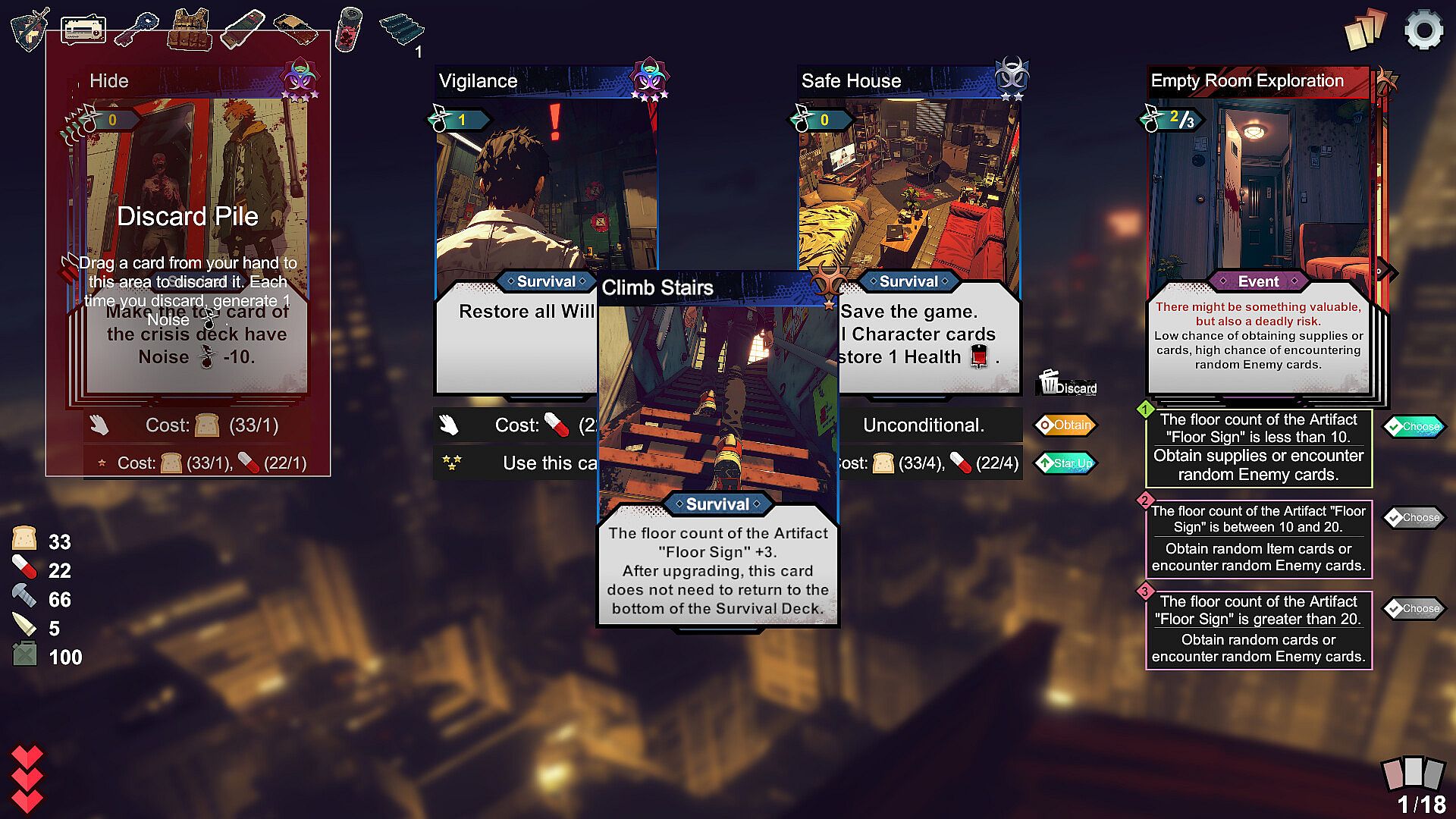
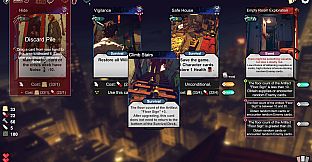
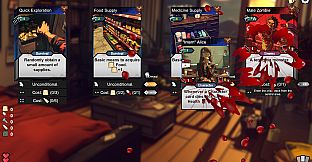
The core loop revolves around two decks: a Survival Deck and a Crisis Deck. Cards from the Survival Deck enter the central area automatically, where players choose among Obtain, Star Up, or Discard options. Obtain provides immediate benefits but adds noise that can summon zombies. Star Up returns the card to the deck for permanent upgrades at the cost of delayed payoff. Discard speeds up cycling but still generates minimal noise. Crisis cards trigger when noise hits a threshold, presenting event decisions that demand quick responses before threats escalate.
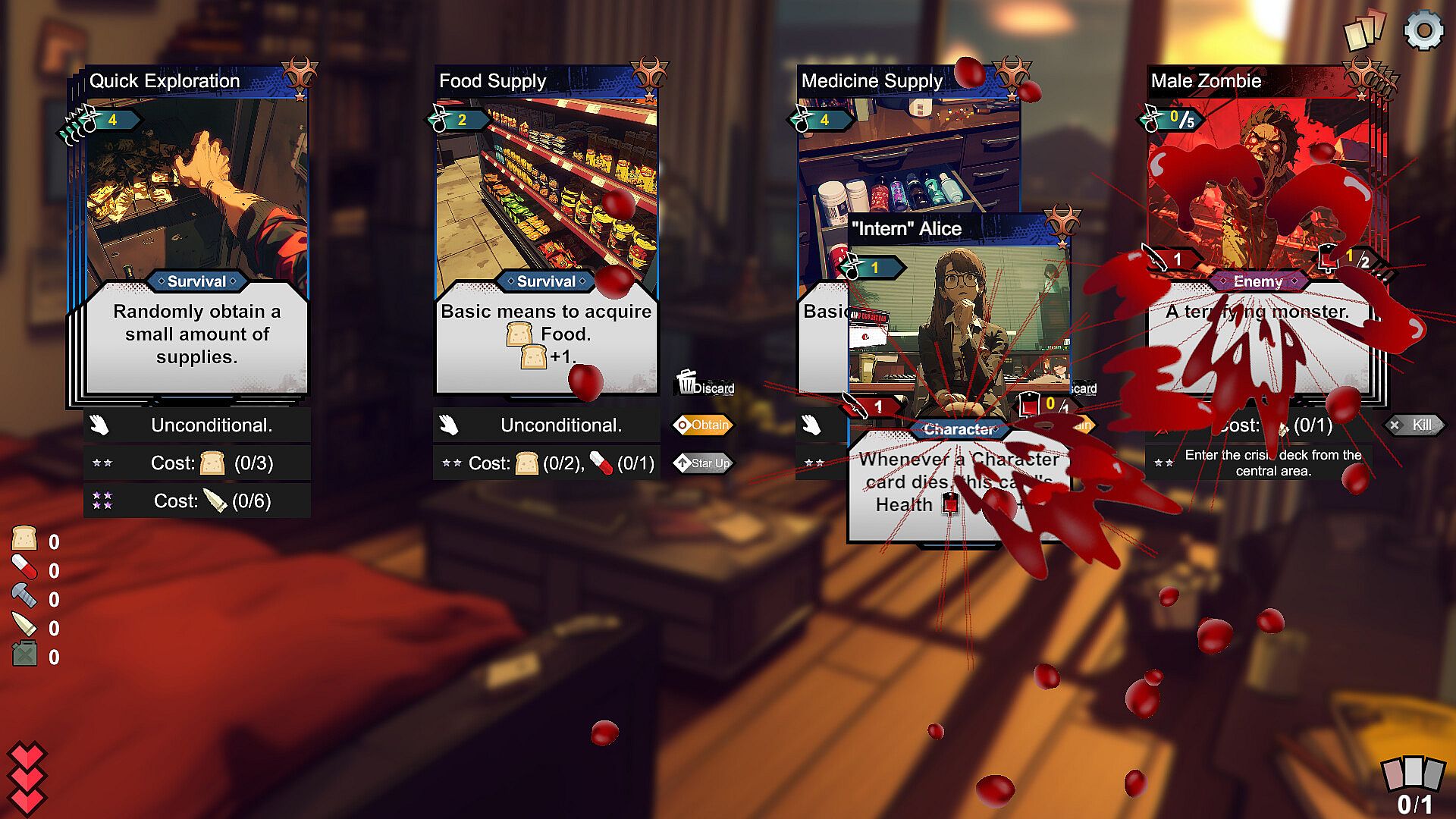
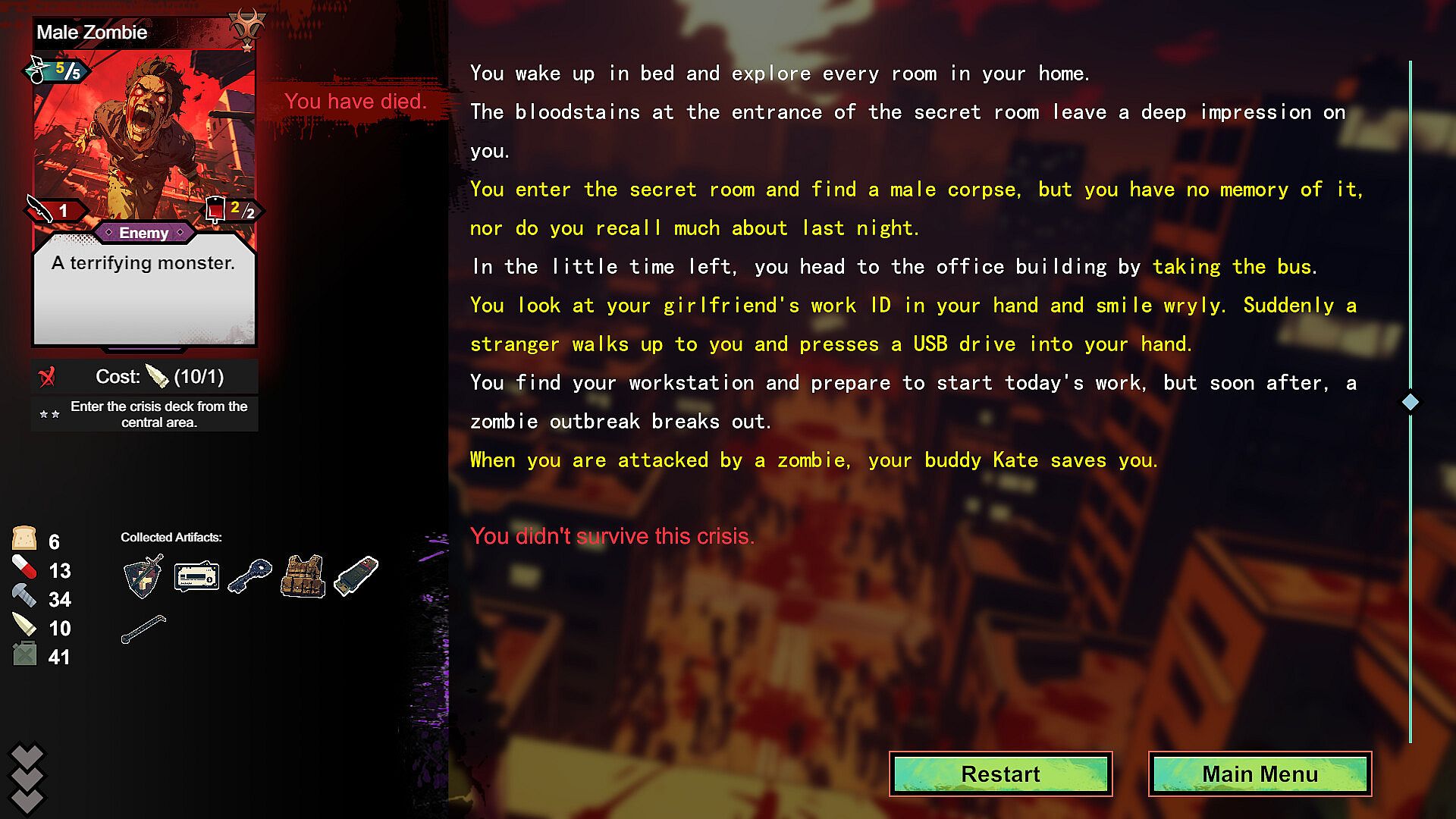
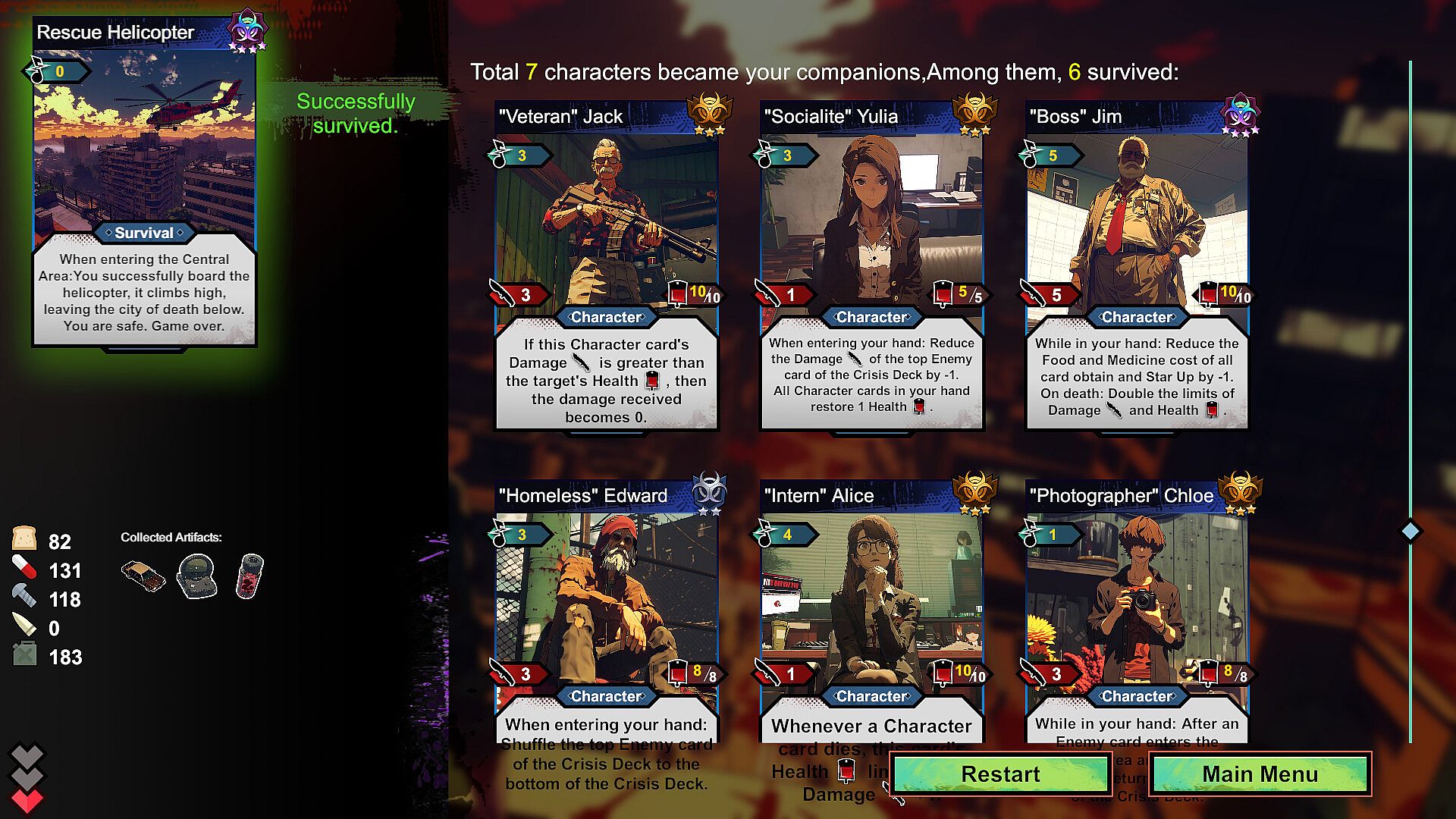
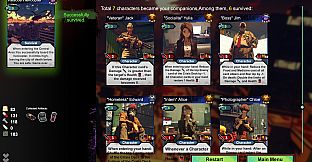
Five supplies-Food, Medicine, Parts, Ammo, and Fuel-power these choices and sustain the survivor. Running low forces tough trade-offs during card resolutions. Combat occurs when zombies attack, draining one Will point per hit. Depleting all Will ends the run. Companions appear as opportunities to gain helpful abilities for clearing threats, yet they remain vulnerable and can die, converting into hostile zombies that complicate future encounters. Item cards and Artifact cards offer additional tools for managing crises beyond direct zombie confrontations.
Noise serves as the central tension mechanic. Every choice contributes to it, turning routine decisions into calculated risks. Players must balance short-term gains against the growing likelihood of attacks while managing limited supplies across multiple runs.
Game Modes
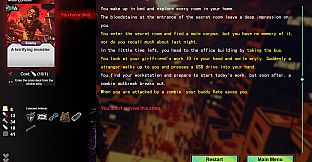
Zombie Pile operates as a single-player experience centered on repeated survival runs through a zombie-infested city. Each attempt presents fresh card flows and decision sequences that alter the path forward. Multiple survival routes exist, each with distinct conditions for success and varying difficulty based on prior choices. Hidden events can surface depending on the sequence of decisions, encouraging experimentation across attempts to uncover different endings.
The structure emphasizes replayability through procedural card interactions rather than fixed levels. Players refine strategies by learning how specific Obtain, Star Up, or event responses shift the balance of noise, supplies, and companion dynamics. No cooperative or competitive modes appear in the design; focus remains on solitary management of resources and threats.
Key Mechanics and Progression
Companion abilities add variety to zombie encounters, allowing targeted eliminations while introducing the risk of betrayal through transformation. Sacrificing companions becomes a deliberate strategy in dire situations. Artifact and Item cards expand options for non-combat solutions, such as mitigating noise or preserving supplies during events.
Progression ties directly to card enhancements via Star Up actions and the discovery of viable survival routes. Successful runs depend on adapting to shifting noise thresholds and supply demands rather than linear leveling. The system rewards careful observation of how early choices compound into later challenges.
Is It Worth Playing?
Zombie Pile suits players who enjoy deliberate, choice-driven strategy games with roguelike elements and resource management. The emphasis on noise as a dynamic risk factor and the permanent consequences of companion decisions create meaningful tension in every session. Those drawn to indie titles that combine card mechanics with survival simulation will find the systems rewarding through repeated play.
The game appeals to fans of thoughtful single-player experiences where outcomes hinge on supply allocation and risk assessment rather than reflexes. Availability on PC makes it accessible for those seeking a compact yet layered zombie survival title built around decision trees and escalating threats. If the described mechanics align with preferences for strategic depth over action pacing, the title offers consistent engagement across multiple runs.










