

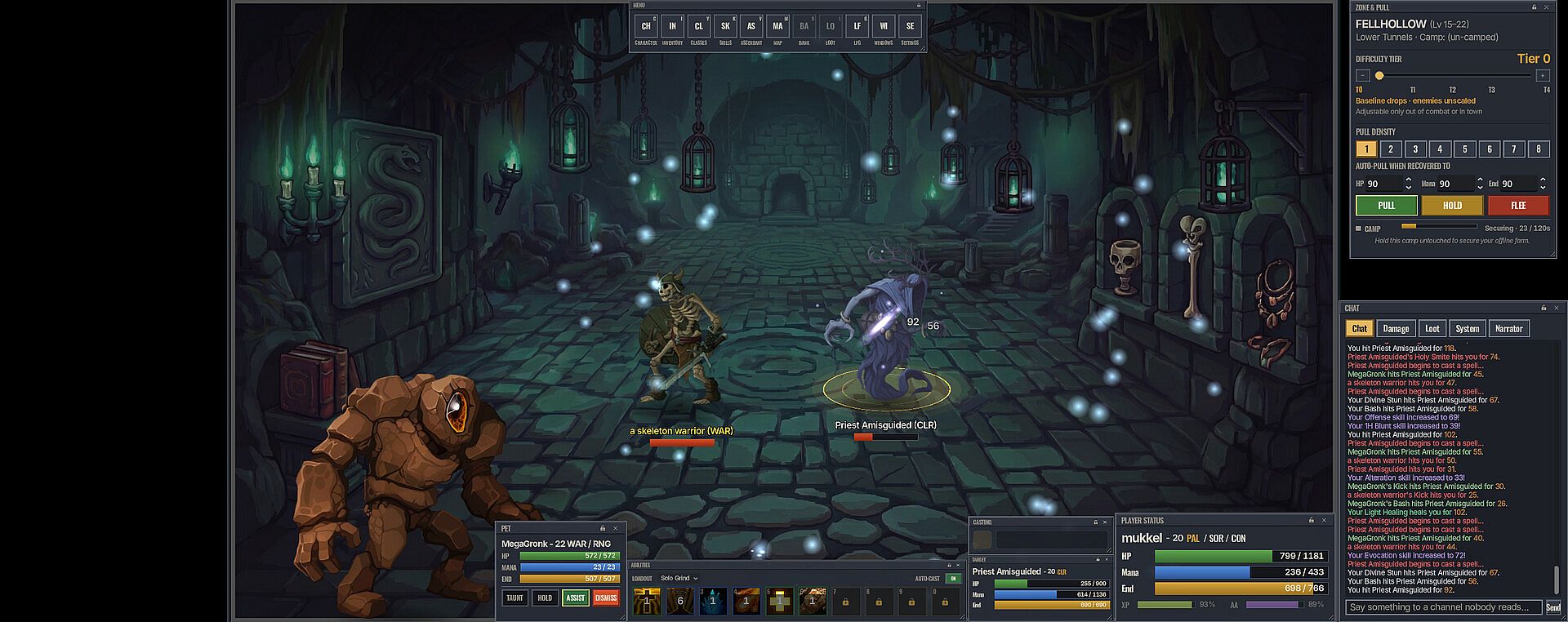
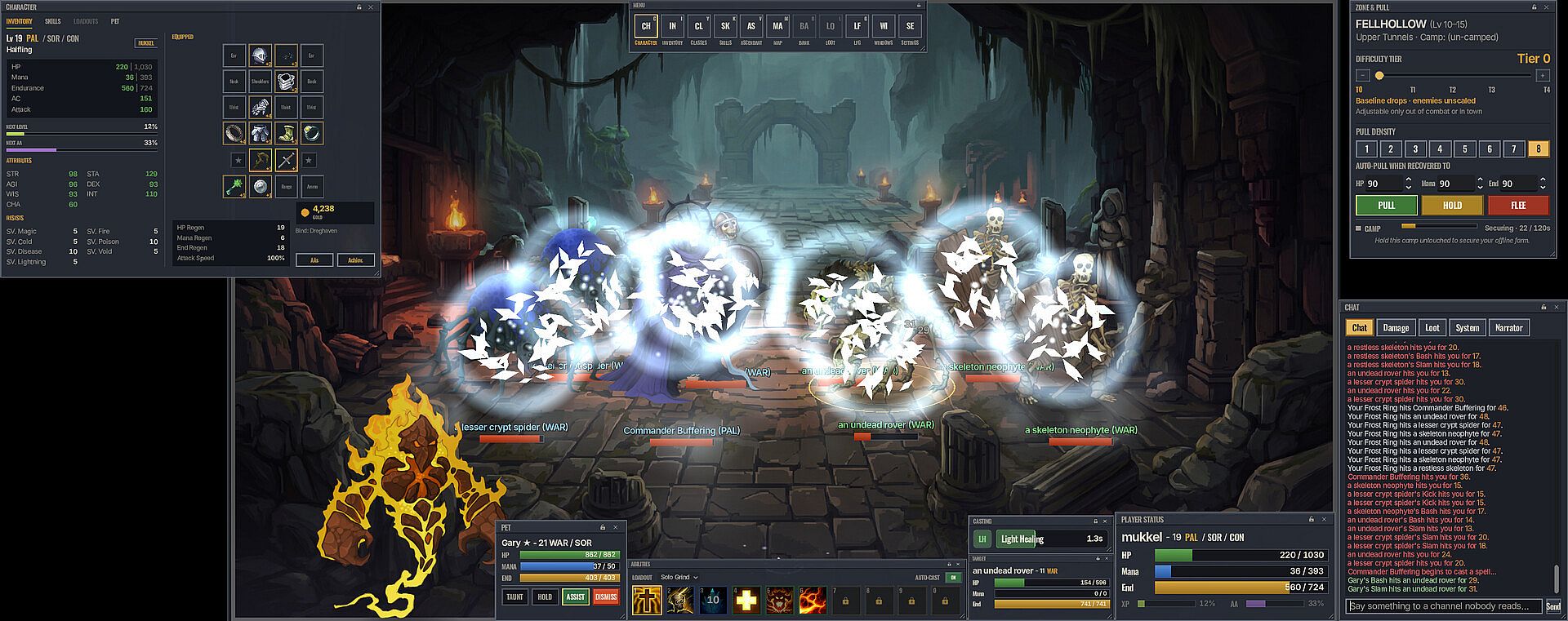
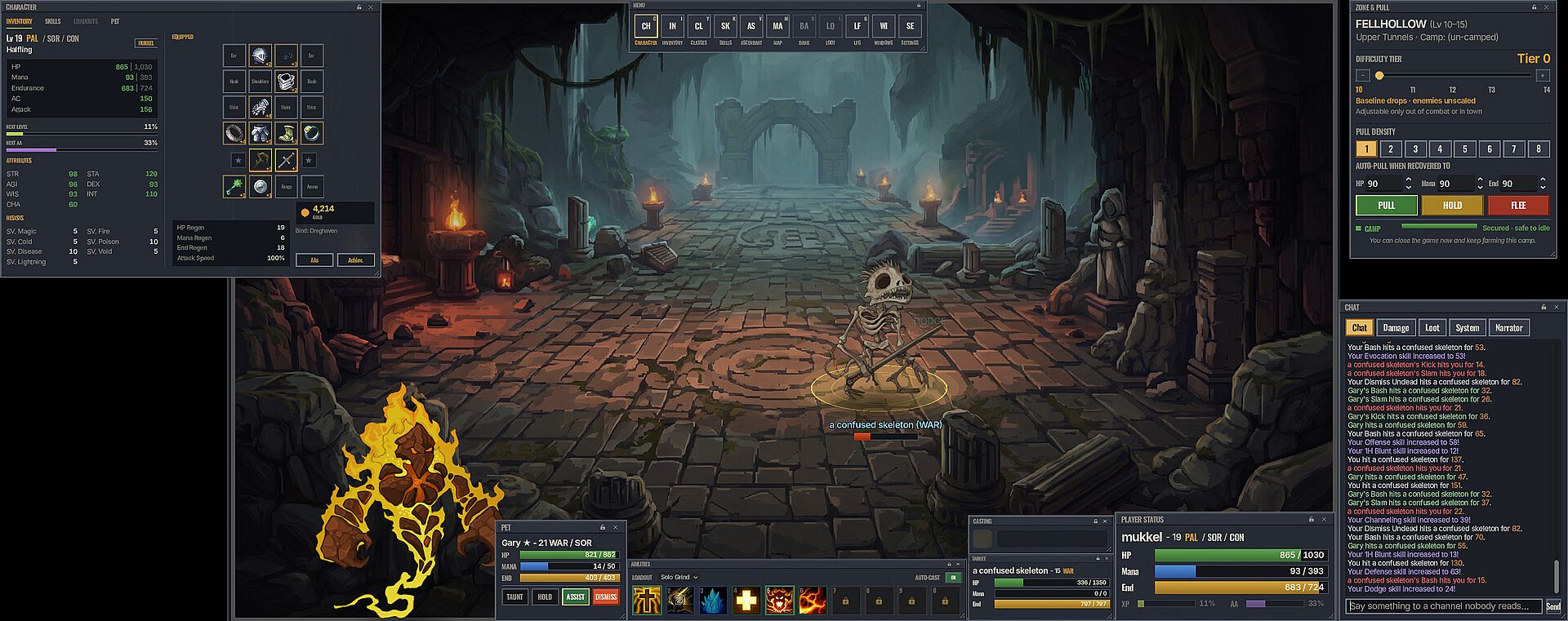
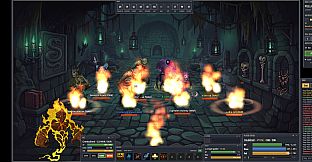
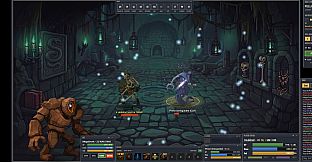
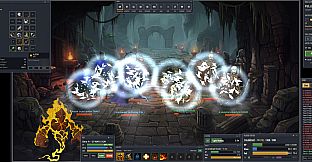
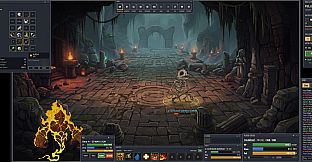
You Have Been Slain: An Idle Tragedy is an idle RPG built around combat as its central focus. Players create a multi-class hero from sixteen available classes, manage gear and abilities, and watch the character handle fights while making ongoing decisions about progression and strategy. The game runs on PC and blends idle mechanics with deeper customization typical of role-playing titles, allowing both background progression and direct control during encounters.
Gameplay
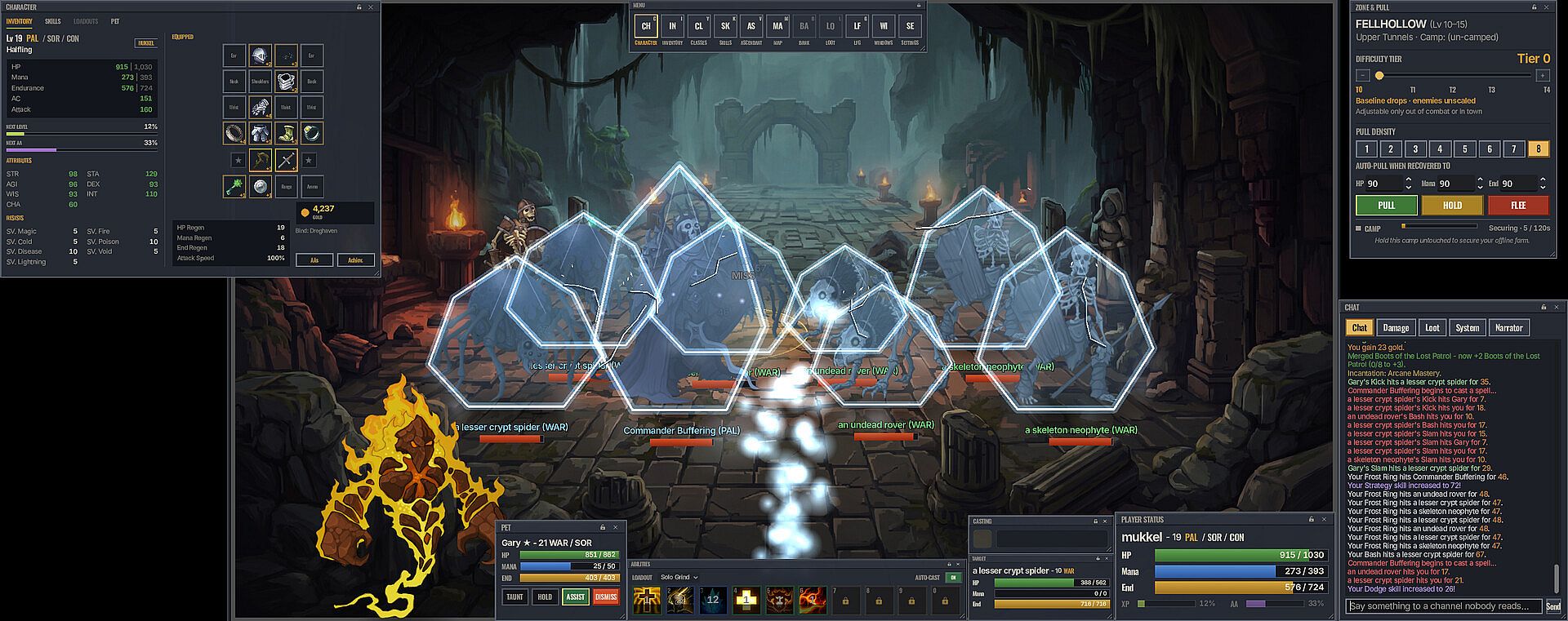
The core loop centers on building a hero through class selection and equipment choices. Players pick three classes out of sixteen and level them up to fifty, or pursue all sixteen for maximum flexibility. This creates hundreds of possible combinations that influence abilities and playstyle. Ten ability slots provide room for spell selection, while inventory space remains limited to encourage careful management of drops.
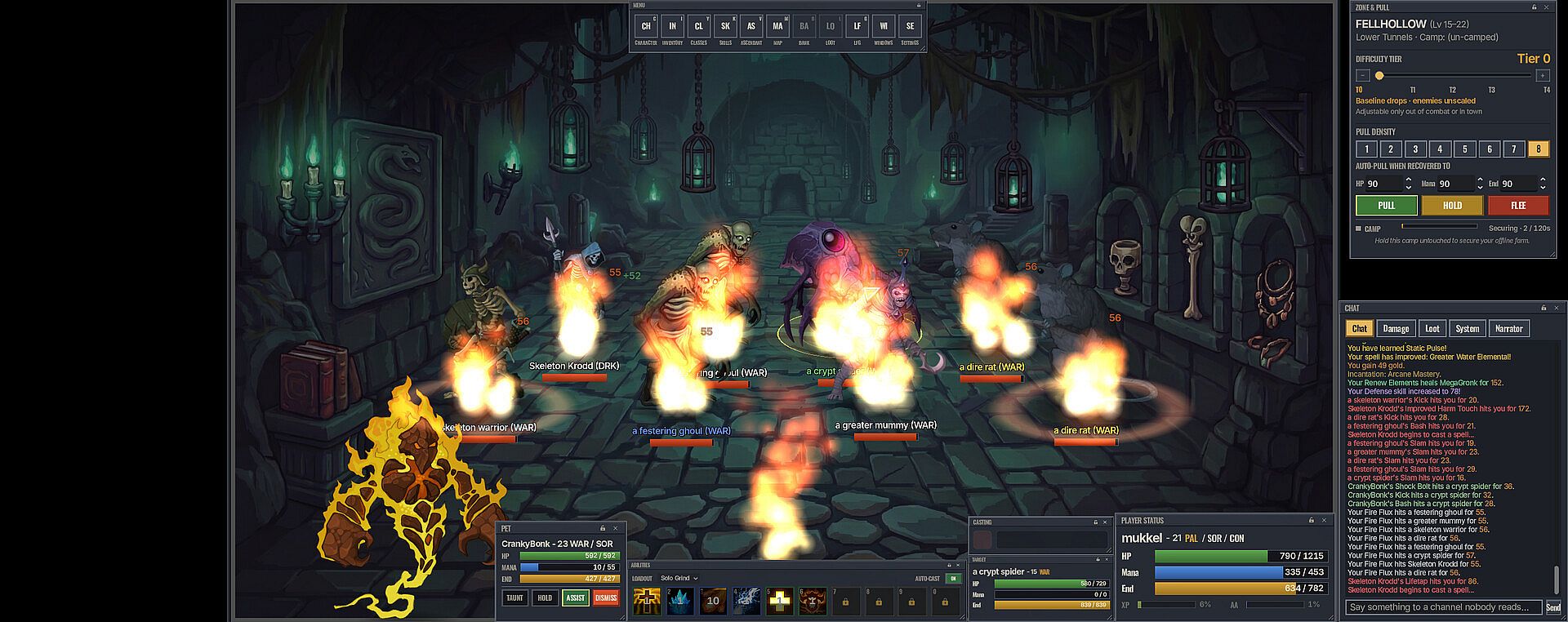
Combat proceeds automatically once engaged, yet enemies respond with their own attacks. Some encounters require adapting strategies based on the hero's current setup rather than relying on a single approach. Gear comes through repeated farming, supported by a merge-and-upgrade system that turns victories into incremental improvements. The economy keeps the pursuit active because better items always appear on the horizon.
Progression continues whether the player is actively involved or not. The hero gathers experience and loot during idle periods, creating a steady sense of advancement upon return. Manual play lets users intervene in fights like a traditional MMO session, adjusting tactics on the fly. A narrator offers commentary with a distinct tone that comments on choices without altering core systems.
Game Modes
The game supports both solo and cooperative play. Single-player sessions focus on personal hero development, class experimentation, and loot collection at whatever pace suits the moment. Co-op brings Steam friends into shared dungeon runs where the group grinds together and faces wipes as a unit. Grouping requires an online connection and recreates the social element of older MMO raiding without additional layers of complexity.
Players switch between idle background running and hands-on management within the same experience. No separate dedicated modes exist beyond these options, so the distinction comes down to how much direct attention the user wants to give at any time. The systems remain consistent across both styles, emphasizing combat decisions and loot progression.
Character Building and Progression
Customization extends beyond initial class picks. Leveling multiple classes opens new ability combinations and lets players experiment with unconventional builds, such as mixing roles that do not traditionally align. Inventory constraints force ongoing decisions about what to keep or merge, adding weight to each farming session.
The upgrade economy rewards consistent play through incremental gains. Every successful run feeds into better equipment, yet the loop never truly ends because stronger options continue to surface. This structure suits players who enjoy long-term collection without needing constant active input.
Is It Worth Playing?
The game appeals to those who like idle RPGs that keep combat visible and meaningful rather than buried under unrelated systems. Its class combinations and co-op grouping offer variety for players who previously enjoyed MMO-style raiding with friends. The ability to toggle between idle and manual control provides flexibility for different schedules.
Since the title is still coming soon, anyone interested can follow its development through official channels. The described mechanics emphasize player agency in hero design and loot pursuit, which may suit fans of simulation and adventure elements within an RPG framework. Those seeking a focused combat loop with persistent progress will find the core systems align with that preference.