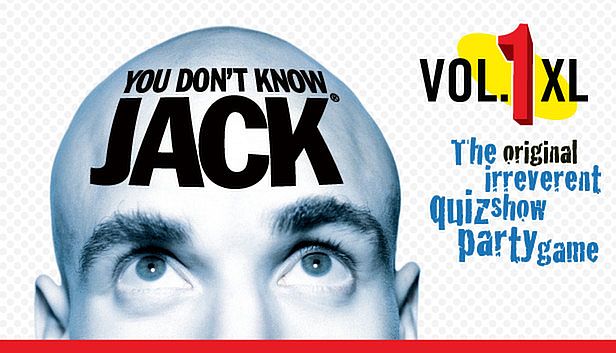













YOU DON'T KNOW JACK Vol. 1 XL is a classic trivia party game originally released in 1995 and later brought back on PC. Players compete in a mock game show format filled with multiple-choice questions, sharp host commentary, and humorous interruptions that poke fun at the contestants and the format itself. The experience blends general knowledge with pop culture references from the mid-1990s era, delivered through a sarcastic host who reacts to answers in real time.
Gameplay
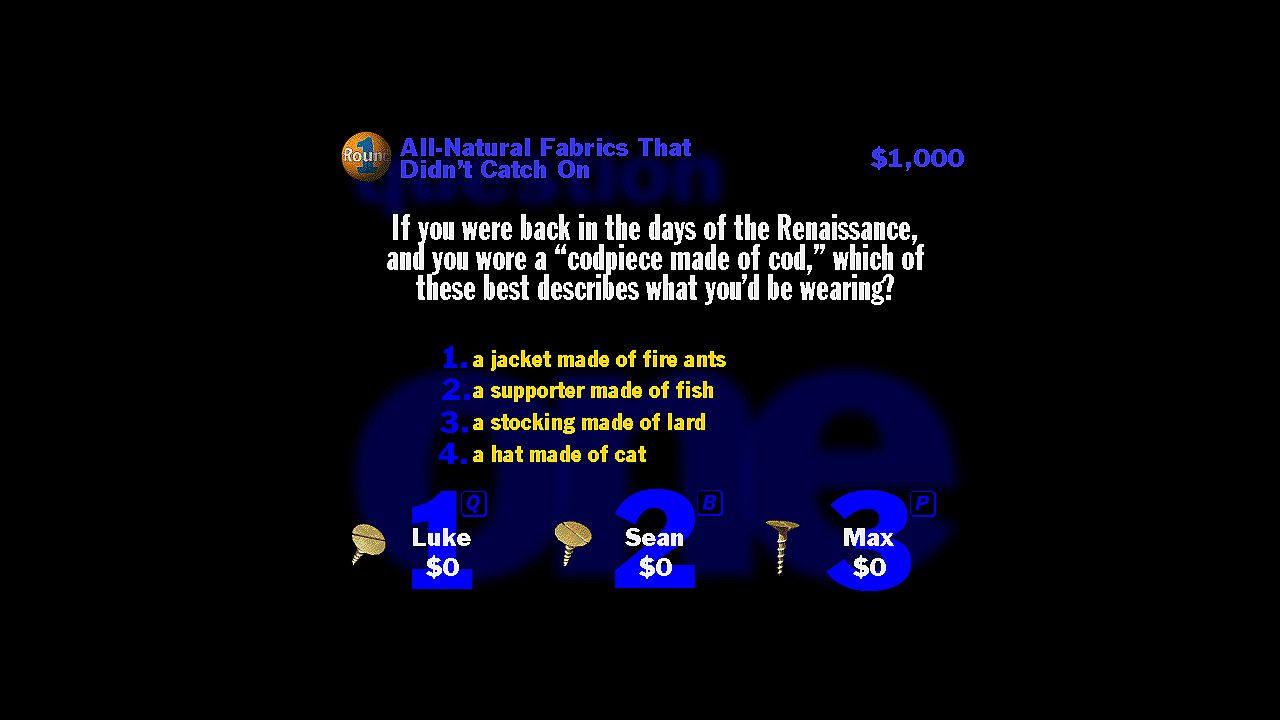
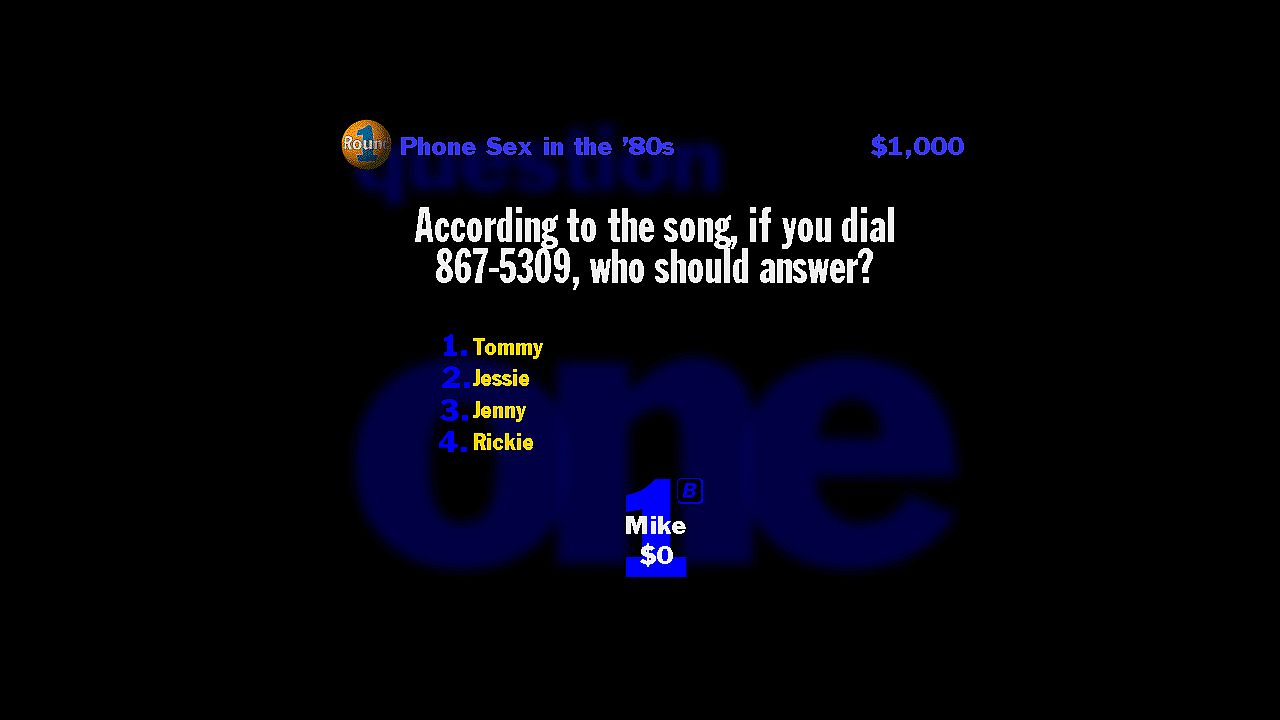
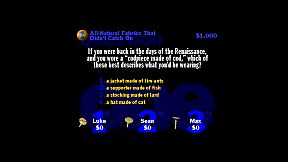
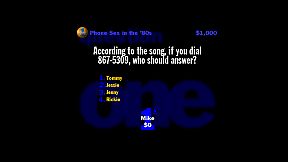
The core loop revolves around buzzing in to answer questions before time runs out. Up to three players share a single keyboard, each assigned a distinct buzzer key. A correct answer adds money to the player's score while an incorrect one subtracts the same amount, allowing totals to drop into negative territory. Categories appear in groups of three, and the player who selects one triggers the question read aloud by the host. Wrong answers often receive unique punchlines tailored to each option, adding layers of comedy beyond the trivia itself.
Special mechanics keep rounds unpredictable. Players receive screws that can be used to force an opponent into answering a question under pressure, turning the competition personal. The host frequently breaks the fourth wall with insults or observations about player names and performance. Parody commercial breaks interrupt the flow with absurd product pitches that fit the irreverent tone. Questions draw from a pool exceeding one thousand entries in the XL edition, mixing straightforward facts with wordplay and cultural references that reward quick thinking and broad knowledge.
Game Modes
Two primary formats structure each session. The shorter option runs seven questions while the longer one extends to twenty-one, giving players a choice between quick matches and extended tournaments. Both follow the same rules for buzzing, scoring, and special elements but differ in length and pacing. Within these formats, standard multiple-choice rounds mix with distinctive question types that alter the challenge.
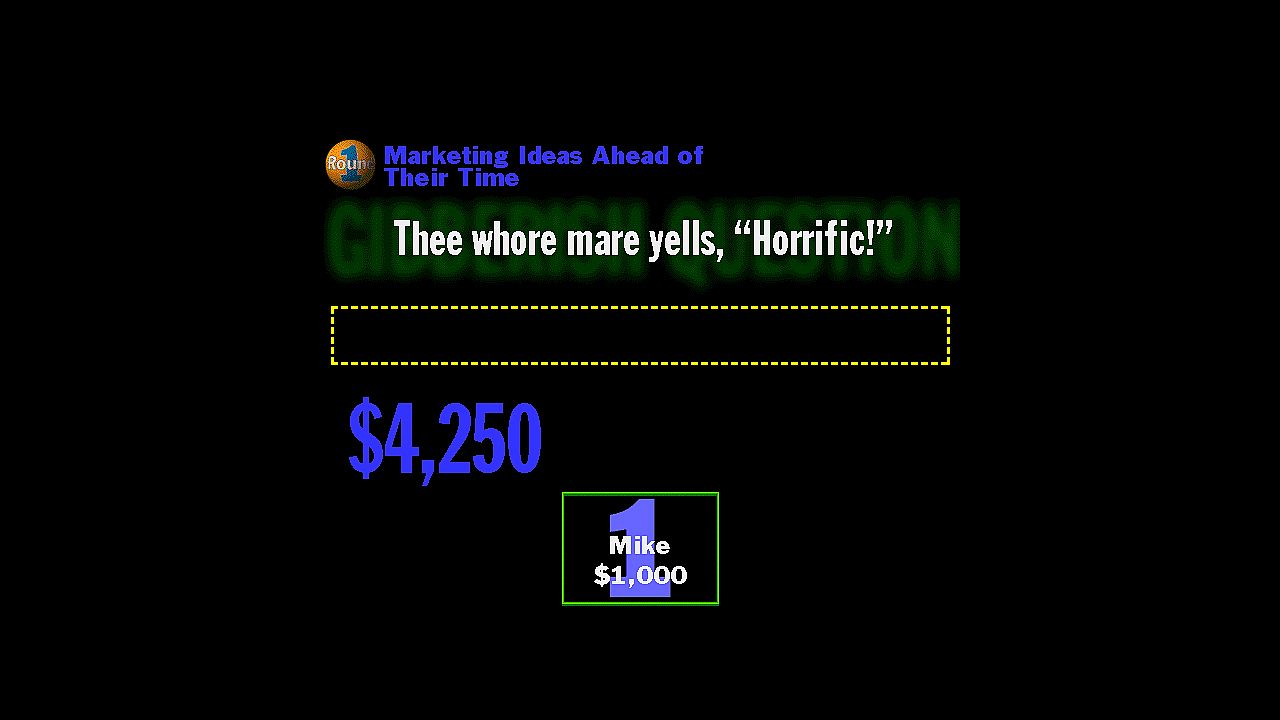
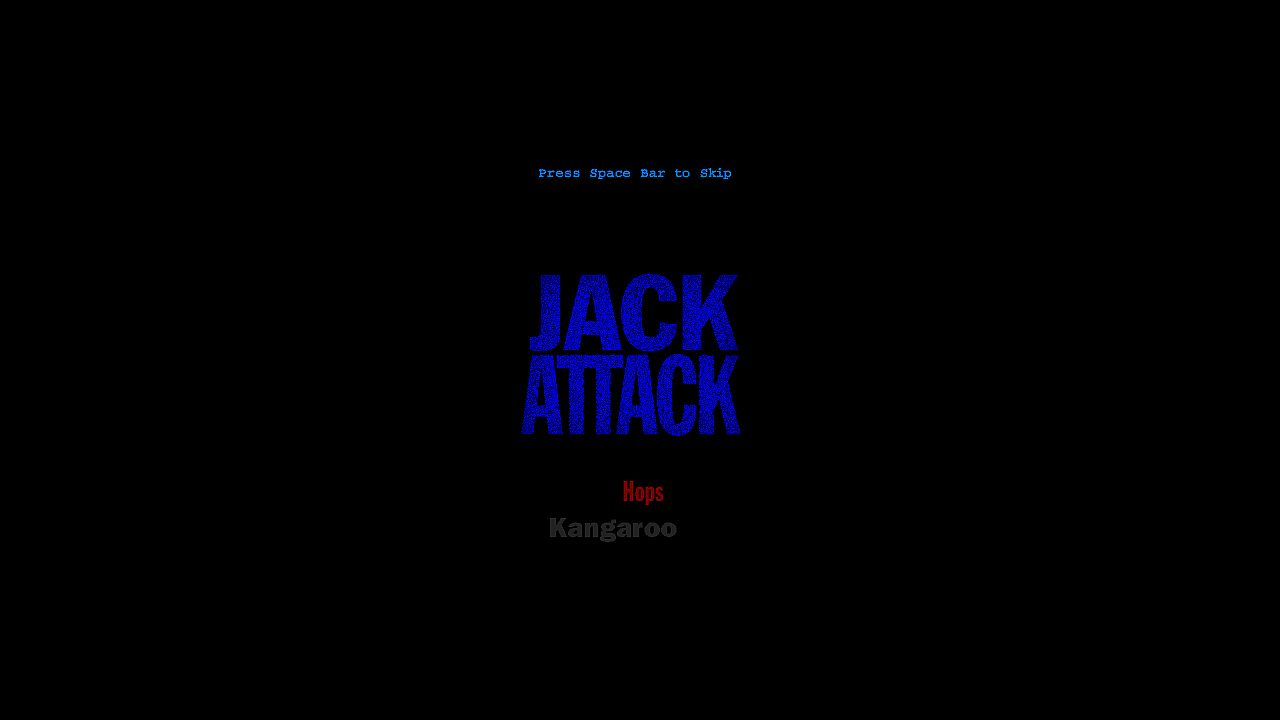
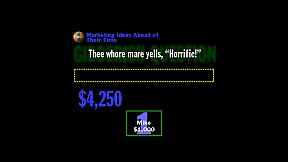
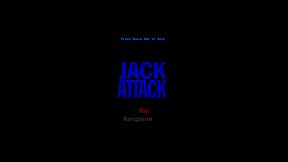
Dis or Dat presents a single player with a series of items to classify into one of two categories. Three-way questions require matching a central clue to one of three cycling options under time pressure. Gibberish questions twist familiar phrases into nonsense that players must decode. The session concludes with the Jack Attack, a rapid matching round where players buzz when a pair aligns with an overarching theme. These variations prevent repetition and emphasize different skills such as pattern recognition and reflexes alongside factual recall.
Single-Player and Multiplayer Experience
The game supports solo play through the same question structure, though the competitive edge diminishes without opponents to screw or outscore. Local multiplayer remains the intended focus, with all participants using the same computer and keyboard setup. No online features exist in this version, keeping the action confined to one screen and encouraging group sessions around a single machine. The host's ongoing banter and the accumulating score tension create a lively atmosphere even during longer twenty-one-question games.
Question variety ensures replay value across multiple sessions. The large pool means repeats occur infrequently, and the host's responses add fresh commentary each time. Categories often lean toward American culture and 1990s references, which can feel nostalgic or dated depending on the player's background, yet the clever writing and delivery maintain engagement.
Is It Worth Playing?
Player feedback highlights the game's enduring humor and strong party appeal as its main strengths. Reviews frequently note that the sarcastic host and special rounds make sessions memorable, particularly when multiple people compete. The experience shines in short bursts or longer gatherings where friends can trade screws and react to the host's jabs. Solo players still access the full question library and comedic elements, though the format loses some intensity without direct rivalry.
Reception remains mostly positive decades after release, with praise for the writing quality and the way the game captures a specific era of CD-ROM entertainment. Some players mention that certain questions feel tied to their original time period, which can reduce accessibility for newer audiences. The title suits those who enjoy witty trivia competitions and do not mind local-only play. It delivers consistent entertainment for groups seeking lighthearted competition without complex controls or ongoing updates.