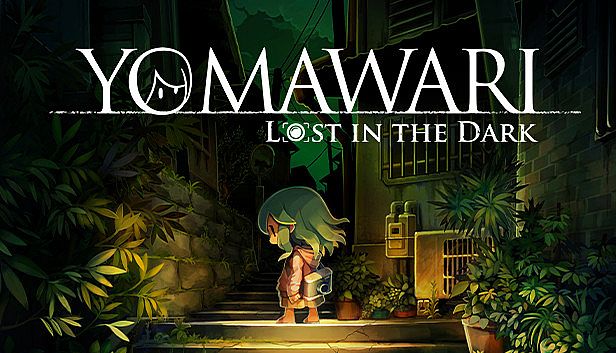














Yomawari: Lost in the Dark is a single-player horror adventure game with strategy elements that places players in control of a young girl navigating a cursed town filled with threats. The experience centers on exploration, memory recovery, and careful evasion rather than combat or resource management typical of many survival titles.
Gameplay
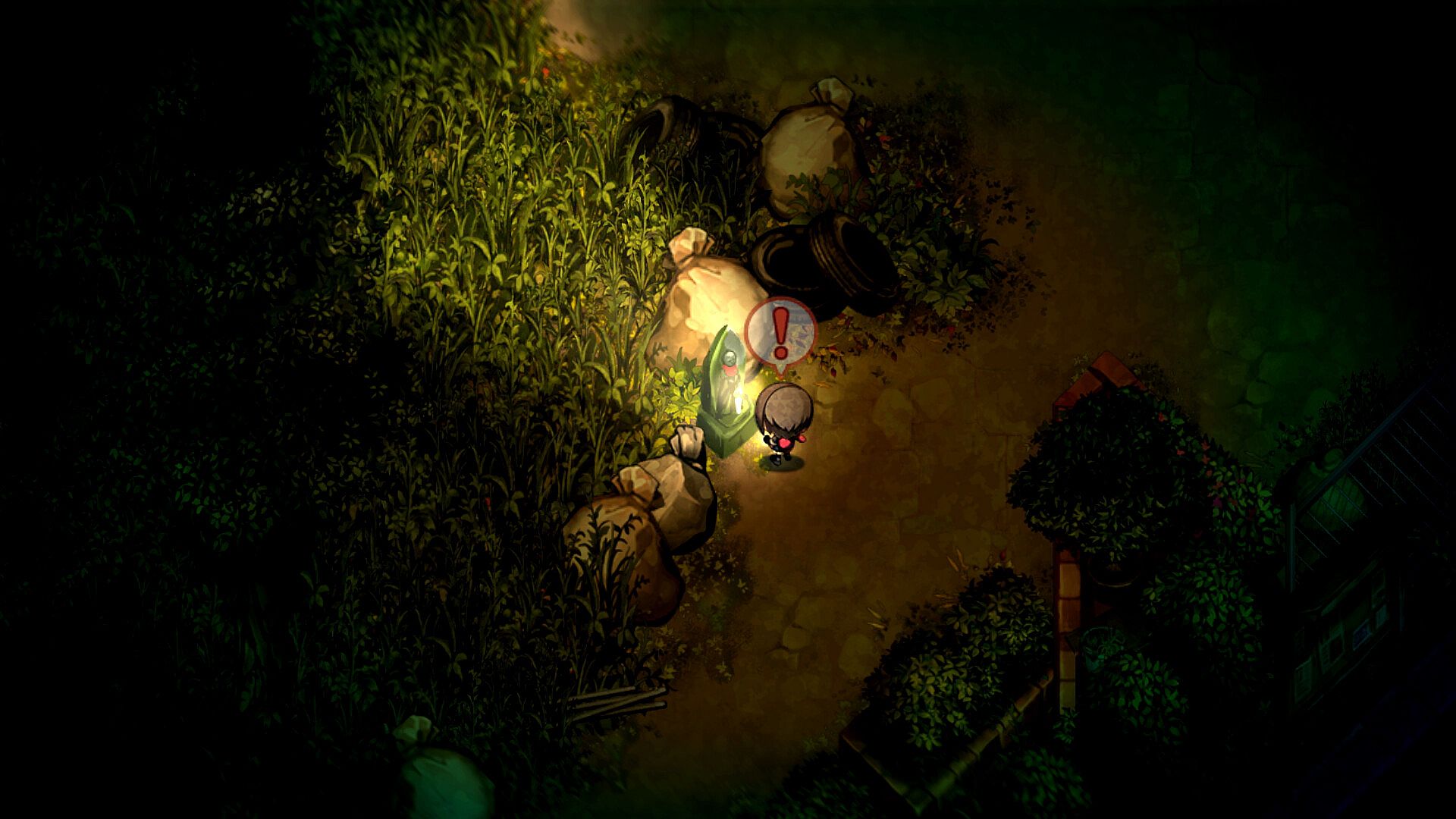
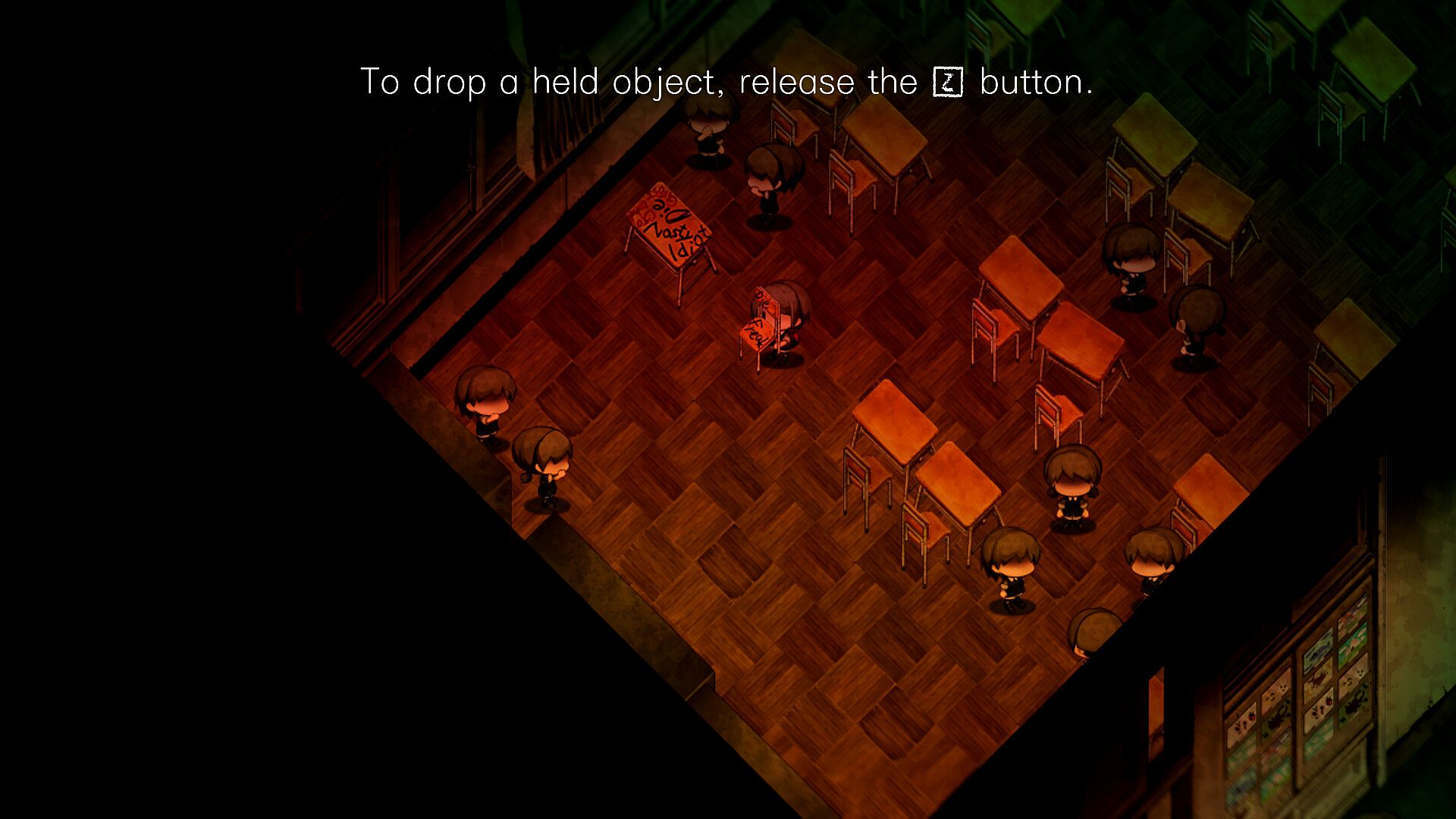
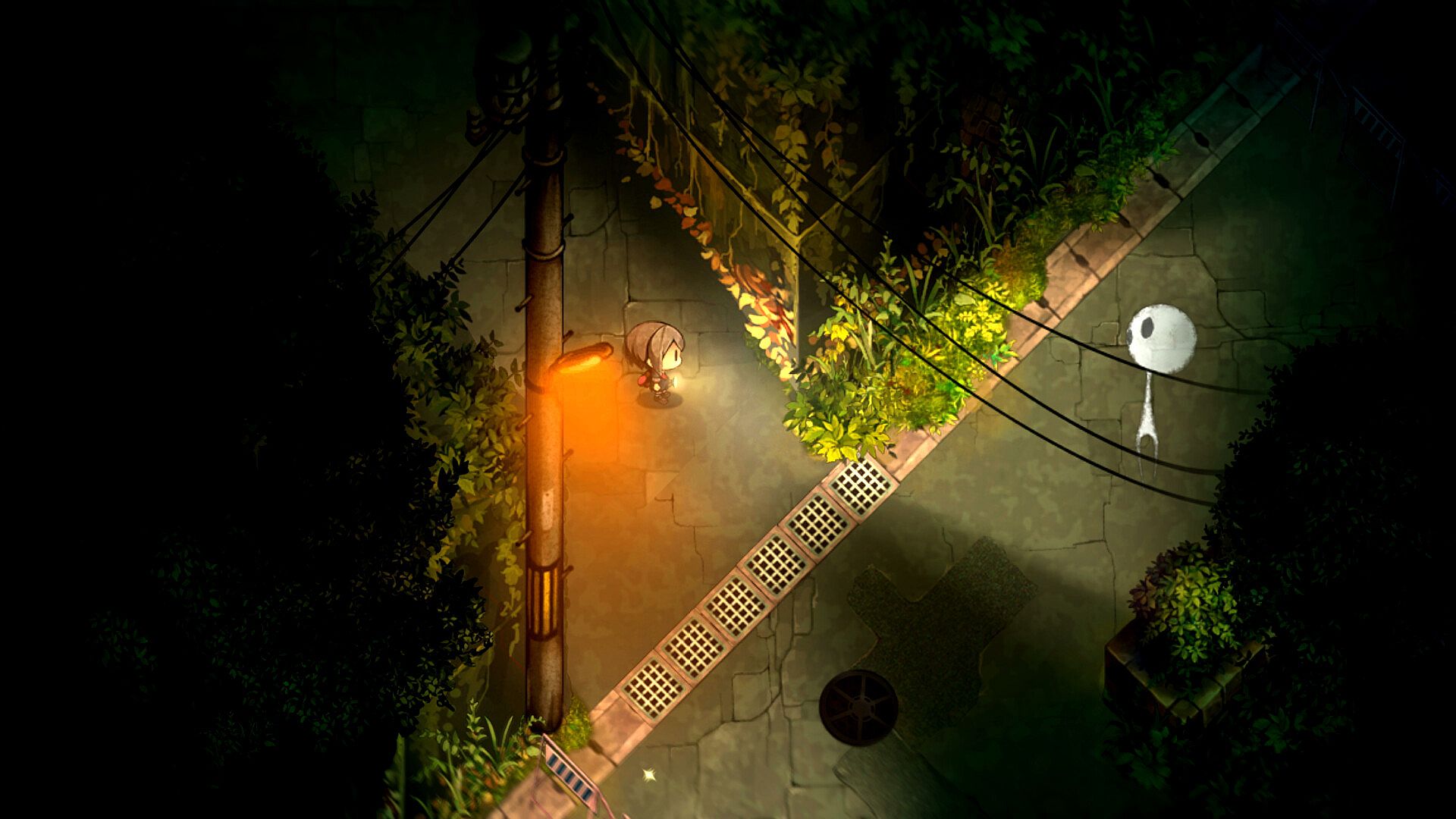
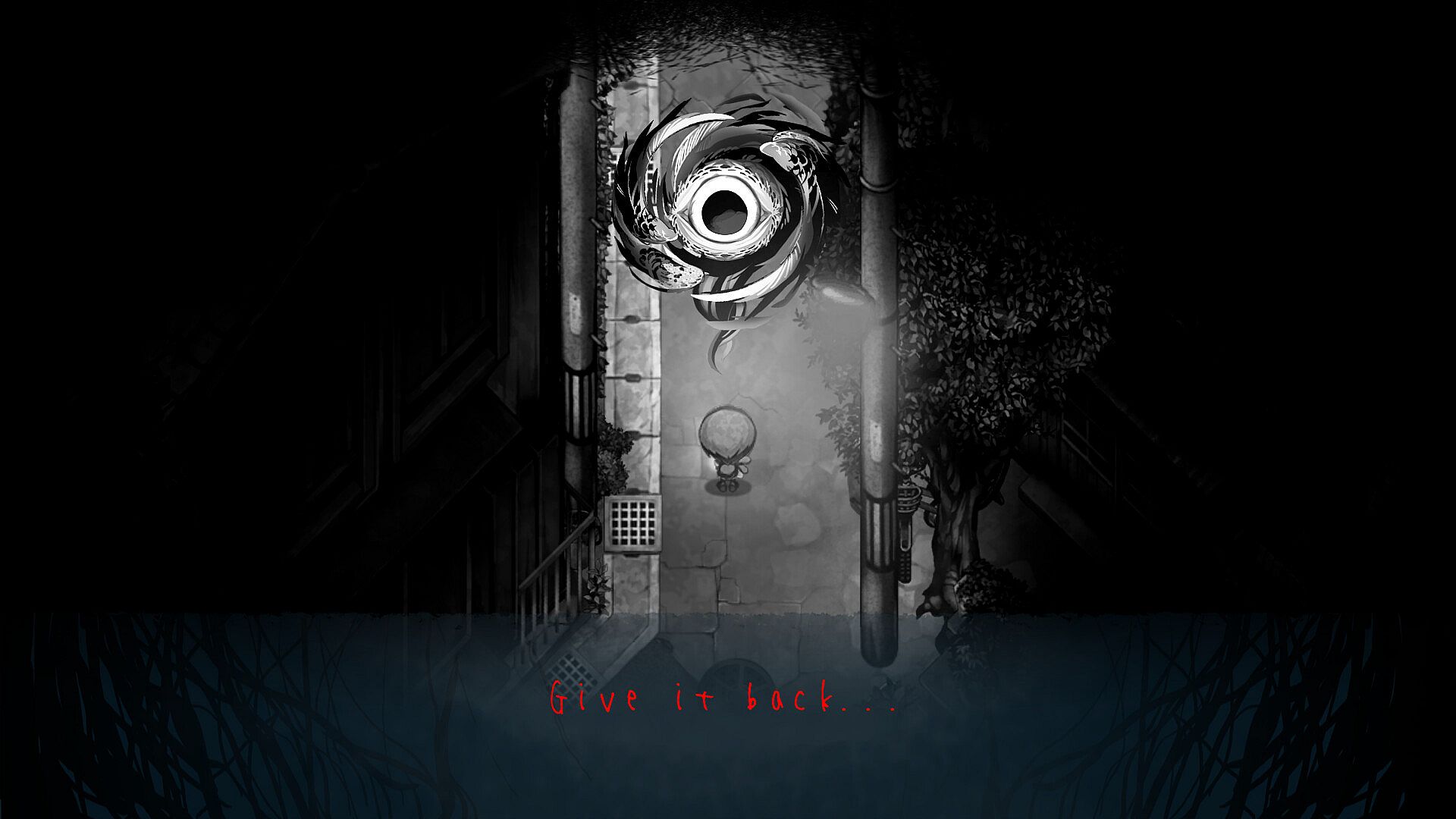
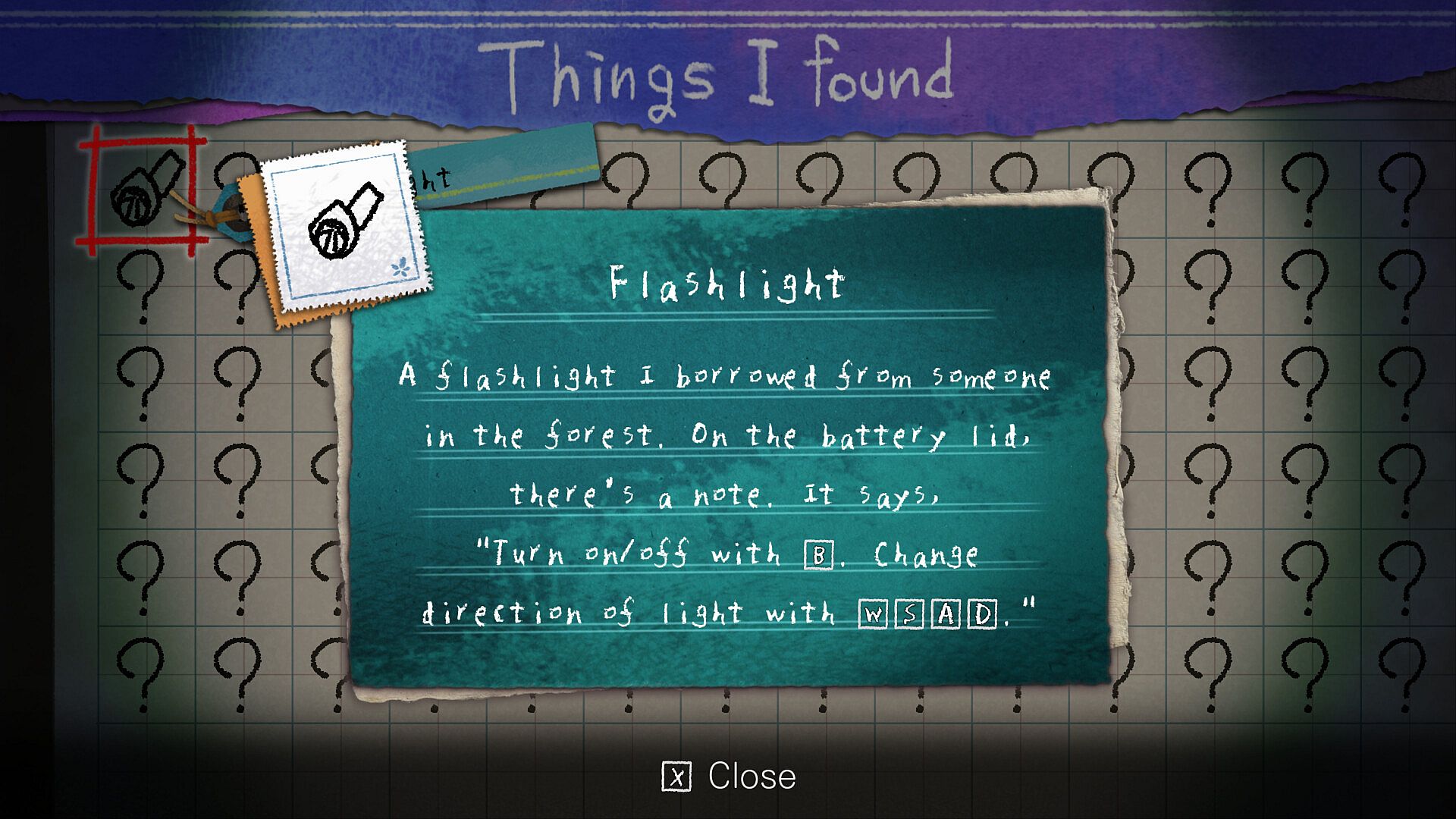
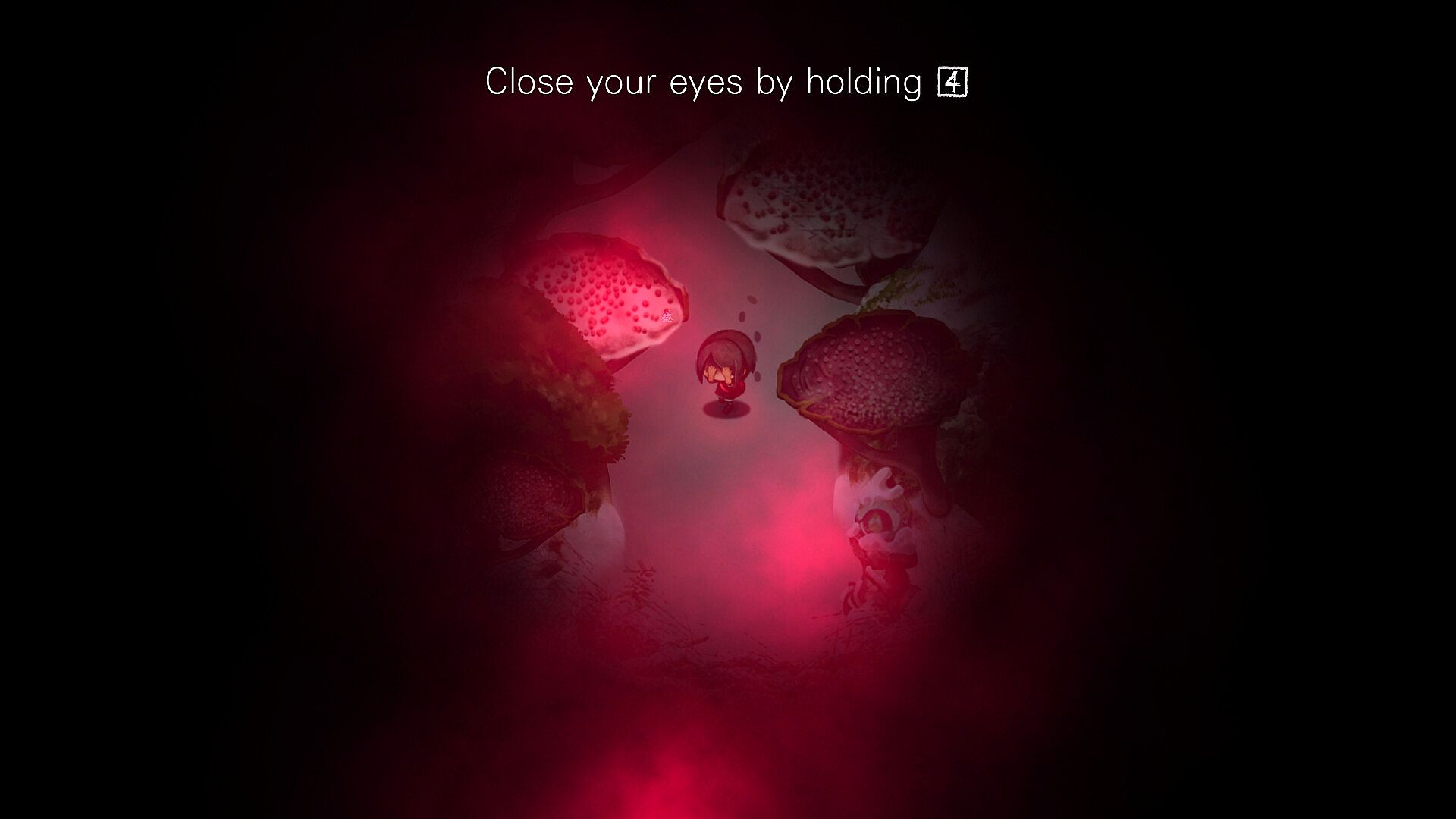
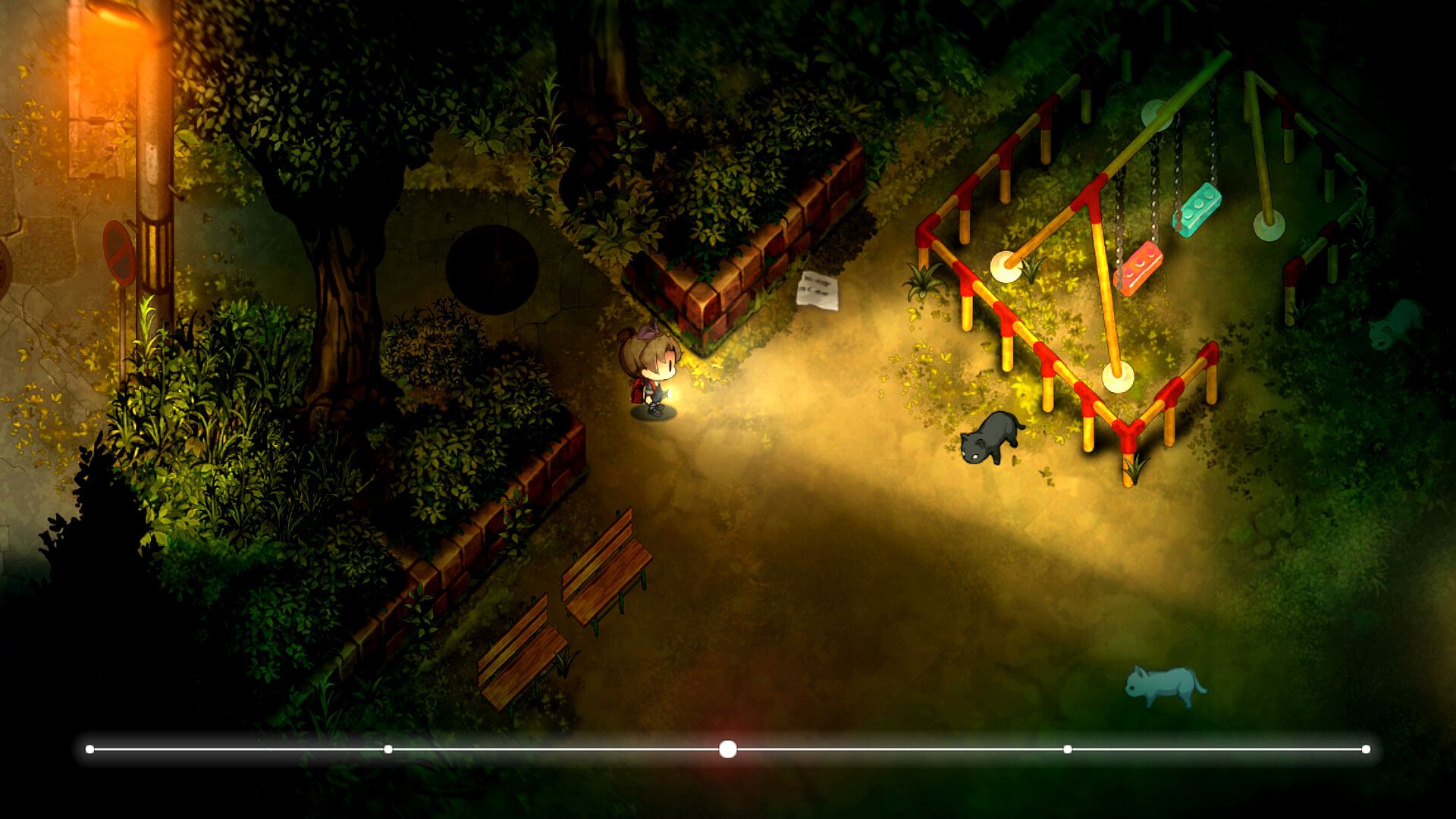
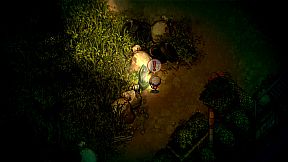
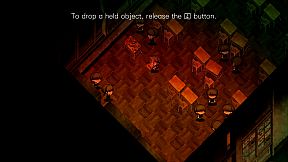
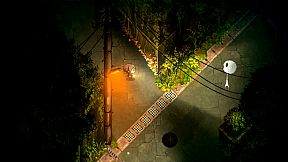
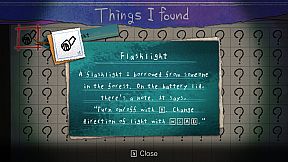
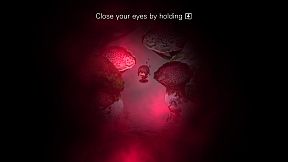
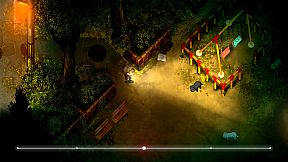
The core loop involves moving through dark streets and forests while managing visibility and sound. Players use a flashlight to reveal hidden details and clues scattered throughout the environment. A heartbeat audio cue signals the proximity of hostile entities, prompting decisions on whether to proceed, retreat, or adjust position. A dedicated mechanic allows the character to close her eyes, blocking line-of-sight detection from certain spirits that react to visual contact.
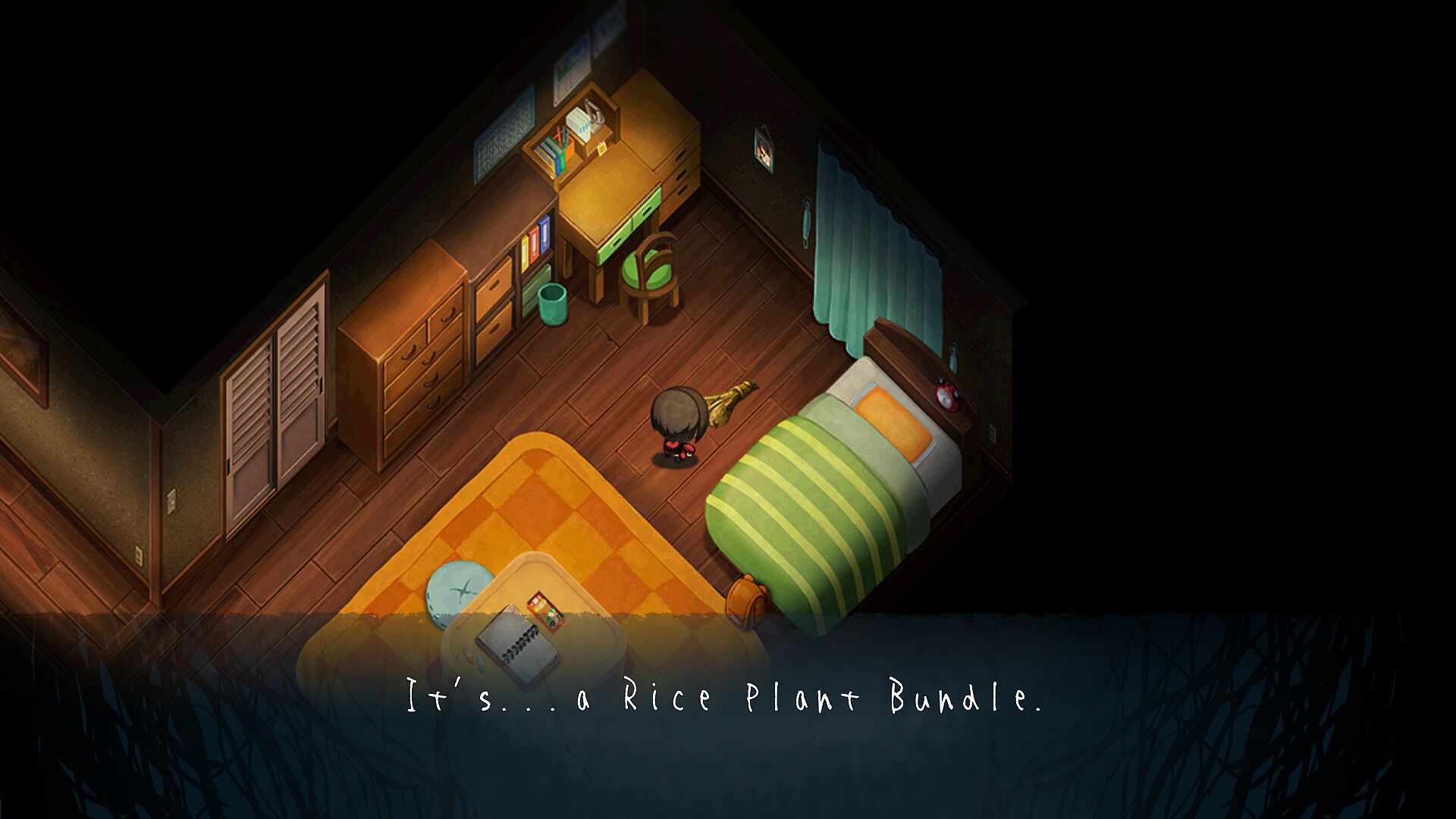
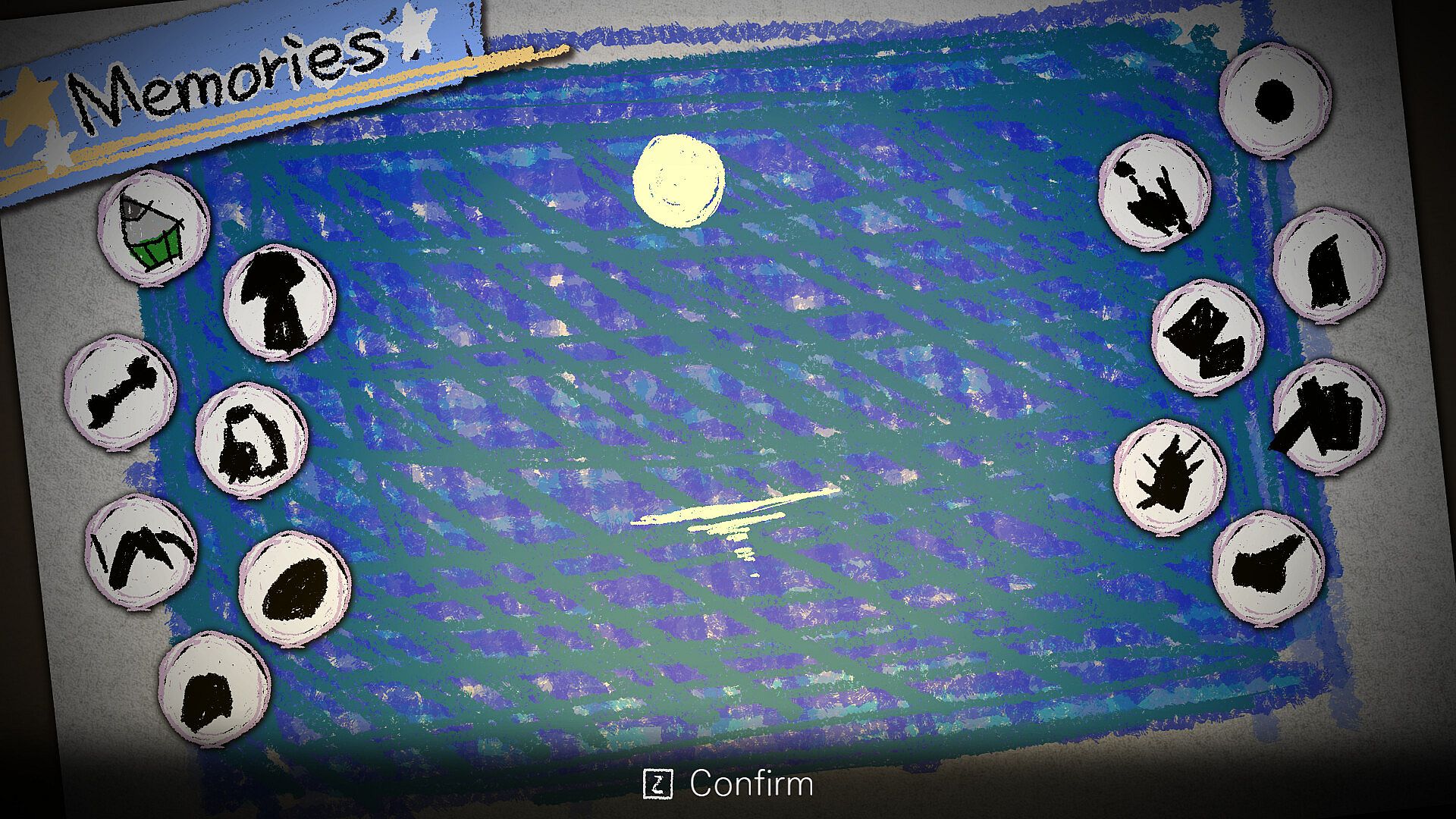
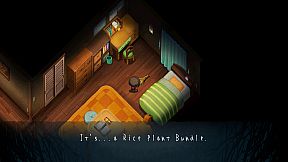
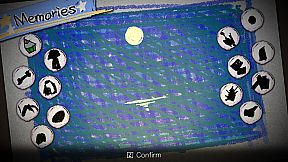
Progress comes from locating personal items tied to the protagonist's forgotten past. These objects restore fragments of memory and advance the narrative toward lifting the curse. Movement relies on running and finding cover points when threats appear. The town layout encourages repeated visits to different areas as new paths or details become accessible after key discoveries.
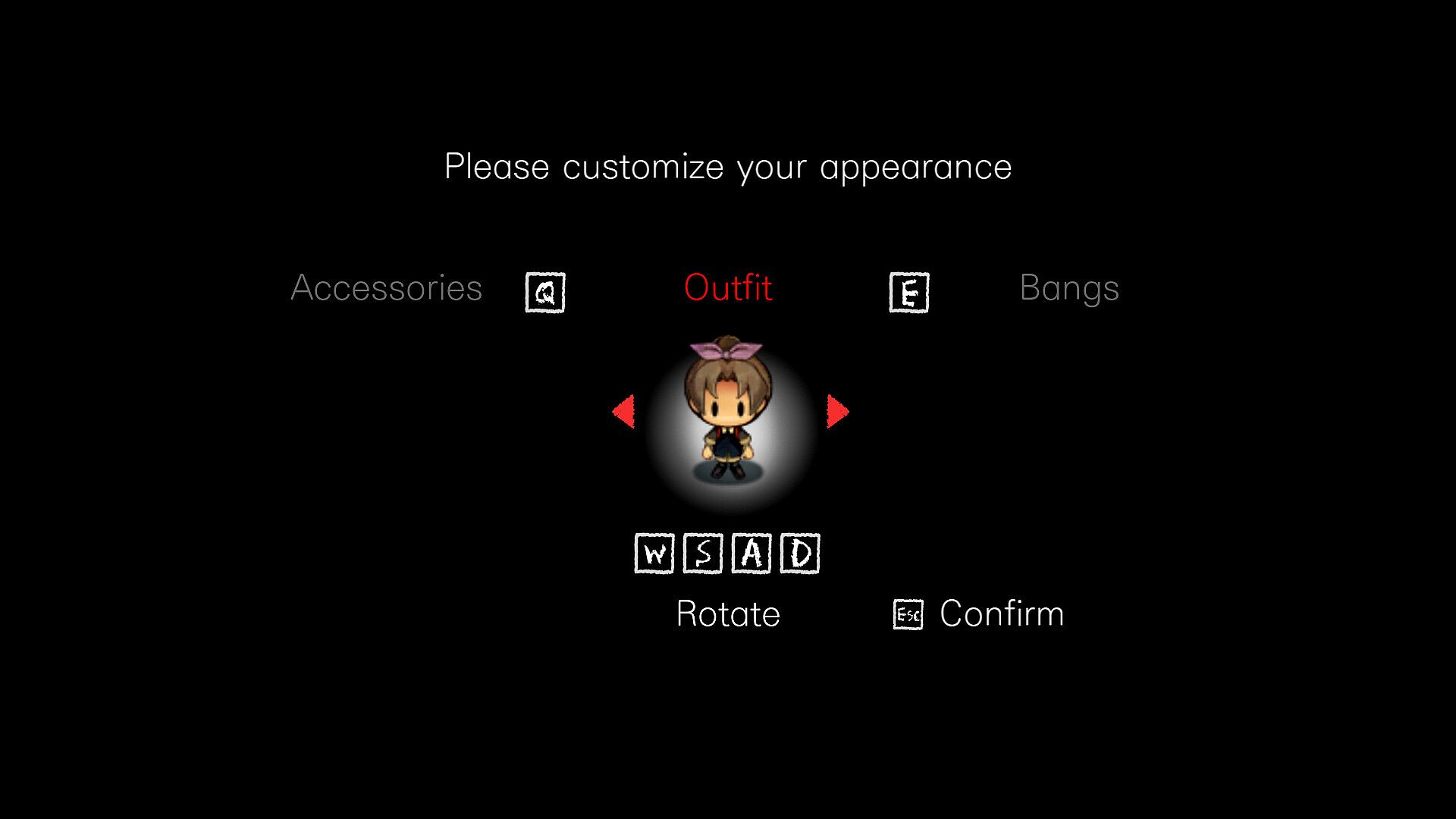
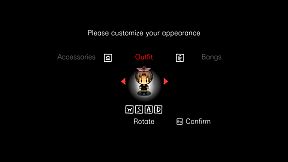
Character customization options let players alter hairstyle, hair color, clothing, and accessories before or during play. This feature affects the visual presentation without changing core abilities or mechanics. Environments emphasize shadows and limited lighting, with sound design highlighting footsteps, ambient noises, and the tension of nearby dangers.
Game Modes
The game operates as a single continuous narrative experience without separate multiplayer or competitive modes. All activity occurs in one cohesive campaign that blends exploration segments with survival sequences. Players advance by completing objectives related to memory collection while surviving encounters in the nighttime setting.
Progression follows a linear story structure with some freedom to choose exploration order within the town. No branching paths or alternate endings receive confirmation in available details, keeping focus on the central curse-breaking journey. The absence of additional modes means the entire playthrough revolves around the same evasion and discovery systems from start to finish.
Story and Atmosphere
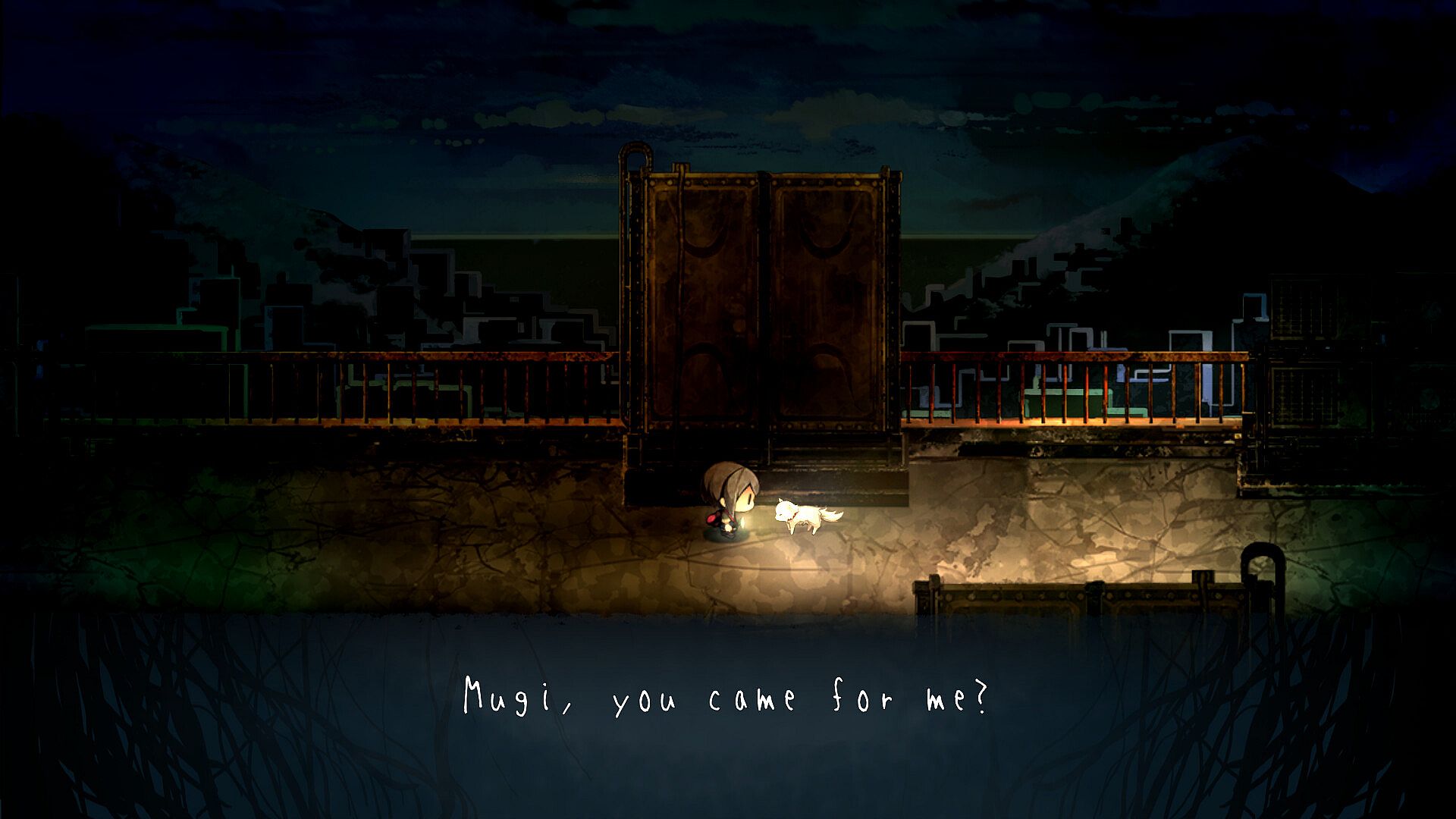
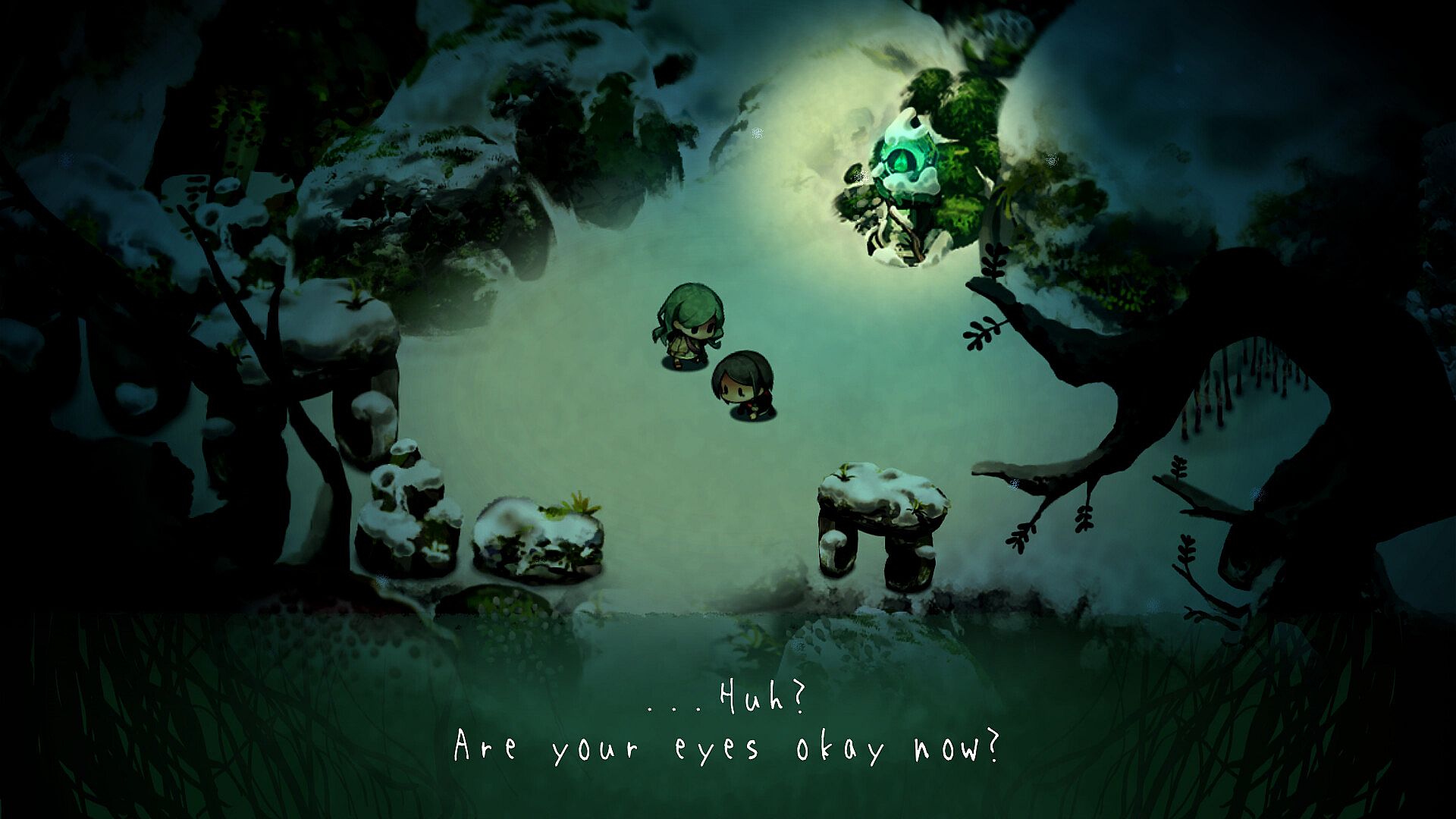
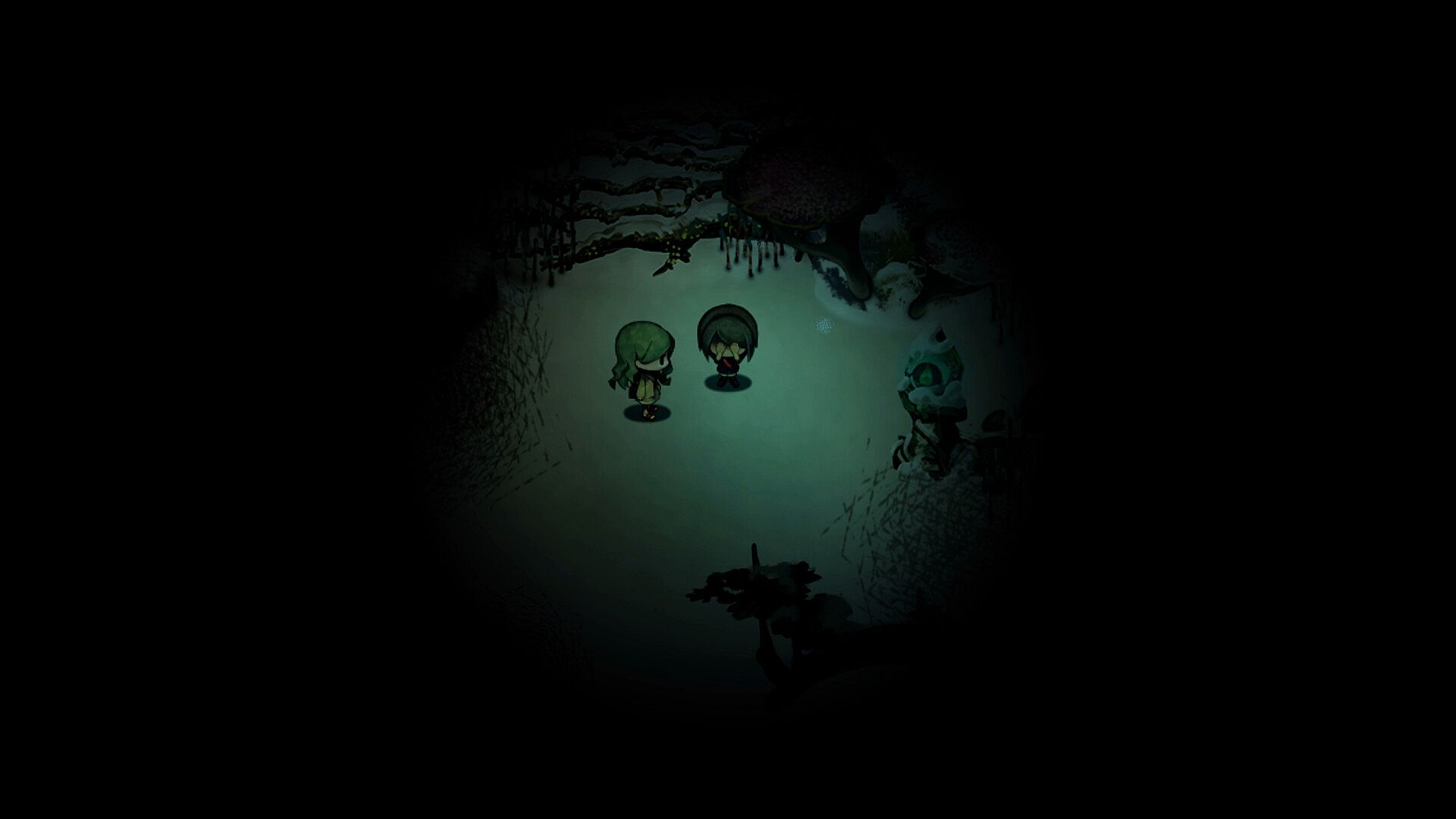
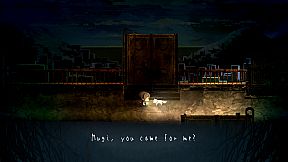
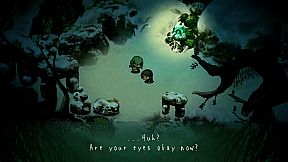
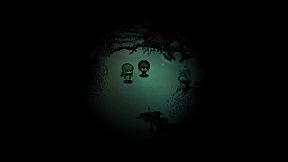
The narrative begins with the girl waking in an unfamiliar forest without memories of her arrival. A mysterious figure explains the curse placed upon her, directing her back to familiar streets after dark. Malevolent ghosts inhabit the shadows, forcing constant vigilance during searches for lost recollections.
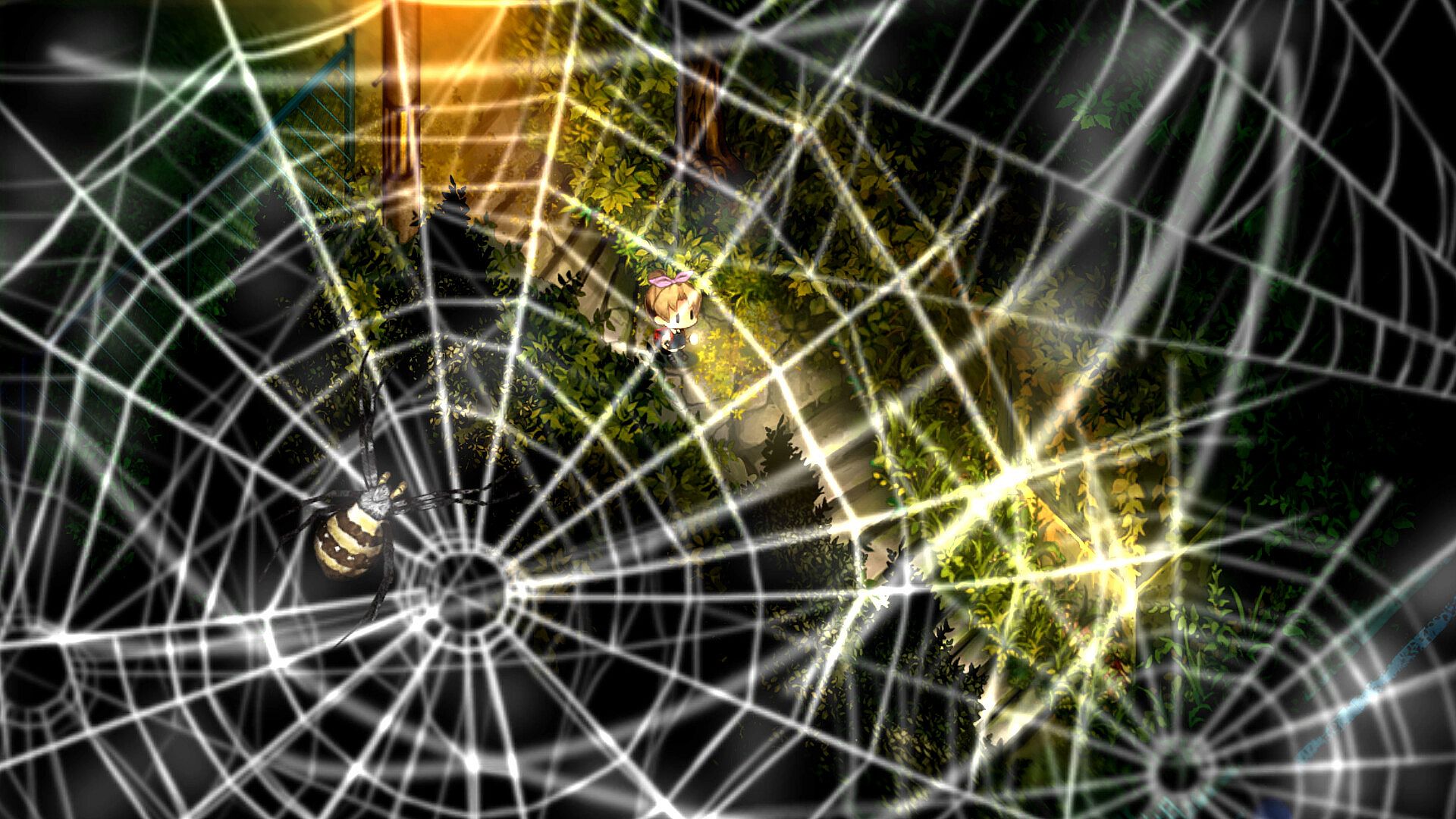
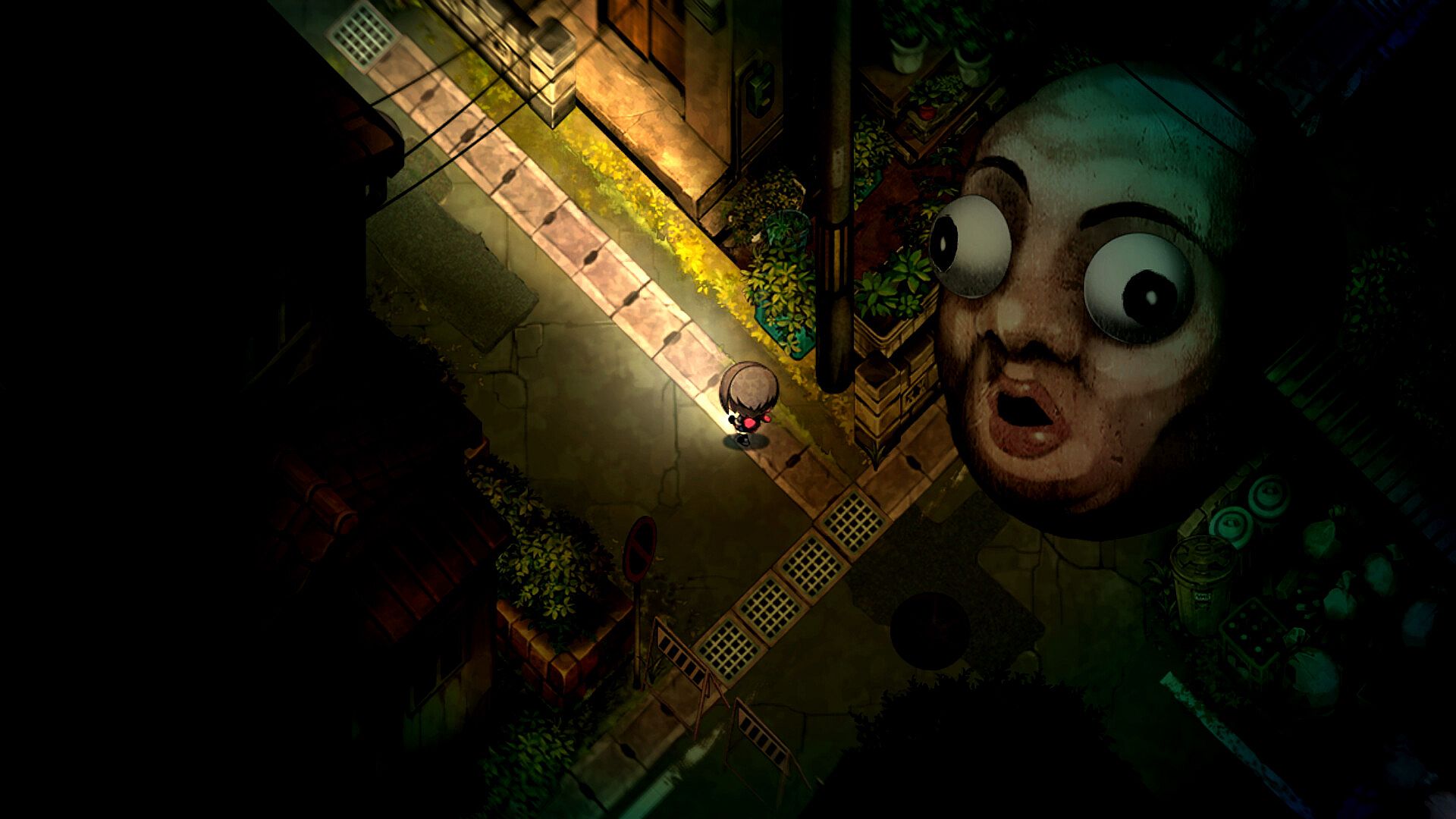
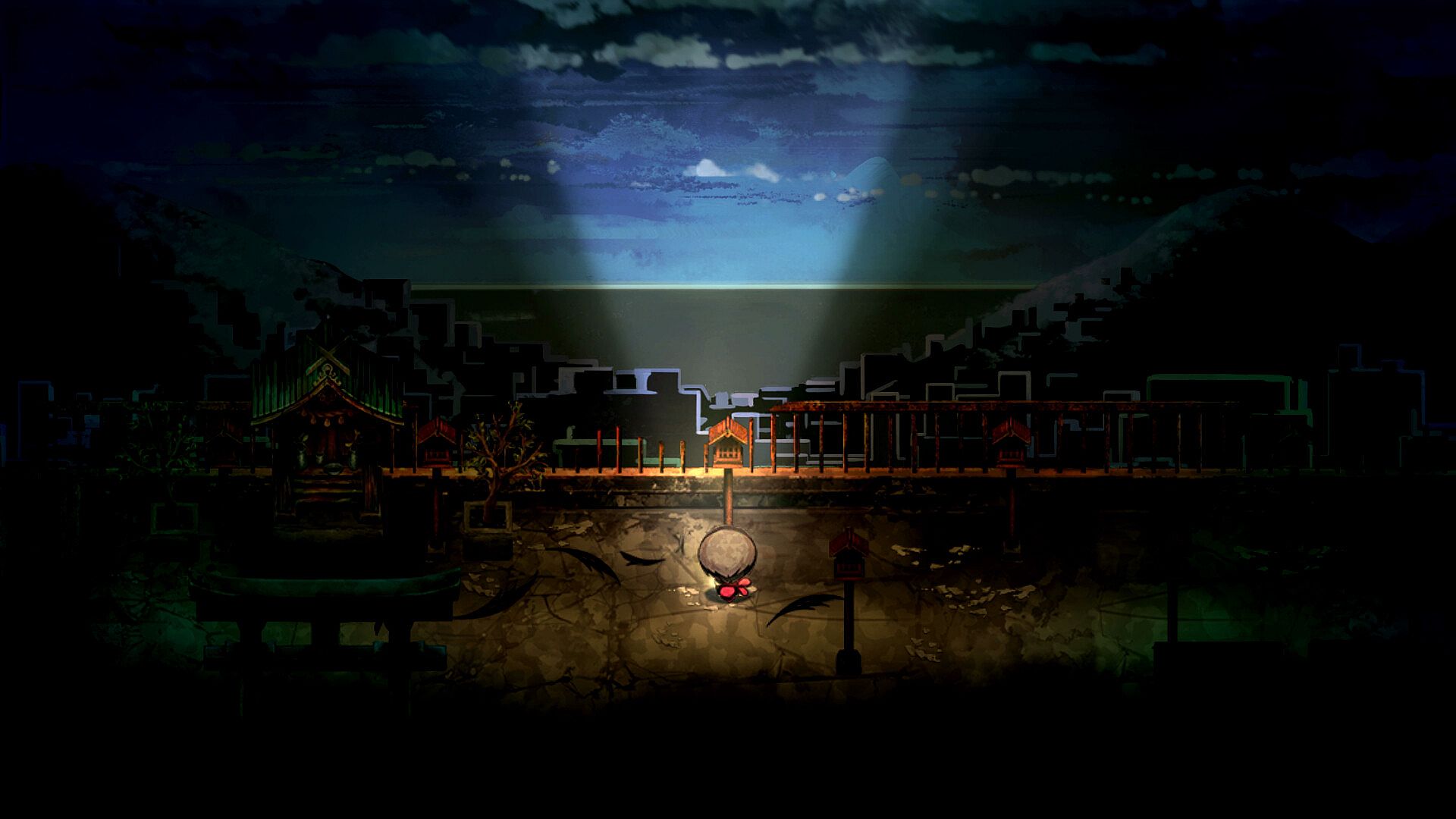
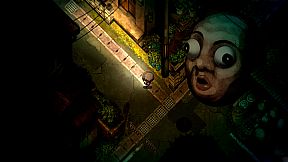
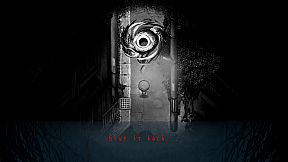
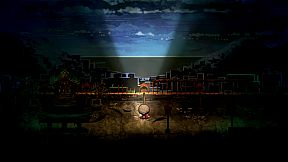
Atmospheric elements include eerie soundscapes and detailed shadowy locations that heighten tension. New ghost designs appear throughout the town, each presenting distinct behaviors that require adaptation of the flashlight, heartbeat monitoring, and eye-closing techniques. The setting draws from everyday town locations transformed by the curse into threatening spaces.
Is It Worth Playing?
This title suits players who enjoy deliberate pacing and tension built through avoidance rather than direct confrontation. The combination of exploration for memory items and reactive survival tools creates a focused loop that rewards patience and attention to audio and visual cues.
Reception highlights the compelling atmosphere and unsettling ghost encounters as strengths, while noting design choices that echo earlier entries in the series. The game launched in late 2022 across PC and other platforms with no subsequent seasonal content or major updates confirmed. Those seeking a compact horror adventure centered on stealth and discovery will find the verified mechanics deliver consistent pressure without overwhelming complexity.
Customization adds a layer of personal expression to the otherwise fixed protagonist. Overall, the experience stands as a self-contained story that prioritizes mood and careful navigation over expansive systems or replay incentives beyond initial completion.