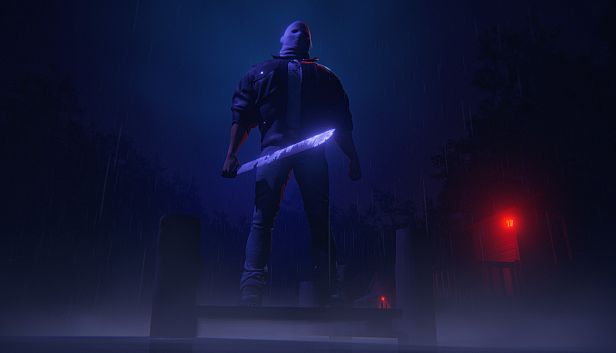




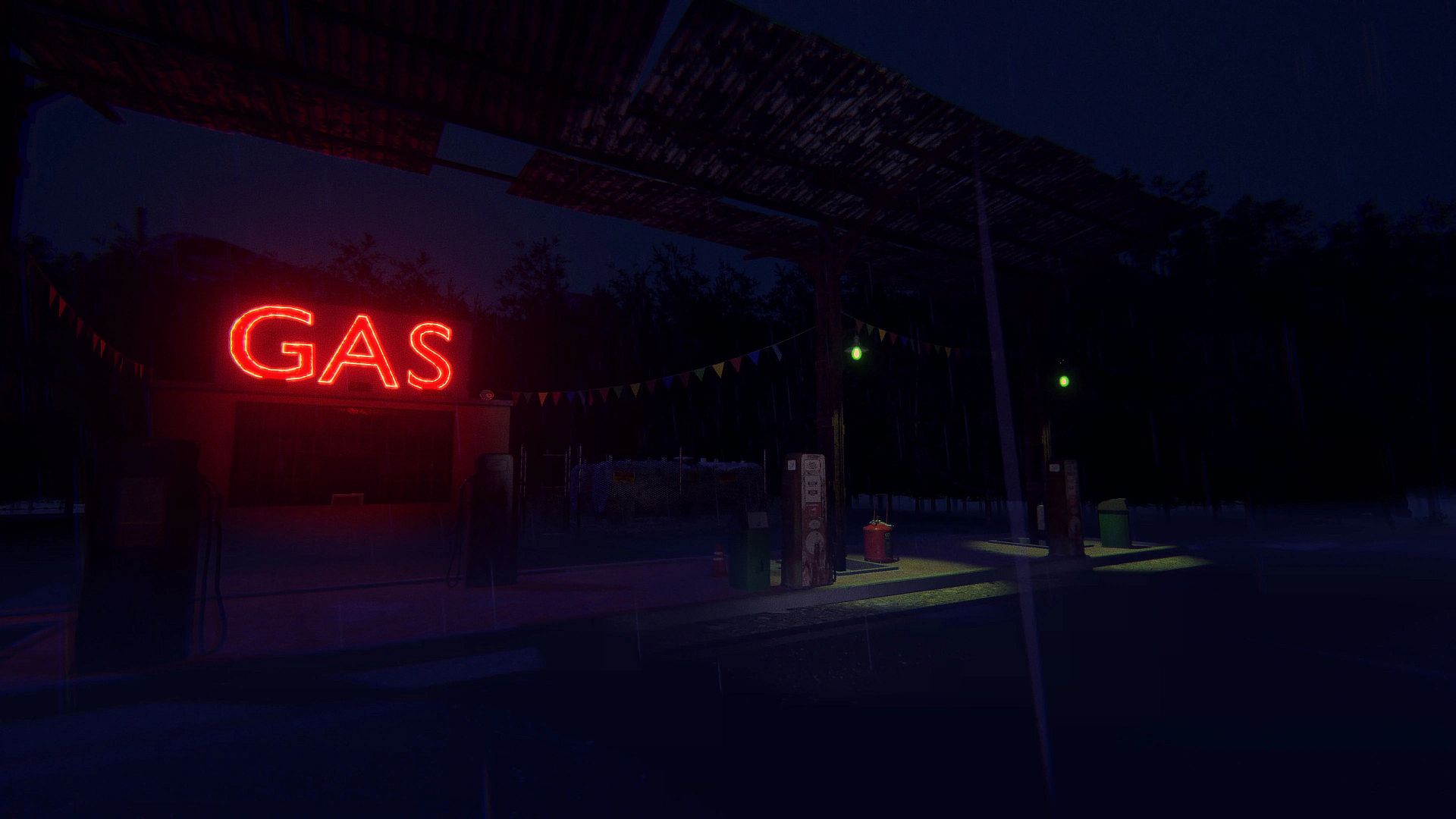
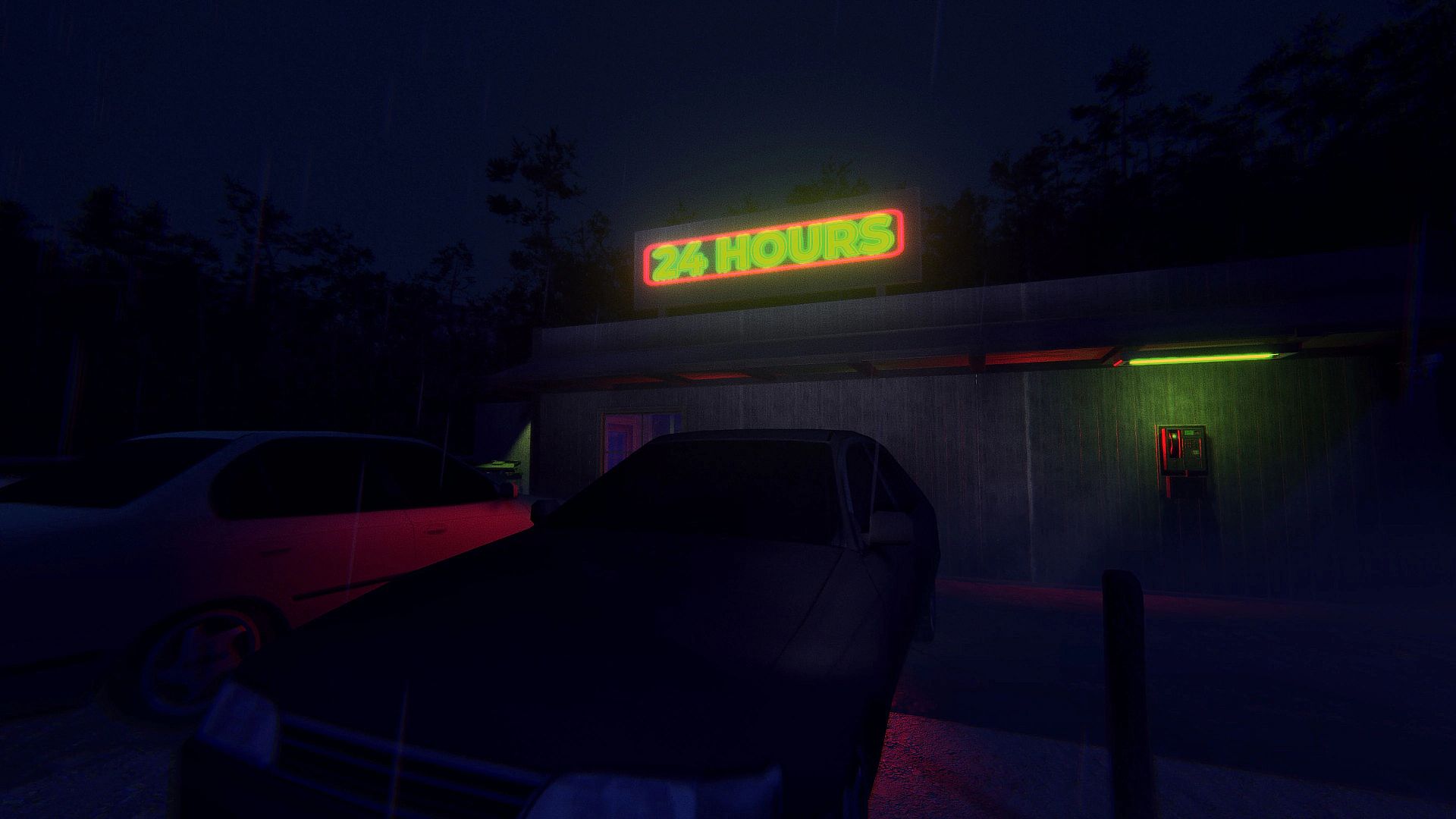
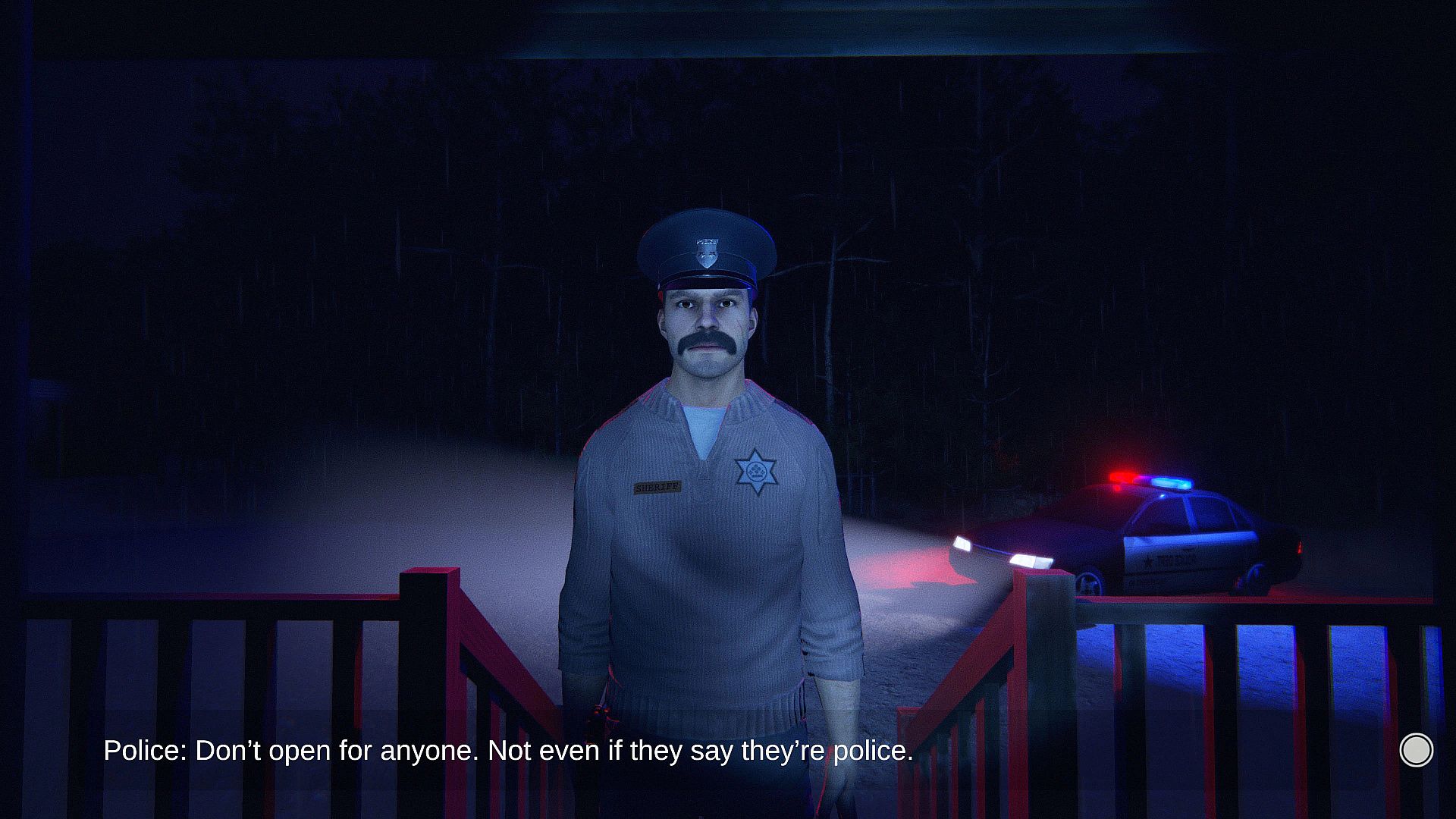
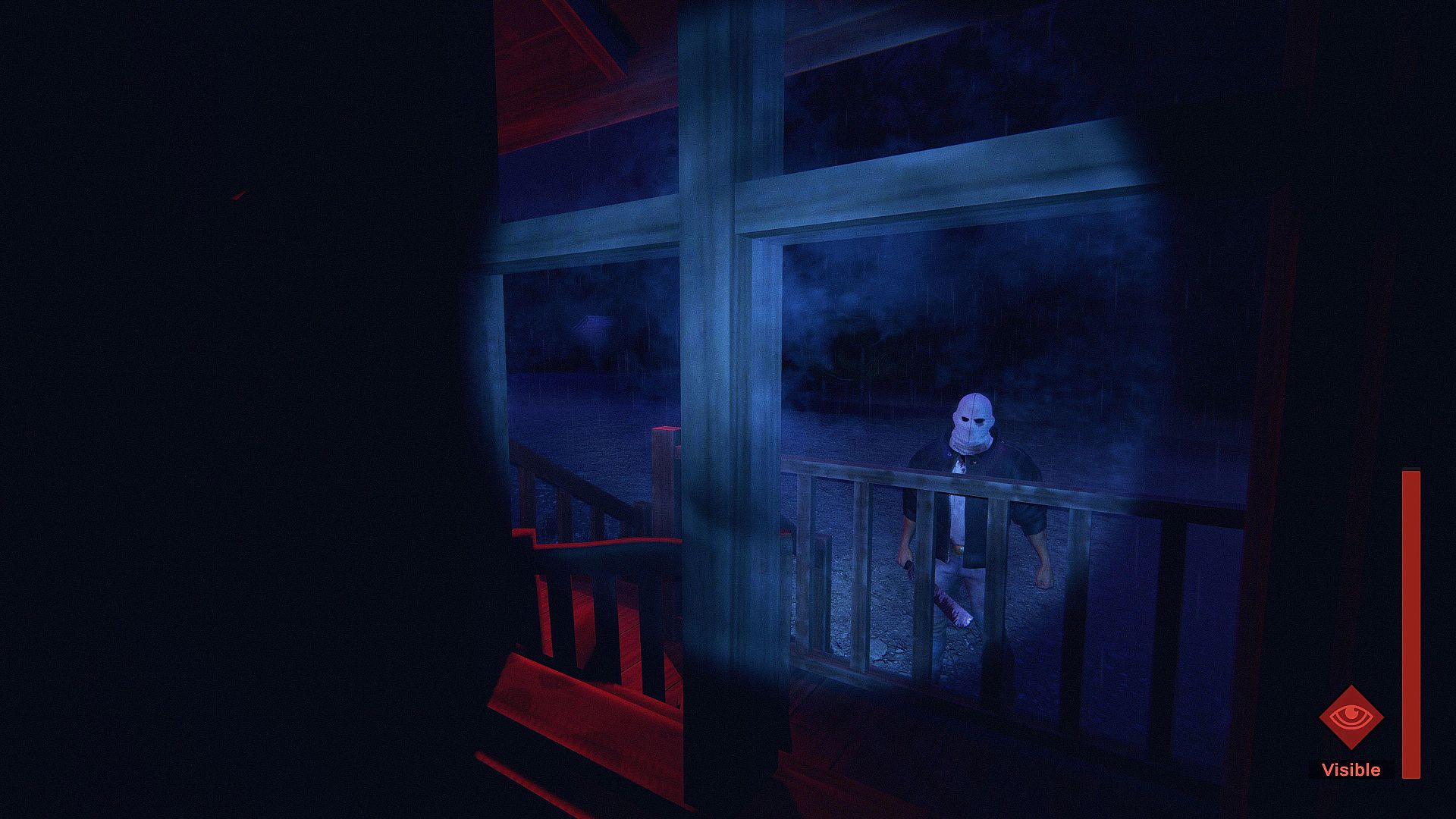
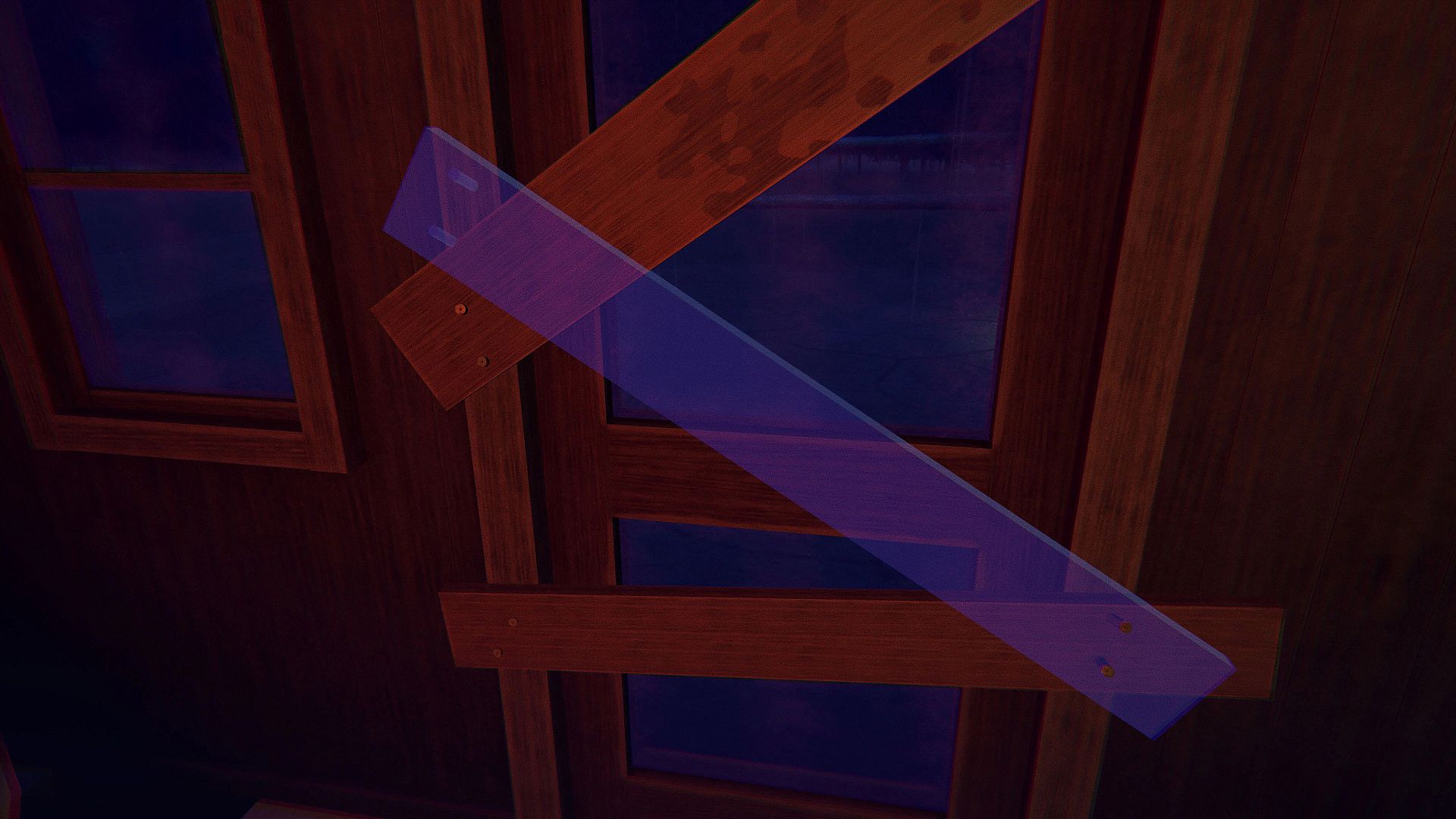

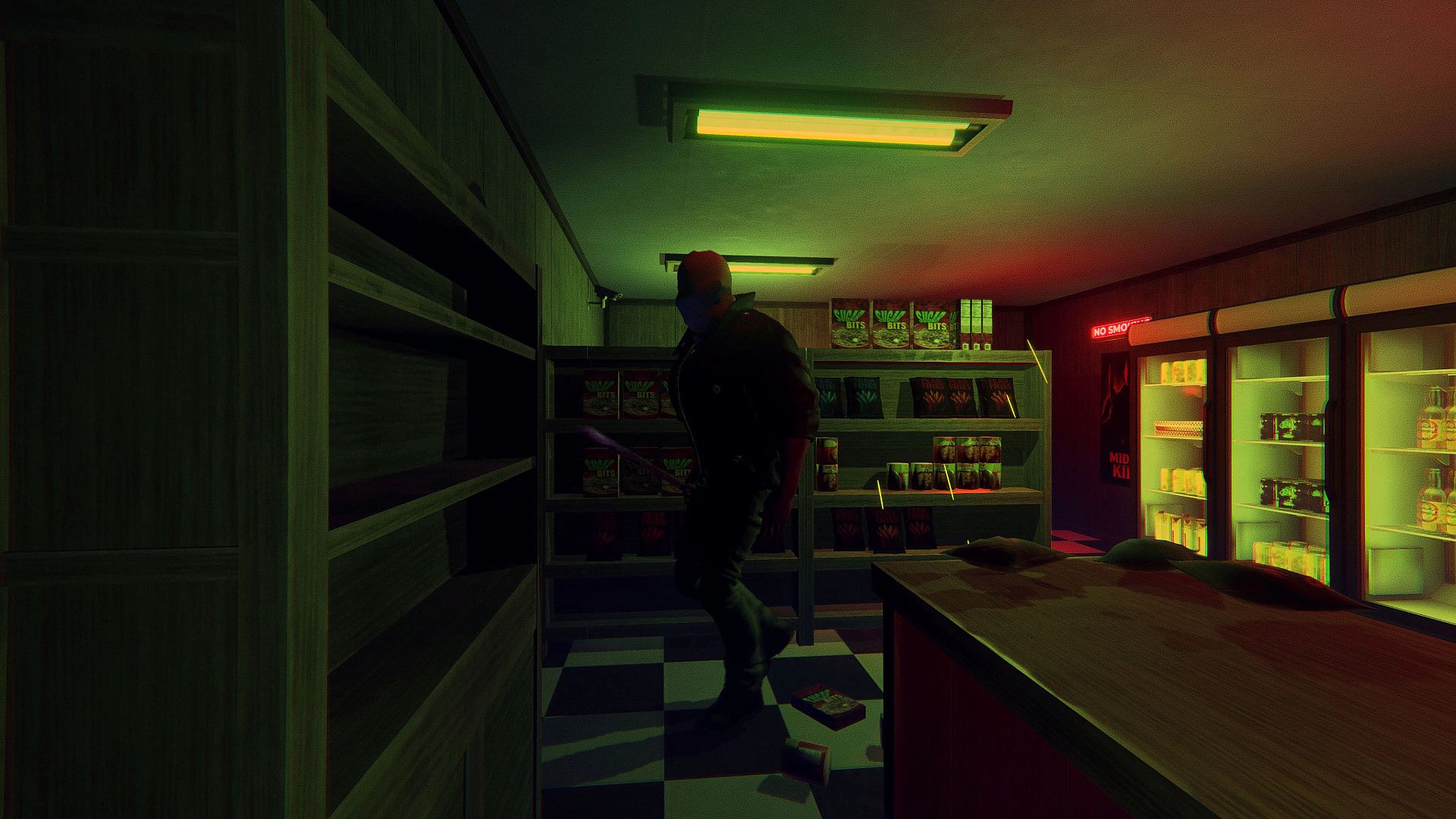
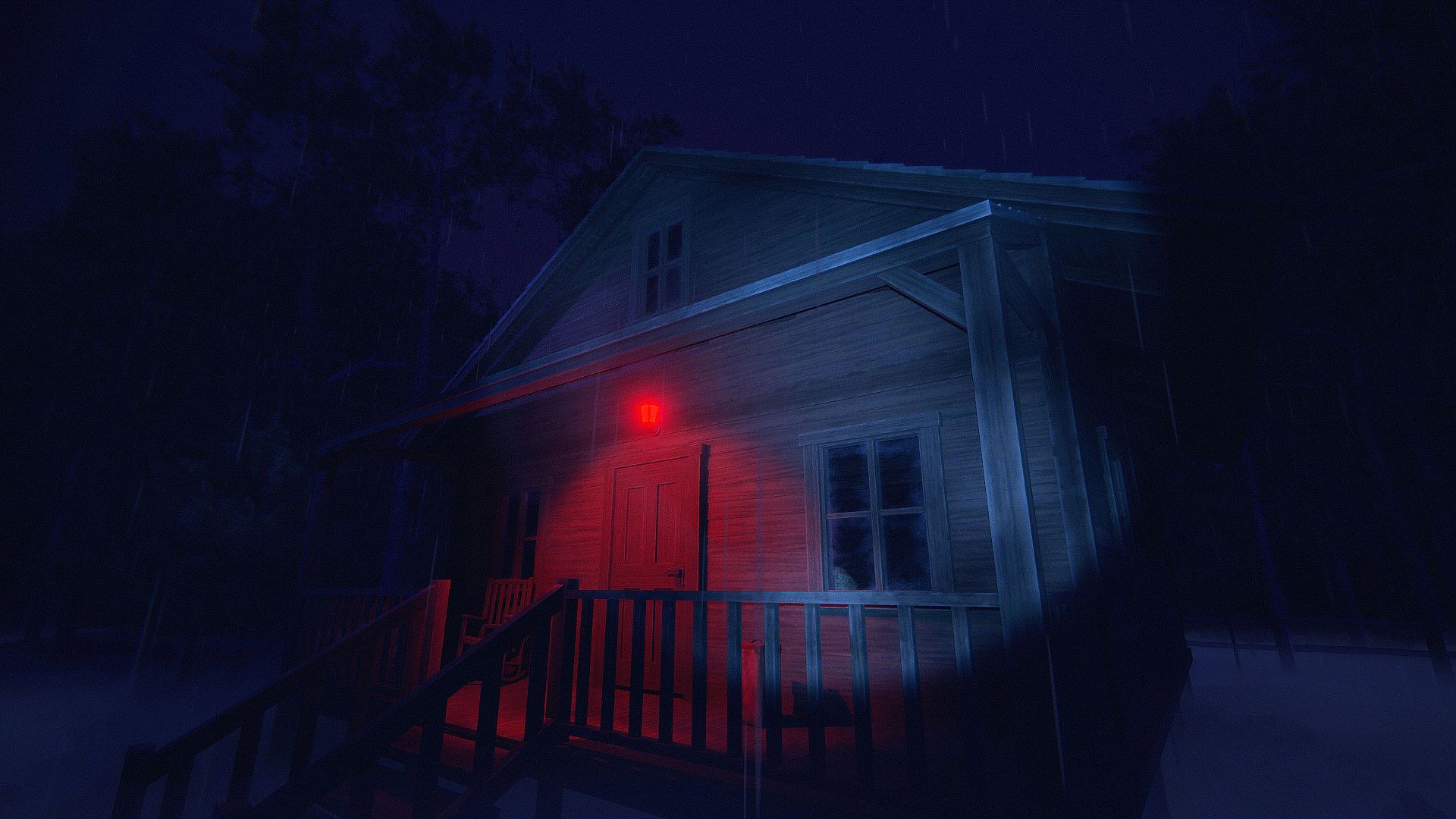
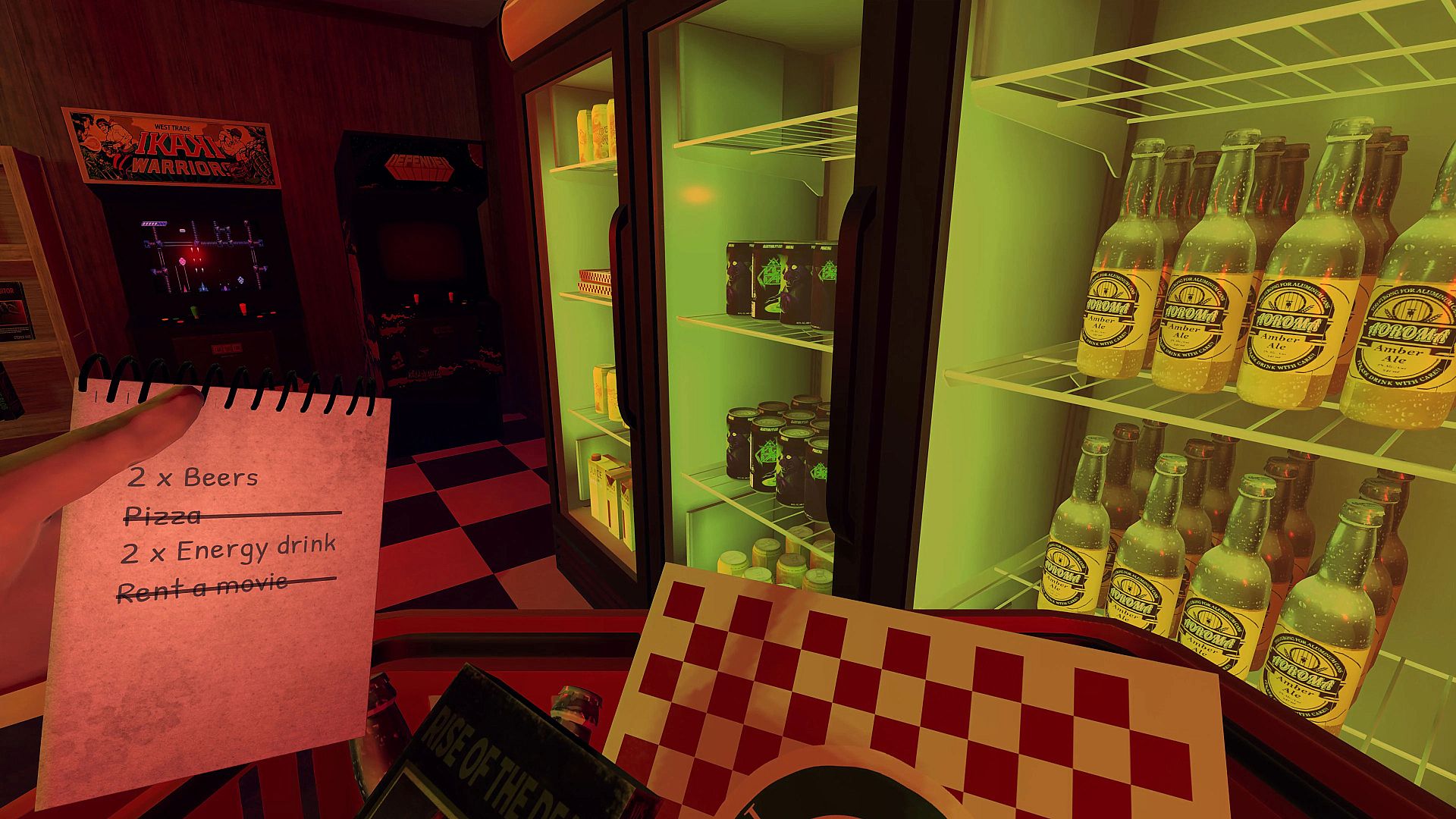
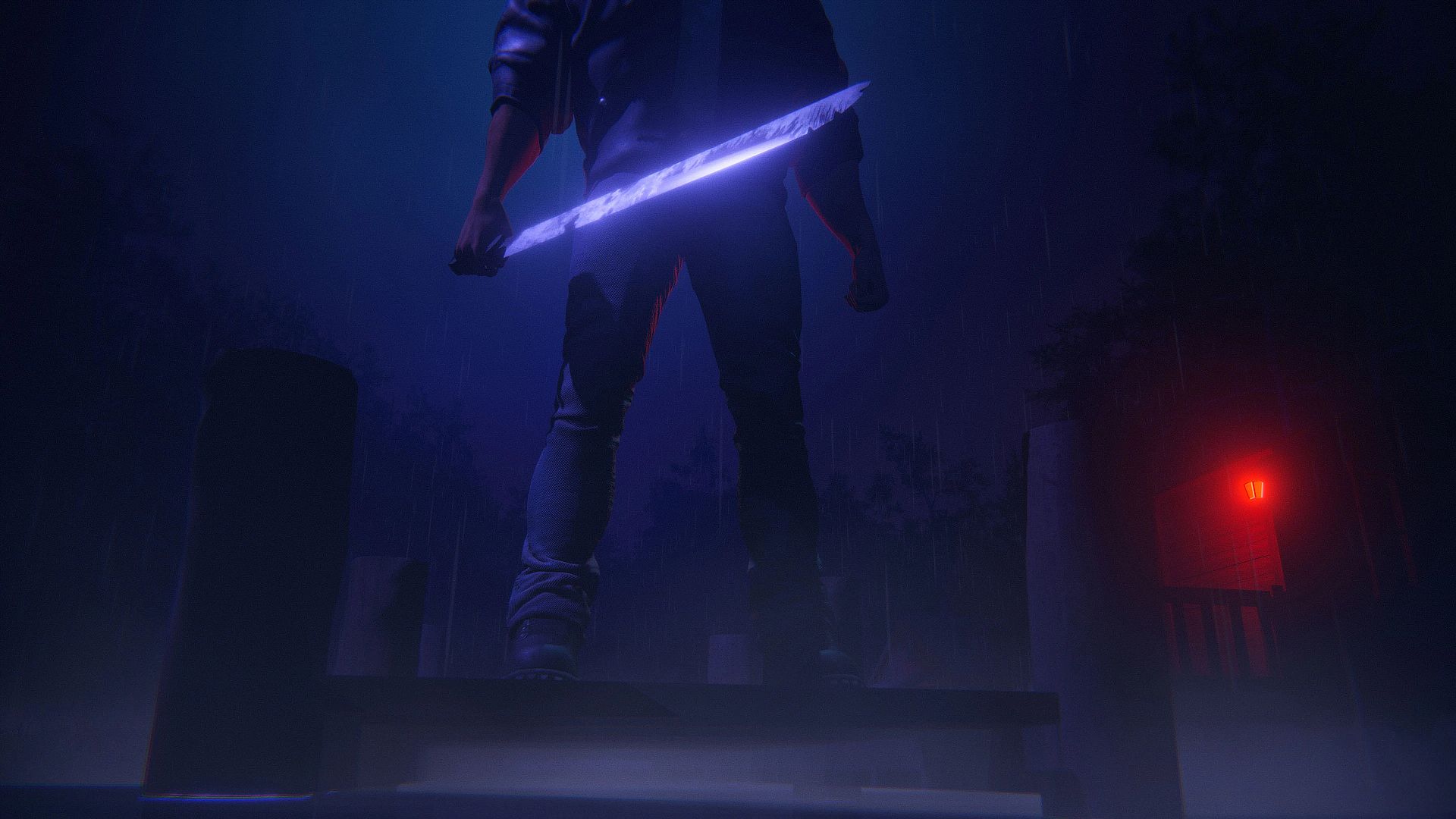
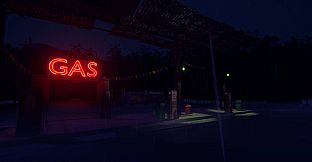
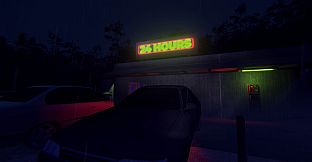
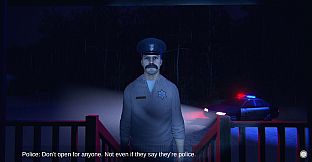
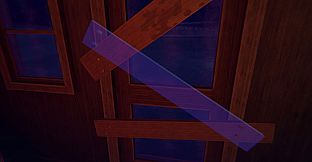

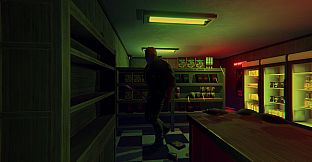
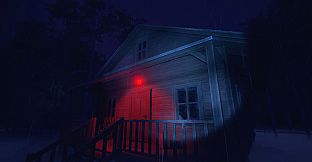

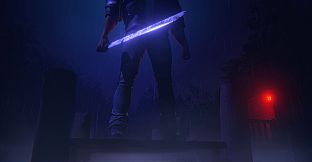
Yellowcreek Stories - The Cabin Watcher is a first-person stealth horror adventure game developed for the PS5. Players take on the role of a survivor trapped in a remote mountain cabin during a violent storm, where a masked killer patrols the area and responds directly to noise, light, and movement. The experience draws from classic 1980s slasher films, emphasizing tension through careful decision-making rather than direct confrontation.
Gameplay
The core loop centers on evasion and environmental awareness in a confined, stormy setting. Every footstep, door creak, or flashlight beam can alert the killer, who adjusts search patterns based on detected activity. Players must balance visibility and audibility while navigating the cabin and surrounding grounds without any weapons or combat options.
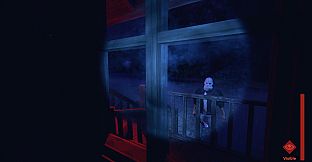
Noise management requires deliberate pacing. Sprinting or dropping items creates sounds that draw the killer closer, forcing players to pause and listen for approaching footsteps. Light plays a dual role, with the flashlight providing brief safety in dark corners but risking exposure if used carelessly. Movement stays deliberate, as quick actions increase detection chances and limit hiding opportunities.
Hiding becomes essential once spotted. Players locate closets, under beds, or behind furniture, then remain still while the killer investigates. The minimal interface displays real-time feedback on current noise levels and visibility, helping maintain focus during extended chases. Interactive sequences heighten pressure through timed choices that affect survival odds.
Game Modes
The game operates as a single-player experience built around one continuous survival scenario. No separate multiplayer or competitive modes exist. The structure follows a linear narrative path through the cabin and immediate wilderness, with replay value stemming from different approaches to the same encounters.
Progression relies on mastering the reactive enemy system across repeated attempts. Each run presents the same core threats, but player choices in timing and positioning alter how the killer responds, creating varied outcomes without additional modes or branches.
Key Mechanics and Features
Stealth revolves around three interconnected systems: sound propagation, light exposure, and movement speed. The killer actively investigates disturbances, turning routine actions into calculated risks. A single loud mistake can end a run, reinforcing the need for patience over speed.
Real-time feedback replaces traditional HUD elements. Visual and audio cues indicate how much attention the player currently attracts, allowing adjustments before the killer closes in. Cinematic moments interrupt gameplay with quick decisions that test composure under direct threat.
The design avoids power-ups or upgrades, keeping focus on observation and restraint. The violent content appears through the killer's actions and discovered scenes, consistent with the slasher inspiration, while player agency stays limited to avoidance.
Is It Worth Playing?
This title suits players who prefer atmospheric tension and stealth over action or combat. The reactive killer creates a persistent sense of pursuit that rewards careful observation and calm execution. Those drawn to 1980s horror aesthetics and survival challenges without guns or melee will find the mechanics align closely with that intent.
Availability on PS5 places it alongside other horror experiences that emphasize vulnerability. With a planned release in August 2026 and a demo already available for testing the core systems, interested players can evaluate the pacing firsthand before committing. The absence of additional modes or ongoing seasons keeps the focus narrow on the single survival scenario.
Reception will depend on tolerance for high-stakes repetition, where one error resets progress. For fans of pure stealth horror that strips away combat, the emphasis on sound, light, and movement delivers a focused test of nerves in a classic slasher setup.