
















X-COM: UFO Defense is a turn-based strategy game in which players command an international organization tasked with defending Earth from an alien invasion. The core experience combines global strategic oversight with detailed tactical combat on individual missions. Released originally in 1994 for PC, the title places emphasis on resource management, technological progression, and careful decision-making across both the world map and battlefield levels.
Gameplay
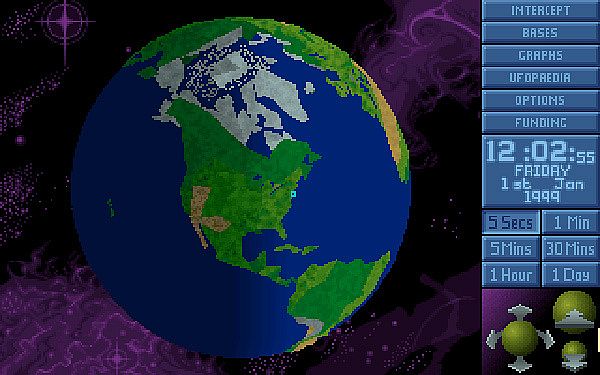
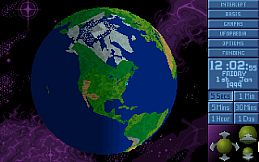
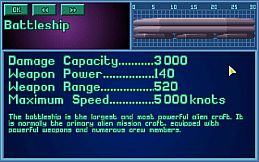
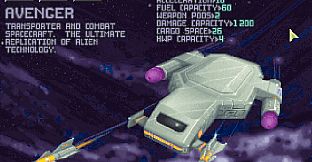
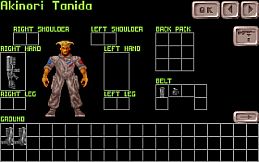
The game operates through two interconnected layers. On the strategic layer, players manage X-COM bases, allocate funding from multiple governments, hire and train soldiers, scientists, and engineers, and direct research projects. UFOs appear on the global map, requiring interception with aircraft before ground teams can be deployed to crash sites or landed vessels. Successful missions yield alien artifacts, captured specimens, and technology samples that feed into the research tree.
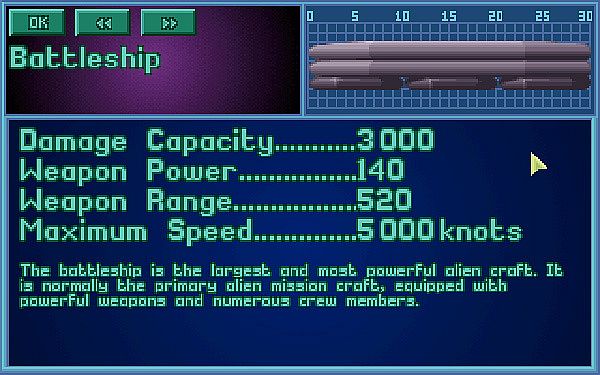
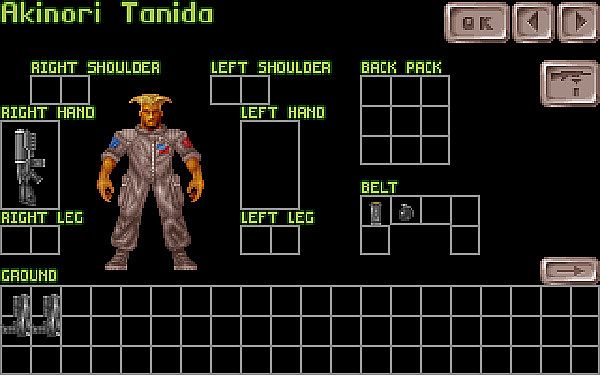
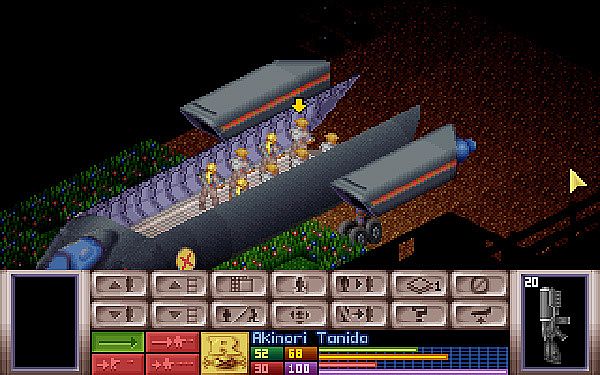
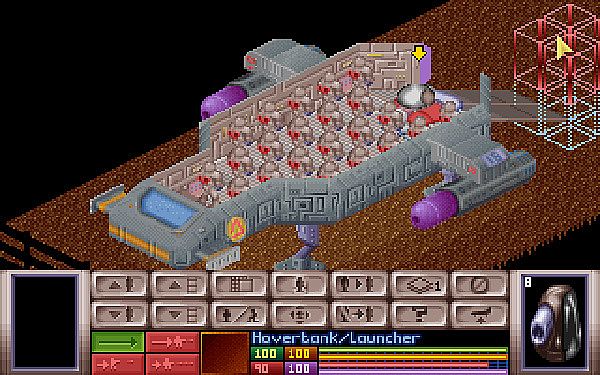
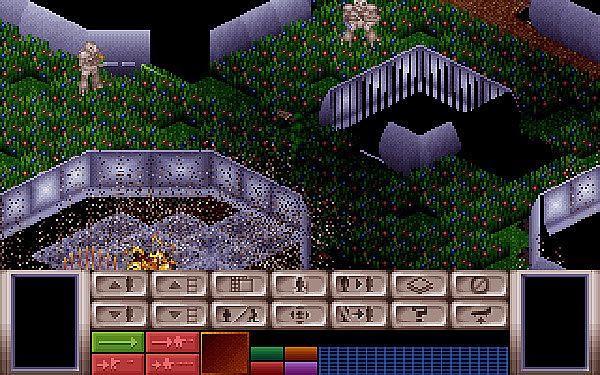
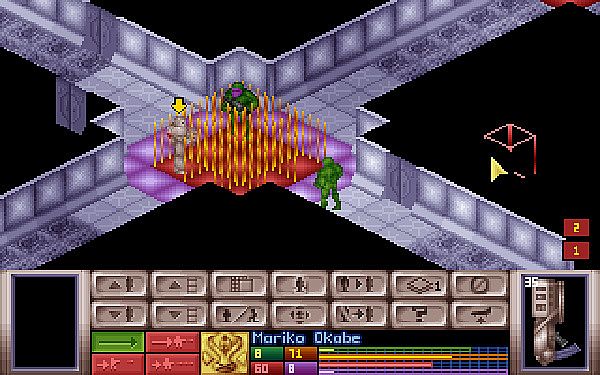
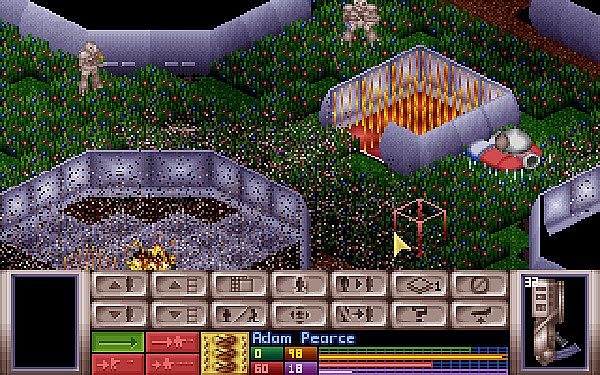
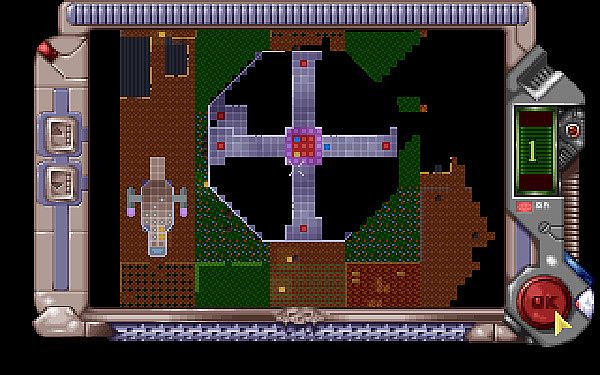
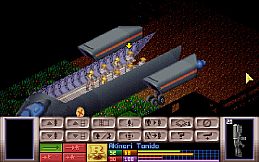
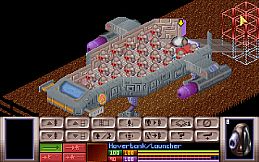
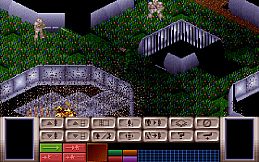
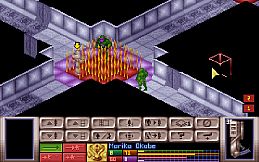
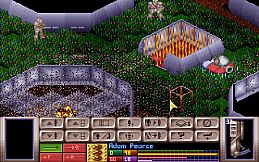
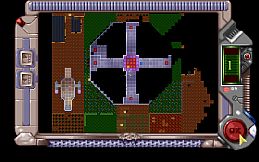
Tactical combat unfolds in a turn-based system where each soldier operates on a pool of time units. These units govern movement, shooting, reloading, and other actions, forcing players to weigh risks such as exposure to enemy fire or the need to conserve ammunition. Squads navigate varied terrain including forests, urban areas, and alien vessels while facing different alien species with unique abilities. Vehicles like tanks provide additional firepower but occupy significant space and resources. Base defense missions occur when aliens launch direct assaults on X-COM facilities, adding another layer of defensive planning.
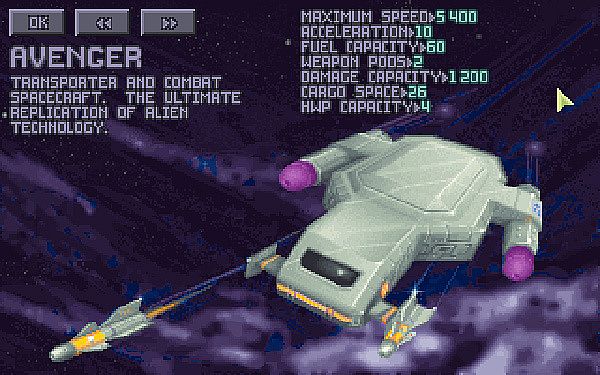
Progression centers on reverse-engineering recovered items to unlock superior weapons, armor, and aircraft. Manufacturing these items requires engineers and raw materials, while captured live aliens can accelerate certain research paths. Political factors influence funding, as governments may reduce support if X-COM fails to contain alien activity in their regions.
Game Modes
The title functions entirely as a single-player experience with no multiplayer components. The primary structure revolves around a continuous campaign that alternates between the geoscape for strategic planning and the battlescape for mission execution. Key mission types include UFO crash site investigations, terror site responses where aliens attack civilian populations, and base defense operations. Players also conduct reconnaissance and assault missions against alien bases once their locations are discovered.
Each mission type carries distinct objectives and scoring criteria based on alien kills, recovered artifacts, civilian survival, and soldier casualties. The campaign advances through escalating alien threats and requires ongoing adaptation of tactics and equipment. No separate standalone modes exist beyond the integrated campaign flow.
Research and Technology Progression
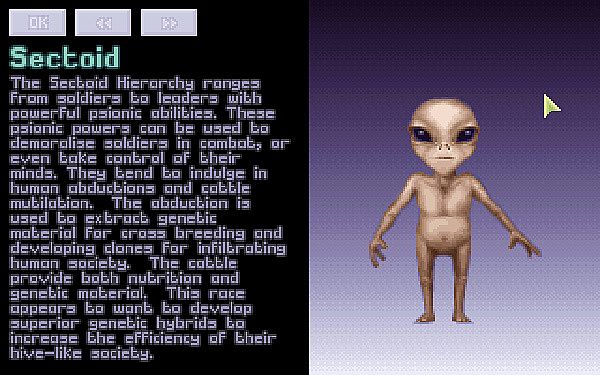
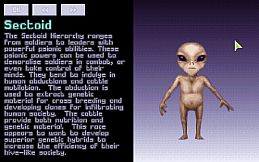
Research forms a central pillar of advancement. Scientists analyze recovered items to unlock new capabilities, ranging from improved rifles and grenades to advanced psionic abilities and interstellar craft. Breakthroughs allow manufacturing of equivalent or superior gear, shifting the balance of power against the invaders. Live alien captures provide additional data that can reveal weaknesses or cultural insights, directly impacting mission success rates over time.
Manufacturing decisions must balance immediate needs against long-term goals, as producing high-end items consumes significant resources and engineer time. The technology tree encourages experimentation, with some paths enabling entirely new strategies such as psionic warfare that can turn enemy units against their allies.
Is It Worth Playing?
Player reception remains strongly positive decades after release, with the game holding an overwhelmingly positive rating on its primary distribution platform based on thousands of reviews. Recent feedback continues to highlight its addictive quality and depth for those who enjoy methodical strategy titles. The experience suits players comfortable with older interfaces and willing to invest time in learning the systems without modern quality-of-life features.
Current player counts stay modest, reflecting its status as a classic rather than a live-service title with ongoing seasons or updates. No free modes or trials are attached, and the game stands alone without expansions required for the core campaign. It appeals most to fans of turn-based tactics who value careful planning, permanent consequences for losses, and the satisfaction of technological breakthroughs. Those seeking fast-paced action or frequent content additions may find the deliberate pace less engaging, while strategy enthusiasts often report hundreds of hours of replay value through different base placements and research priorities.