



















World Basketball Manager 2010 is a basketball management simulation for PC that places players in the role of a club general manager. The experience centers on long-term decision making across club operations, squad building, and on-court tactics rather than direct control of individual players during matches.
Gameplay
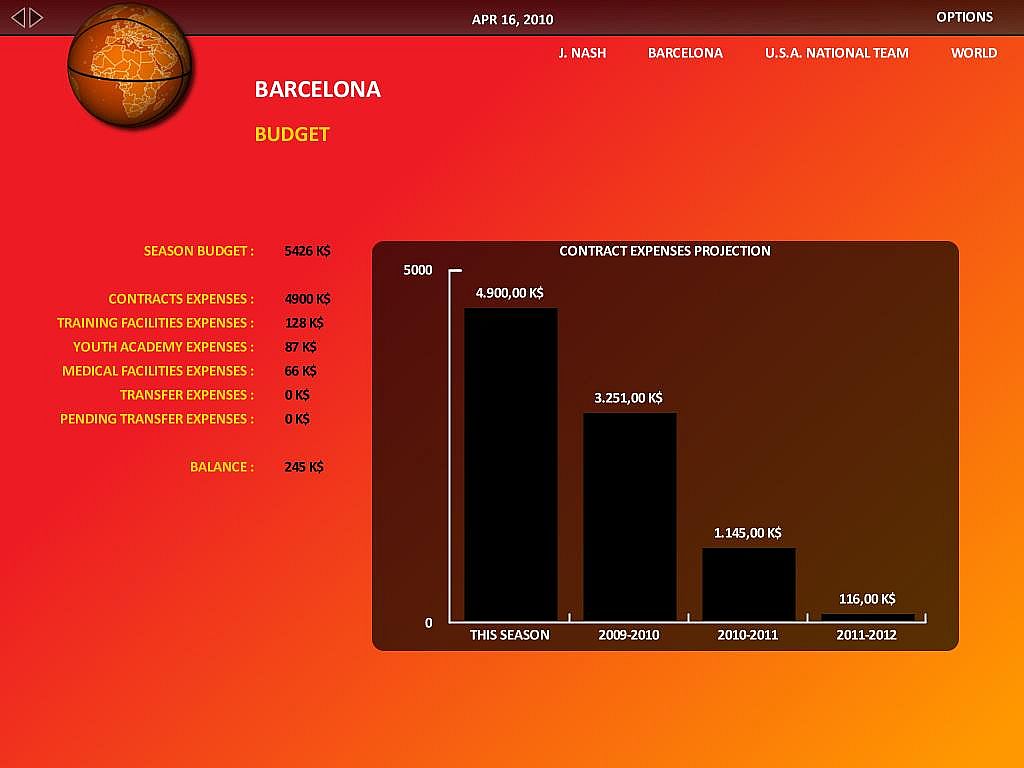
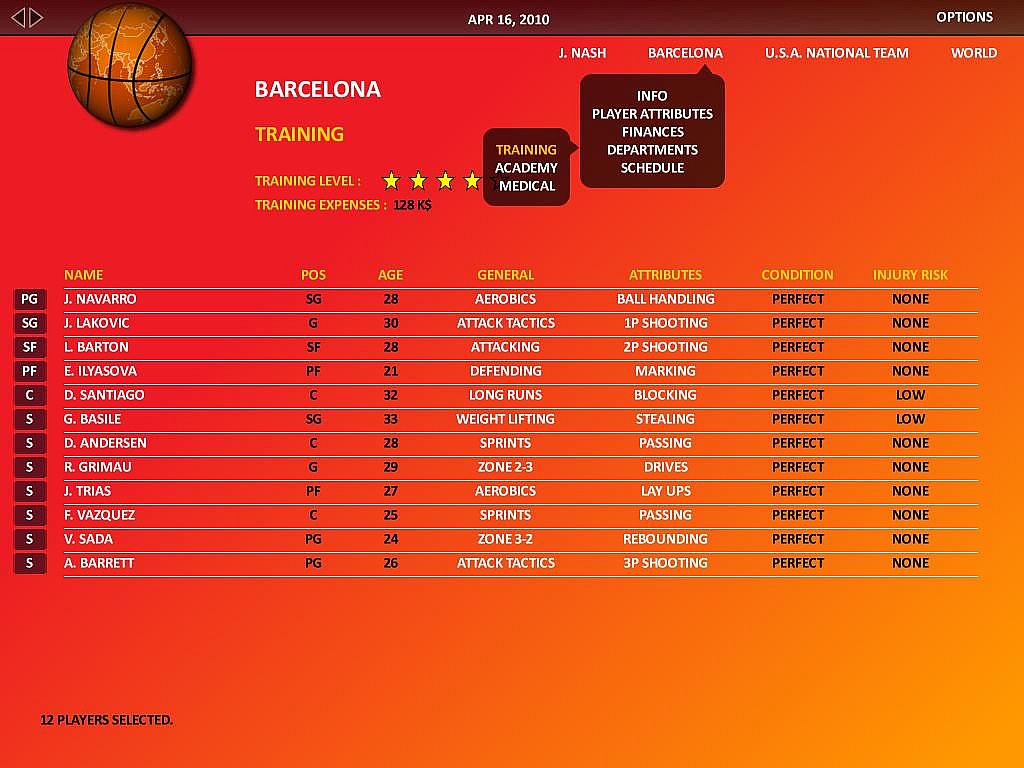
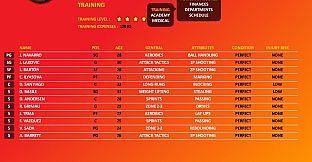
The core loop begins with creating a manager profile and accepting a position with a chosen club. From there, the manager oversees multiple departments by allocating funds to medical staff, training facilities, and the youth academy. These investments influence player development, injury recovery rates, and the emergence of new talent from the academy system.
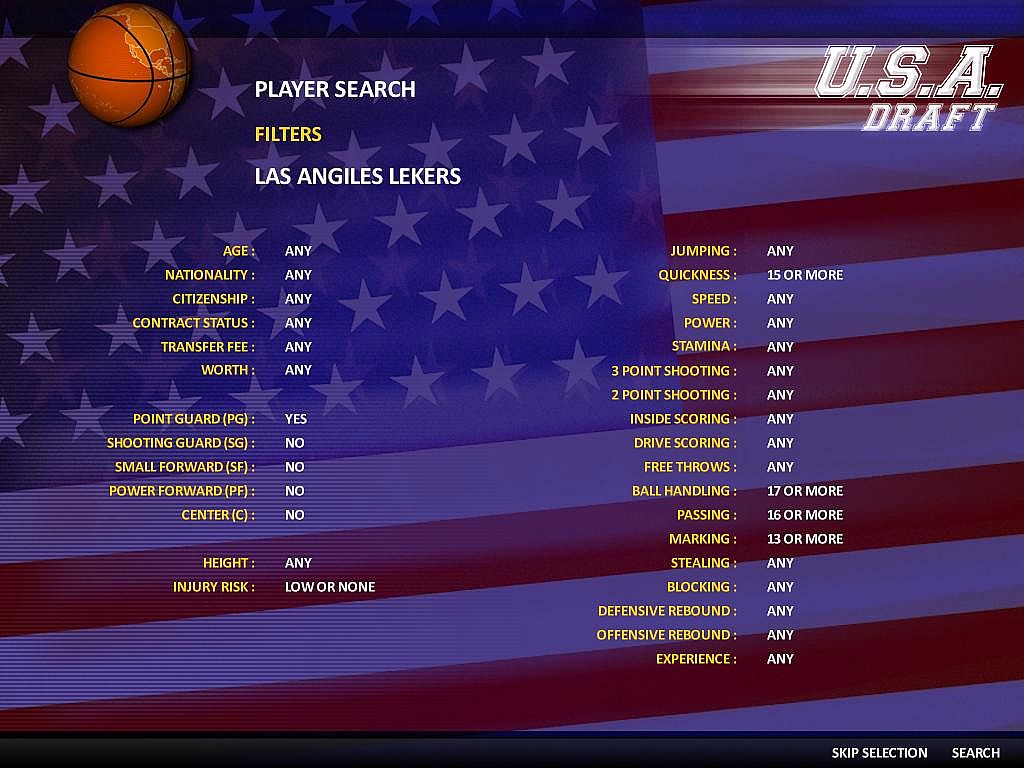
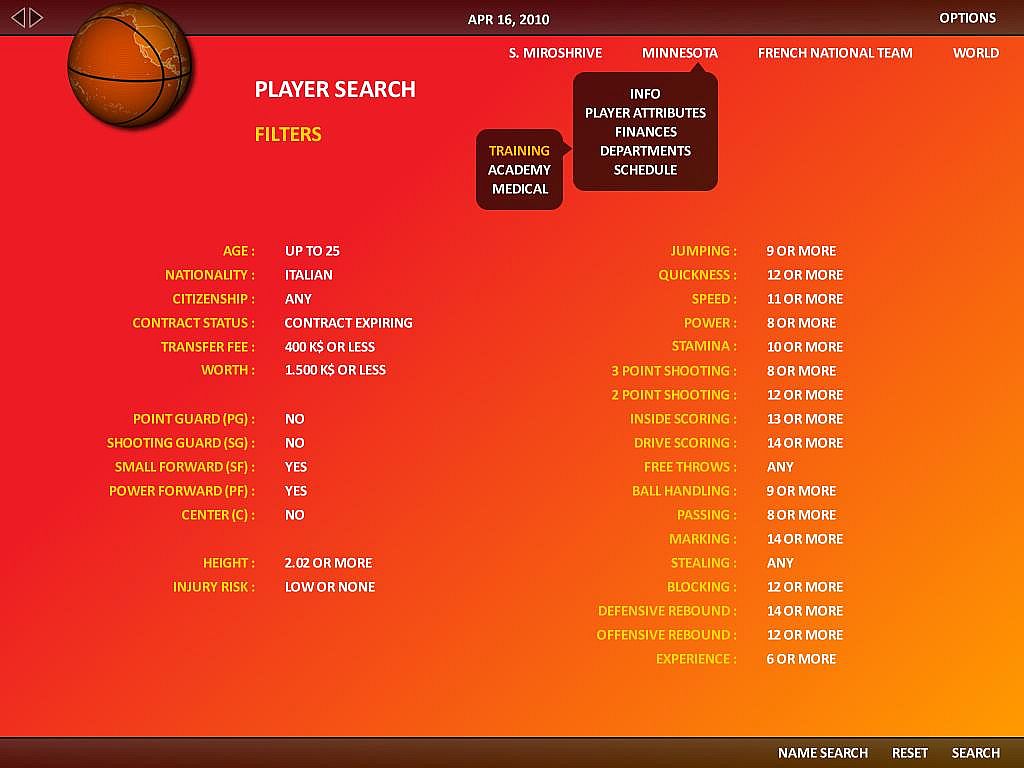
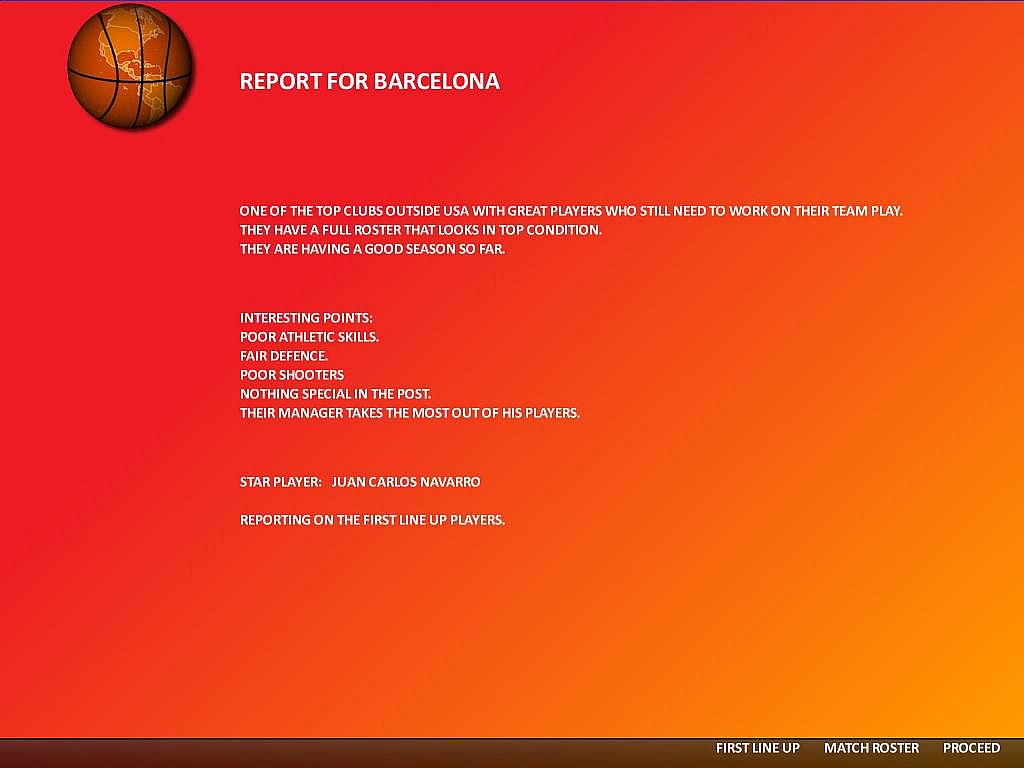
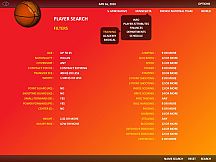
Transfer activity forms another major pillar. Managers scout available players, negotiate contracts, and complete deals to strengthen the roster. Contract renewals and wage structures require careful balancing to maintain squad harmony while staying within the club's financial limits. Training schedules are set to improve specific attributes or team cohesion ahead of upcoming fixtures.
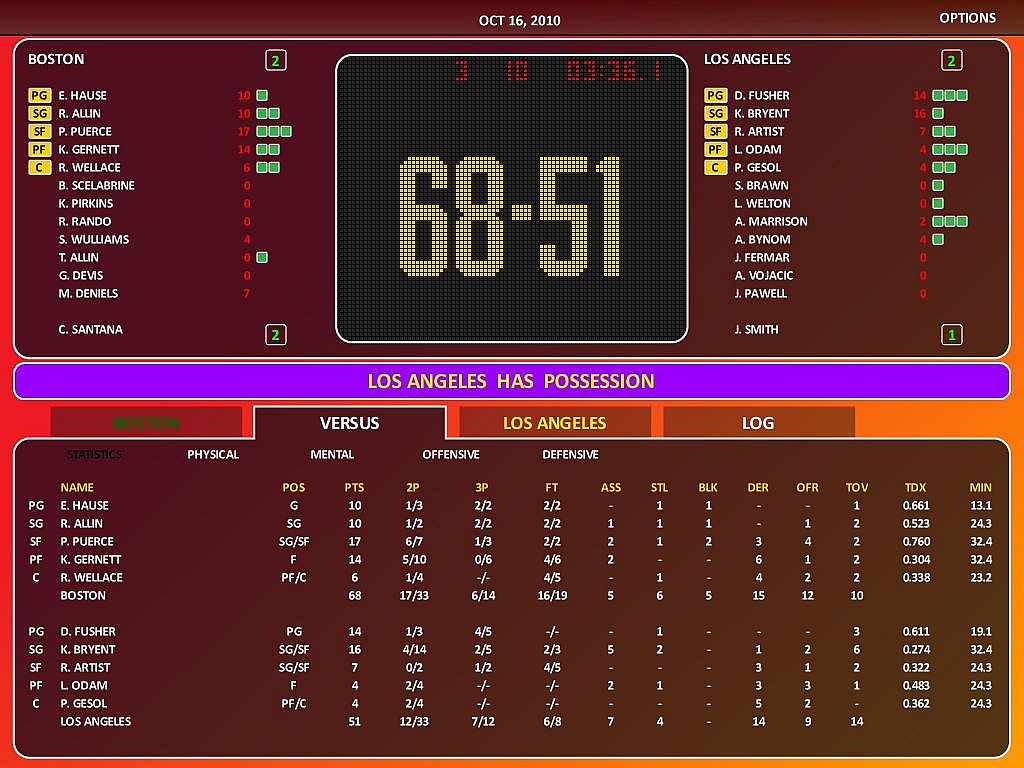
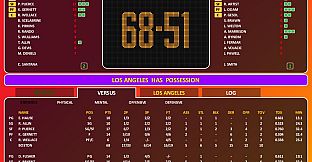
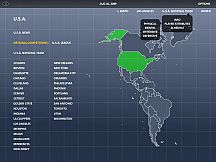
Match days shift focus to team selection and tactical planning. The manager chooses the starting lineup and defines strategies designed to exploit opponent weaknesses. A real-time match engine then simulates the game with balanced outcomes influenced by player ratings, tactics, and random elements. Results feed back into the broader season narrative through press reactions, fan sentiment, player morale, and administrative evaluations. A global ranking system tracks manager performance and unlocks new job opportunities, including national team roles as the career advances.
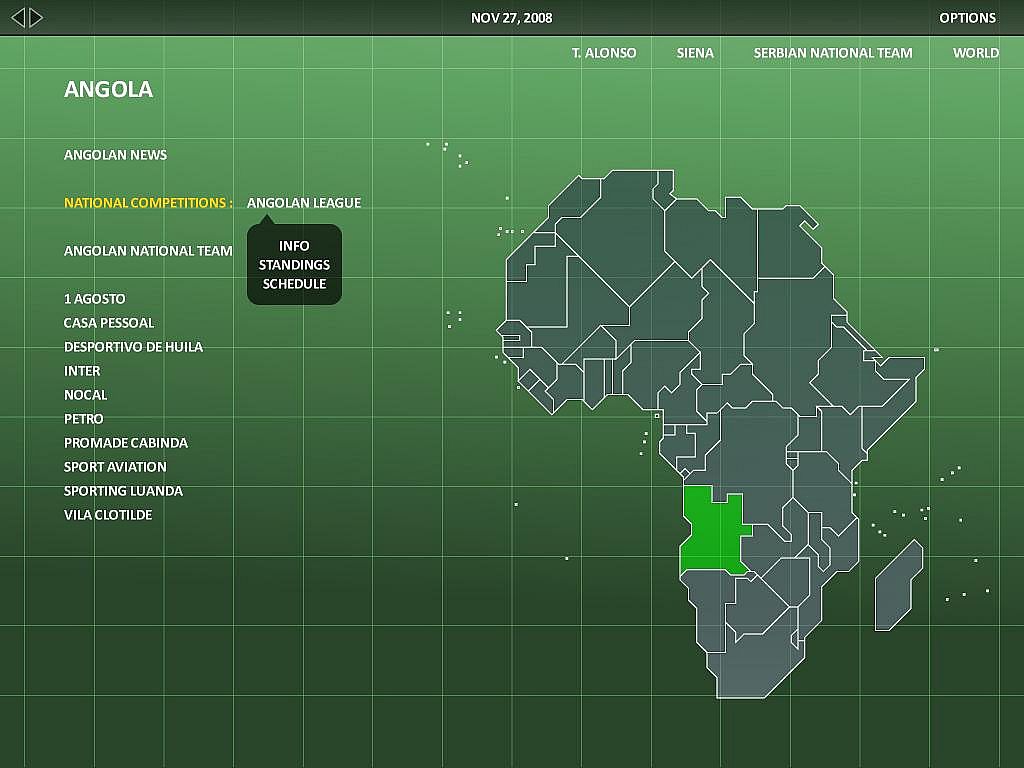
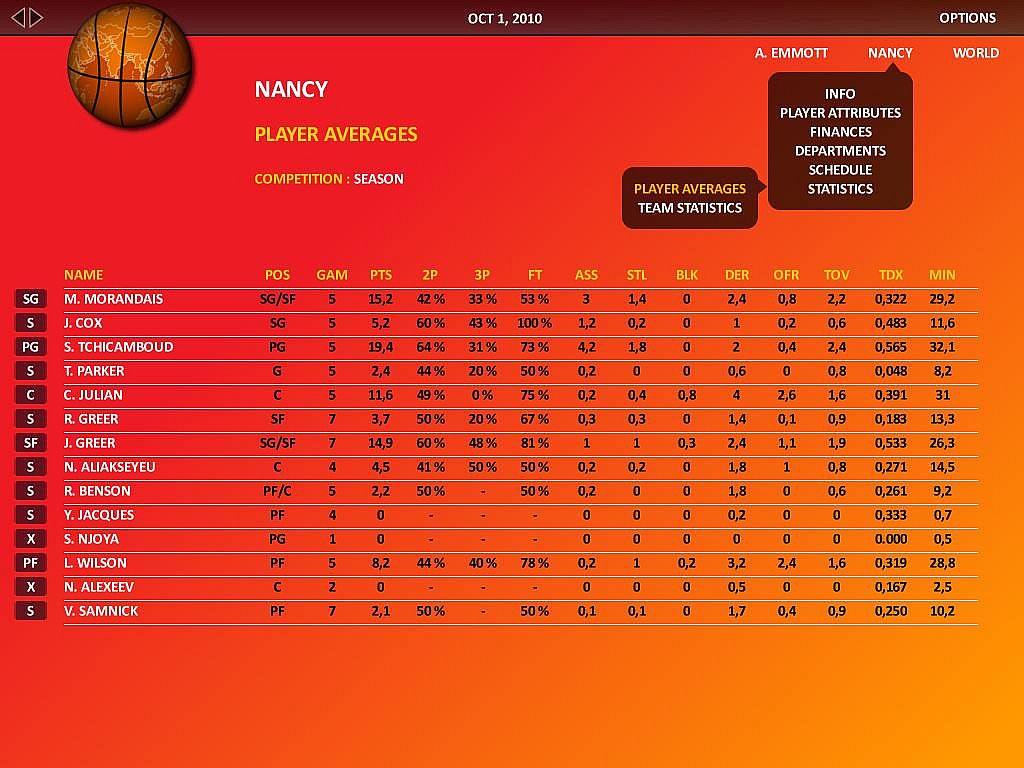
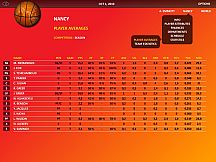
Comprehensive records track individual player statistics, team achievements, managerial milestones, and tournament histories. An integrated editor provides direct access to the underlying database, allowing adjustments to player attributes, team rosters, and tournament structures for customized playthroughs. The game supports eleven languages and includes data covering major basketball leagues and competitions worldwide.
Game Modes
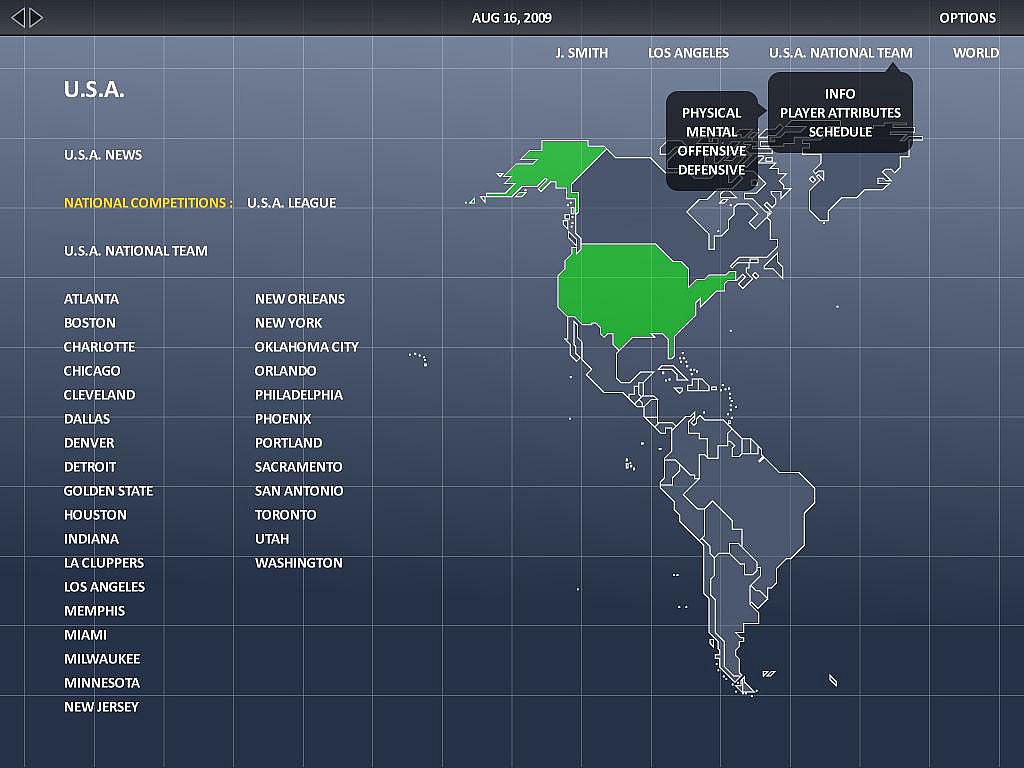
World Basketball Manager 2010 operates primarily through a single-player career structure. Players begin by selecting a club and guiding it through full seasons, making incremental improvements that can lead to domestic and international success. Progression naturally opens pathways to higher-profile positions and national team appointments.
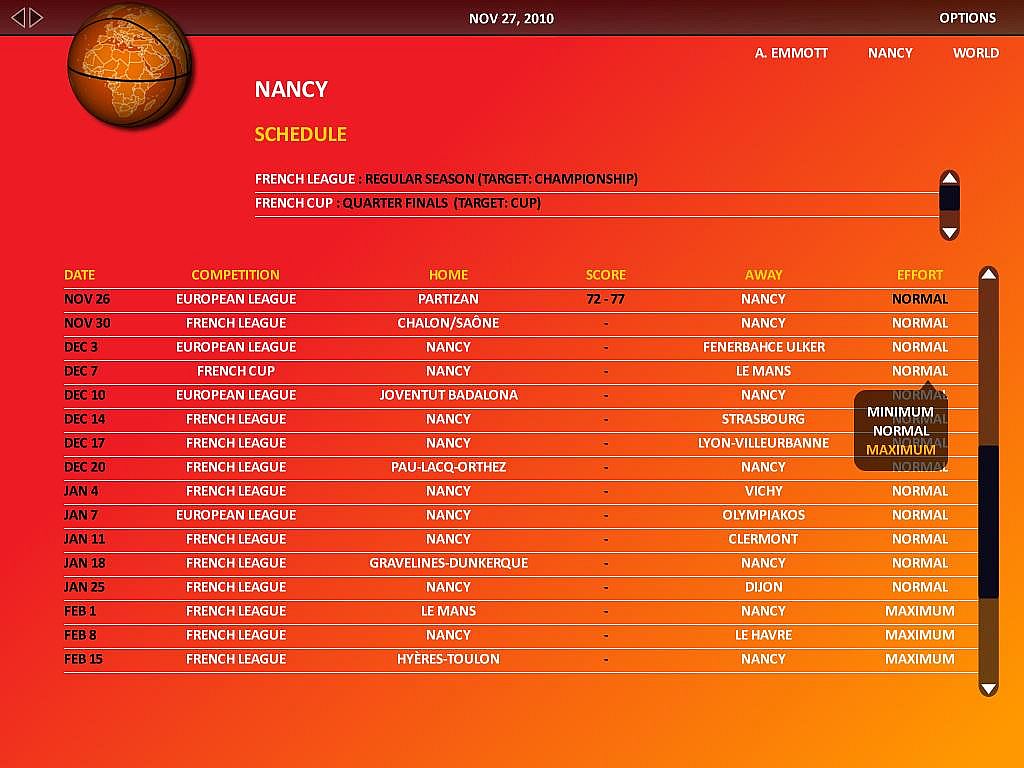
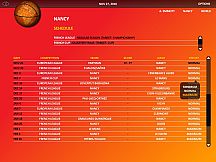
Within the career framework, managers handle qualification campaigns for major tournaments alongside regular league and cup commitments. Separate tournament-focused options exist for teams that have already secured entry, allowing concentrated attention on those events without managing an entire club season. The editor tool supports creation of custom scenarios that extend these options further.
Key Systems and Features
Financial management extends beyond transfers to include ongoing operational costs and revenue generation. Success on the court improves sponsorship income and ticket sales, while poor results can trigger budget cuts or pressure from club owners. Youth development offers a long-term route to squad renewal, with academy graduates potentially becoming key contributors or valuable trade assets.
The match engine emphasizes realism through its AI decision-making and outcome generation. Tactics chosen before the game interact with individual player strengths and opponent setups to produce varied results across multiple playthroughs. Post-match analysis highlights areas for tactical refinement in future fixtures.
History tracking adds depth for players who enjoy reviewing past achievements. Detailed logs of matches, transfers, and managerial rankings provide context for career decisions and serve as benchmarks for improvement.
Is It Worth Playing?
World Basketball Manager 2010 appeals to fans of detailed sports management simulations who enjoy the strategic layers found in similar titles focused on soccer. Its emphasis on club-wide decisions, real-time match resolution, and career progression delivers a focused experience for those interested in basketball-specific mechanics rather than arcade-style gameplay.
The game remains available as a single-player title with no ongoing seasonal updates or additional content releases. Players who value database editing and historical record-keeping will find these elements intact and functional. Those seeking modern graphics, extensive online features, or frequent patches may find the 2010 release dated in presentation, though the underlying management systems retain their original depth.
Overall, the title suits individuals looking for a straightforward, text-and-menu-driven basketball management experience on PC. Its modest price point makes it accessible for testing whether the simulation style matches personal preferences before committing to longer sessions.