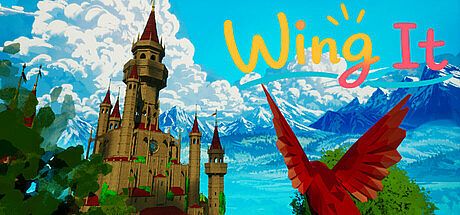




Wing It is a two-player online co-op action adventure game developed for PC. In this indie title, two players share control of a single bird, with one handling the left wing and the other managing the right. The core premise turns simple flight into a test of coordination, as each player must align their inputs to keep the bird airborne and on course through obstacle-filled stages.
Gameplay
The gameplay centers on synchronized wing movements. Players press their respective controls together to generate forward momentum and maintain steady flight. A single wing input allows the bird to turn in one direction, but mismatched timing or opposing directions can send the bird off path or into a spin. Recovery requires quick adjustments from both participants before a crash occurs. Checkpoints serve as reset points, letting the pair continue after setbacks without restarting entire stages.
Every action demands input from both players. Forward progress relies on matched presses, while turning depends on one player holding back or angling their wing differently. Momentum builds only through consistent teamwork, and lapses lead to stalls or collisions with walls, moving hazards, or drops. The system rewards precise timing and communication, turning each stage into a shared physical puzzle solved through clicks and adjustments.
Game Modes
Wing It features a single focused experience built around two-player online co-op. The mode requires both participants to connect through the platform's invite system and work as one bird across sequential stages. No solo option or additional variants exist, keeping the emphasis on paired play where cooperation determines success or failure.
Within this co-op structure, players navigate linear courses that increase in complexity. Early sections introduce basic flight and turning, while later ones layer in narrow passages, shifting obstacles, and tighter timing windows. The shared control loop remains constant, but environmental demands test how well the pair maintains rhythm and recovers from errors together.
Environments and Challenges
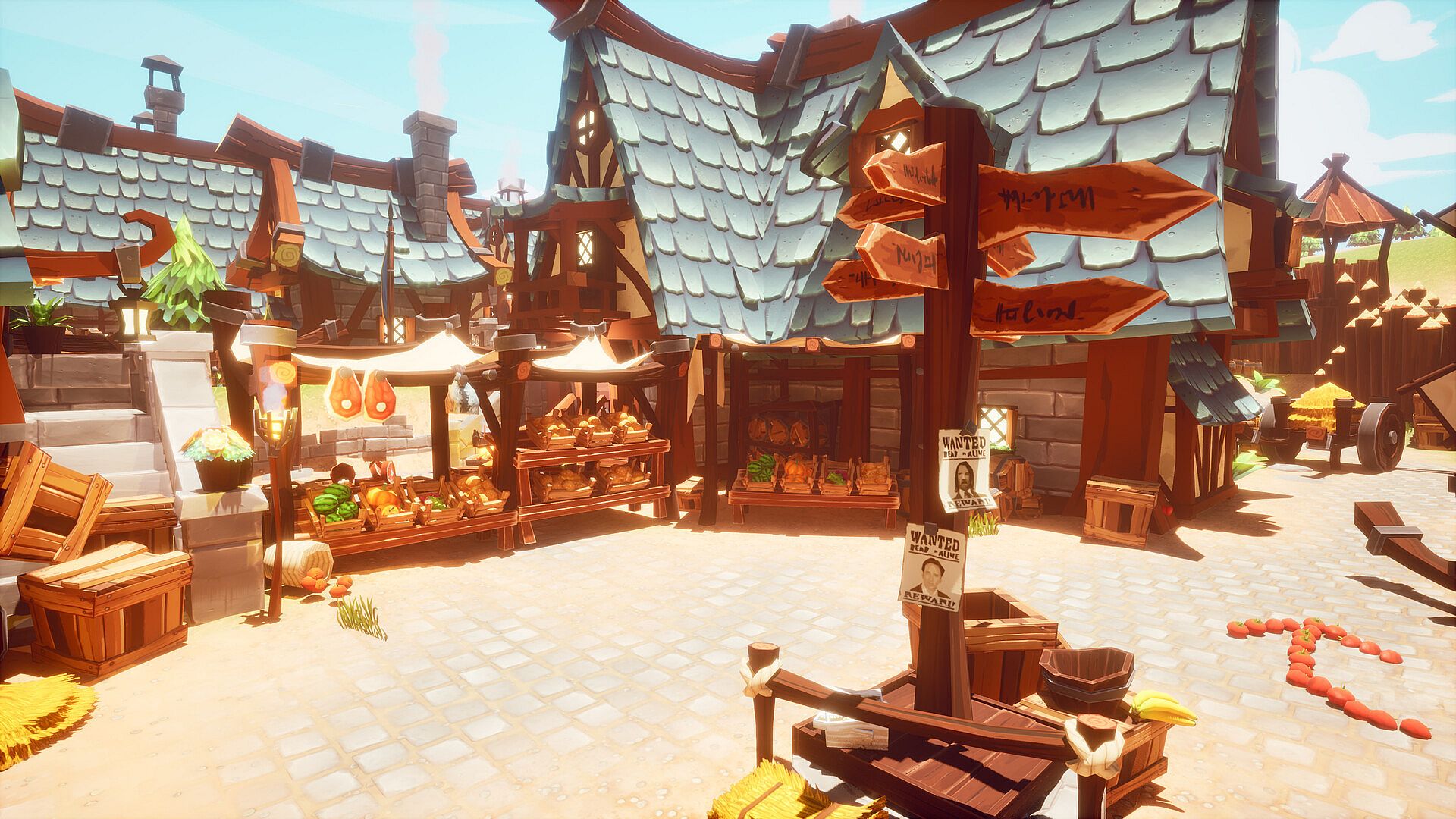
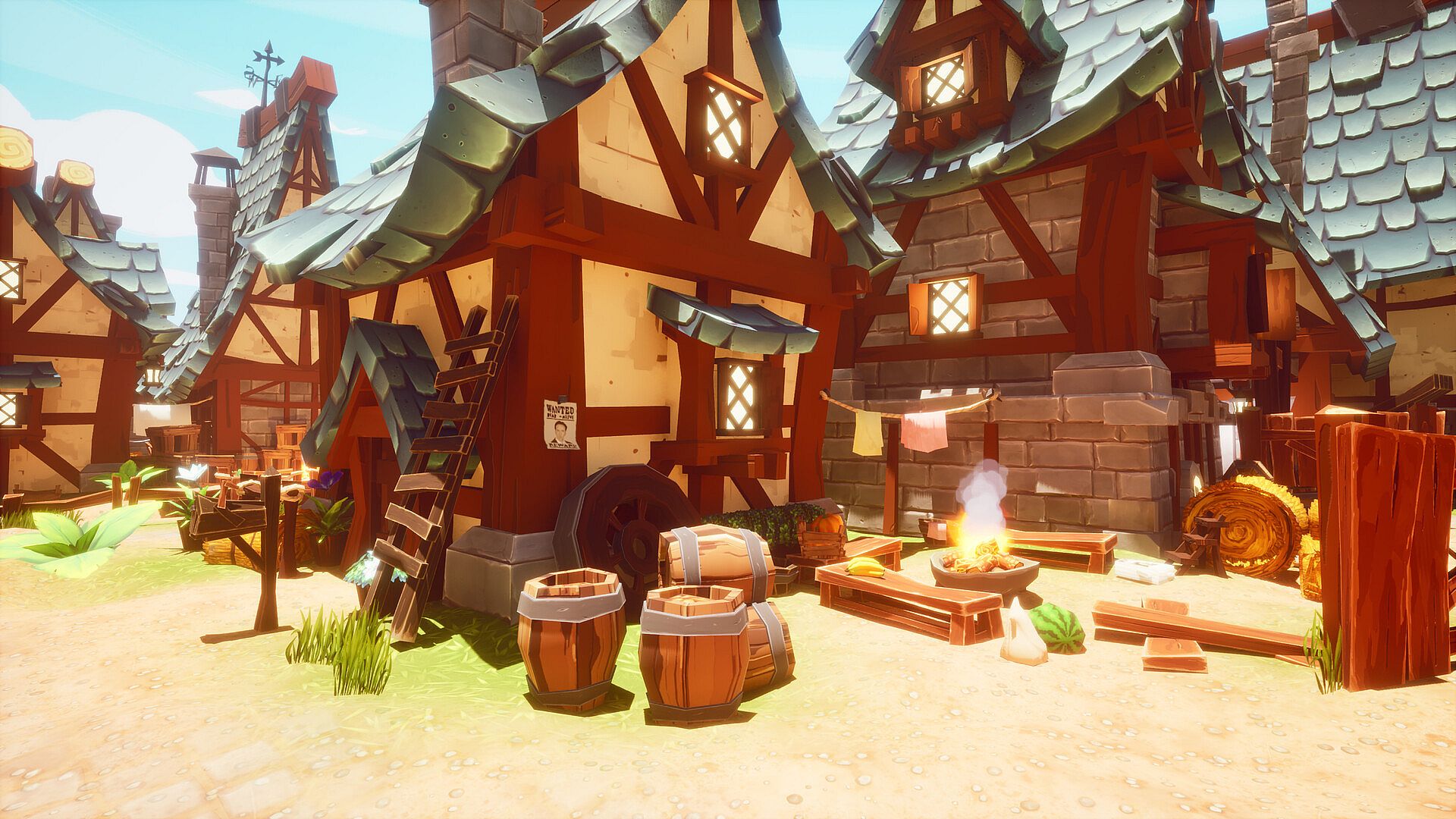
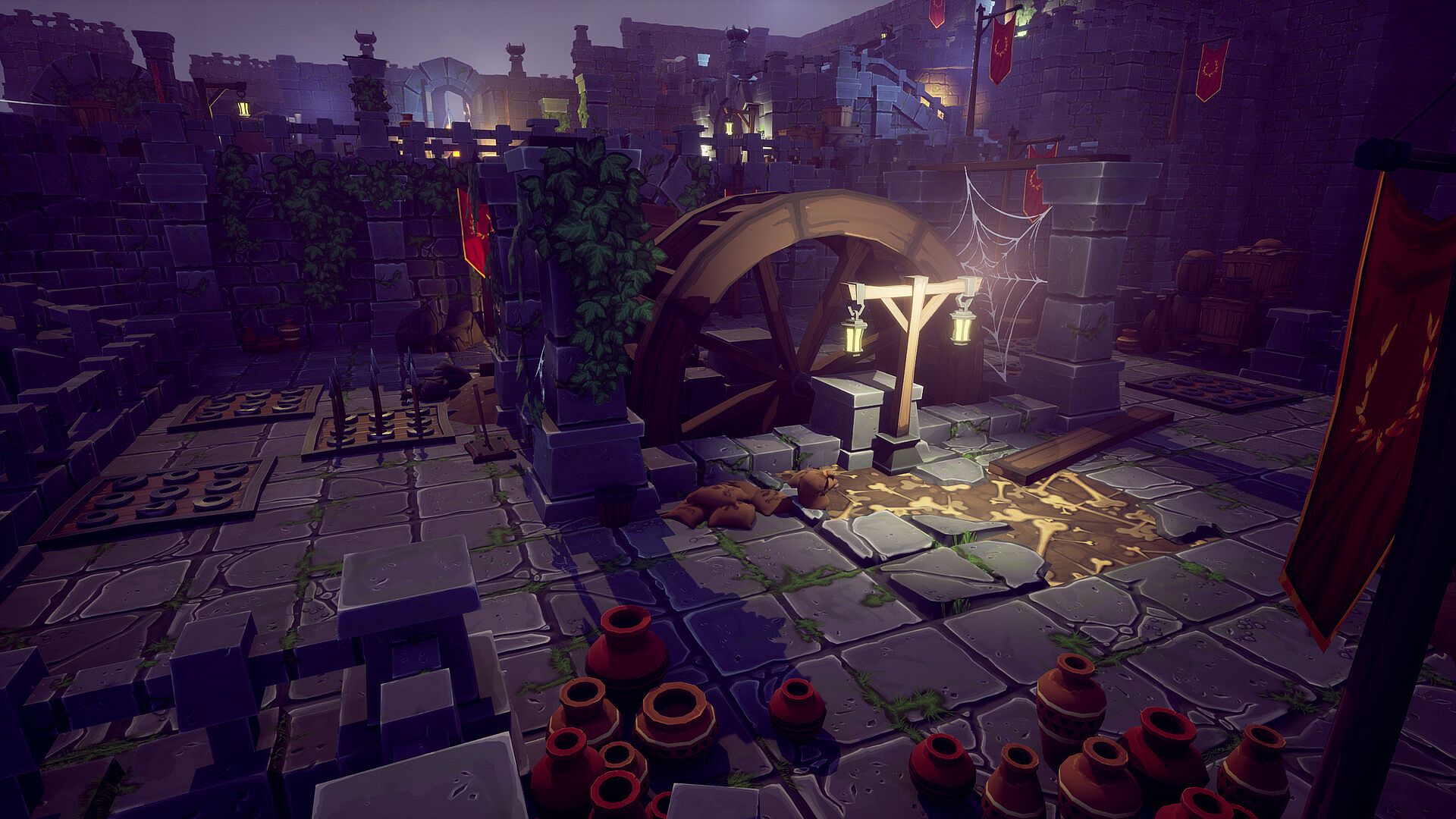
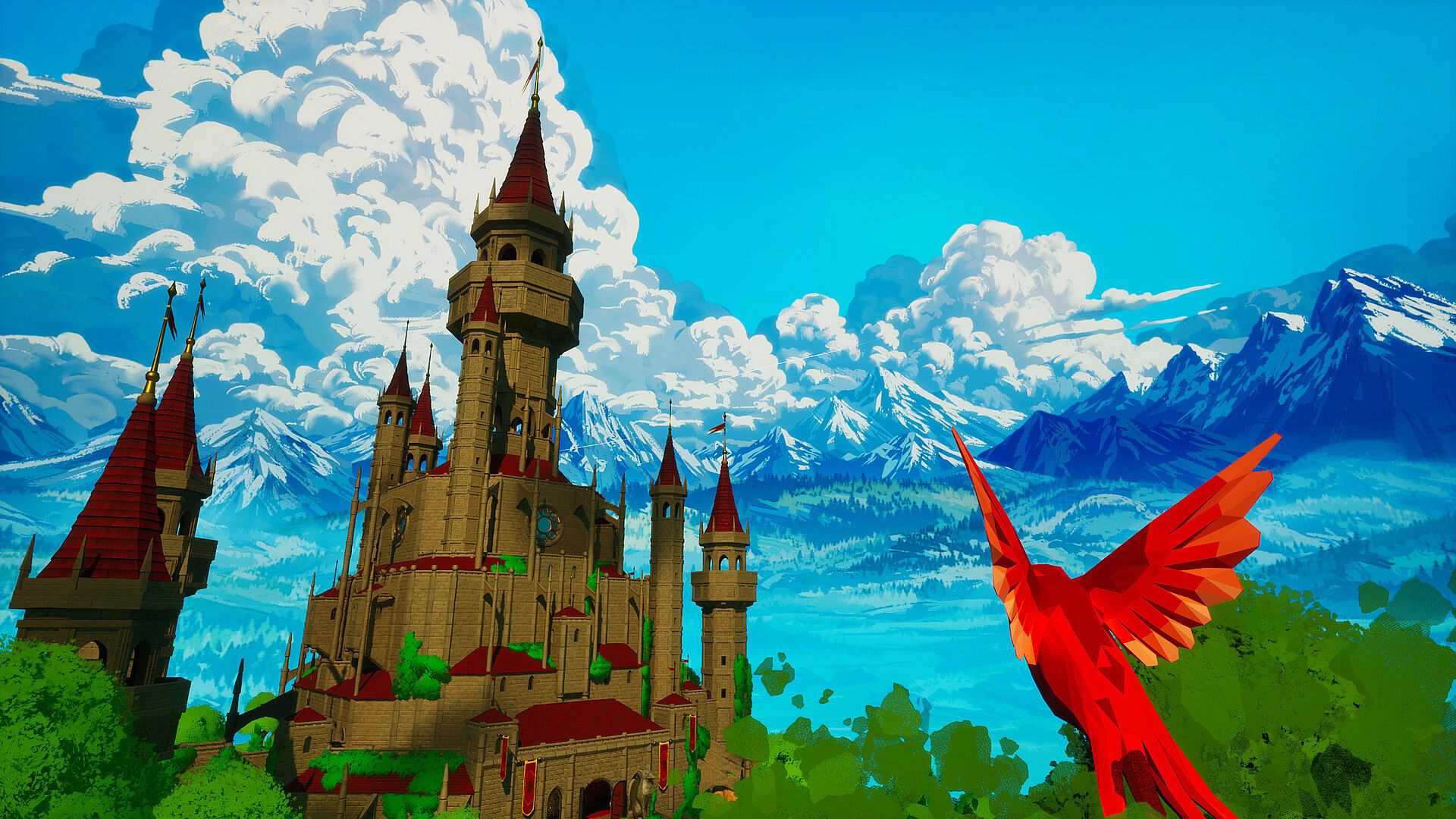
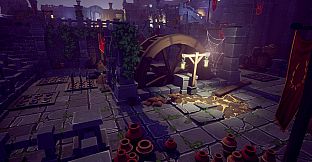
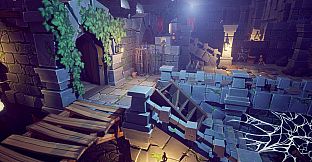
Stages unfold in colorful medieval settings that include open skies over castles, tight corridors inside dungeons, and twisting paths through forested areas. Each environment presents distinct visual cues and layout changes that force adjustments in wing coordination. Moving platforms, swinging pendulums, and sudden gaps appear more frequently as difficulty rises, creating opportunities for both smooth passages and spectacular mishaps.
Obstacles test reaction and alignment rather than individual skill. A narrow gap might require one player to hold steady while the other provides lift, and a sudden turn demands split-second agreement on direction. These elements scale across multiple courses, encouraging repeated attempts to refine teamwork without altering the fundamental two-wing control scheme.
Progress Tracking
Each run records completion time and the total number of crashes. Players can review these metrics after reaching the goal and use them as benchmarks for future attempts. The system supports self-imposed challenges, such as lowering crash counts or shaving seconds off previous finishes, all within the same co-op framework.
Checkpoints allow the pair to resume from the last saved point after a fall, preserving momentum toward the stage end. This structure keeps focus on incremental improvement through better synchronization rather than starting over from the beginning every time.
Is It Worth Playing?
Wing It suits players seeking a cooperative challenge that hinges on real-time communication and shared responsibility. The exclusive two-player online format means it works best with a consistent partner willing to experiment with timing and recovery techniques. Those who enjoy precise control mechanics paired with light-hearted failure states will find repeated value in refining their joint performance across the available stages.
The game offers no single-player path or extra modes, so it appeals primarily to friends or online acquaintances looking for short, focused sessions built around one shared objective. Its indie scope keeps the experience direct, with progression tied directly to how effectively the two players function as a single unit. For pairs comfortable with trial-and-error coordination, the title delivers consistent opportunities to improve results through practice.