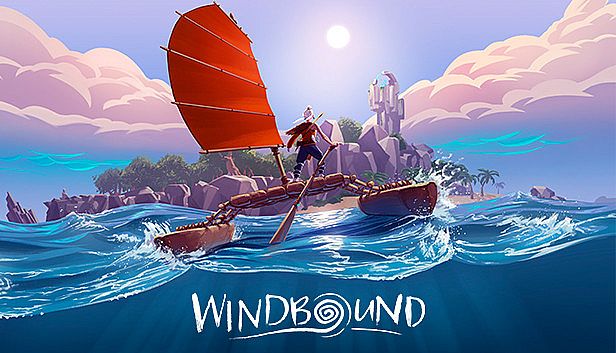











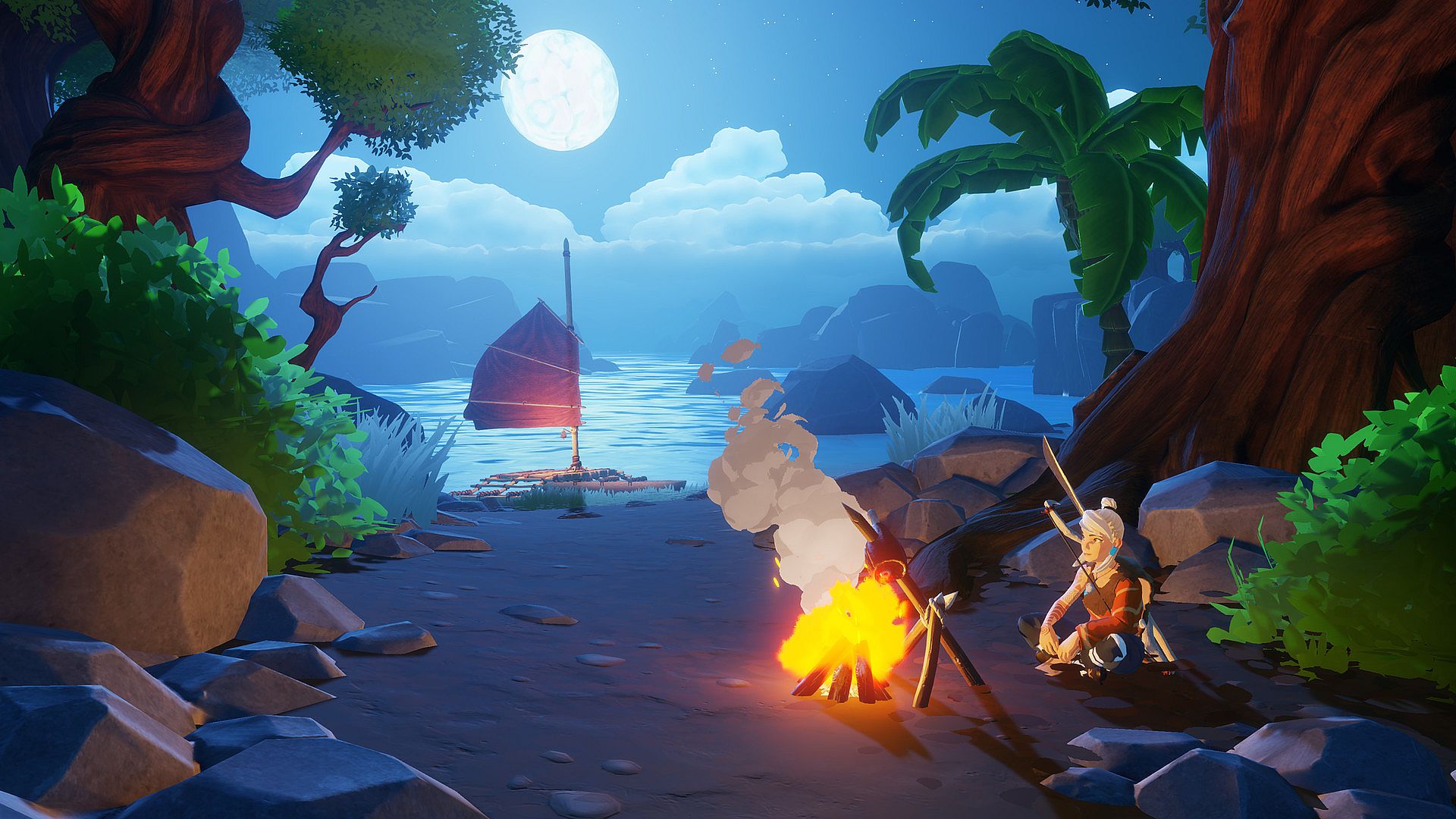

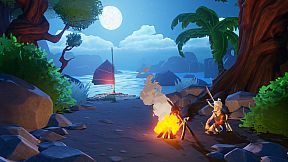
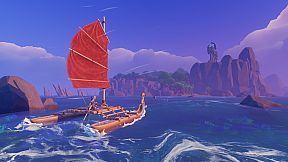

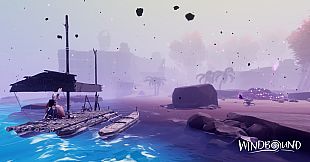
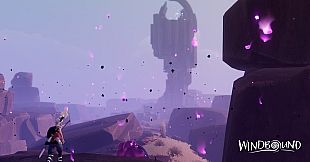
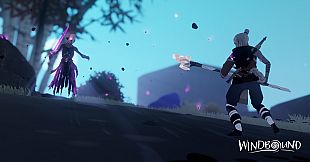
Windbound is an indie survival adventure RPG set on the PC where players take control of Kara, a warrior separated from her tribe after a storm at sea. The core experience revolves around surviving on mysterious islands, gathering resources, crafting essential items, and sailing between locations to uncover fragments of a larger story.
Gameplay
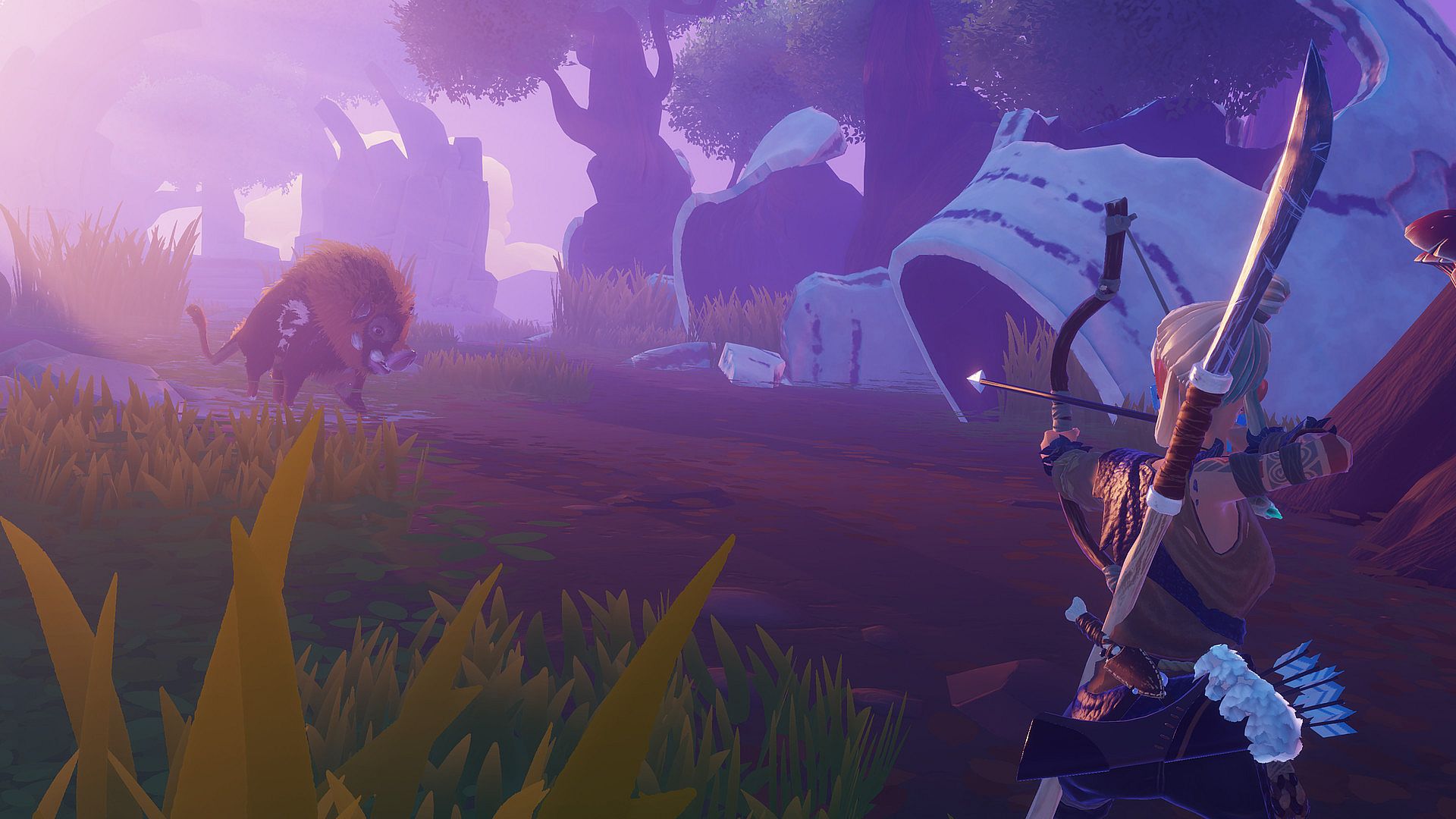
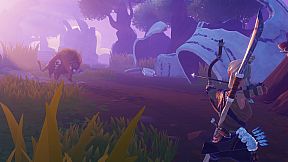
The gameplay centers on a loop of exploration, resource management, and crafting in a third-person perspective. Players begin with nothing on the shores of procedurally generated islands and must scavenge materials such as grass, rocks, wood, and animal parts to create basic tools and weapons. These items allow hunting for food, defending against wildlife, and progressing through the environment. As resources are collected, the crafting system expands to include more advanced equipment and upgrades that improve efficiency on land and at sea.
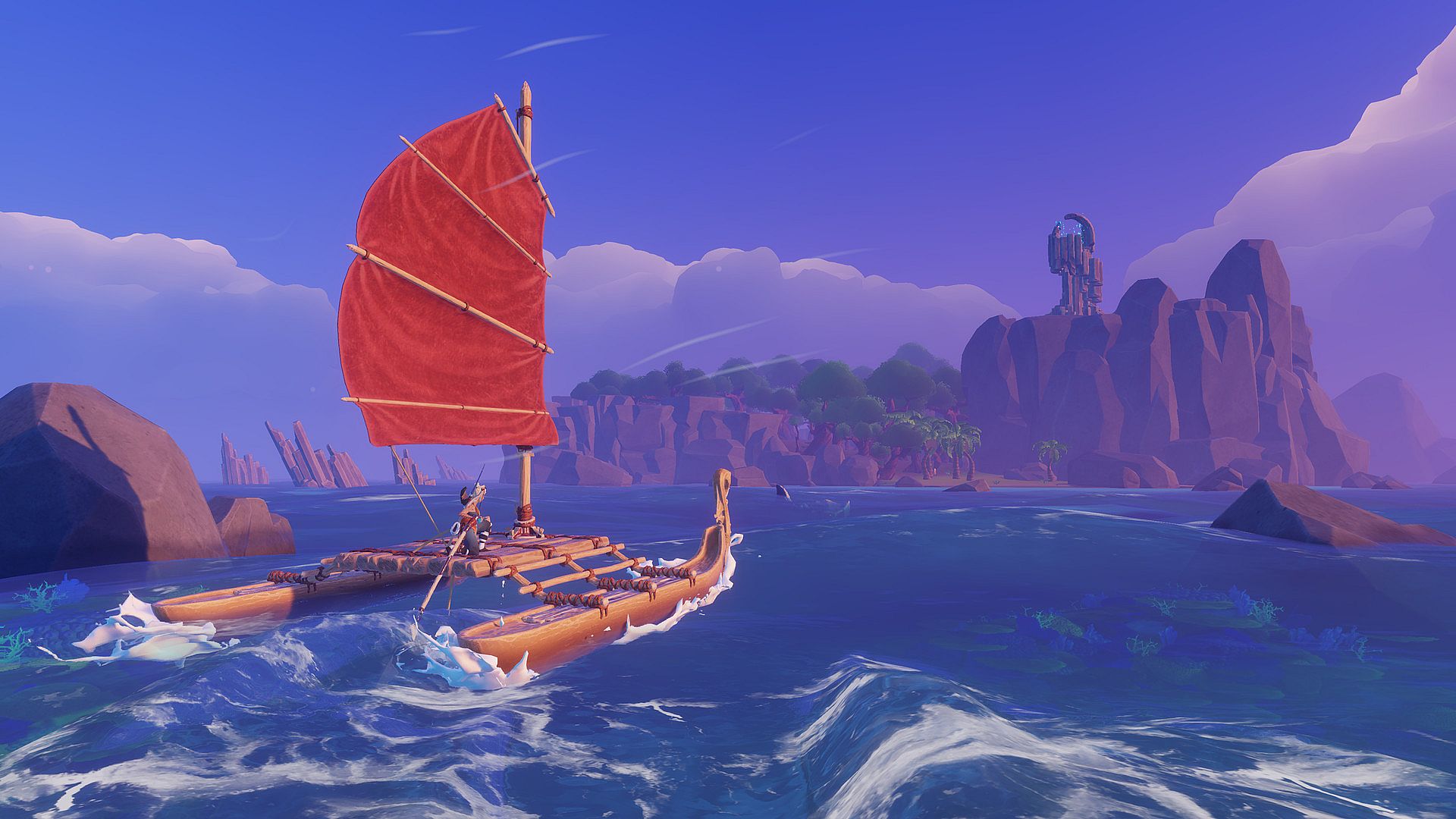
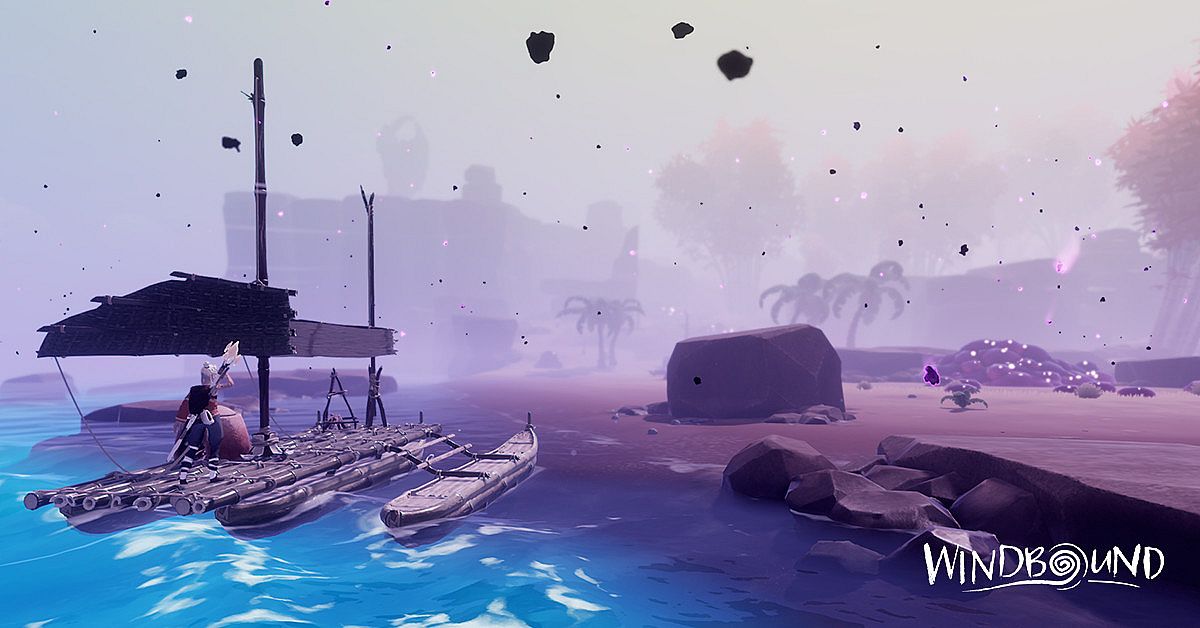
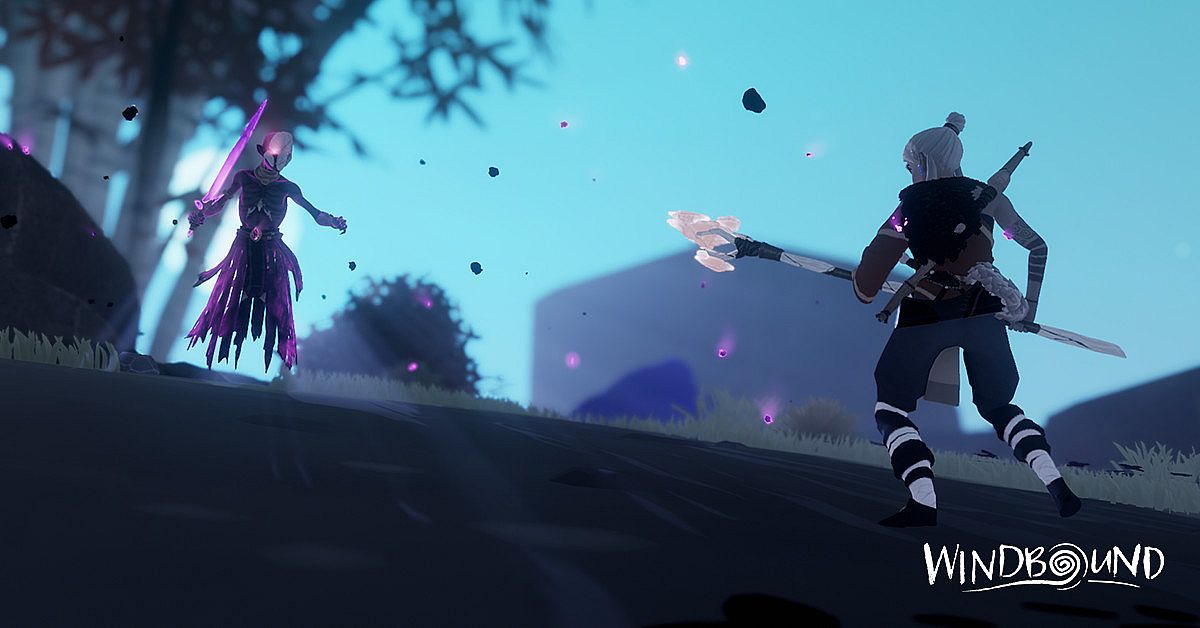
Navigation plays a major role, with players building and customizing a boat to cross open waters between islands. Boat construction involves selecting components that affect speed, durability, and handling against waves and wind. Each island offers unique landscapes, wildlife, and challenges, encouraging careful planning before setting sail. Combat occurs in real time against fantastical creatures, requiring players to use crafted weapons strategically while managing stamina and inventory space.
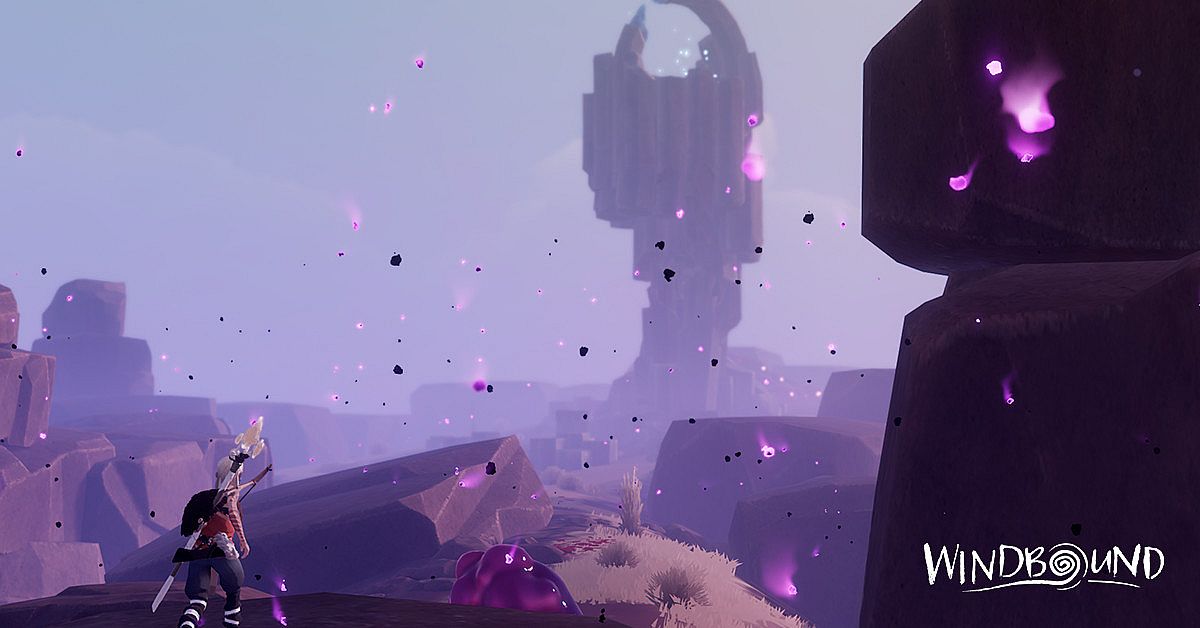
Story progression ties into exploration through ancient ruins and artifacts scattered across the islands. These elements reveal background details about the Forbidden Islands and Kara's tribe without relying on heavy exposition. The structure advances in chapters, where players activate specific landmarks to unlock portals to new areas, blending survival demands with narrative discovery.
Game Modes
Windbound features two primary difficulty settings that alter the survival experience significantly. Survivalist mode emphasizes roguelike elements, where death results in substantial loss of progress and inventory, forcing a return to the start of the journey with limited carryover. This setting heightens tension during exploration and crafting decisions, rewarding careful resource prioritization and risk assessment.
Storyteller mode provides a more forgiving approach, allowing players to retain inventory upon death and resume from the beginning of the current chapter rather than restarting entirely. It reduces enemy aggression and supports steadier advancement through the chapters while still requiring the same core activities of gathering, crafting, and sailing. Both modes share the same island layouts and crafting options but cater to different player preferences for challenge level.
Exploration and Progression
Islands in Windbound are divided into distinct chapters, each presenting new biomes and obstacles that build on previous skills. Players must locate and activate three shrines within an area before locating the exit portal, which structures the pacing around targeted objectives rather than freeform wandering. This system encourages thorough searching of each zone for resources and story clues while preparing the boat for the next sea crossing.
Resource scarcity on later islands pushes adaptation, as players refine their boat designs and tool sets to handle tougher conditions. The procedural generation ensures varied layouts across playthroughs, though core mechanics remain consistent. Upgrades to weapons and sailing gear directly impact how effectively players can tackle wildlife encounters and navigate hazards.
Is It Worth Playing?
Windbound suits players interested in single-player survival crafting with a focus on boat building and island-hopping exploration. The mixed reception stems from its repetitive resource loops in longer sessions and the steep difficulty in Survivalist mode, which can frustrate those expecting consistent forward momentum. Storyteller mode offers a more accessible entry for those prioritizing narrative elements and relaxed crafting over high-stakes restarts.
The game delivers a complete experience without ongoing seasonal content or expansions, making it a one-time purchase for fans of procedural survival adventures. Those who enjoy methodical gathering, customization of a central vessel, and uncovering environmental stories will find the systems rewarding, while players seeking deep combat or multiplayer elements may find the scope limited. Overall, it appeals most to individuals comfortable with roguelike risk in a visually distinct setting.