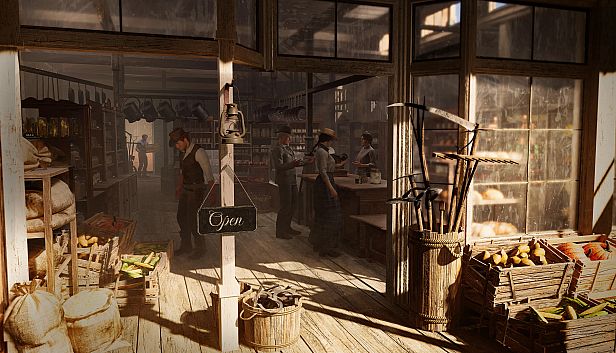



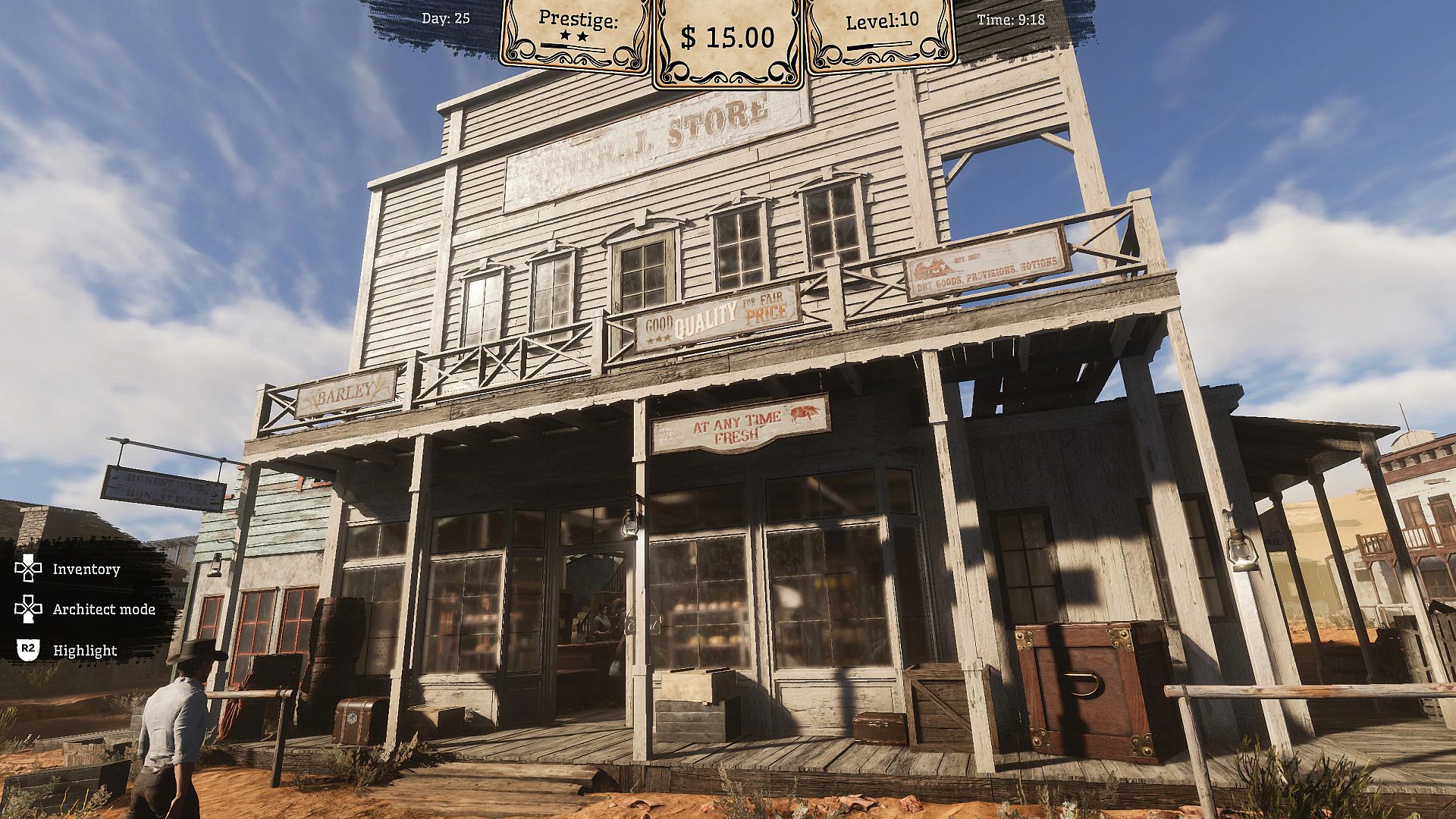
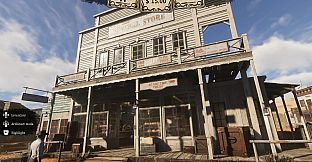
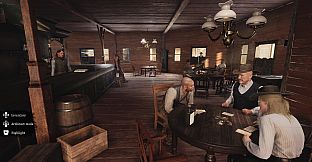
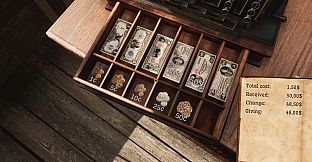
Wild West Supermarket Simulator is a single-player strategy and simulation game set in 1850 during the height of the Gold Rush. Players take control of a rundown general store in a once-thriving town that has turned into a ghost town after the gold dried up. The core focus rests on business management, from restocking shelves and adjusting prices to hiring staff and expanding the property, all while navigating fluctuating supply and demand in a Western frontier economy.
Gameplay
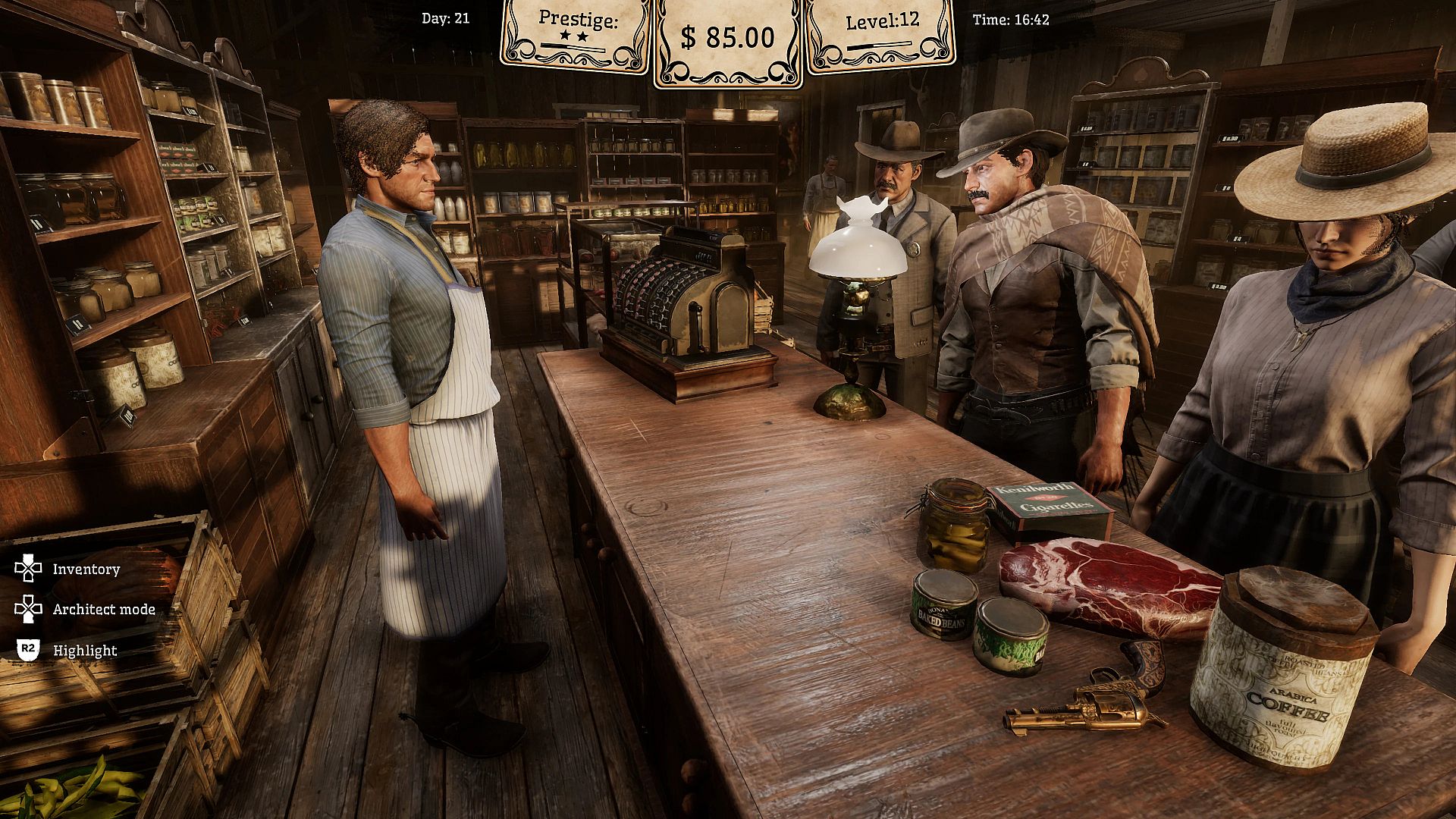
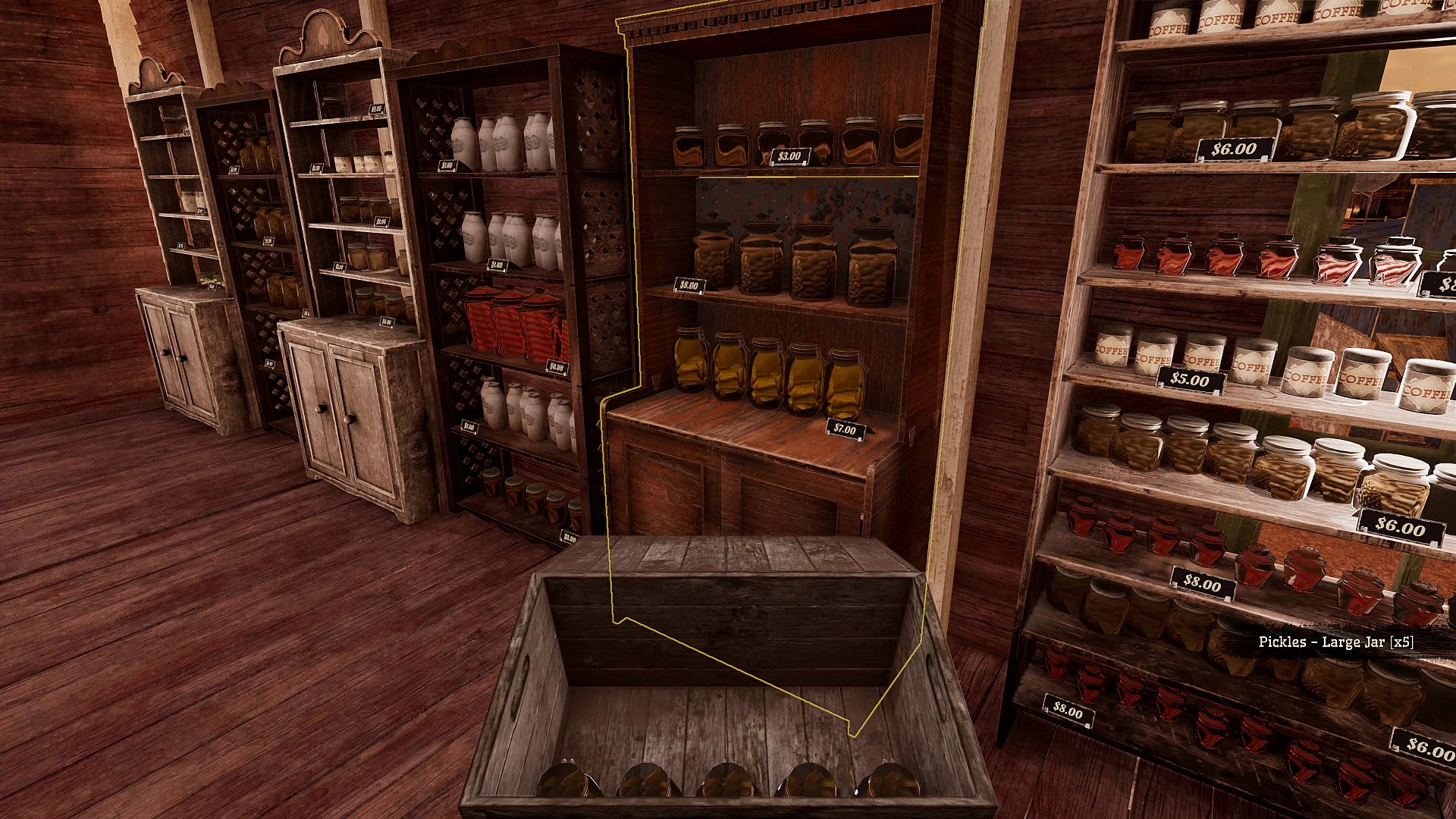
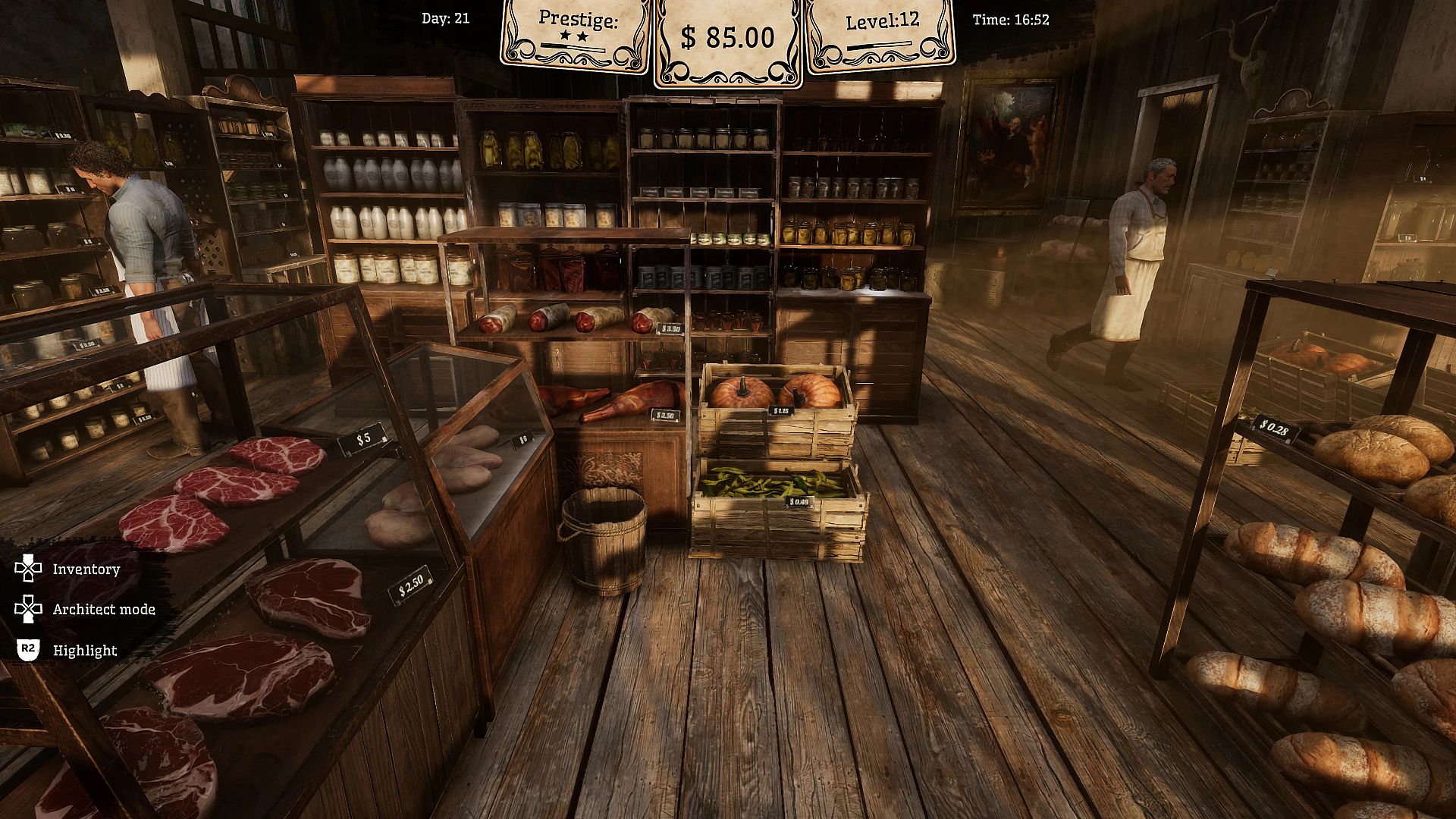
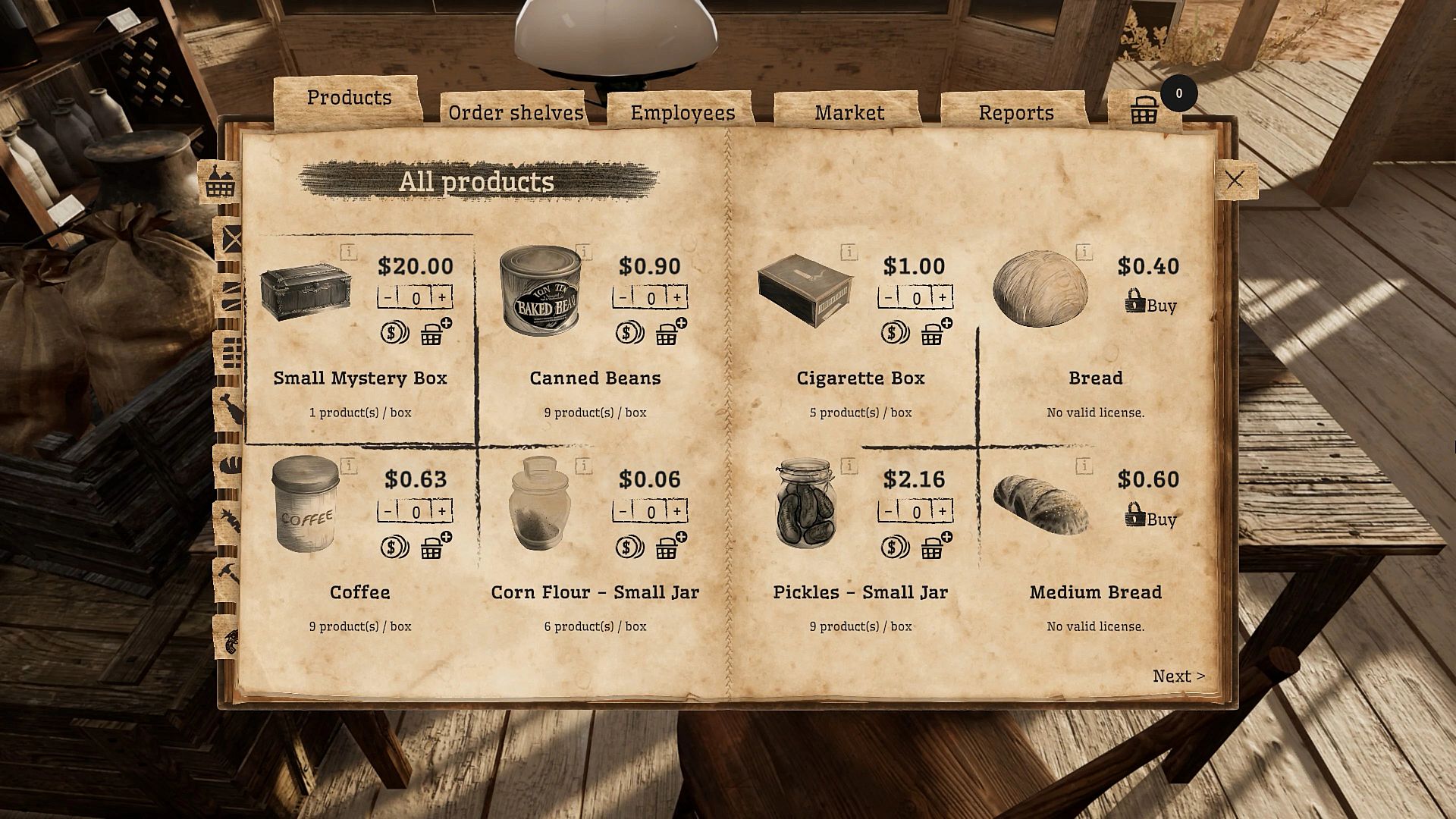
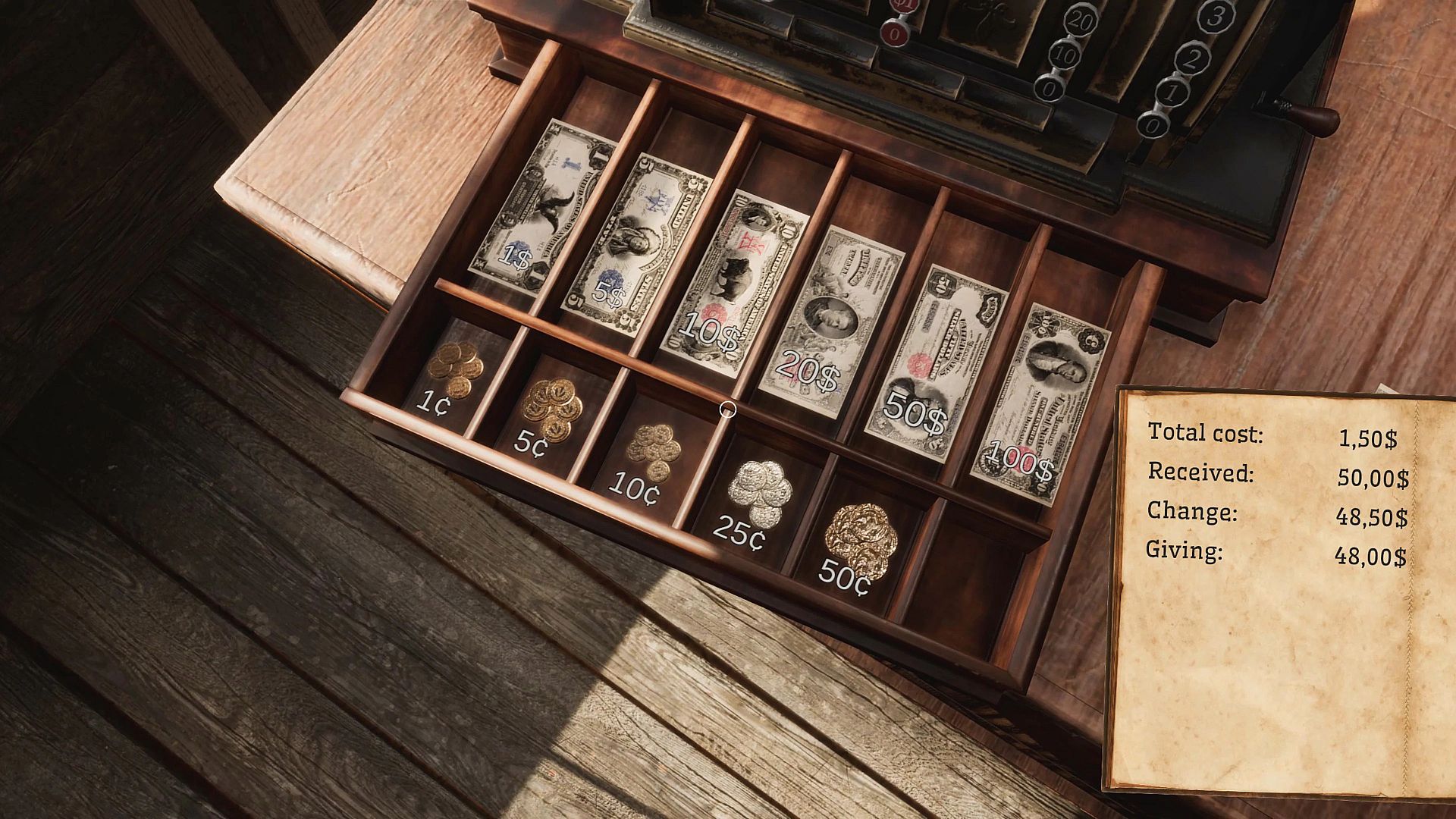
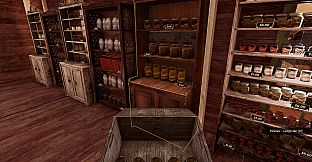
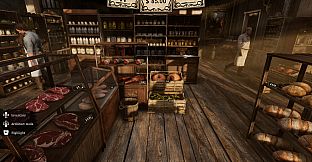
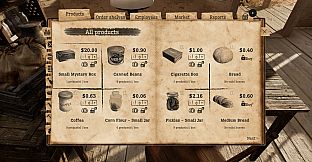
The gameplay centers on hands-on store operations combined with strategic decisions. Players unpack deliveries, organize storage, stack items on shelves, and operate the cash register to serve customers directly. Stock comes from more than 70 different goods, including food, weapons, tools, and furniture, sourced through bartering with suppliers and wandering traders. Prices can be adjusted in response to changing market conditions, though excessive markups risk driving away repeat business.
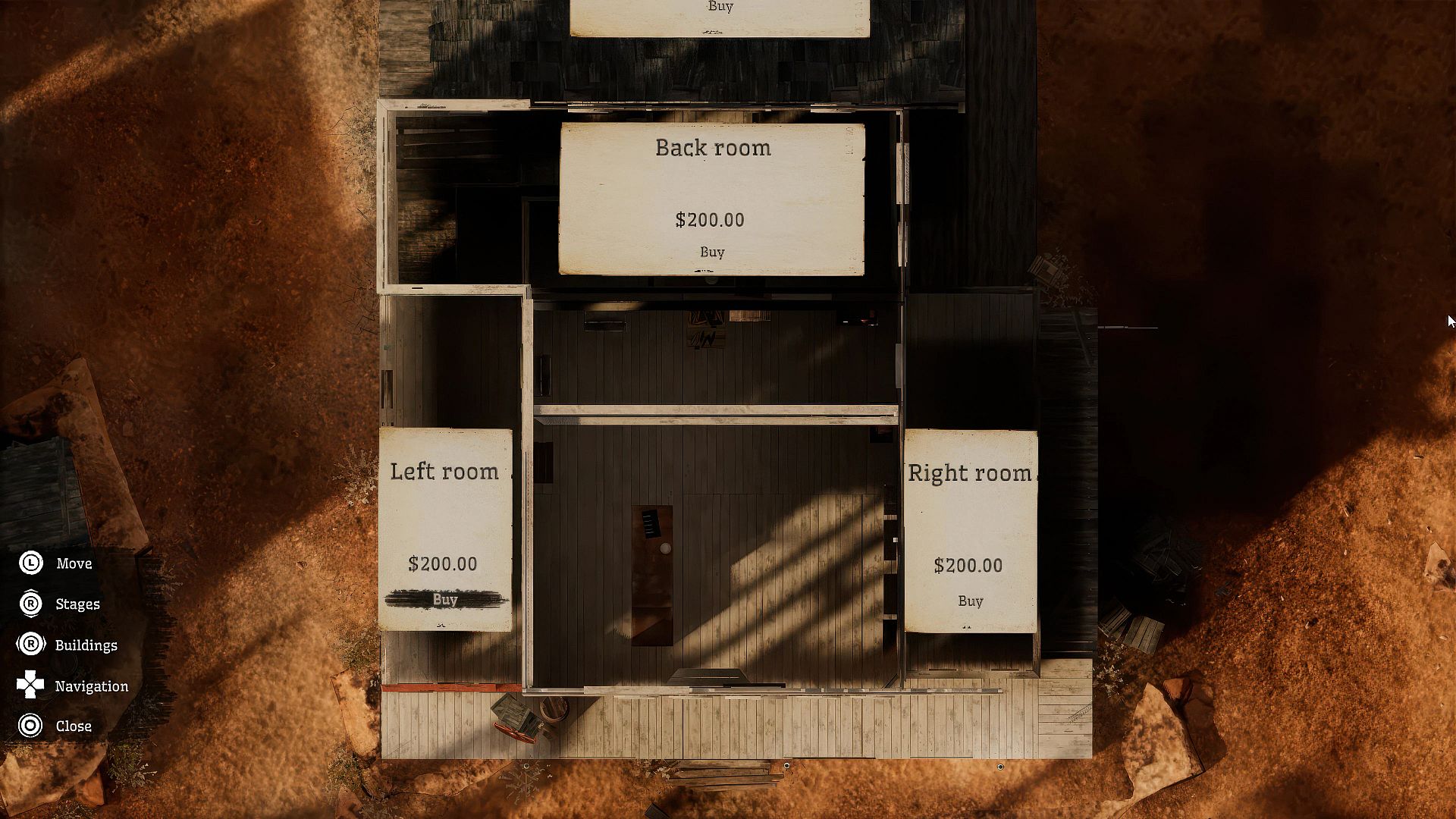
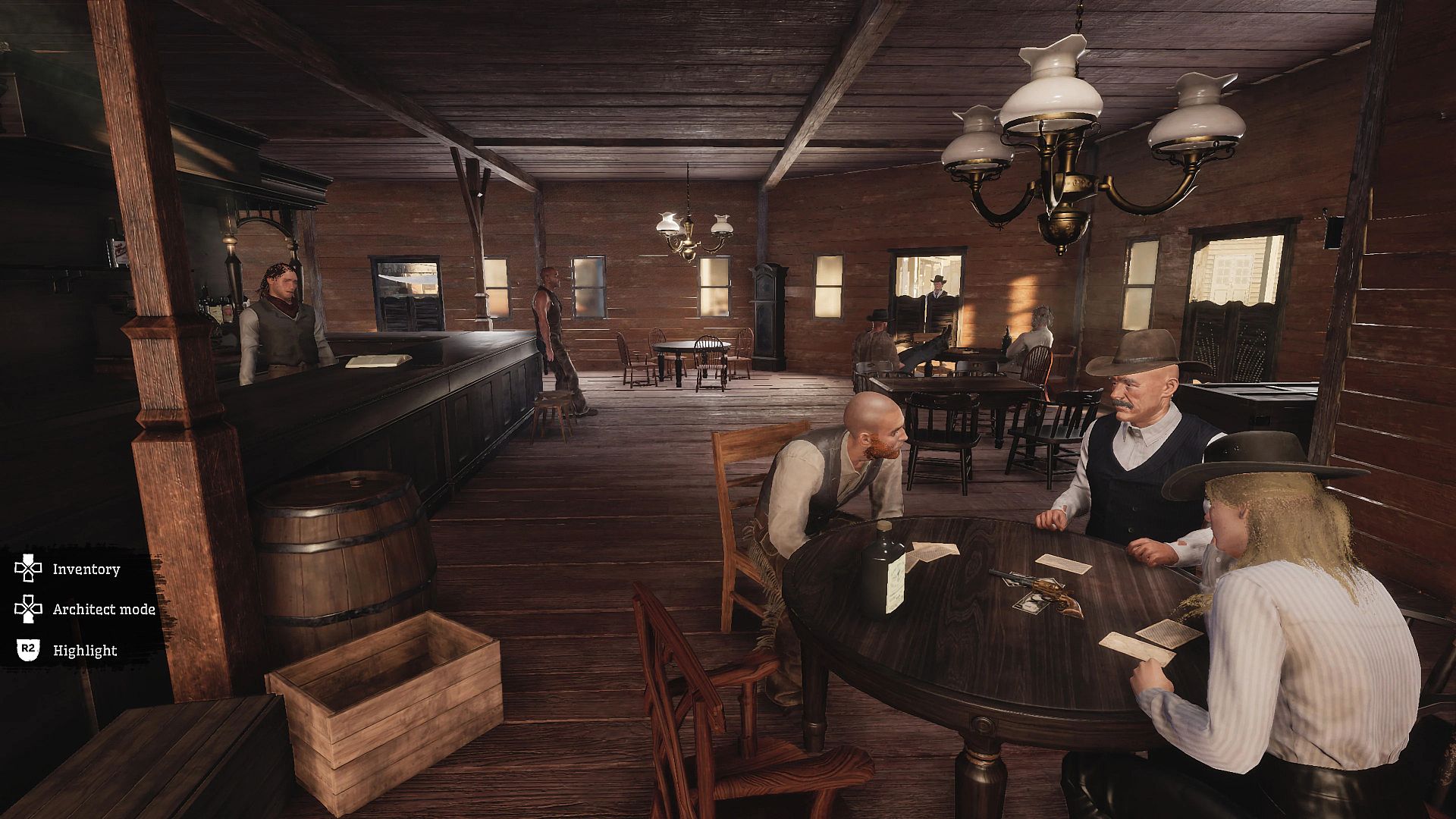
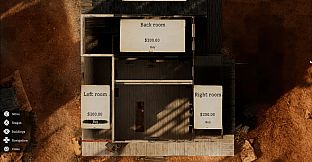
Customization plays a major role. Every element of the store interior can be rearranged or upgraded, from shelf placement to overall layout, to improve the shopping experience. Players also decorate a personal house on a hill overlooking the town. Expansion options include adding space to the existing building or constructing additional floors, which allows for a wider variety of goods as customer demand grows. Events periodically alter customer needs and behavior, requiring adjustments to inventory and pricing strategies.
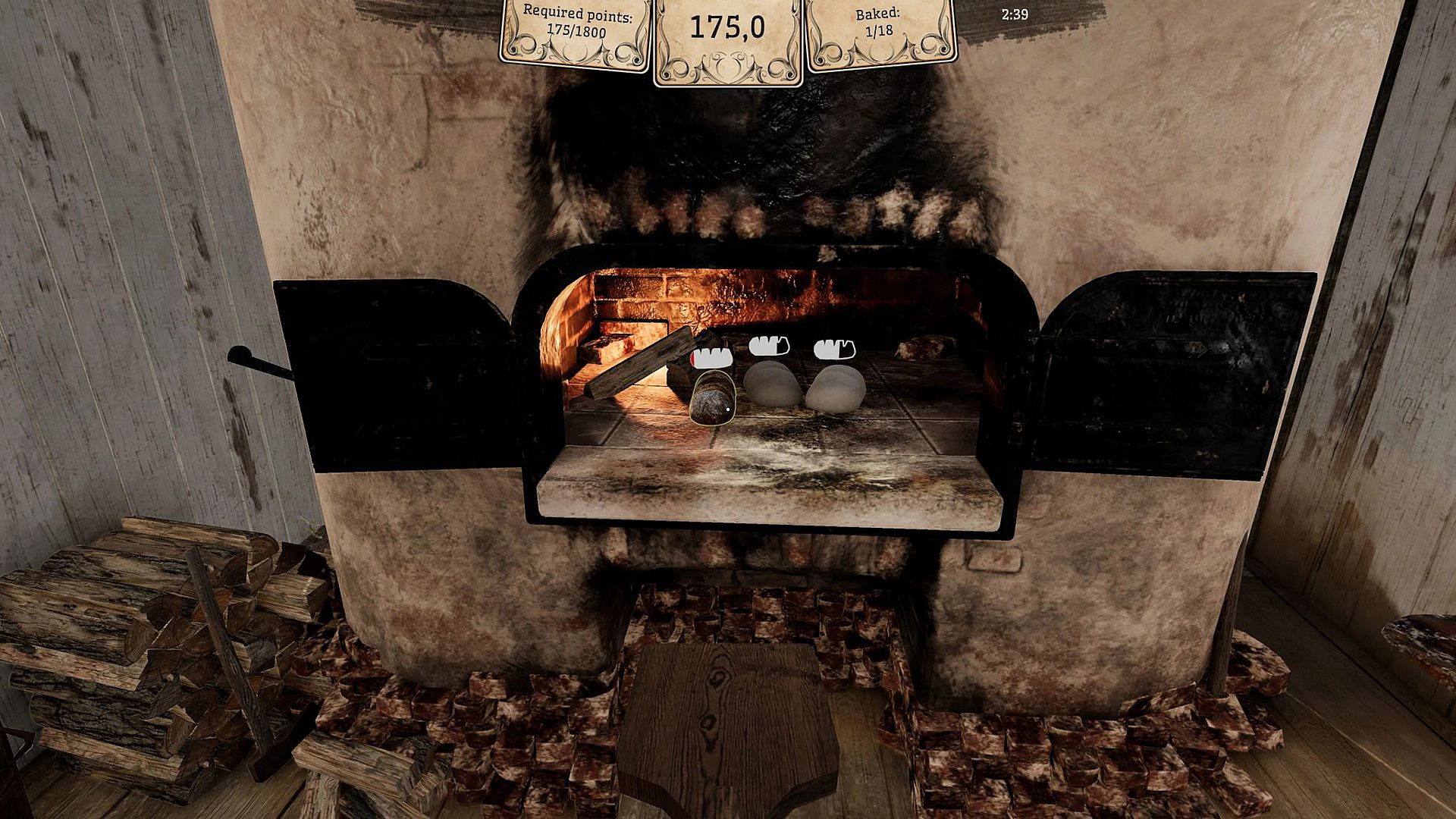
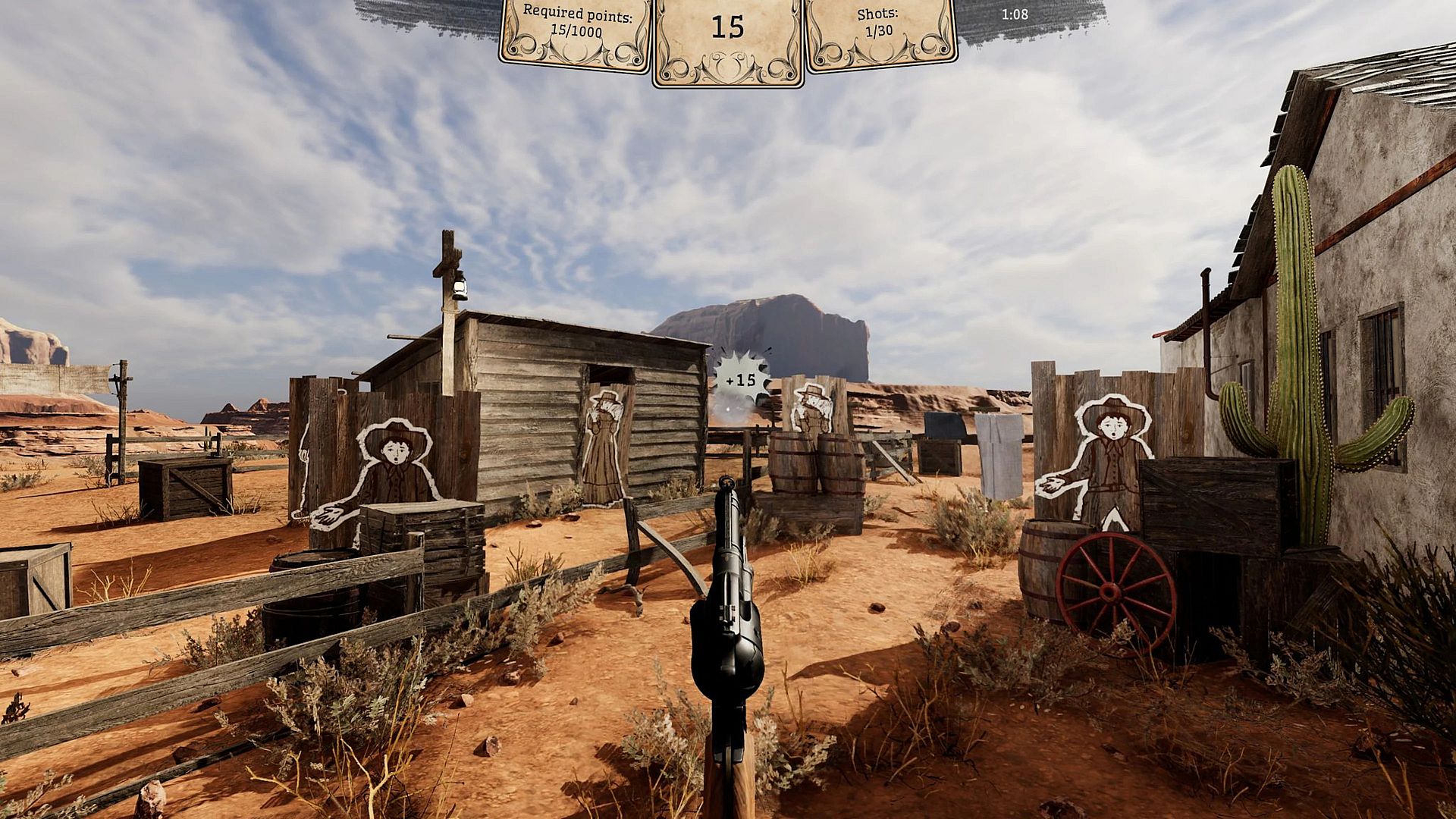
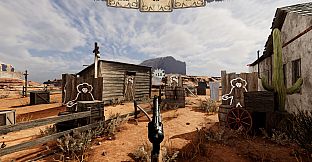
Helpers can be hired to handle routine tasks like restocking or ringing up sales, freeing the player to focus on higher-level planning such as supplier negotiations and profit optimization. Mystery boxes occasionally appear from traders, offering random bundles that carry both risk and potential high rewards. Mini-games provide breaks from management, including a tomahawk throwing contest where players compete on leaderboards to unlock shop licenses.
Game Modes
The game operates entirely in a single-player format with no multiplayer components. All progression occurs through the core store management loop, supported by integrated mini-games and event-driven challenges. There are no separate competitive or cooperative modes, keeping the experience focused on personal business growth and town revitalization.
Store Expansion and Customization
Progression ties directly to customer satisfaction and sales volume. As the store improves and attracts more patrons, opportunities arise to expand the physical space or acquire neighboring abandoned buildings to form a larger commercial area. Interior design choices affect the appeal of displays, while the house offers a separate canvas for personalization that does not impact core store mechanics.
Supply management requires ongoing attention to base prices and trader offers. Overstocking or underpricing can erode profits, while smart reactions to economic shifts help build a stable operation. The system rewards careful planning without introducing complex combat or exploration layers.
Is It Worth Playing?
This title suits players who enjoy methodical simulation games centered on resource management and incremental growth. The Western theme adds visual flavor through period-appropriate items and settings, though the underlying systems follow familiar supermarket simulator patterns. Recent player feedback describes the loop as addictive in the early stages, with praise for the item variety and customization options, alongside notes on occasional technical hiccups and repetitive tasks.
The game launched in full release on June 26, 2026, after an Early Access period, and remains available as a complete single-player experience on PS5 with offline support. It appeals most to those comfortable with slow-paced, detail-oriented gameplay rather than action or narrative-driven titles. Those seeking a straightforward business sim with light mini-game elements and a distinct historical backdrop will find the most value here.