


















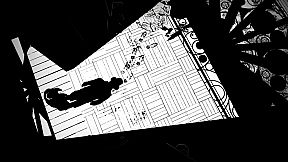


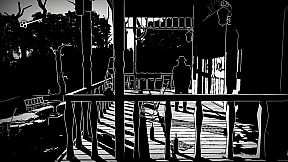
White Night is a survival horror adventure game set in a 1930s mansion where players navigate a fully black and white world filled with puzzles centered on light and shadow. The core loop involves exploring the estate while managing limited light sources to uncover hidden paths and avoid threats that emerge in darkness.
Gameplay
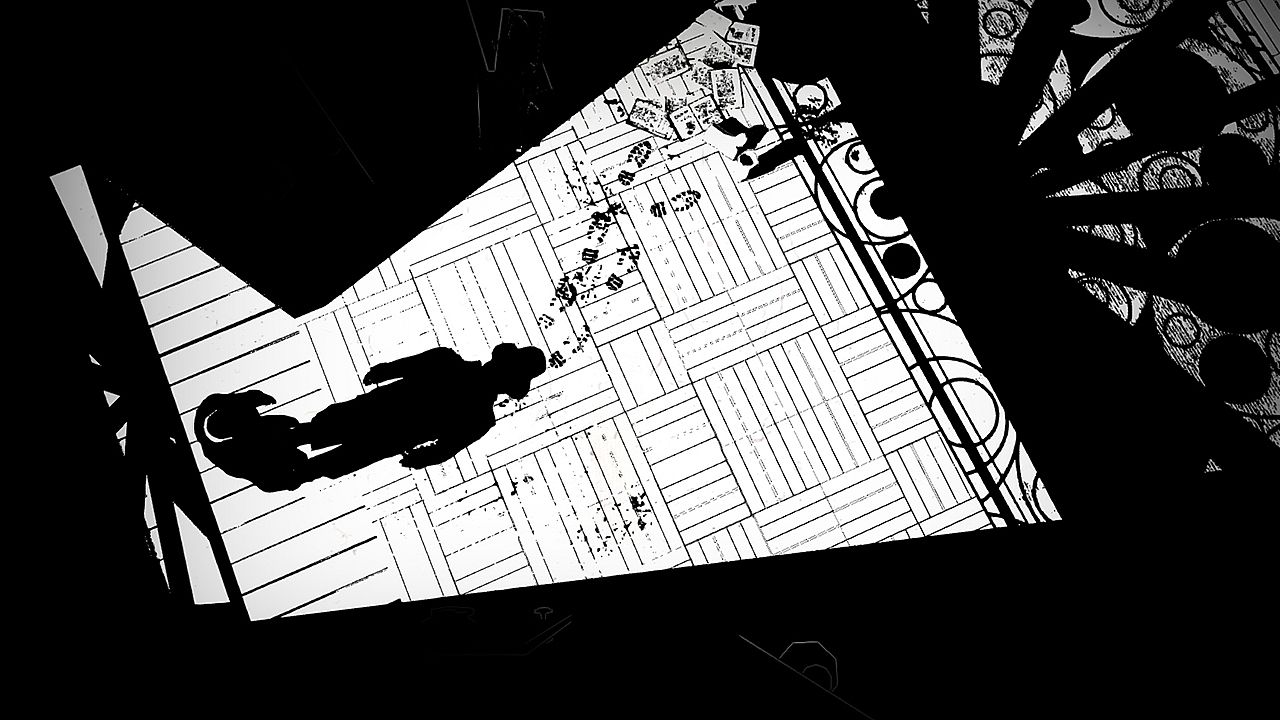
Players control a protagonist trapped inside the old house and must solve environmental puzzles that rely on illumination to progress. Matches serve as the primary tool for shedding light on the surroundings, revealing doors, clues, and safe routes that remain invisible in the dark. Each match burns for a short time, forcing careful planning during exploration and backtracking through the mansion's rooms and corridors.
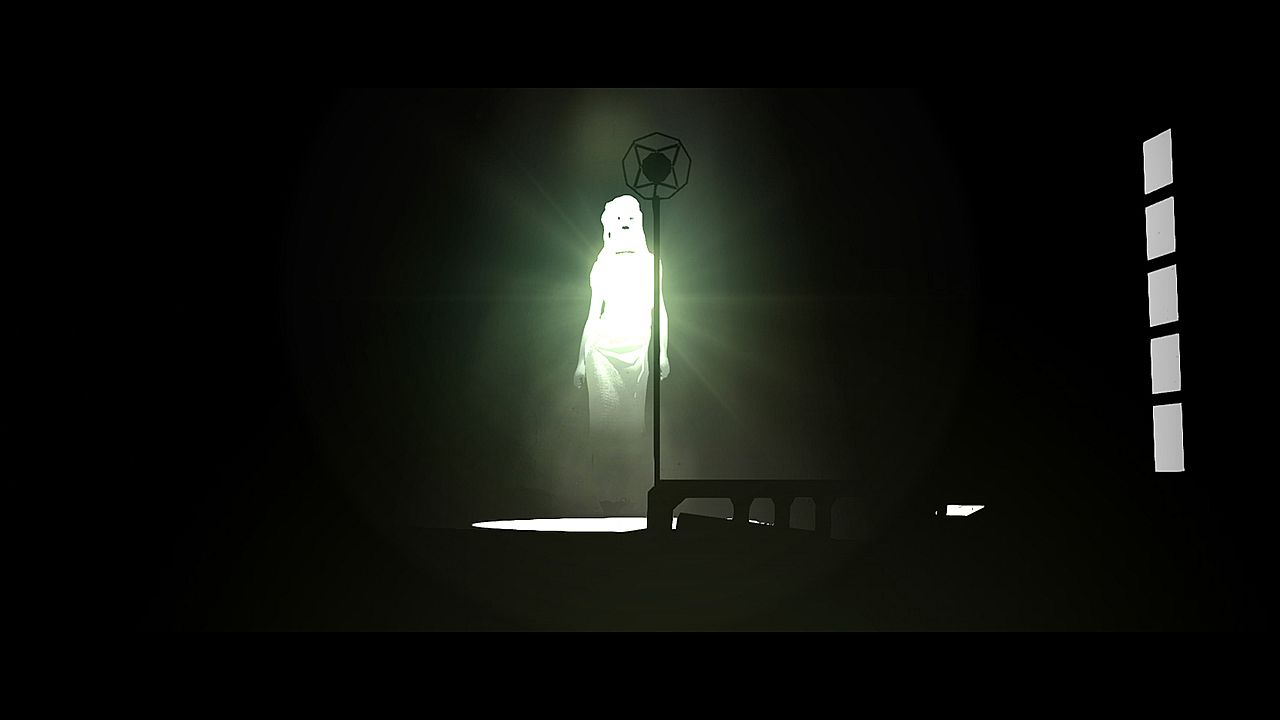
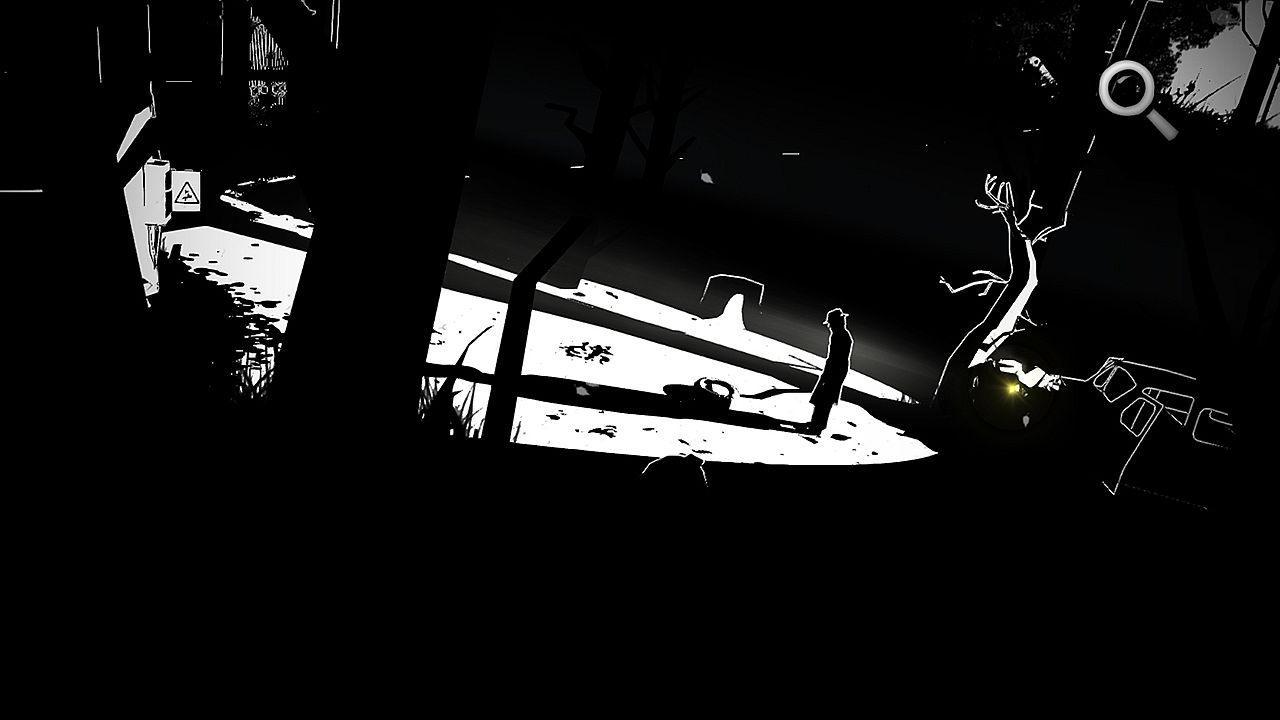
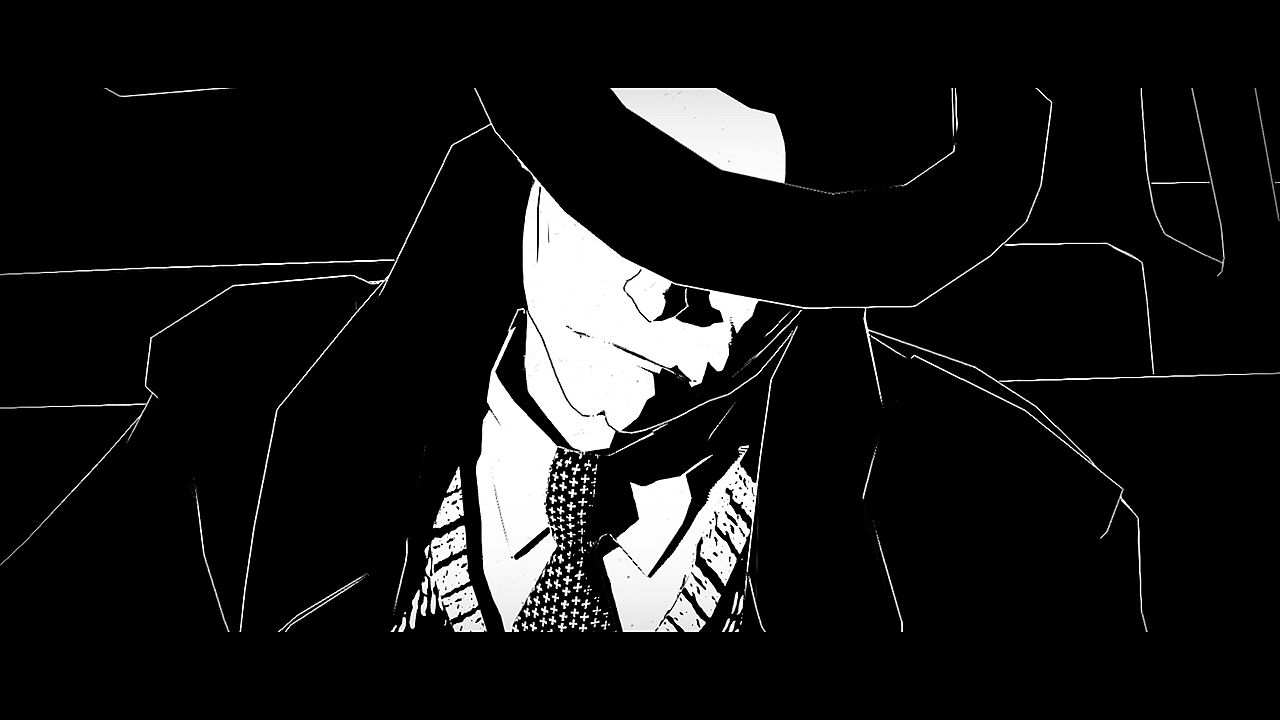
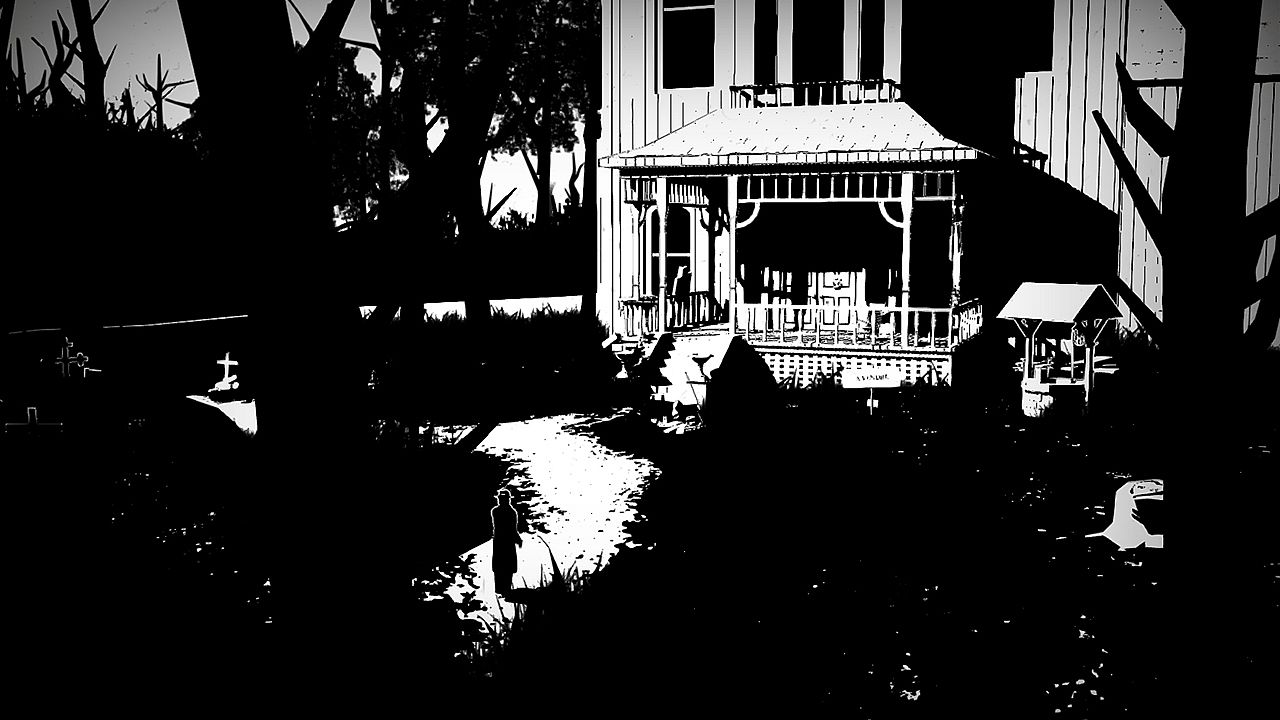
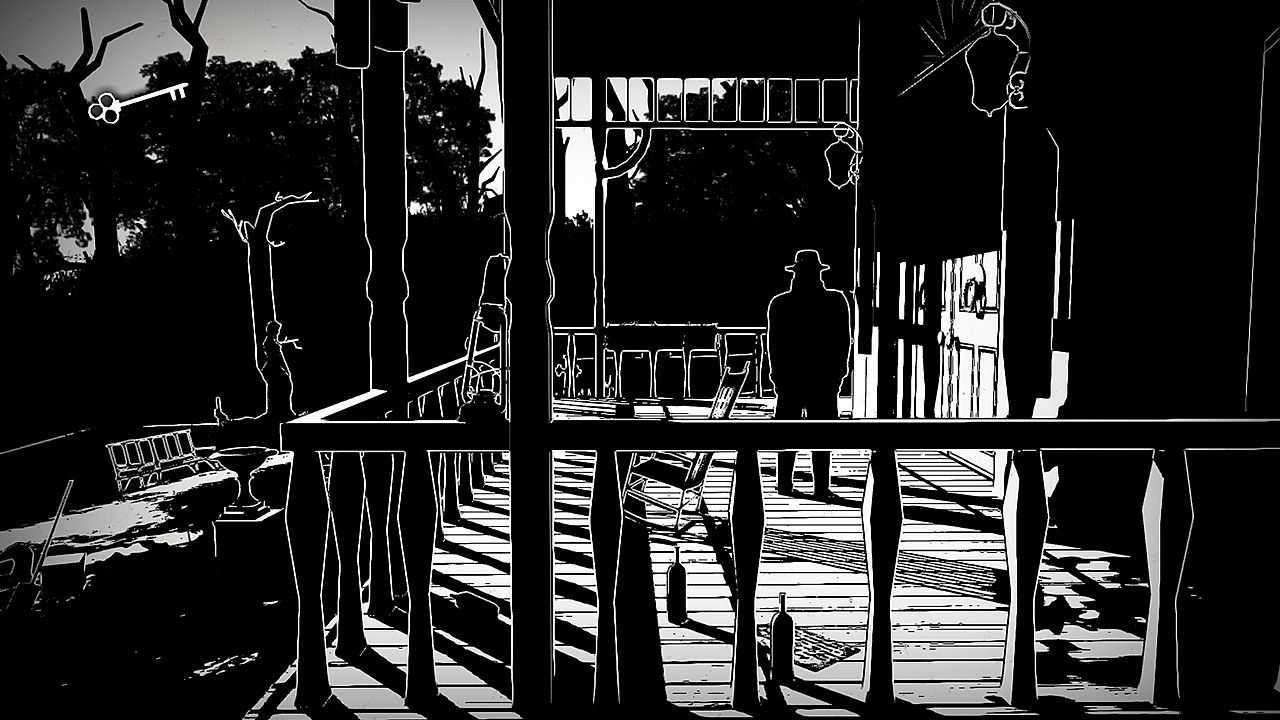
Dark entities appear when areas stay unlit, and contact with them ends the attempt immediately. Survival depends on staying in lit zones or quickly finding new matches rather than any form of combat. The black and white presentation reinforces the noir tone, with high contrast between illuminated spaces and deep shadows that define both the visual style and the mechanical challenges.
Fixed or limited camera perspectives add tension during navigation, requiring players to observe the environment from specific angles while timing light usage to avoid detection. The experience emphasizes investigation and resource management over action, with the mansion layout encouraging methodical searching for matches and puzzle solutions tied directly to the light and shadow mechanics.
Game Modes
White Night offers a single-player campaign focused on the main story. No separate modes such as multiplayer, survival challenges, or alternate scenarios exist. The entire experience unfolds through sequential exploration and puzzle solving within the mansion setting.
Story and Atmosphere
The narrative centers on uncovering the macabre history of the estate through documents, environmental details, and encounters with apparitions. The 1930s period setting influences the architecture and objects found throughout the house, contributing to the overall tone of mystery and dread. Sound design supports the tension by highlighting footsteps, creaking floors, and the crackle of matches in otherwise silent rooms.
Progression reveals layers of the mansion's past as players light specific areas to access new sections. The absence of color directs attention to shape, shadow, and contrast, making every lit match a moment of both revelation and vulnerability.
Is It Worth Playing?
White Night suits players who enjoy deliberate, puzzle-driven survival horror with strong emphasis on atmosphere and resource scarcity. Those drawn to investigative stories set in confined, eerie locations will find the light-based mechanics create consistent pressure without relying on combat systems.
The game has received praise for its distinctive art direction and integration of puzzles with the visual style, though some players note frustration with the limited light duration and instant-failure encounters. It remains available as a complete single-player title with no ongoing seasonal content or updates required for the core experience.
Anyone seeking a short, focused horror adventure that prioritizes mood and clever environmental interaction over fast-paced action may find it rewarding. Those preferring more forgiving mechanics or additional content variety might look elsewhere.