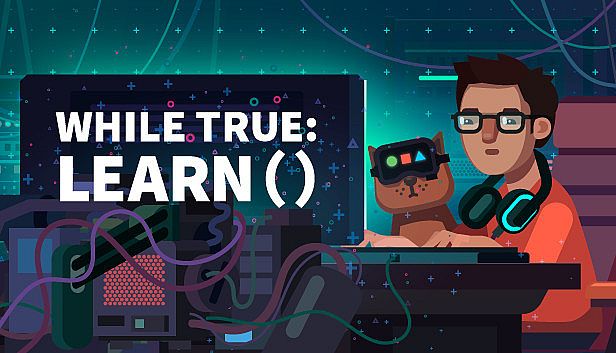














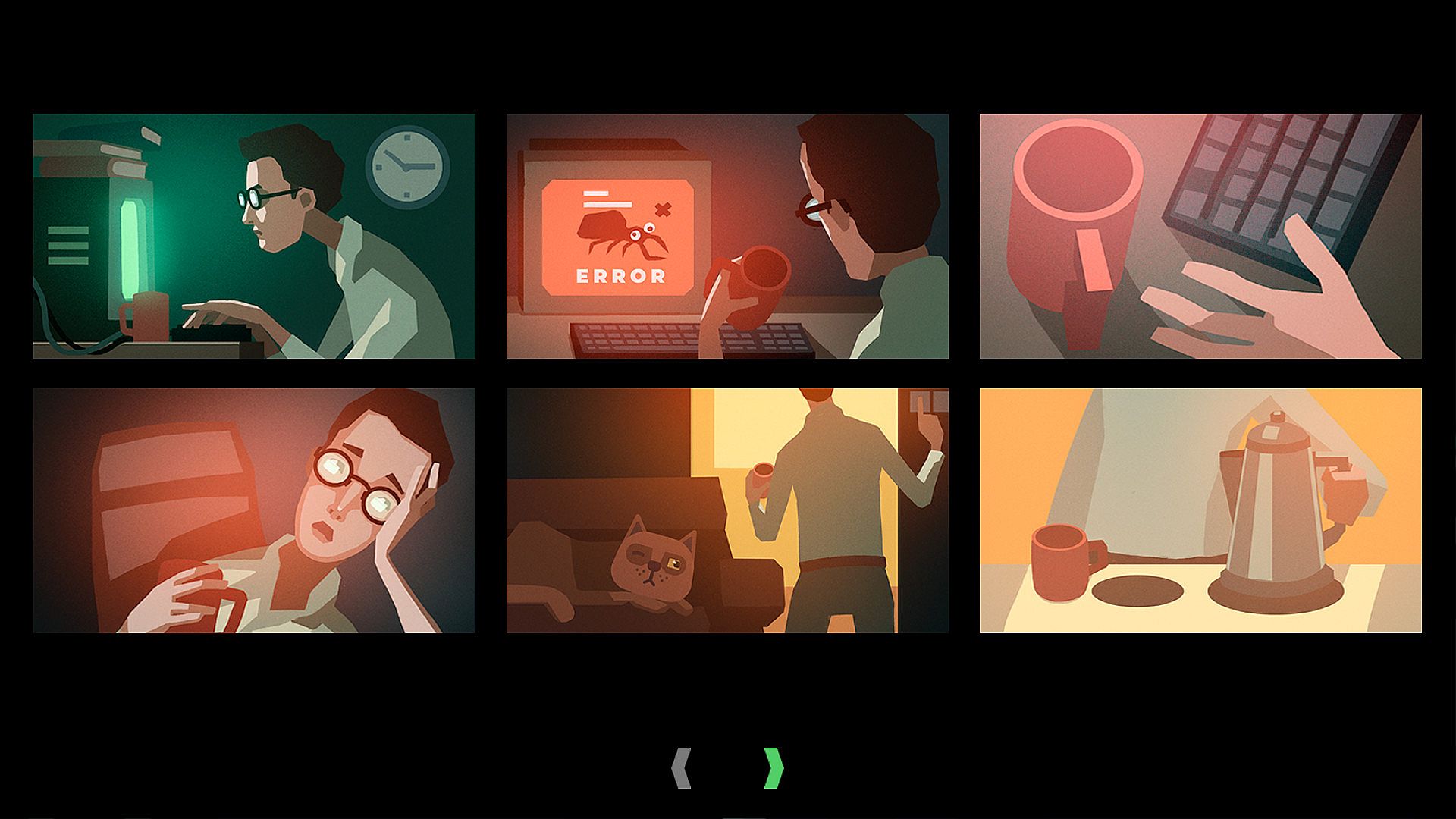
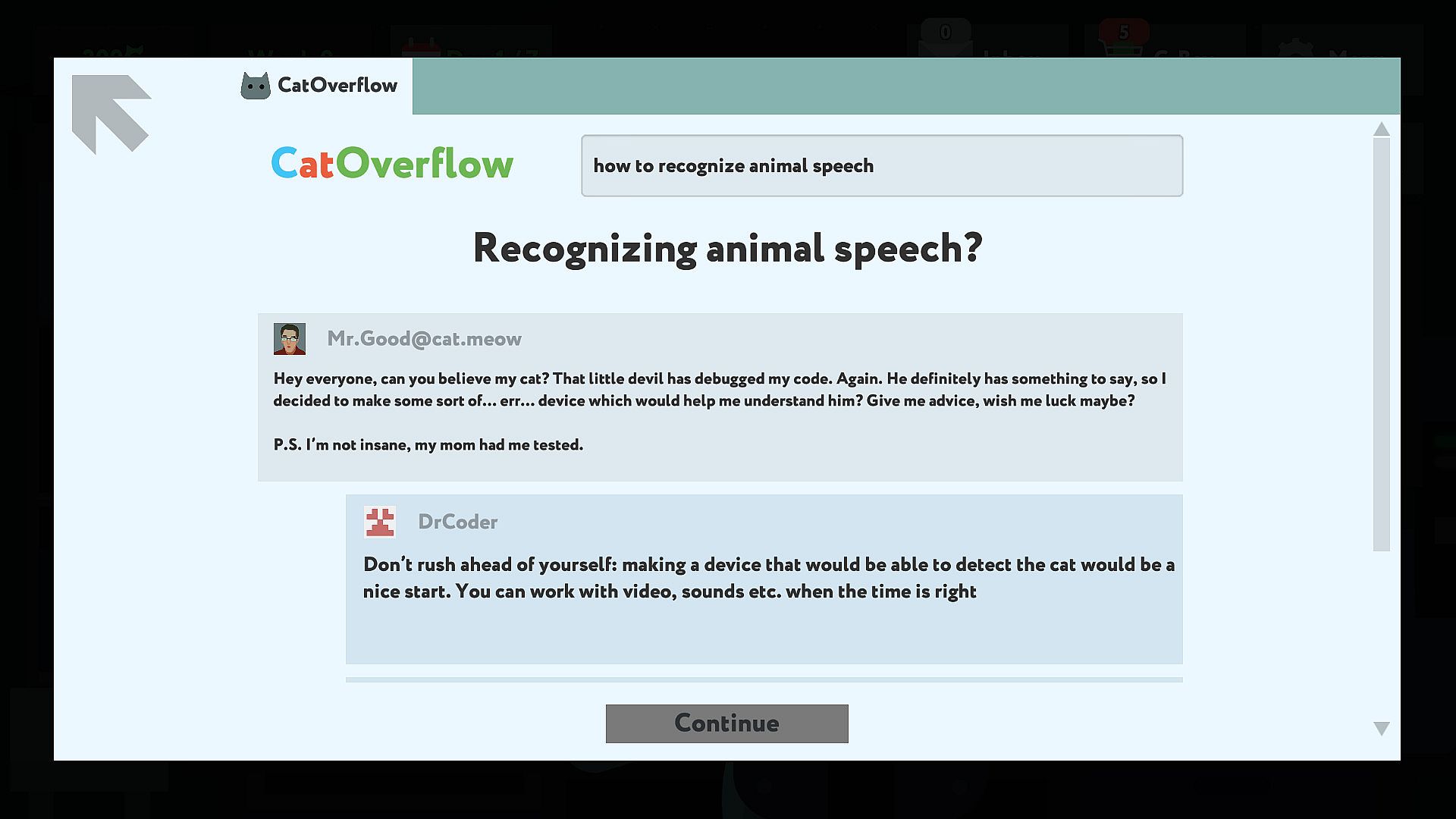
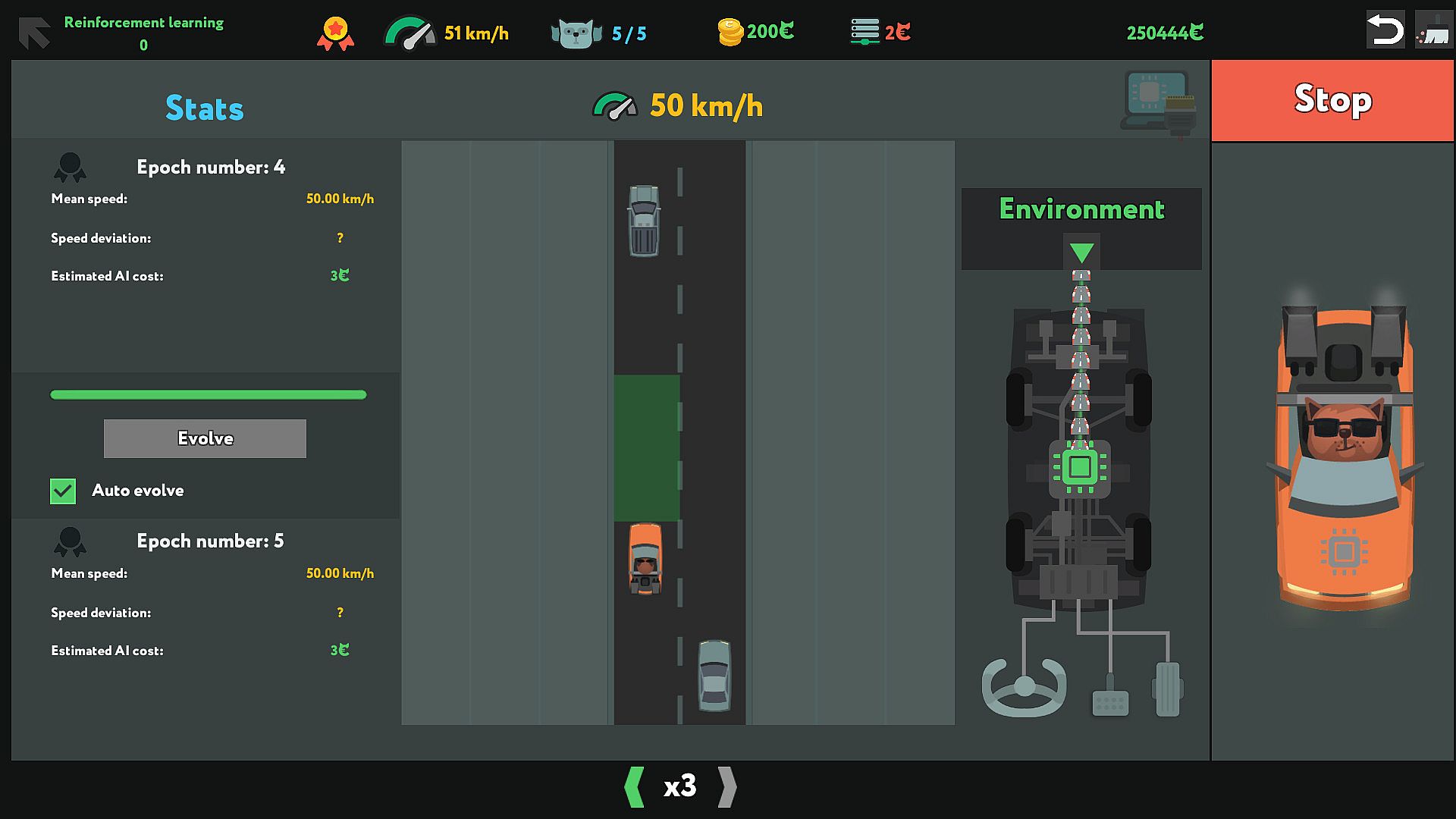
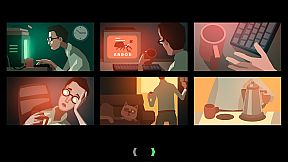
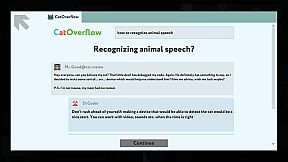
while True: learn() stands out as an indie puzzle and simulation game centered on machine learning concepts, neural networks, big data, and artificial intelligence, all wrapped in a story about training a cat to communicate through code. Players take on the role of a programmer who discovers their cat's hidden talent for coding and sets out to build a functional speech recognition system using visual tools. The experience emphasizes logical problem solving without requiring any prior programming knowledge, making it accessible while delivering educational value through its mechanics.
Gameplay
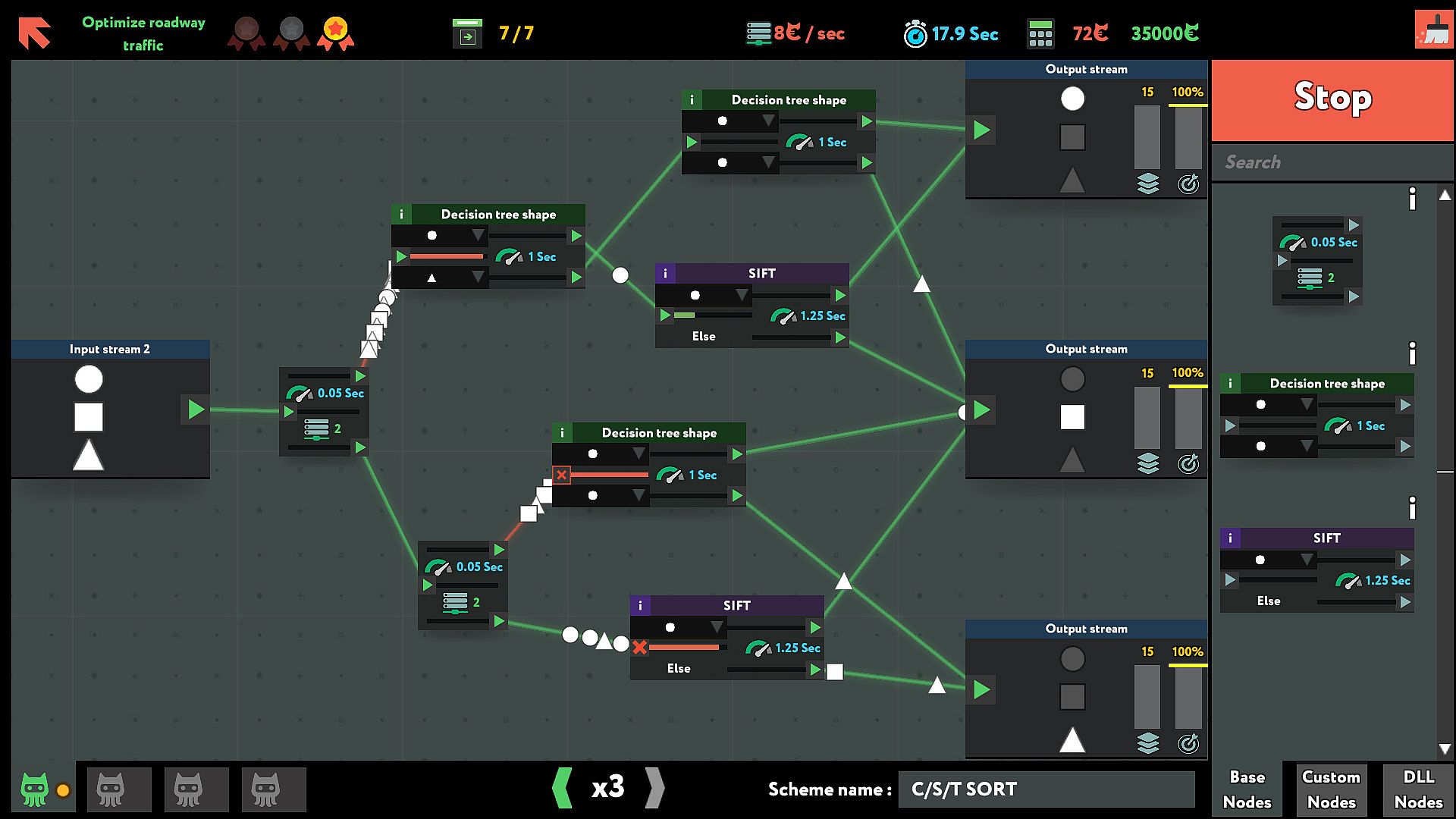
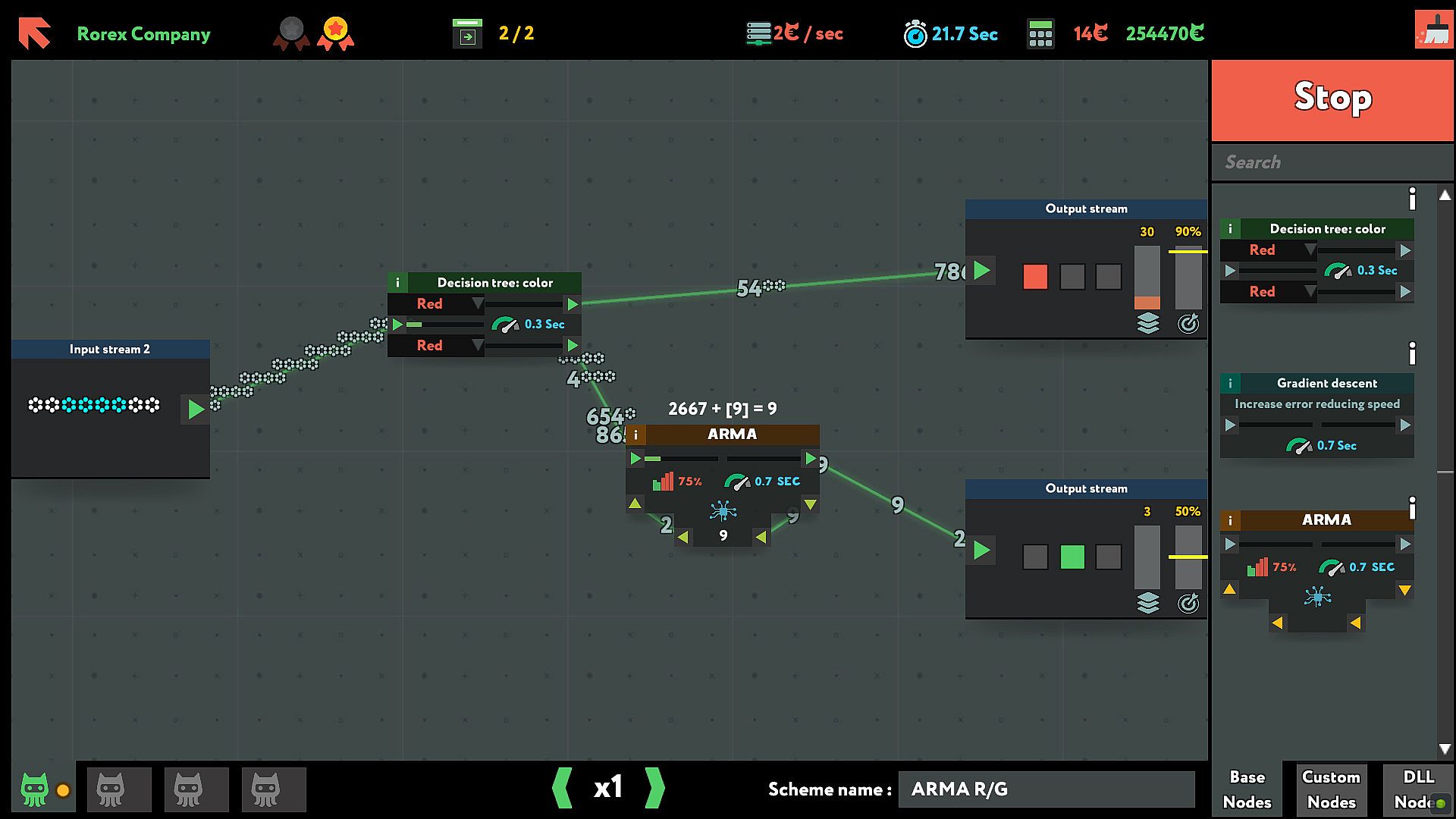
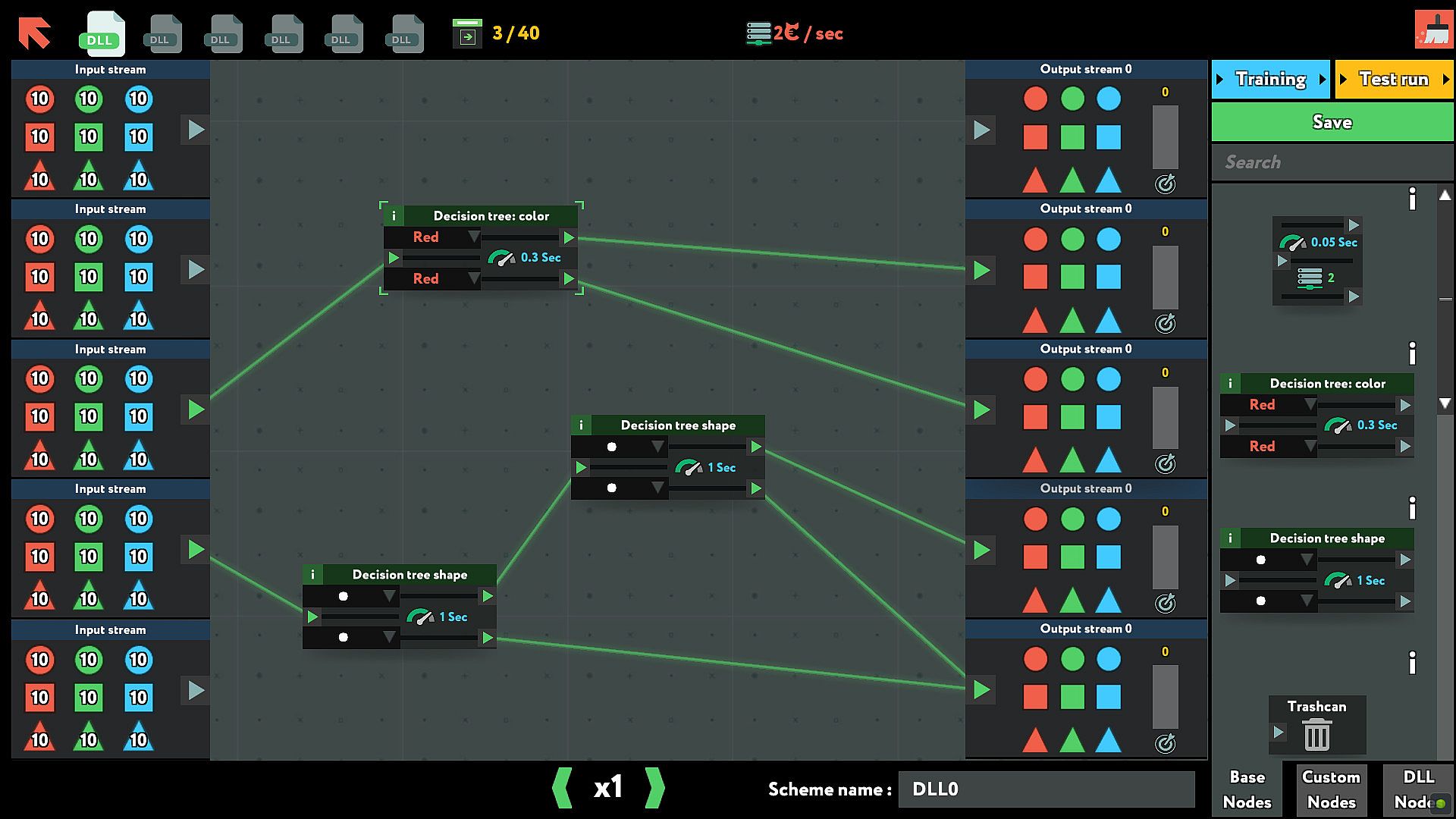
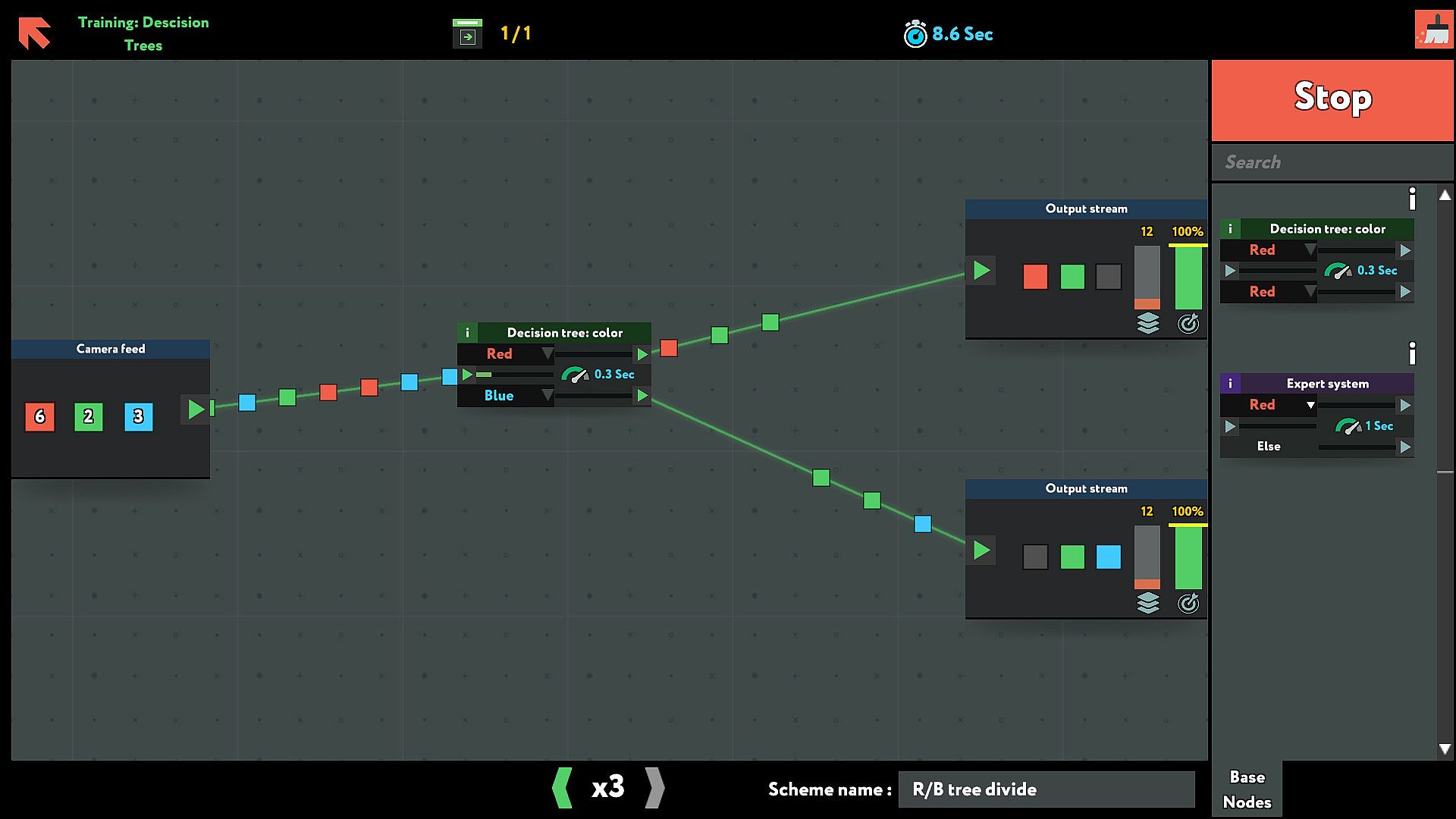
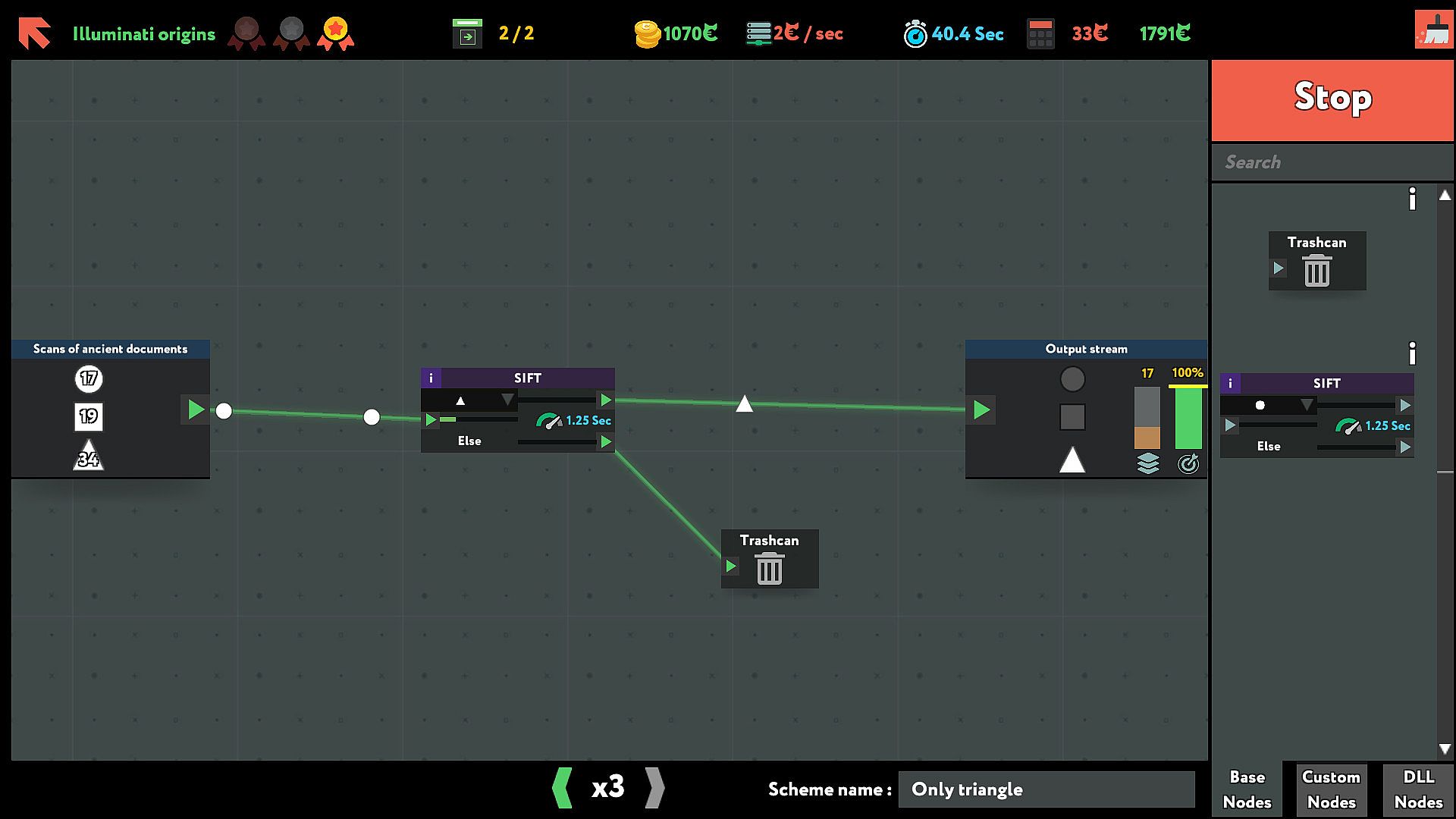
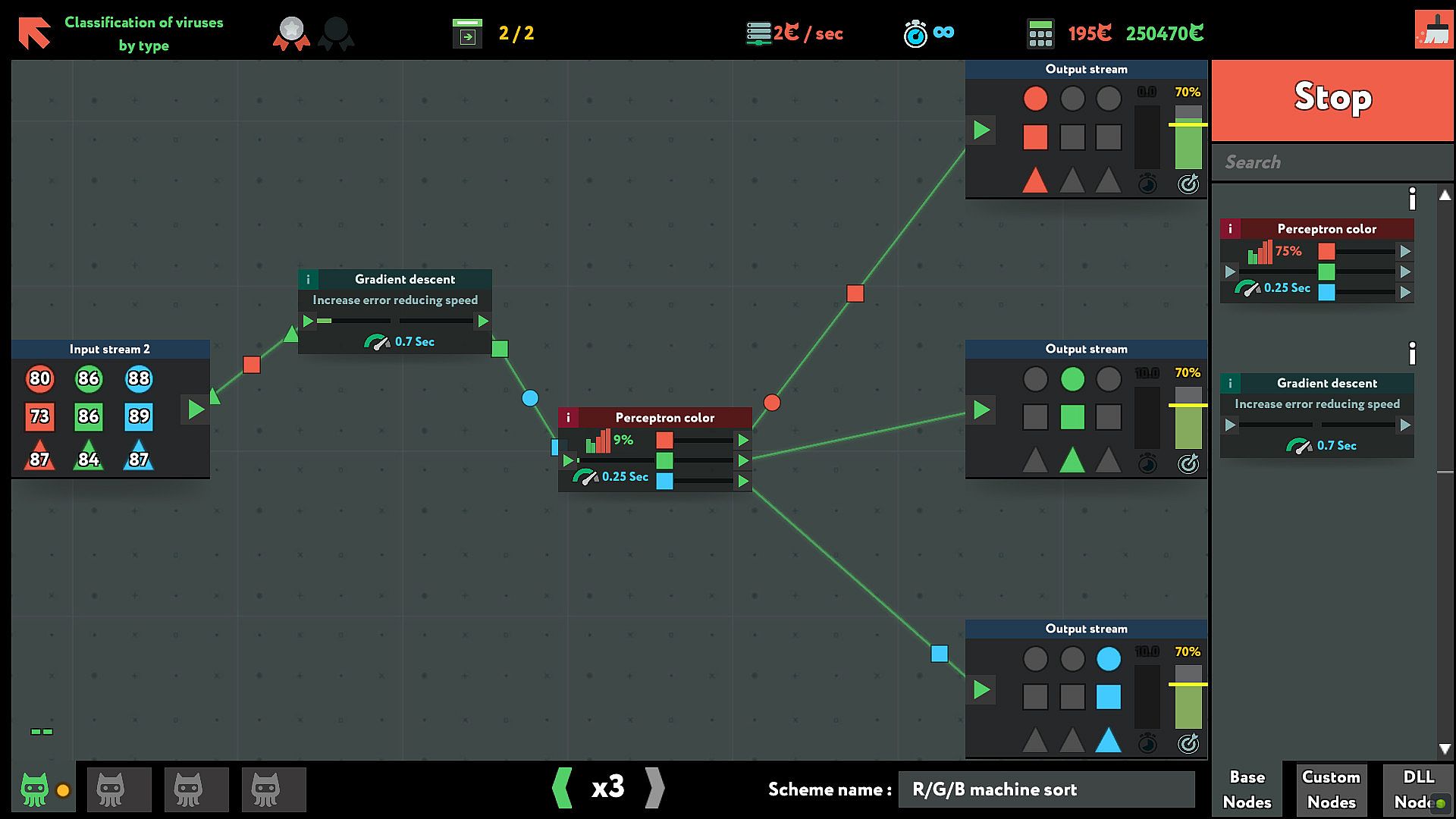
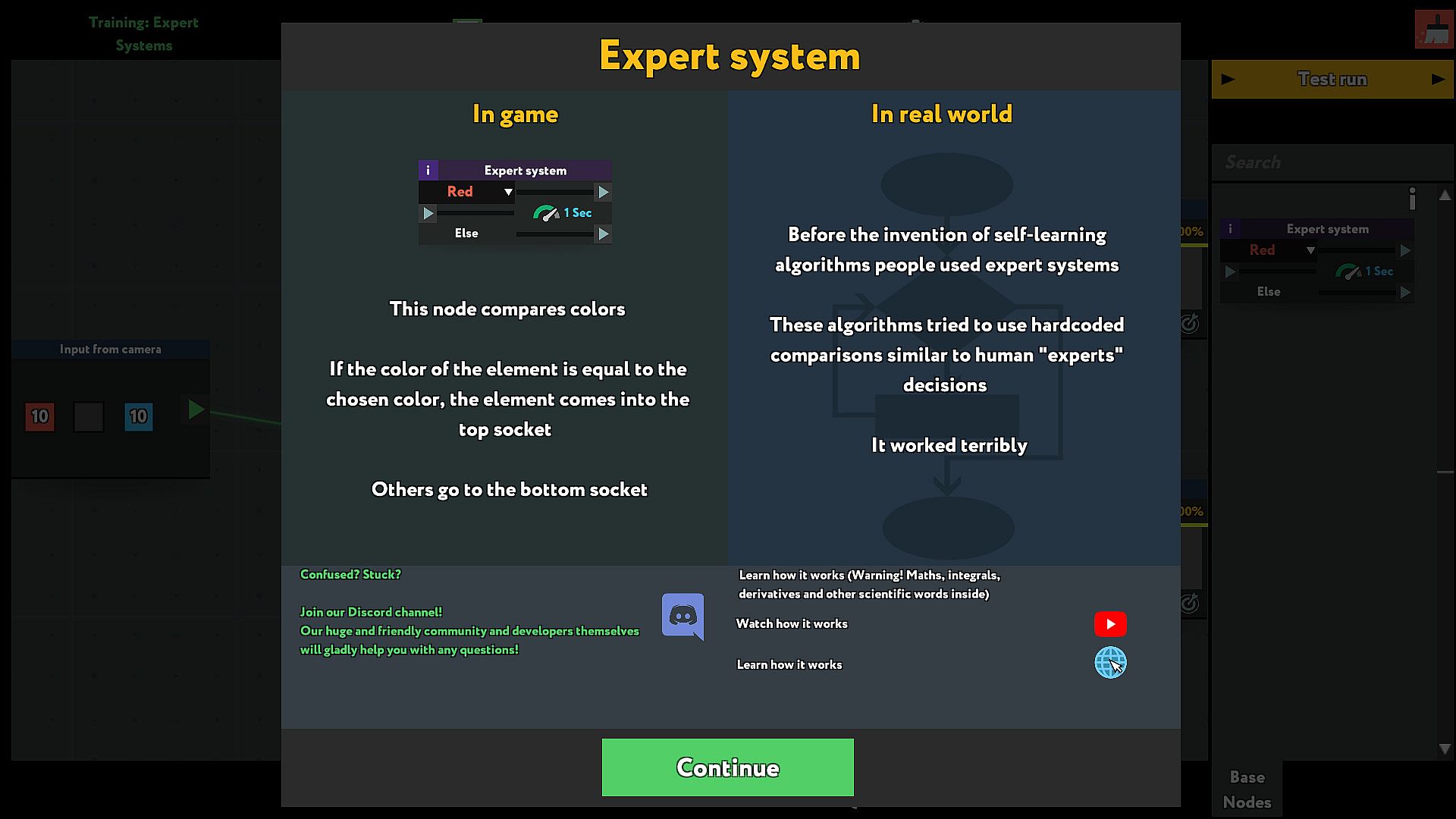
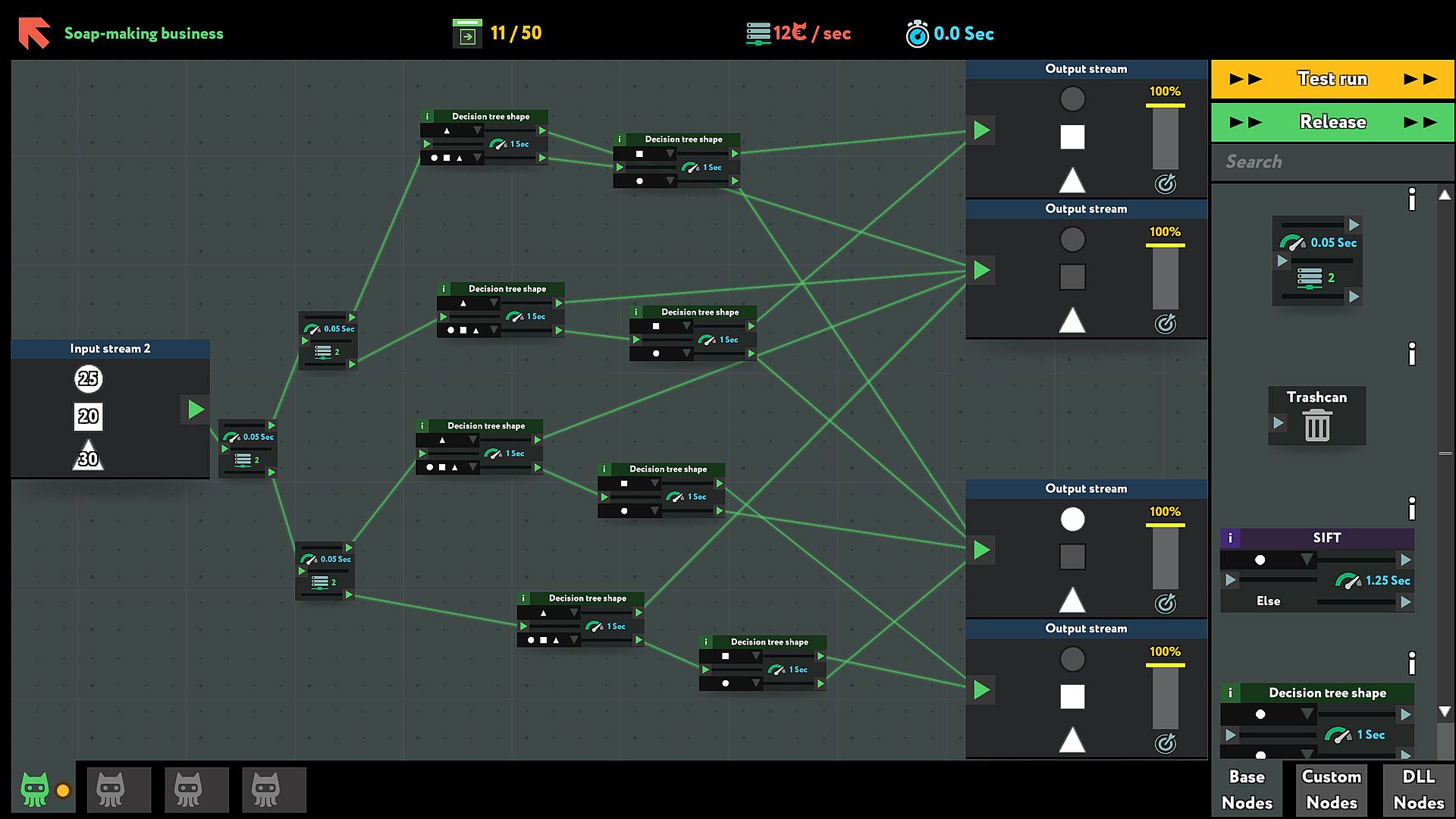
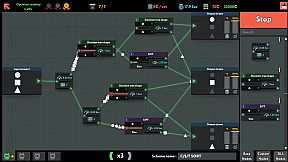
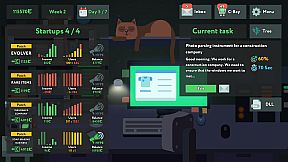
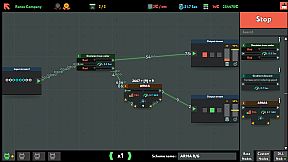
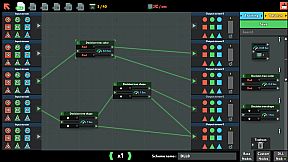
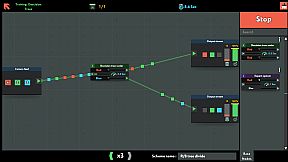
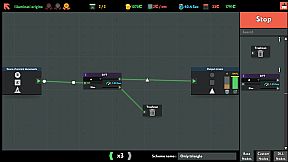
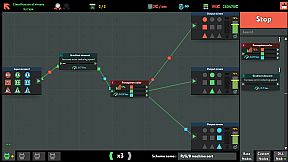
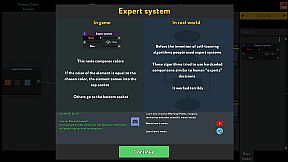
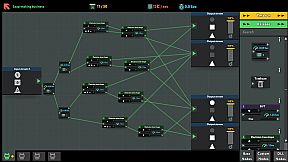
The core loop revolves around constructing visual flowcharts to process and sort streams of data. Players receive inputs in the form of colored shapes or objects and must route them to matching outputs by placing and connecting specialized nodes. Each node represents a real machine learning technique, such as decision trees for basic classification or perceptrons that require training to improve accuracy. Connections form pathways that guide data flow, and success depends on meeting criteria for speed, accuracy, and minimal node usage.
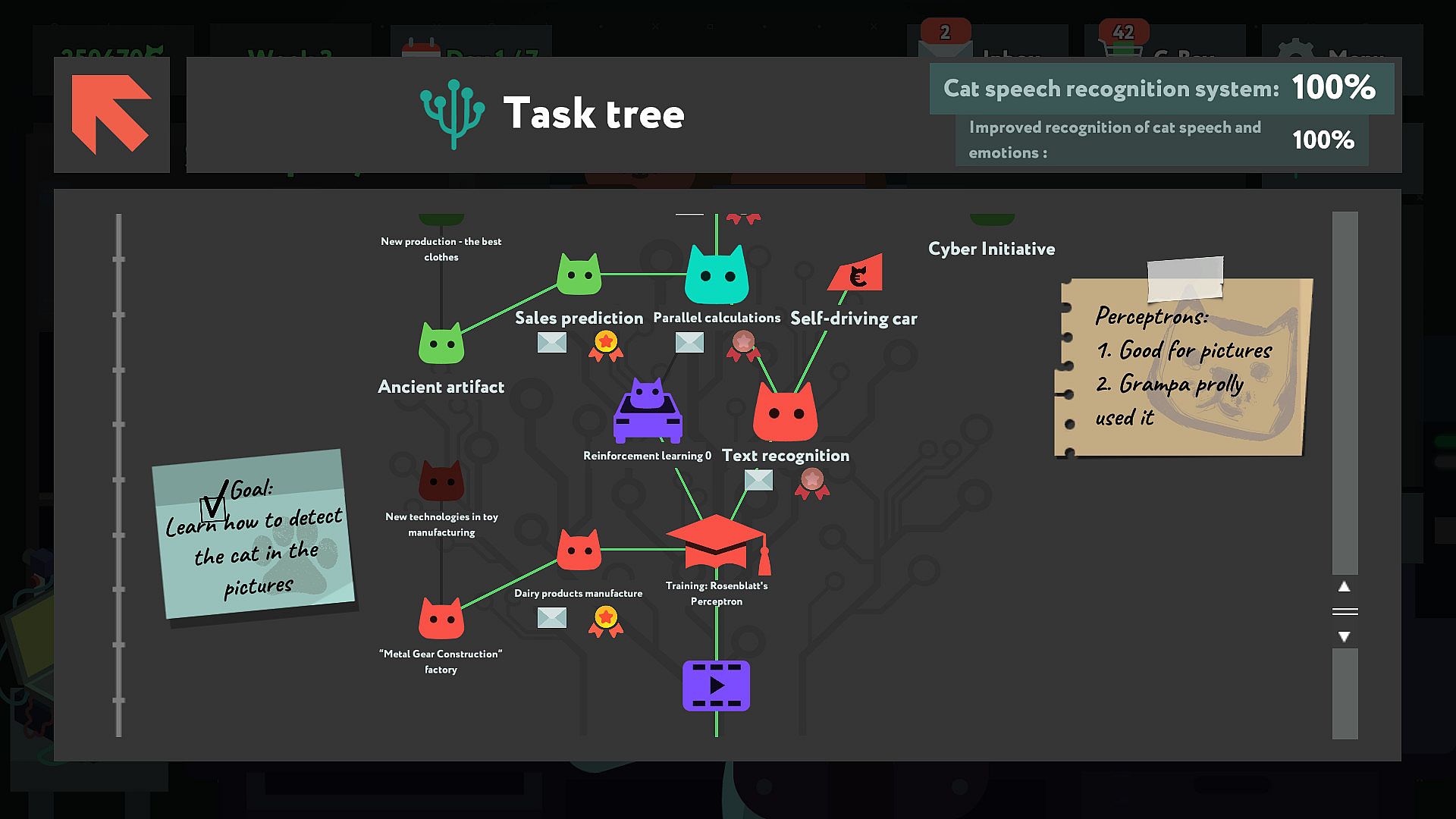
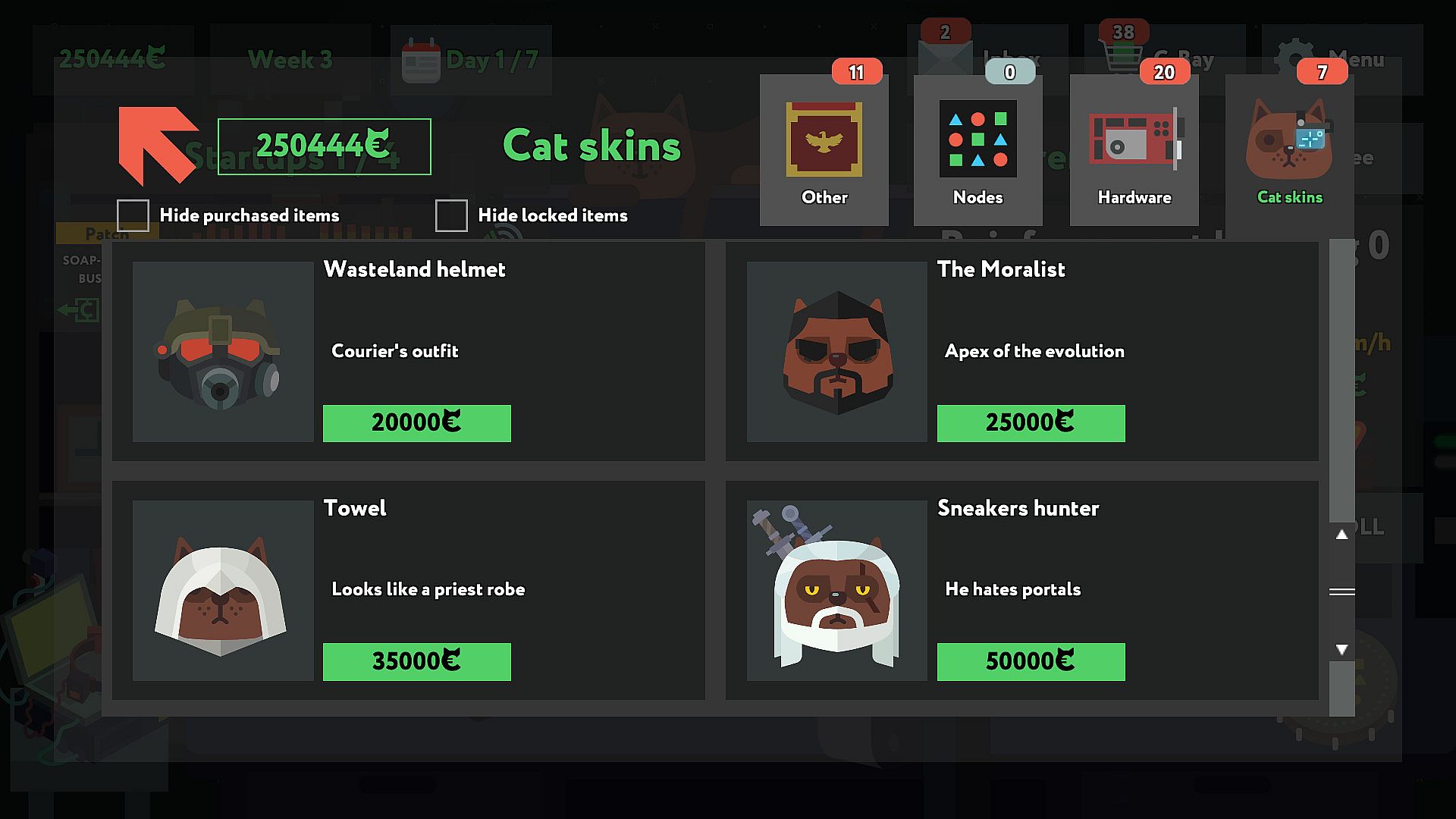
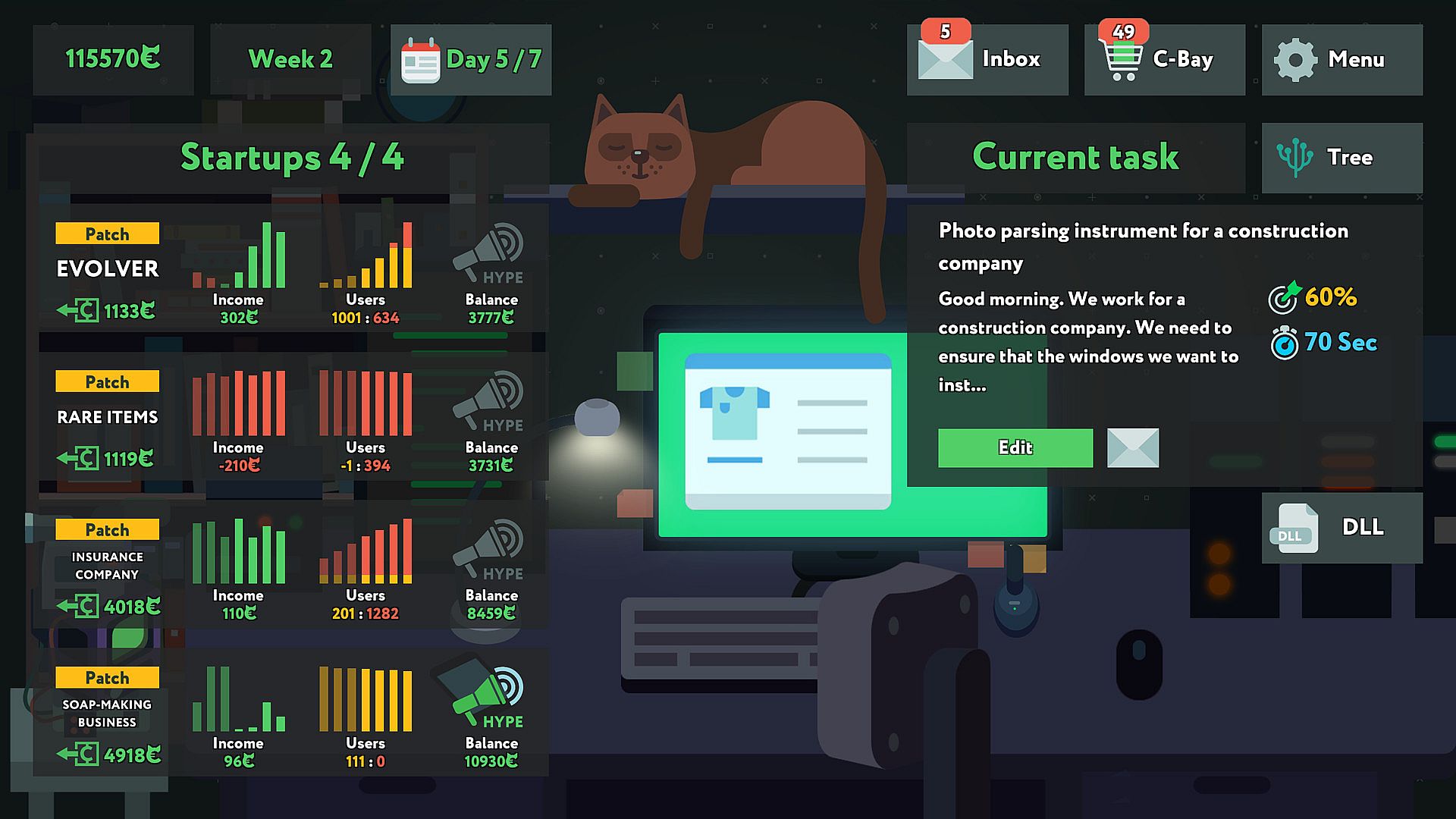
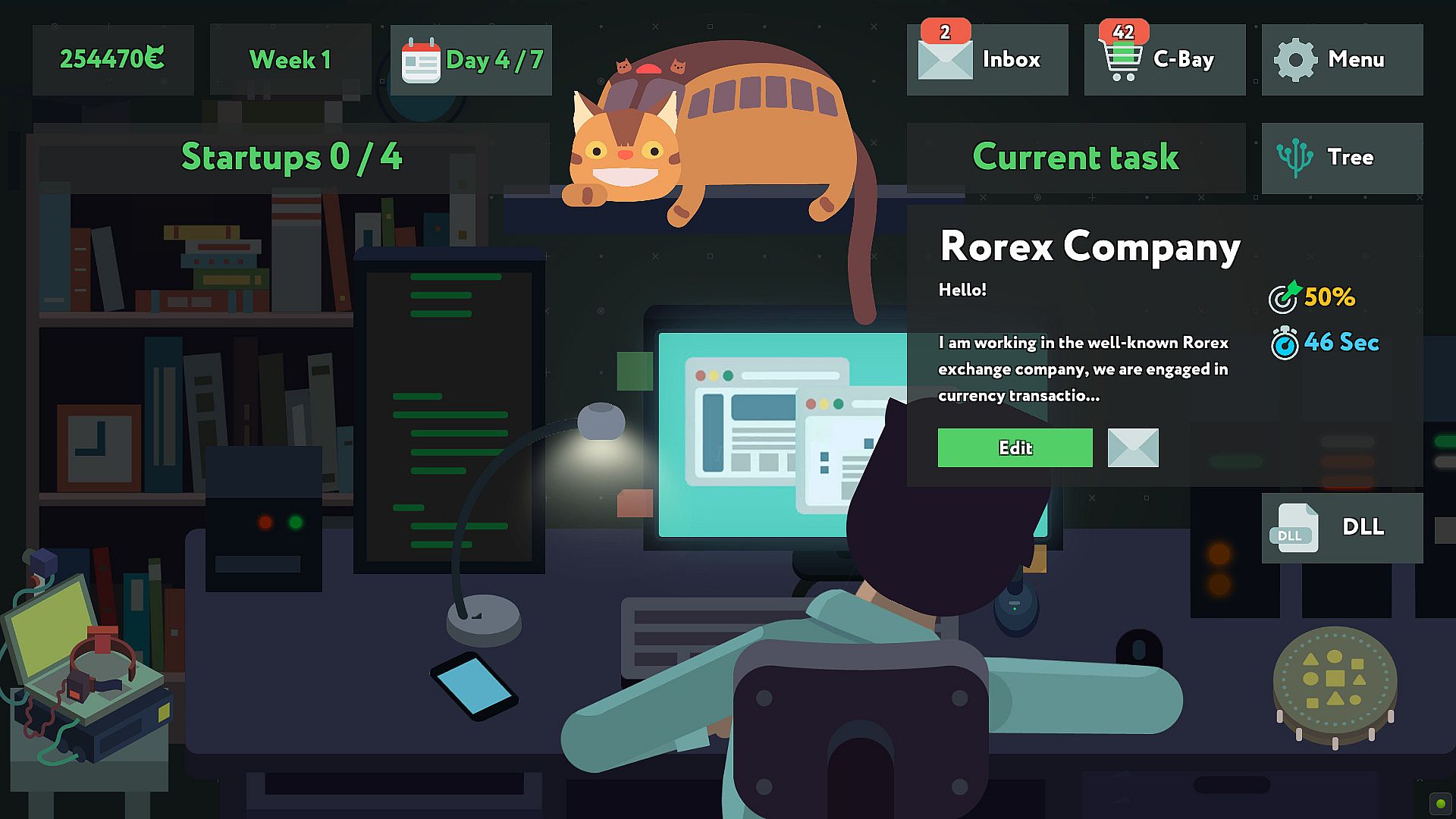
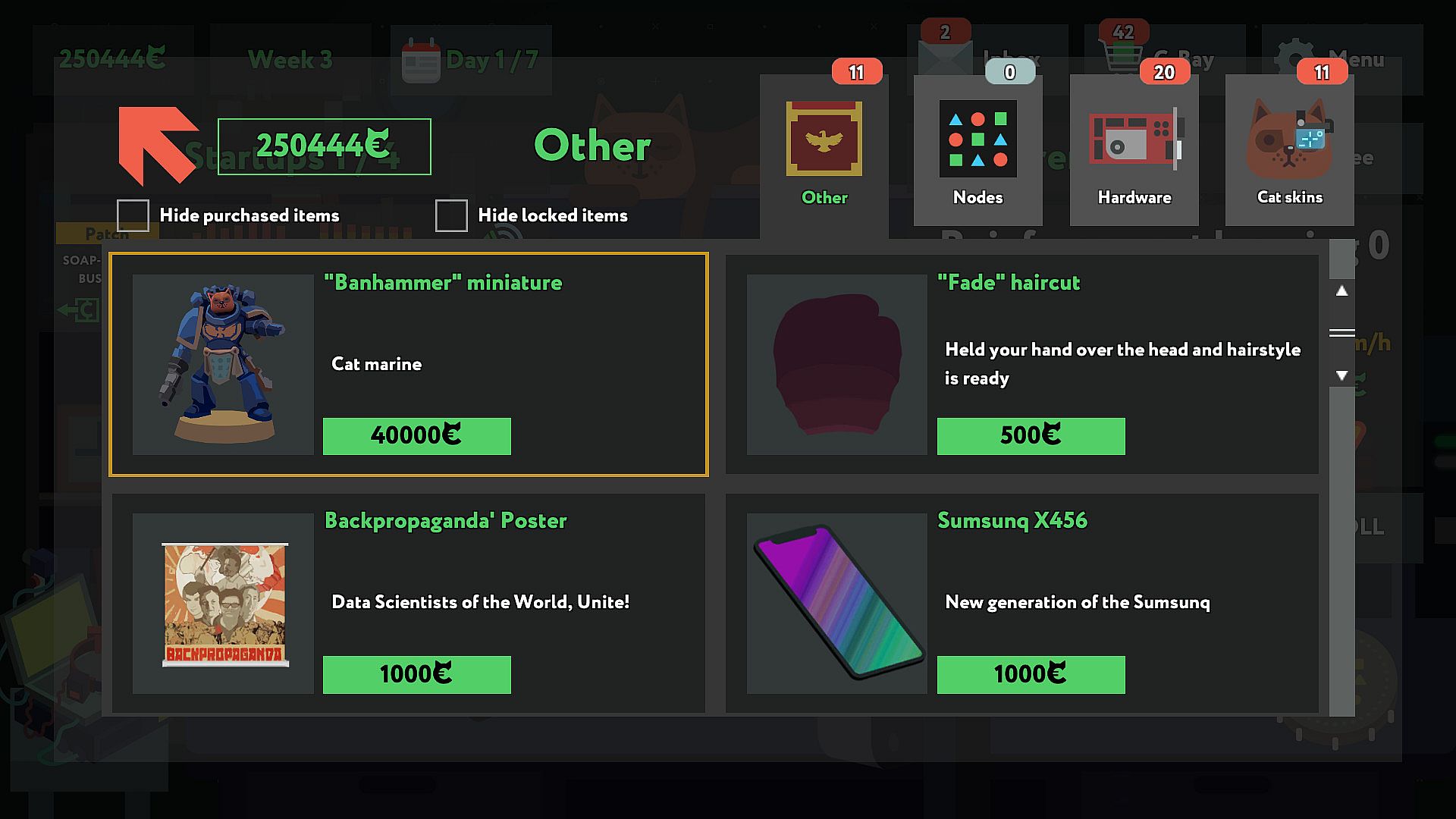
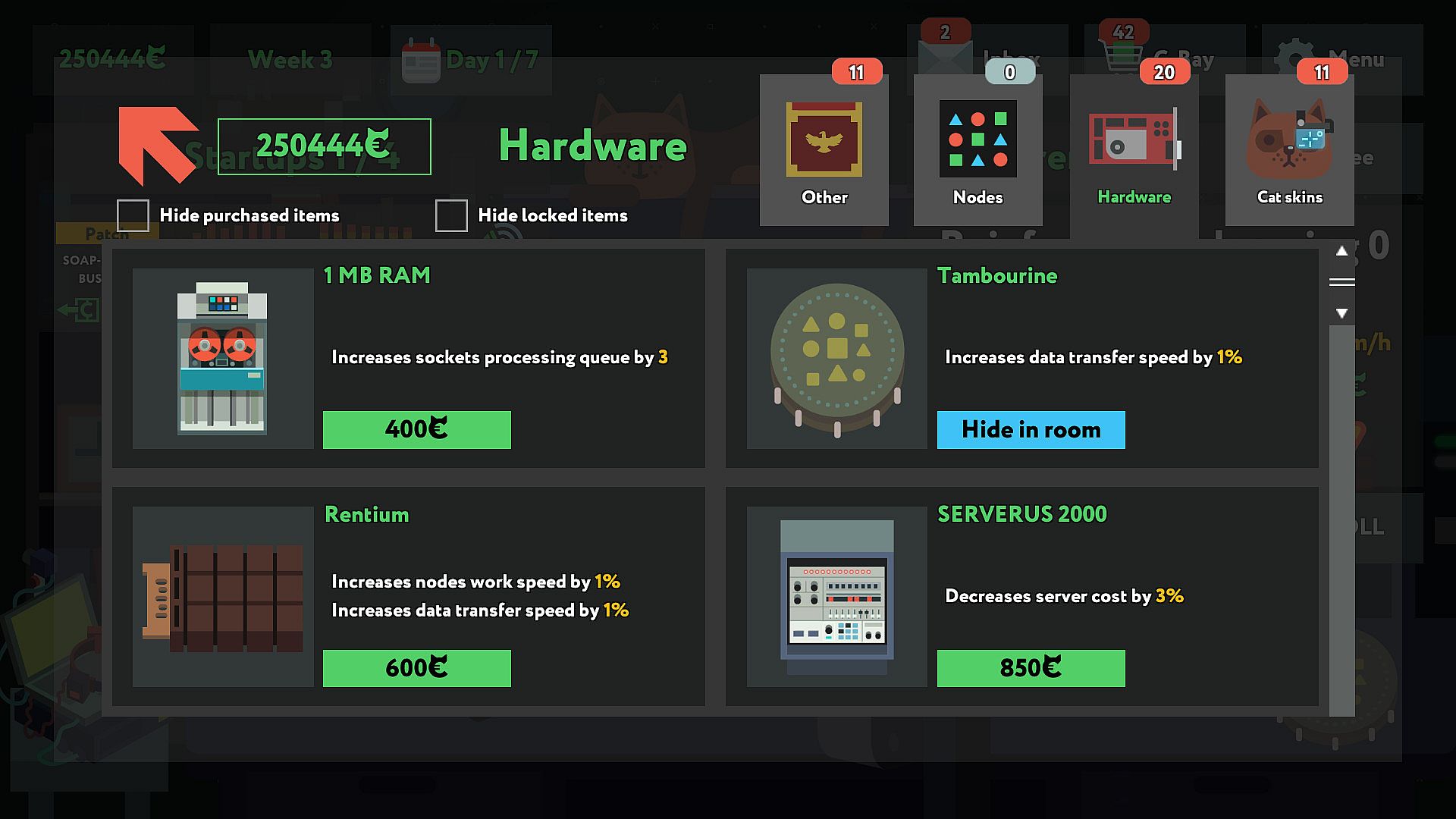
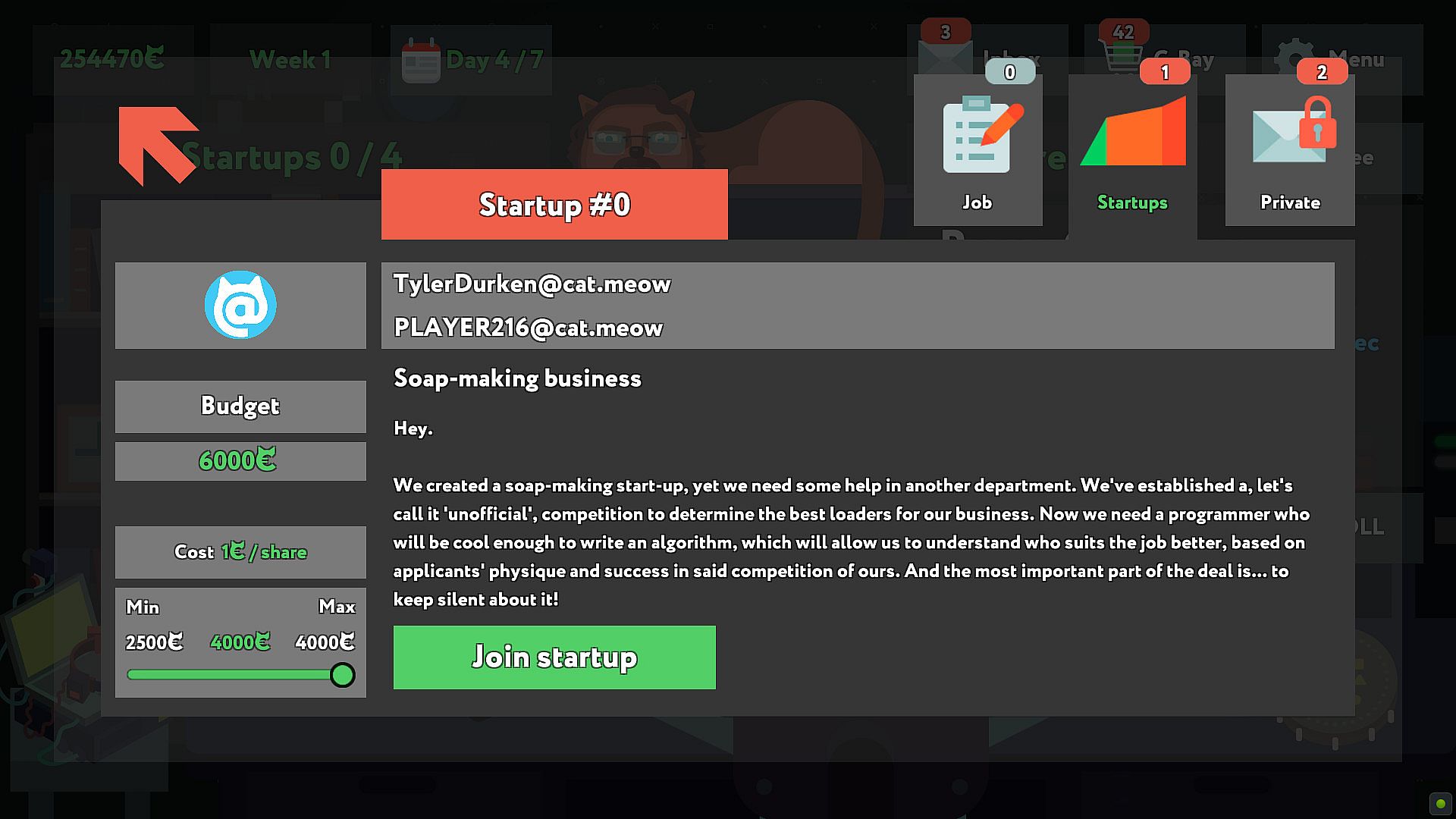
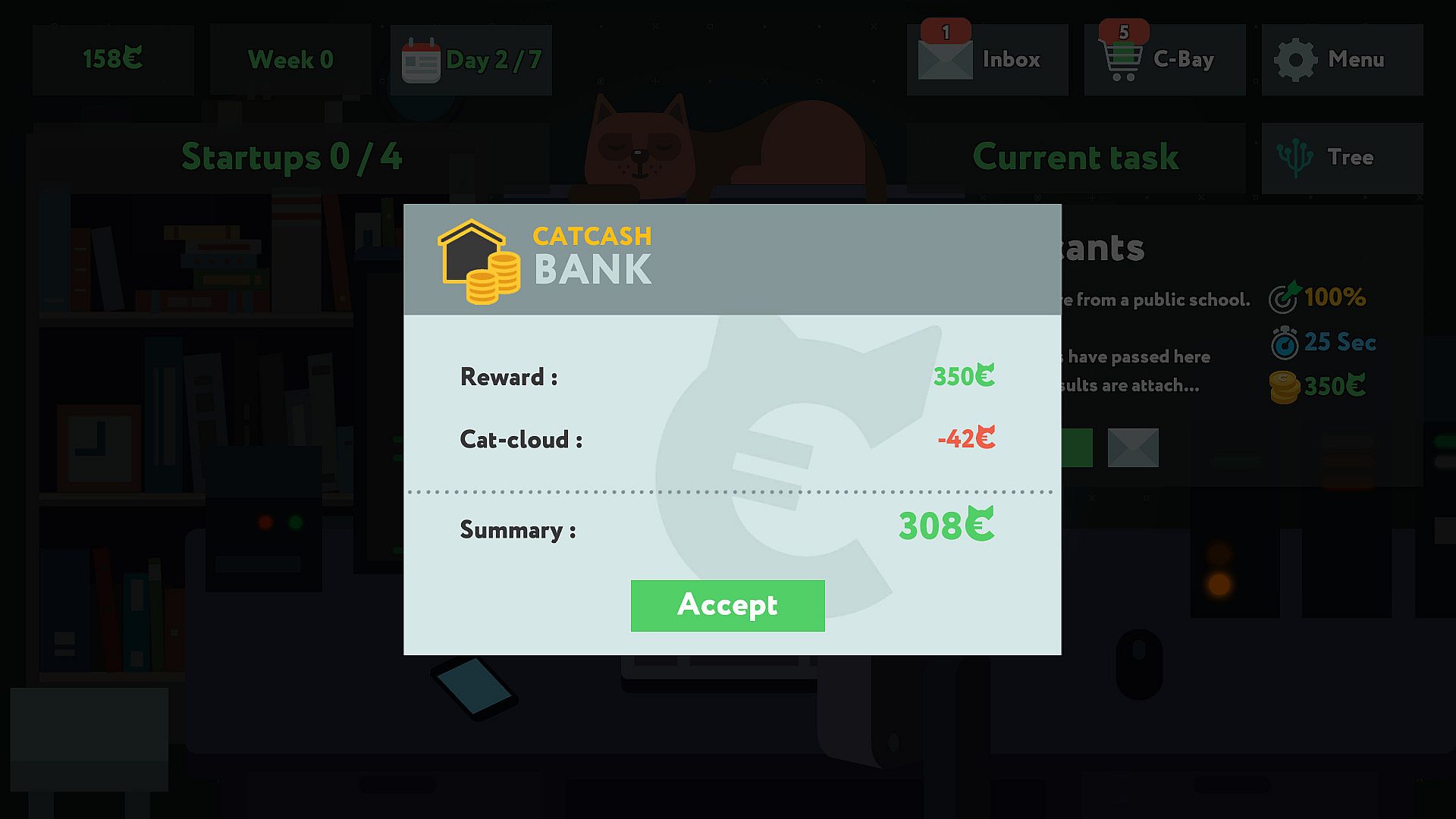
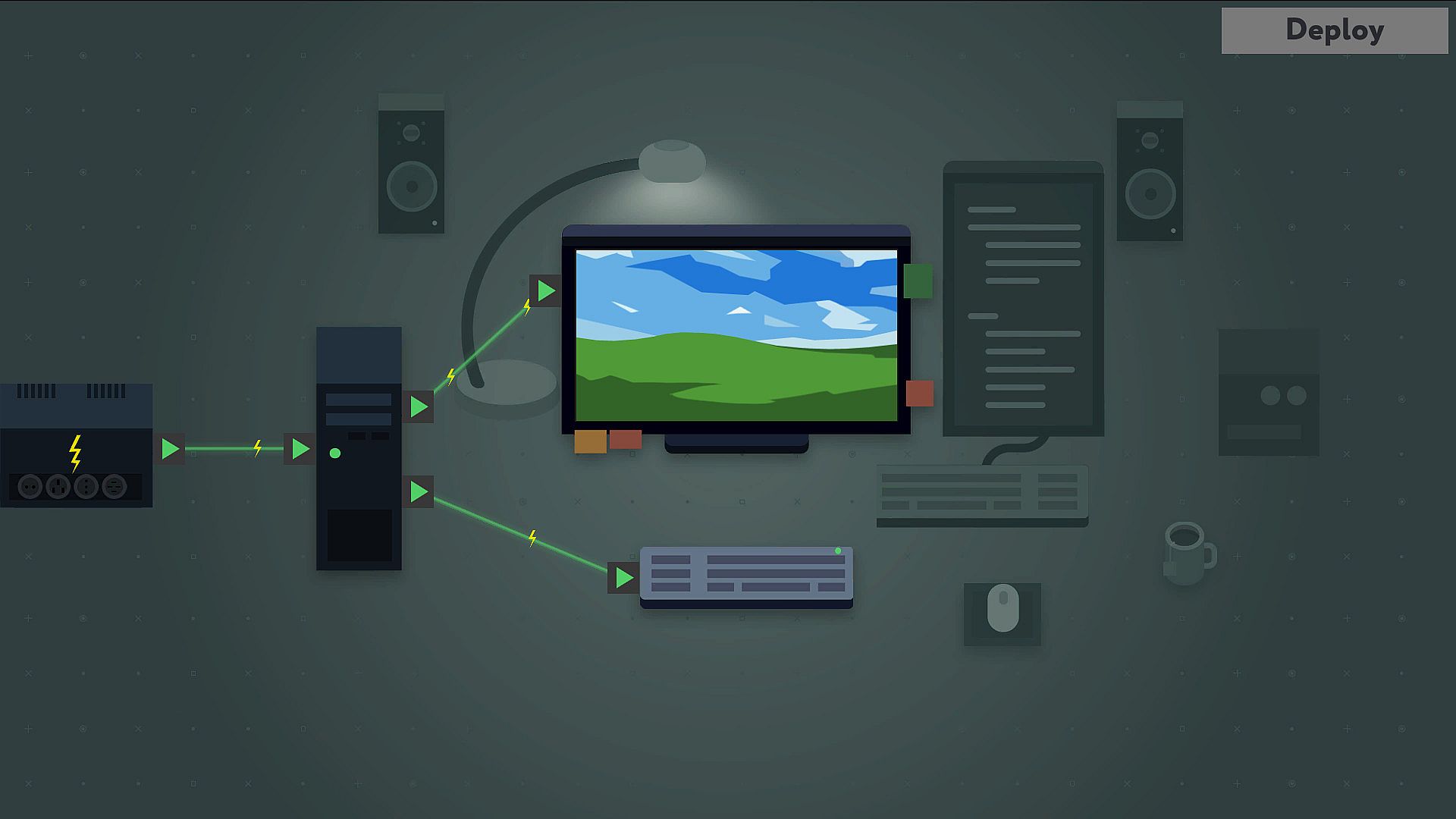
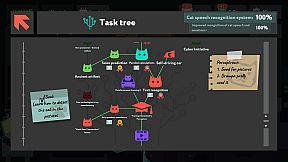
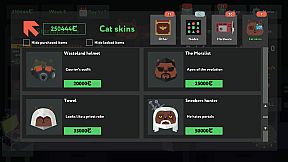
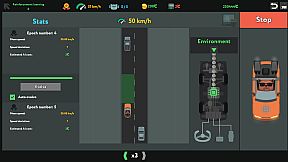
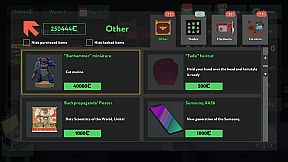
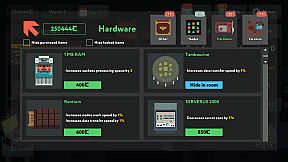
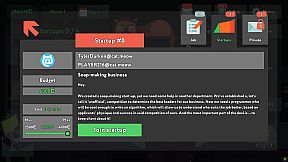
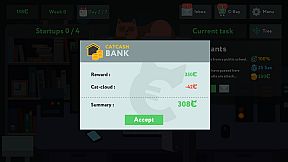
Optimization plays a central role. After building a setup, players test it to observe data movement and refine the design by rearranging elements or swapping node types. Some nodes demand manual training steps before deployment, adding layers to the process. Completing tasks earns resources that fund hardware upgrades for better performance and cosmetic items like outfits for the cat or office decorations. The progression ties these elements together through freelance-style contracts that present increasingly complex sorting challenges inspired by practical applications.
Visual programming keeps the focus on experimentation rather than syntax. Dragging nodes, drawing lines between them, and iterating on failures encourages repeated attempts until data flows efficiently. The cat theme adds lighthearted motivation, with rewards often directed toward improving the feline companion's appearance or environment.
Game Modes
The game operates entirely in a single-player format with a linear progression of puzzle levels. These levels build on one another, starting with straightforward sorting tasks and advancing to scenarios that incorporate training requirements and efficiency constraints. Each puzzle draws from real-world machine learning problems, such as data classification or pattern recognition, but resolves them through the same node-connection system.
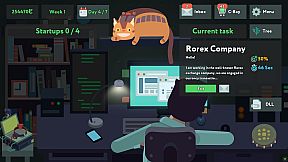
Contract-based tasks form the main structure, where players accept jobs, build solutions, and release them for evaluation. There are no separate competitive or cooperative modes. The experience remains consistent across platforms, with controller support available alongside mouse and keyboard controls for precise node placement and adjustments.
Is It Worth Playing?
Players interested in puzzle games that blend education with visual mechanics will find value here. The title introduces machine learning ideas through hands-on node building and iteration, rewarding persistence with a sense of accomplishment as solutions improve. Its single-player focus suits those seeking a self-paced challenge that sharpens logical thinking and problem-solving skills.
Reception highlights the unique premise and accessible entry into technical concepts, though some note that difficulty increases steadily and the repetitive nature of sorting tasks may limit broader appeal. The game remains available as a complete package with no ongoing seasonal content or major updates required for enjoyment. It appeals most to programmers exploring new ideas, educators introducing logical thinking, or anyone curious about data science without committing to formal study.
Overall, the combination of cat-driven motivation, progressive puzzles, and tangible feedback from optimized systems creates a satisfying loop for the right audience. Those who enjoy methodical refinement and light simulation elements will likely appreciate the depth without needing external resources.