

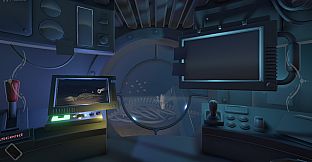
Whalefall is an indie adventure game set on the PC platform that places players in the role of marine biologist Chessa. The experience centers on studying a rare deep-ocean whalefall, a microecosystem that forms around a whale carcass on the seafloor. Chessa enters this environment through an experimental capsule submarine developed by IntactaTM, shifting from remote drone observation to direct, in-person interaction with the site.
Gameplay
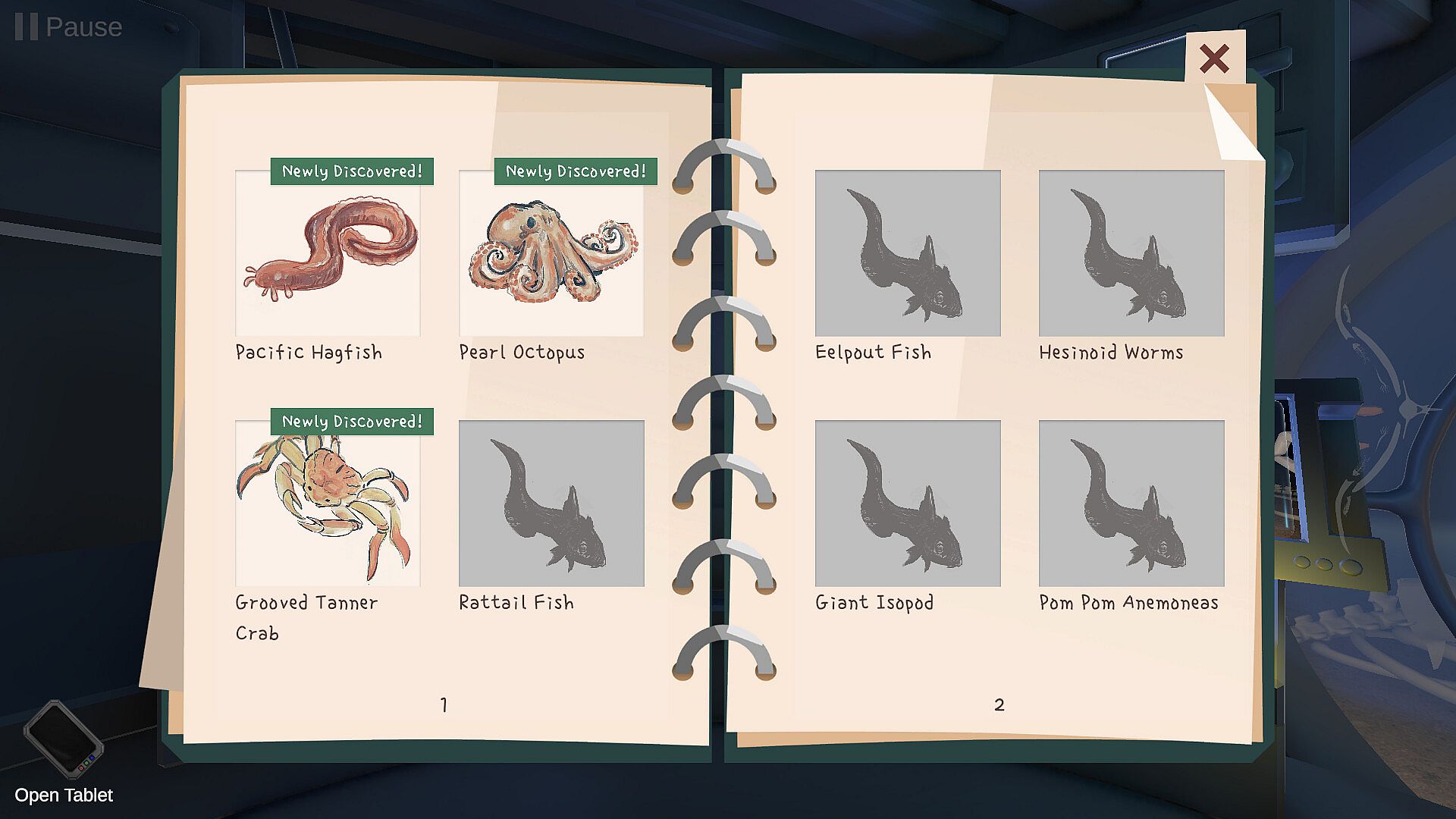
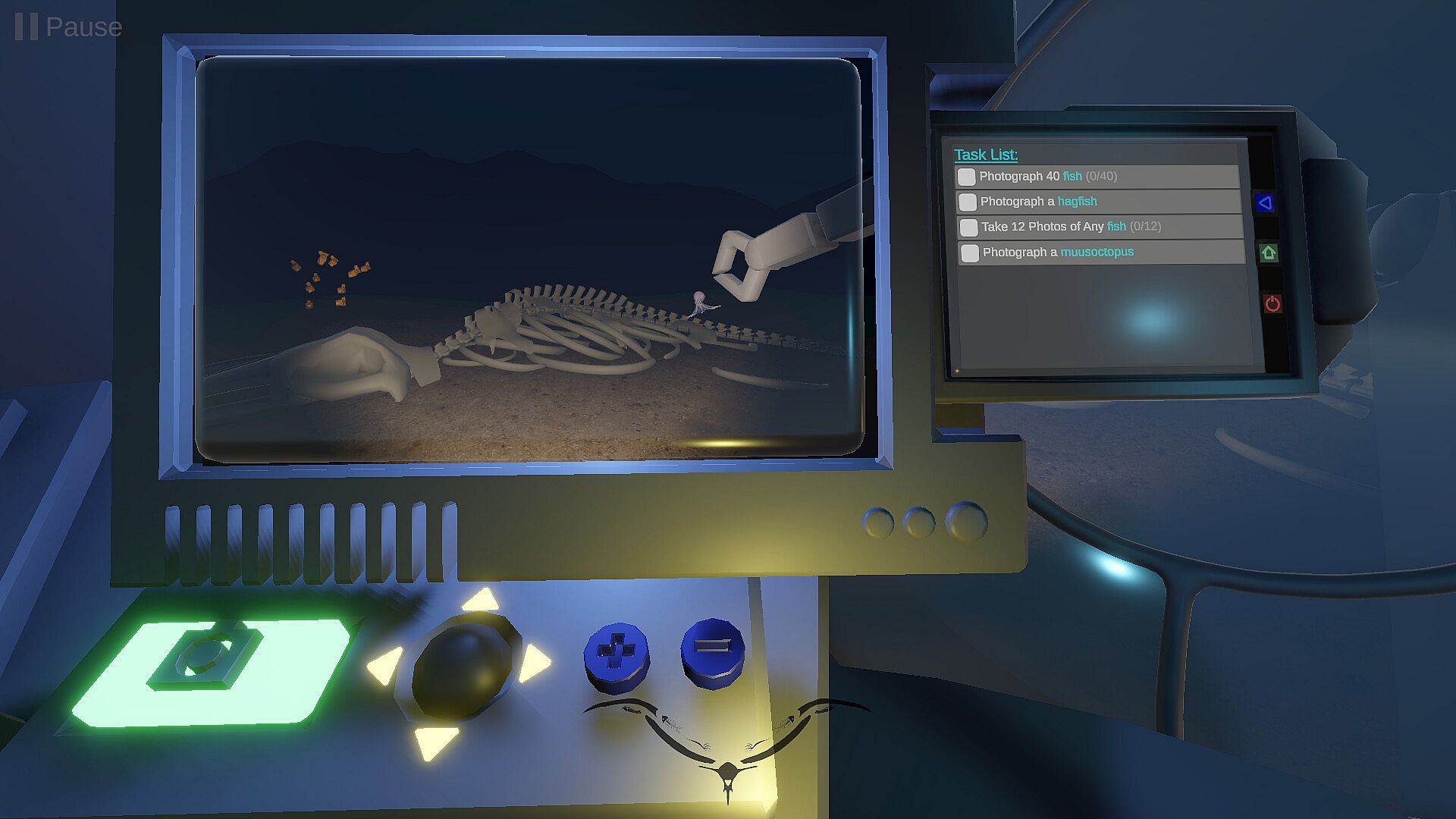
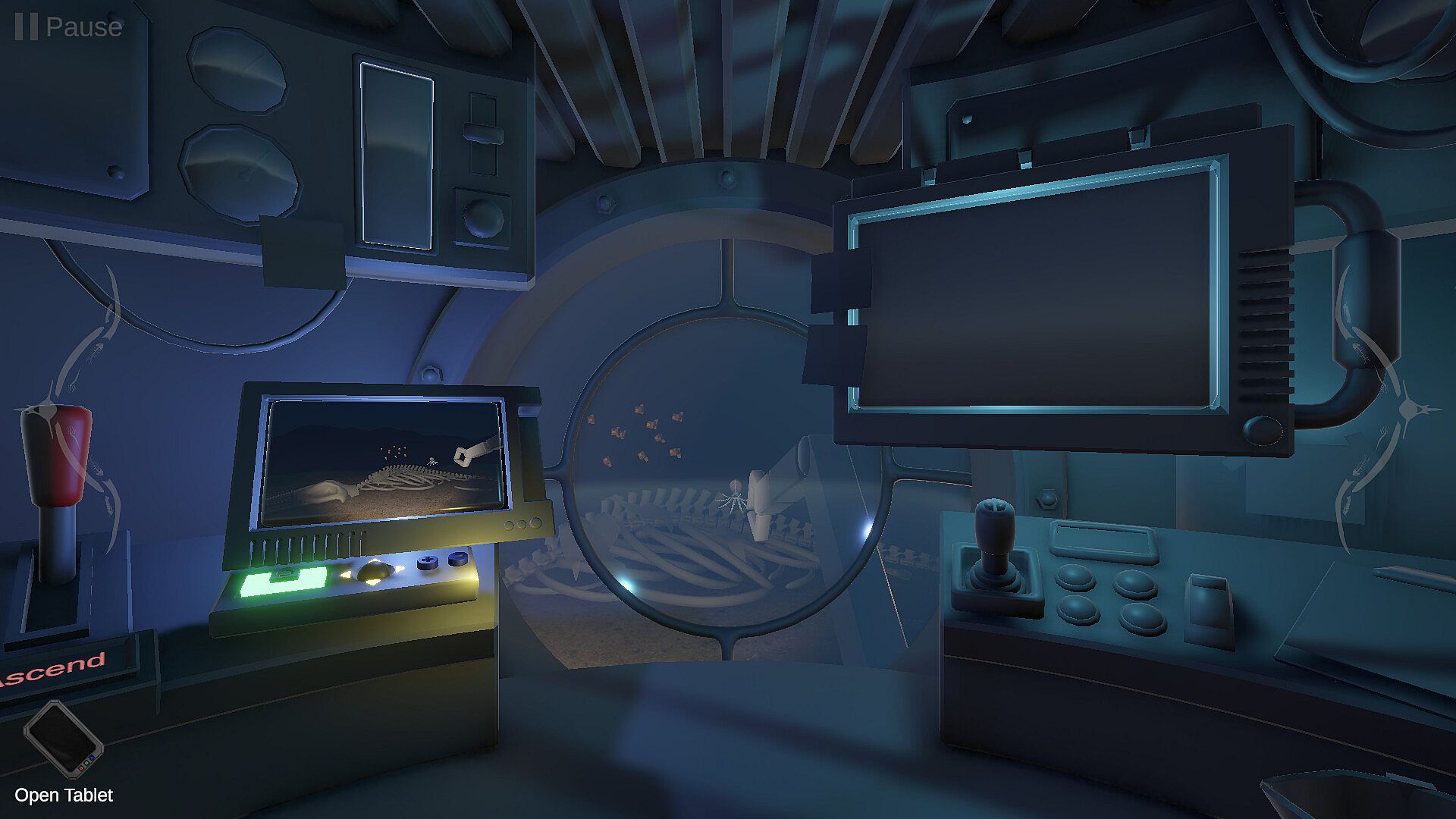
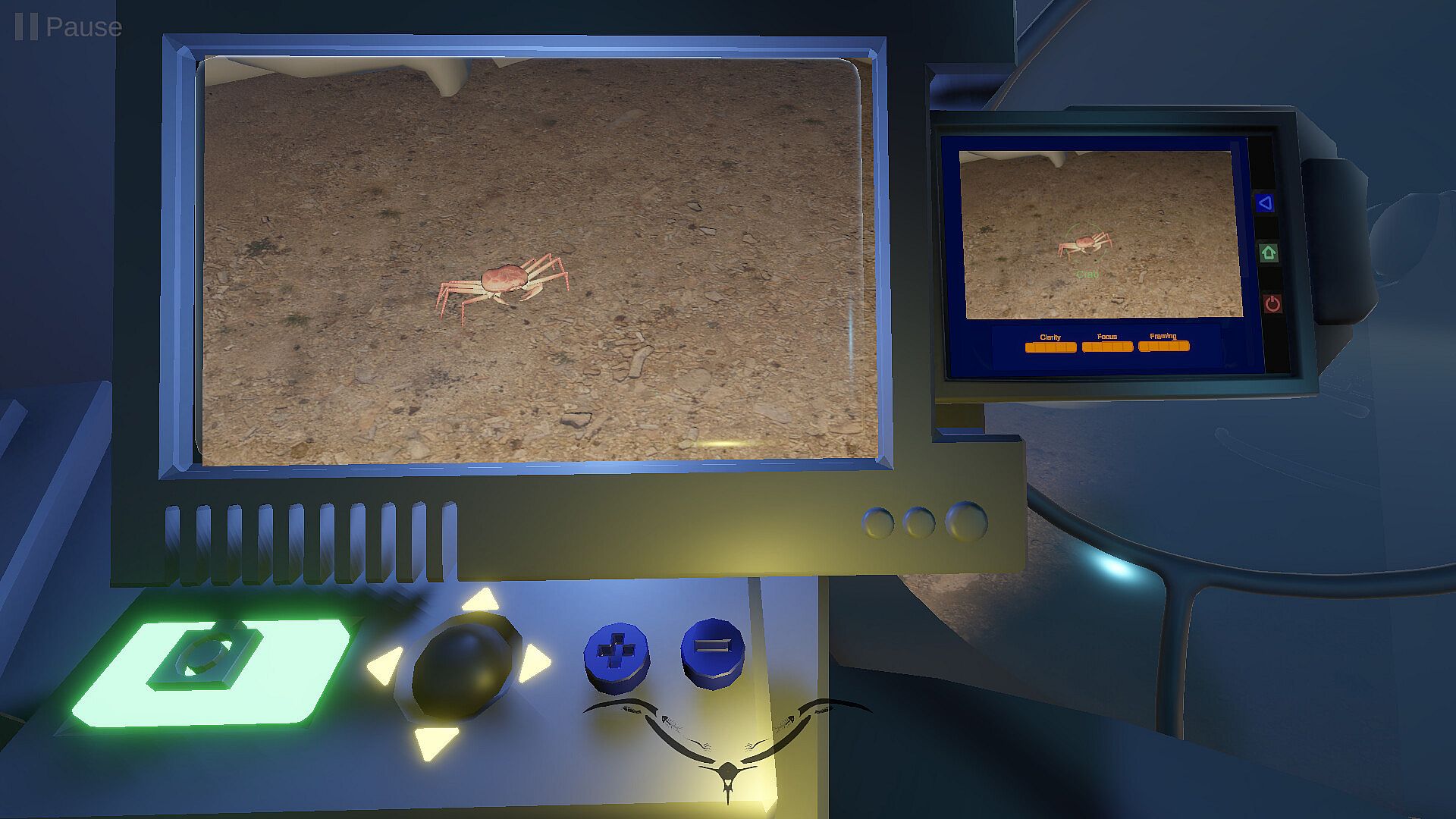
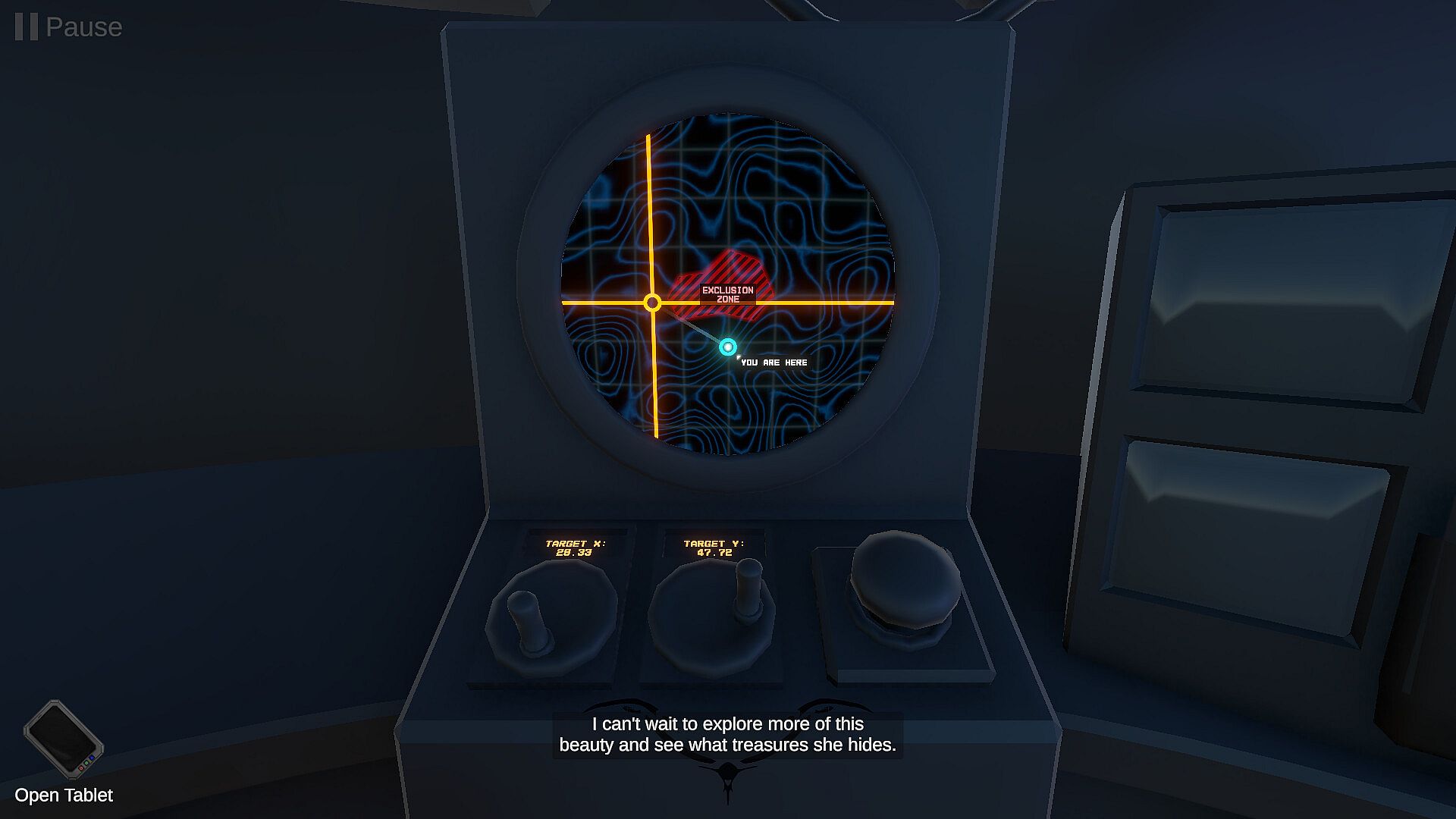
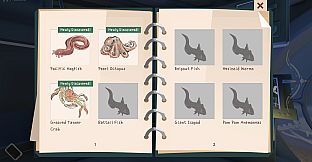
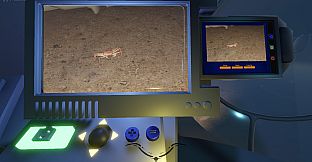
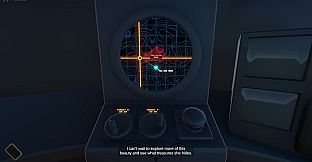
The core loop alternates between time spent inside the capsule and periods at a research desk. In the capsule, players interact directly with the whalefall environment by taking photographs of various species, gathering specimen samples, and collecting soil samples. Mechanical malfunctions require attention to maintain the capsule's systems and ensure survival amid the crushing pressures and darkness of the deep ocean. Movement relies on a combination of point-and-click actions and limited keyboard controls for navigation.
At the research desk, players examine notes, emails, and logs through point-and-click interactions with objects on the desk. These activities provide additional context about Chessa's background and the circumstances surrounding the mission. The desk serves as a quieter space for reflection before sleep, where new details about the unfolding situation gradually emerge.
Game Modes
Whalefall features two primary sections that form its gameplay structure rather than traditional competitive modes. The capsule section focuses on active fieldwork, including photography, sample collection, and handling equipment issues in the hostile underwater setting. The research desk section emphasizes exploration of personal items and documents to uncover narrative layers through point-and-click mechanics.
These sections cycle repeatedly, blending hands-on tasks in the capsule with reflective investigation at the desk. No multiplayer options exist, as the game is designed exclusively for single-player sessions using mouse and keyboard controls.
Story and Themes
The narrative draws on Lovecraftian elements, including the terror of the unknown, entities lurking in darkness, and the risk of descending into madness. Chessa contends with the sensation of being watched while documenting the alien life forms around the whalefall. The story balances the genuine wonder of scientific discovery with the isolation and psychological strain of the deep ocean environment.
Classic anxieties about the sea, such as its immense pressure, cold temperatures, and perpetual darkness, underpin the experience. Players piece together the plot through logs and notes that reveal more about the character and the experimental nature of the mission, highlighting both the drive for knowledge and its potential costs.
Controls and Accessibility
Controls center on mouse-driven point-and-click interactions for most tasks, supplemented by keyboard inputs for basic movement directions. This setup supports precise examination of specimens and desk items without complex action sequences. The single-player format allows focused engagement with the research tasks and story elements at an individual pace.
Is It Worth Playing?
Whalefall suits players interested in narrative-driven indie adventures that combine exploration, documentation tasks, and psychological tension. The alternating structure between fieldwork in the capsule and desk-based investigation creates a distinct rhythm focused on observation and discovery rather than combat or fast-paced action. Those drawn to atmospheric stories with ocean horror themes and point-and-click mechanics will find the core loop aligns closely with these preferences. The game remains available as a single-player title on PC with no additional modes or expansions confirmed at this time.