


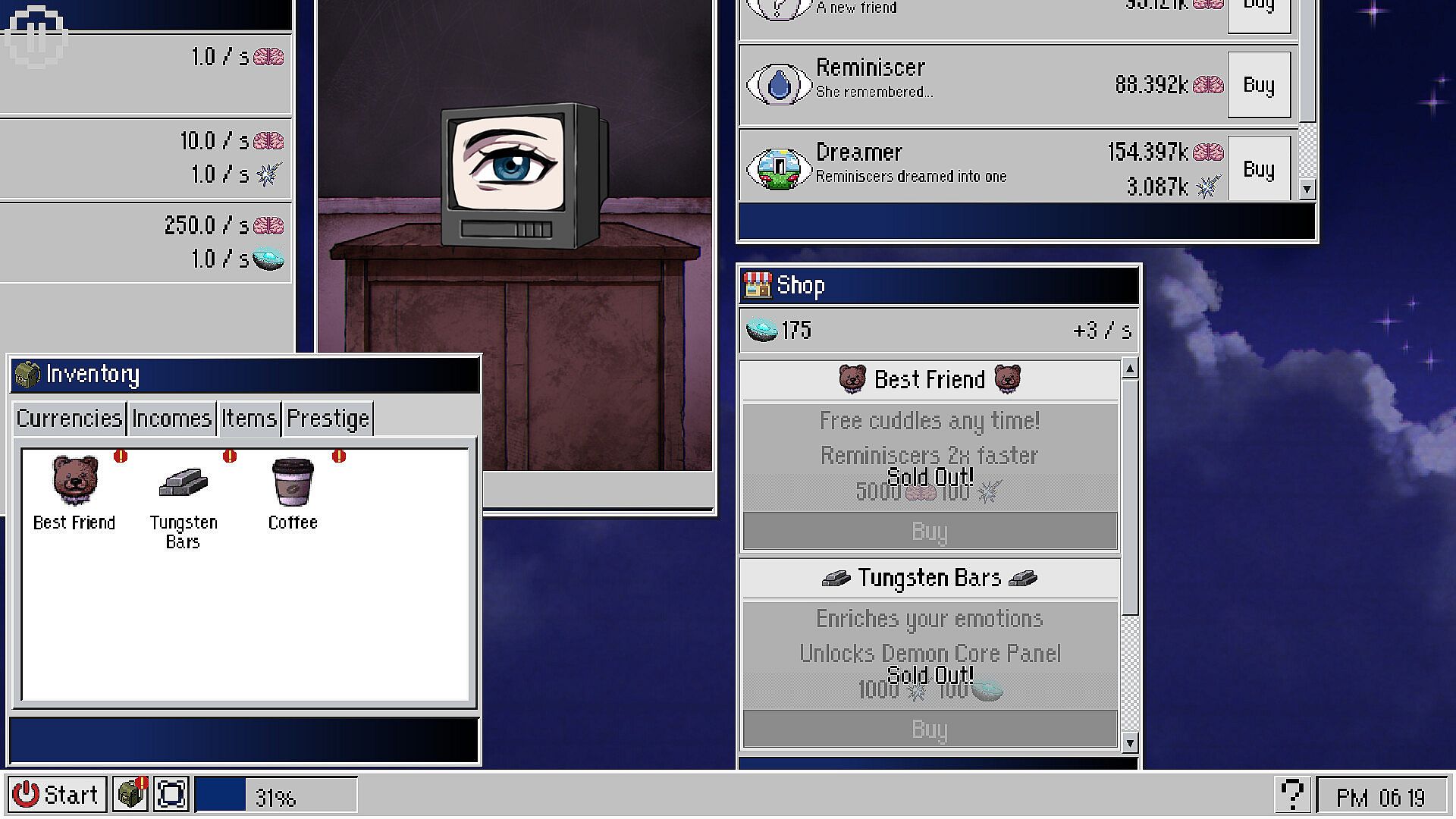
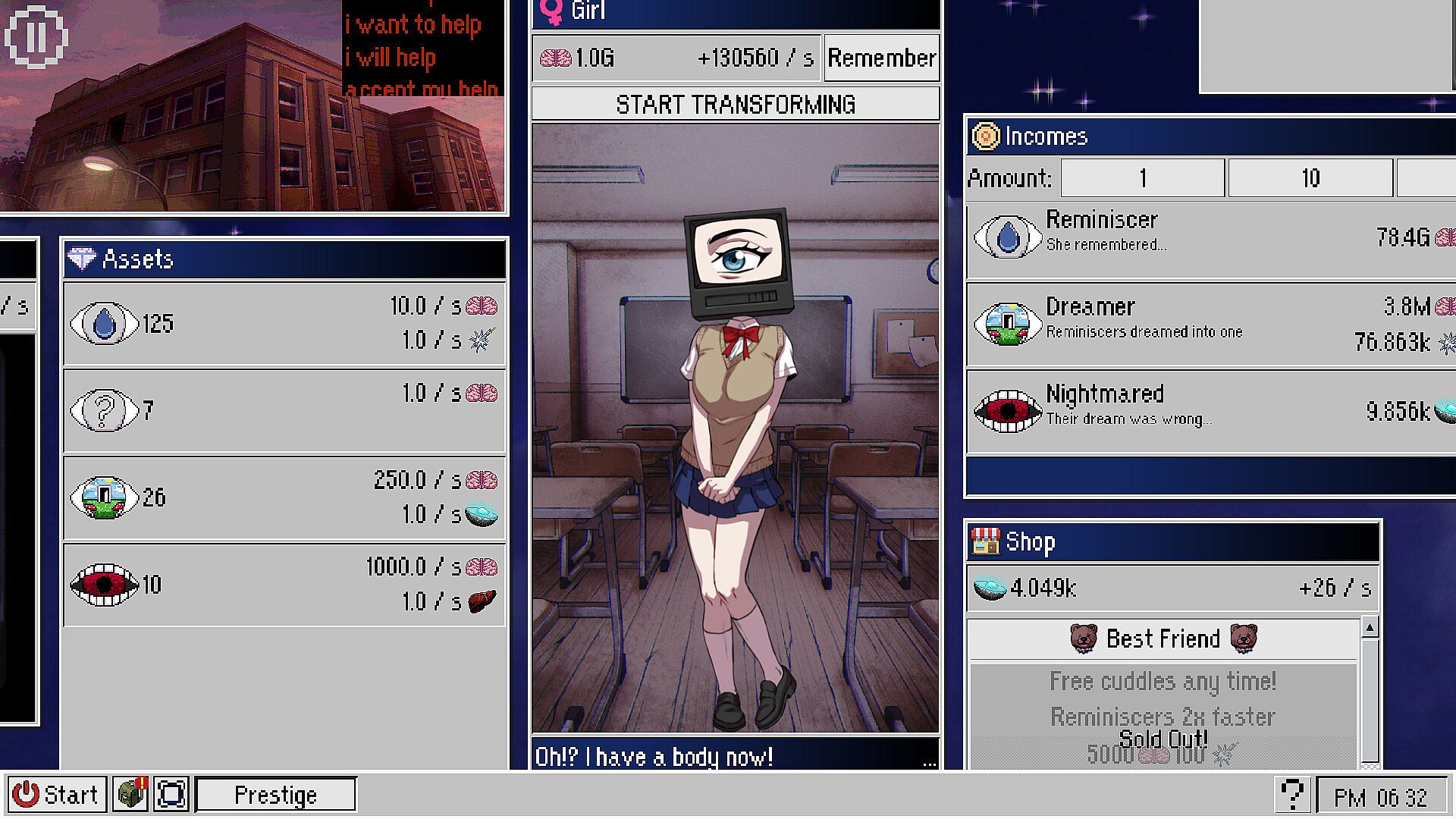
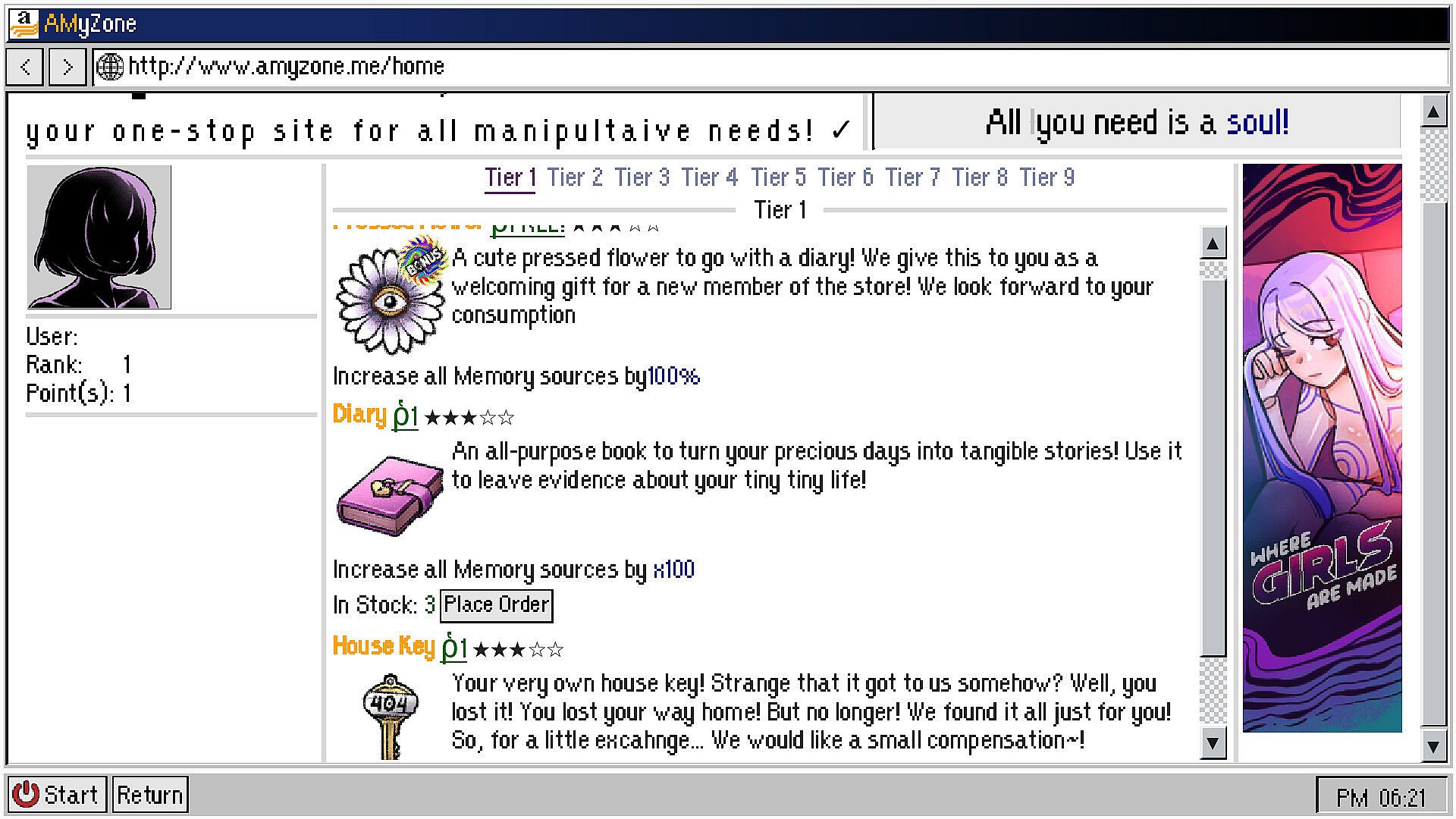
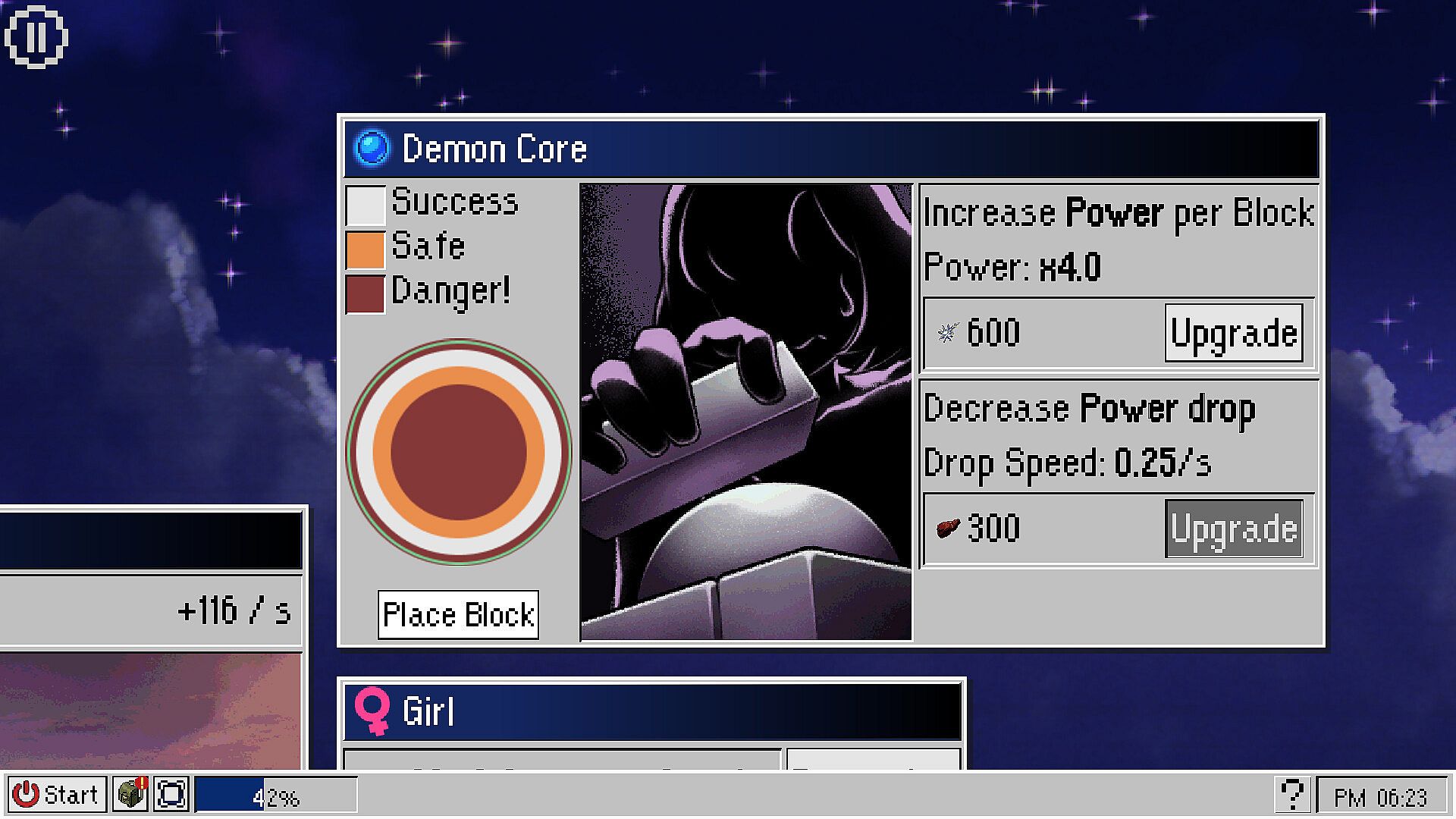
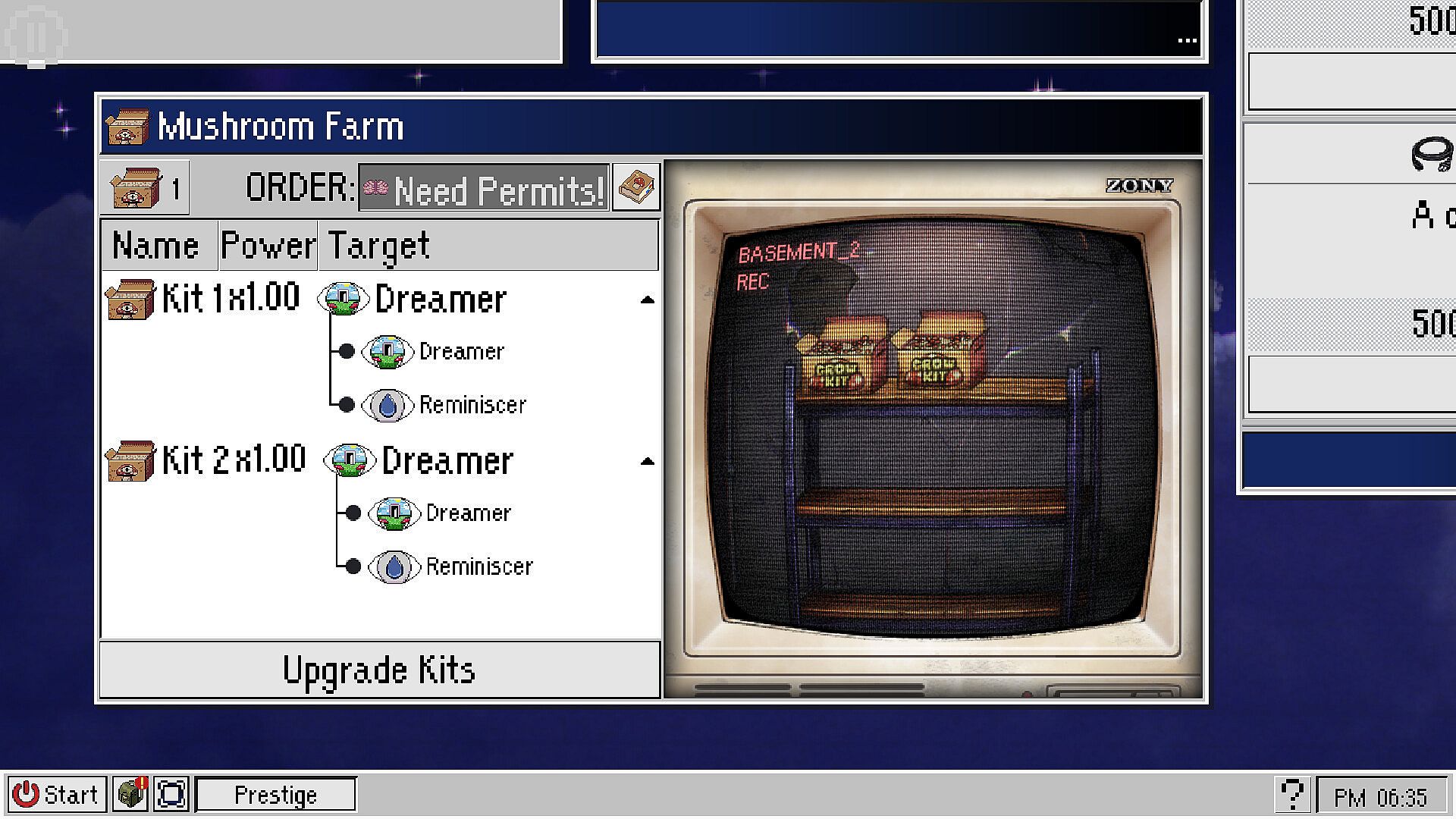
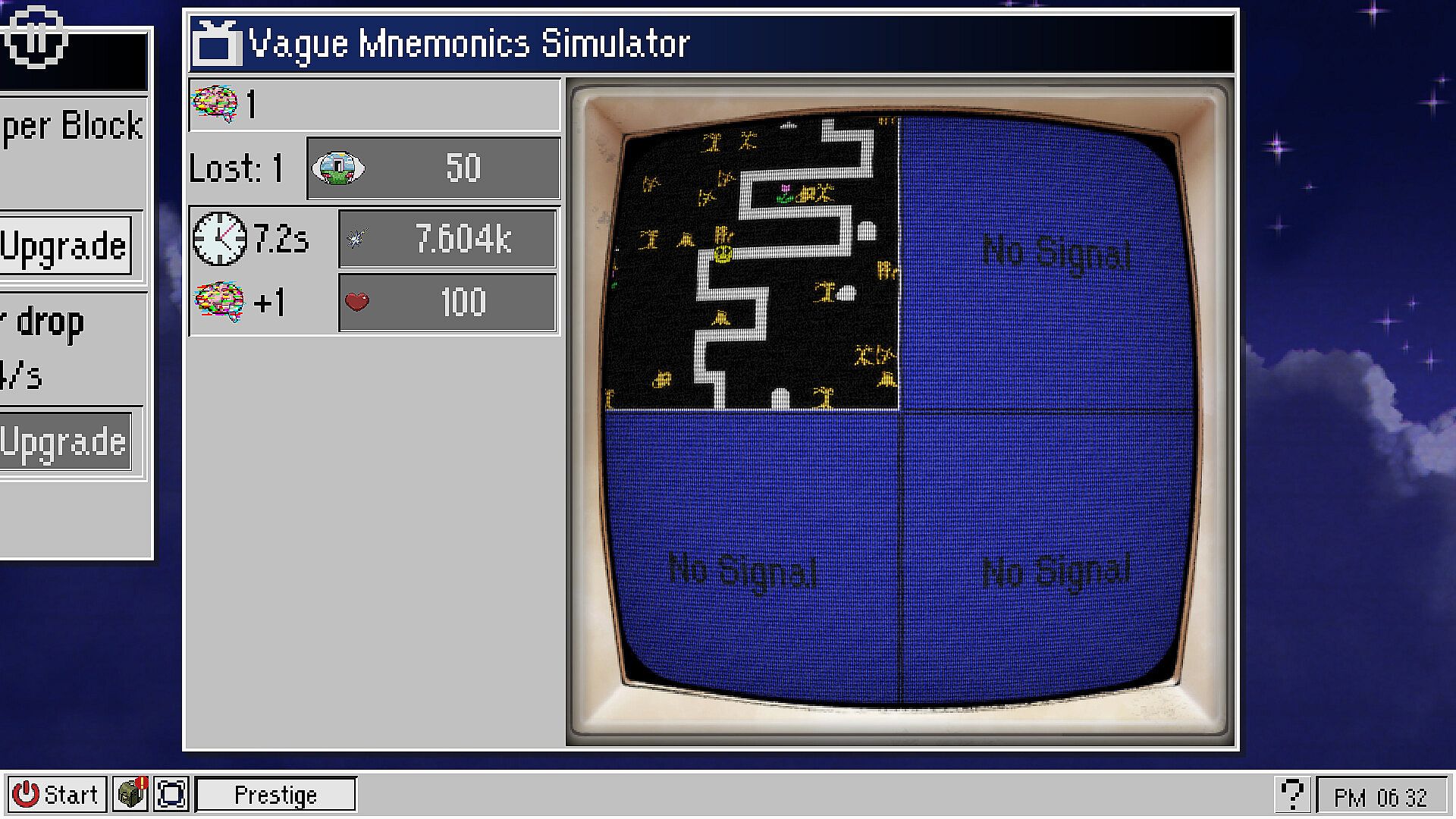
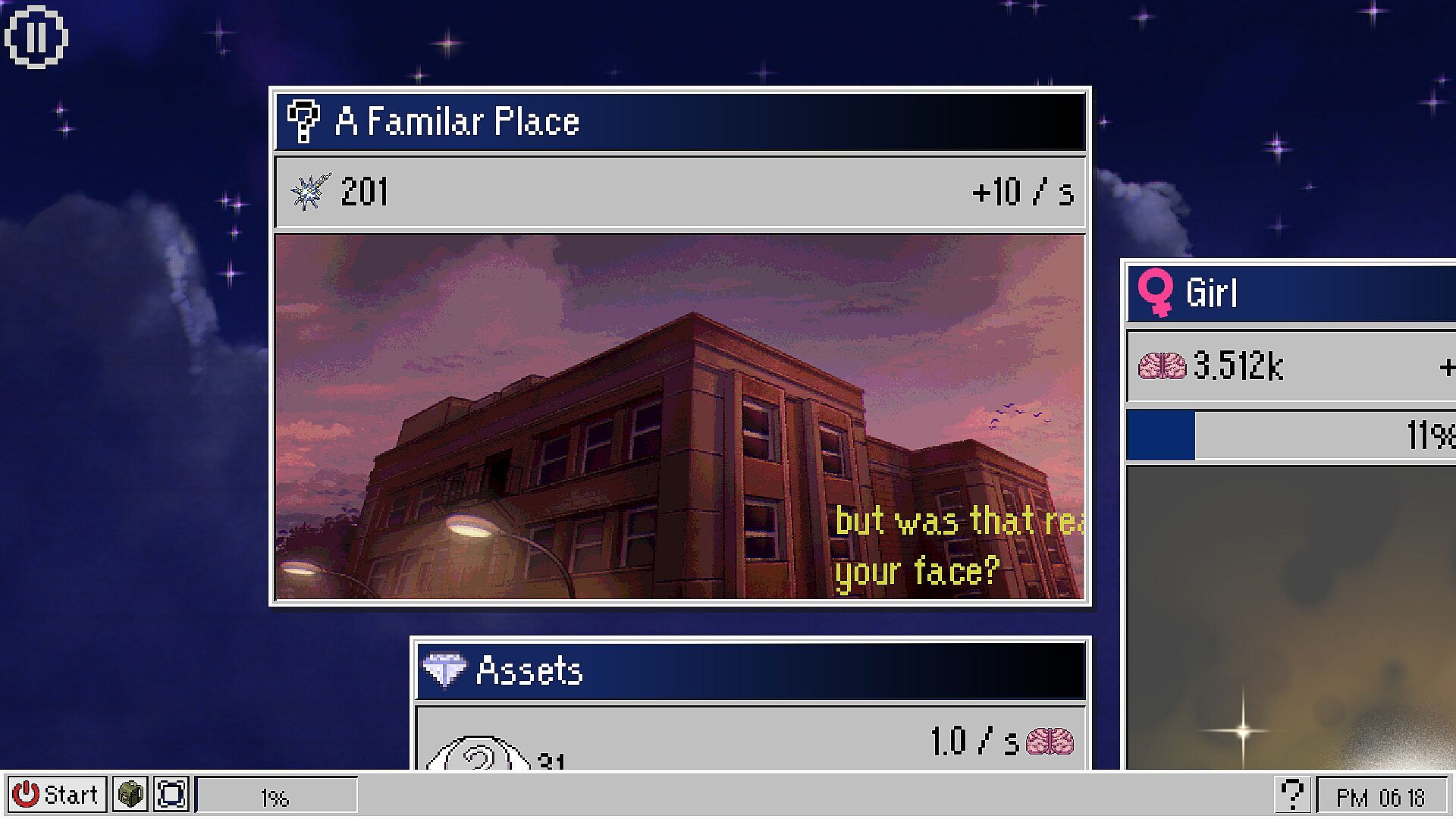
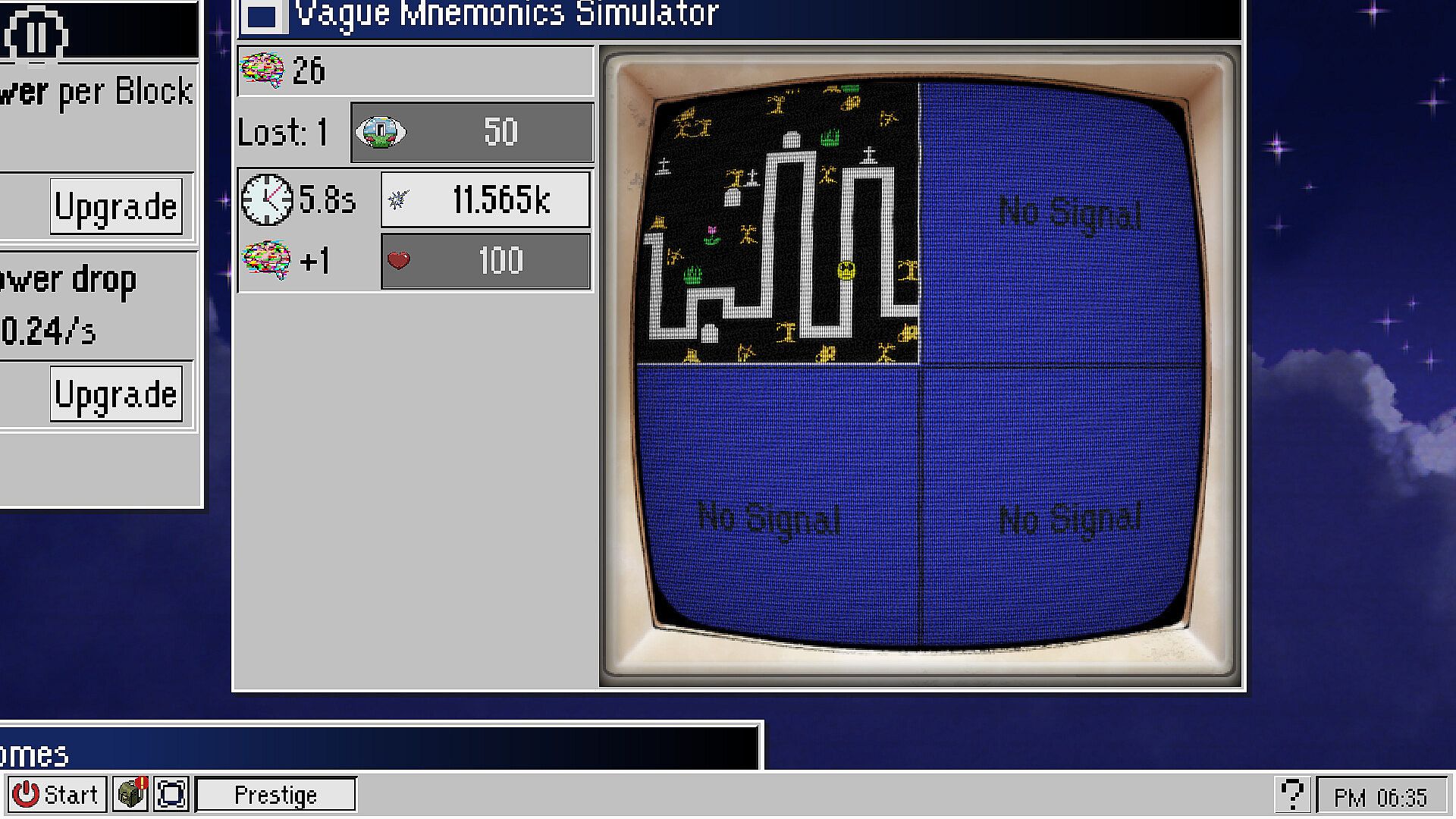
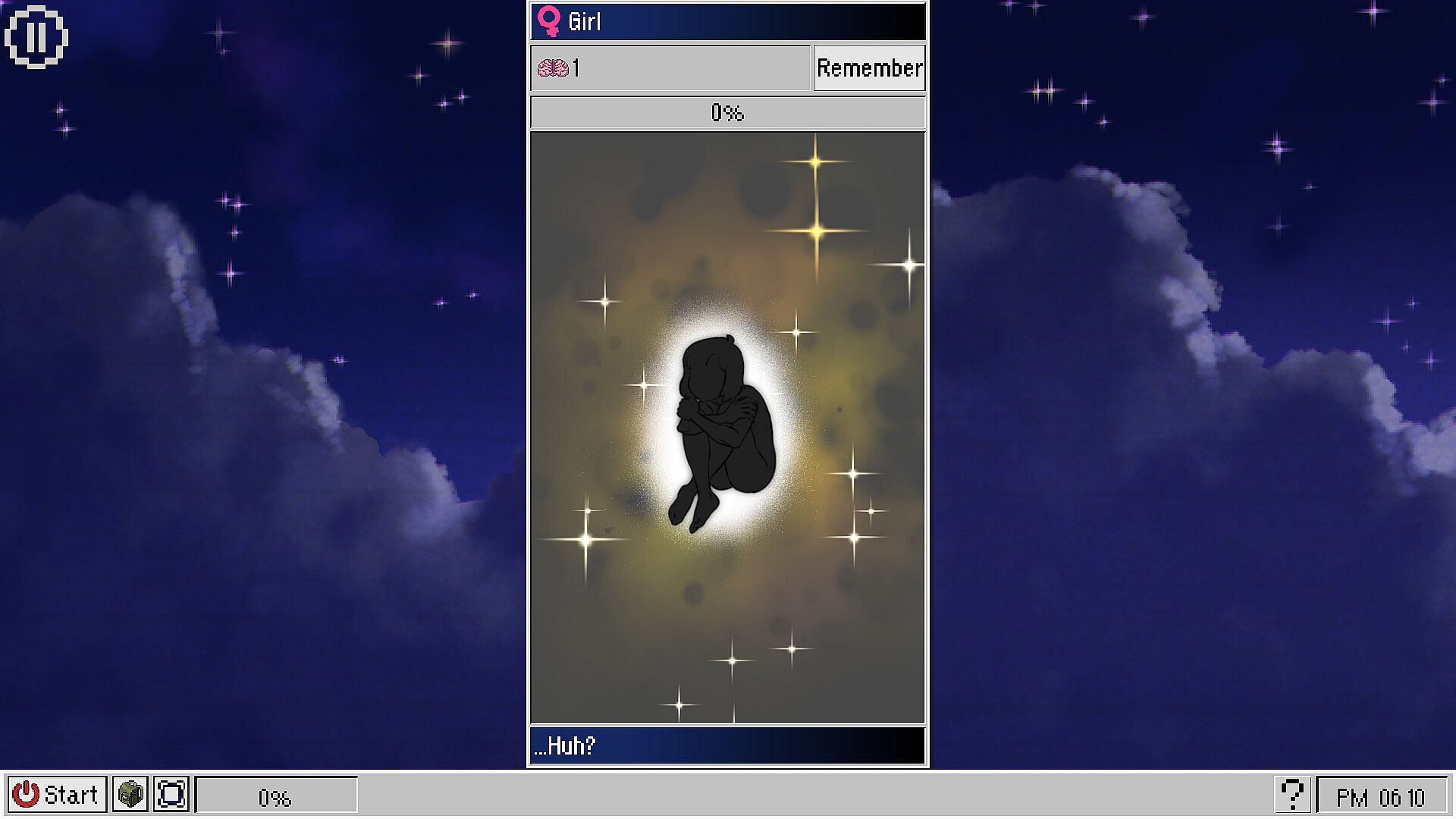
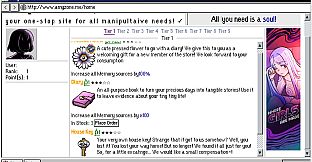
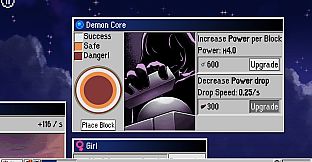
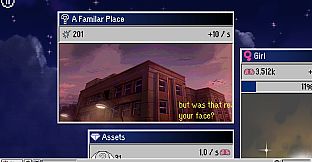

Weirdcore.EXE is a strategy indie game developed for PC that centers on idle resource management within a narrative of fragmented memory and psychological descent. Players control a girl navigating remnants of a forgotten life, using clicks to surface nostalgic elements that gradually shift into unsettling territory.
Gameplay
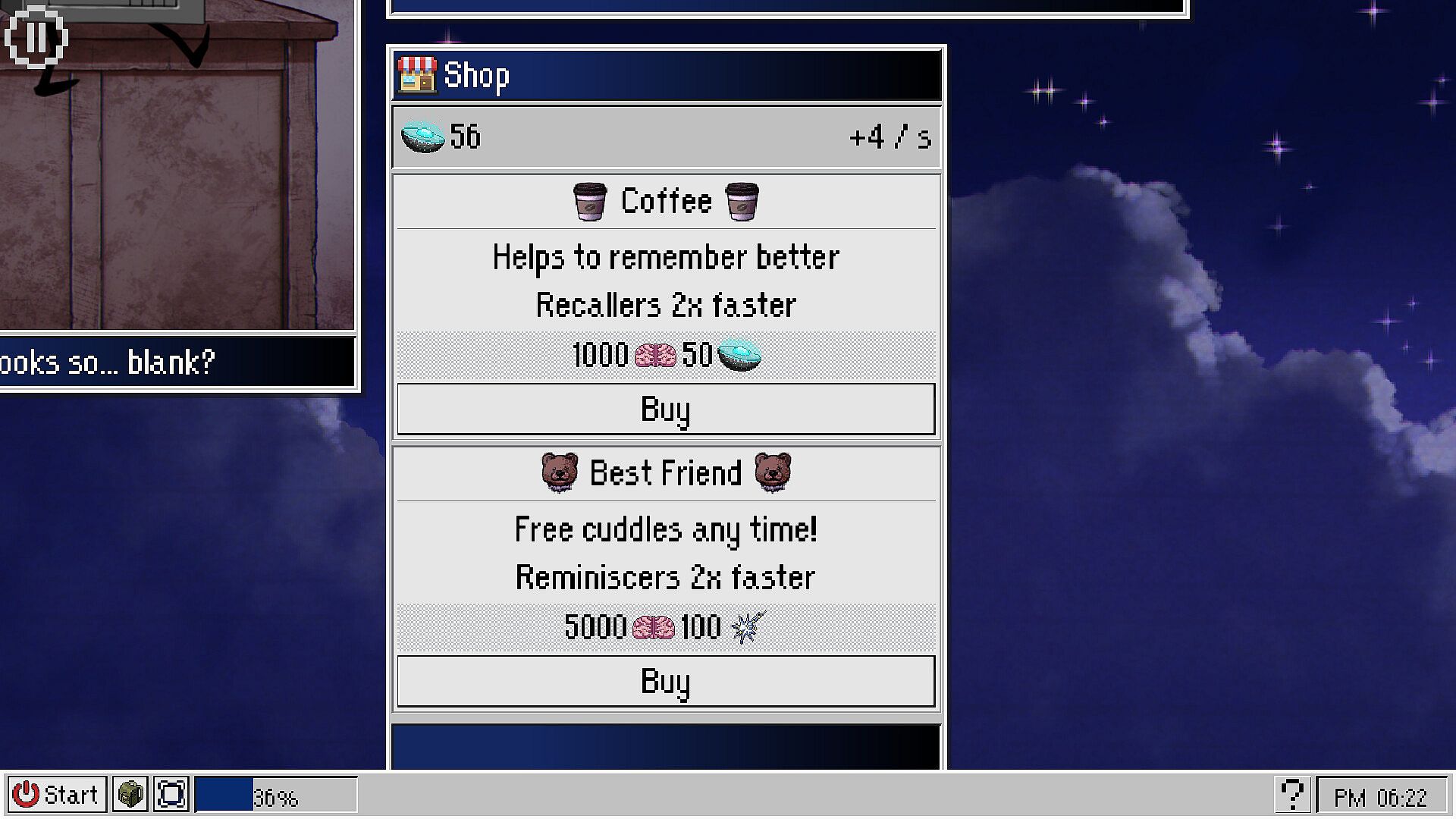
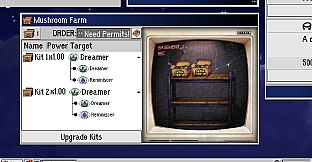
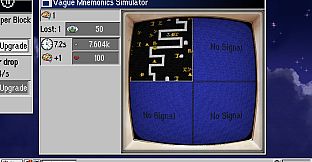
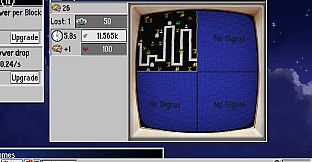
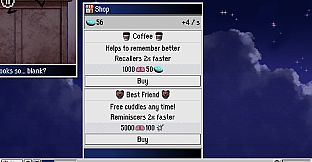
The core loop revolves around memory-driven idle mechanics. Clicks generate resources tied to thoughts, keepsakes, and dream logic, which players optimize through an escalating progression tree. Automation features allow sustained generation even during idle periods, while balancing positive recollections against intrusive nightmares that demand manual intervention to clear and maintain momentum.
Visuals draw from a weirdcore style, blending low-poly retro elements, VHS-style distortion, liminal environments, and digital glitches. This aesthetic supports the theme of drifting between faint childhood echoes and surreal, disorienting spaces. As play advances, the player's avatar undergoes visible changes across prestige cycles, evolving toward a final celestial form as a six-winged seraphim with a television monitor head and a single unblinking eye.
Game Modes
Progression follows a single-player structure focused on thought loops and resource cycles. Players alternate between building momentum through reminiscence and addressing interruptions from nightmares to sustain advancement. The system encourages repeated prestige runs to unlock further mutations and reach the described ascension endpoint.
Visual Style and Themes
The presentation emphasizes collage-like compositions of retro and distorted imagery that evoke both nostalgia and unease. Liminal backdrops and digital artifacts reinforce the sense of a mind unraveling, with mechanics that tie directly into this psychological framework rather than abstract scoring systems.
Is It Worth Playing?
Weirdcore.EXE suits players who enjoy idle strategy games with strong thematic integration. The combination of click-based optimization, automation trees, and narrative progression through memory fragments offers a focused experience for those interested in psychological and aesthetic-driven design. Without widespread player data or ongoing seasonal content confirmed, the game stands on its core systems of resource management and visual mutation cycles. Those drawn to surreal indie titles with idle elements will find the described mechanics align closely with that preference.