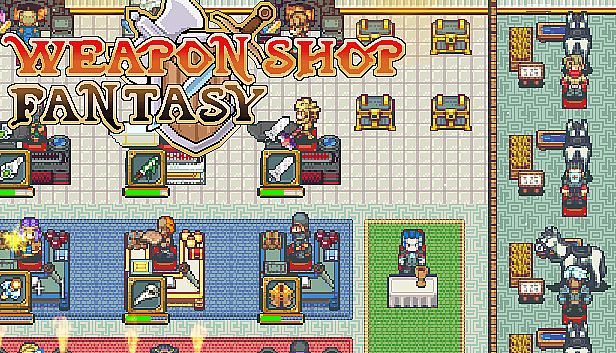











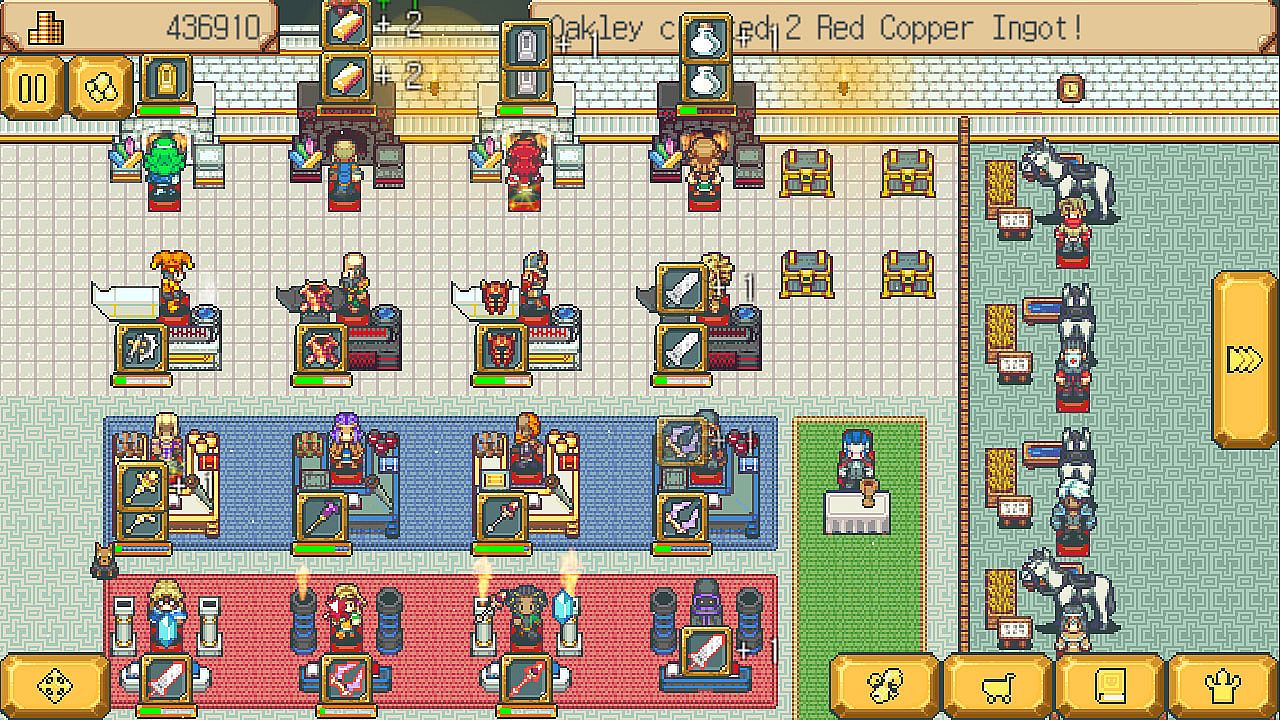
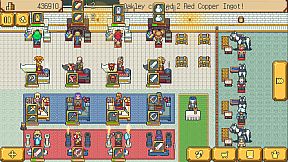
Weapon Shop Fantasy blends shop simulation with deep RPG mechanics on PC. Players manage a weapon shop while venturing into pixelated battles, gathering resources, and building powerful equipment through crafting and enchantment. The game mixes idle progression with active decision making, letting users handle daily shop operations alongside staff management and monster encounters.
Gameplay
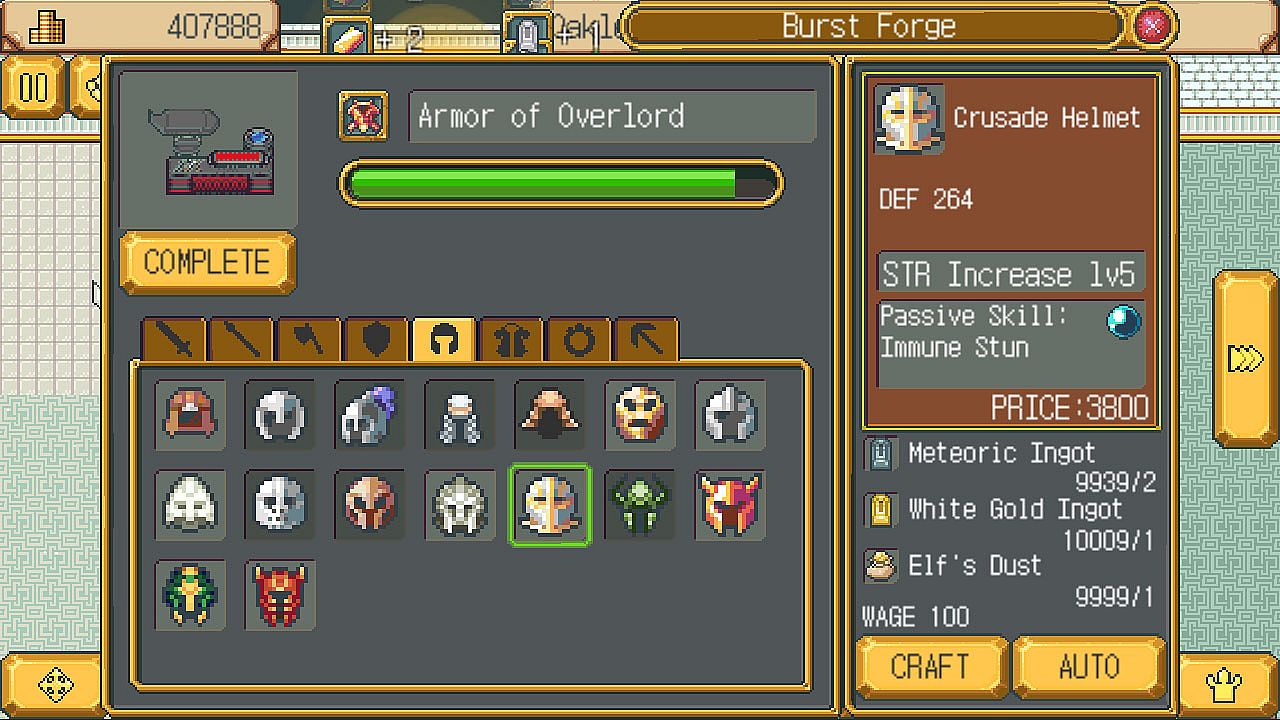
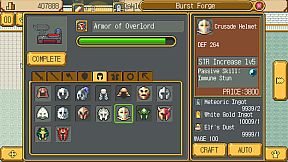
The core loop revolves around collecting materials from defeated enemies or staff expeditions, then using those resources to craft over 200 pieces of gear. Each crafted item carries unique attributes and skill bindings that influence combat effectiveness. Enchanting adds another layer, allowing further customization of equipment for increased power.
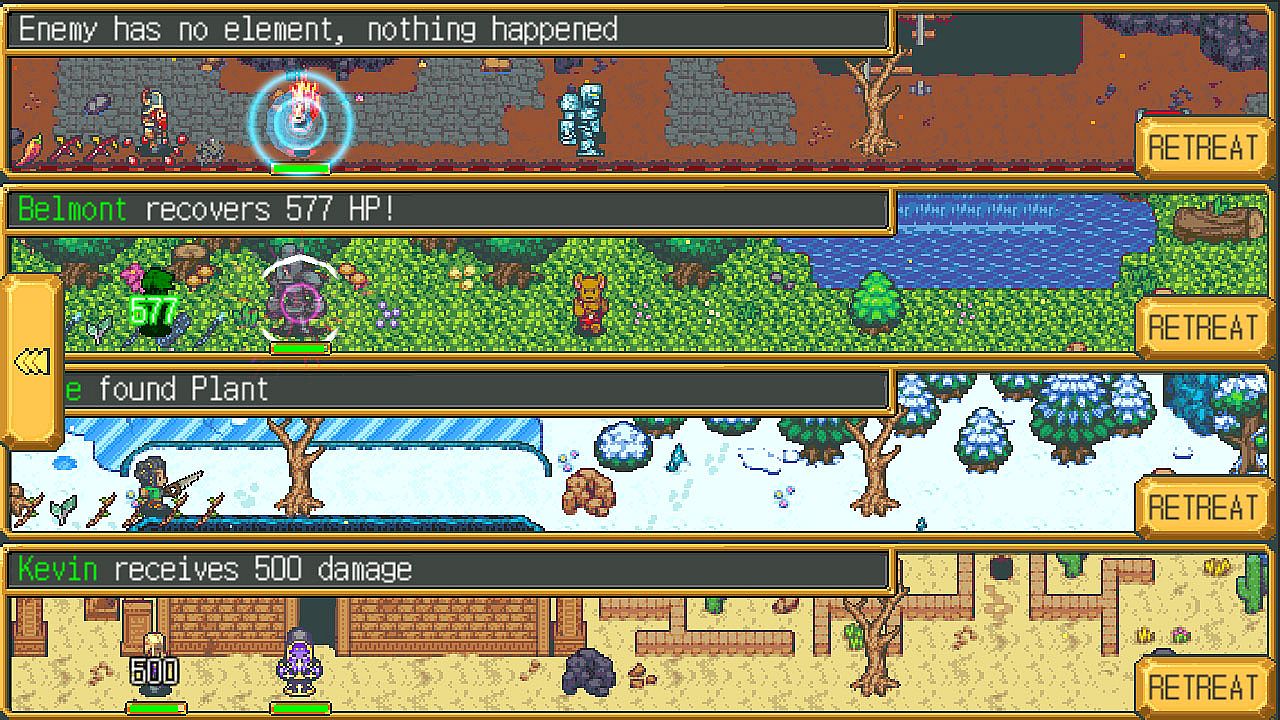
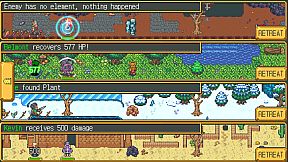
Staff training forms a central system. Players hire team members, assign them roles, and invest in their growth through a flexible progression tree that supports many skill combinations. Trained staff can be sent on auto-battles into dungeons, where they gather materials while players monitor health and decide when to retreat to preserve gains.
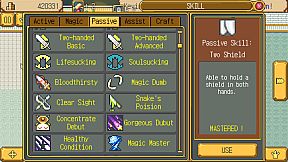
Combat involves pixelated foes and larger bosses. One distinctive mechanic requires luring bosses from hiding by offering food as bait. Over 70 monsters populate the encounters, supported by more than 100 missions that guide progression. Skill unlocks exceed 200 options, encouraging experimentation with combinations that suit different playstyles.
Luck plays a role during crafting, creating variability in outcomes. Dialogue between characters adds light humor throughout the experience, keeping the tone playful rather than serious.
Game Modes
Activity centers on three interconnected systems rather than separate named modes. Shop management focuses on inventory, sales, and equipment production. Adventure elements involve direct battles and material collection. Staff expeditions provide an idle layer where team members explore dungeons automatically, returning with resources that feed back into crafting.
Players shift emphasis based on preference. Some focus on optimizing staff skills and sending repeated expeditions for steady material flow. Others prioritize manual battles and boss luring to unlock rare components quickly. Crafting sessions tie everything together, with enchanting serving as a refinement step for high-value items.
Mission completion offers structured goals that reward consistent engagement across all systems. The absence of strict separation between activities encourages fluid movement between shop work, training, and combat as needs arise.
Key Mechanics and Progression
Material management drives long-term growth. Players decide whether to fight monsters directly or rely on staff runs, weighing risks against rewards. Health tracking during expeditions adds tension, as retreating early still secures partial gains.
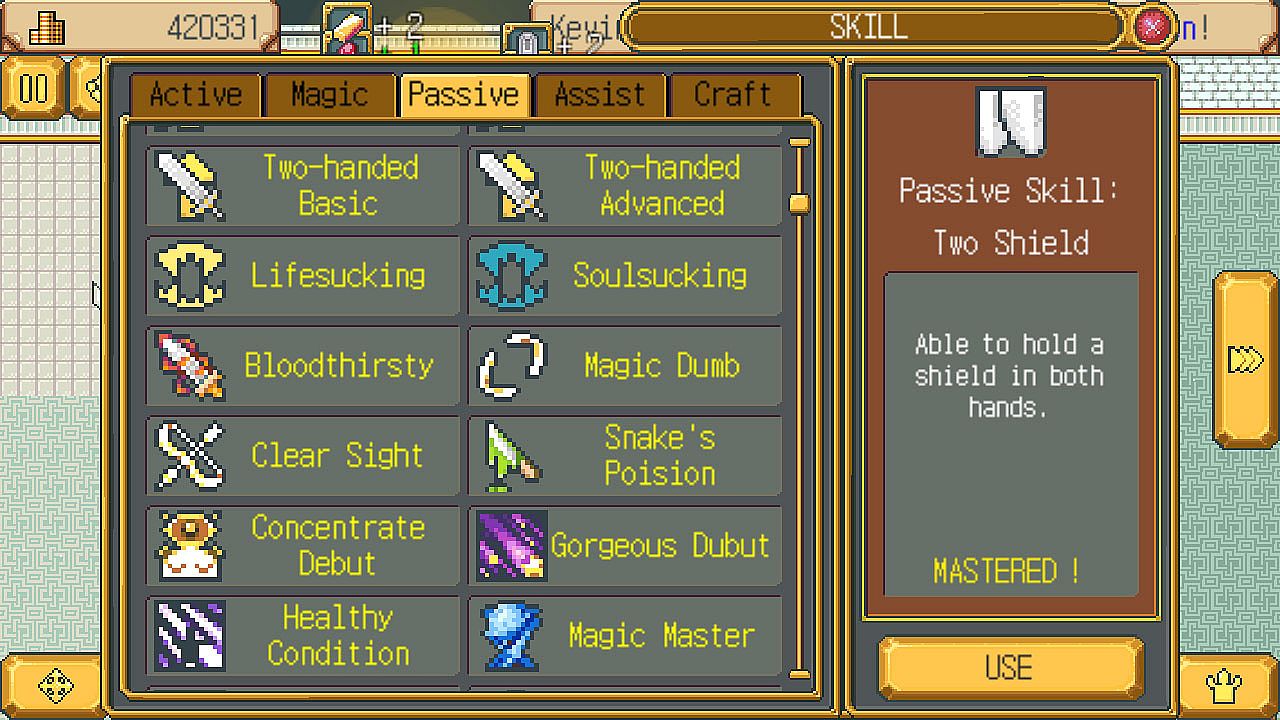
Skill and equipment synergy rewards planning. With hundreds of skills and gear pieces available, combinations can be tailored for specific challenges or efficient farming. The training system supports ongoing investment, allowing gradual power increases without hard caps.
Boss encounters introduce variety through the food-luring requirement, turning preparation into a tactical choice. Overall progression feels paced, with new options unlocking steadily as the shop expands and staff improve.
Is It Worth Playing?
Weapon Shop Fantasy suits players who enjoy shop simulators layered with RPG depth and light idle elements. The blend of crafting, staff development, and combat creates a satisfying loop for those who like managing resources and experimenting with builds.
Reception remains mostly positive years after release, with feedback highlighting the simple yet engaging gameplay and retro pixel style. The feature set feels substantial for the price, offering plenty of systems to explore without overwhelming complexity.
Anyone drawn to indie titles that mix management with adventure elements will likely find value here. The game rewards steady play through material accumulation and staff growth, making it a solid choice for relaxed sessions focused on incremental improvement rather than high-stakes action.