


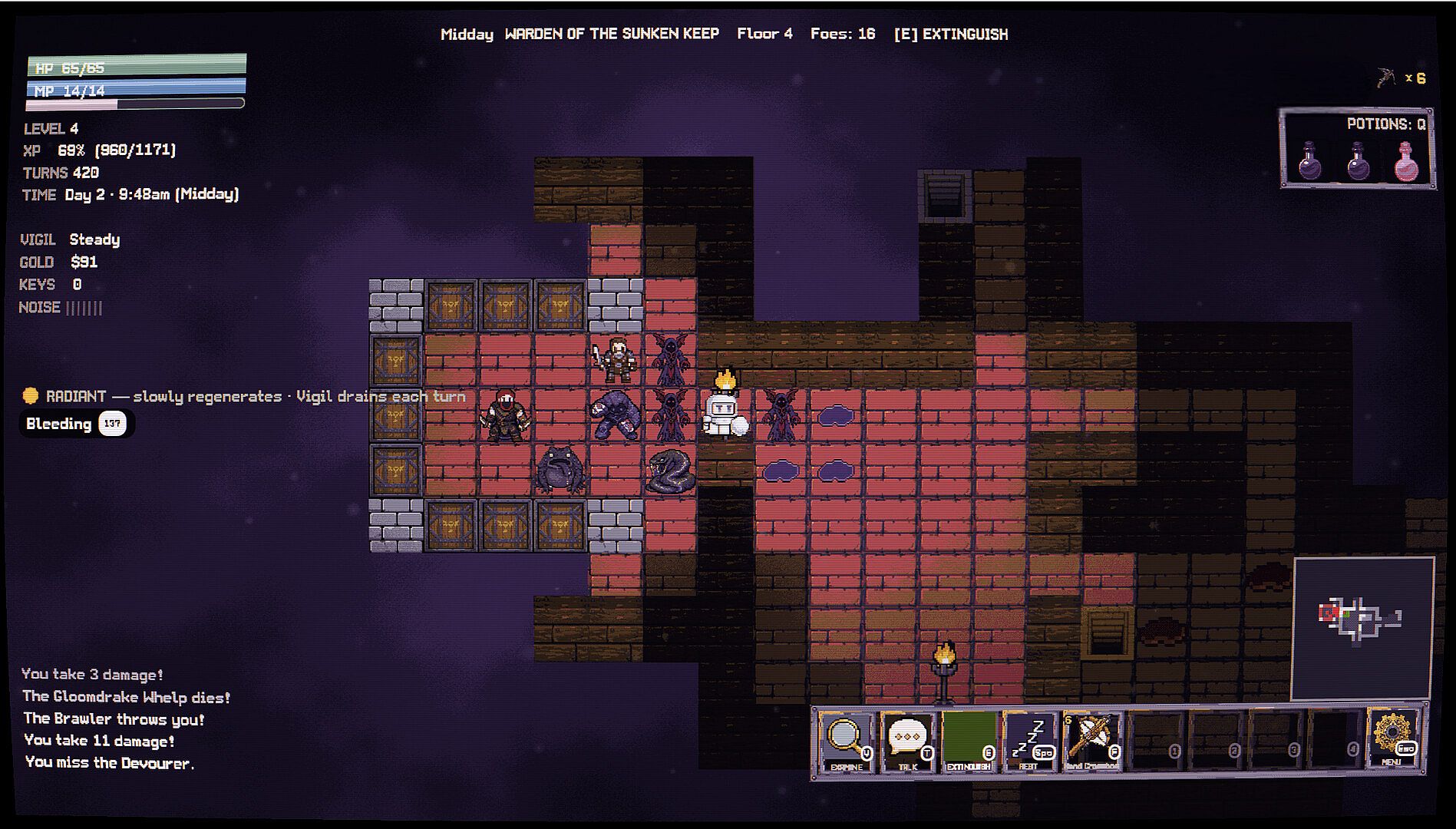
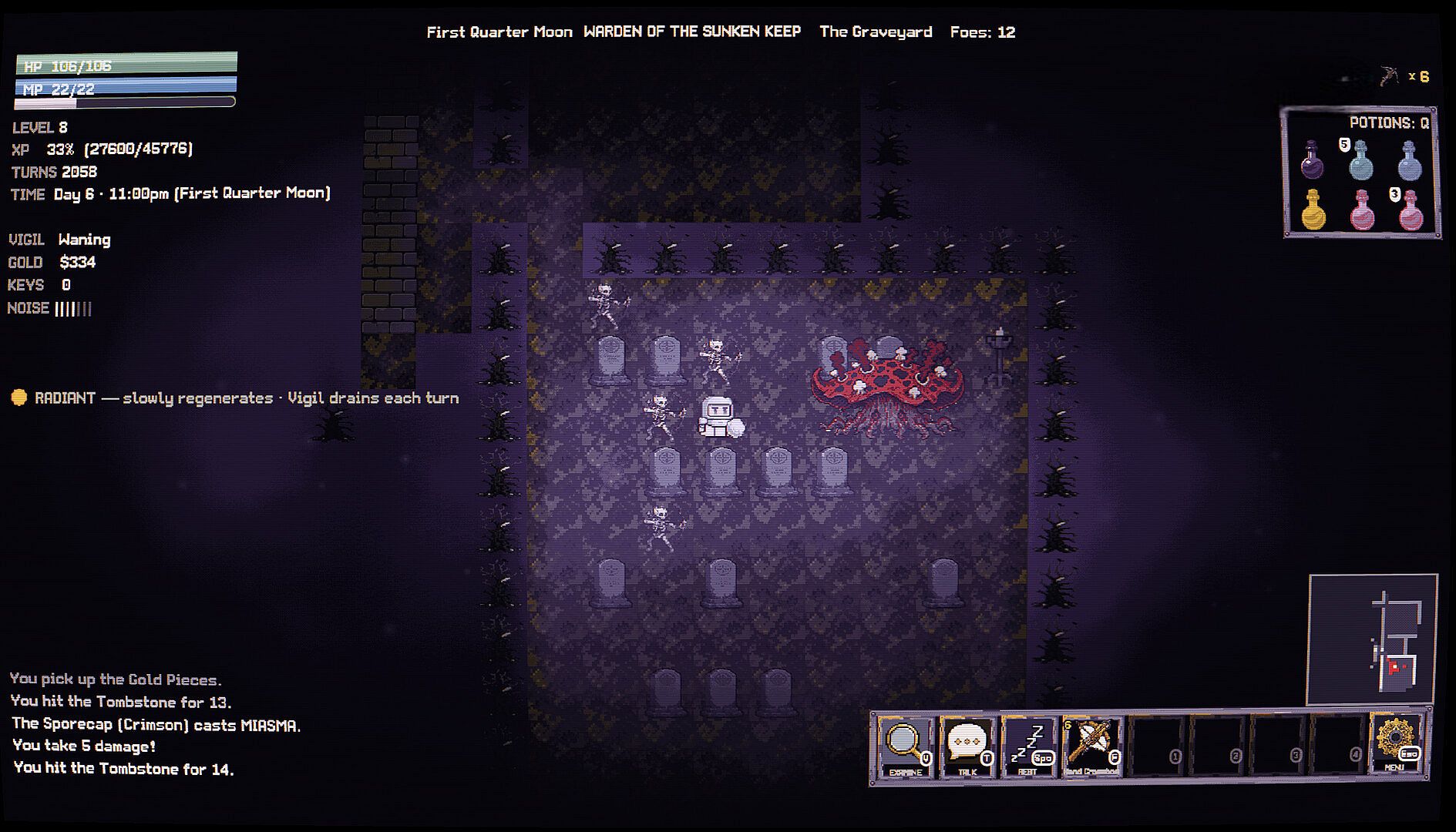
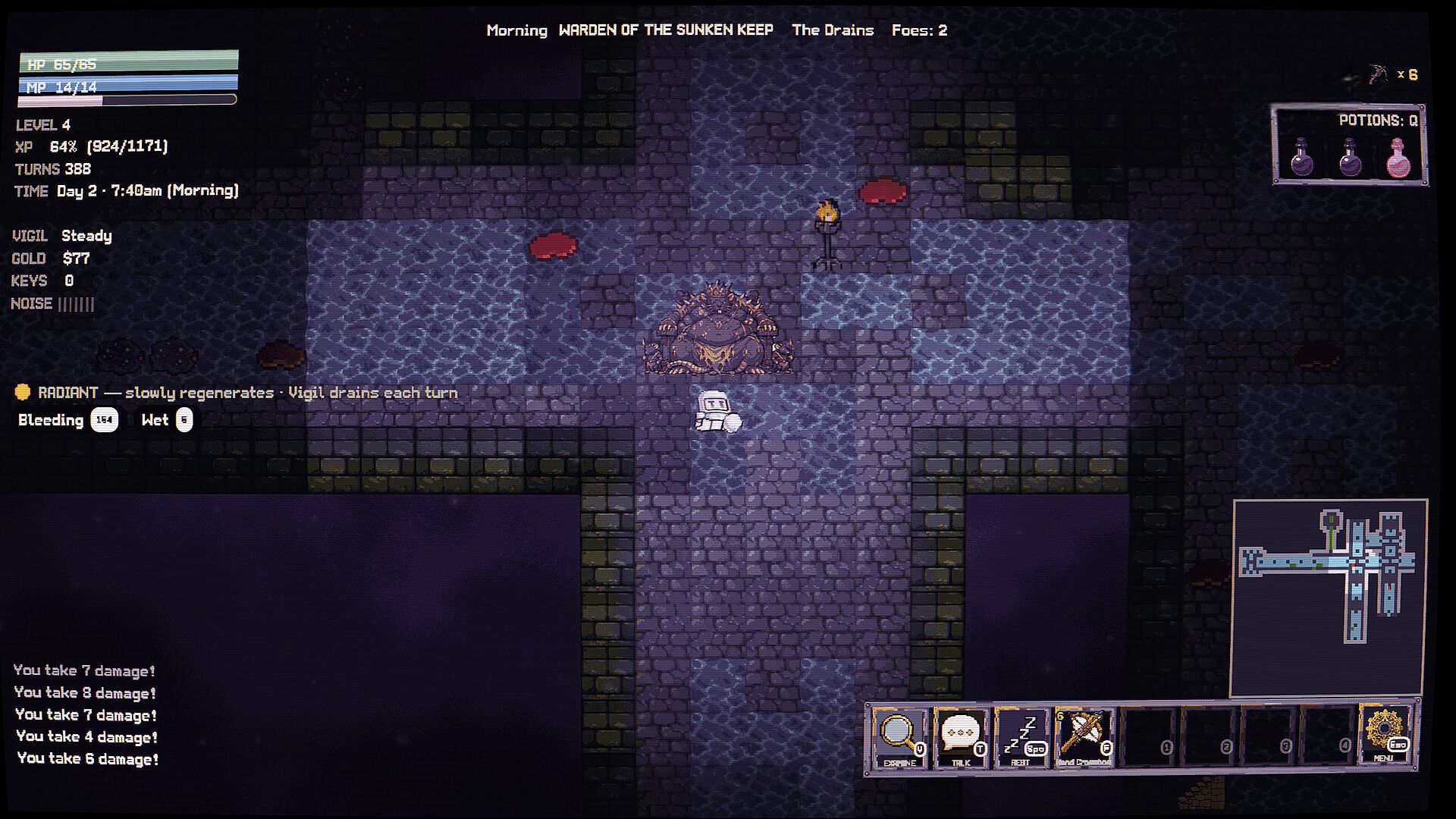
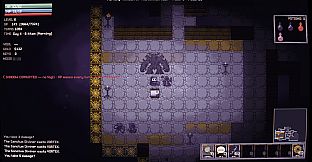
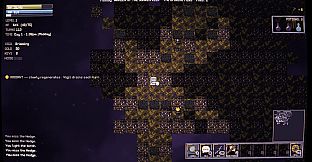
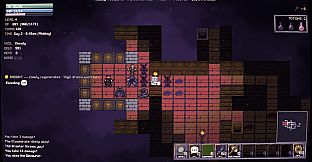
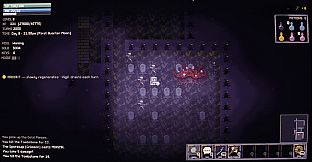
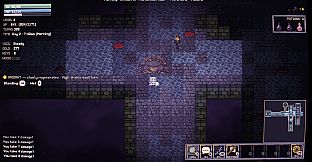
Warden of the Sunken Keep is a turn-based strategy indie RPG adventure for PC that places players in the role of a Warden descending into a fortress overtaken by demonic miasma. The core premise revolves around racing personal corruption while navigating deeper levels of Aldermere Keep, where every decision affects both survival and the gradual loss of humanity. This setup creates a focused experience built around resource scarcity, tactical positioning, and the constant pressure of an advancing corruption meter.
Gameplay
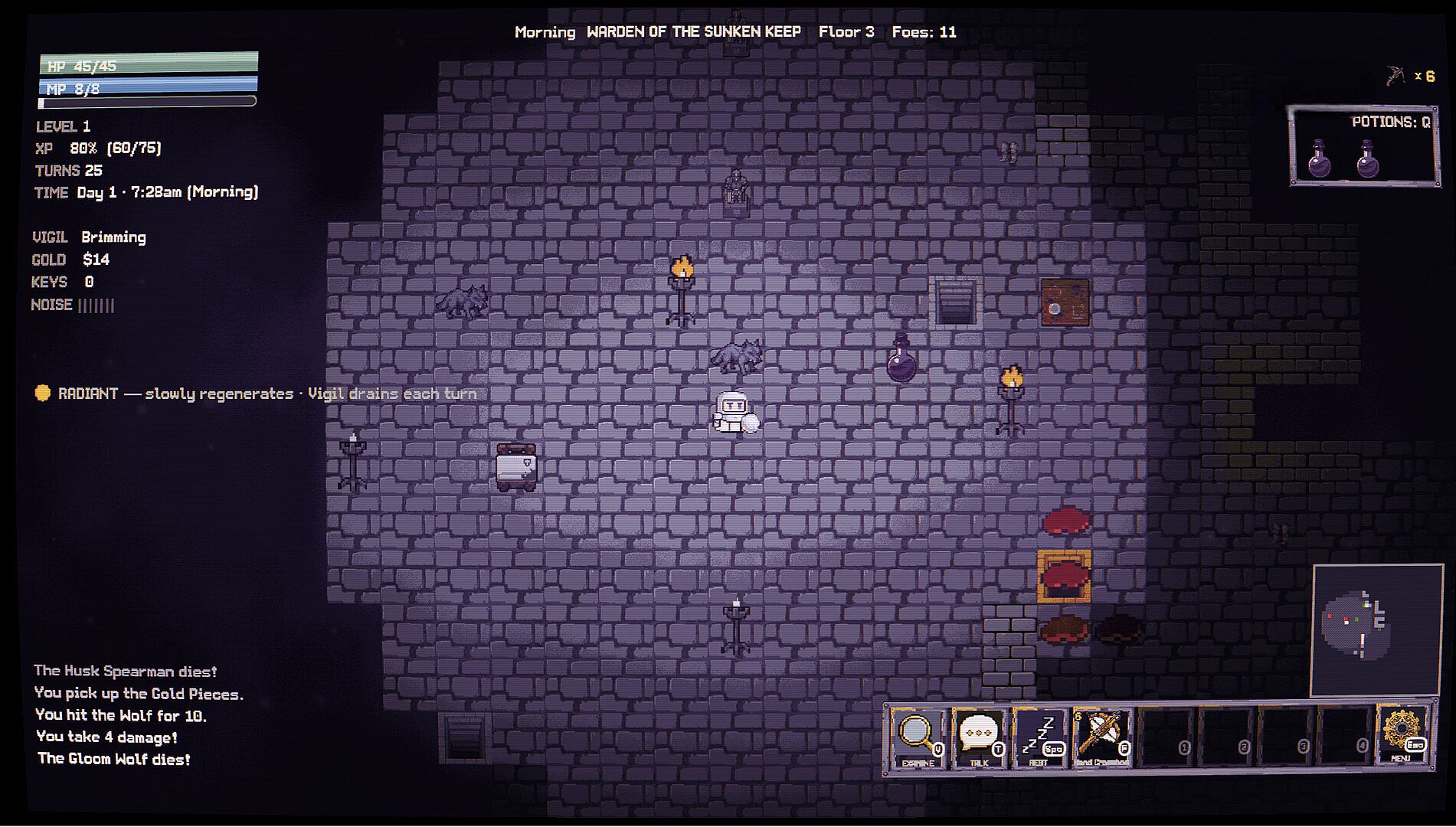
The central loop combines turn-based tactics with a visible corruption system that advances with each action taken. Players manage a meter that fills over time, representing the miasma's erosion of sanity and identity. Purifying draughts offer temporary relief but remain limited in supply, forcing careful pacing between exploration and progress toward the source of the corruption.
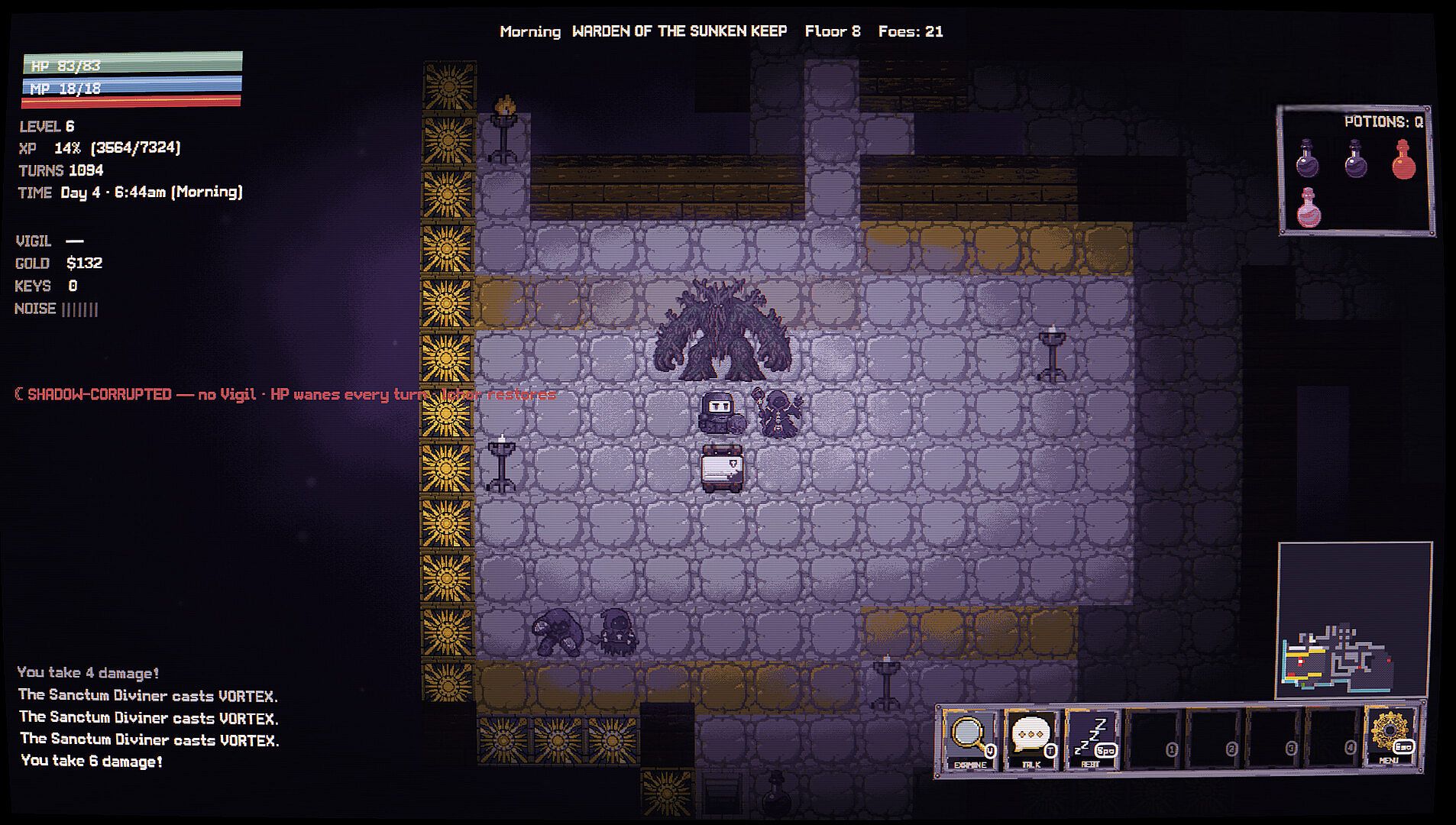
Light and darkness function as active mechanics rather than background elements. Players can douse torches to move unseen or ignite areas to damage foes, yet the same light sources become threats once corruption advances. The Turning represents a transitional state where the Warden retains awareness but loses access to original holy skills while gaining monstrous abilities such as feeding on fallen enemies and increased physical strength. Sunlight and bright wards turn into hazards that burn the half-corrupted body.
Permadeath ensures each run ends definitively upon full corruption or death, though repeated attempts reveal more of the fortress layout and item interactions. Unidentified potions, hidden paths, and cursed relics introduce risk-reward choices at every turn. The system emphasizes short, repeatable sessions over extended campaigns, with auto-pickup and streamlined controls reducing downtime between decisions.
Game Modes
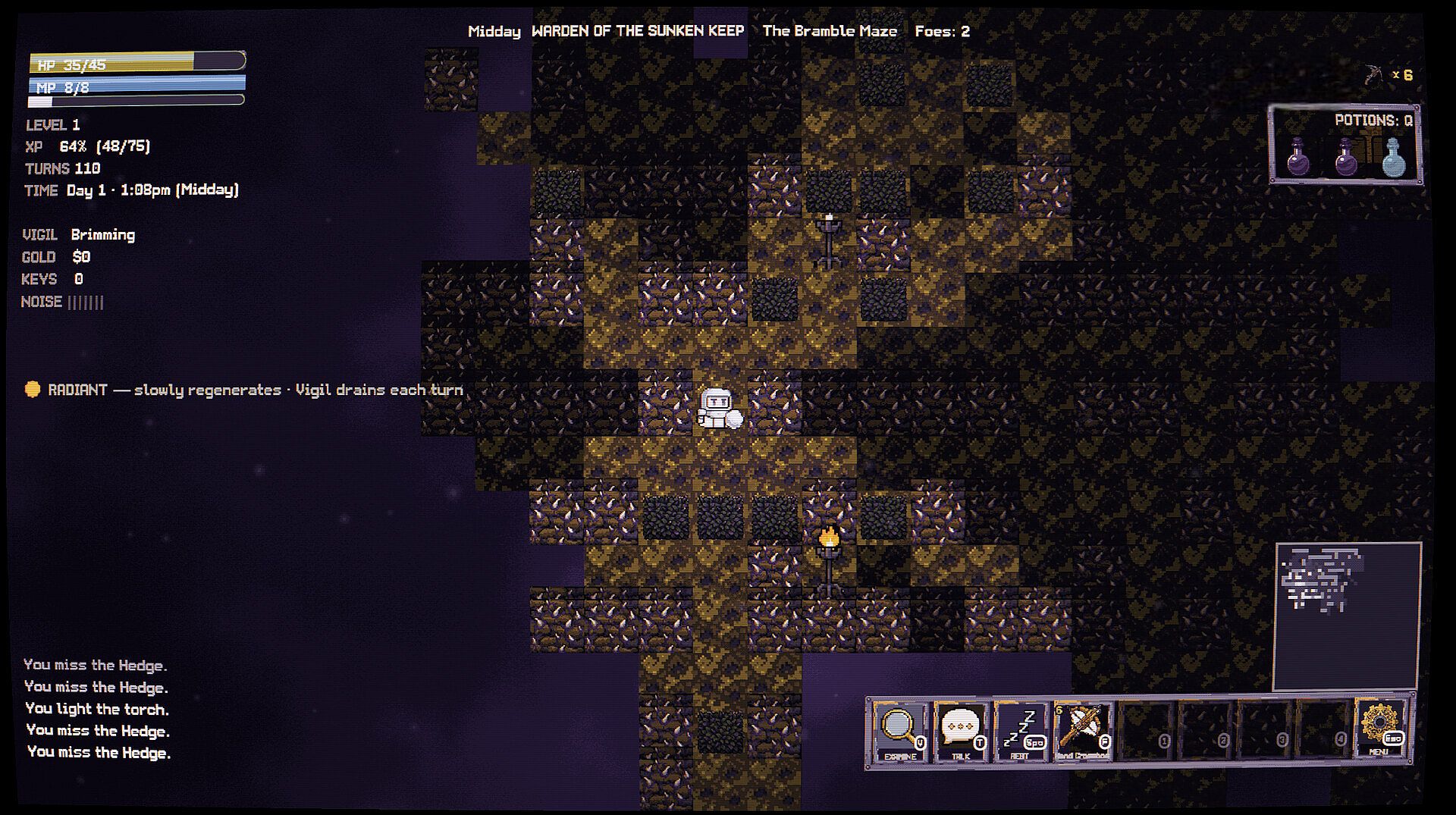
The experience centers on repeated single-player descents through ten main floors plus optional branches such as sewers, a greenhouse, a graveyard, a belfry, a hedge maze, an ice house, a mausoleum, and an underworld area. Each descent functions as a self-contained run where the goal remains reaching the miasma source before the corruption meter completes its cycle.
No separate multiplayer or cooperative modes appear in the design. Progression instead relies on knowledge gained across failed attempts, allowing players to adjust strategies for faster or safer routes on subsequent tries. The structure supports focused play sessions that vary through procedural elements and player choices in skill development and monstrous power selection.
Key Systems and Progression
Twelve distinct Warden classes provide starting differences in abilities and play styles. Over ninety monster types populate the depths, each interacting differently with light, darkness, and the player's evolving corruption state. Forty potions and roughly twenty skills or monstrous powers expand tactical options as runs progress.
Dynamic lighting ties directly into combat and movement. Flooding a room with light can clear threats but exposes the Warden to damage in later stages. Snuffing flames creates safe shadows for repositioning. This interplay encourages experimentation with environmental manipulation rather than straightforward combat.
Content depth comes from the combination of fixed floors and optional branches that branch off the main path. Players encounter unidentified items and relics that may provide advantages or introduce new complications, rewarding observation and measured risk-taking.
Is It Worth Playing?
Warden of the Sunken Keep suits players who enjoy tactical roguelites with strong resource management and permadeath consequences. The short run length and emphasis on learning the fortress through repeated attempts make it accessible for sessions that fit between other activities.
The corruption mechanic integrates into every decision rather than serving as a narrative overlay, creating consistent tension without requiring long commitments. Those drawn to strategy games that blend RPG progression with adventure exploration will find the light-dark system and Turning state add meaningful layers to standard turn-based combat.
Availability on PC supports straightforward access for those interested in the described mechanics. The design prioritizes clarity in its UI and controls, allowing focus on tactical choices over inventory management. Players seeking a compact, replayable challenge centered on personal degradation and environmental tactics will find the core loop aligns closely with those preferences.