

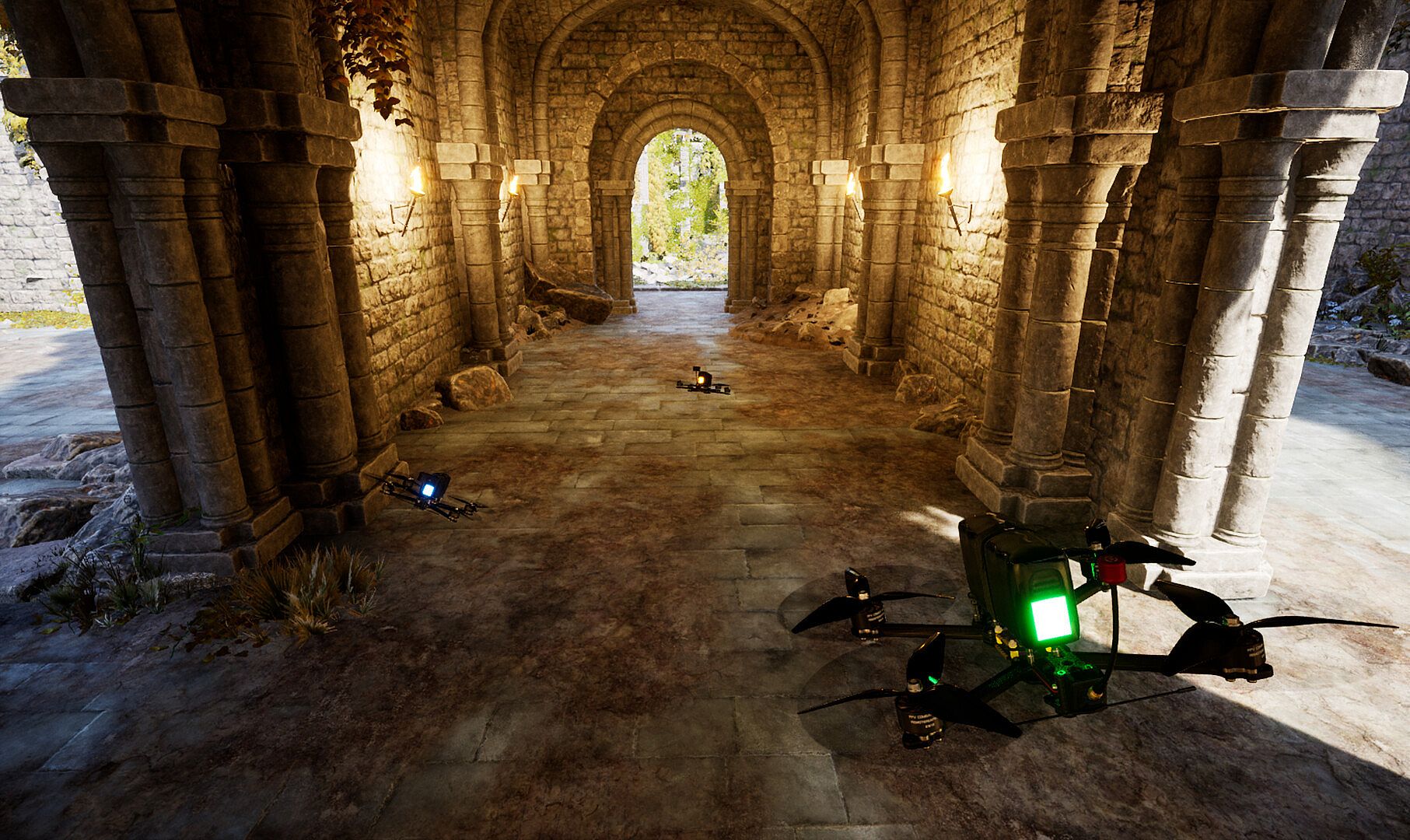
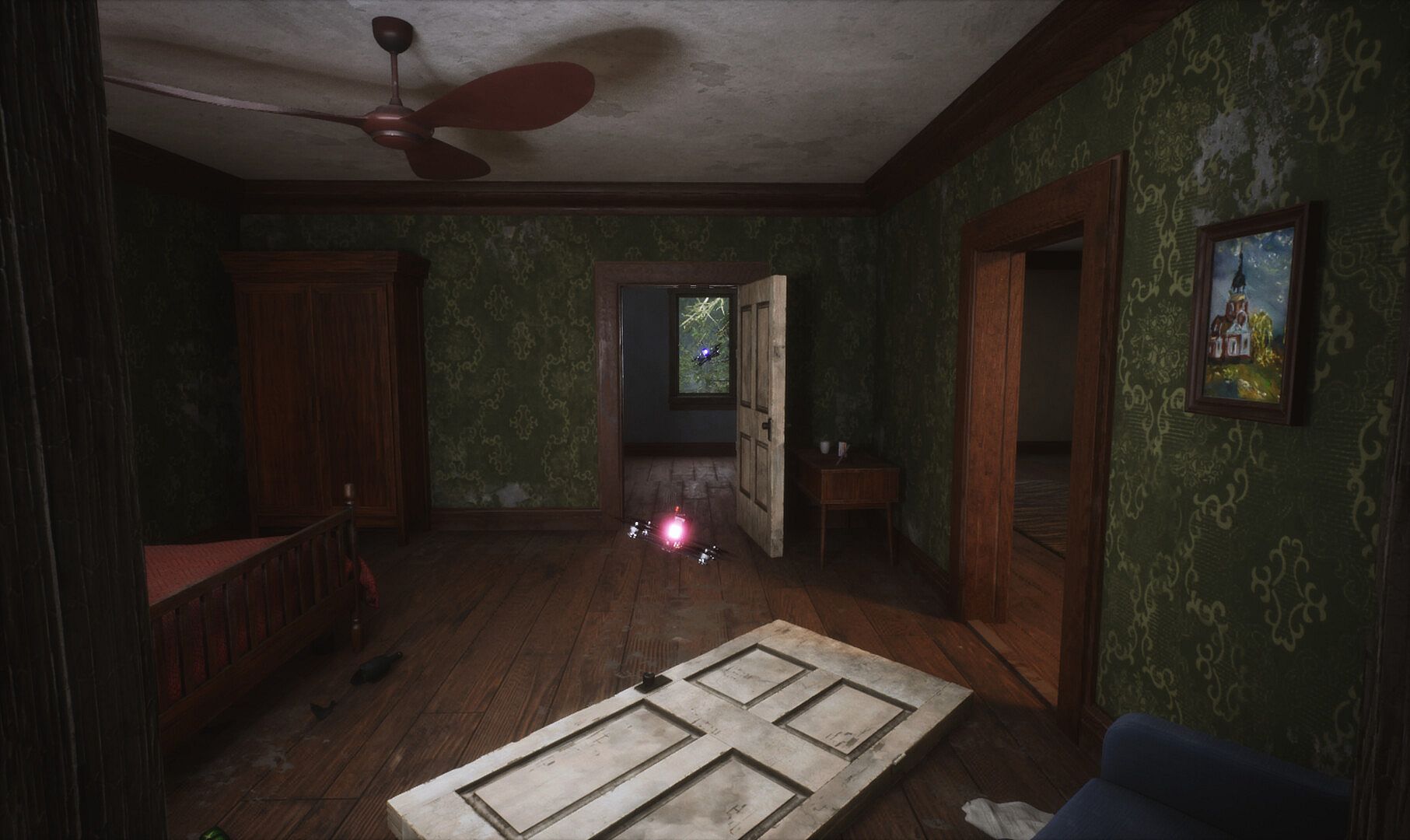
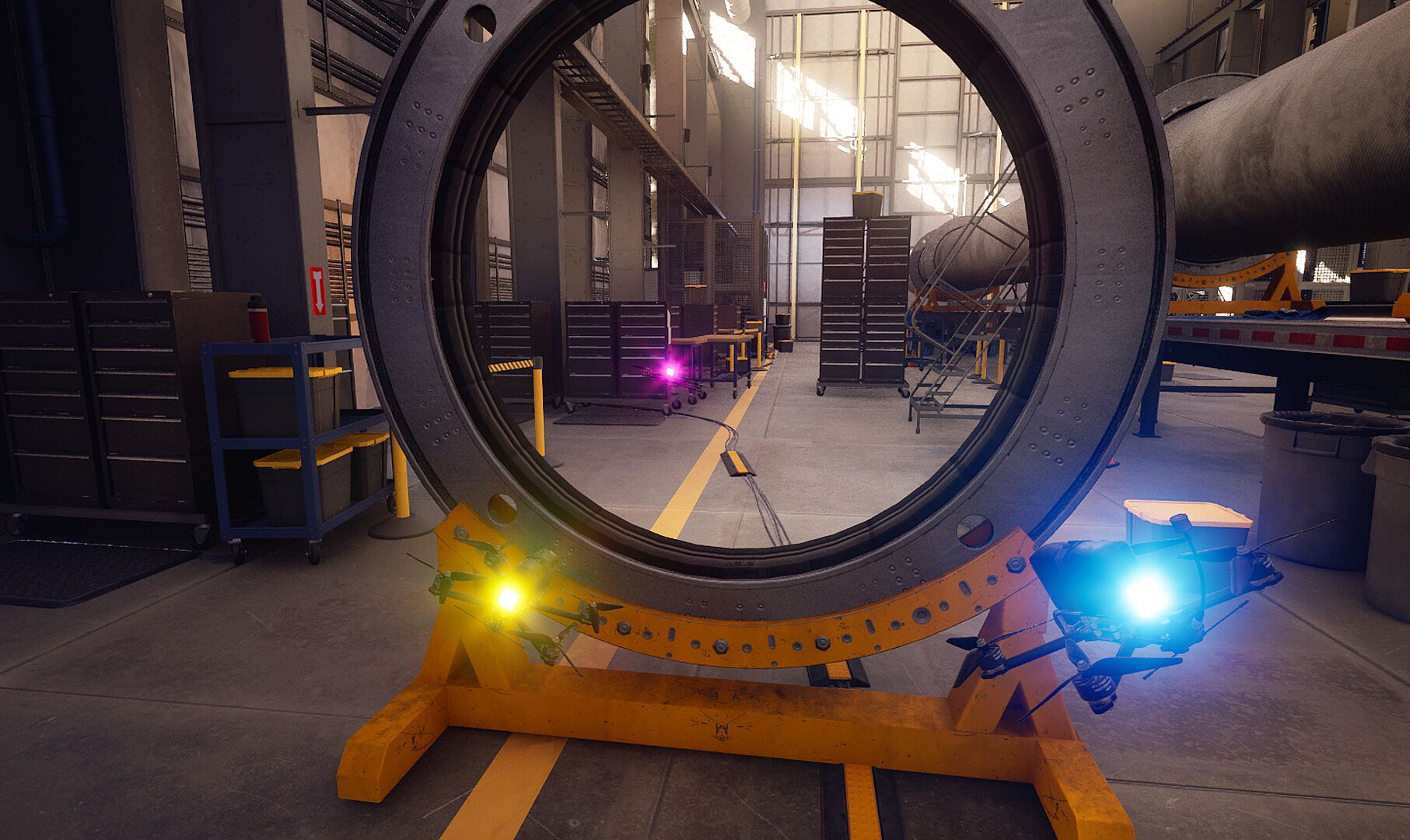
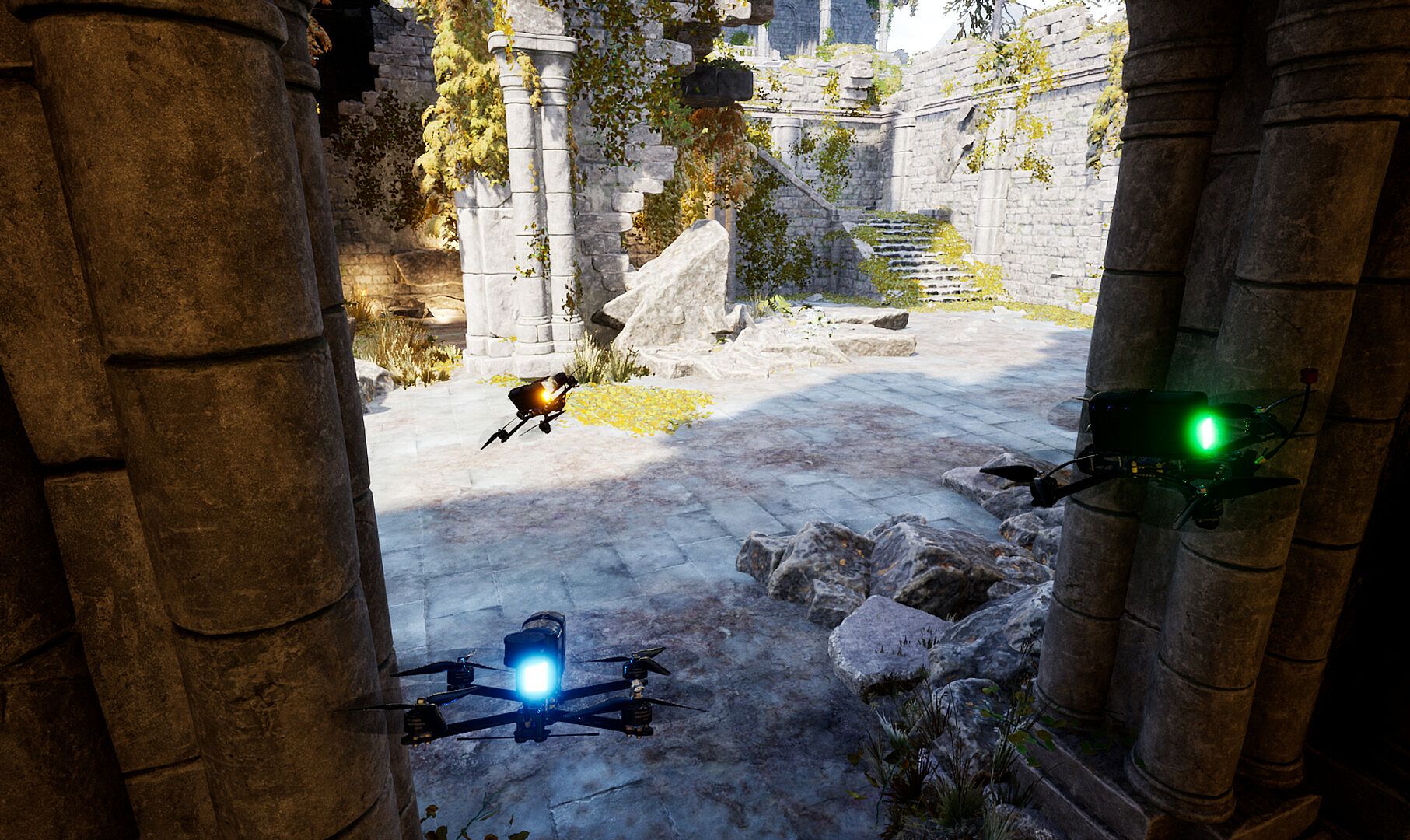
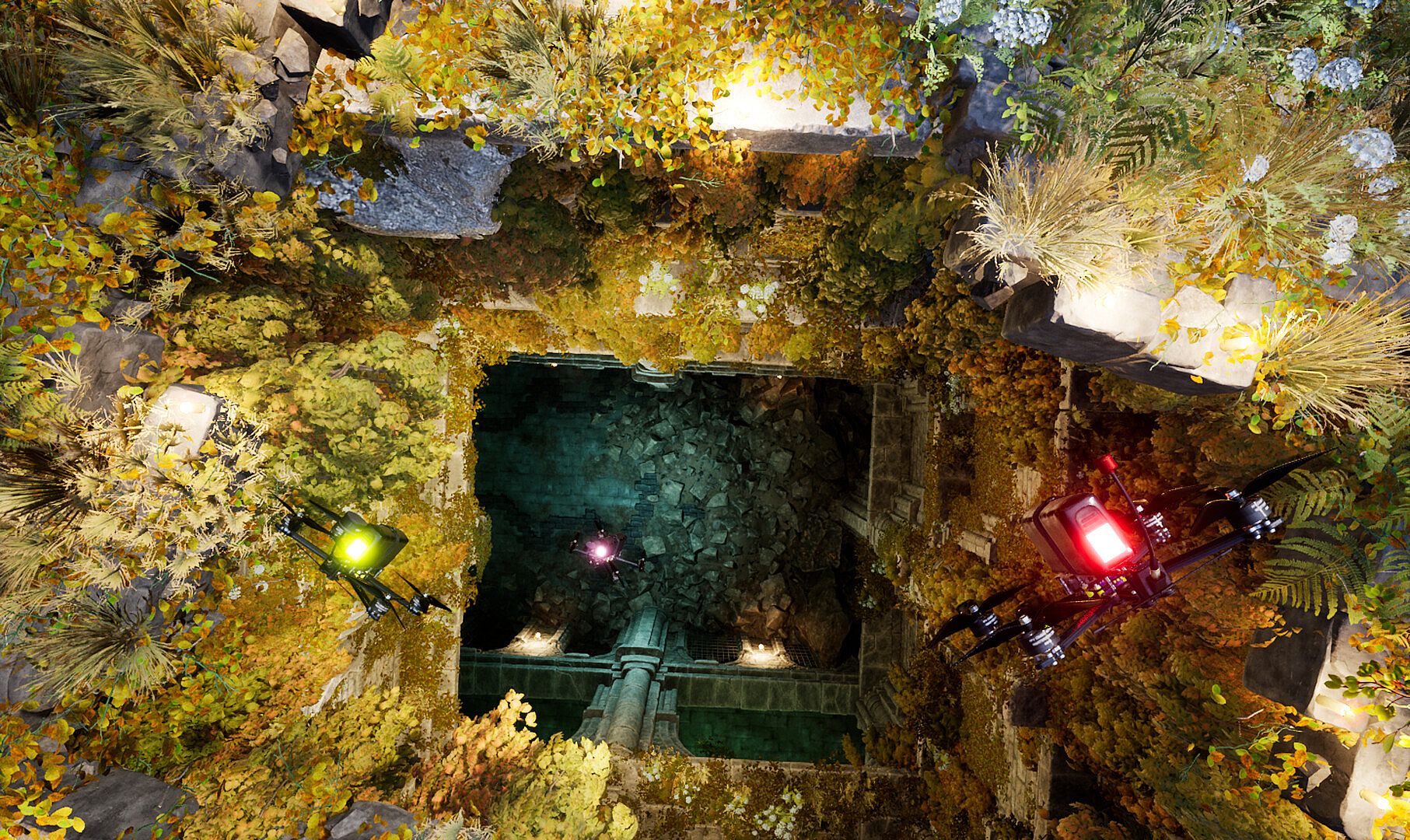
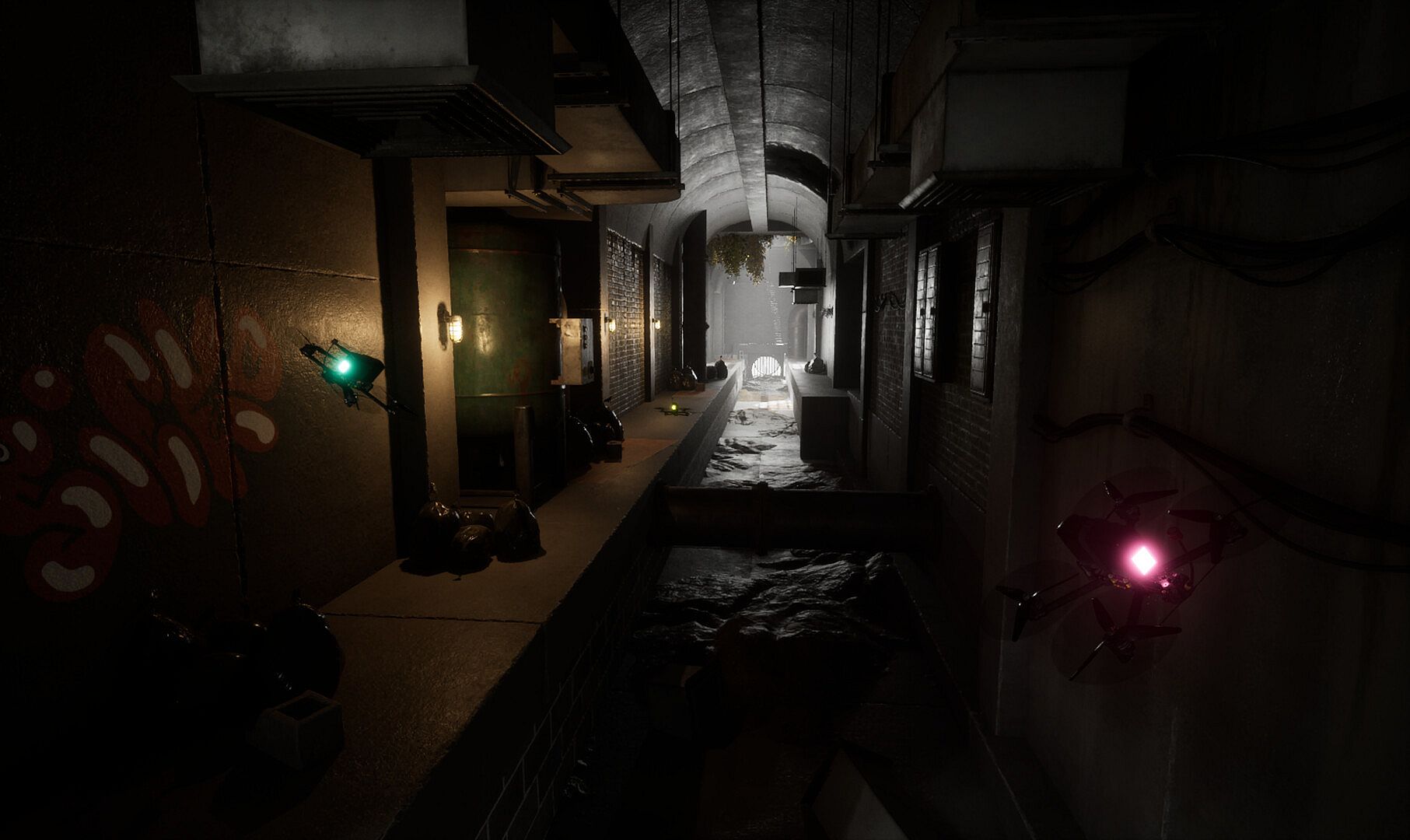
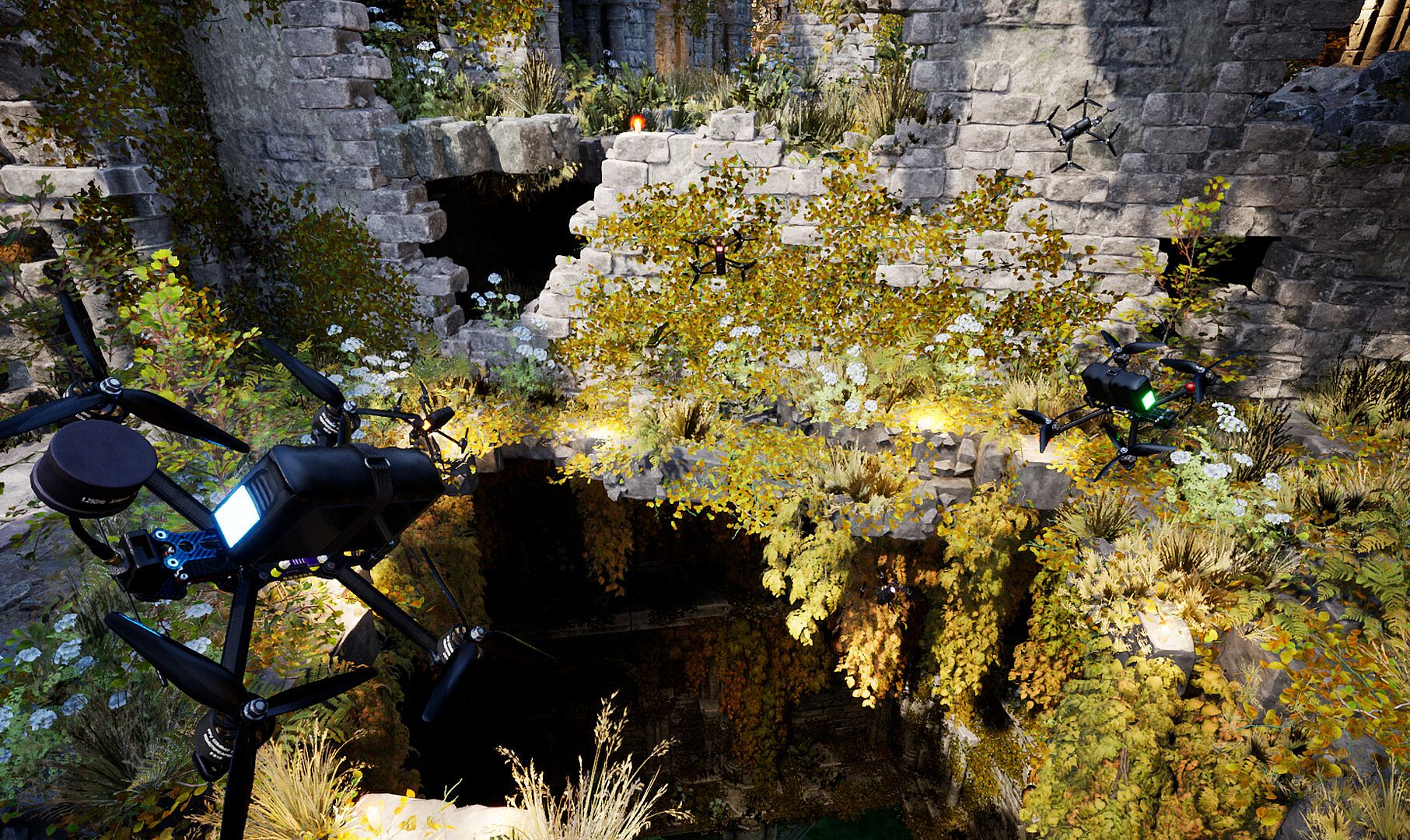
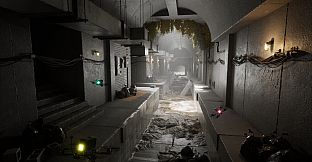
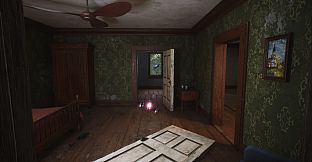
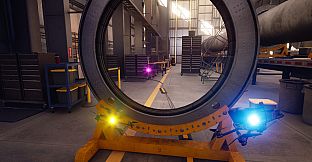
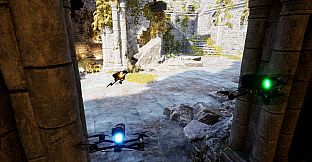
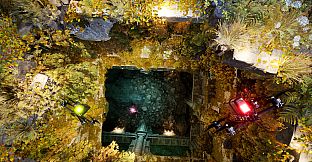
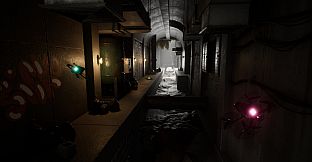
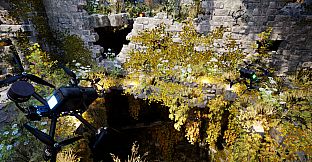
Virazh: FPV Drone Racing is a PC simulation racing game focused on first-person view drone flight. Players control custom-built quadcopters through technical courses that test precision, line choice, and adaptation to changing conditions. The title emphasizes realistic flight modeling while remaining accessible for pilots who want to practice or compete without real-world hardware risks.
Gameplay
The core loop centers on piloting a drone with input that mirrors real transmitter behavior. Every control input produces immediate, predictable responses shaped by detailed physics calculations. Aerodynamics, motor output, propeller effects, and battery performance all influence how the craft handles during acceleration, banking, and recovery from turbulence.
Drone construction forms a major part of preparation. Builders select frames, motors, propellers, and batteries, each component altering weight distribution, thrust curves, and energy consumption. These choices directly affect lap times and stability on different track layouts. Cosmetic options exist but do not impact performance.
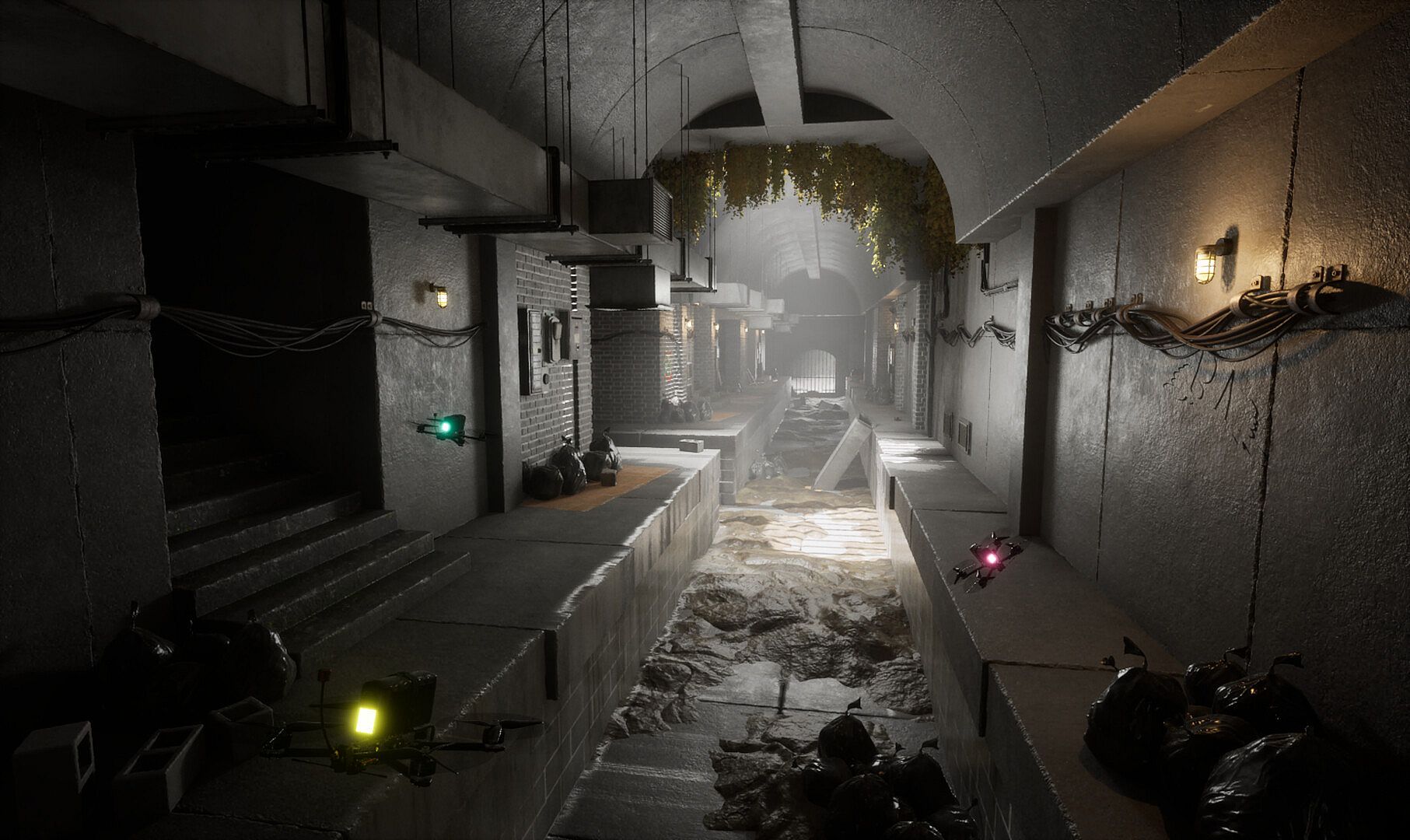
Environmental variables add another layer. Wind strength and direction, fog density, precipitation, and time of day can be adjusted independently. The same sequence of gates feels markedly different under gusty conditions compared with calm air, forcing pilots to refine throttle management and turn entry points.
Hardware integration supports direct connection of controllers or gamepads. Axis calibration and rate curves can be tuned to match personal preferences or real-world transmitter setups, helping skills transfer between virtual and physical flying.
Game Modes
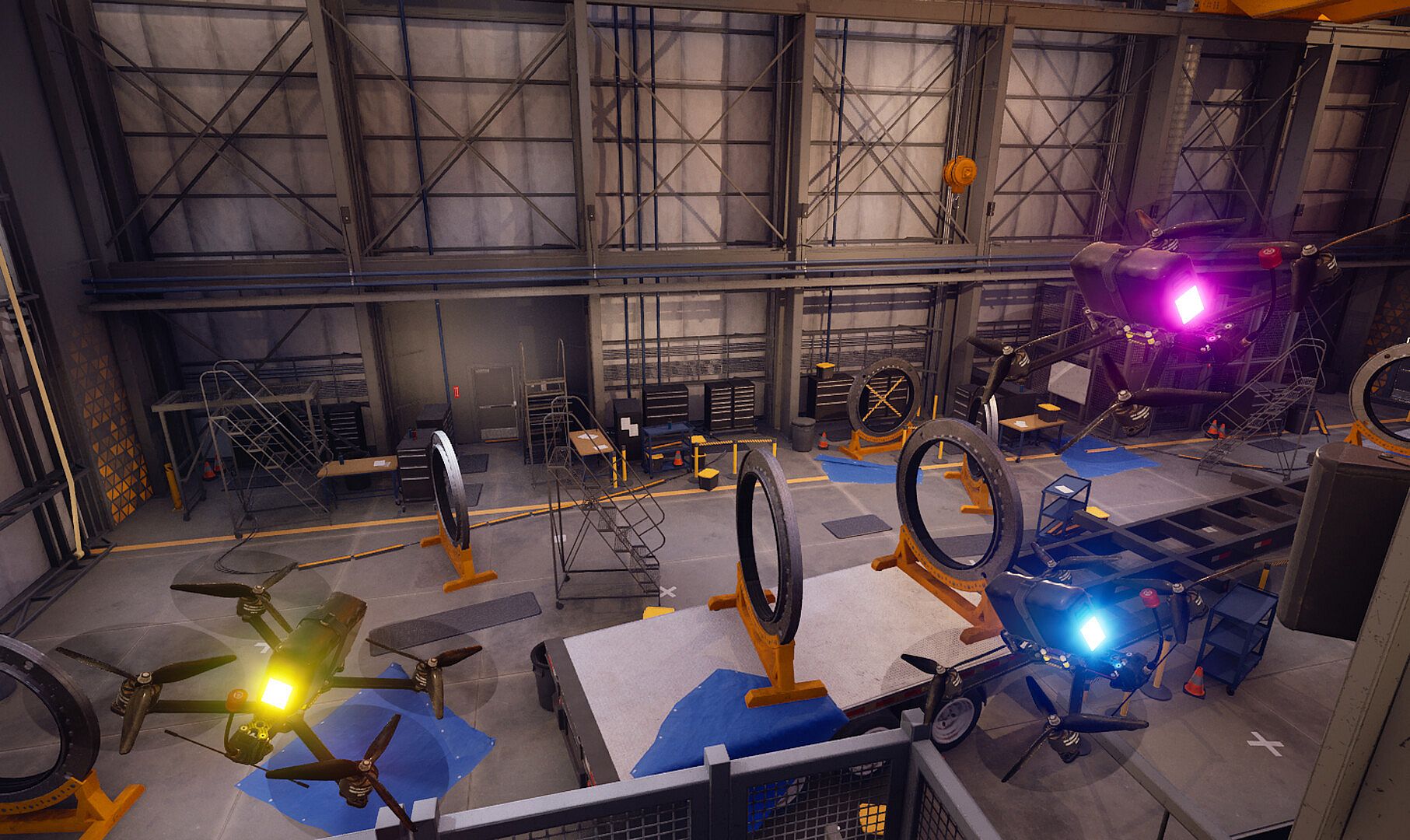
Racing scenarios revolve around gated courses with defined sectors and multiple laps. Timing systems record split times at each gate, revealing exactly where time is lost on a run. Leaderboards display comparative data so pilots can study faster lines without needing live opponents present.
Multiplayer sessions place live opponents on the same track simultaneously. Real-time positioning and collision avoidance become part of the challenge alongside pure lap speed.
The track editor allows creation of custom layouts using gates, altitude changes, and obstacles. Routes can be tuned for technical precision or high-speed flow, then shared for others to attempt. Weather and time-of-day settings can be locked per track or varied between sessions to create distinct challenges from the same base design.
Customization and Track Building
Physics parameters extend beyond drone parts. Users can modify air density, wind patterns, motor power curves, and aerodynamic coefficients to match specific preferences or replicate real-world locations. These adjustments remain consistent across practice and competitive runs.
Track construction happens quickly through a modular system. Gates, elevation shifts, and rhythm sections combine into full circuits in minutes. Additional obstacles can be placed to increase difficulty or force specific flight paths. Once saved, tracks support repeated testing under controlled or variable weather.
Is It Worth Playing?
Virazh suits pilots who value accurate physics and the ability to iterate on both equipment and environments. The combination of drone configurator, detailed flight model, and track editor provides a complete loop for solo practice and community competition. Multiplayer adds direct comparison against other players in real time.
Those seeking quick arcade-style racing may find the simulation depth slower to master, while enthusiasts who already fly FPV or want to develop transferable skills will appreciate the fidelity. The game remains in active development following its recent Steam listing, with core systems already matching the described feature set.