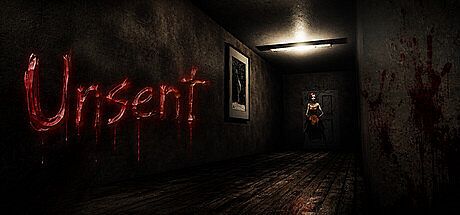



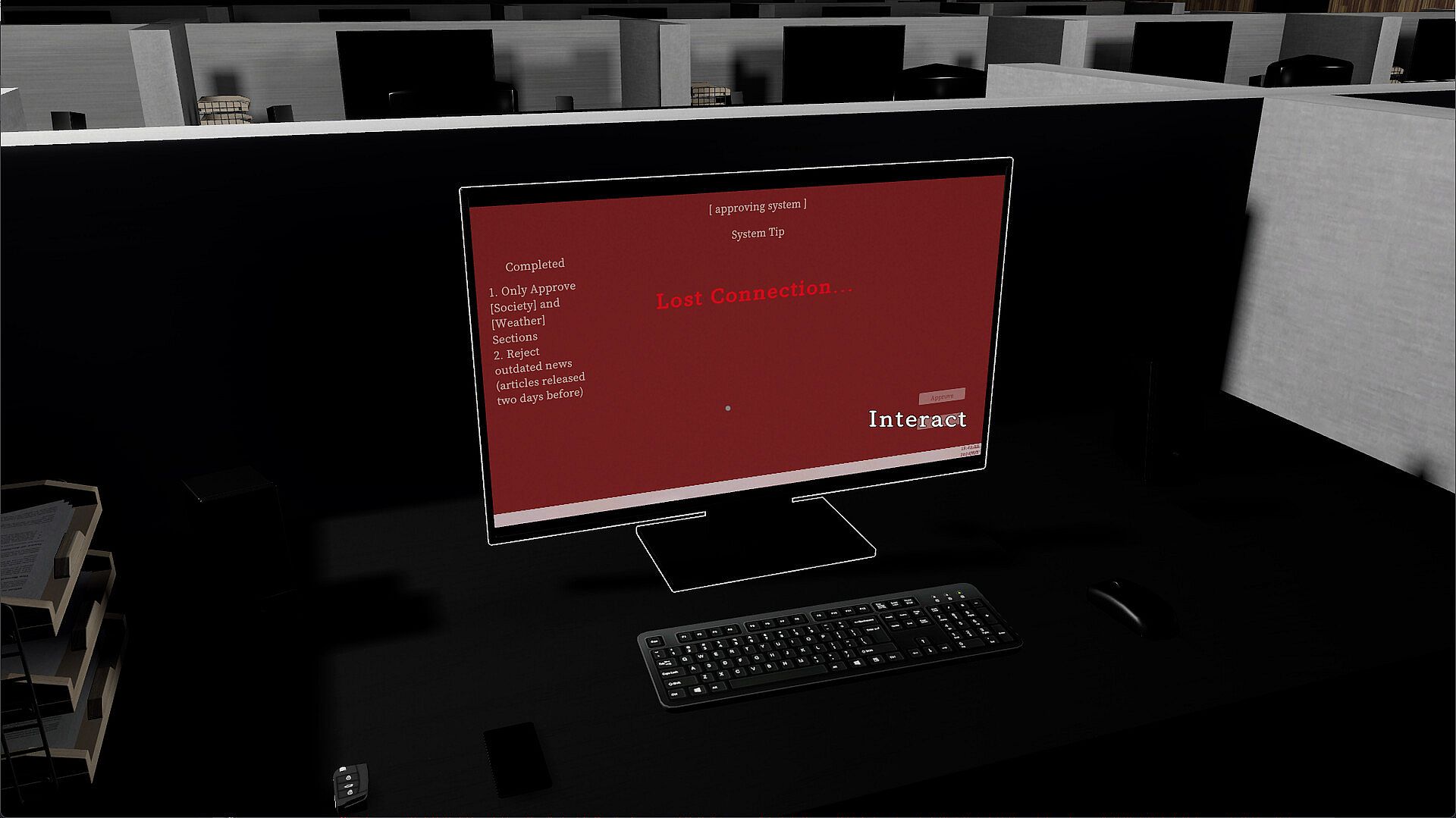
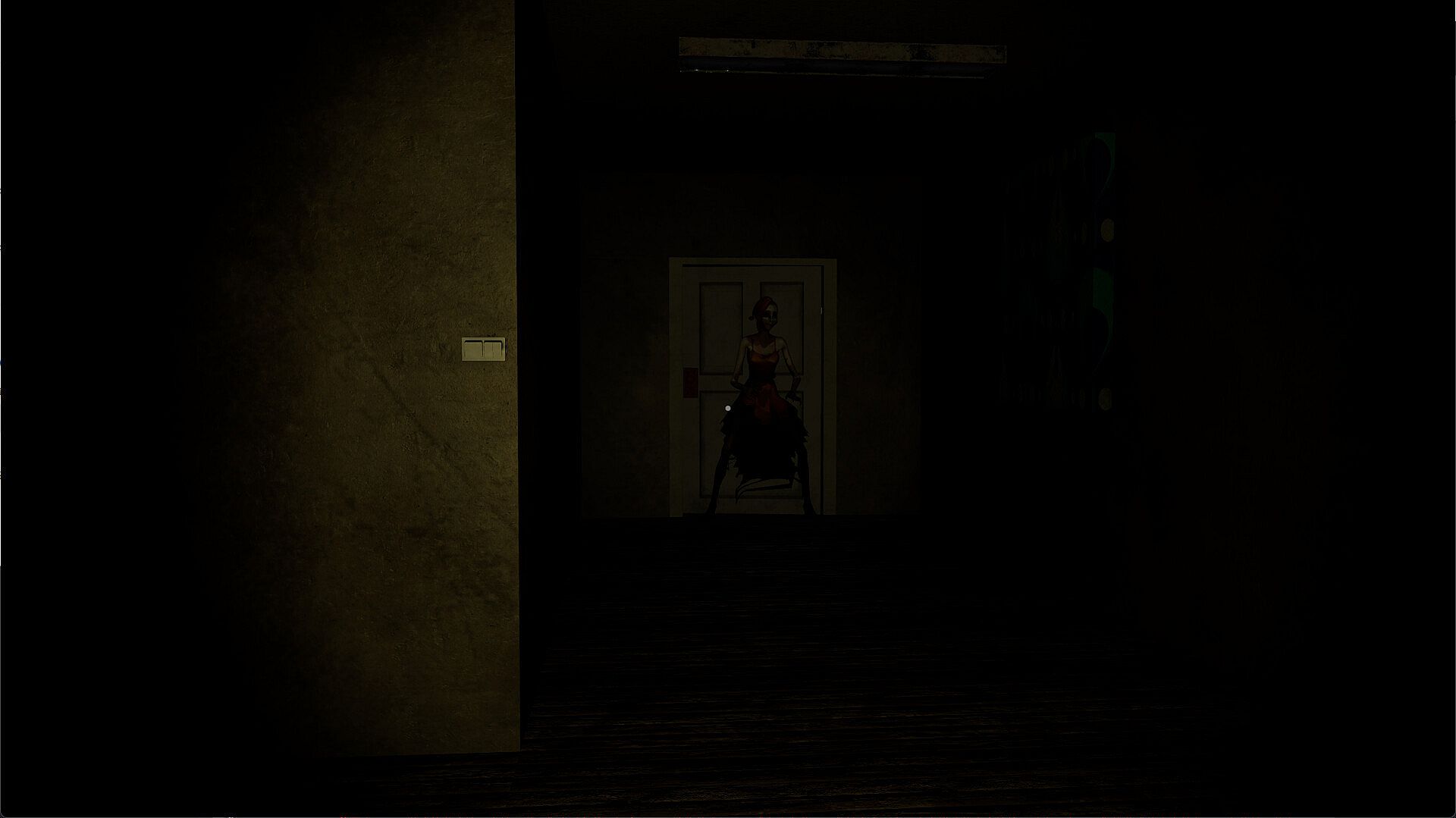
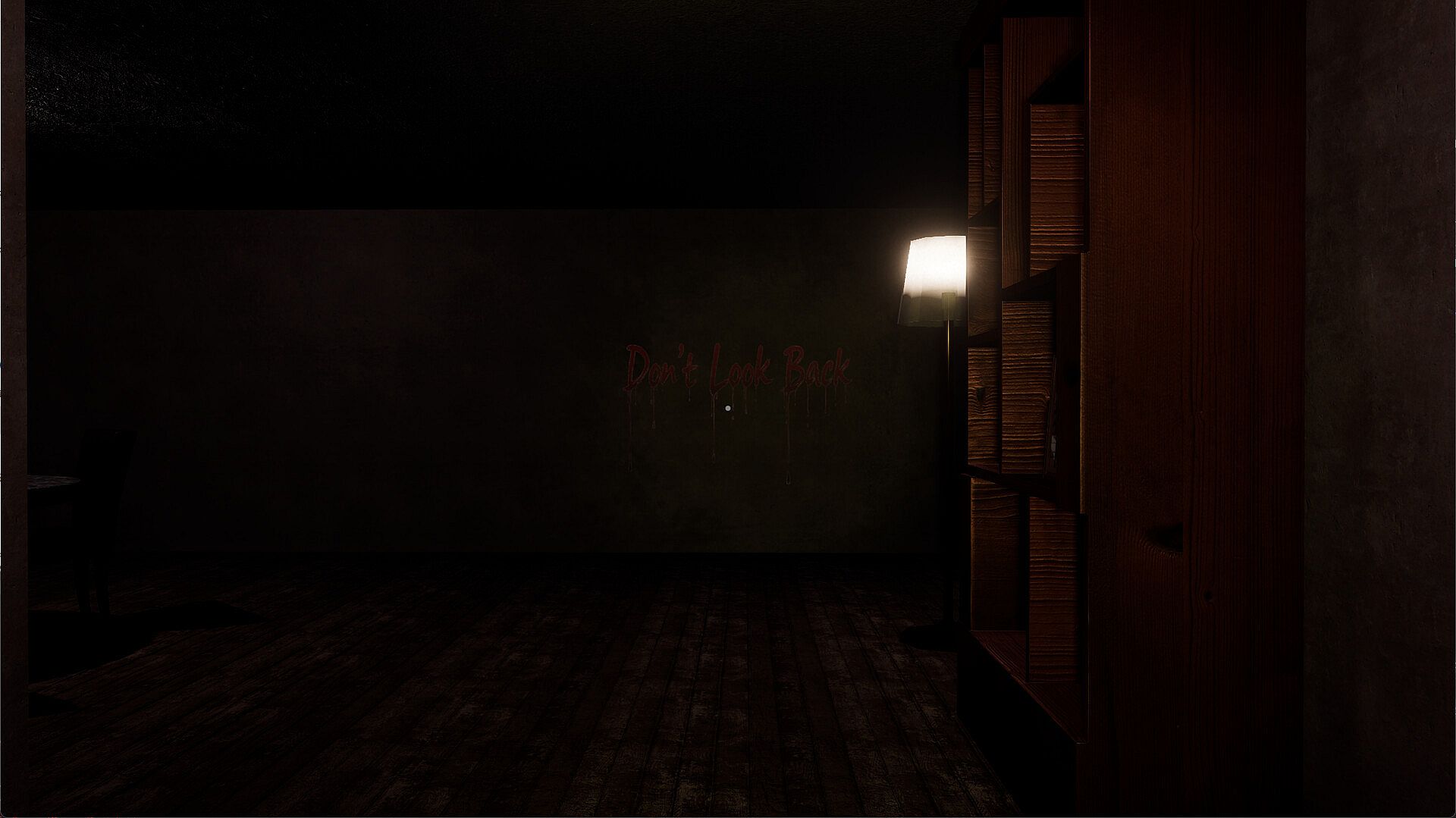
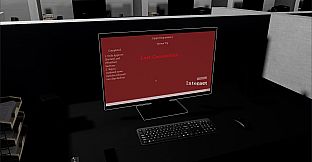
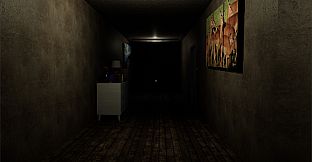
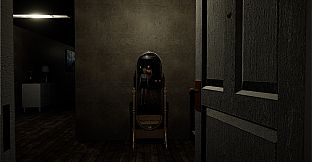
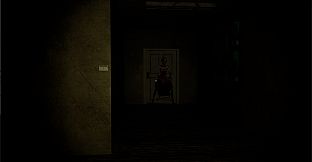
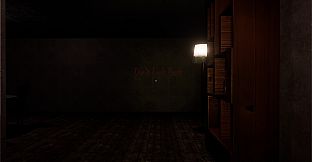
Unsent is a first-person psychological horror walking simulator developed as an indie title with RPG and adventure elements for PC. Players step into the role of Elena, an office worker caught in a repeating cycle inside her mother's former apartment, where suppressed memories and emotional weight shape every step forward.
Gameplay
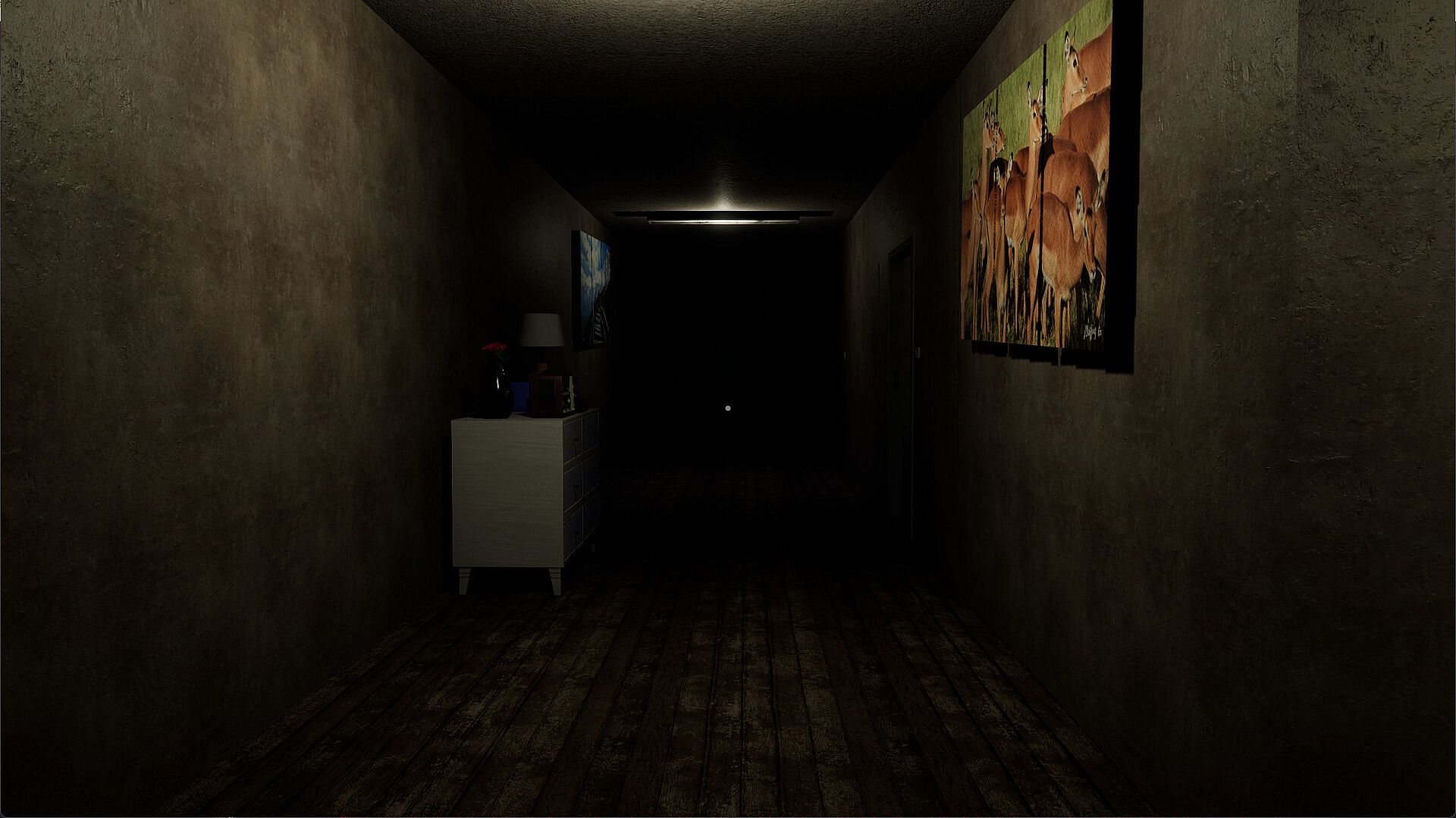
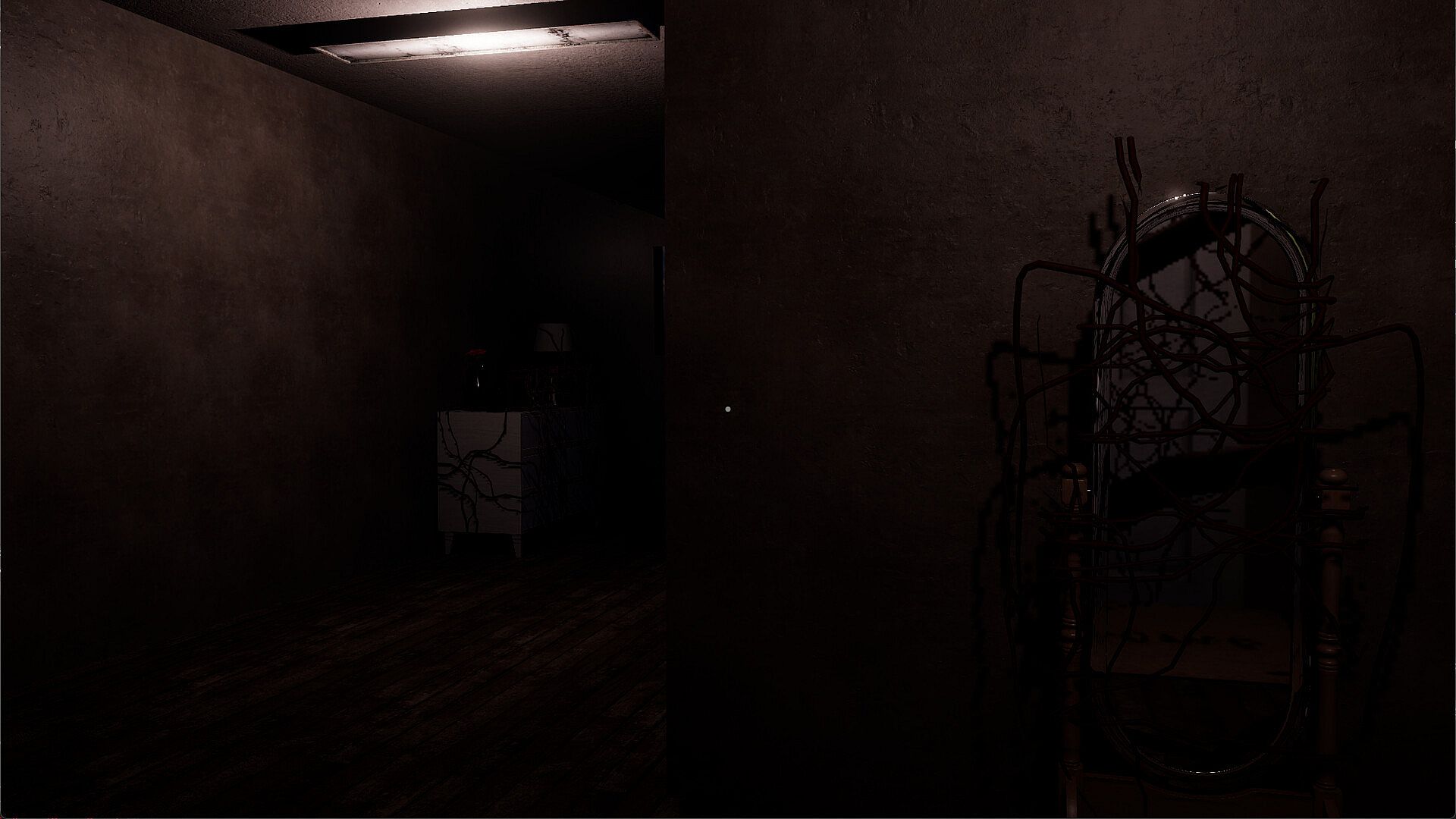
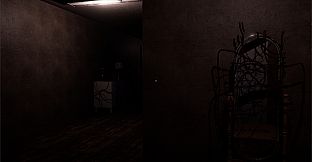
The core experience centers on exploration within a confined yet shifting apartment environment that blends the familiar with the unsettling. Movement and interaction form the backbone of progression, with players examining objects and spaces to uncover layers of the narrative. A distinctive stress mechanic directly influences control responsiveness, causing vision distortion and altered mobility as tension builds, requiring careful management through specific calming elements found in the surroundings.
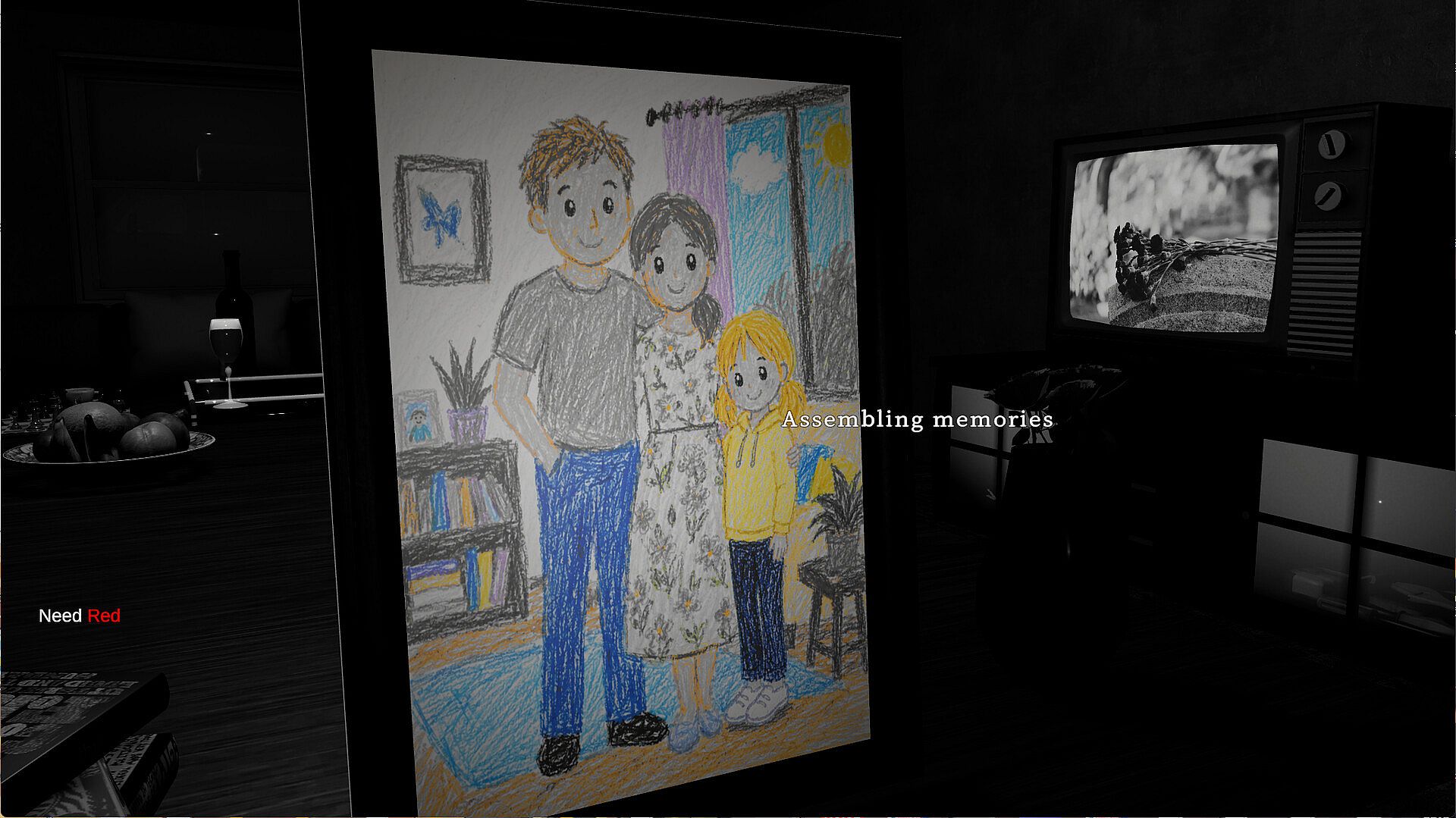
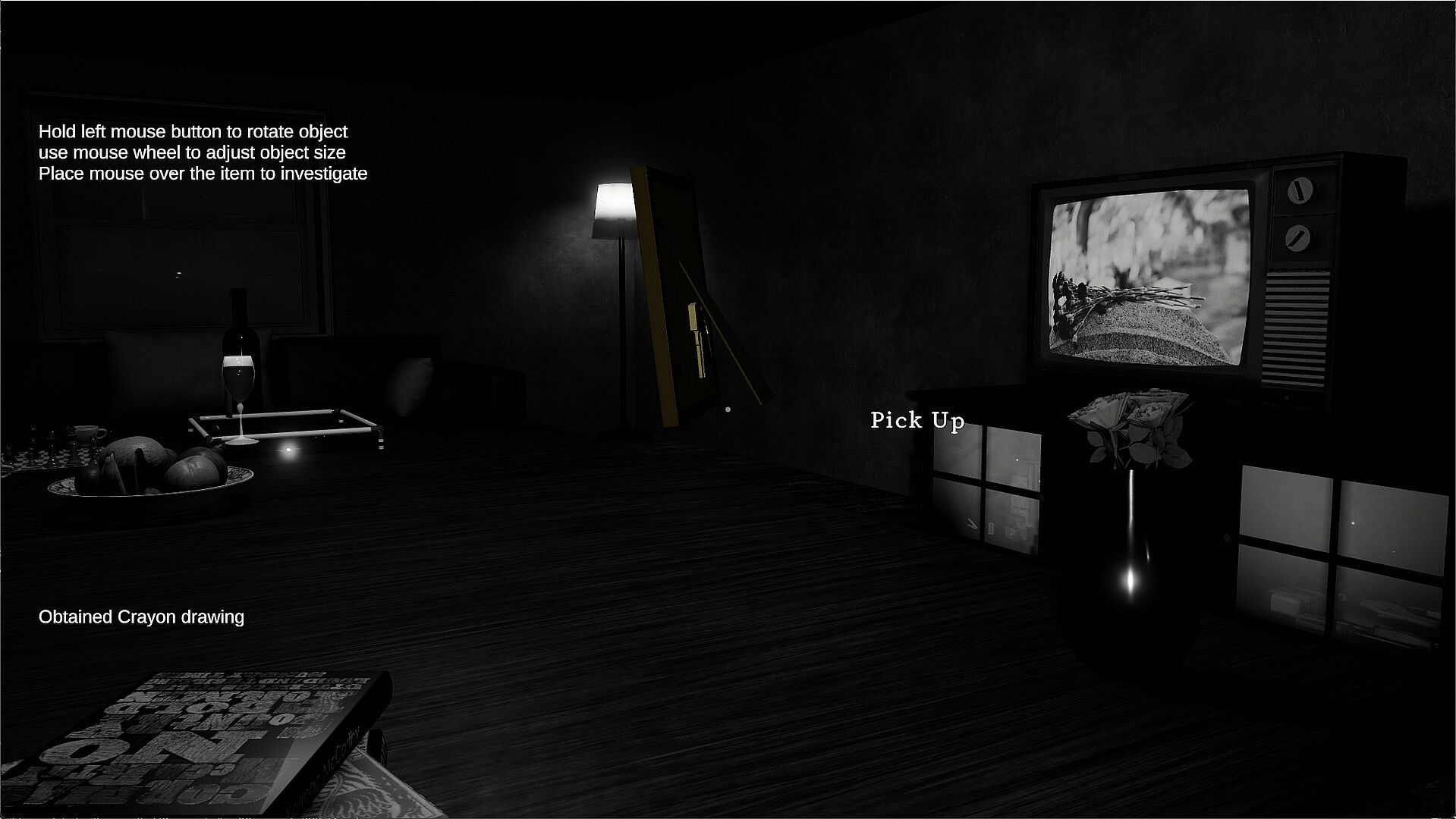
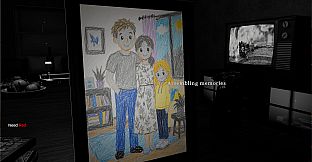
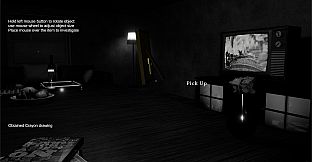
Item handling adds depth through close inspection of everyday objects and documents scattered throughout the space. This process reveals incremental details that piece together events from the past, distinguishing between tangible occurrences and distorted perceptions. Environmental cues such as audio broadcasts and visual distortions further guide the unraveling of the central mystery without relying on combat or external action sequences.
Game Modes
Unsent operates entirely as a single-player experience focused on narrative progression and personal discovery. There are no multiplayer components or separate competitive modes, allowing the story to unfold at the player's own pace through repeated traversals of the apartment setting. The structure emphasizes sequential revelation of clues, with outcomes tied to thorough observation rather than branching paths or external challenges.
Narrative and Atmosphere
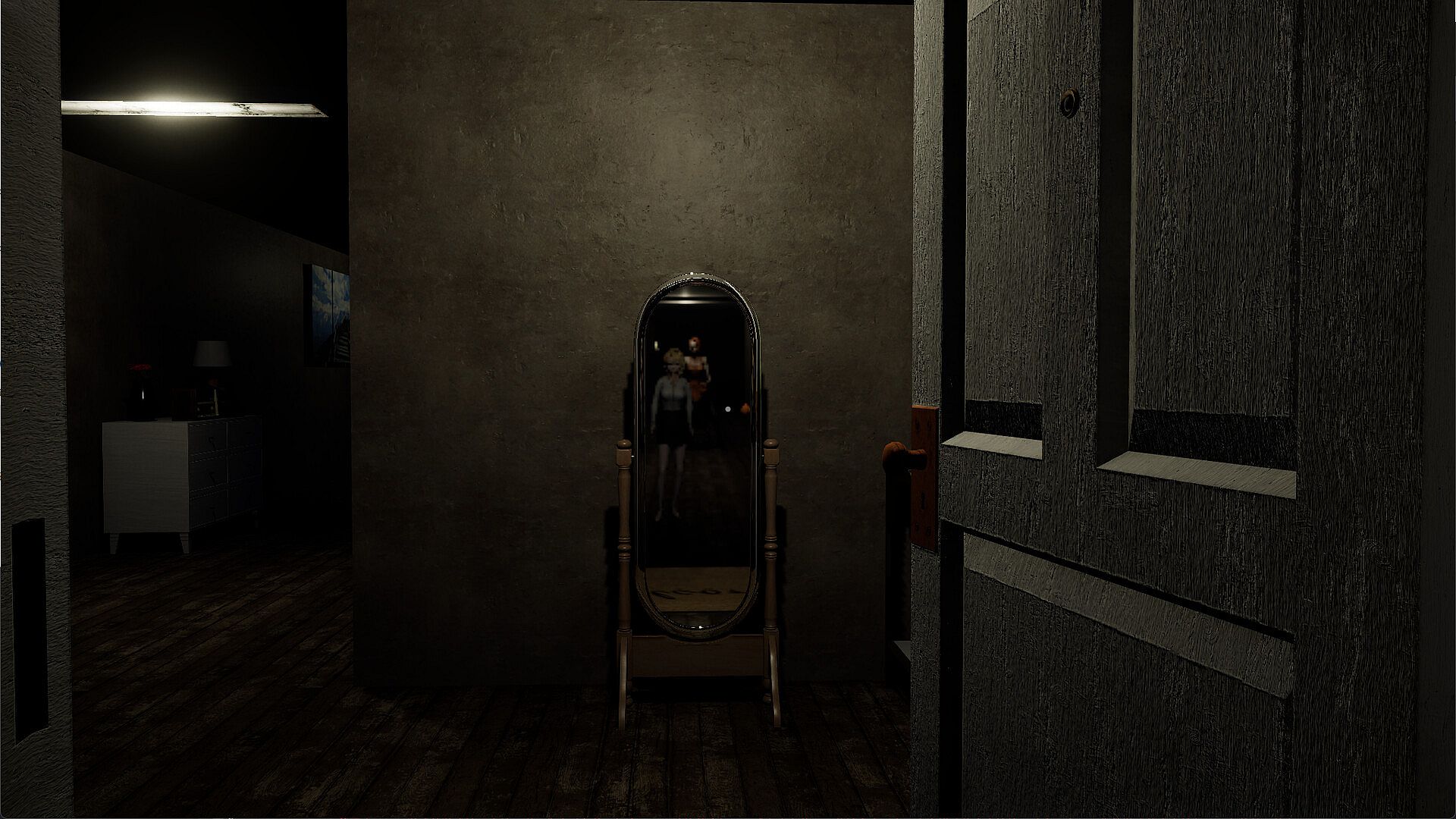
The story builds around themes of guilt, family connections, and unresolved trauma, presented through fragmented recollections that players reconstruct. Supernatural elements emerge as manifestations of internal conflict, creating an oppressive mood that heightens with each cycle. Audio and visual details, including radio segments and television imagery, contribute to the sense of disorientation and emotional intensity without introducing unrelated plot threads.
Key mechanics like memory anchors and clue collection directly support the psychological focus, rewarding attentive play with clearer understanding of Elena's situation. The apartment itself evolves in perception based on gathered information, reinforcing the loop-breaking objective as the primary goal.
Is It Worth Playing?
This title suits players interested in introspective horror experiences that prioritize atmosphere, puzzle-like investigation, and emotional storytelling over action or fast-paced elements. The stress system and inspection mechanics provide a unique layer of tension and engagement for those who appreciate deliberate pacing in walking simulator formats. With its upcoming release and emphasis on single-player depth, it offers a contained experience centered on personal resolution rather than ongoing content updates or external competition.
Those drawn to indie psychological narratives exploring family dynamics and mental strain will find the verified systems align closely with that interest. The absence of established player feedback at this stage means expectations should center on the described mechanics and themes for an informed decision.