




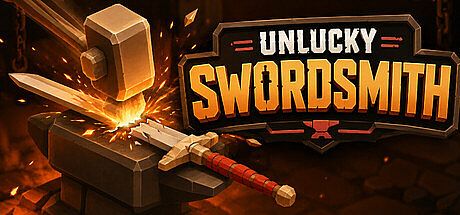







Unlucky Swordsmith is a casual strategy simulation game built around the tension of sword enhancement on PC. Players take on the role of a swordsmith who hammers at the anvil to fill an enhancement gauge, with each successful strike increasing a sword's value while failure risks total loss. The experience blends risk management with incremental progress, appealing to those who enjoy short sessions of decision making without complex controls or lengthy campaigns.
Gameplay
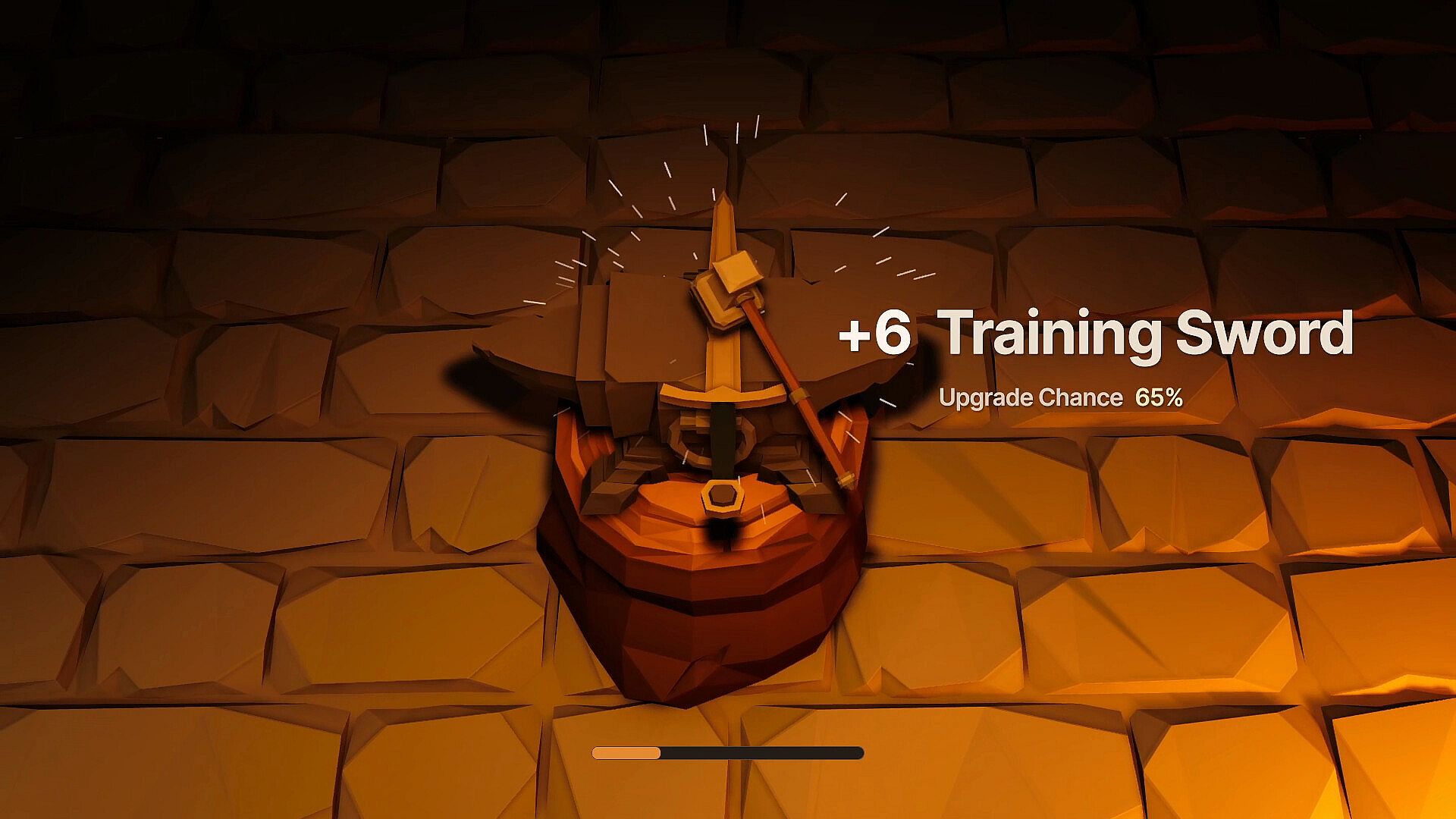
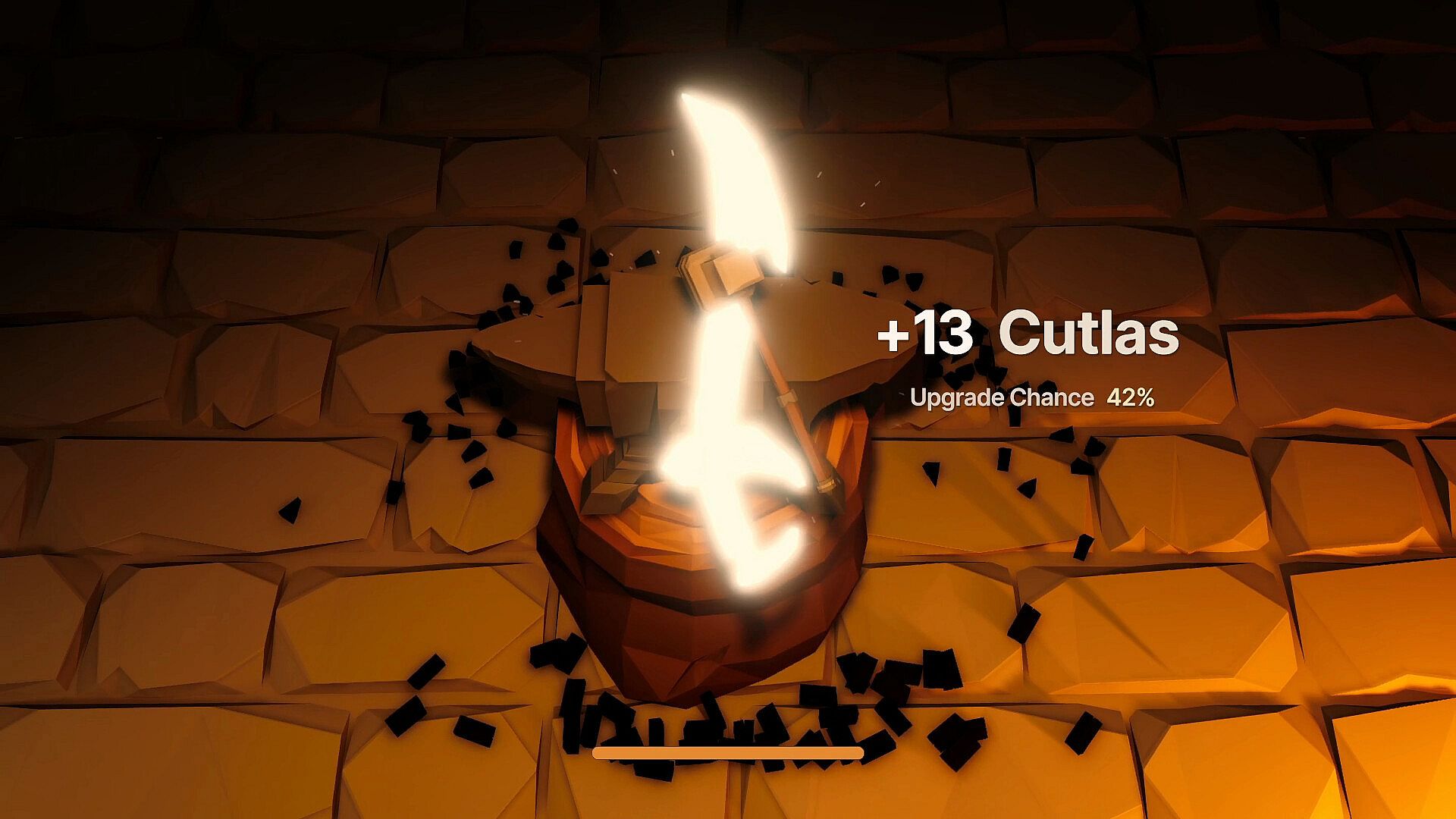
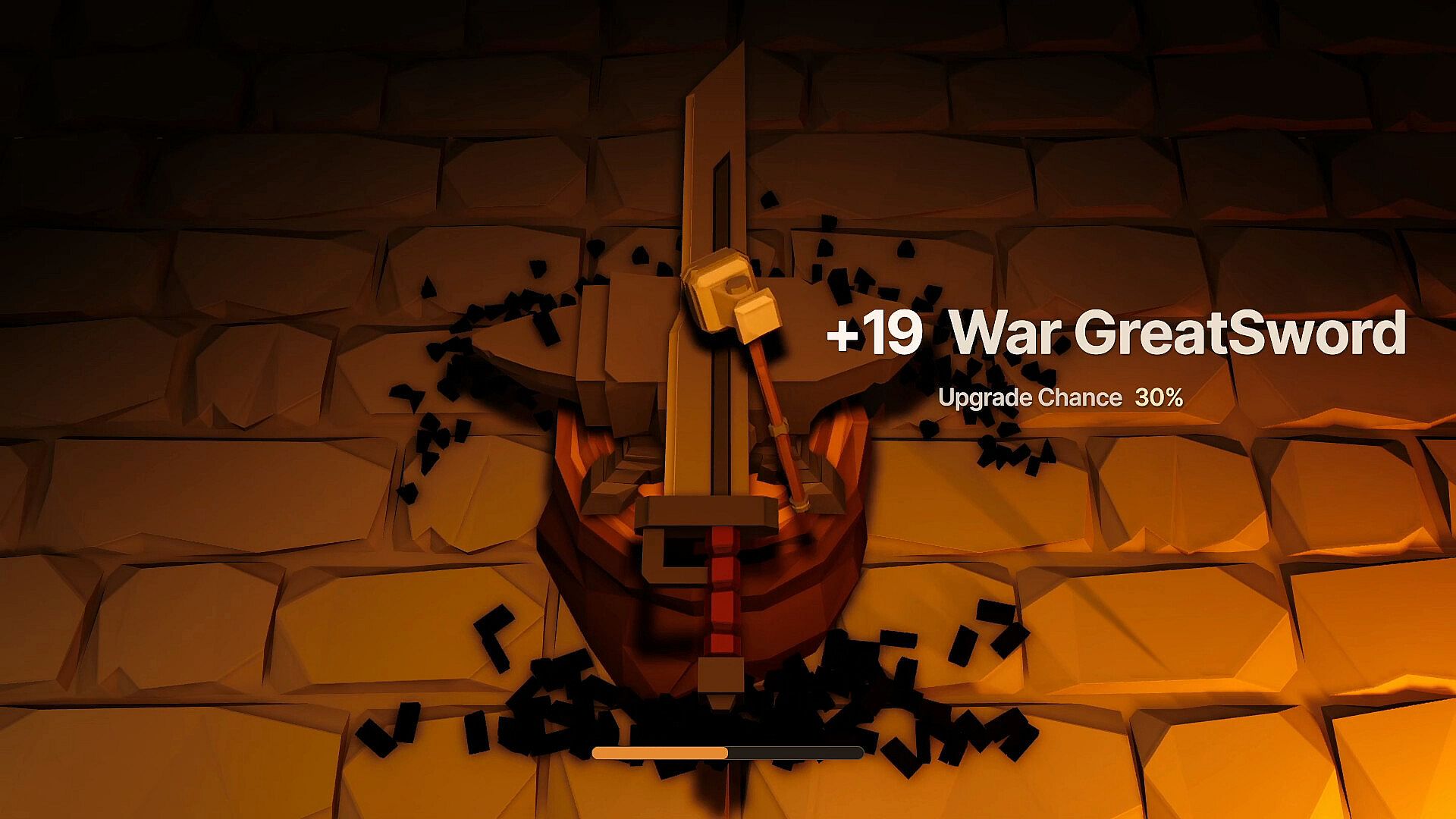
The core loop centers on striking a sword repeatedly to build its enhancement gauge. Every sword begins at a basic level, and successful enhancements raise its worth for eventual sale. The decision to continue or cash out forms the main tension, as higher levels promise greater rewards but carry steeper consequences for failure. This system encourages careful pacing, where players weigh immediate gains against the chance of pushing further.
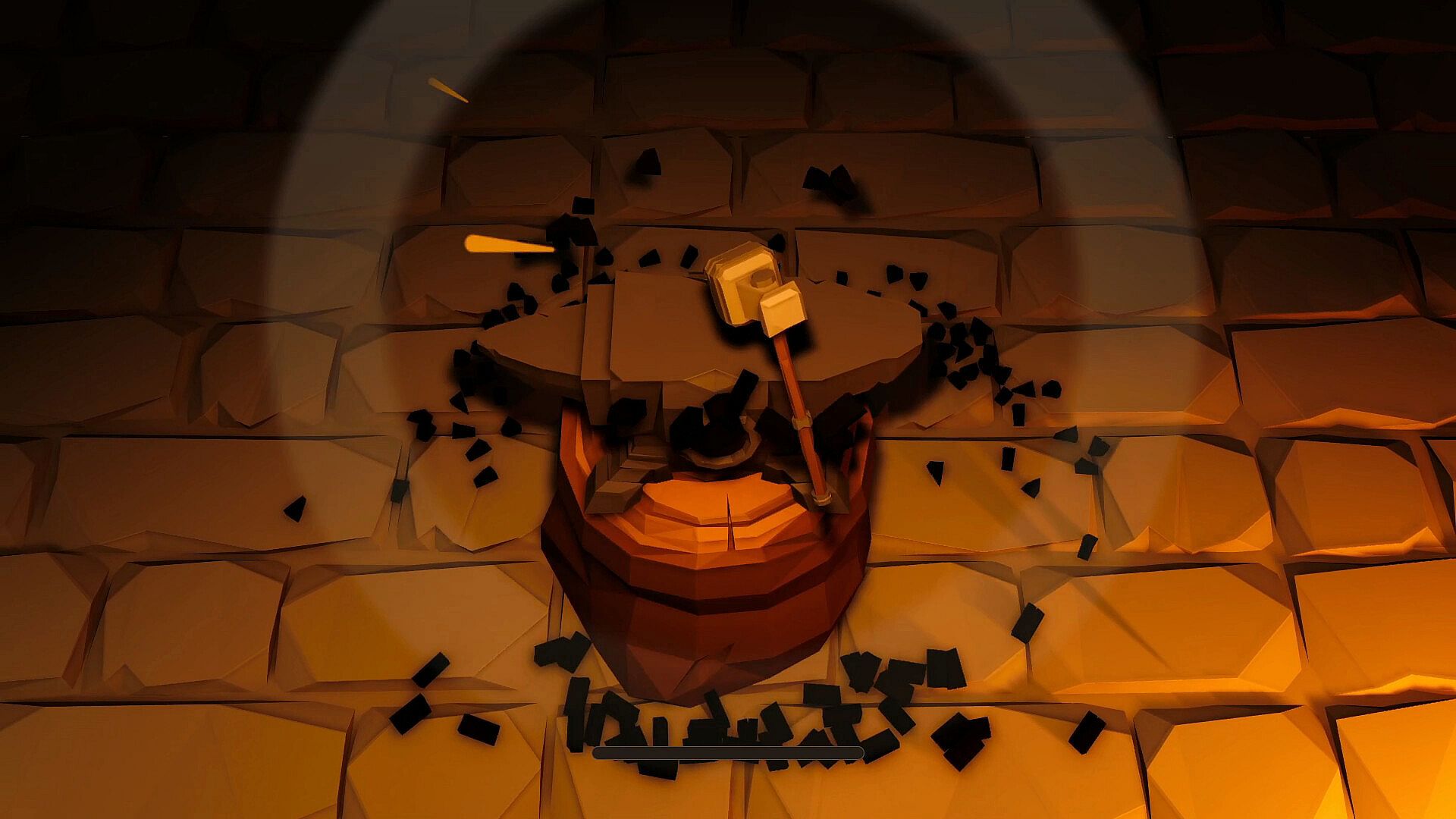
Failure breaks the sword into fragments that scatter across the forge. These scraps can be collected and melted in the furnace to recover value, turning setbacks into resources for future attempts. The process avoids permanent loss by recycling materials, which supports repeated play without starting from scratch each time.
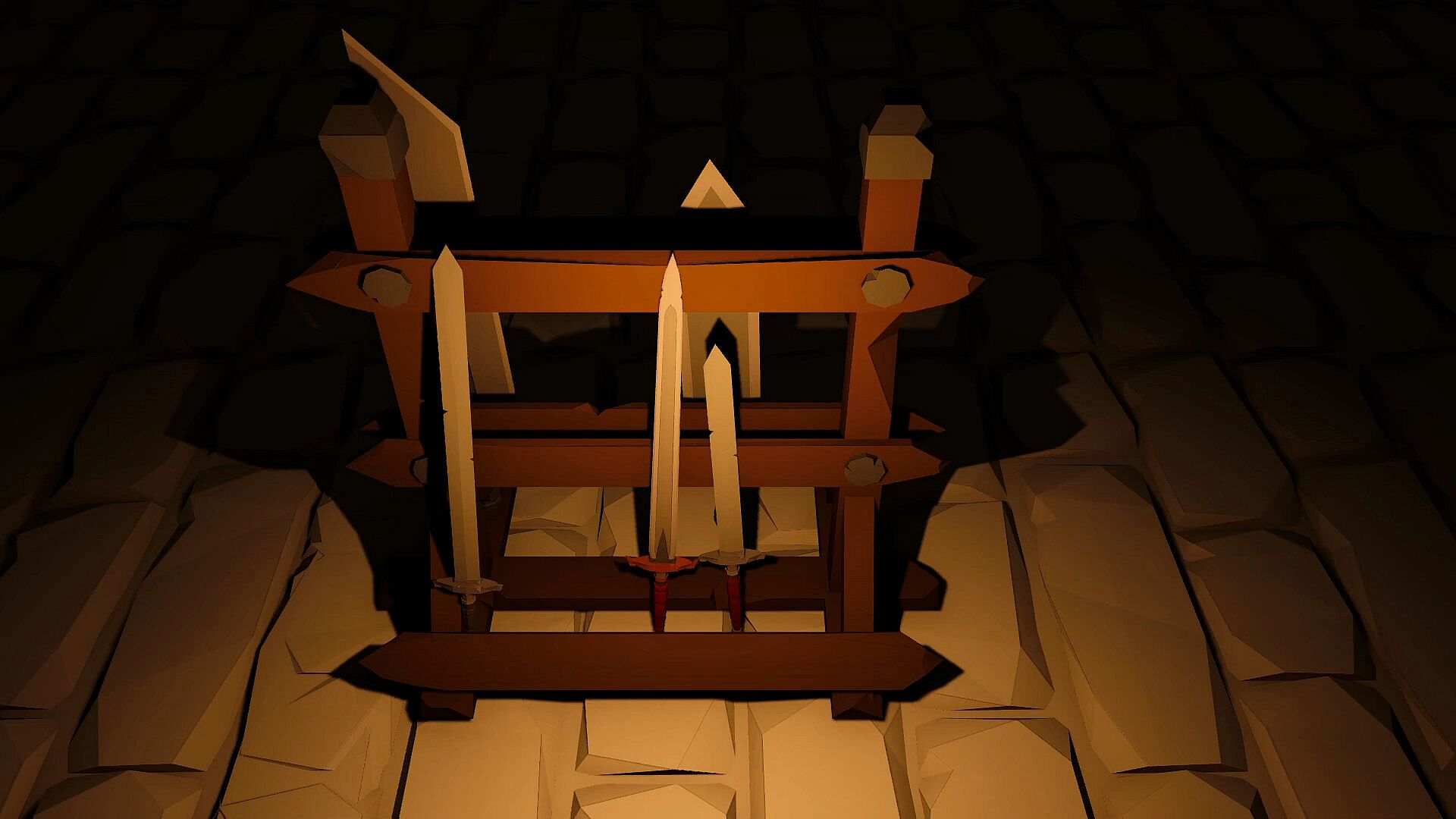
Resources earned from sales and salvaged fragments fund upgrades to the forge itself. These improvements streamline the enhancement process, such as better efficiency in hammering or handling higher-value swords over time. Progression feels steady as the workspace evolves, allowing access to more ambitious projects while maintaining the same risk-reward foundation.
Game Modes
The game operates as a single continuous experience focused on the anvil and forge. There are no separate competitive or story-driven modes, keeping the focus on iterative enhancement sessions. Players move through a sequence of swords, deciding how far to push each one before selling or risking another round of strikes.
Variation comes from the escalating value of swords and the growing impact of failures at higher levels. Early attempts involve lower stakes, while later ones demand more precise judgment on when to stop. This structure supports flexible play lengths, from quick enhancement runs to longer sessions spent upgrading the forge and chasing bigger results.
Progression and Risk Management
Advancement ties directly to resource management and forge improvements. Earnings from sold swords buy upgrades that make subsequent enhancements more reliable or efficient. The system rewards consistent play by gradually expanding options without introducing unrelated systems or external progression tracks.
The risk element remains central throughout. Each enhancement attempt builds on the last, but the potential for shattering a high-value sword adds weight to every decision at the anvil. Players learn to balance ambition with caution, using fragments from breaks to offset losses and maintain momentum toward the next upgrade cycle.
Is It Worth Playing?
Unlucky Swordsmith suits players who prefer deliberate, low-pressure strategy in a casual package. Its straightforward mechanics deliver repeated short cycles of risk and reward, with the forge upgrades providing a sense of steady improvement. The recycling of fragments ensures setbacks contribute to long-term progress rather than halting it entirely.
Those drawn to simulation and indie titles centered on crafting loops will find the enhancement decisions engaging. The absence of complex controls or additional layers keeps sessions accessible, while the core gamble at the anvil creates meaningful choices. It stands as a focused experience for anyone interested in testing luck within a controlled, repeatable framework on PC.











