

Universalia is an indie casual simulation game built around gravity and orbital mechanics. Players create and maintain planetary systems by launching new worlds into real photographs of space captured by telescopes and spacecraft. The experience centers on precise timing and gentle adjustments rather than fast action or competition.
Gameplay
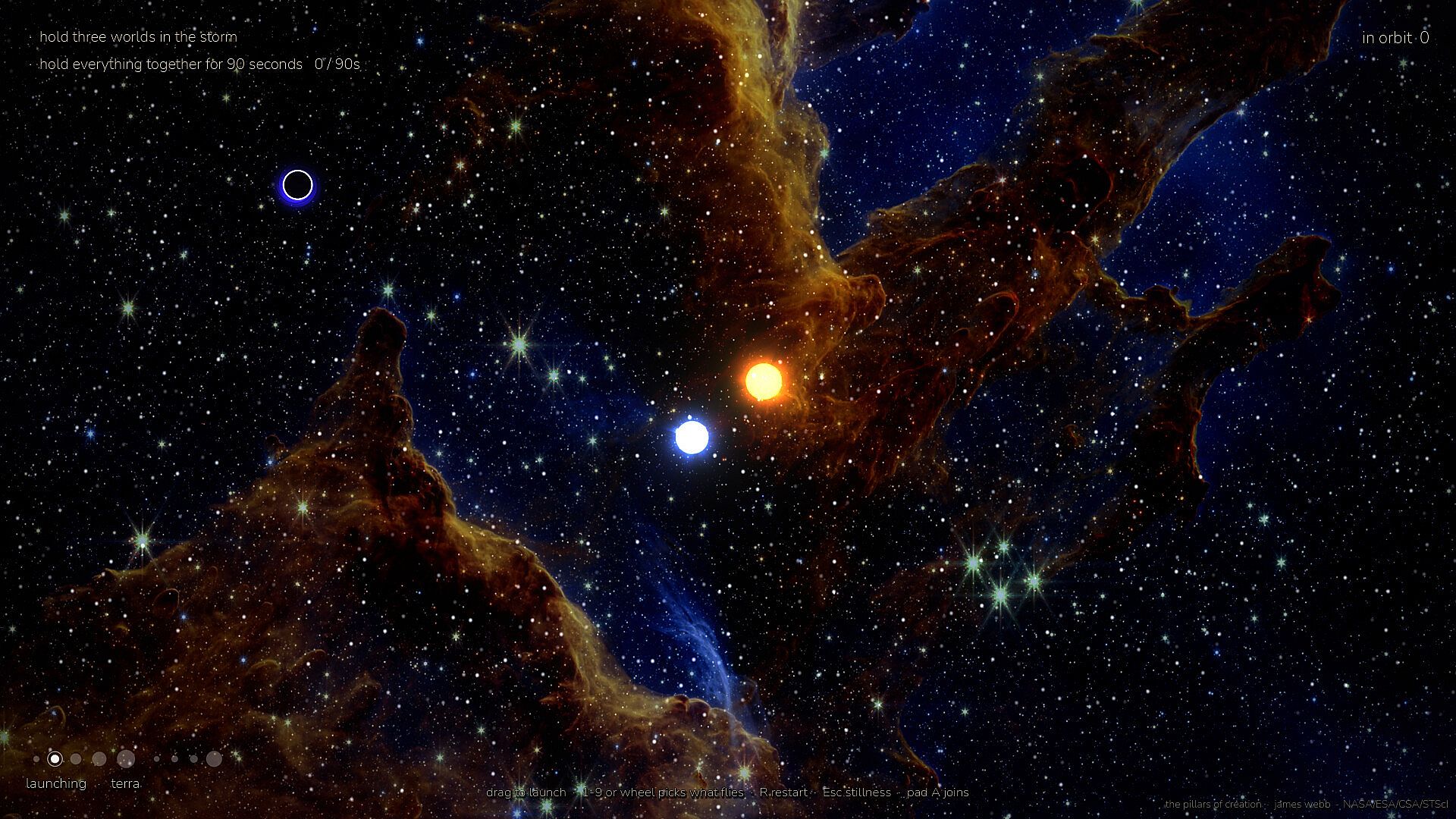
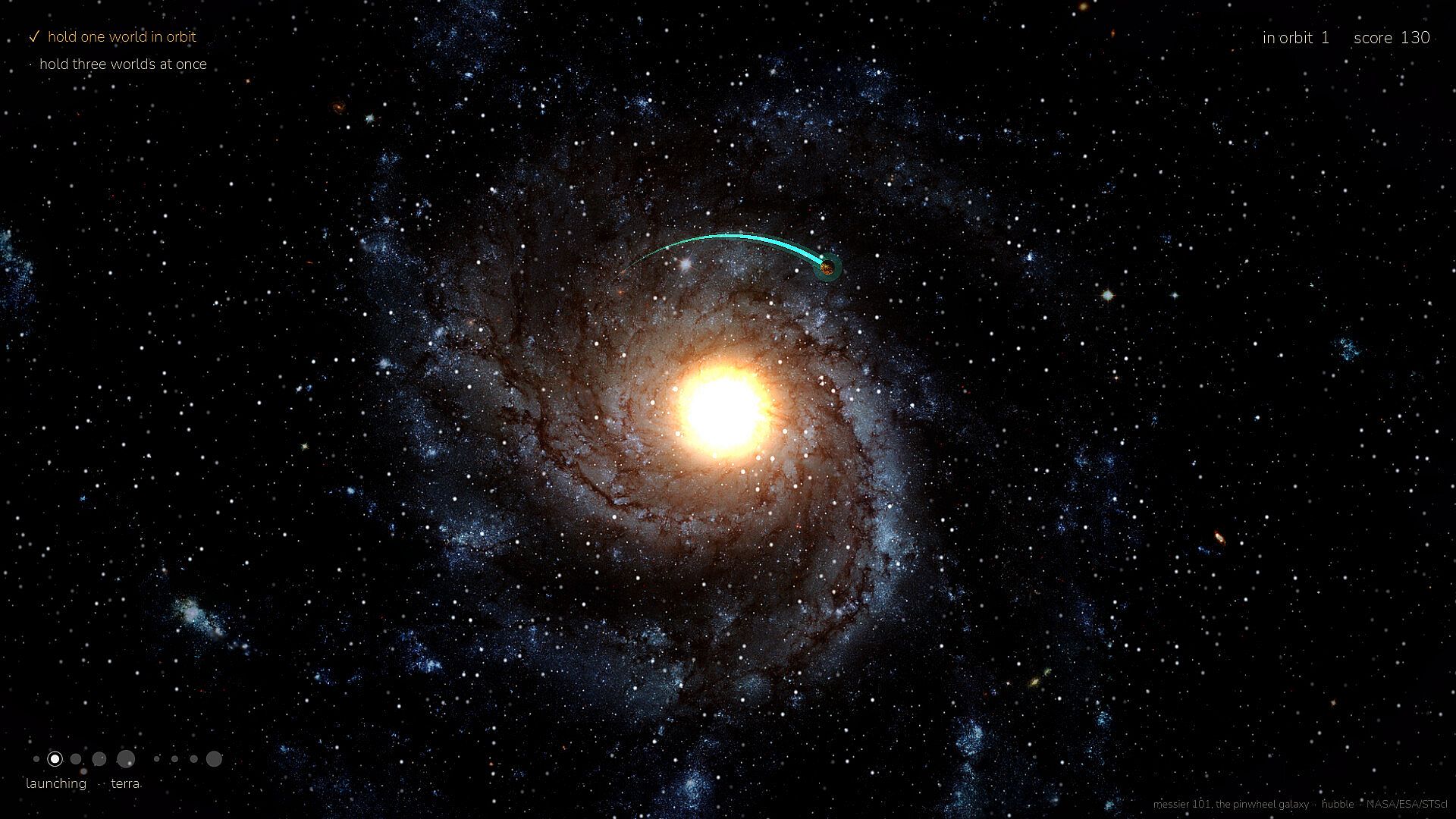
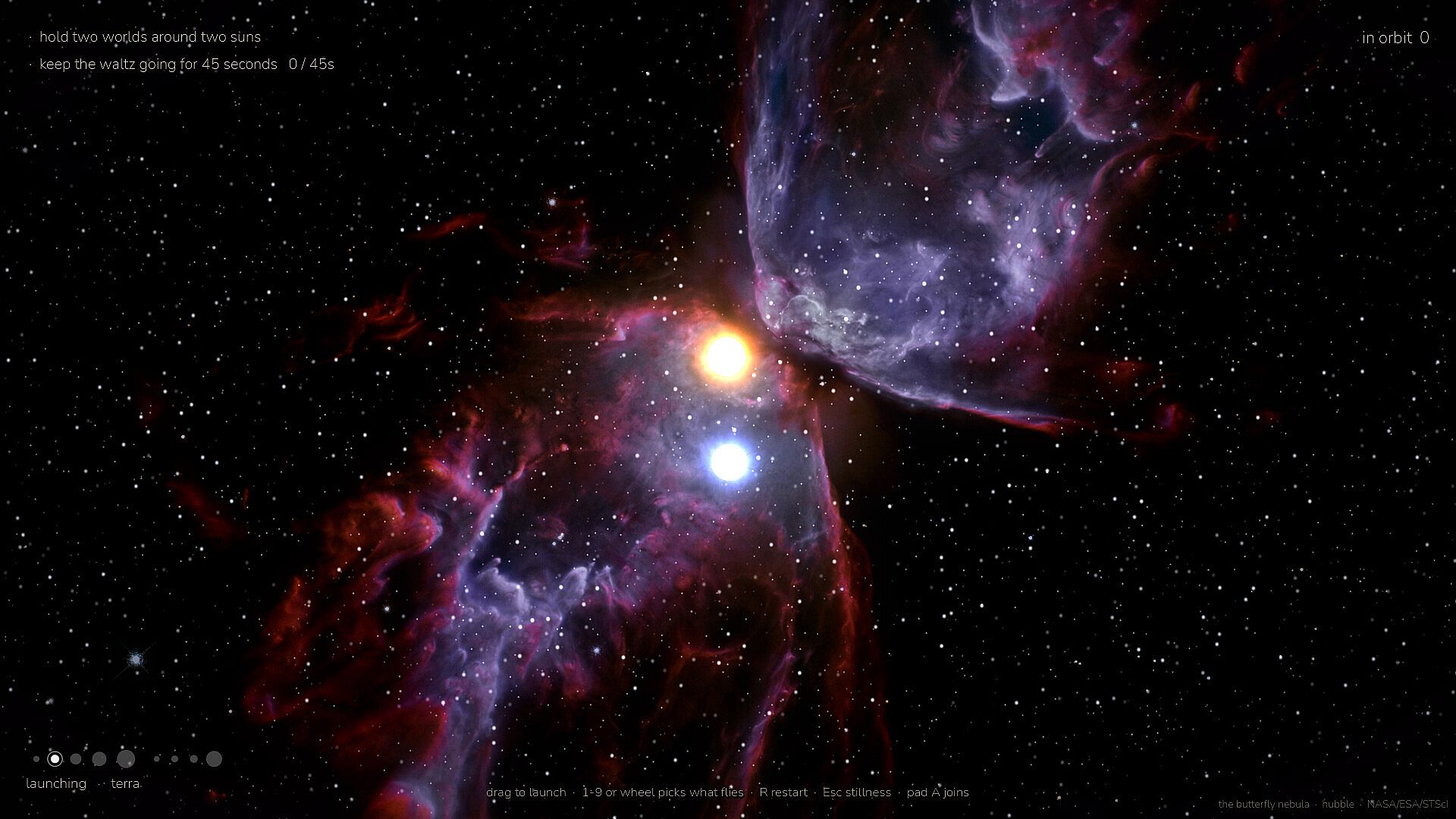
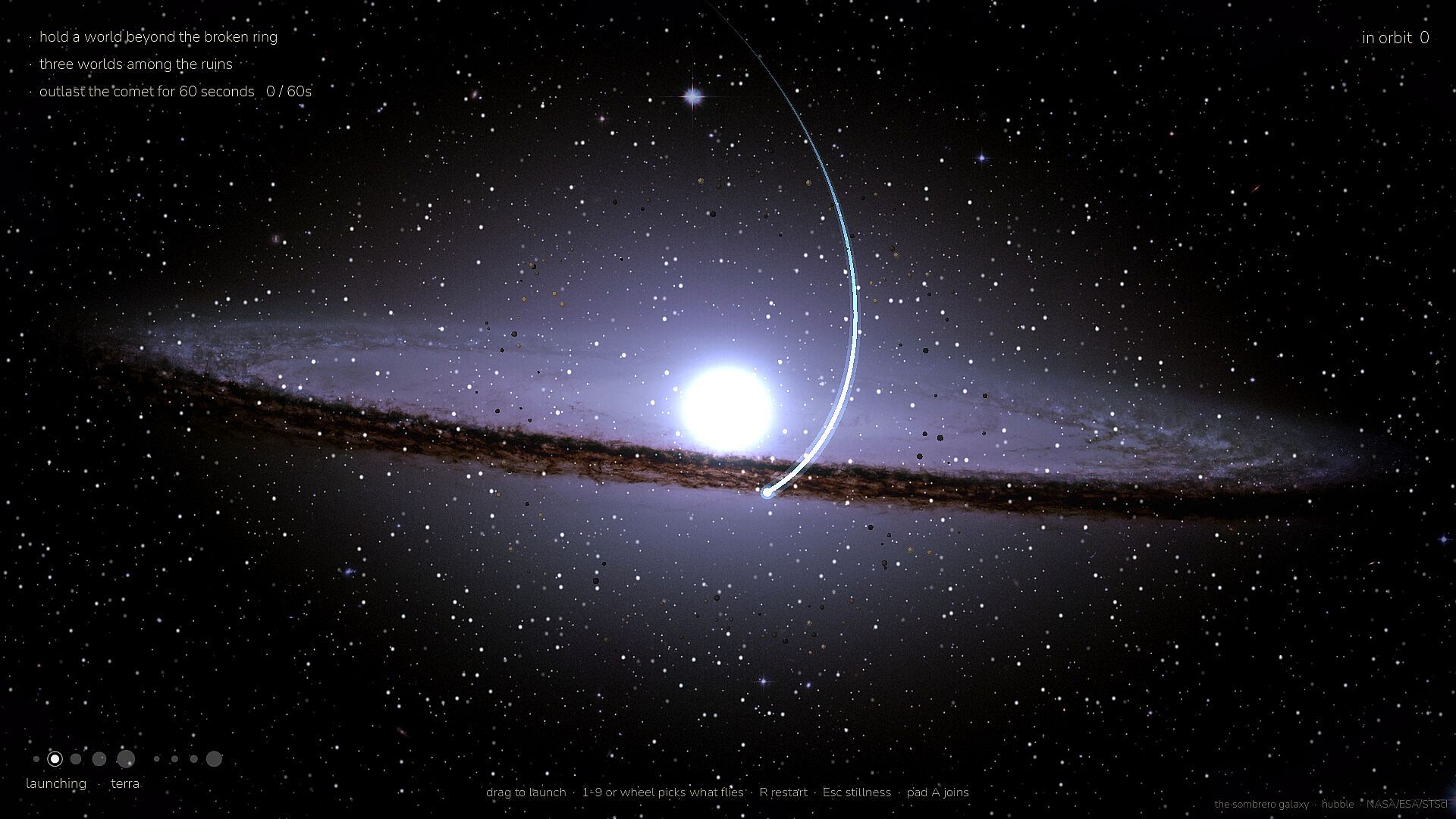
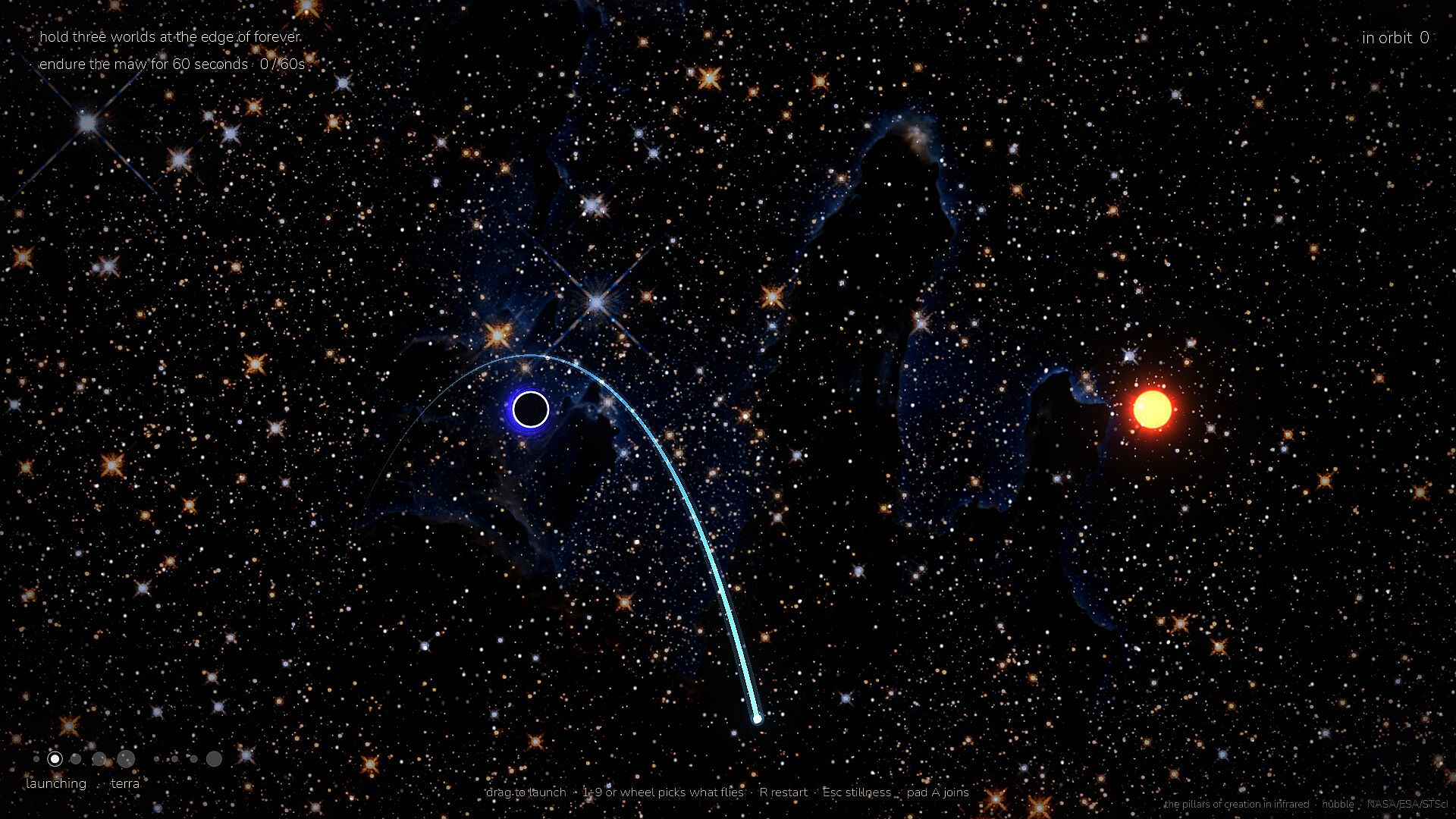
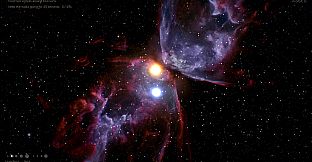
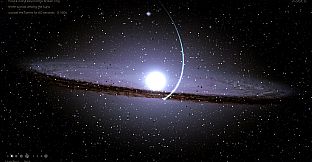
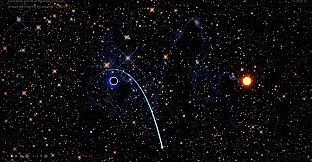
Core play involves aiming and releasing objects in frozen time so they follow realistic gravitational paths. Worlds interact through collisions and captures that can form moons or merge bodies into larger ones. Comets and smaller objects leave craters or alter orbits when they strike larger planets. Each system sits inside an authentic image from sources such as the James Webb Space Telescope or the Hubble Space Telescope, giving every scene a distinct visual backdrop.
Mechanics reward patience and observation. A small body passed near a larger one can settle into a stable moon orbit. Multiple objects can chain together over time to build complex arrangements. The game tracks how well the system holds together, with thriving configurations producing richer musical layers drawn from classical pieces by Satie and Debussy. Individual worlds contribute their own tonal notes that grow more prominent as stability increases.
Accessibility options include a photosensitivity mode and adjustable text size. A mercy rule allows progress after five defeats without requiring perfect performance on every attempt.
Game Modes
The primary experience is single-player puzzle solving across fifteen handcrafted systems. These range from binary star setups with orbiting pairs to scenarios featuring a roaming black hole or protective duties around native worlds. A final sequence requires keeping an entire arrangement intact during a disruptive event.
Local couch co-op supports two players sharing one screen. Online play is available through Remote Play Together for remote sessions. No competitive or versus modes exist; all activity focuses on cooperative or solo construction and maintenance of orbital systems.
Handcrafted Systems and Visual Design
Fifteen distinct levels place players inside verified astronomical imagery. Examples include the Pillars of Creation, the Sombrero galaxy, backlit views of Saturn, and the Earthrise photograph from Apollo 8. Each setting presents unique gravitational challenges such as rivers of stone or protected native planets. The fixed photographic backgrounds remain constant while player actions change only the orbiting bodies and their interactions.
Progression moves through these systems in sequence. Earlier levels introduce basic merging and capture techniques, while later ones combine multiple mechanics under tighter constraints. The demo version provides access to three of the fifteen systems for players to sample the core loop before committing to the full release.
Is It Worth Playing?
Universalia suits players who enjoy slow, deliberate physics puzzles and atmospheric presentation over high-speed challenges or narrative depth. The combination of real space imagery, classical music that responds to system health, and straightforward gravity rules creates a consistent zen tone throughout. Co-op options extend the appeal to shared sessions without adding competitive pressure.
Those seeking fast-paced action or extensive progression systems may find the scope limited to its focused simulation elements. The mercy rule and accessibility features lower barriers for newcomers, while the handcrafted levels provide clear goals without overwhelming complexity. Availability on PC with a free demo makes it easy to test compatibility with personal preferences before purchase.