











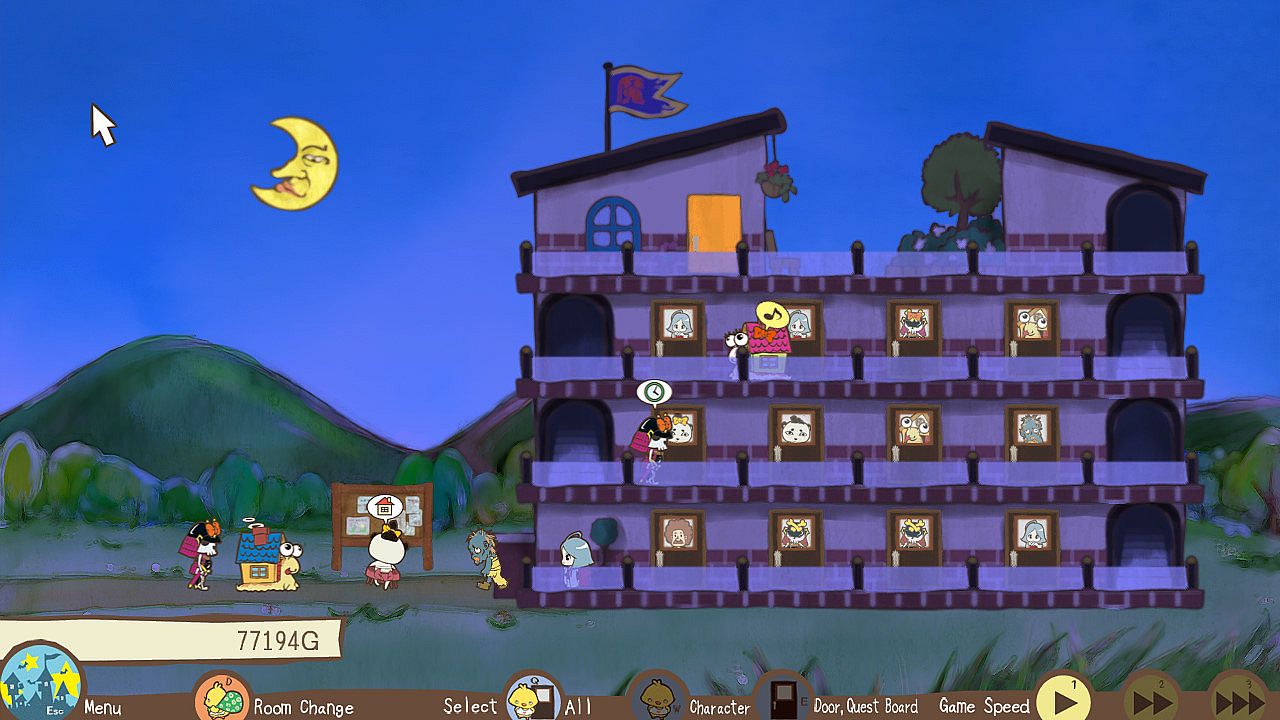
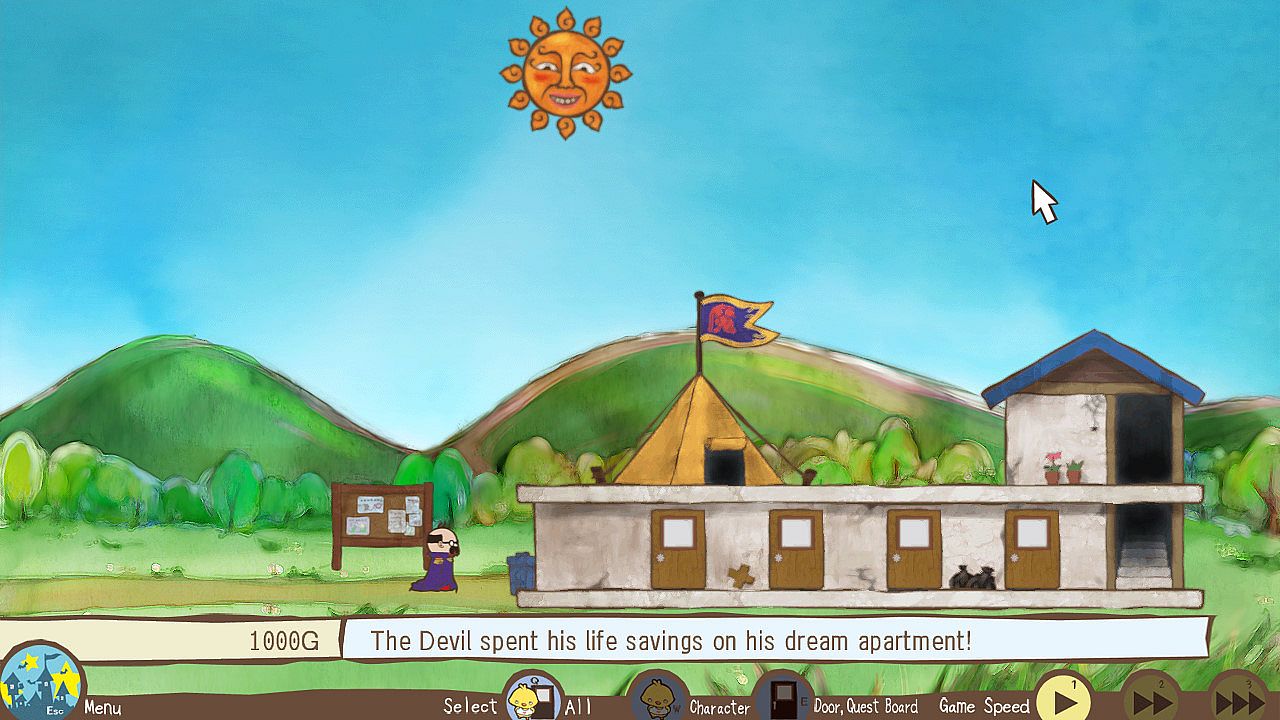
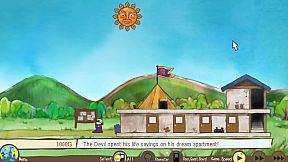
Unholy Heights is a strategy indie simulation game that combines apartment management with tower defense elements. Players take on the role of a landlord managing a building filled with monsters, balancing tenant satisfaction and rent collection against waves of attacking heroes.
Gameplay
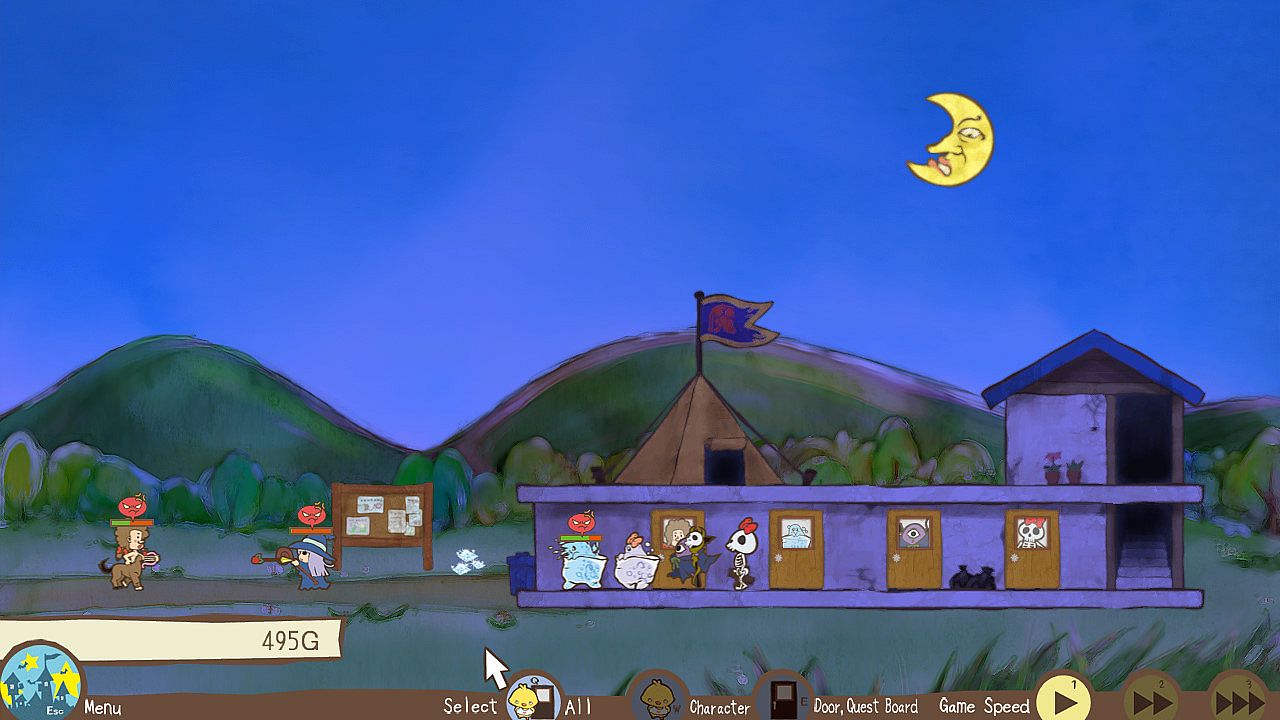
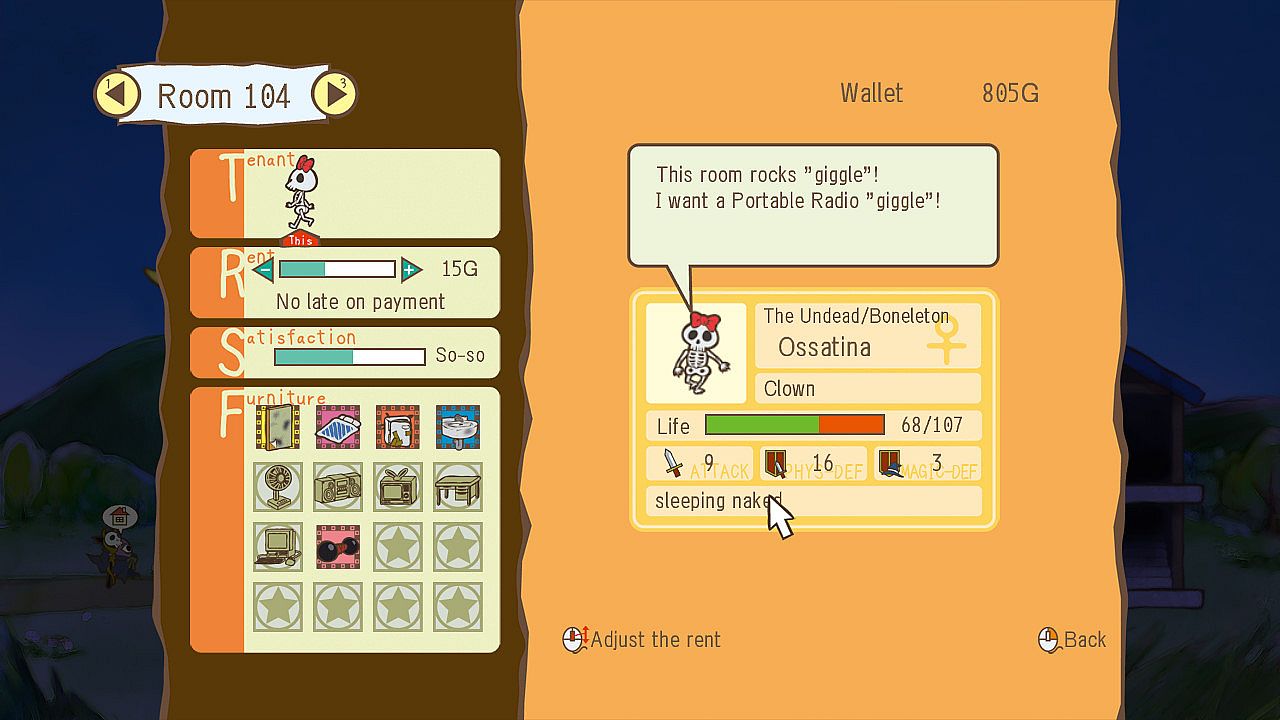
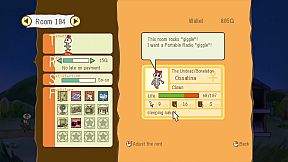
The core loop centers on attracting and retaining monster residents in a converted tenement building. Prospective tenants arrive with unique traits, and keeping them content involves purchasing appropriate furniture while setting rent levels that match their jobs and habits. Monsters pursue personal lives independently, forming relationships, raising families, and sometimes defaulting on payments, which requires careful oversight to avoid vacancies during critical defense periods.
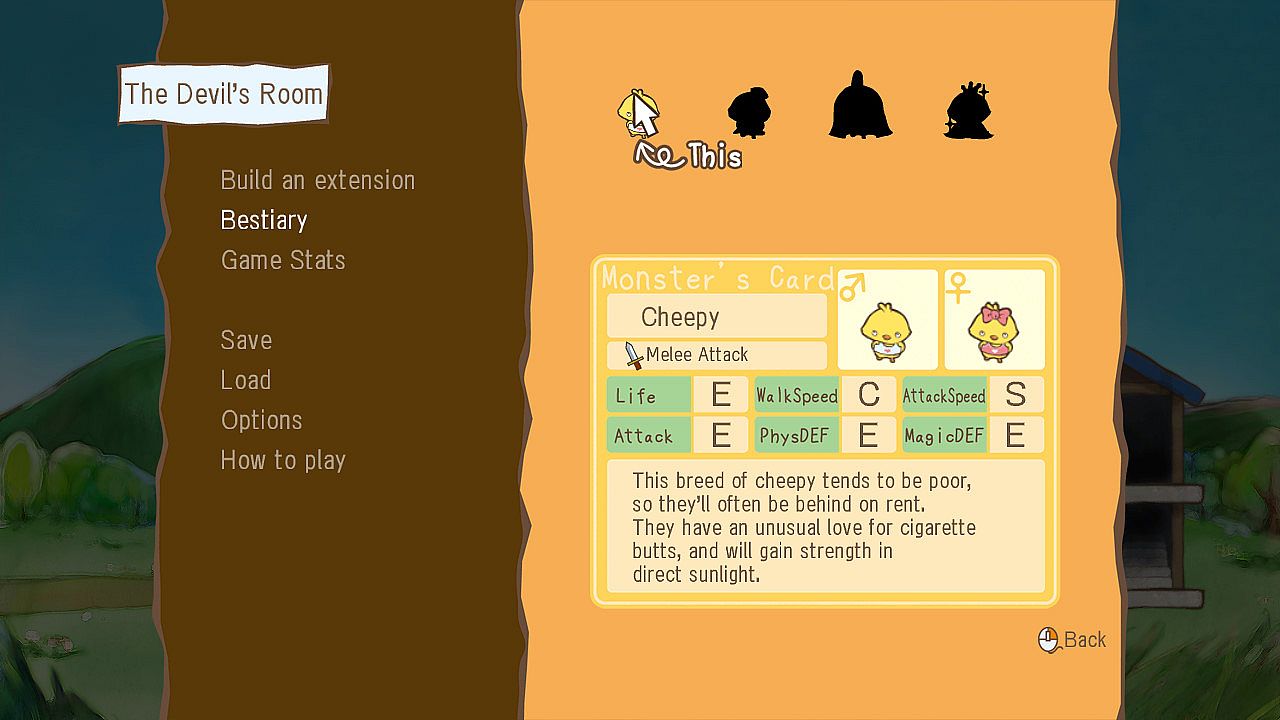
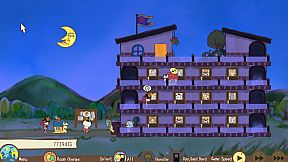
Combat integrates directly into the management phase. When heroes approach, the player uses a mouse-based interface to knock on apartment doors and direct residents into battle. Positioning allows for tactical setups such as placing durable monsters in front to absorb damage while ranged attackers strike from behind, or timing movements to trap enemies between multiple units. Each monster species brings distinct strengths and weaknesses, with more than twenty varieties available through progression. Children born to residents inherit and often exceed their parents' capabilities, strengthening the defensive roster over time.
Procedural generation adds variety to daily operations. Occupations, hobbies, and personal desires for each monster emerge dynamically, influencing their rent-paying capacity and furniture preferences. Reputation with different monster families grows or declines based on treatment and performance, unlocking access to new species and items through a quest system that players can tackle at their own pace.
Game Modes
Unholy Heights operates as a single integrated experience without separate selectable modes. The management simulation and defensive battles occur in the same continuous session, with time progressing at adjustable speeds to suit player preference. Quests serve as optional or required objectives that expand the building and roster, while reputation mechanics guide long-term strategy by determining which monster families become available.
Progression flows through expanding the apartment floors, acquiring stronger units via family growth, and maintaining a balanced population that can handle escalating hero threats. The absence of distinct multiplayer or competitive modes keeps focus on the landlord's ongoing challenge of sustaining a viable monster community amid constant external pressure.
Key Mechanics and Progression
Reputation tracking with monster families determines quest availability and tenant quality. Higher standing with specific groups opens advanced options, while poor performance can lead to vacancies or uncooperative residents. Furniture purchases not only boost happiness but also support family formation through targeted items that encourage relationships.
Defensive encounters emphasize real-time decision making over static setups. Players must decide when to commit residents, when to pull them back for recovery, and how to exploit the building's layout for advantageous engagements. Procedural elements ensure that no two playthroughs feature identical tenant behaviors or combat challenges.
Is It Worth Playing?
Unholy Heights suits players who enjoy blending resource management with light tactical combat in a single-player format. The charming hand-drawn visuals and humorous monster interactions provide consistent engagement, while the procedural systems and reputation mechanics encourage multiple attempts to optimize tenant selection and defensive layouts.
Those seeking a straightforward tower defense title may find the management demands add welcome depth, though the integrated systems require attention to both economic and combat priorities. The game remains available on PC with its original feature set intact, offering a complete experience for fans of indie strategy simulations that reward careful planning and adaptive responses to tenant dynamics.