

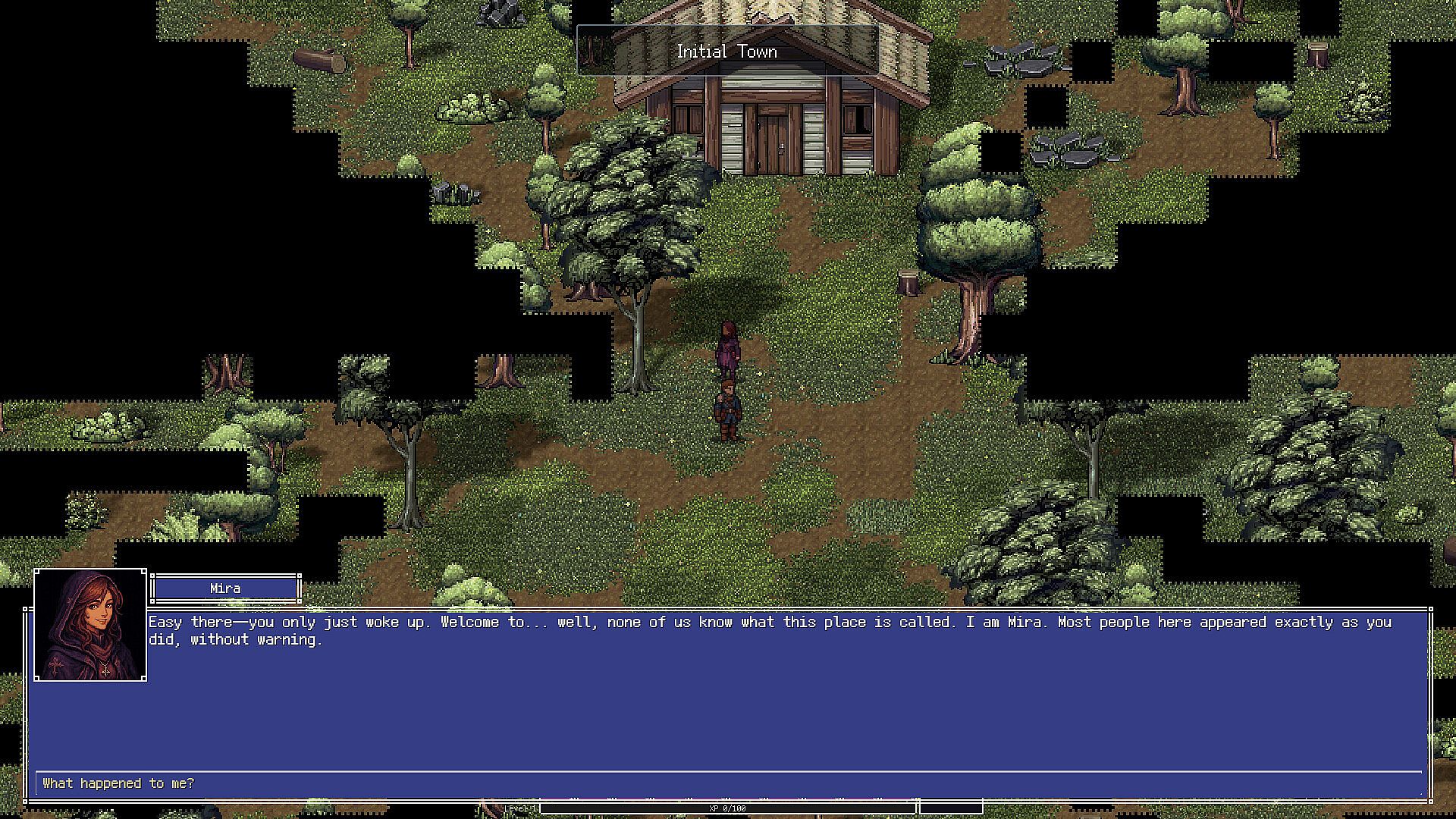
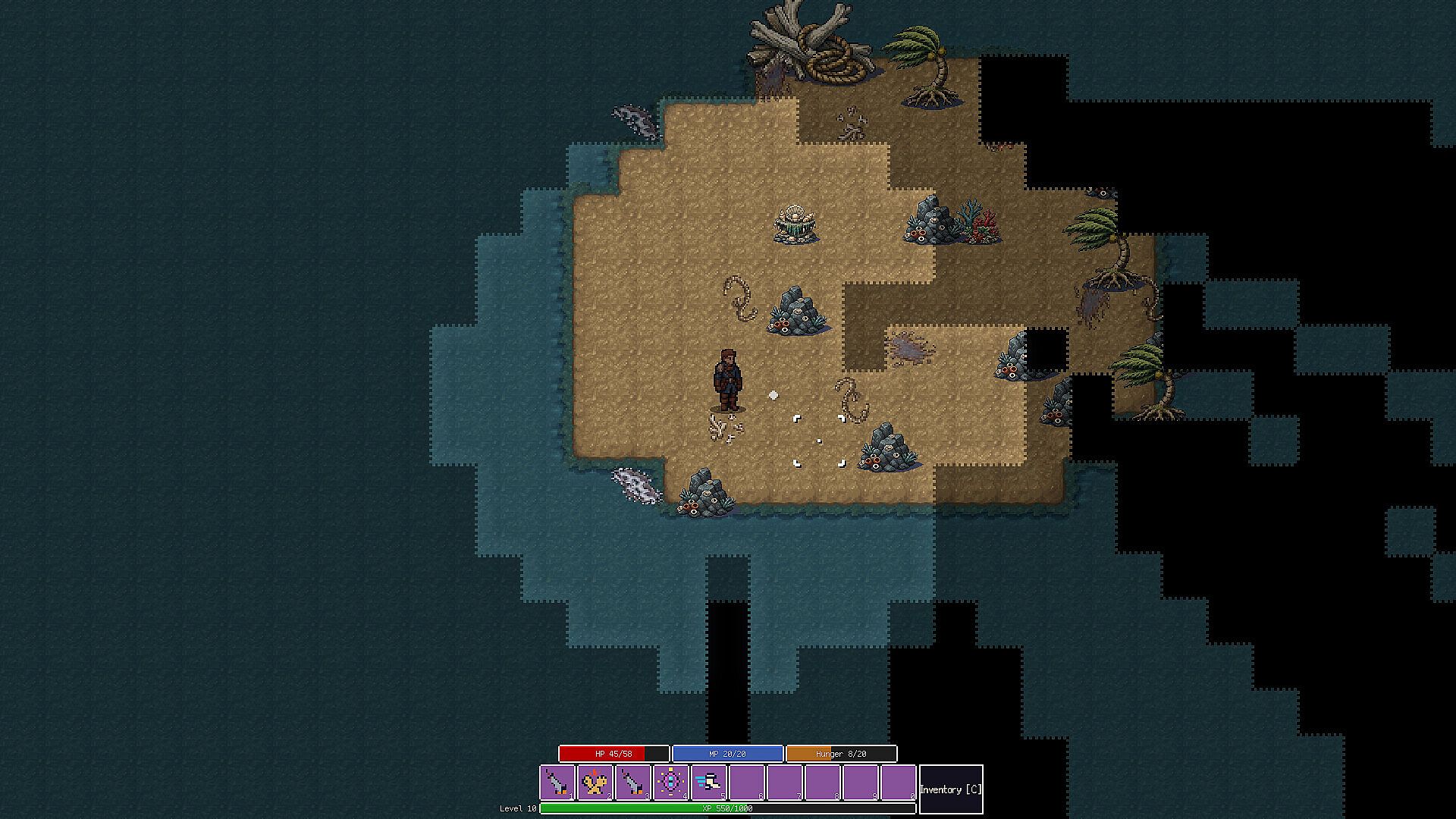
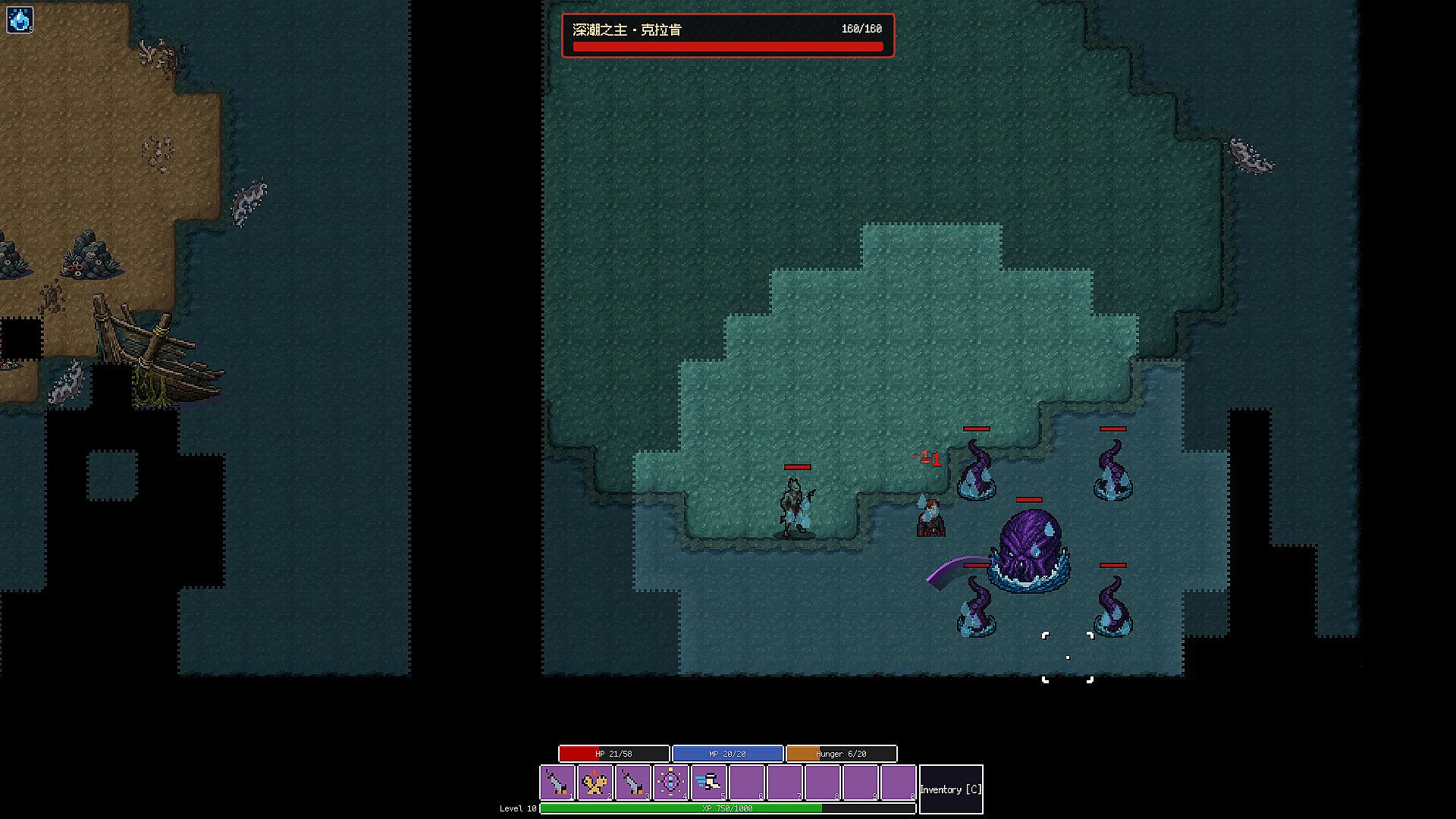
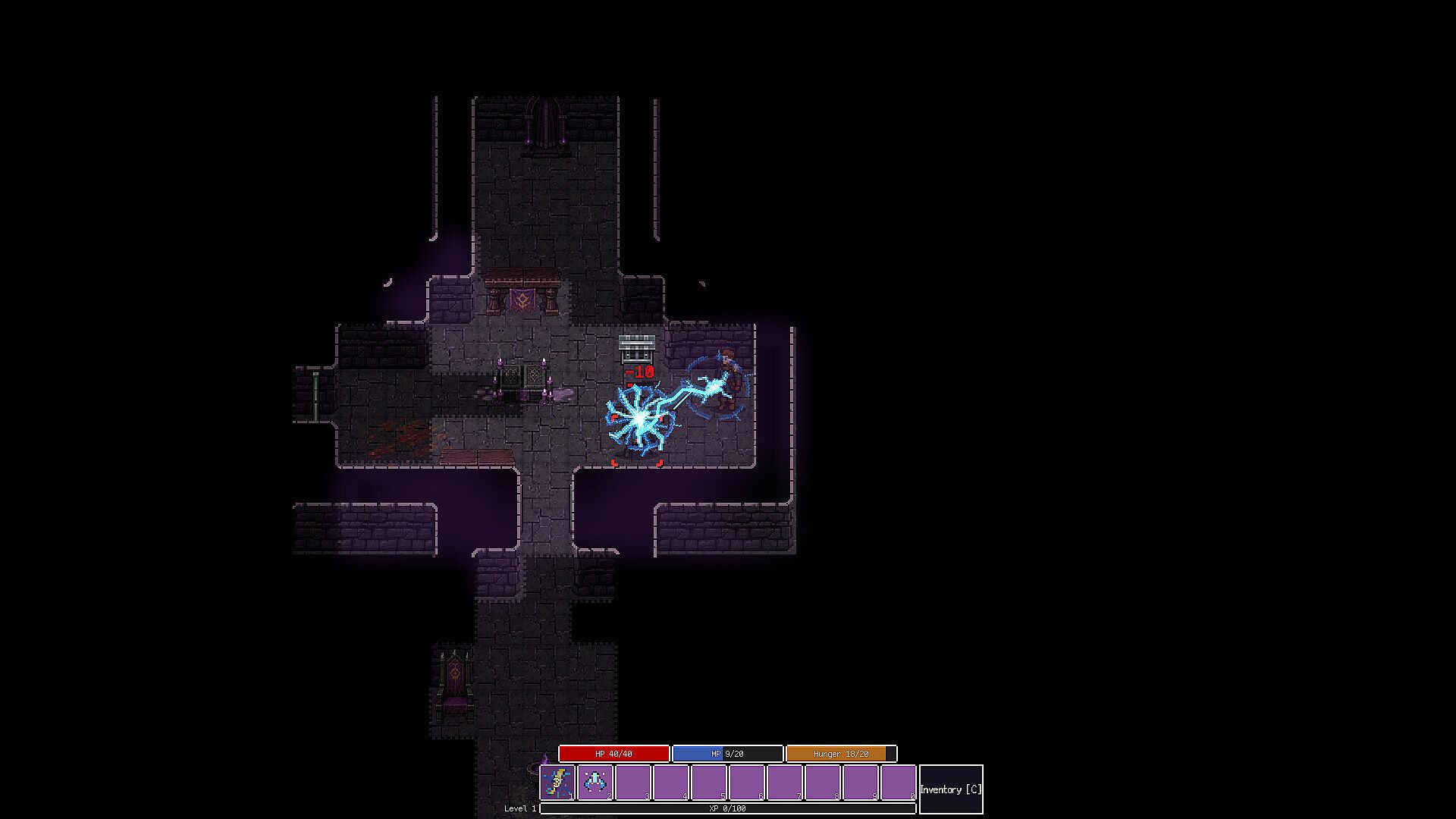
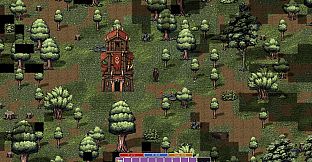
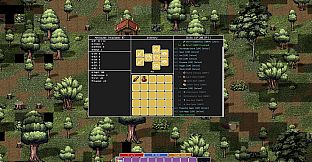
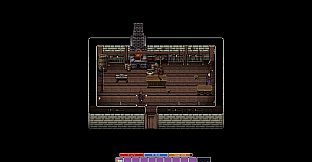
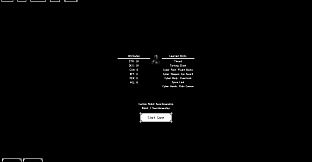
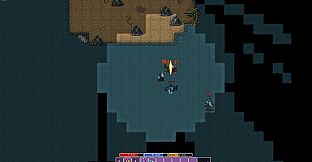
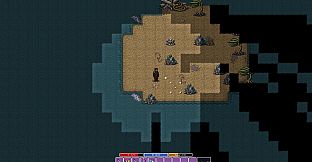
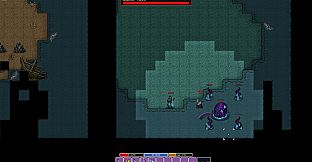
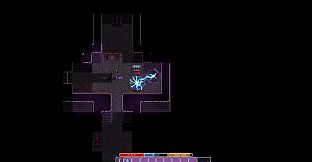
Undermoon is a single-player dark-fantasy turn-based tactical RPG roguelike developed for PC. Players awaken in a settlement of castaways from varied races, eras, and worlds, then venture into surrounding towers that shift with each attempt. The experience centers on grid-based movement and combat where every action advances the turn, forcing careful planning amid environmental hazards and enemy patterns.
Gameplay
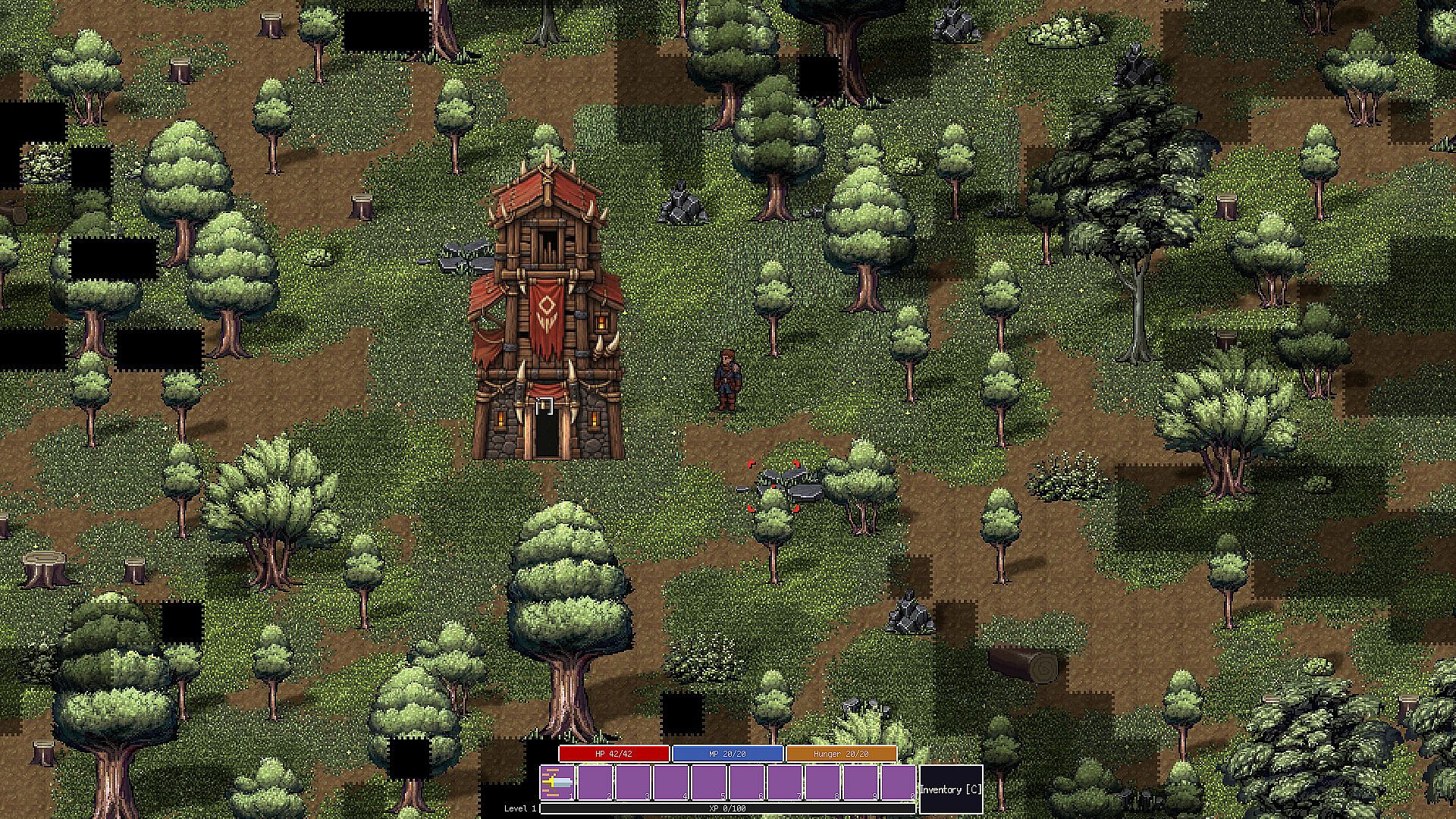
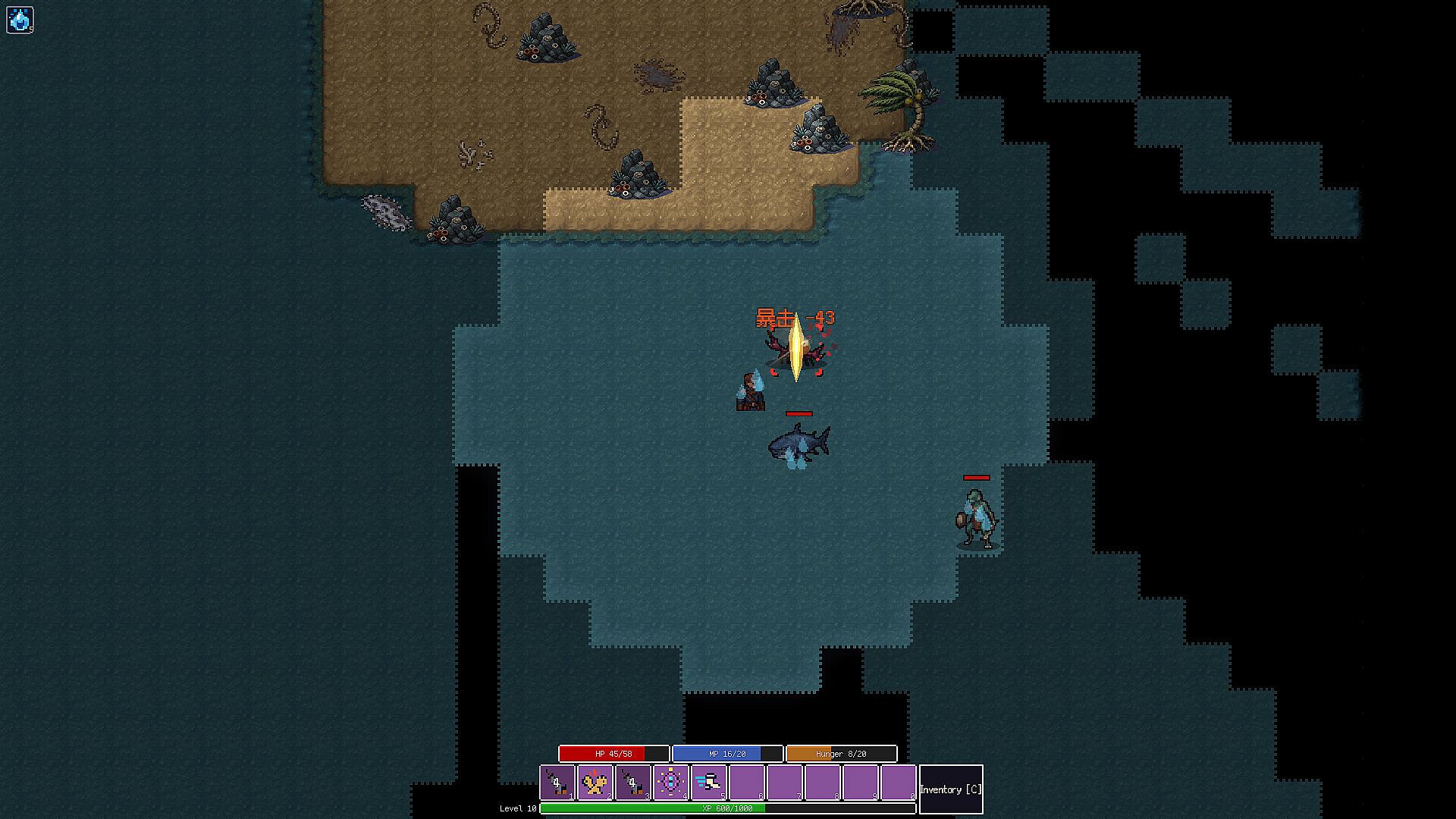
The core loop revolves around preparing a character build before entering procedurally recombined tower floors. Movement, attacks, skills, projectiles, and status effects all resolve on a square grid viewed from a three-quarter top-down perspective rendered in 2D pixel art. Environmental elements such as water, ice, fire, lightning, acid, and steam interact directly with abilities, allowing surfaces to freeze, areas to ignite, or electricity to conduct across terrain. Darkness limits visibility, while traps, hunger, and meal bonuses add layers to exploration decisions.
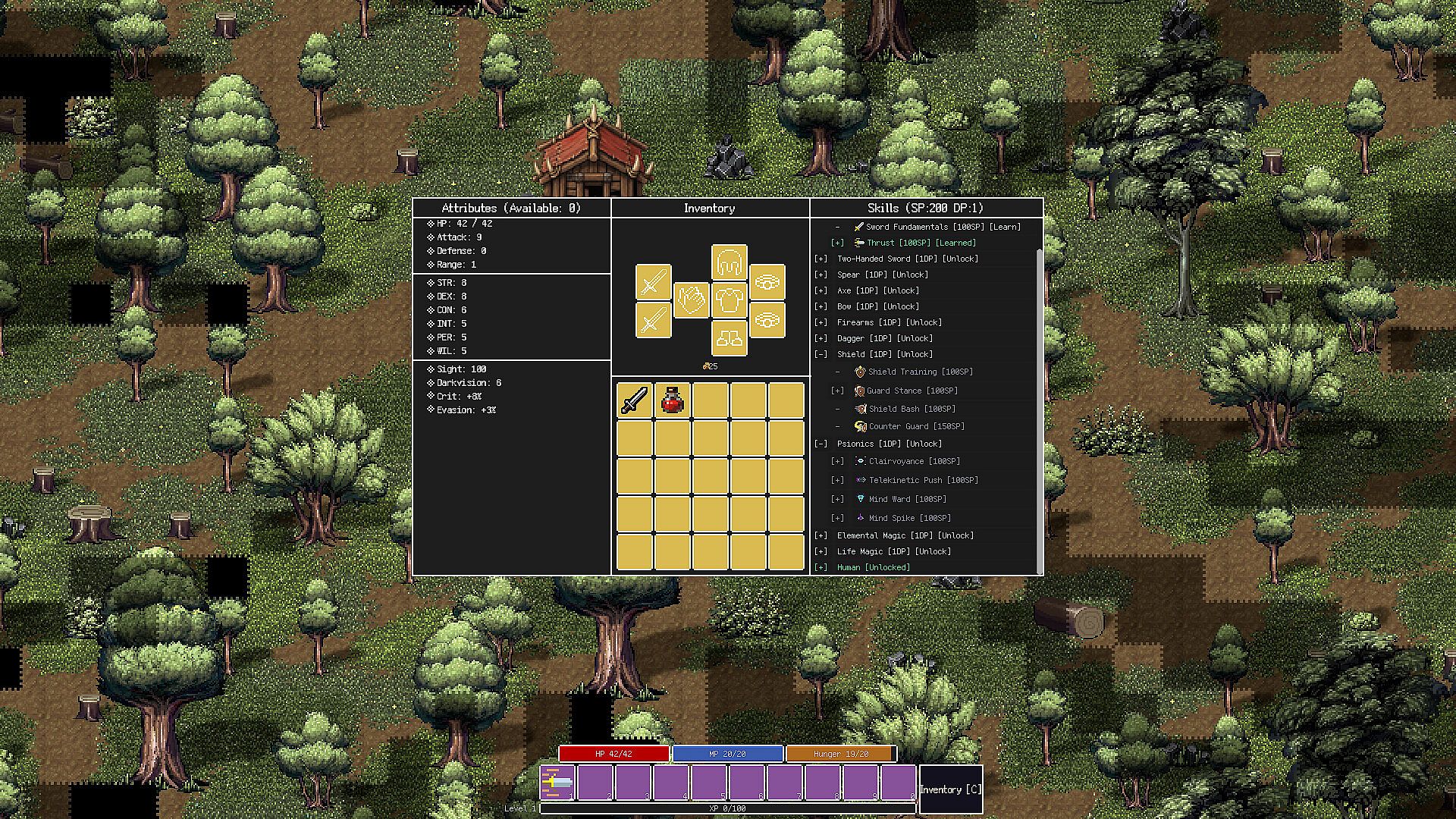
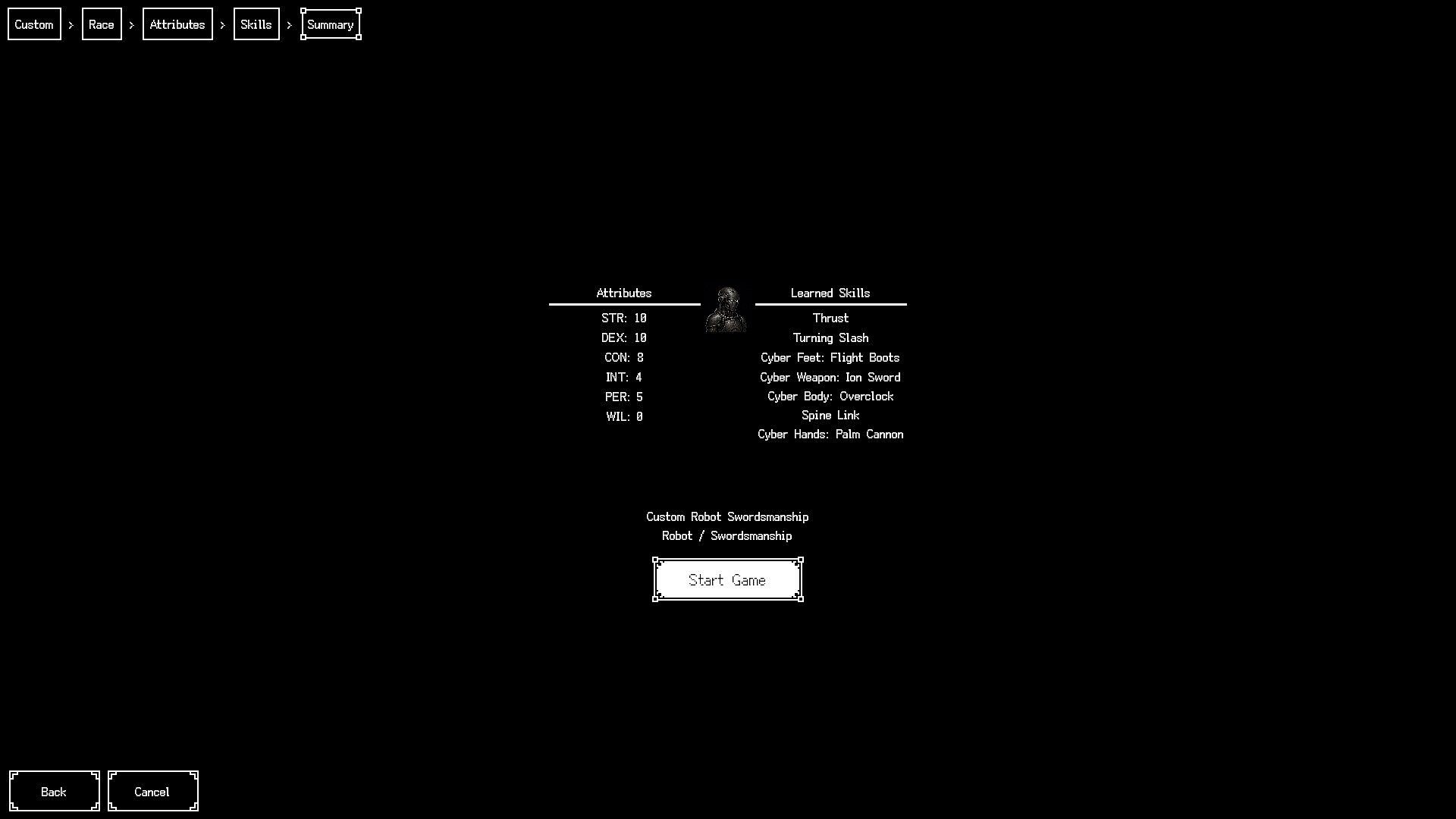
Character creation begins with a race and combat discipline selection, followed by point distribution across Strength, Dexterity, Constitution, Intelligence, Perception, and Will. Progression occurs through interconnected skill trees and equipment choices that include weapons, armor, accessories, consumables, and action-bar abilities. Defeating a tower boss grants a Tower Gift that permanently alters run mechanics. Boss encounters feature telegraphed attacks scaled to distinct sizes and battlefield mechanics, requiring precise positioning and adaptation.
Combat emphasizes reading the battlefield before committing actions. Flexible builds support melee, ranged bows, firearms, elemental magic, psionics, summons, and defensive options. Players control space, reposition foes, or strike from distance while managing supplies to decide whether to push deeper or return to town for recovery and reorganization.
Game Modes
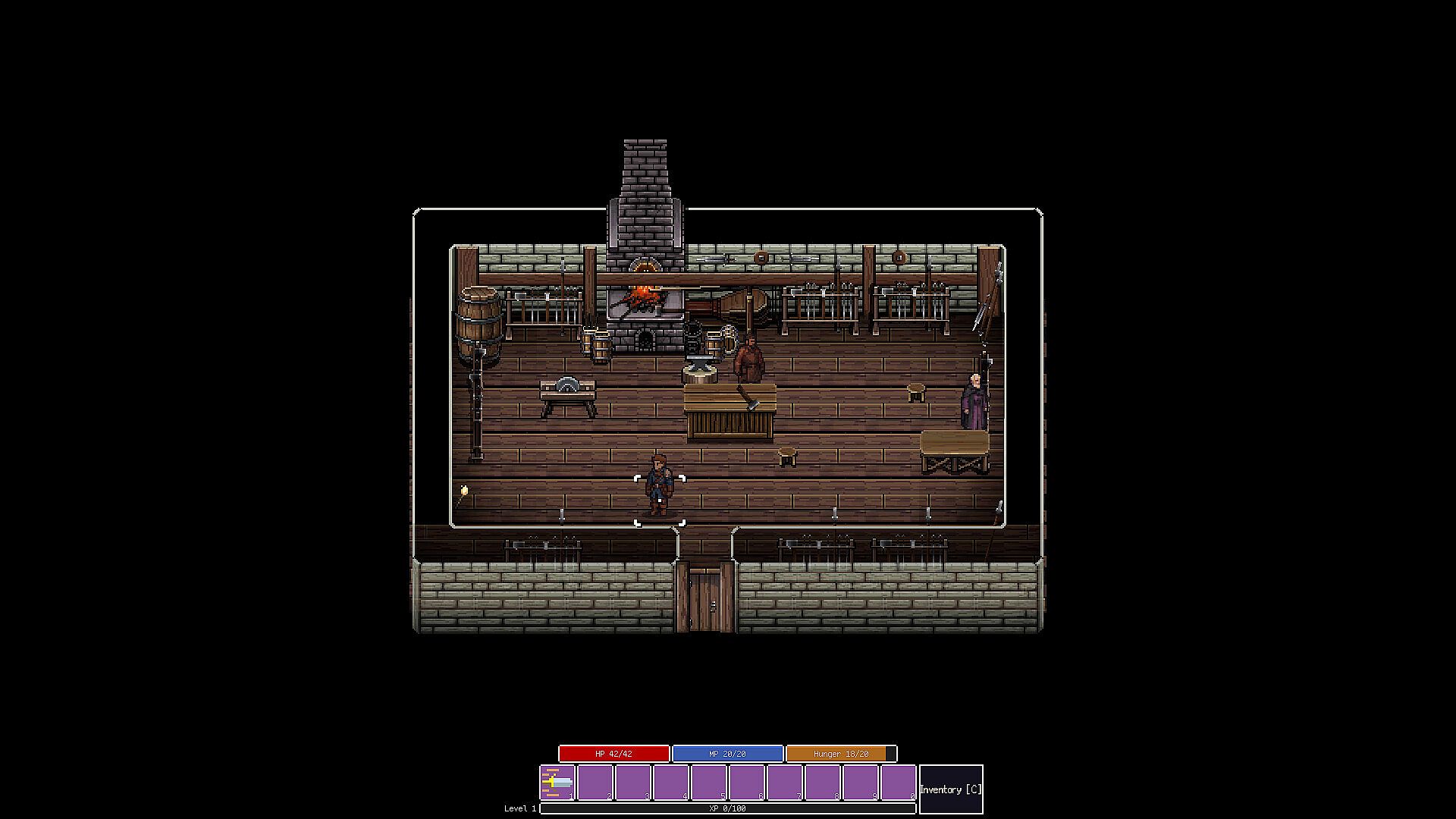
Undermoon operates as a single-player roguelike with no separate multiplayer or co-op options. Each run consists of entering a themed tower assembled from handcrafted and procedurally recombined spaces, each featuring unique environments, traps, enemies, and bosses. Failure ends the current attempt, but accumulated knowledge about enemy behaviors, environmental interactions, and effective builds carries forward to subsequent runs. Between towers, players return to the settlement to trade, reorganize equipment, and prepare for the next challenge.
The structure encourages repeated attempts with evolving strategies rather than linear progression through fixed levels. All systems, including combat resolution and environmental rules, remain consistent across attempts while the specific floor layouts vary.
Character Development and Builds
Progression ties directly to meaningful choices in skill trees and equipment loadouts. Stats influence combat effectiveness across different disciplines, and Tower Gifts introduce run-altering effects that encourage experimentation. Consumables and abilities on the action bar further customize approaches to each floor, rewarding players who adapt tactics to specific hazards and enemy compositions.
Exploration integrates with combat through visibility mechanics and resource management. Hunger and meal bonuses affect performance, while traps and darkness demand attention alongside direct confrontations. These elements combine to create a loop where preparation in town influences success inside the towers.
Is It Worth Playing?
Undermoon suits players who enjoy deliberate, grid-based tactical combat and roguelike repetition in a dark-fantasy setting. The emphasis on environmental interactions, build flexibility, and boss adaptation provides depth for those who value strategic planning over fast-paced action. Its single-player focus and run-based structure reward persistence and learning from defeats without requiring external coordination.
Those drawn to indie strategy RPGs with pixel art presentation and interconnected progression systems will find the core mechanics align closely with the described systems. The absence of additional modes keeps the experience focused on the tower-climbing loop and character customization. Availability remains limited to PC at this stage.