


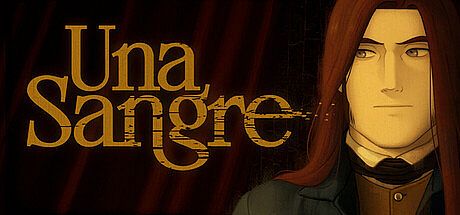





Una Sangre is an indie adventure visual novel developed for PC. It presents a literary and psychological narrative that spans eight centuries across seven chapters, examining moral responsibility, the lasting effects of trauma, and the gradual hardening of the human spirit. The story positions itself as a chamber tragedy in the vein of Chekhov rather than conventional gothic horror, focusing on flawed individuals whose own natures lead to their undoing. Players follow a non-neutral narrator whose prose shifts to reflect the emotional truths of the characters being followed at any given moment.
Gameplay
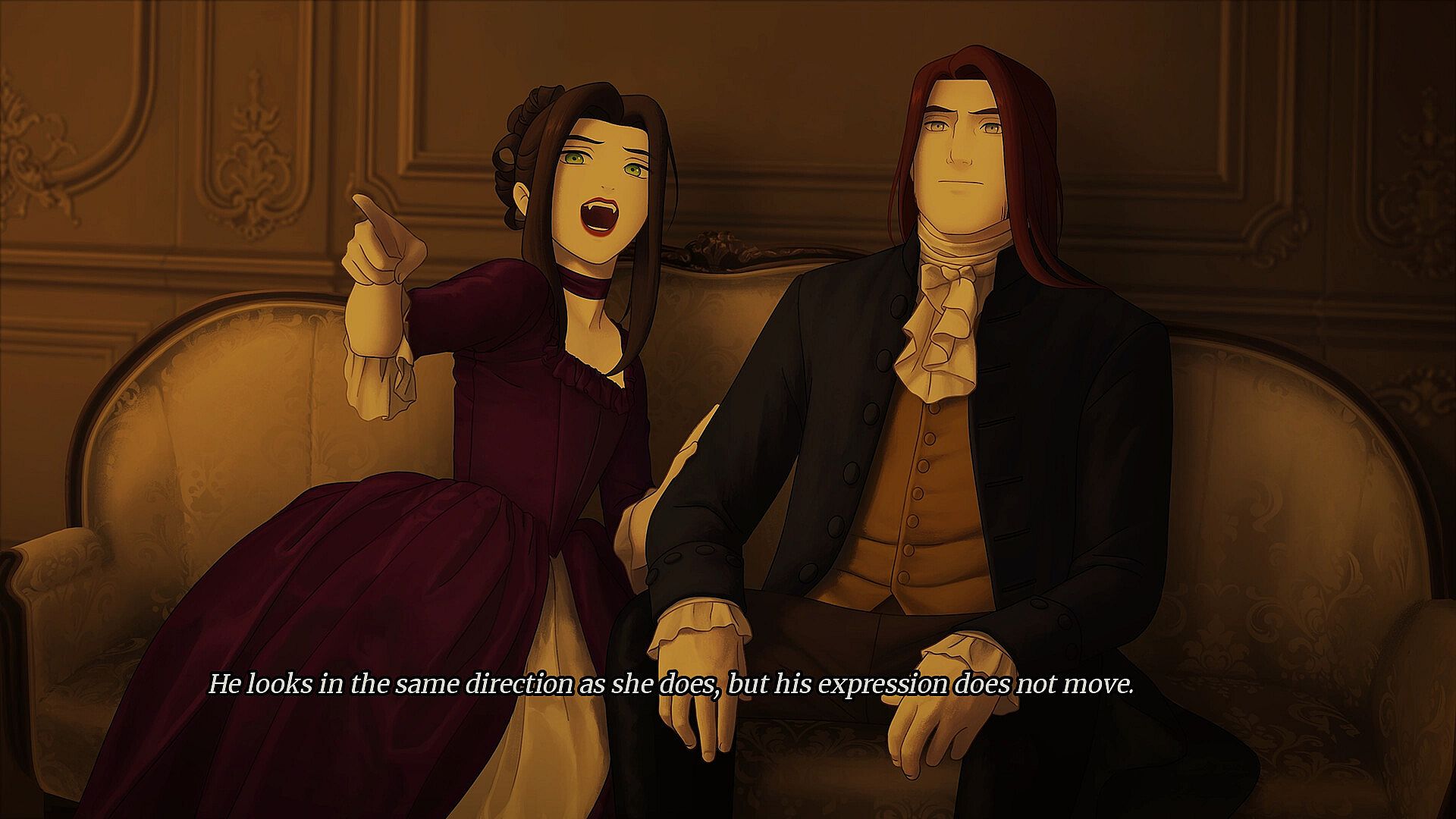
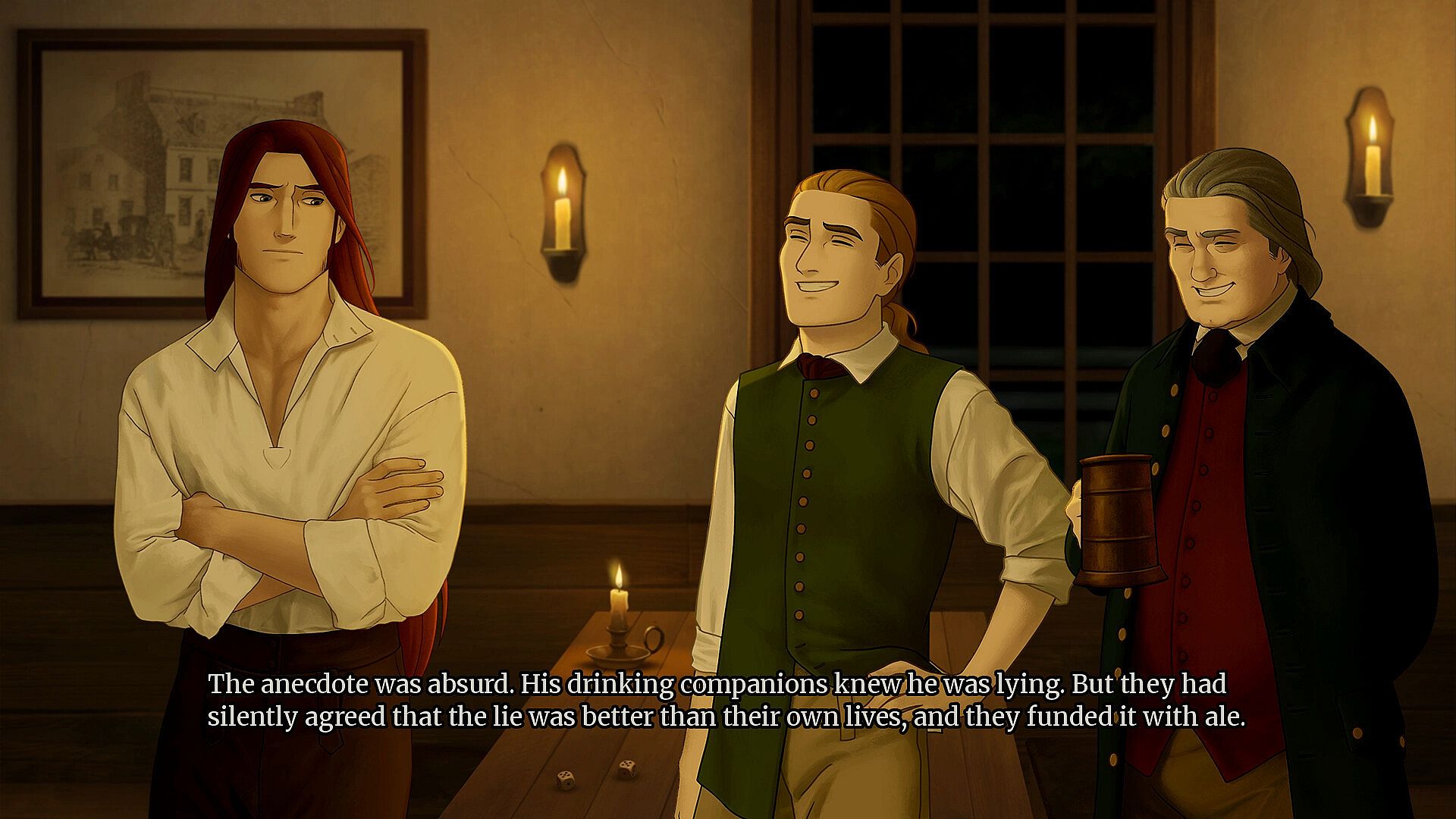
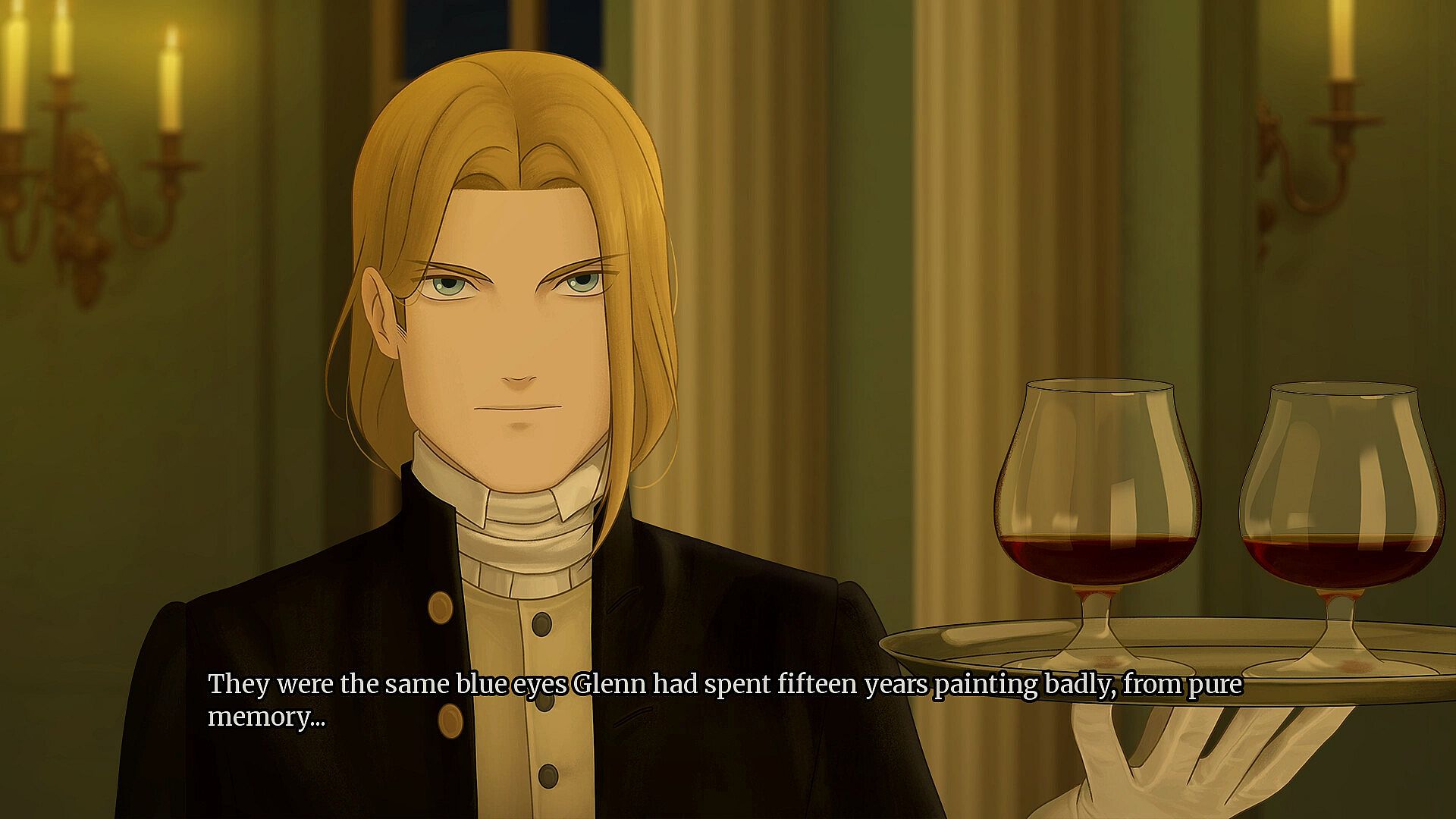
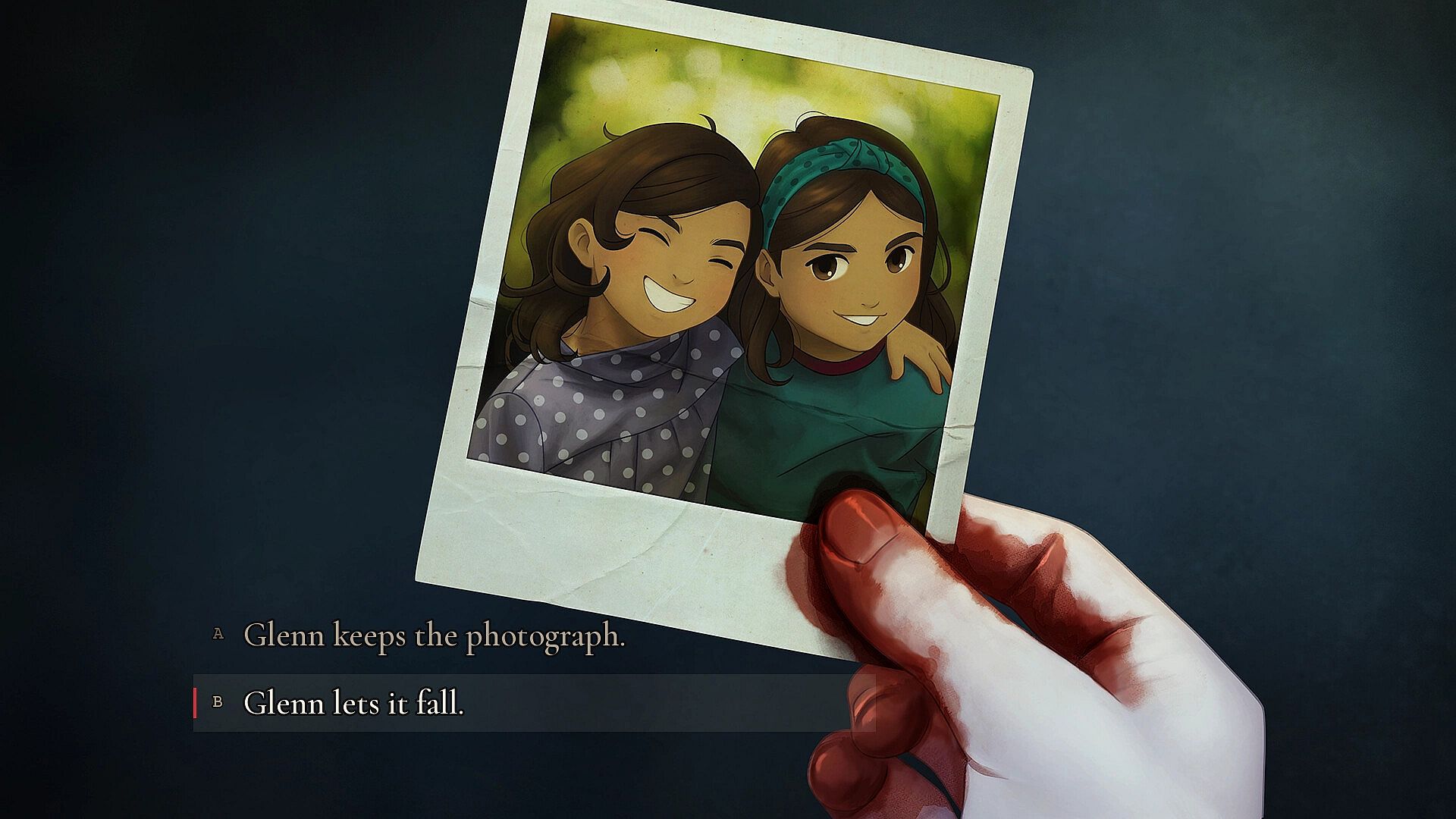
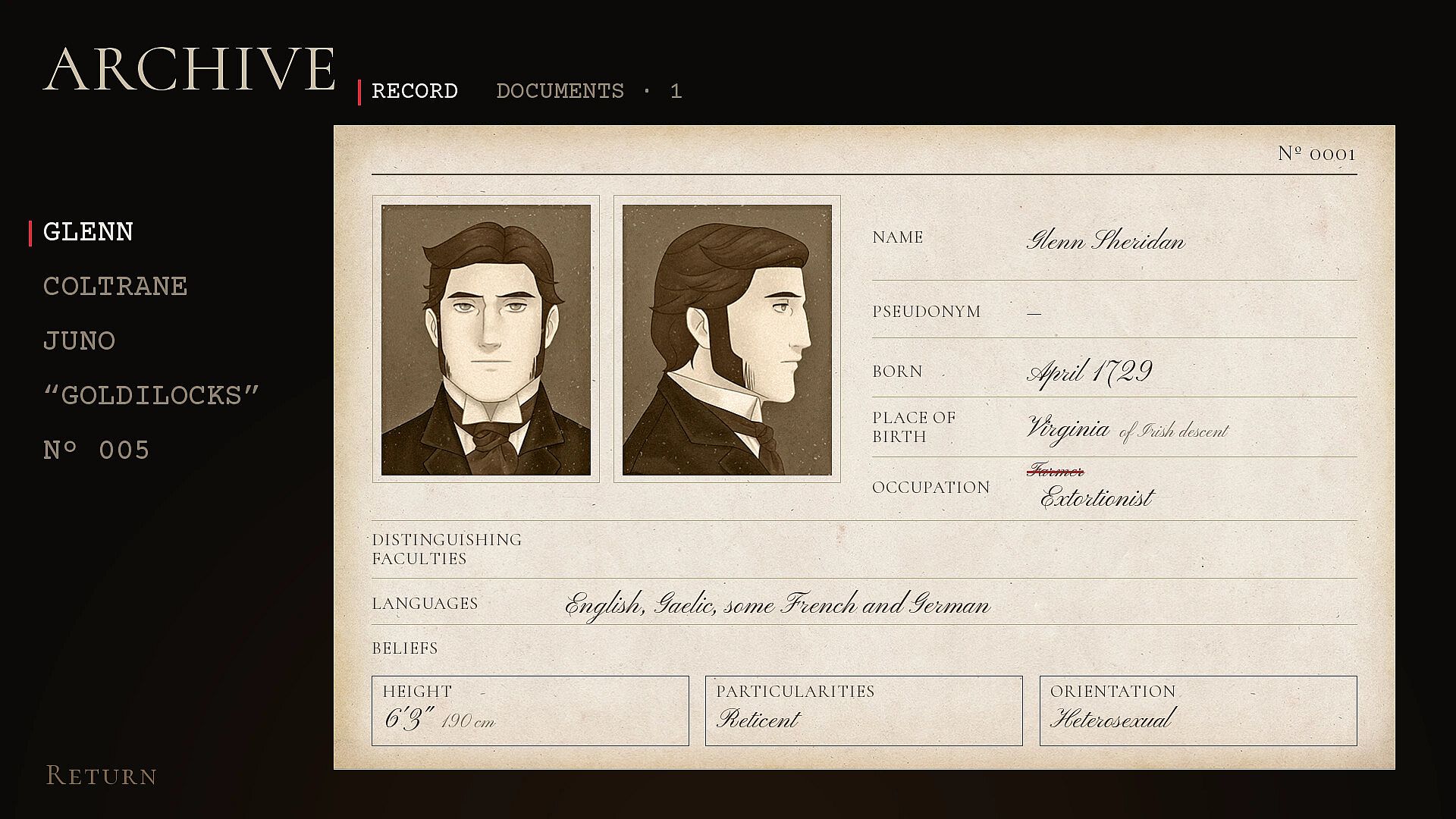
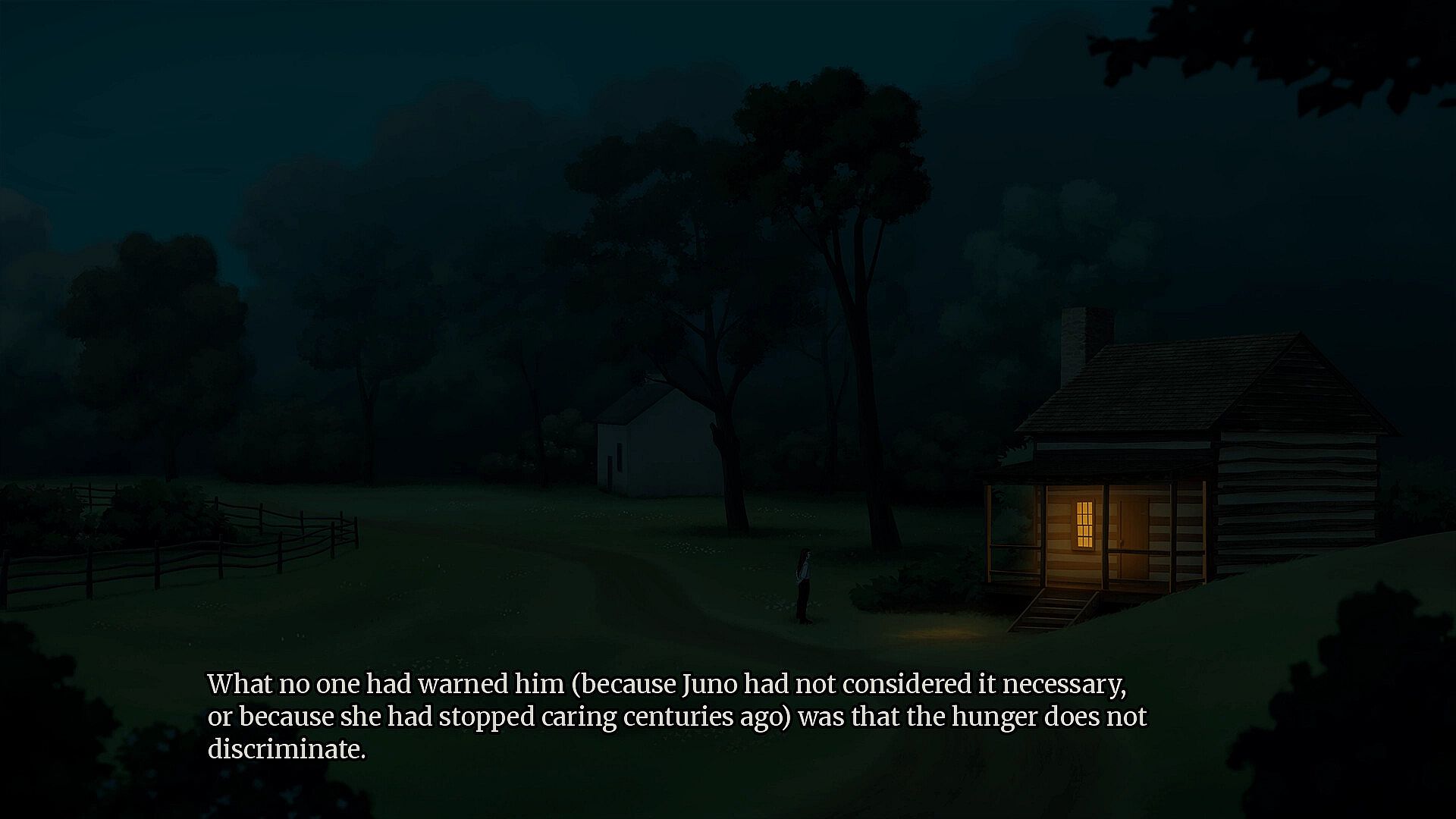
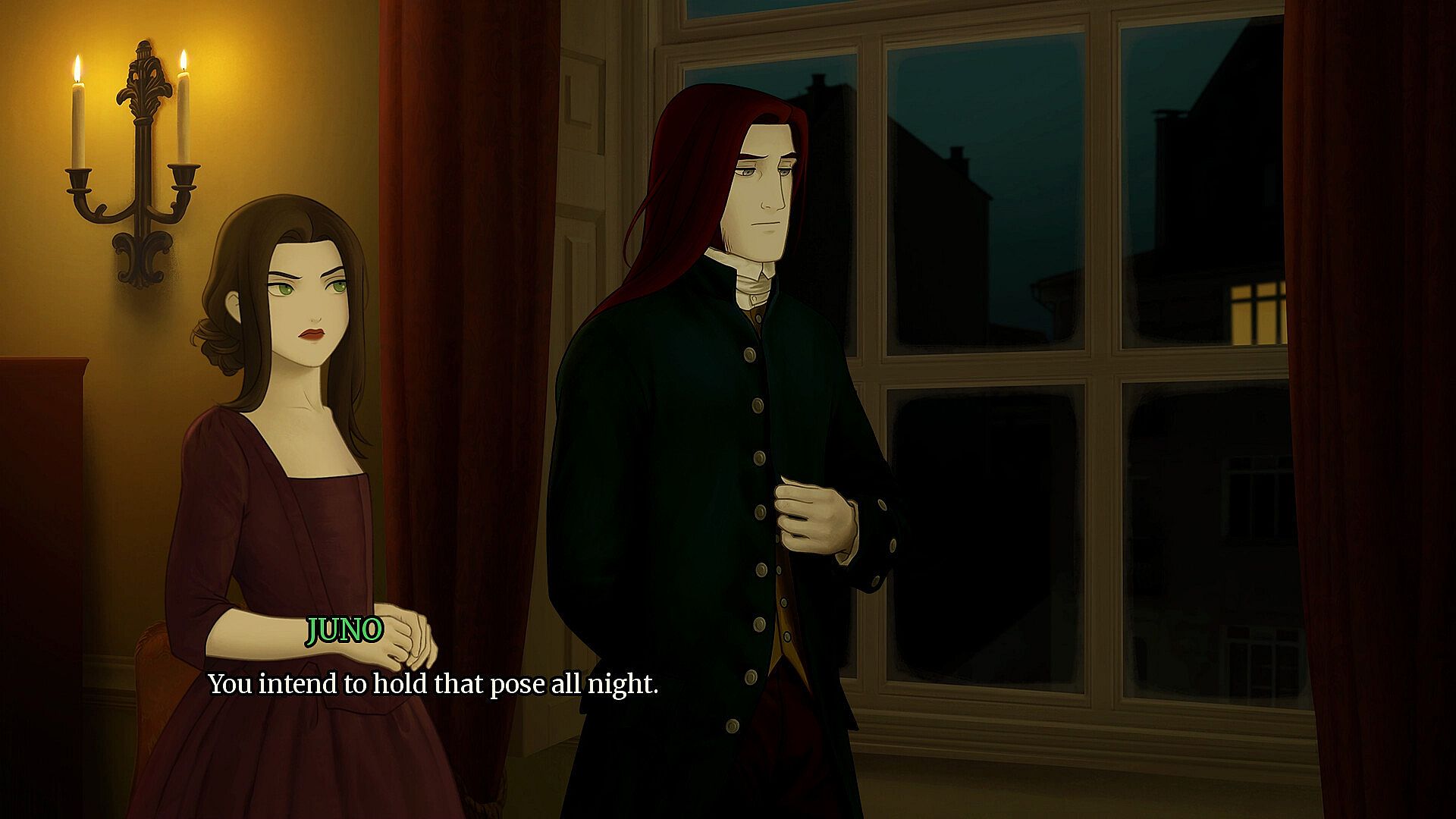
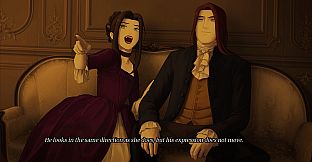
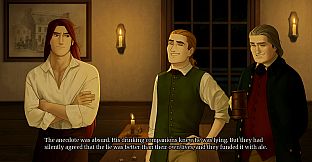
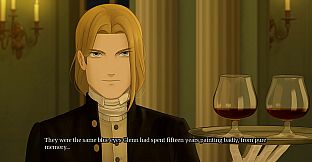
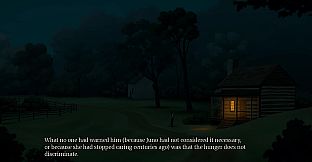
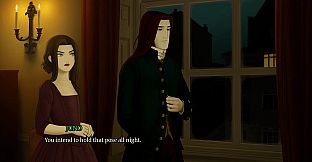
The core loop centers on reading through dense, character-driven prose while making choices that shape the path forward. The narration adapts based on the perspective in focus, delivering insights that the characters themselves may not fully grasp. This approach creates a layered reading experience where the story reveals itself through contaminated viewpoints rather than straightforward exposition. Decisions influence the trajectory toward one of several conclusions, emphasizing personal accountability and the weight of centuries-old events. The hand-drawn artwork, created entirely by a single artist with extensive experience in 2D animation, supports every scene with painted sprites, backgrounds, and interface elements that maintain a consistent artistic vision throughout the seven chapters.
Game Modes
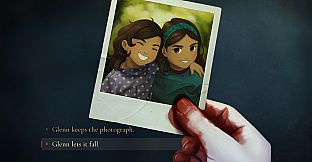
Una Sangre structures its content across seven chapters that unfold over eight centuries, allowing players to progress through the central story while exploring branching outcomes. Four primary endings emerge from the choices made, each reflecting different resolutions to the moral and emotional conflicts presented. A hidden epilogue provides additional closure accessible under specific conditions. The experience remains single-player throughout, with replay value derived from revisiting chapters to uncover alternate paths and the concealed final segment. No separate multiplayer or competitive elements exist; the focus stays on narrative progression and the consequences of individual decisions.
Story and Themes
The narrative avoids simplistic antagonists, instead presenting characters whose virtues and flaws arise from survival and the accumulated burden of time. Belief systems receive serious treatment without irony, highlighting how personal histories calcify the soul across generations. Adult dynamics drive the interpersonal relationships, where trauma and moral responsibility intersect in complex ways. The eight-century span allows the story to trace the evolution of these elements through distinct historical contexts while keeping the chamber-like intimacy of the core conflicts intact. This structure rewards careful attention to the shifting narration and the subtle influences of each character's viewpoint.
Art and Presentation
Every visual element receives hand-painted treatment from one experienced artist, resulting in a cohesive aesthetic that supports the literary tone. Sprites, backgrounds, and UI components all contribute to the psychological atmosphere without relying on external assets. The presentation aligns with the story's emphasis on emotional truth over spectacle, using the artwork to underscore the weight of the characters' internal struggles rather than to distract from them.
Is It Worth Playing?
Una Sangre suits players who appreciate literary visual novels with deep thematic exploration and multiple endings that reward thoughtful engagement. Those drawn to works like The House in Fata Morgana or Pentiment will find familiar strengths in its character focus and narrative ambition. The single-player structure, combined with the four endings and hidden epilogue, encourages multiple playthroughs to fully experience the range of outcomes. Its emphasis on moral complexity and the effects of trauma makes it a distinctive entry in the indie adventure genre, particularly for readers seeking substance over action-oriented mechanics. Availability on PC ensures straightforward access for those interested in its psychological and historical scope.











