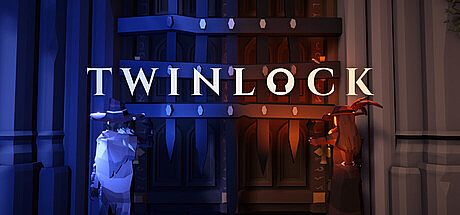


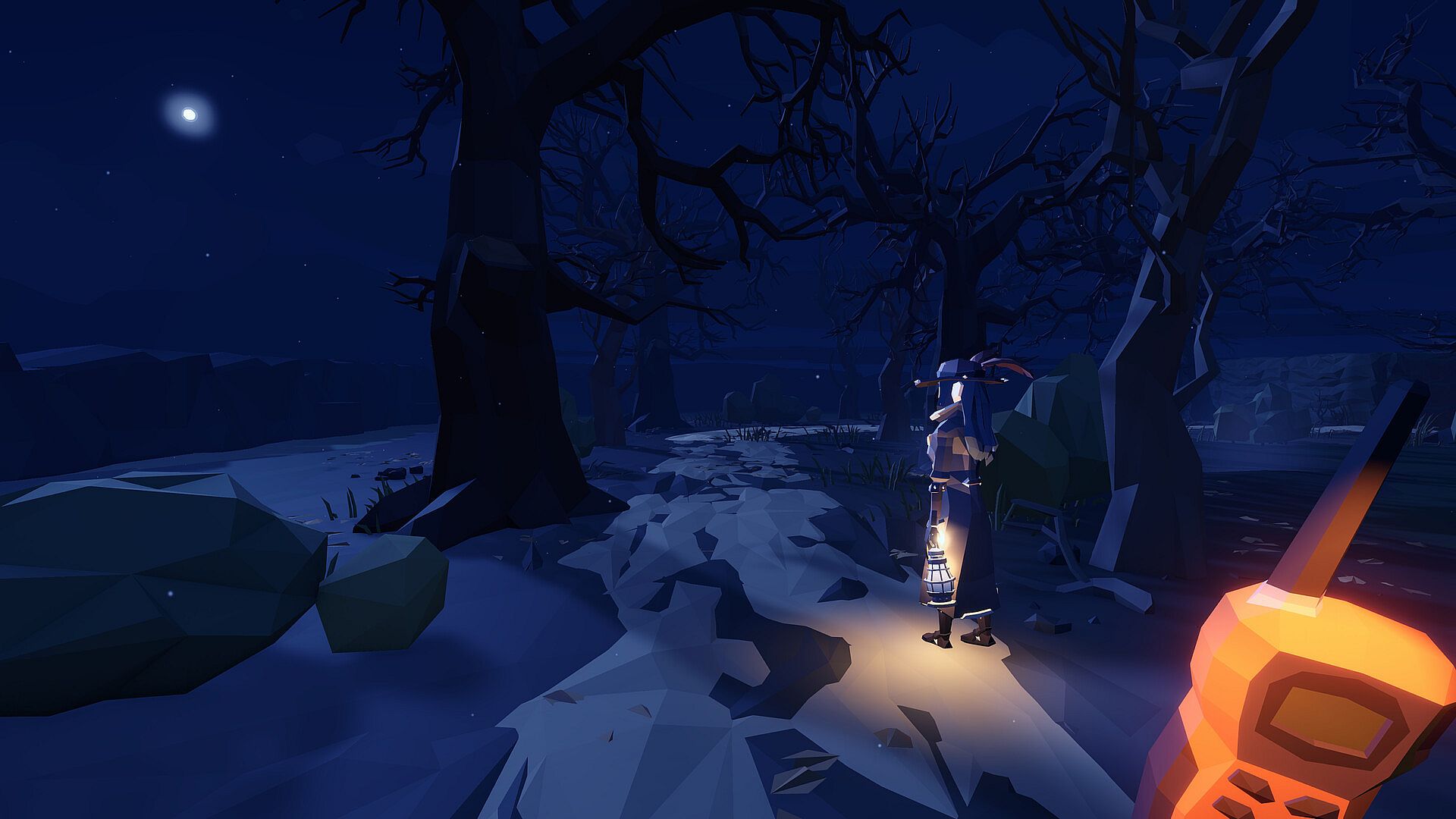
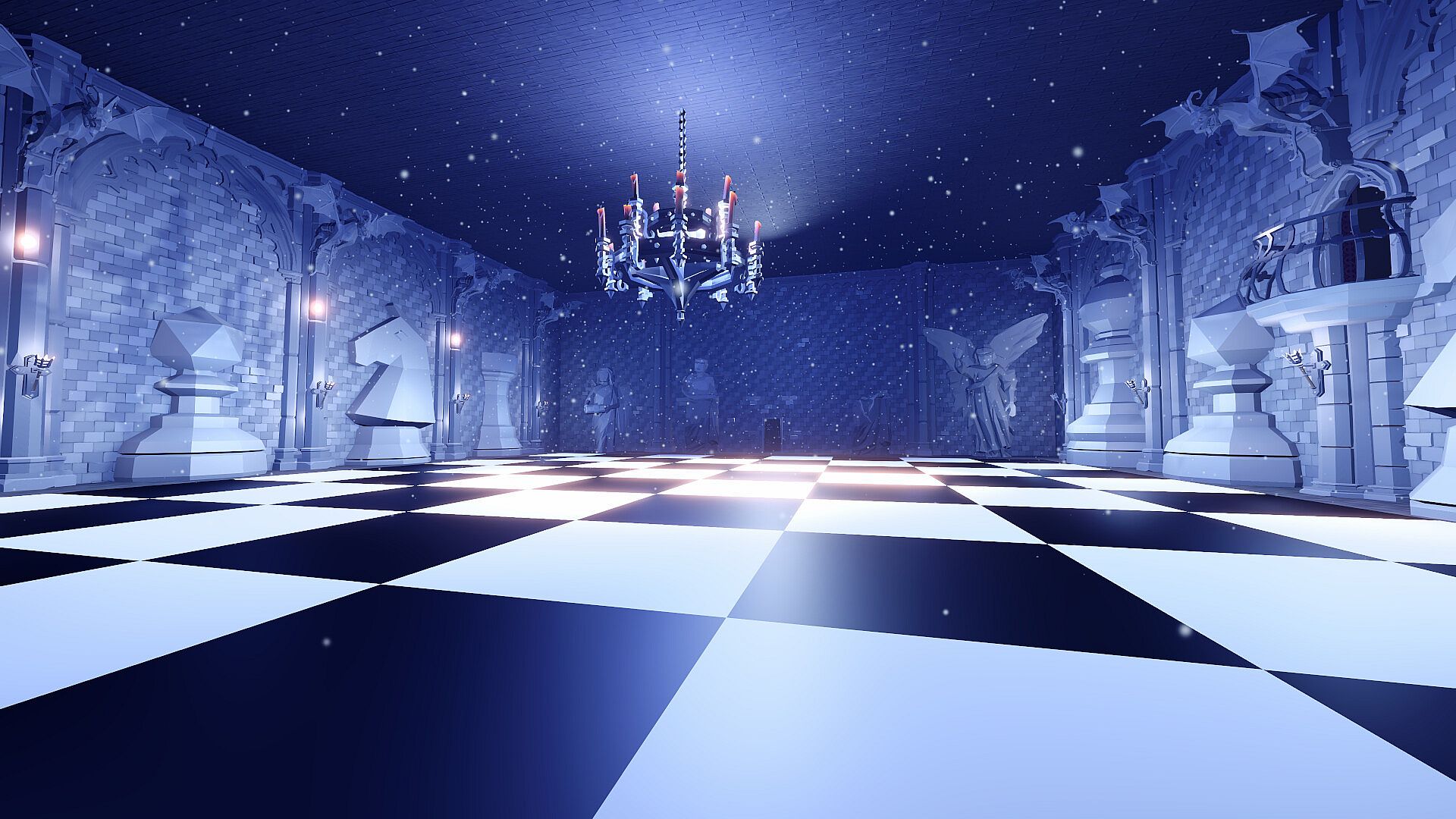
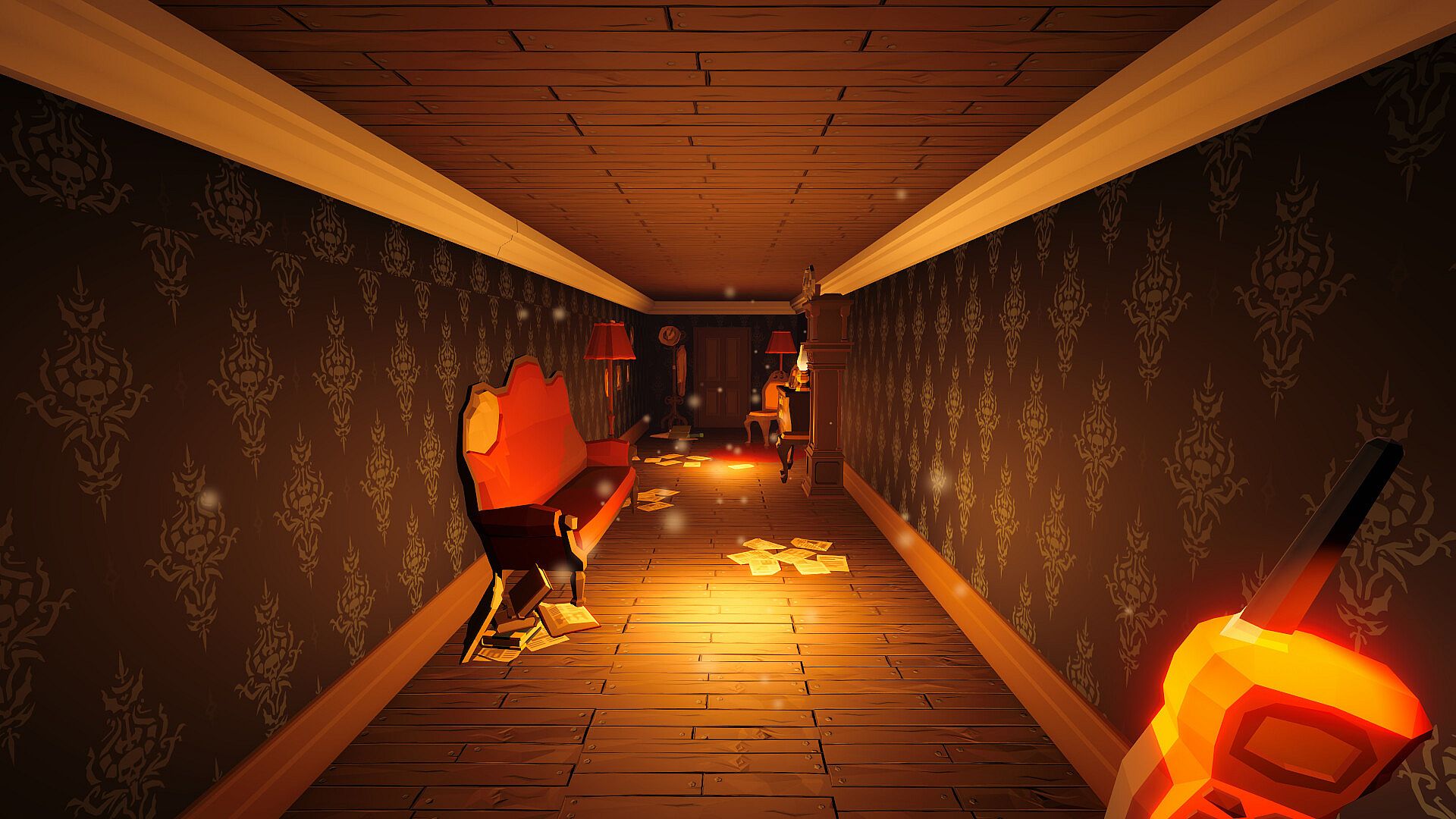
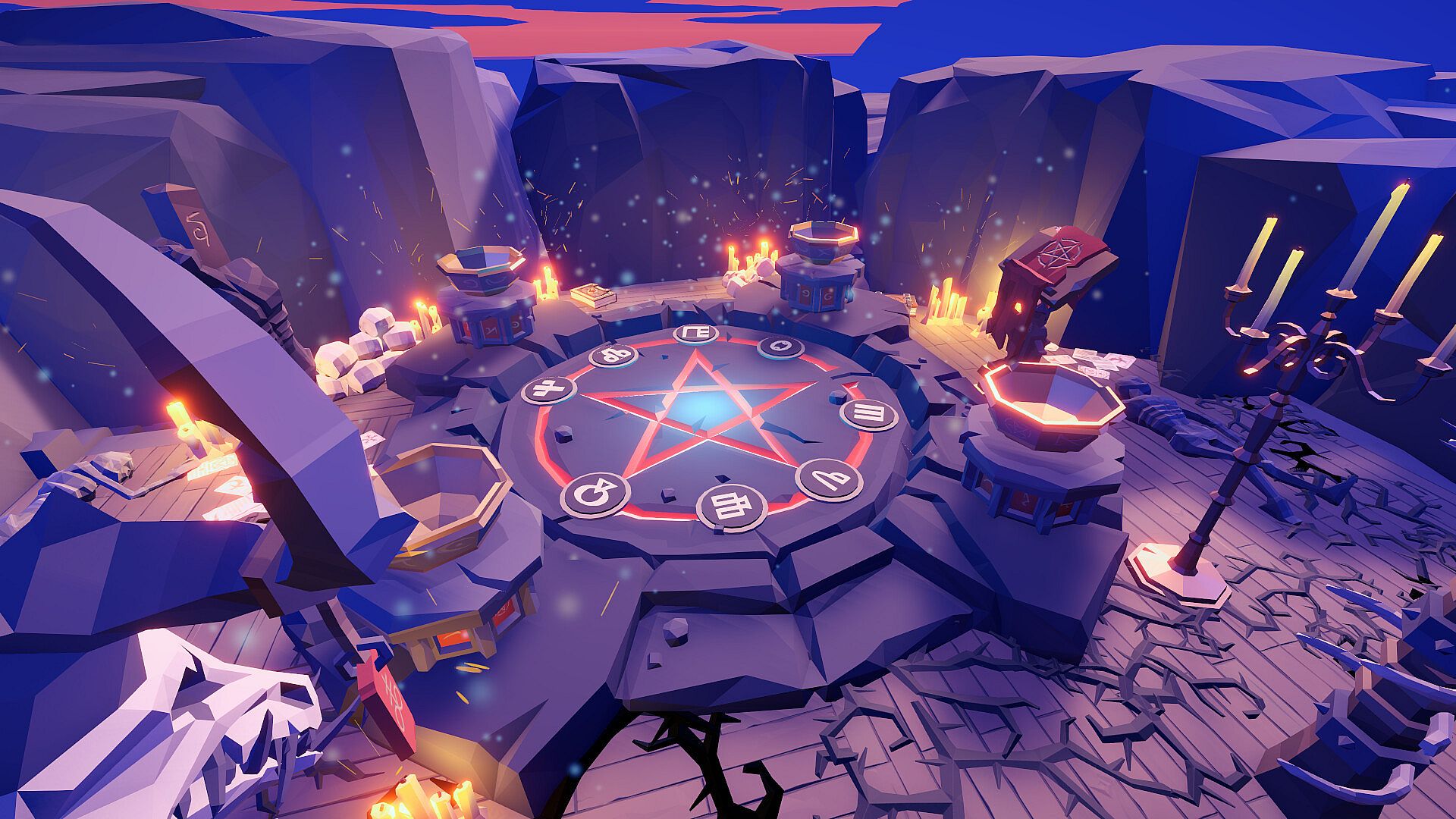
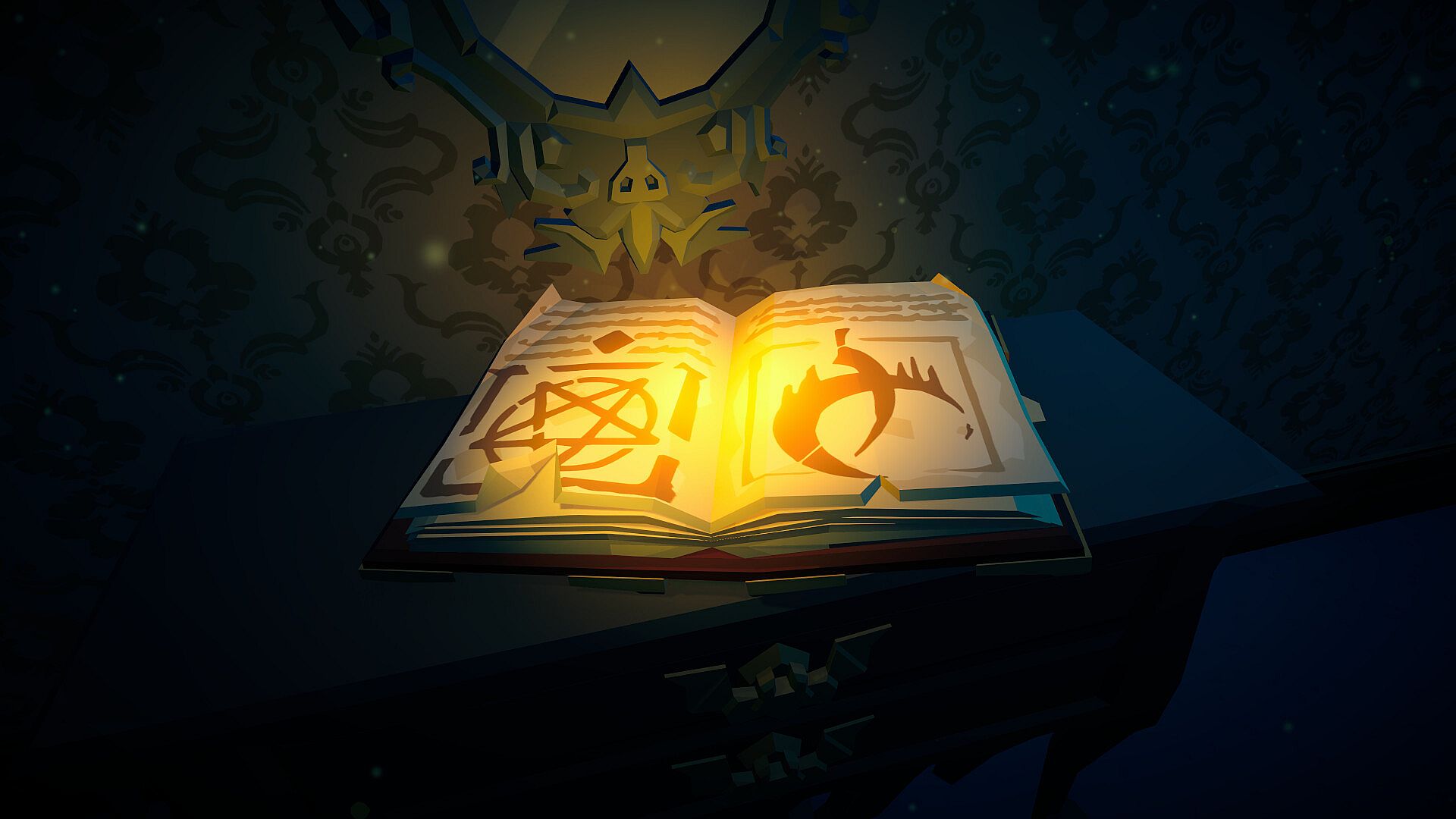
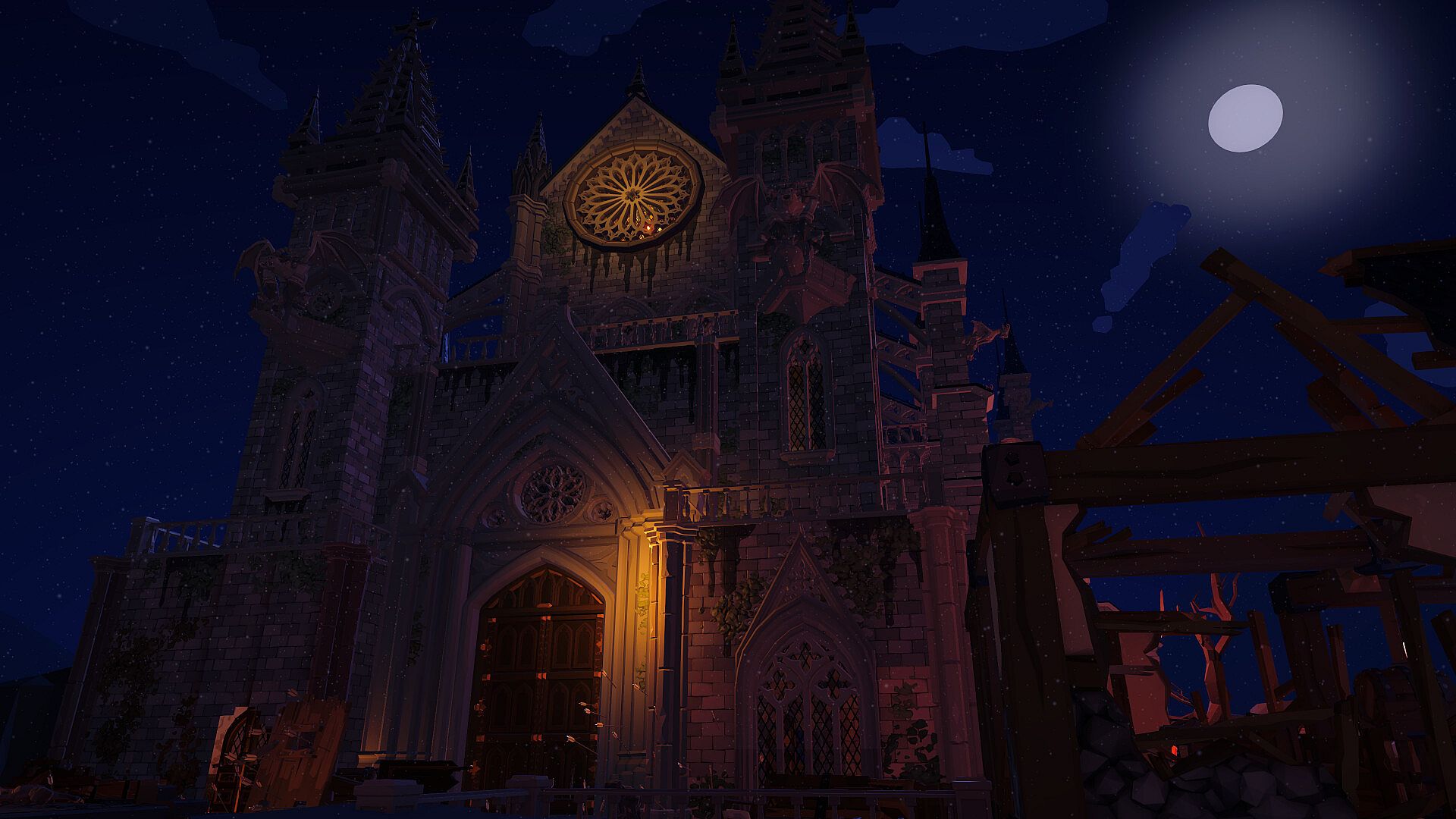
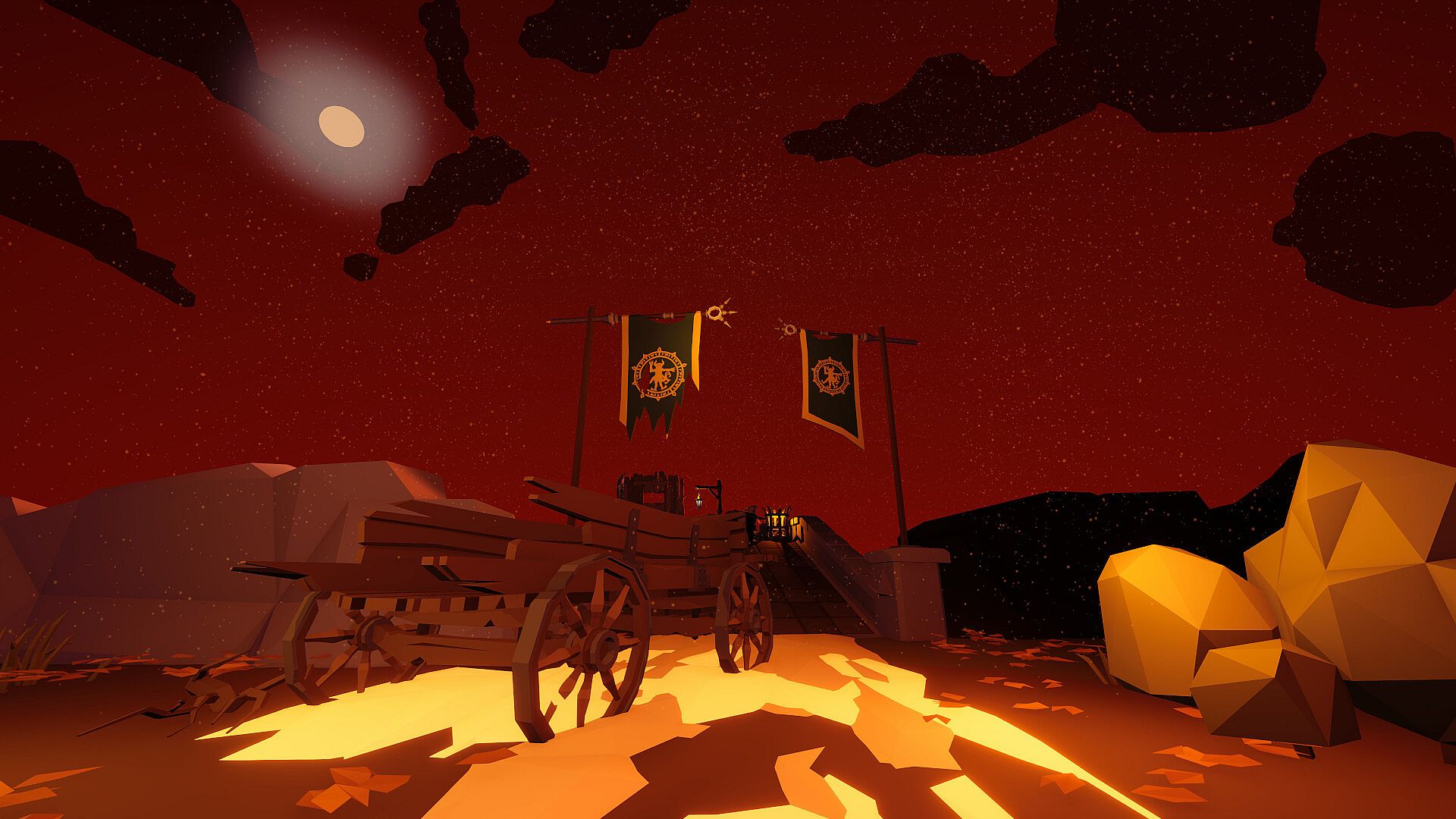
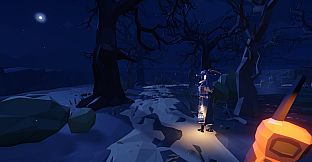
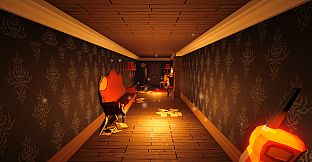
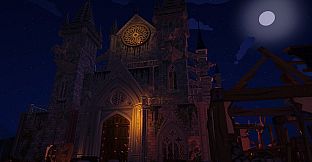
TwinLock is a two-player cooperative puzzle adventure game developed as an indie title for PC. Players take on the roles of paranormal investigators from the Echo agency who arrive at castle Verathorne to investigate disappearances, only to be separated by the structure itself before uncovering any answers. The experience demands constant verbal coordination through walkie-talkies, as no shared screen or visual cues exist between participants.
Gameplay
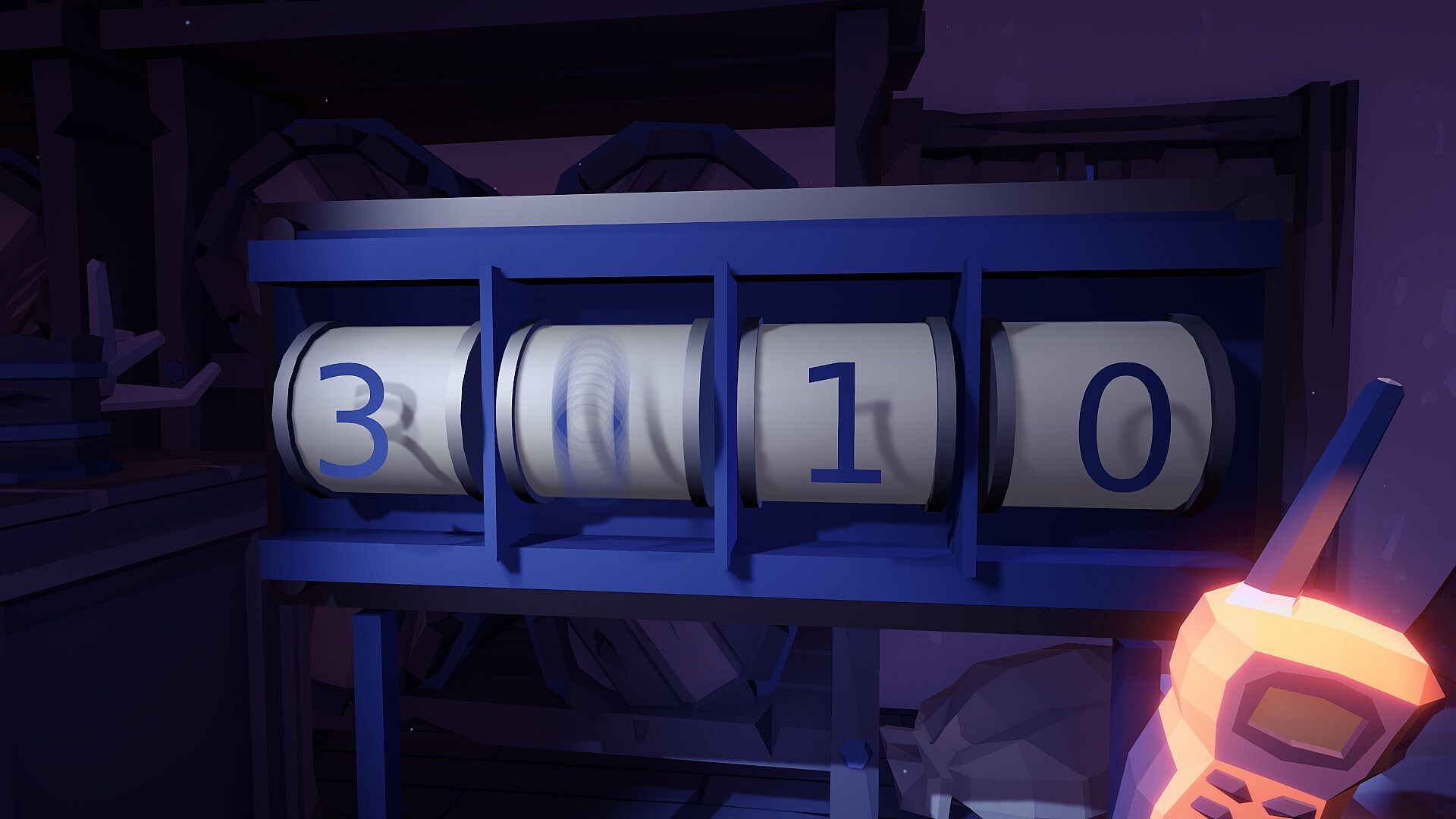
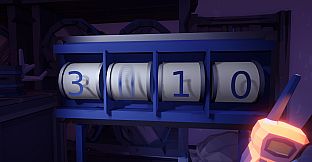
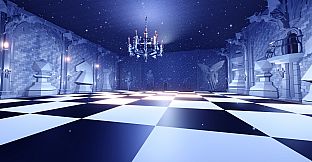
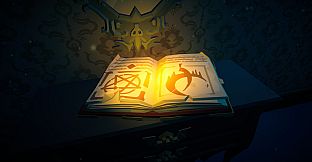
The core loop revolves around asymmetric puzzle solving where each player sees only one half of every challenge. One participant might manipulate levers or view a chessboard from above while the other navigates symbols or walks across the corresponding board in real time. Puzzles require precise descriptions of shapes, patterns, and object arrangements that only become meaningful when combined through conversation. Eight distinct puzzles form the main sequence, with difficulty scaling as players refine their communication skills and learn to convey visual information accurately without any text or shared visuals.
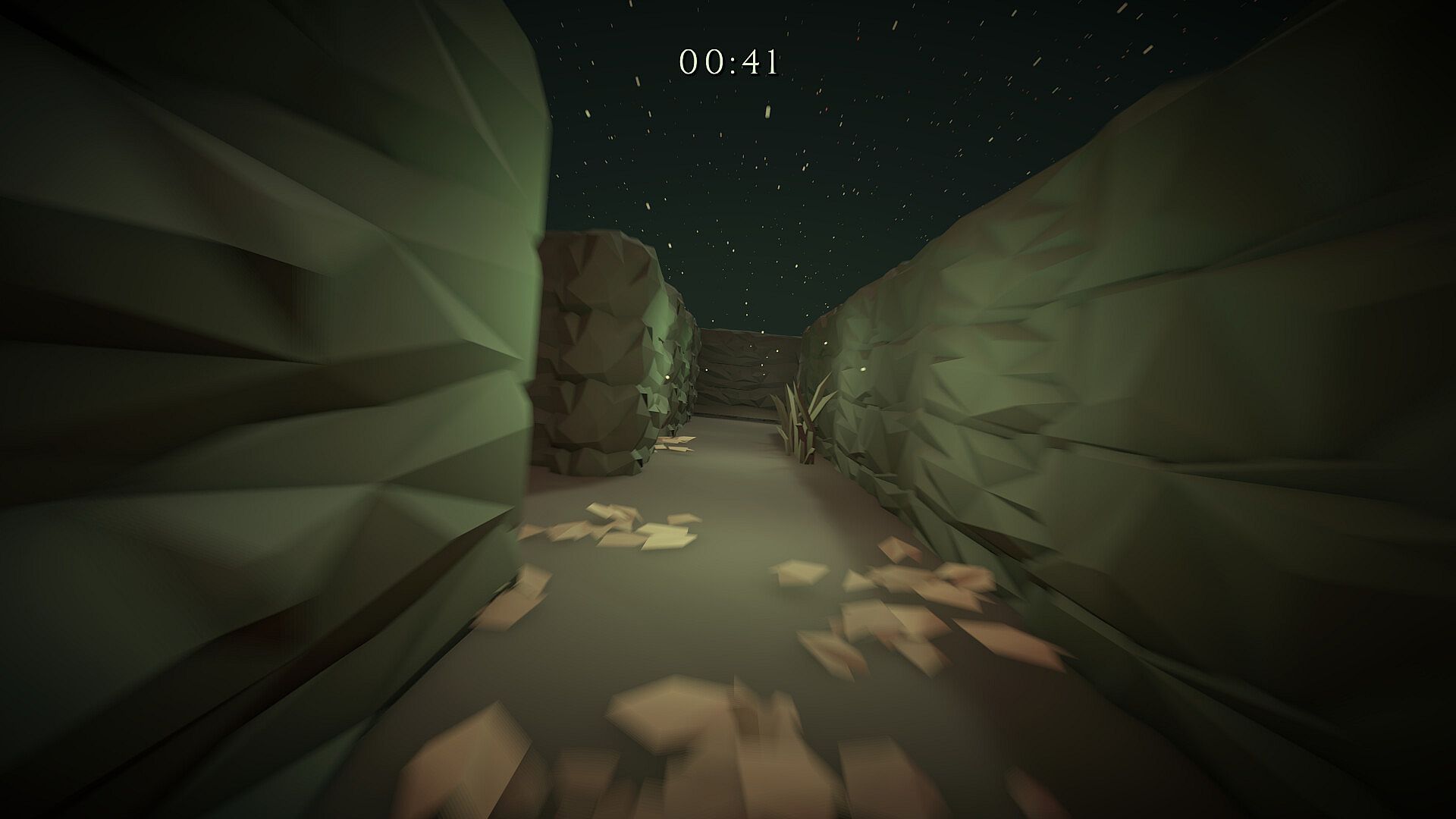
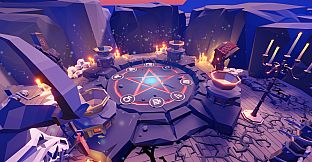
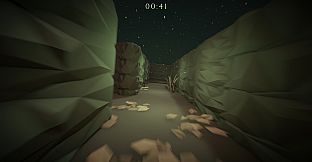
Mechanics emphasize observation and articulation over direct interaction between players. A cube rotated face by face by one person appears unwrapped and flat to the other, while rows of burning candles or circles of objects follow rules visible solely from one perspective. The final section shifts to a timed labyrinth where one player oversees from an elevated viewpoint and the other moves through the space below, testing coordinated escape under pressure. The entire session lasts roughly two hours when experienced from a single perspective and approximately four hours when both viewpoints are played in sequence.
Game Modes
TwinLock supports only cooperative play designed exclusively for two participants. No single-player mode, bots, or solo options exist, and every puzzle requires both players to be present with working microphones and an internet connection. The structure splits achievements by perspective, so completing the game once grants access to half the total achievements while swapping roles unlocks the remainder. Communication serves as the central mechanic across all sections, with no language barrier since puzzles can be solved without reading any text.
Core Mechanics and Design
Asymmetric design ensures neither half of a puzzle holds value independently, forcing reliance on verbal exchange to progress. Players never occupy the same room simultaneously until the conclusion, which reinforces the need for detailed descriptions of everything from lever positions to object configurations. The walkie-talkie system acts as the sole bridge between separated areas, turning spoken clarity into the primary tool for advancement. This approach creates a focused experience built around observation, explanation, and joint problem solving rather than individual skill or shared interfaces.
Is It Worth Playing?
TwinLock suits players who enjoy cooperative experiences centered on communication and asymmetric puzzle solving. The strict two-player requirement and emphasis on verbal coordination make it ideal for pairs seeking a short, focused session that highlights teamwork through description rather than direct action. With a compact length of two to four hours depending on perspective and split achievements that encourage a second playthrough, the game delivers a complete package for those prepared to coordinate with a partner using microphones. Its indie adventure style and co-op-only format position it as a specialized title rather than a broad multiplayer option, appealing most to enthusiasts of puzzle adventures that prioritize voice-based collaboration over visual sharing or solo progression.