




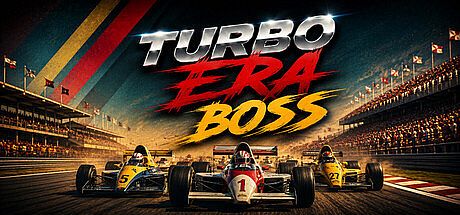




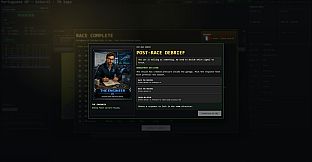
Turbo Era Boss is a single-player motorsport management simulation set in the high-stakes world of 1980s Grand Prix racing. Players step into the role of team boss rather than driver, overseeing every aspect of a retro-inspired constructor through resource allocation, vehicle upgrades and on-track decisions. The game blends strategy, simulation and racing elements into a focused experience built around tight budgets, technical trade-offs and split-second calls from the pit wall.
Gameplay
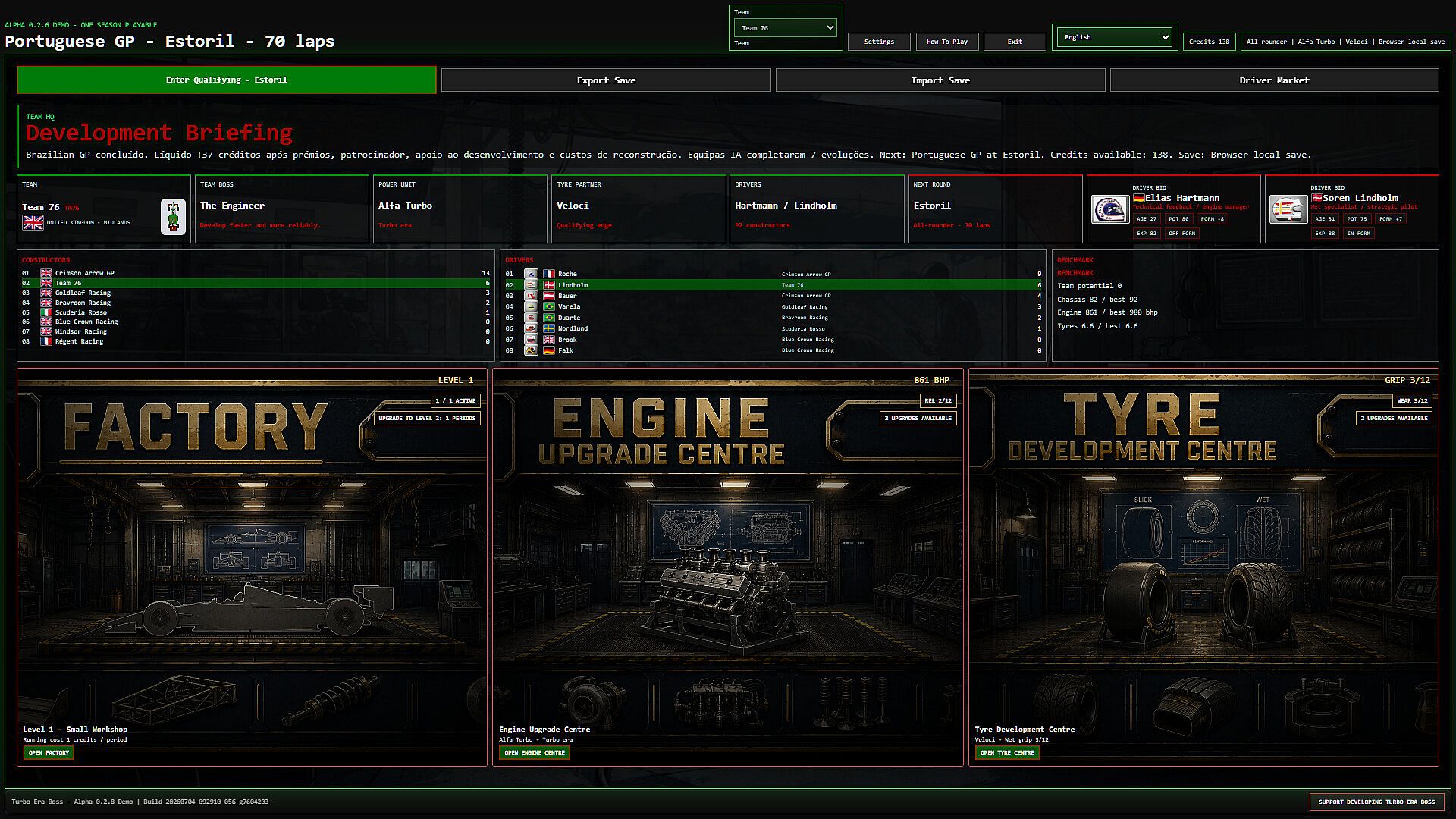
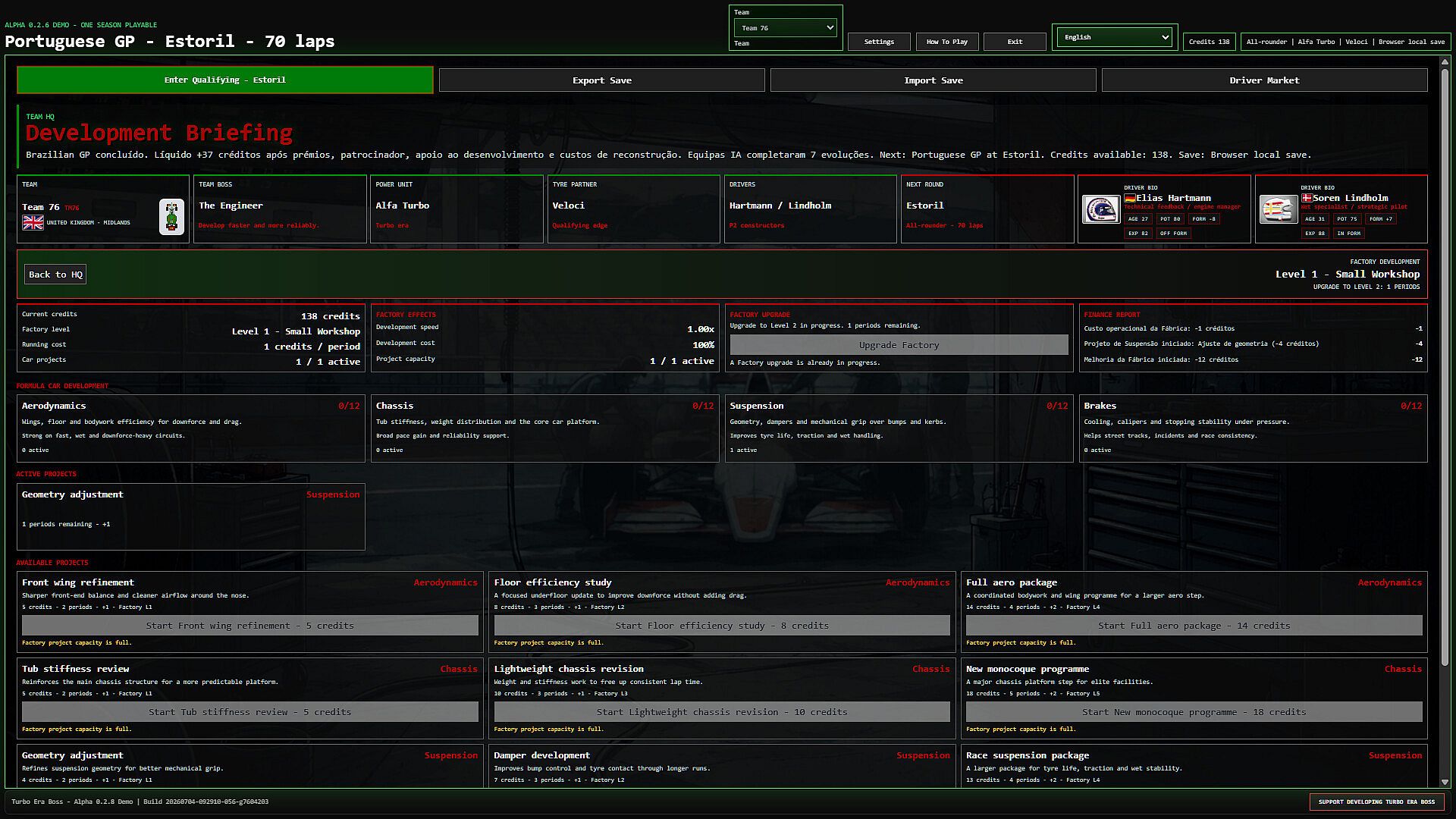
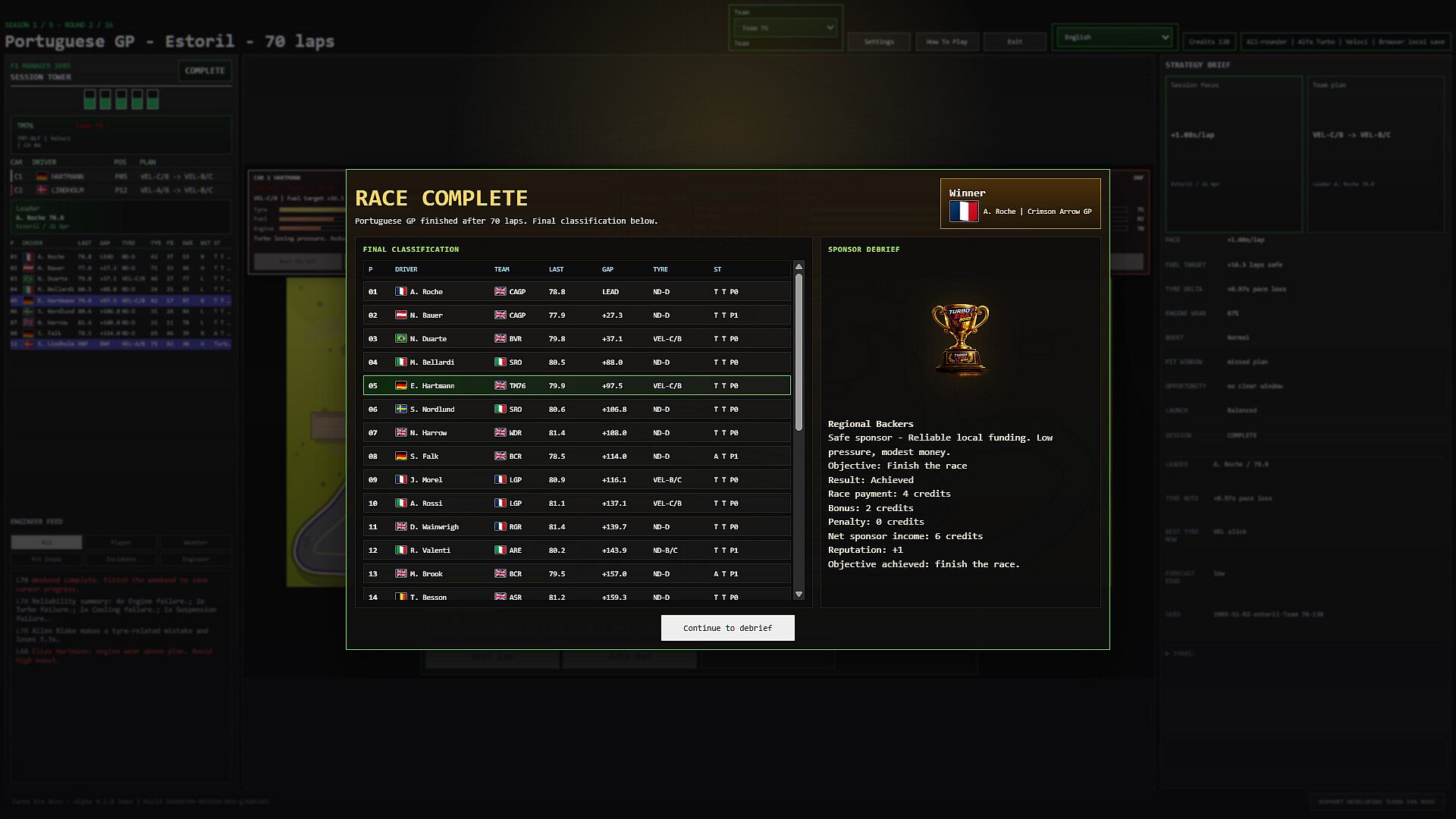
Core gameplay revolves around long-term team building and short-term race execution. Limited credits force choices between chassis development, engine work, tyre suppliers and factory expansion. Drivers bring varying strengths in form and potential, requiring careful hiring and rotation to maintain competitiveness across events. Sponsor deals add pressure through performance targets while prize money feeds back into further upgrades.
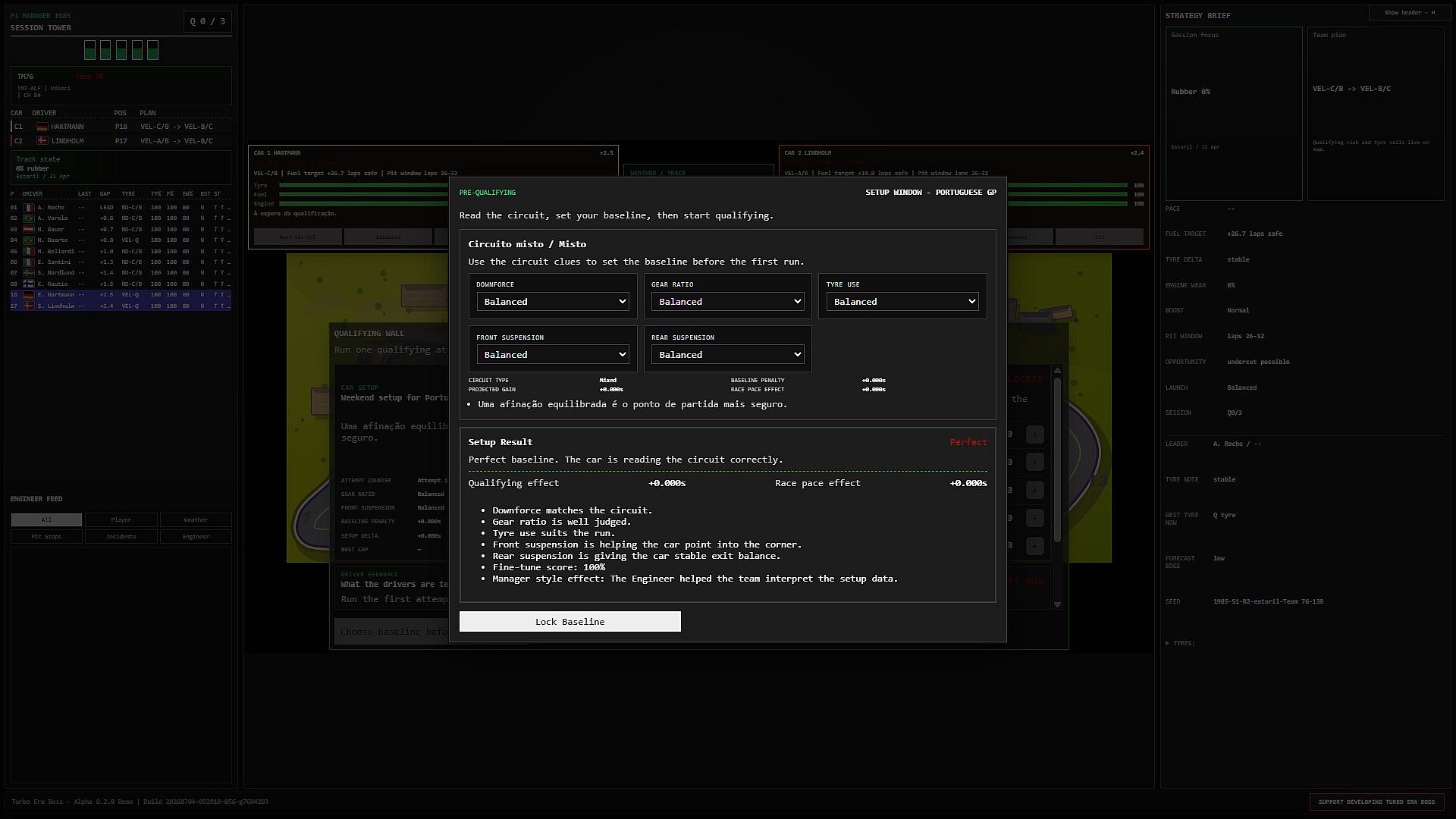
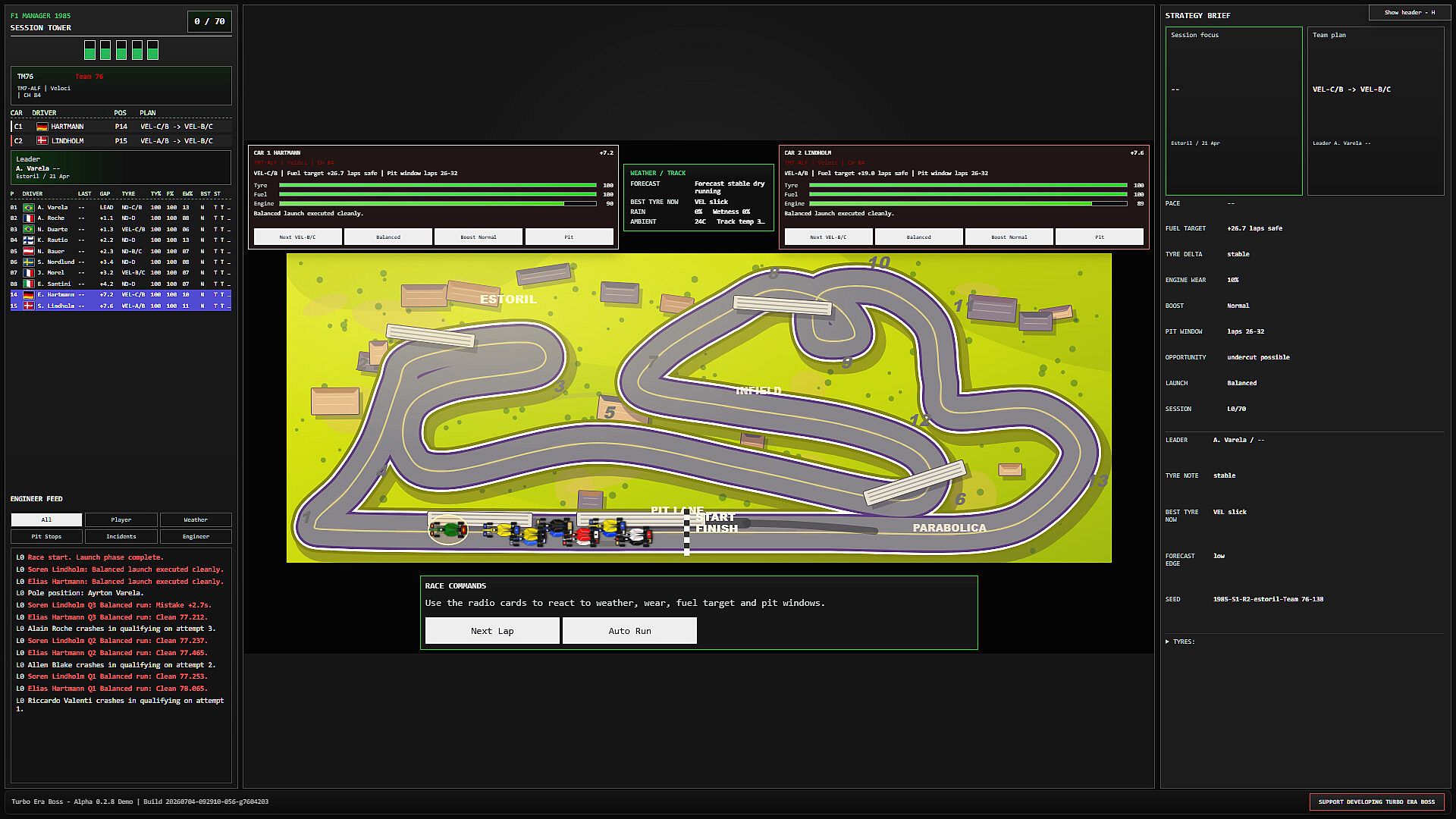
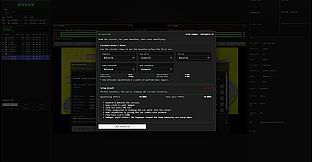
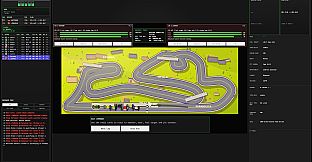
Qualifying sessions involve risk assessment, tyre selection and setup tweaks to secure grid position. Race day shifts focus to real-time adjustments for weather shifts, track drying, tyre degradation, fuel levels and boost usage. Pit strategy decisions cover stop timing, compound changes and driver instructions, all while monitoring reliability to avoid mechanical failures. A full season structure ties these elements together, with progression carrying forward from one race weekend to the next through accumulated development and results.
Every variable interacts: aggressive boost settings might secure overtakes but increase wear or failure risk. Rain can transform a dry setup into a liability, demanding quick reactions. The emphasis stays on management depth rather than direct vehicle control, rewarding foresight in balancing power against durability.
Game Modes
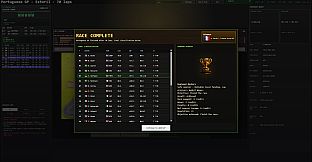
The game centers on a single-player campaign that spans an entire season. This mode integrates team creation or selection of a fictional constructor, ongoing car and personnel management, and sequential race weekends. Progression builds across the campaign through cumulative upgrades, driver development and financial outcomes, creating a continuous loop of preparation, execution and review.
No additional standalone modes appear in the current build. The season structure serves as the primary framework, incorporating qualifying, race setup and full event strategy within each round. Long-term career elements emerge naturally from repeated seasons once the initial campaign completes.
Key Mechanics and Systems
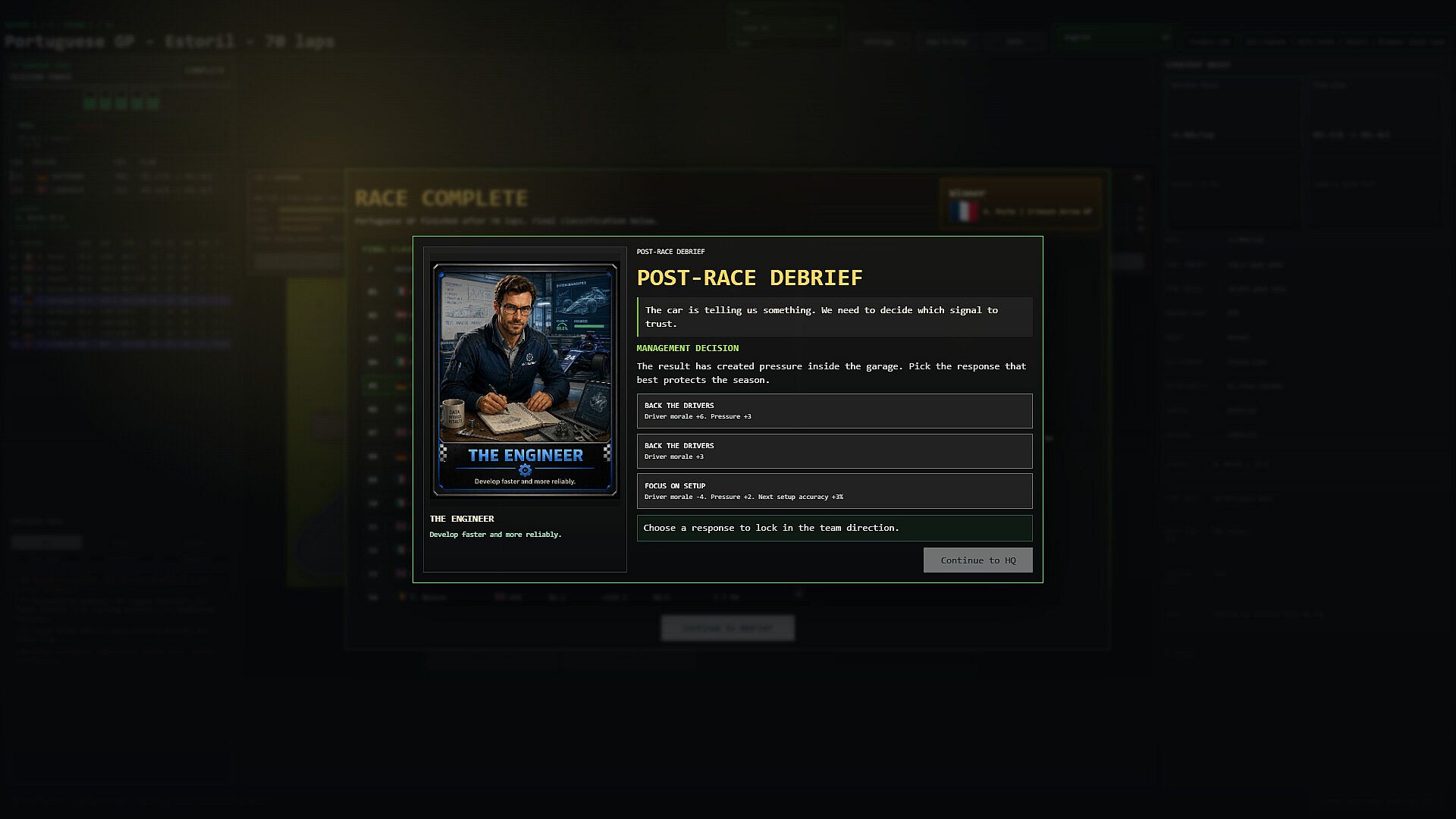
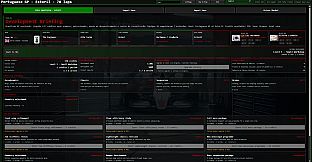
Development covers chassis, engine, tyres and factory capacity, each influencing speed, reliability and handling characteristics. Supplier choices affect costs and performance margins, while sponsor obligations require balancing immediate cash flow against future investment. Driver management tracks individual form swings and growth potential, influencing seat assignments and contract decisions.
Weather and track evolution add layers of reactivity during events. Tyre wear and fuel consumption demand ongoing monitoring, with pit calls determining whether to push for position or conserve resources. Reliability issues and incidents can derail strong weekends, underscoring the need for conservative margins in setup choices. These systems interconnect to create branching outcomes based on prior preparation.
Is It Worth Playing?
Turbo Era Boss suits players who enjoy deep strategy and simulation titles focused on resource management and decision-making under constraints. The single-player season format delivers a self-contained campaign with clear progression through team and vehicle development. Current builds include a playable full season with core systems for car upgrades, driver handling, sponsor balancing and pit-wall calls already functional.
The game remains in active development ahead of Early Access, with planned expansions to career depth, strategy tools and overall polish. Those drawn to retro motorsport themes and the challenge of turning limited resources into competitive results will find the core loop engaging. Absence of user reviews at this stage means expectations should center on the management focus rather than polished presentation or additional content layers.












