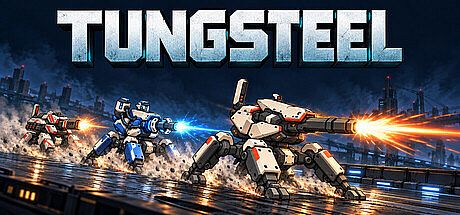


Tungsteel is a single-player strategy game built around mech combat and territorial control on PC. Players assemble squads of mechs, direct their actions through targeting rules, and advance across a turn-based map while managing resources and supply lines in an ongoing campaign against an opposing force.
Gameplay
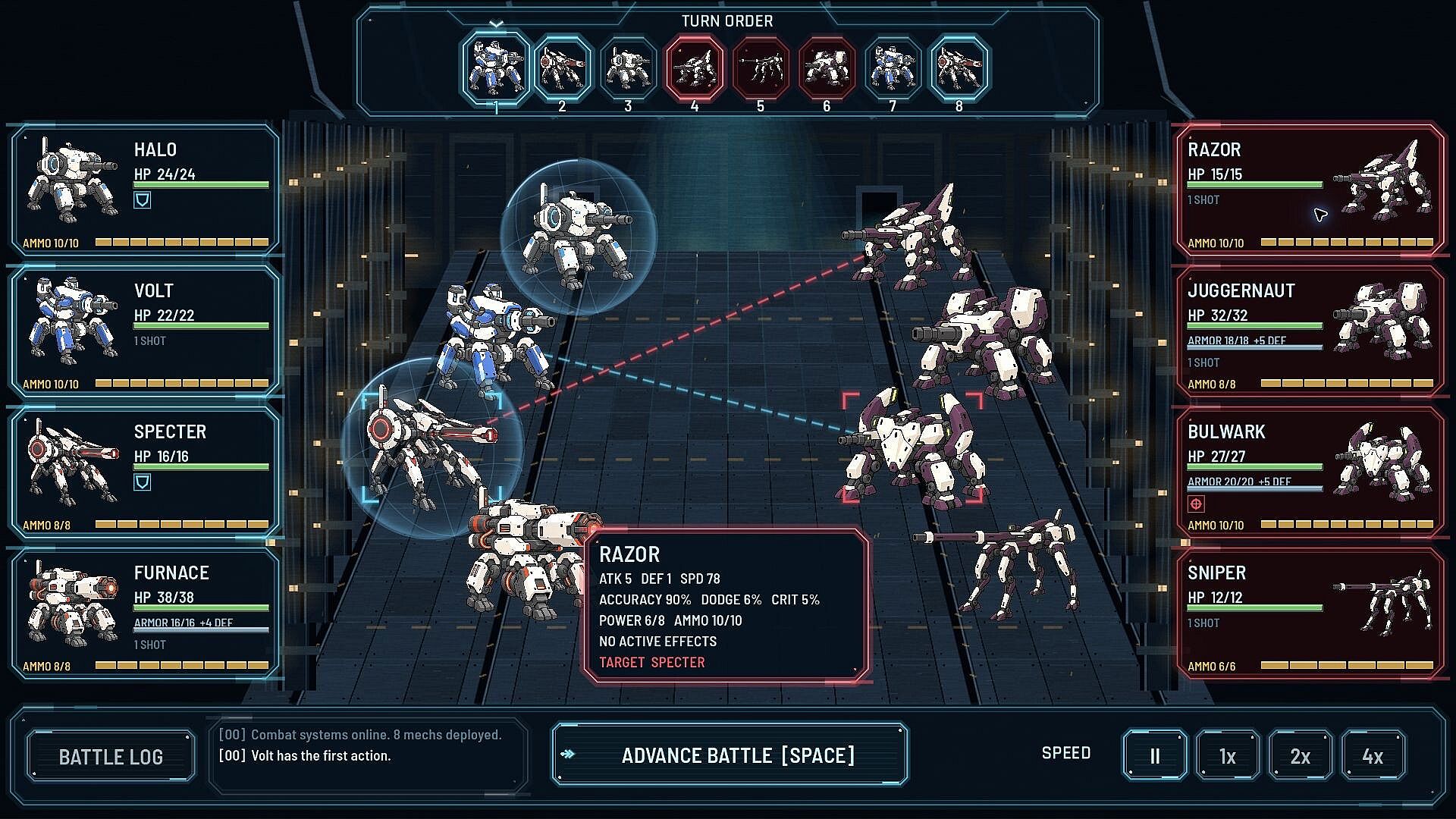
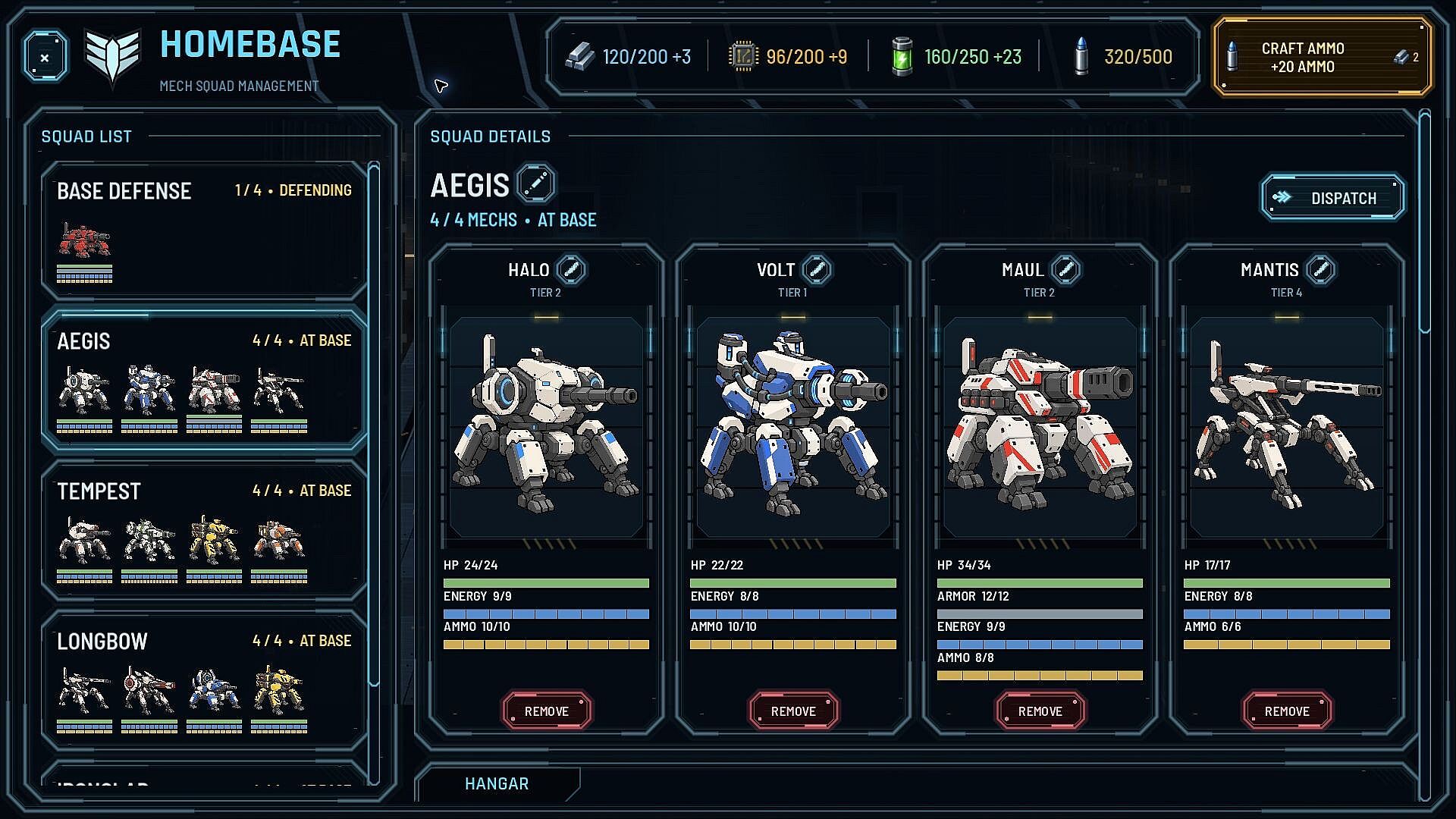
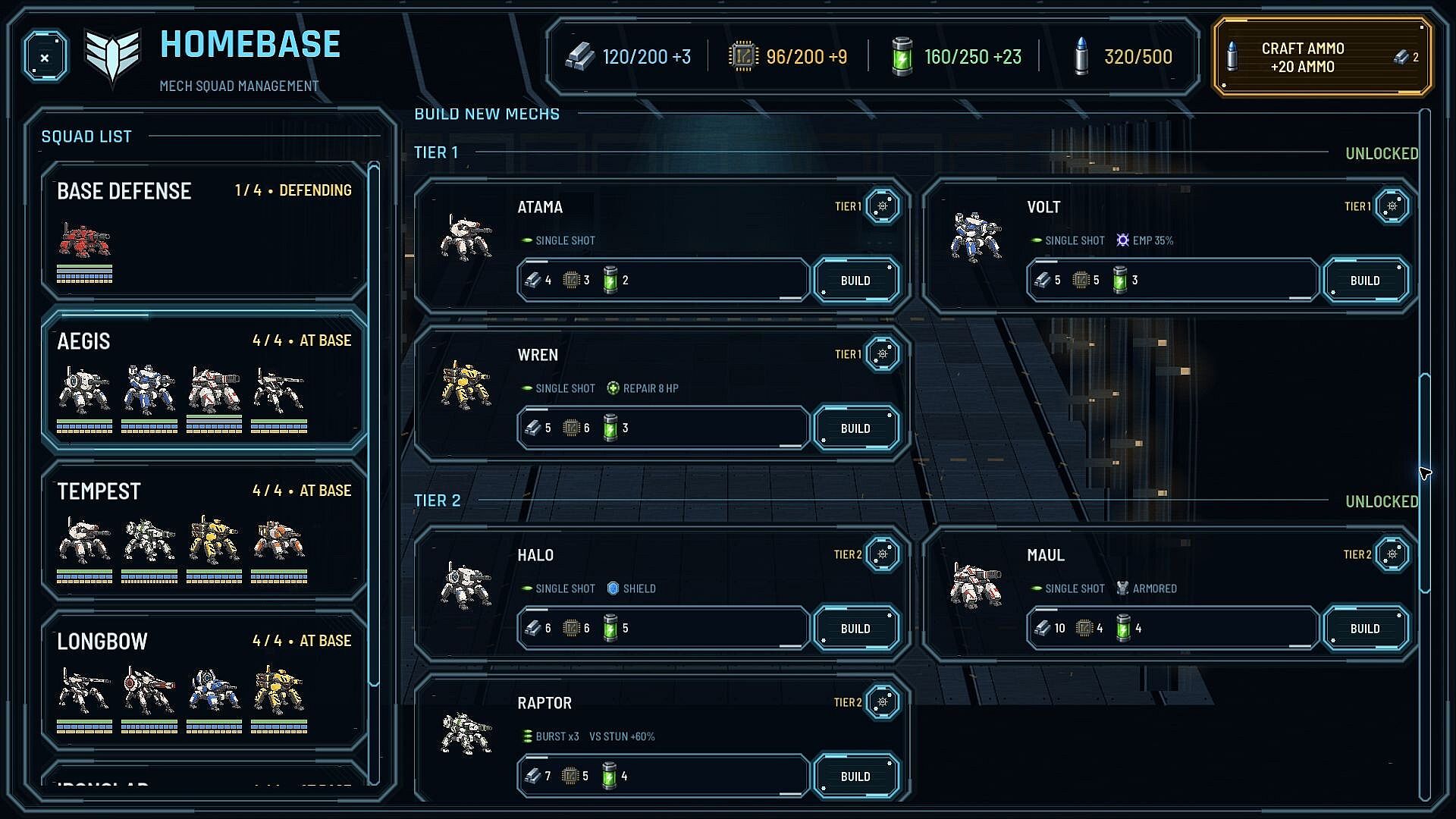
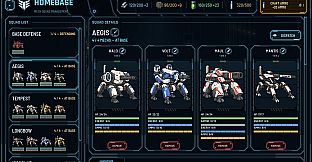
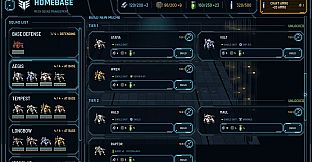
The core loop centers on squad construction and battlefield execution. Each squad holds up to five mechs selected for complementary roles, pairing direct damage dealers with units that shield allies, restore health, or apply debuffs. New mech variants unlock over time, allowing players to refine lineups at a central homebase before committing to the next push.
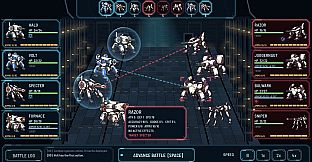
Combat unfolds automatically once squads engage, but outcomes depend on prior decisions. Targeting priorities determine focus, such as concentrating fire on priority threats, eliminating weakened targets first, or prioritizing high-threat enemies. Mechs execute abilities like applying locks, corroding armor, and providing support while trading fire in real time during each encounter.
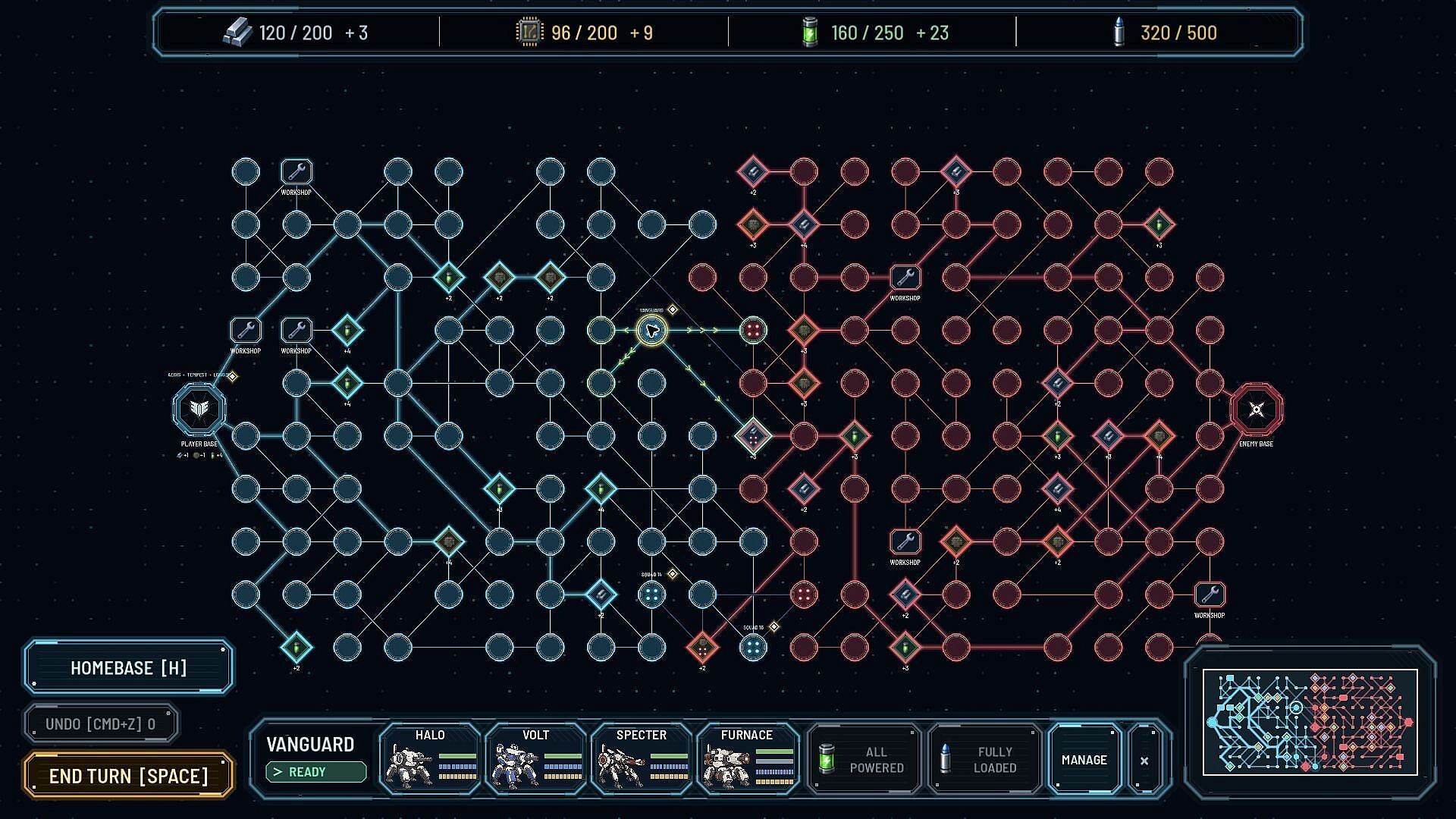
Resource management ties every battle to the larger campaign. Captured sites supply metal, electronics, and energy that sustain operations. Maintaining open routes back to the player base ensures steady income and allows damaged units to recover between fights. Disrupting enemy connections starves their forces in the same way.
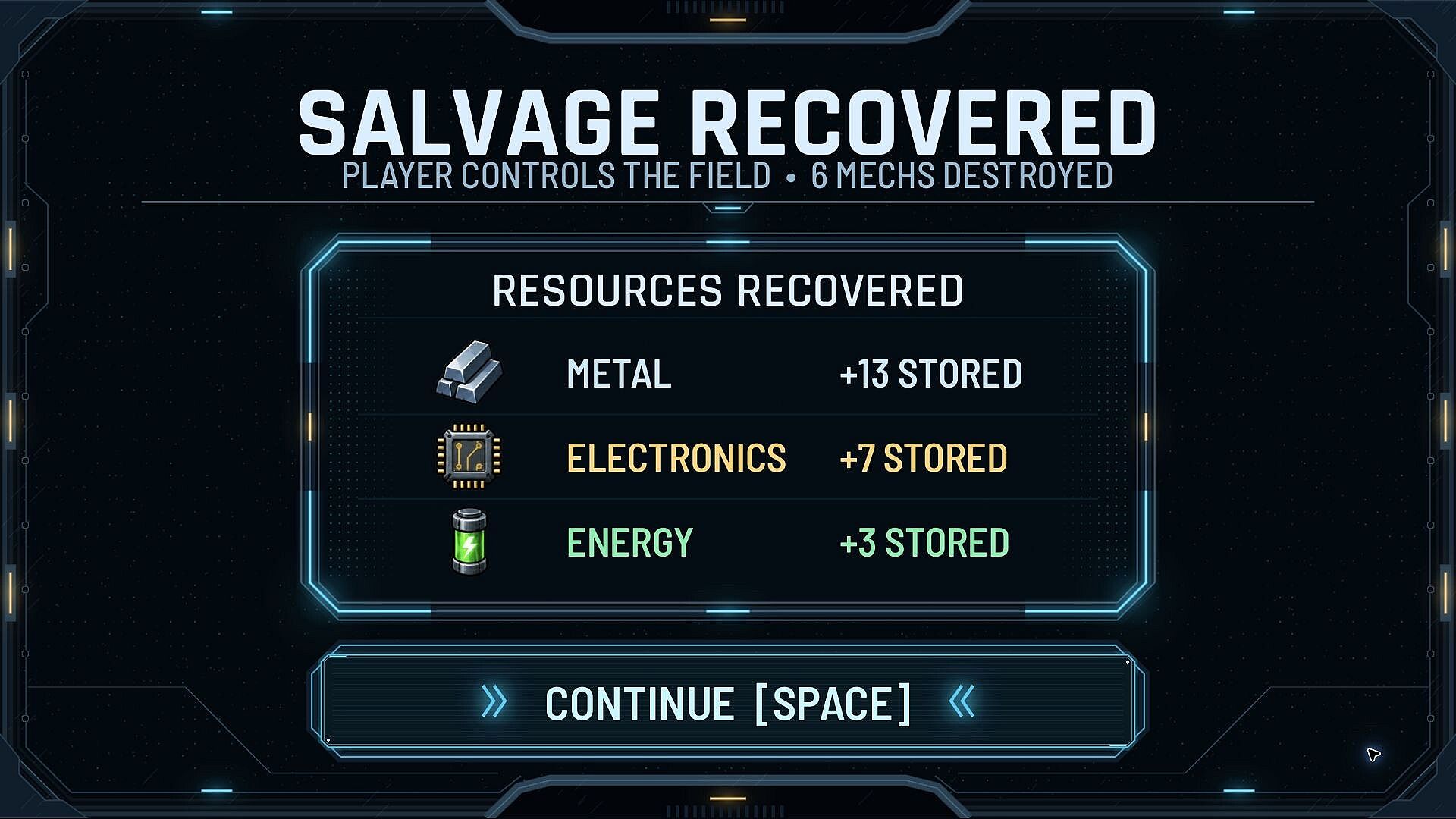
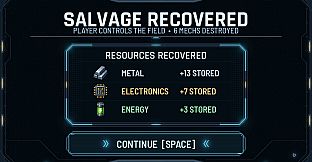
Persistence adds weight to choices. Damage, drained power, and expended ammunition persist across engagements. After victories, wreckage yields salvage that players allocate toward new mechs, repairs for existing units, or research into higher tiers. Advances require weighing immediate gains against the long-term condition of the available force.
Game Modes
Tungsteel delivers its experience through a single-player campaign structure. The turn-based map serves as the central hub where players plan movements, secure territory, and launch squad engagements. Each step forward expands control while requiring defense of the home base against counterattacks.
Progression flows from initial skirmishes into deeper territory pushes. Squads move along connected locations, capturing resource nodes and cutting enemy paths. The objective remains consistent: advance far enough to threaten the opposing base while sustaining the army through repeated fights.
No separate competitive or cooperative modes exist. All activity stays within the single-player framework, emphasizing strategic planning over repeated matches or online interaction.
Strategic Depth and Mechanics
Mech variety encourages experimentation with synergies. Heavy units benefit from protection and repair support, while debuff-focused machines create openings for the rest of the squad. Rebuilding squads between map turns lets players adapt to new threats or exploit weaknesses uncovered during prior engagements.
Supply line control forms a second layer of strategy. Isolated captures provide short-term gains but risk losing income if connections break. Players must decide when to press an attack and when to consolidate holdings to keep resources flowing.
Resource allocation after battles forces trade-offs. Fresh mechs expand options, repairs keep veterans in the field, and tier unlocks open stronger options. The carry-over of battle wear means every fight leaves lasting consequences that shape future decisions.
Is It Worth Playing?
Tungsteel suits players who enjoy methodical strategy games with persistent elements and squad customization. The combination of autobattler resolution and turn-based map movement creates a focused loop centered on preparation and adaptation rather than direct control during fights.
The game remains in development with a coming-soon release date and no player reviews available yet. Those interested in single-player mech strategy with resource and positioning layers may find the systems rewarding once it launches. Availability is limited to the PC platform through standard digital storefronts.