










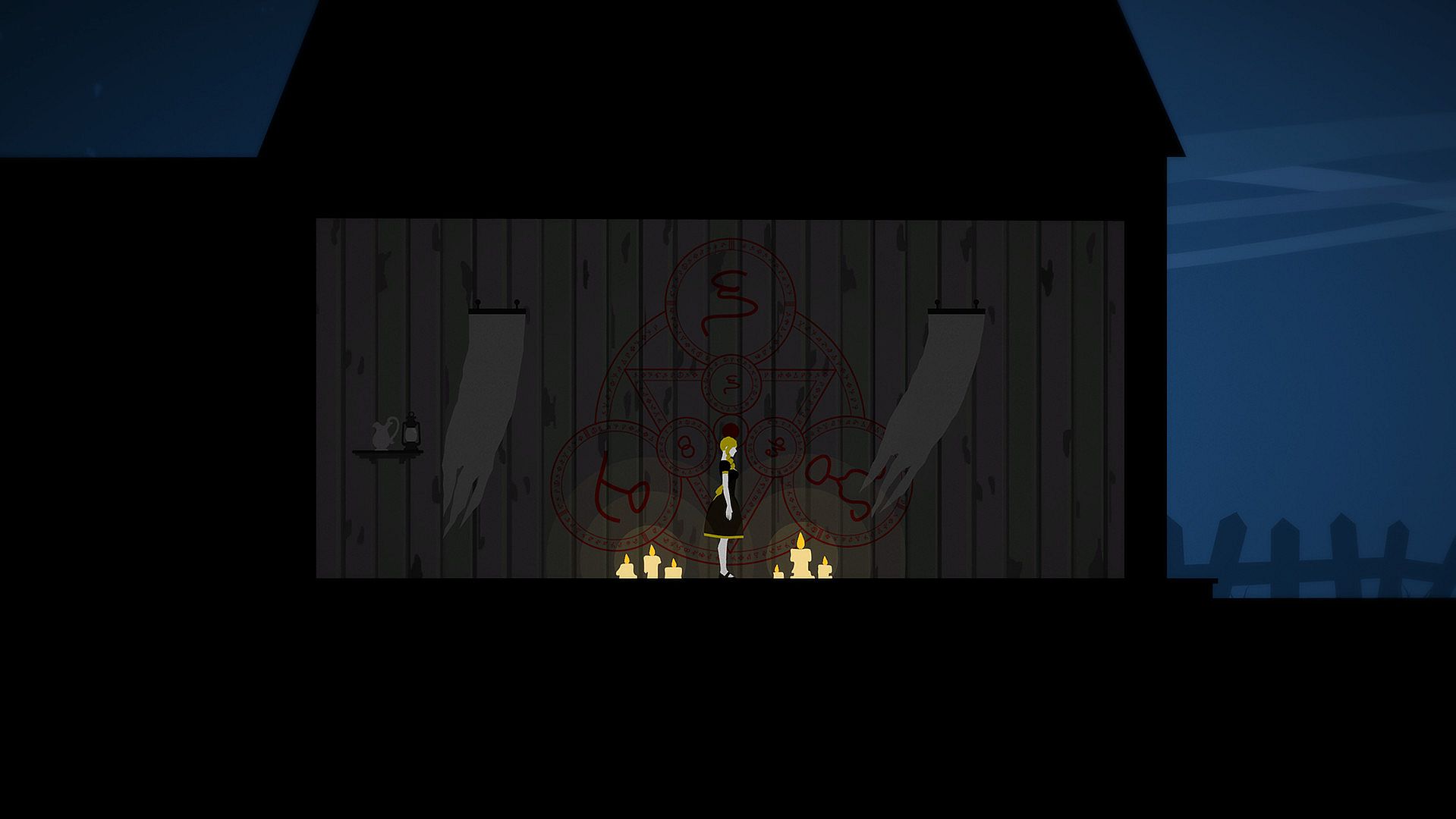
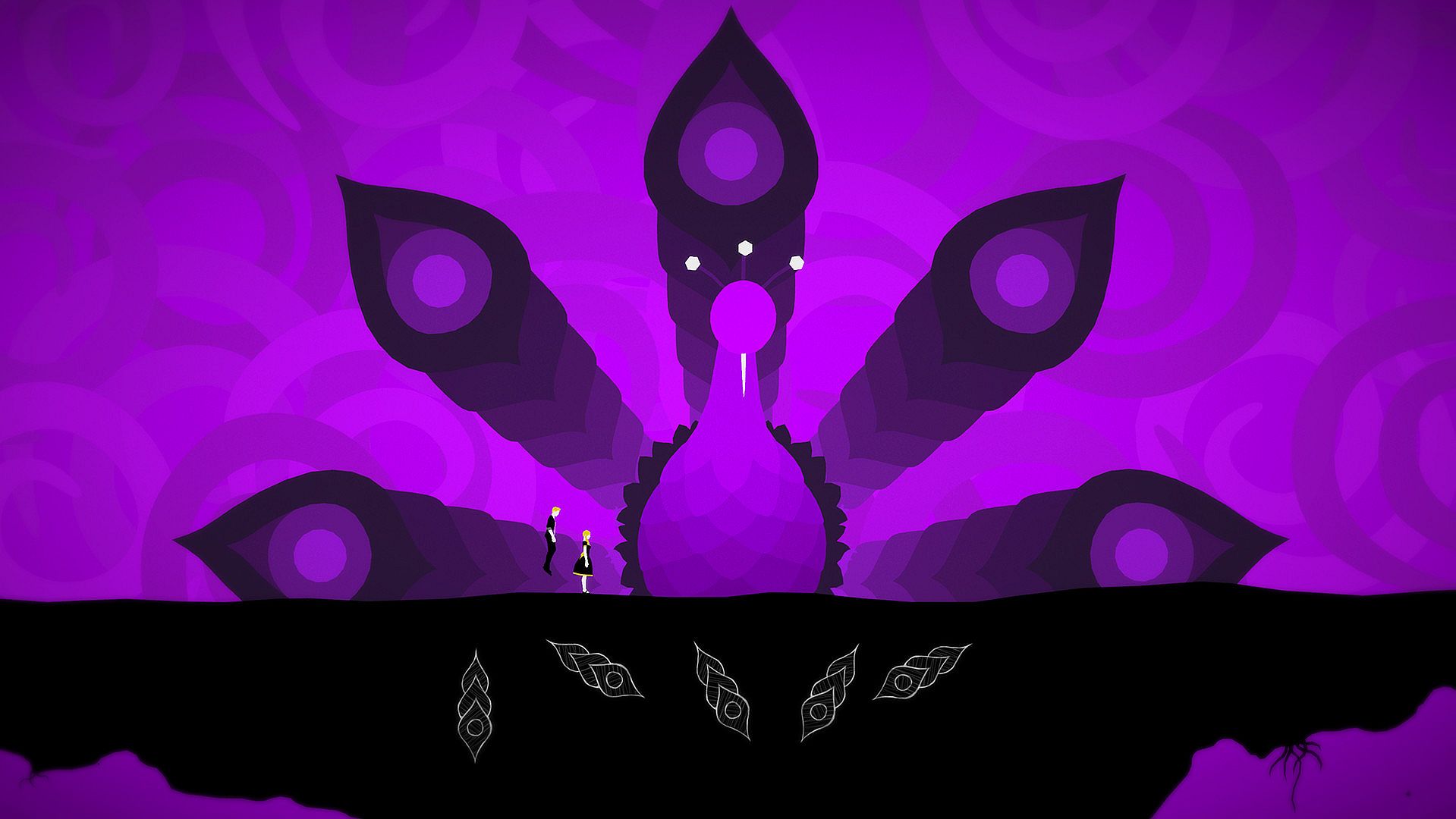
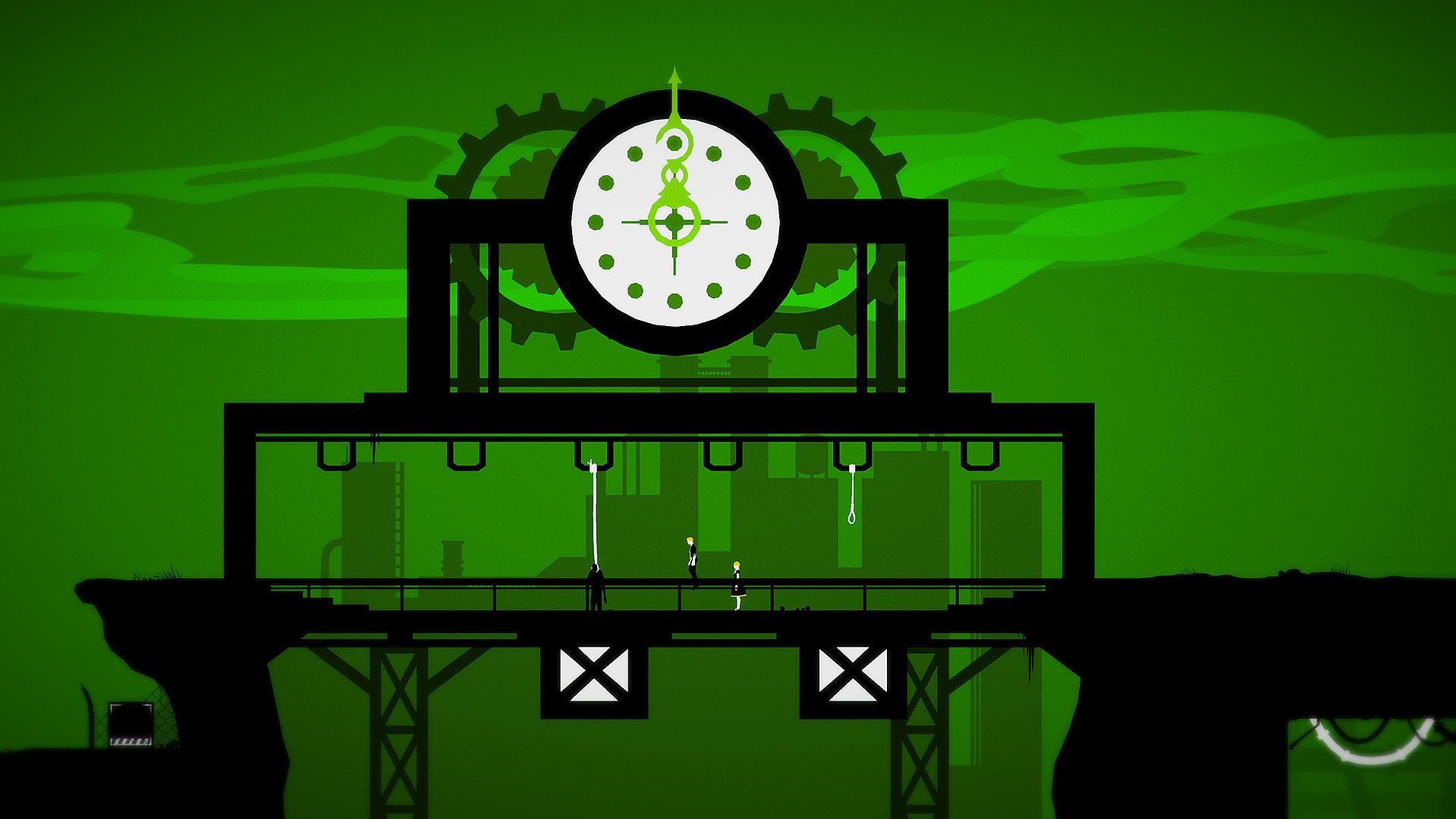
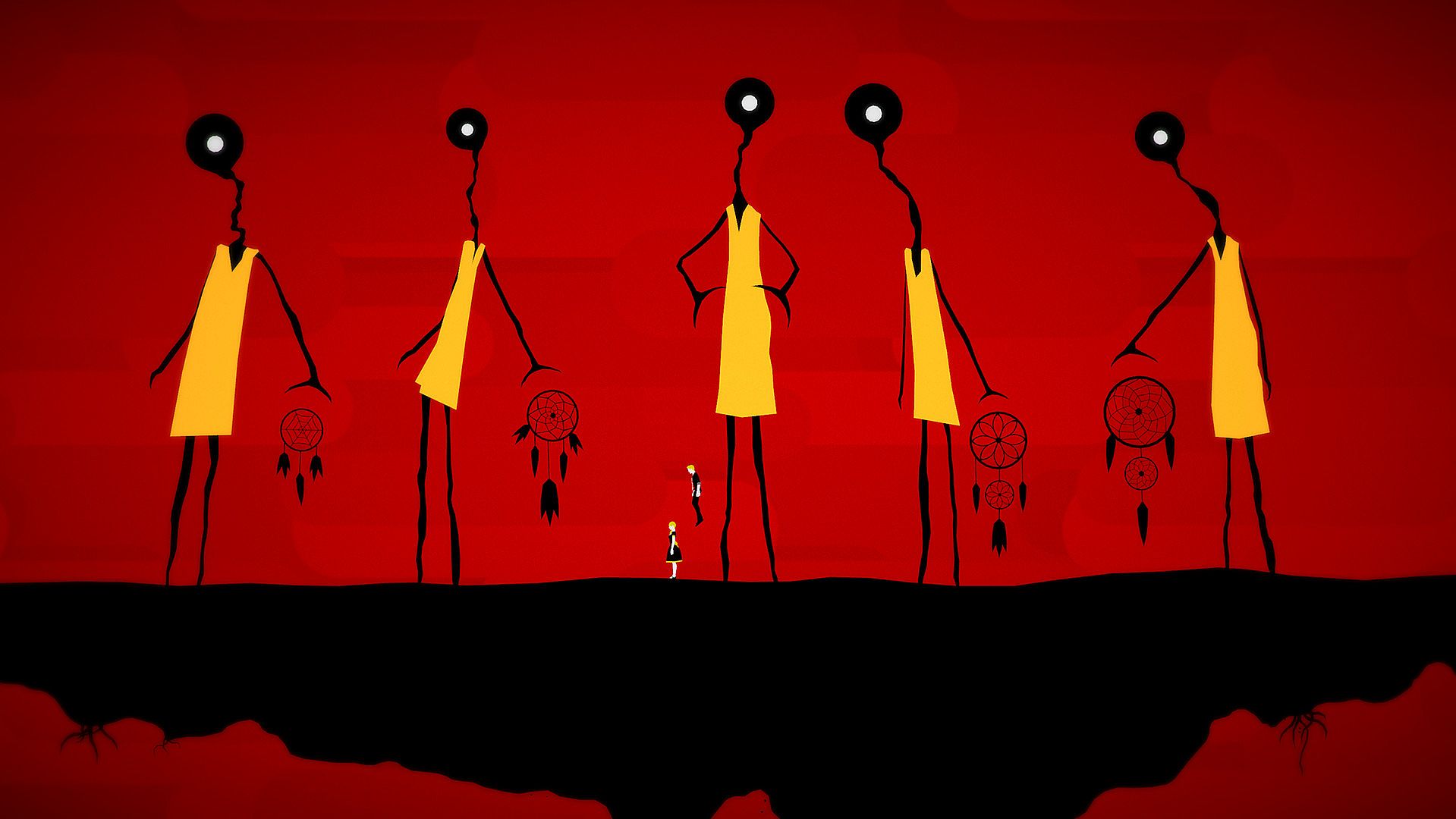

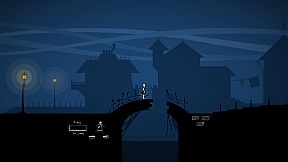
Tulpa stands as a distinctive indie adventure title that merges puzzle solving with platforming in a surreal, atmospheric environment on PC. Players guide two linked characters through a haunting landscape filled with abstract challenges and visual symbolism rather than explicit narrative.
Gameplay
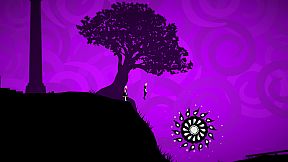
The core loop centers on switching between Ophelia and her tulpa companion Oliver to navigate levels. Ophelia handles physical movement and interaction with the environment while Oliver, appearing more ethereal, can manipulate objects from a distance. This duality forms the basis for most puzzles, where positioning one character to affect the world allows the other to progress.
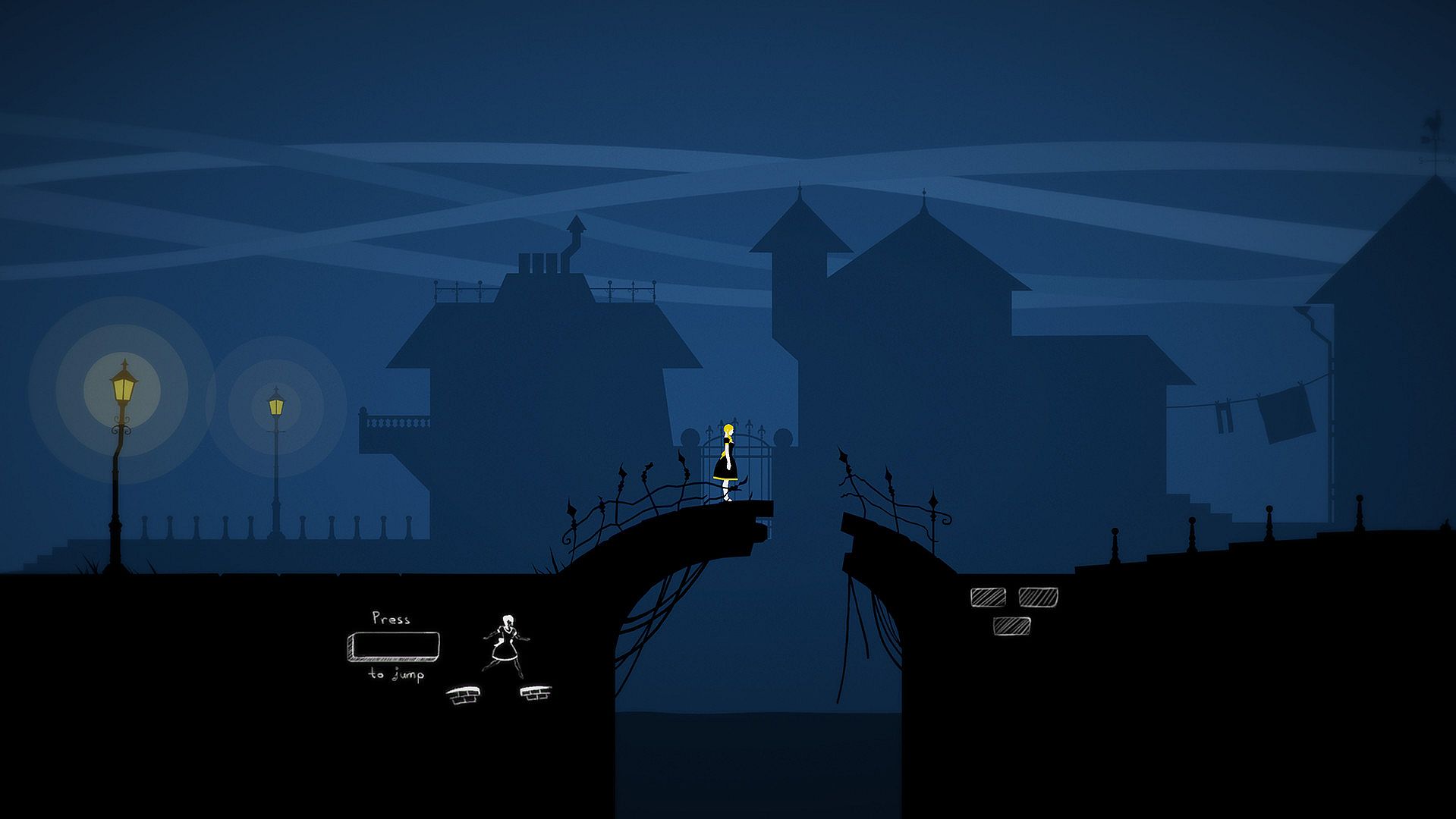
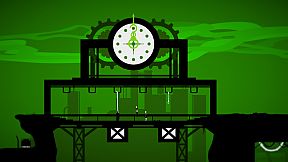
Basic platforming elements appear throughout, including jumps and traversal across platforms that shift or present hazards. Puzzles often require observing the surroundings closely since solutions rely on environmental cues rather than complex inventories or tools. The pace remains deliberate, encouraging careful examination of each area before advancing.
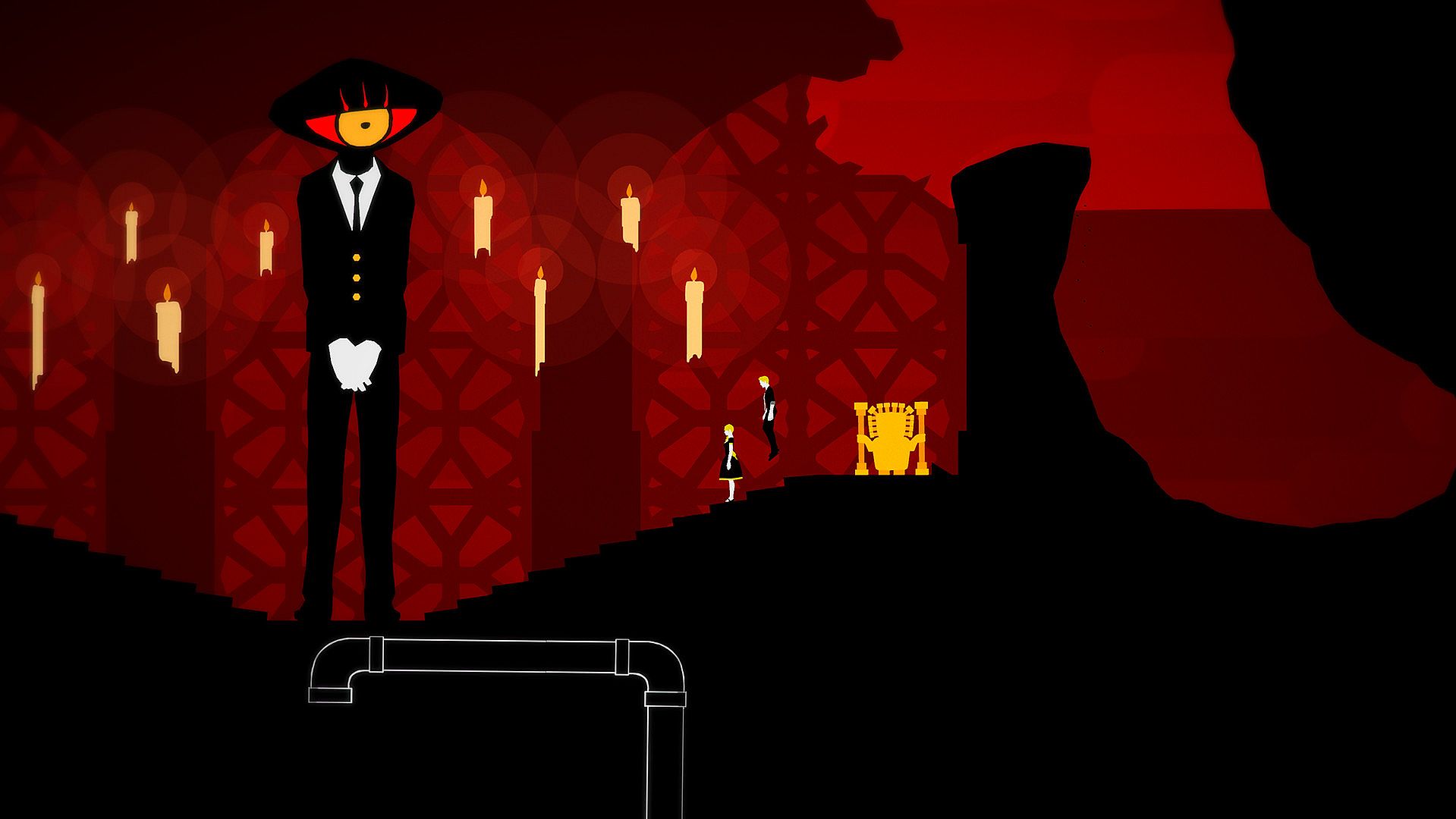
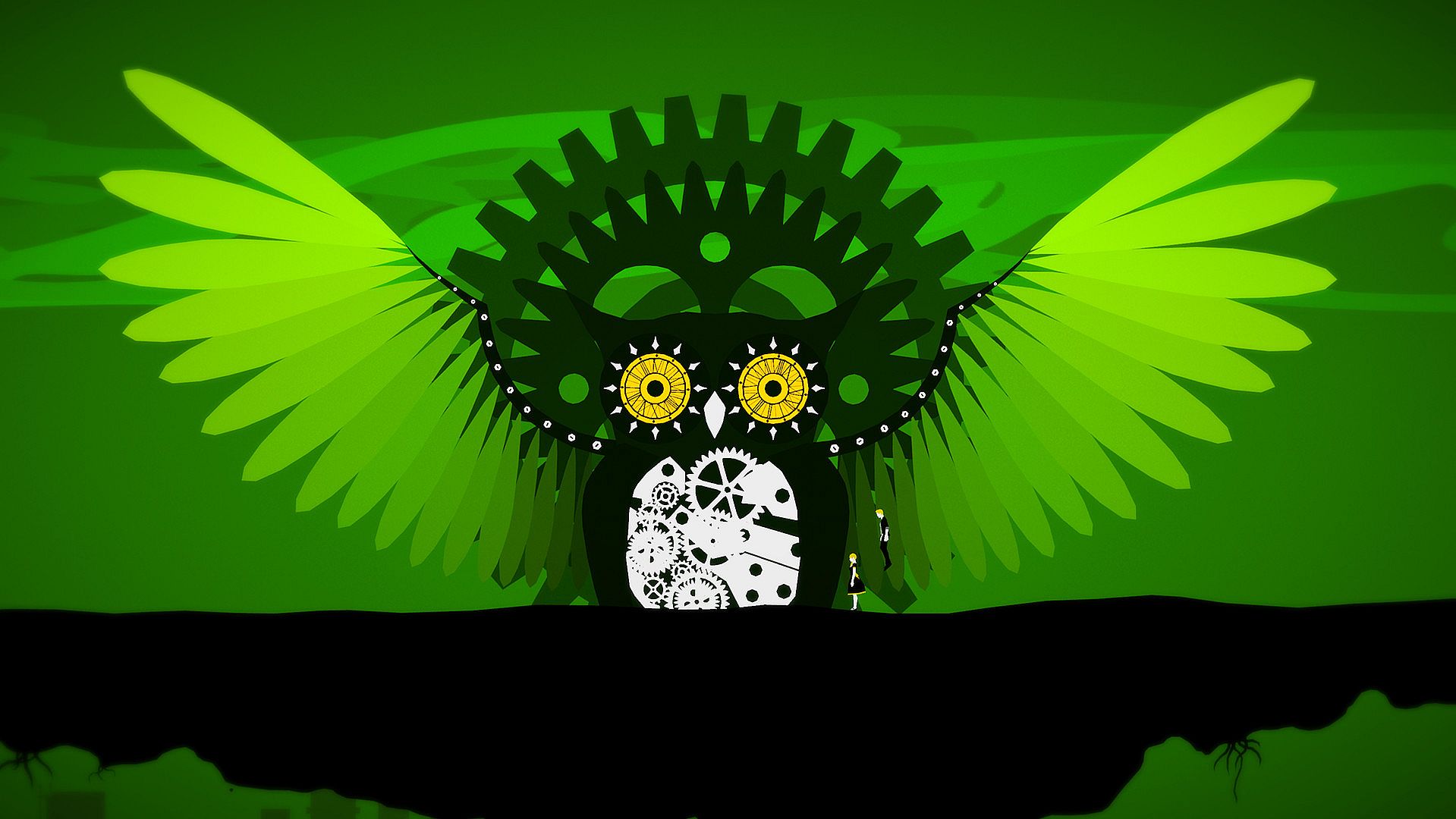
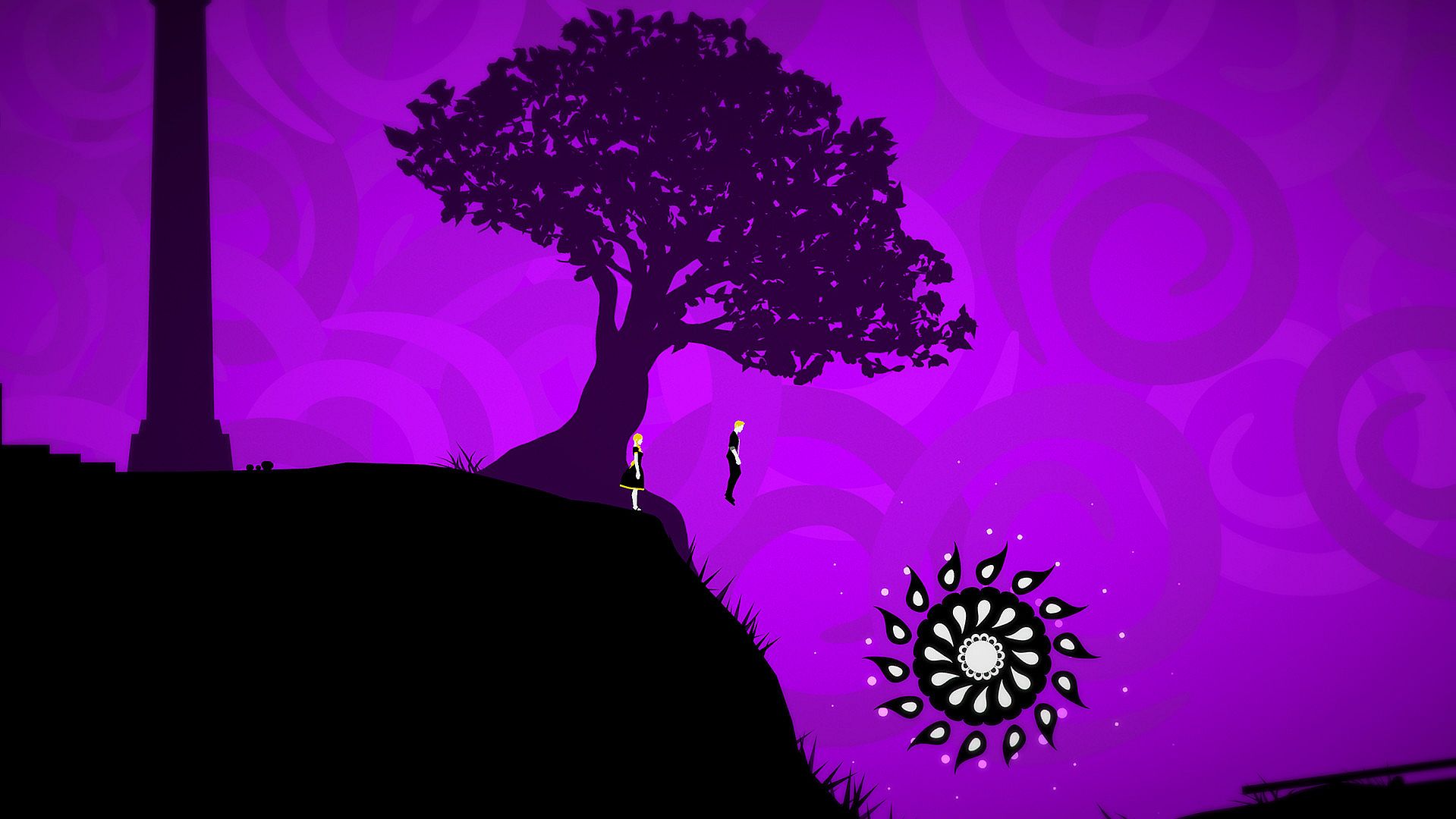
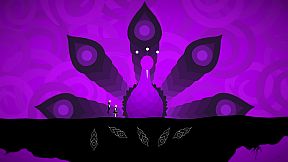
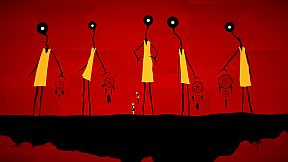
Visuals emphasize elegance and mood through minimalist yet striking art that evokes a dreamlike quality. Sound design supports the tone with moody audio that reinforces themes of connection and isolation without spoken dialogue or cutscenes.
Game Modes
Tulpa functions entirely as a single-player experience with no multiplayer options or alternate modes. Progression follows a linear sequence of levels that build in complexity while maintaining the same core mechanics of character switching and puzzle resolution.
Each section presents self-contained challenges that tie into the overall journey, allowing players to focus on deciphering abstract obstacles one at a time. There are no separate difficulty settings, time trials, or replay modes confirmed in the game's structure.
World and Atmosphere
The setting unfolds as an ever-shifting surreal realm where familiar logic gives way to symbolic encounters and unexpected transformations. Landscapes blend beauty with underlying danger, creating spaces that reward observation and patience over speed.
Encounters with bizarre elements serve primarily to frame the puzzles rather than introduce combat or resource management. The absence of a conventional story leaves interpretation open, relying on imagery and environmental storytelling to convey emotional undercurrents.
Is It Worth Playing?
Player feedback on Steam shows Mostly Positive reception from a modest number of reviews, highlighting the game's visual appeal and thoughtful puzzle design for those drawn to atmospheric indie adventures. The experience suits individuals who enjoy deliberate pacing and abstract problem-solving without reliance on tutorials or hand-holding.
Its short length and focused scope make it accessible for completion in a few sessions, though some note occasional frustration with control responsiveness during platform sections. Those seeking a memorable, introspective puzzle platformer may find value in its unique presentation and mechanics.
Availability remains straightforward on PC with no ongoing seasonal content or major updates reported since its initial release. The title appeals most to fans of minimalist puzzle adventures that prioritize mood and clever environmental interaction.