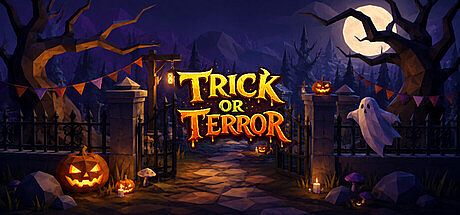


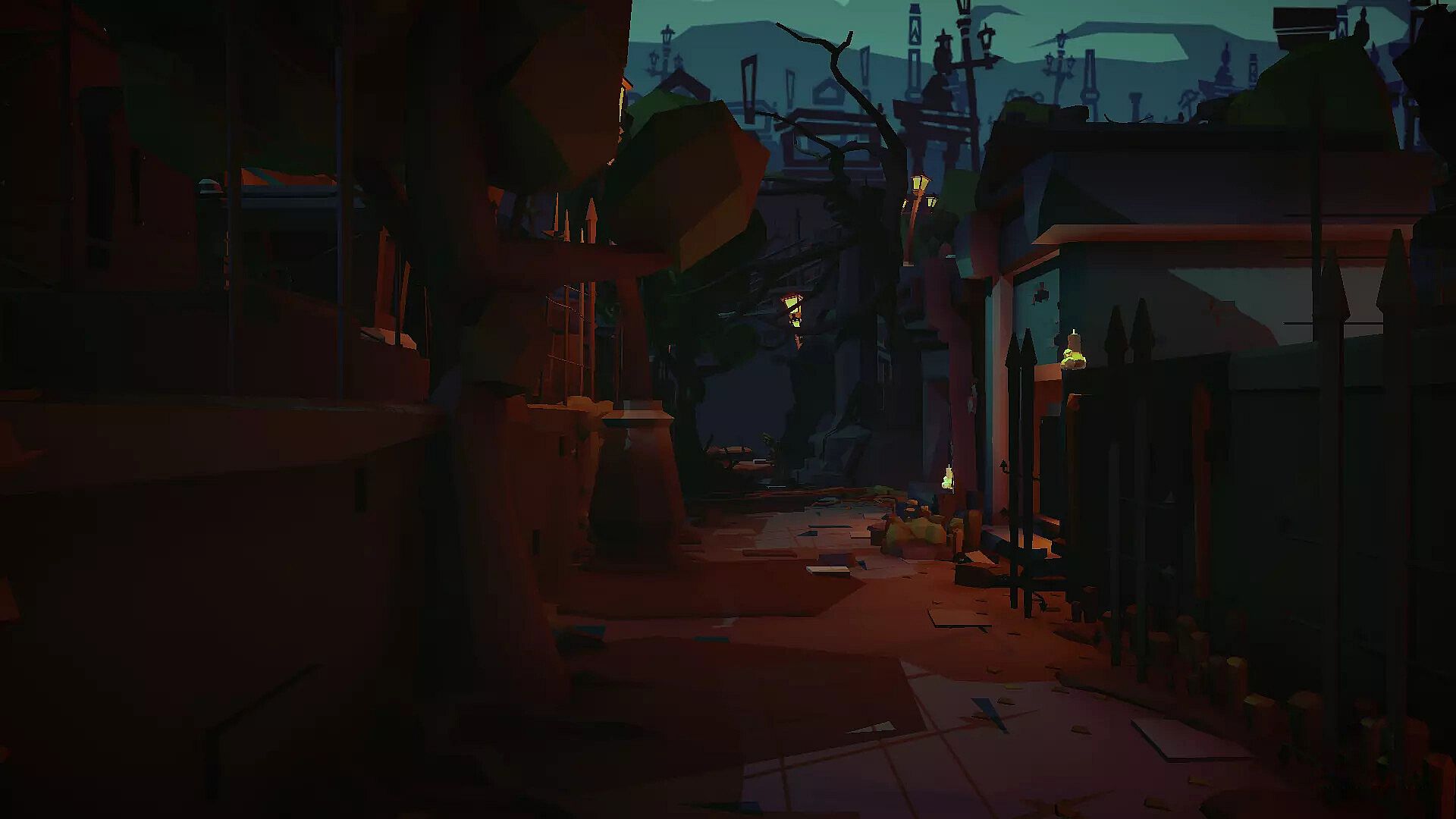
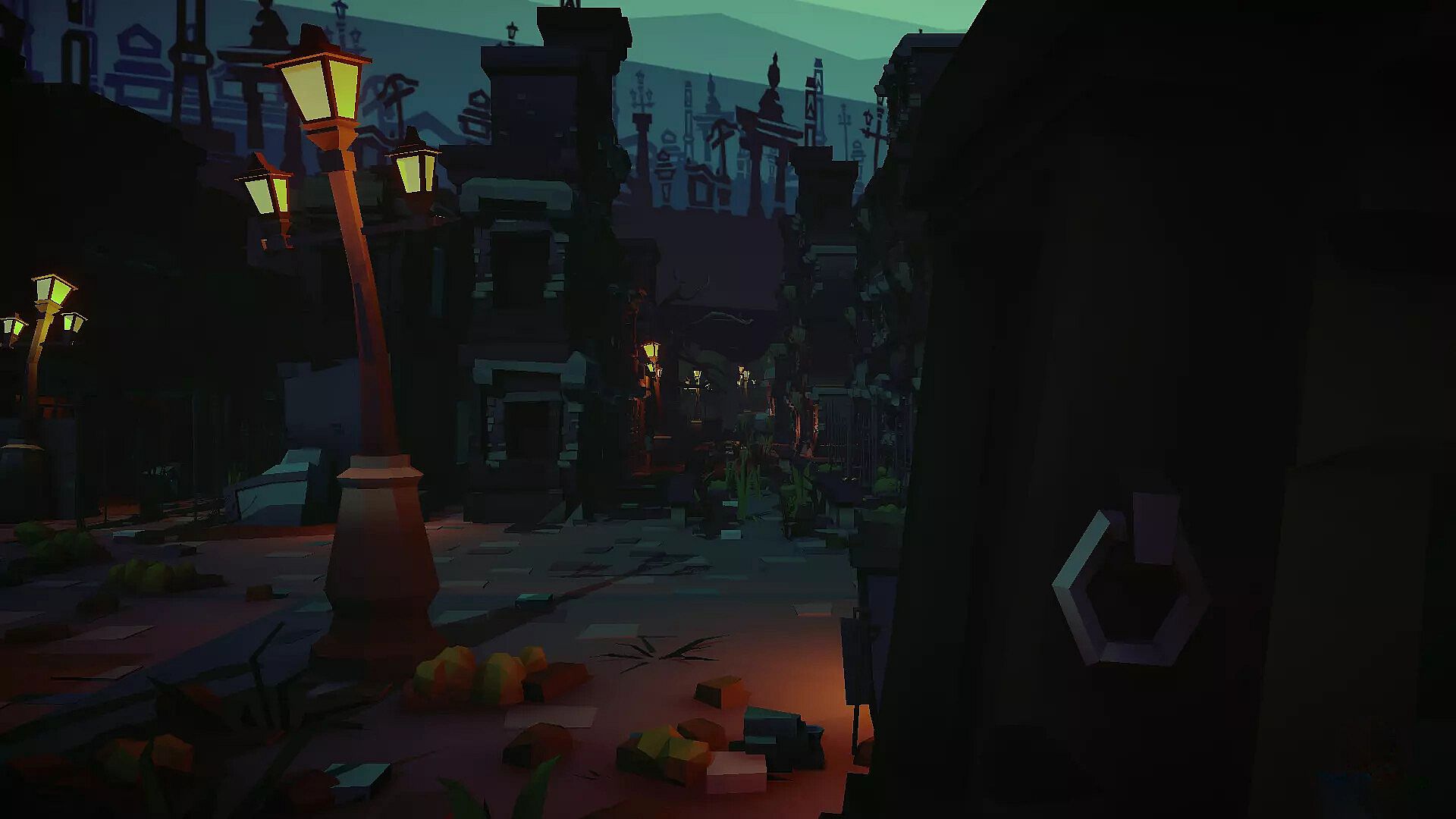
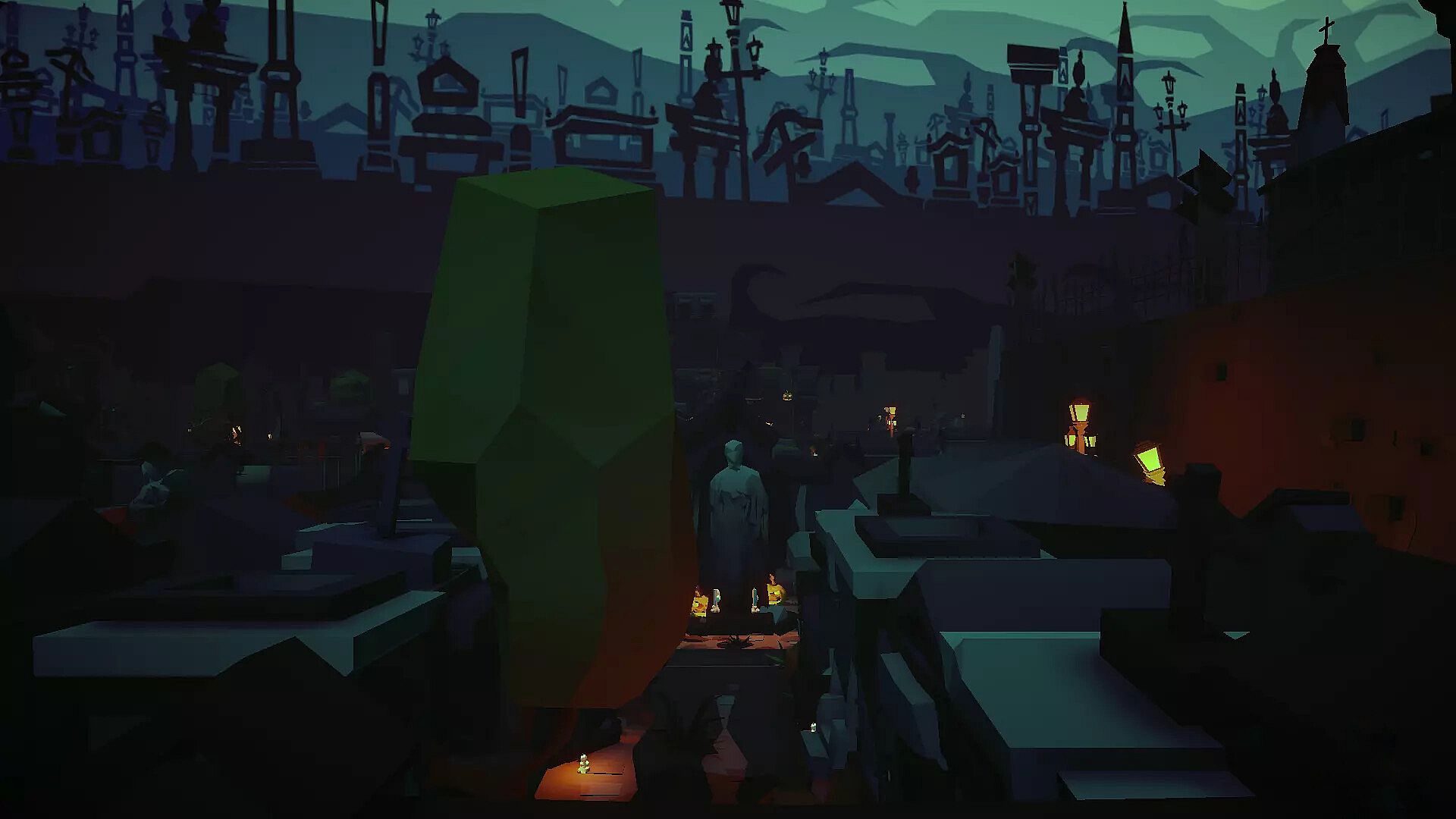
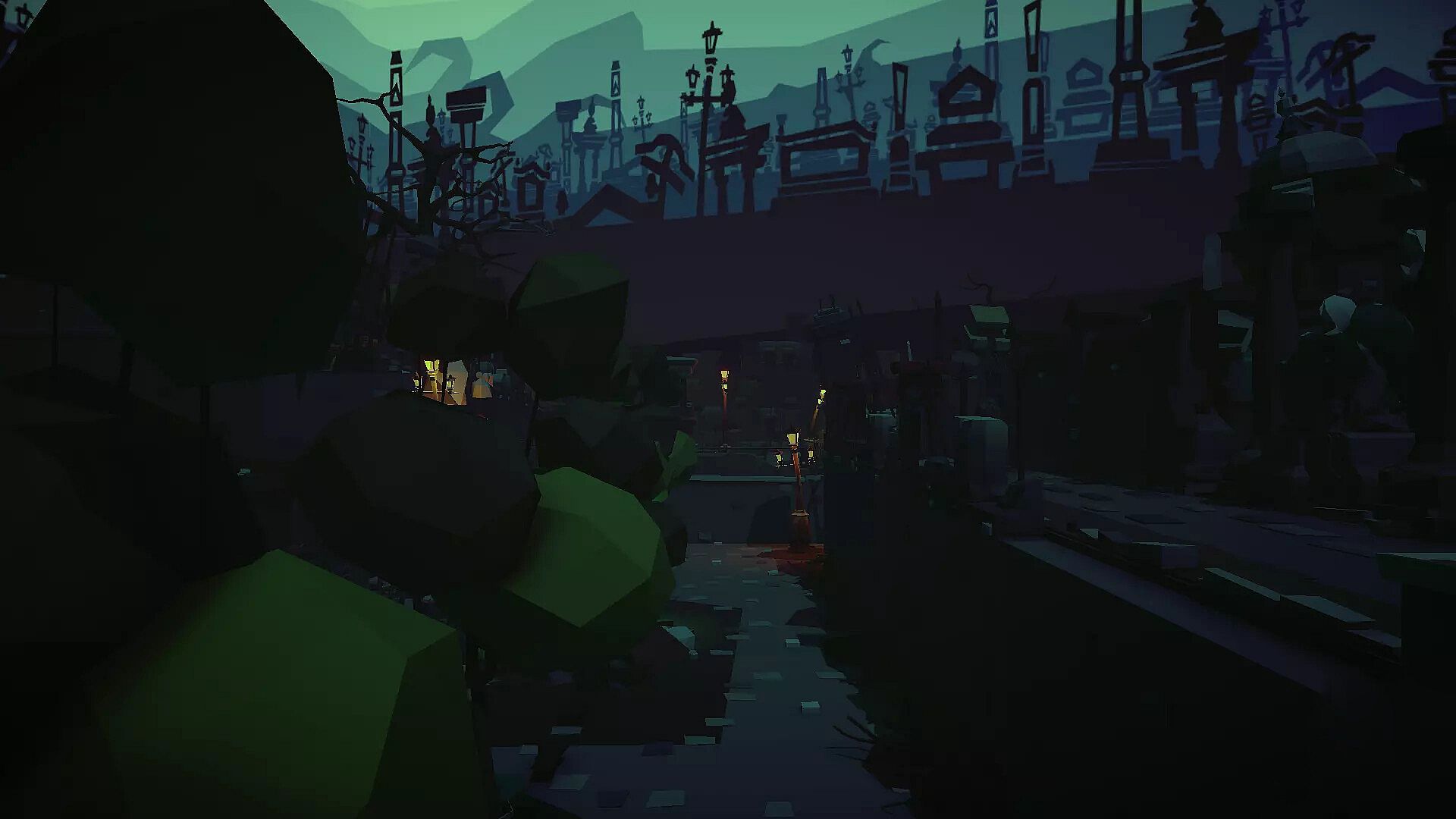
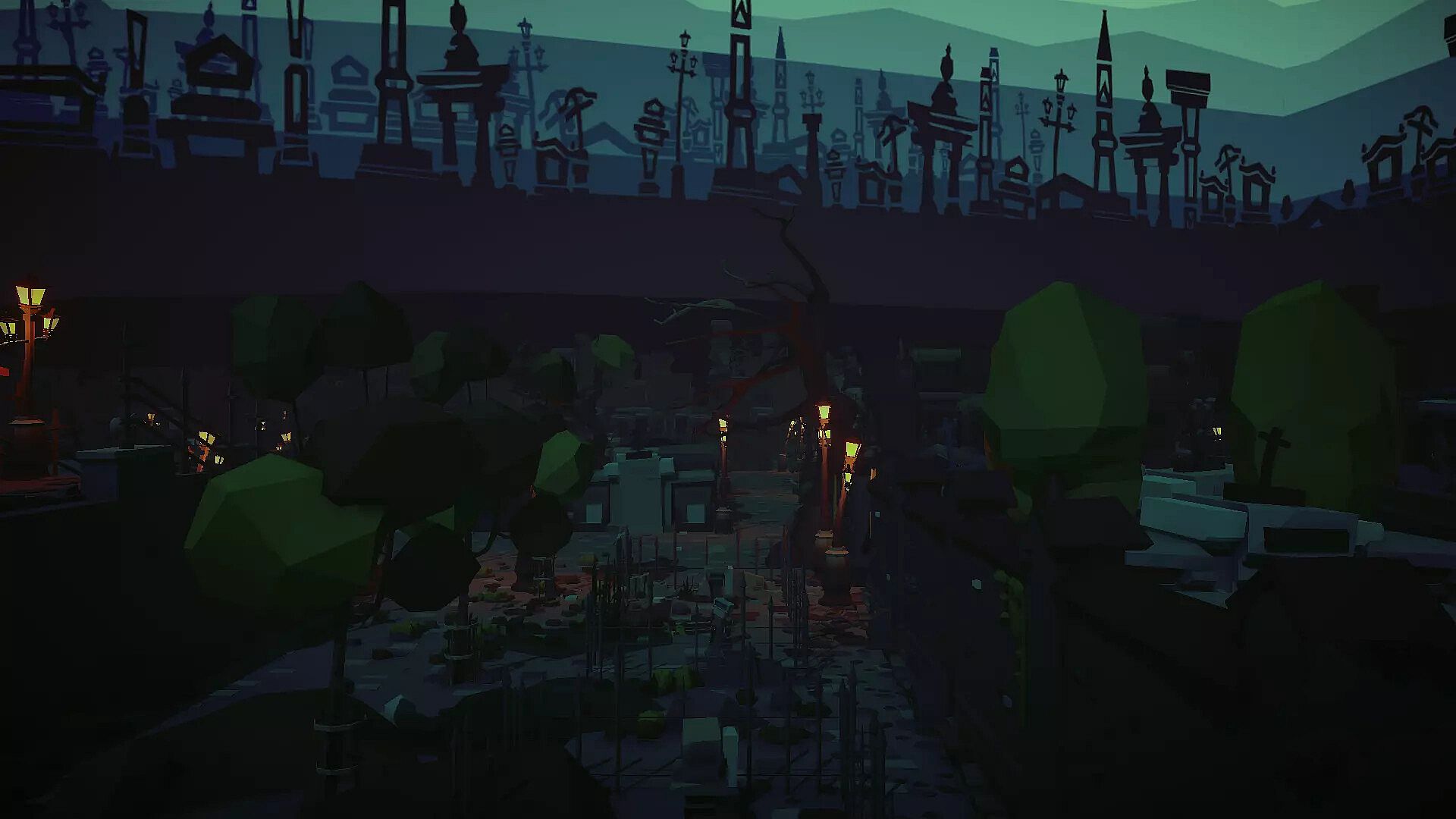





Trick Or Terror is a single-player indie adventure game that places players in a tense horror escape scenario set inside a mysterious cemetery on PC. The core experience revolves around navigating this eerie environment while piecing together clues and avoiding threats to reach freedom. With its low-poly visual style, the game emphasizes careful observation and strategic movement over action or combat.
Gameplay
The gameplay loop centers on exploration within the cemetery grounds. Players move through different areas, examining the surroundings for items that aid progress and clues that reveal paths forward. Puzzles appear naturally as part of the environment, requiring players to connect discovered objects with specific locations or mechanisms to advance. Attention to detail matters because many elements blend into the scenery until closely inspected.
Survival comes into play through constant awareness of roaming skeletons. These enemies patrol the grounds and actively pursue anyone attempting to escape. Players must use the layout of each section to their advantage, finding cover or timing movements to slip past without direct confrontation. The low-poly aesthetic keeps the focus on spatial awareness rather than complex visuals, making every corner and shadow potentially significant.
Items collected during exploration serve multiple purposes, from unlocking new sections to providing temporary advantages against threats. The process builds tension as players balance thorough searching with the need to keep moving. Each new area introduces fresh risks and opportunities, encouraging repeated visits to previously cleared spots when new information comes to light.
Game Modes
Trick Or Terror operates as a single-player experience with no additional modes confirmed. The entire session follows the escape objective through the cemetery, combining exploration, puzzle-solving, and evasion into one continuous challenge. This structure keeps the focus on personal decision-making and environmental interaction without branching into competitive or cooperative elements.
Progression happens organically as players uncover more of the cemetery layout. There are no separate difficulty settings or alternate scenarios described, so the core loop remains consistent from start to finish. The emphasis stays on surviving long enough to solve the necessary puzzles and locate the exit.
The Cemetery Environment
The setting itself functions as both backdrop and active participant in the experience. Low-poly models create a stylized yet unsettling atmosphere where familiar graveyard elements take on new meanings. Players learn to treat every gravestone, path, and structure as a potential source of information or danger.
Sound and visual cues guide attention toward hidden details. What appears as simple decoration on first pass often reveals itself as a clue or item location after closer inspection. This design rewards patience and methodical searching while punishing rushed decisions that lead straight into skeleton encounters.
Is It Worth Playing?
Trick Or Terror suits players who enjoy deliberate puzzle-solving and atmospheric horror without heavy combat demands. The single-player focus allows for uninterrupted immersion in the escape sequence, appealing to those who prefer thoughtful navigation over fast reflexes. Its indie scale keeps the experience concise and direct.
Reception details remain limited at this stage, with the game presenting a straightforward horror escape concept centered on exploration and survival. Those drawn to low-poly aesthetics and cemetery-themed tension may find the mechanics engaging enough to complete multiple attempts at finding the way out. The absence of confirmed updates or additional content means the current version stands as the complete package for its intended audience.