






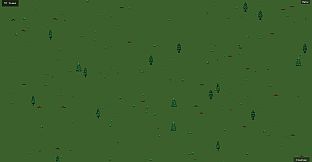
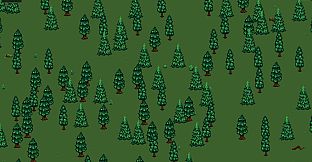
Trees is an indie casual simulation game for PC that places players in the role of a quiet observer in a growing wilderness. The experience centers on patience as a forest develops gradually over real time, with trees taking root one by one across open ground without any need for active management or intervention.
Gameplay
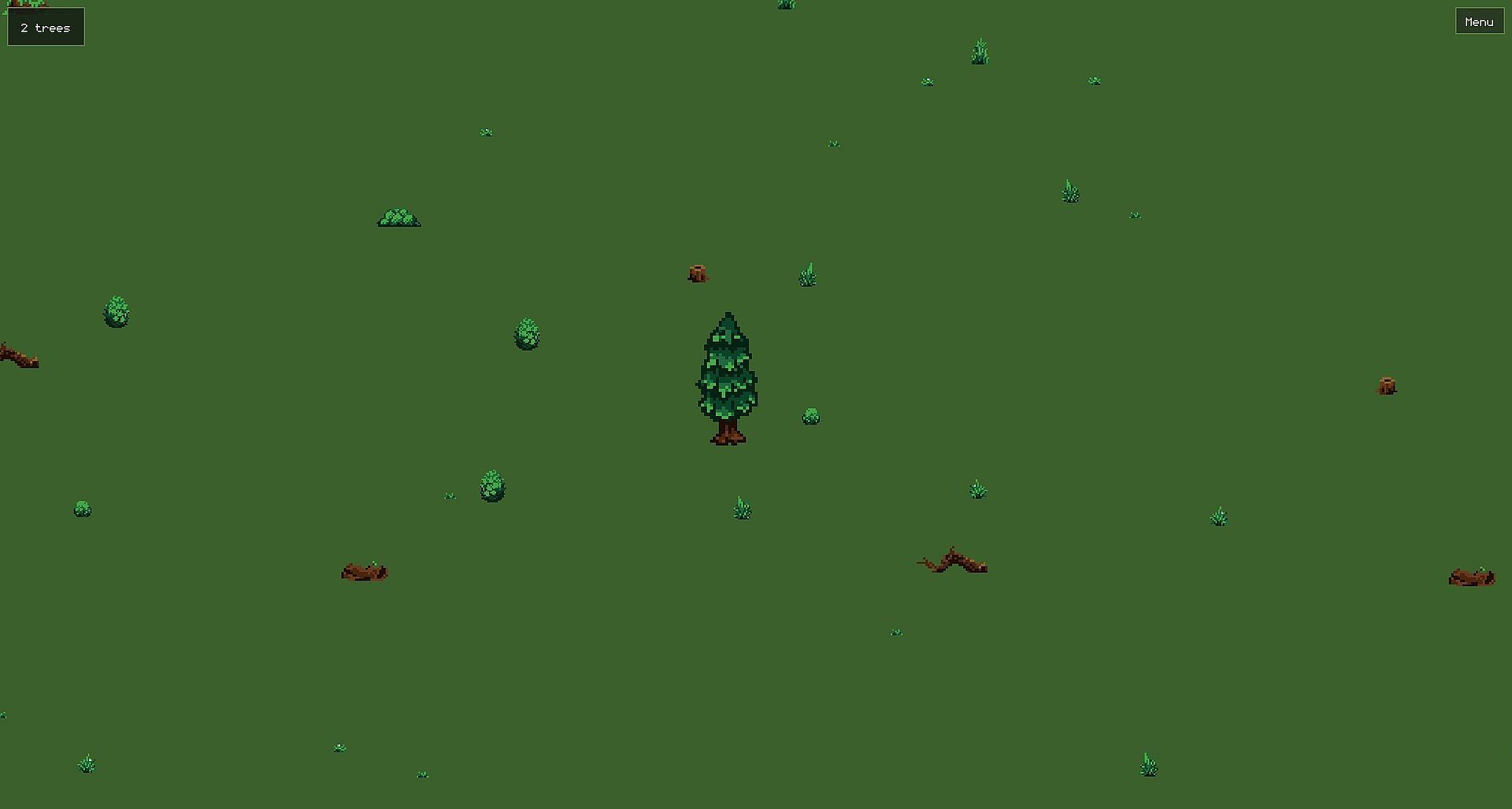
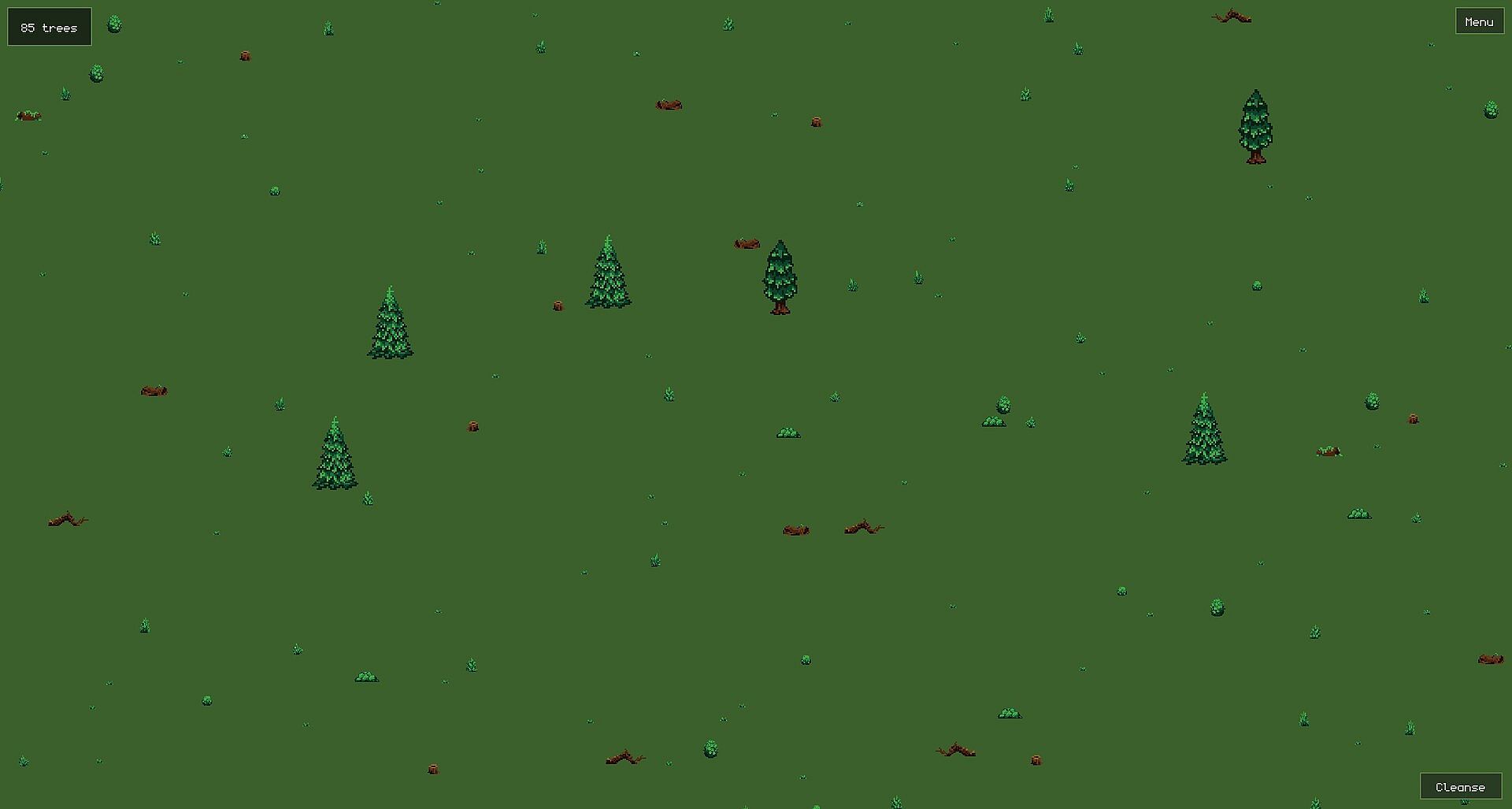
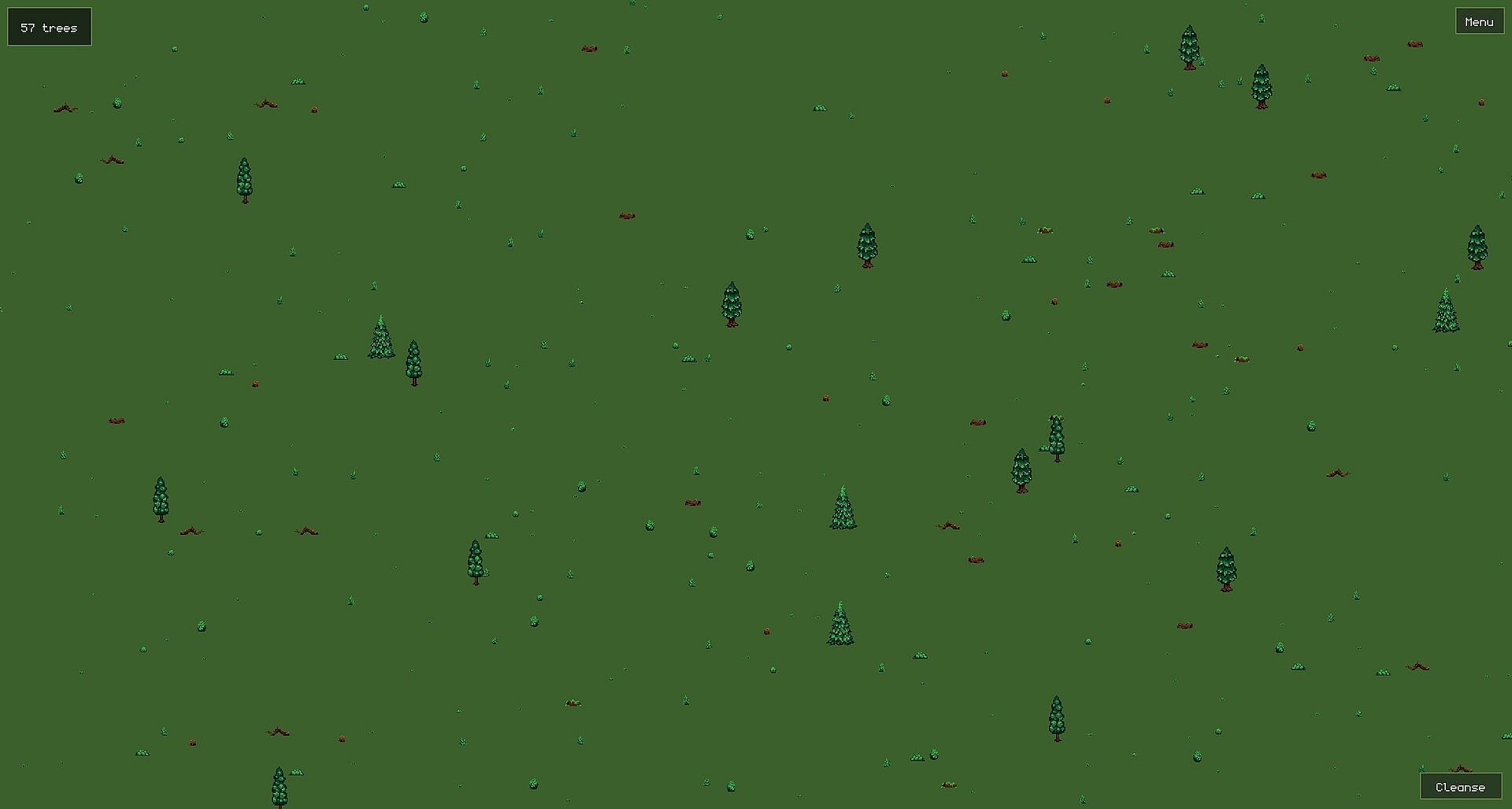
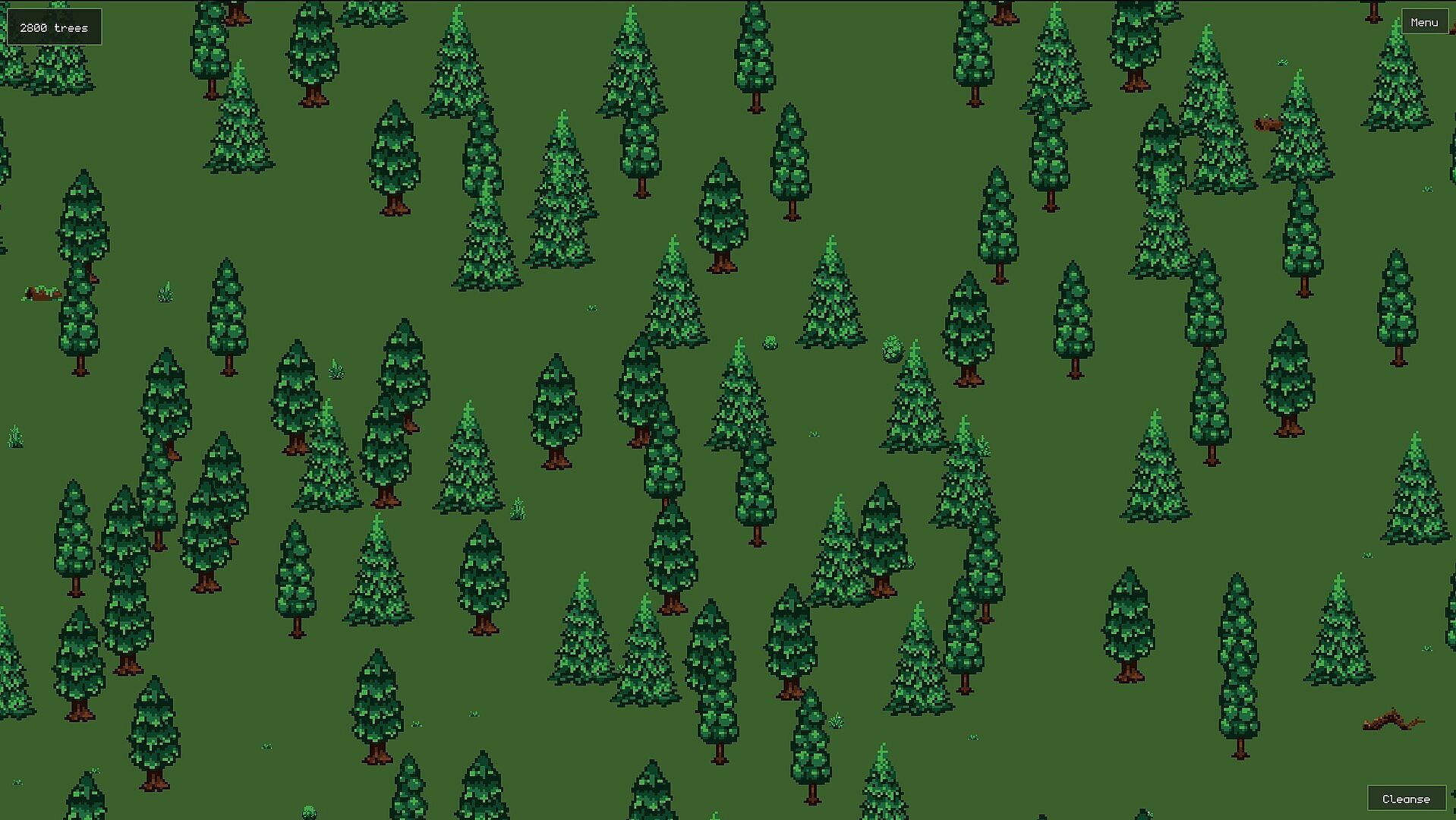
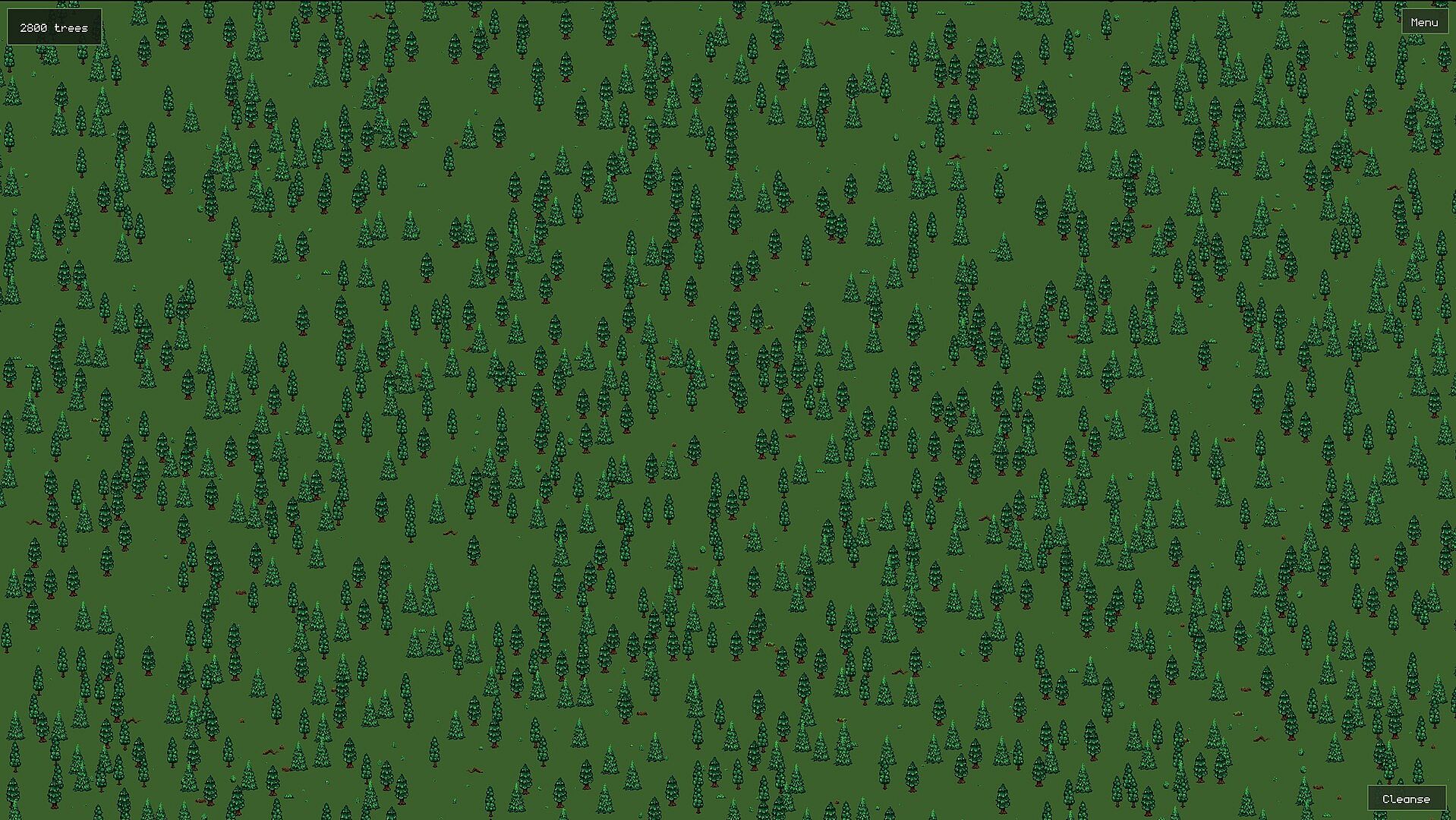
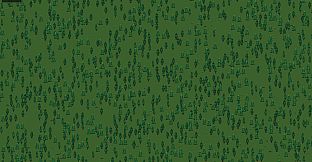
The core loop revolves around watching a forest expand at its own pace. Players begin with bare terrain and return periodically to witness thousands of individual trees establish themselves naturally. Wind moves through the developing canopy, creating subtle visual changes as the landscape fills in over hours or days of real-world time. Growth requires no resources, timers, or player actions beyond occasional check-ins to observe progress. The system emphasizes a hands-off approach where the simulation runs independently in the background on the desktop.
Interaction remains minimal and non-disruptive. The visitor character never harms the environment, and there are no tools, upgrades, or objectives that alter the natural progression. Players can simply let the forest develop or decide on personal ways to engage with the space once it has matured through sustained real-time growth. This setup suits those seeking a low-pressure experience that fits alongside other activities rather than demanding focused sessions.
Game Modes
Trees offers no traditional game modes, competitive elements, or structured challenges. The entire experience functions as a single, unified simulation without separate campaigns, multiplayer options, or variant rulesets. Progression happens uniformly through real-time forest expansion, and players determine their own level of engagement without any fail states or performance metrics to meet.
The absence of modes aligns with the design focus on observation and personal pacing. Whether checking in briefly or leaving the game running for extended periods, the forest continues its growth independently, allowing each session to feel consistent regardless of how much time has passed since the last visit.
Atmosphere and Design
Visuals emphasize a serene wilderness that evolves organically. Early stages feature sparse ground that gradually fills with trees of varying sizes and densities. Subtle animations like wind effects add life without requiring player input. The overall presentation remains calm and unhurried, matching the theme of patience and natural development.
Audio supports the quiet tone with ambient sounds that accompany the visual changes. No urgent cues or layered soundtracks push the player toward specific actions. The desktop background nature of the game means it can run unobtrusively while users work or multitask, turning the monitor into a living window onto the simulated forest.
Who It Appeals To
This title targets players interested in relaxed simulation experiences that reward observation over action. Those who enjoy idle mechanics or ambient games will find the real-time growth loop satisfying, especially if they prefer titles that progress without constant attention. The lack of combat or failure conditions makes it accessible for short or infrequent play sessions.
Individuals seeking a contrast to fast-paced games may appreciate the deliberate slowness. The experience encourages returning over days or weeks to see tangible changes in the landscape, fostering a sense of long-term investment through patience alone.
Is It Worth Playing?
Trees suits players who value unpressured growth simulations and background experiences on PC. The verified mechanics of real-time tree establishment and open-ended interaction provide a consistent, low-demand activity that continues without intervention. Those drawn to casual indie titles focused on nature and observation will likely find the approach rewarding for its simplicity and lack of imposed goals.
Reception centers on the peaceful atmosphere and the novelty of a forest that develops independently. The game remains in a stable state with its core systems intact, offering ongoing value through repeated check-ins as the wilderness expands further. For the right audience, the emphasis on patience delivers a distinctive desktop companion rather than a conventional game session.











