

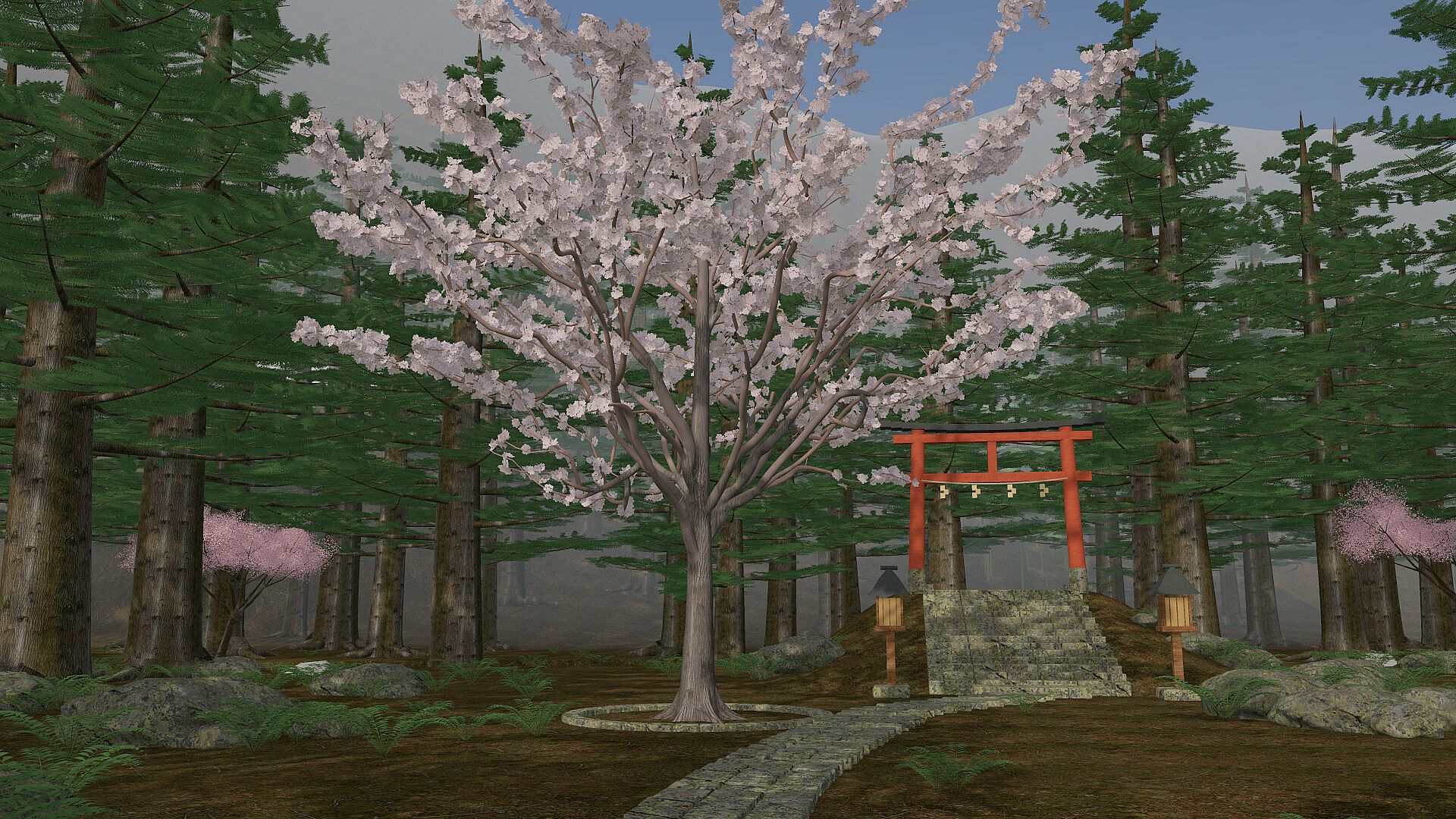
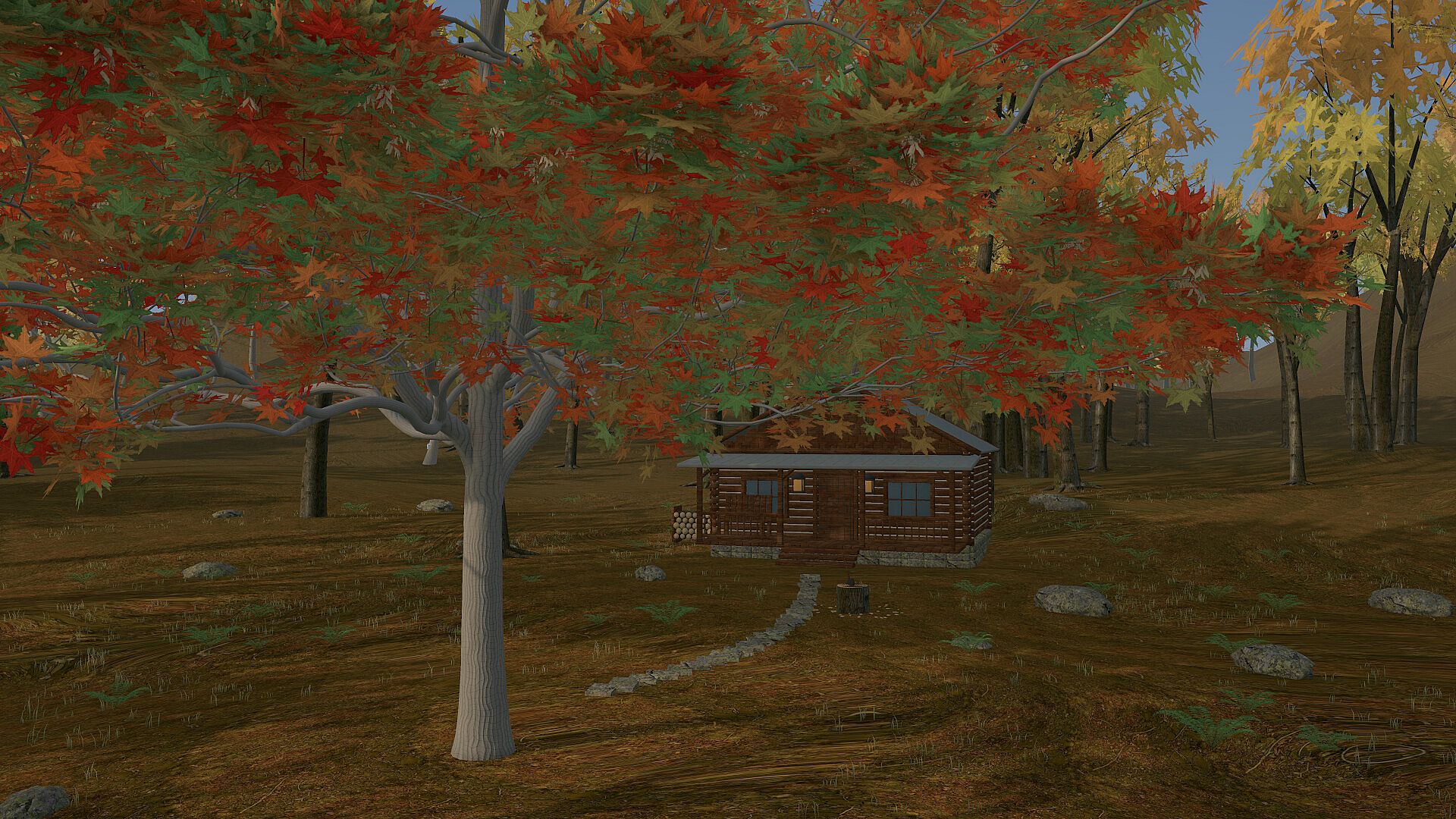
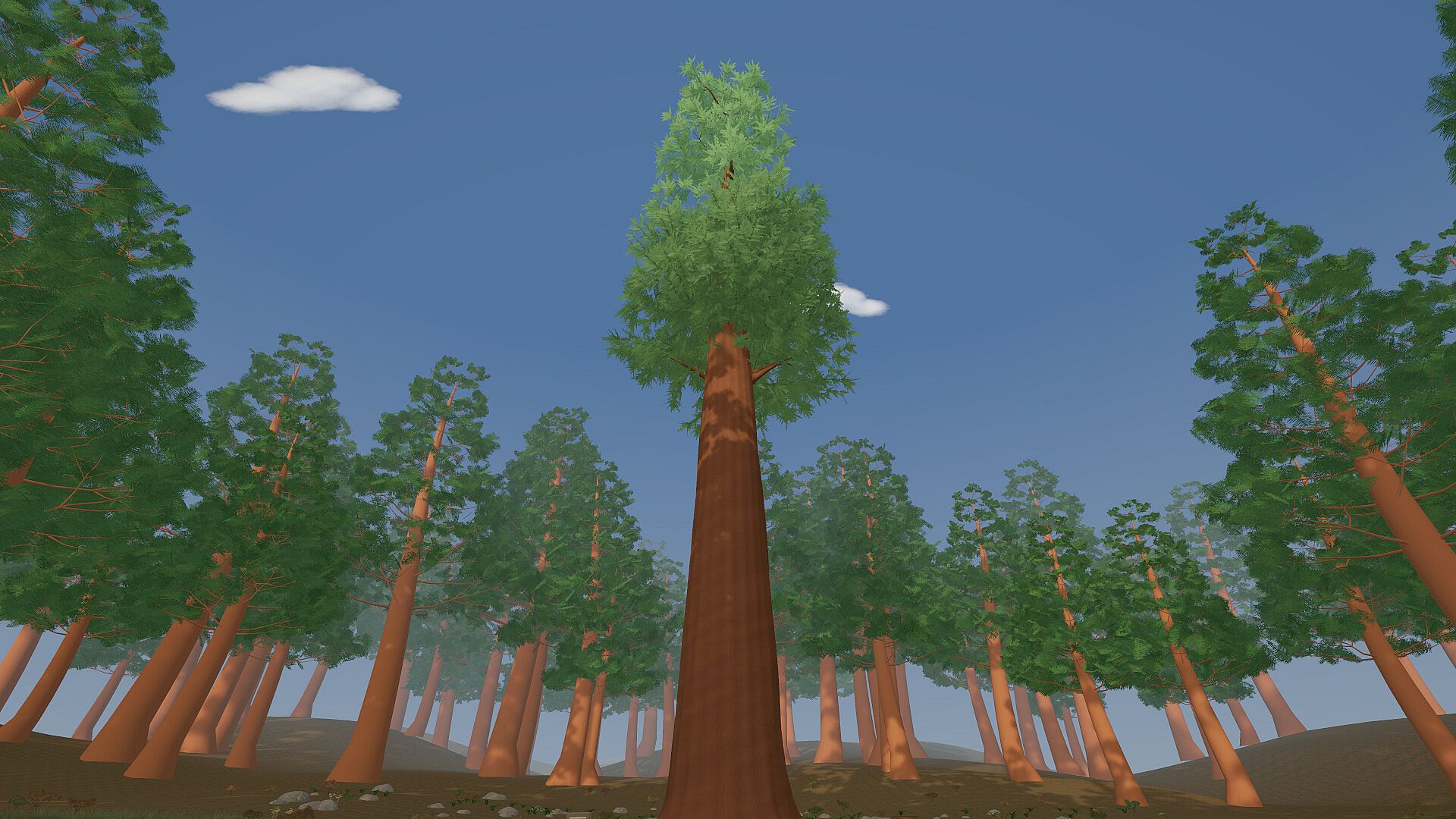
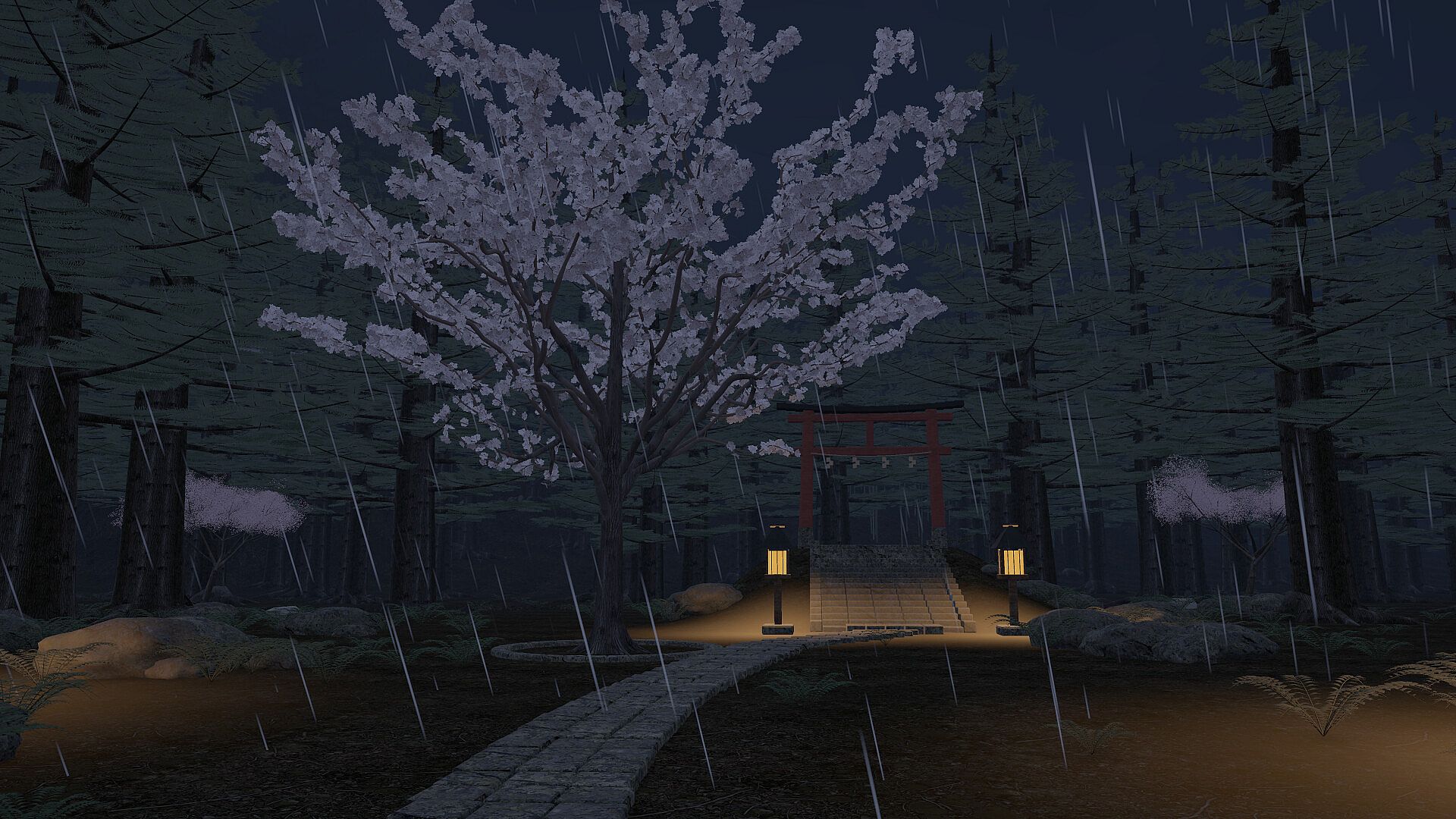
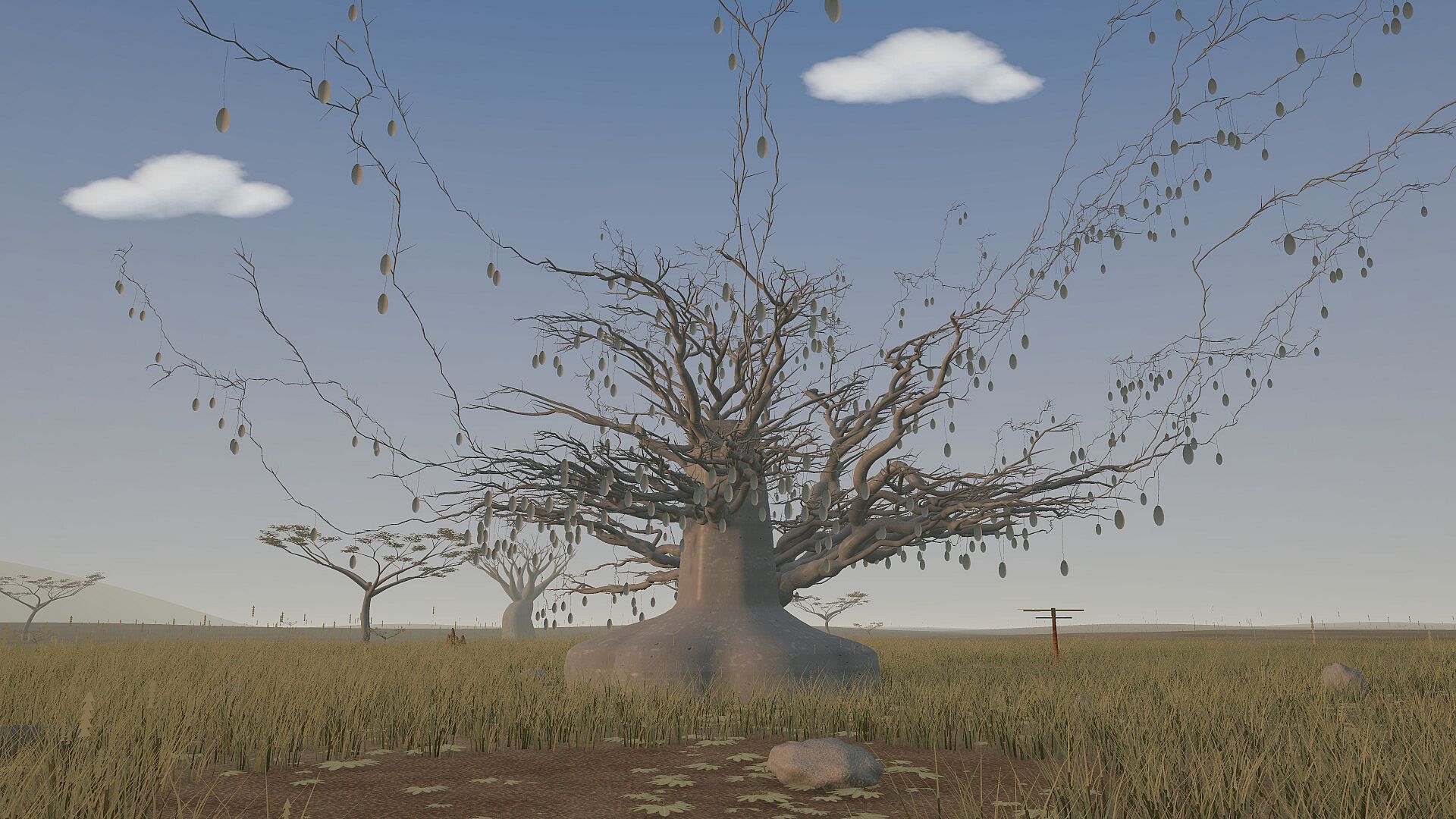
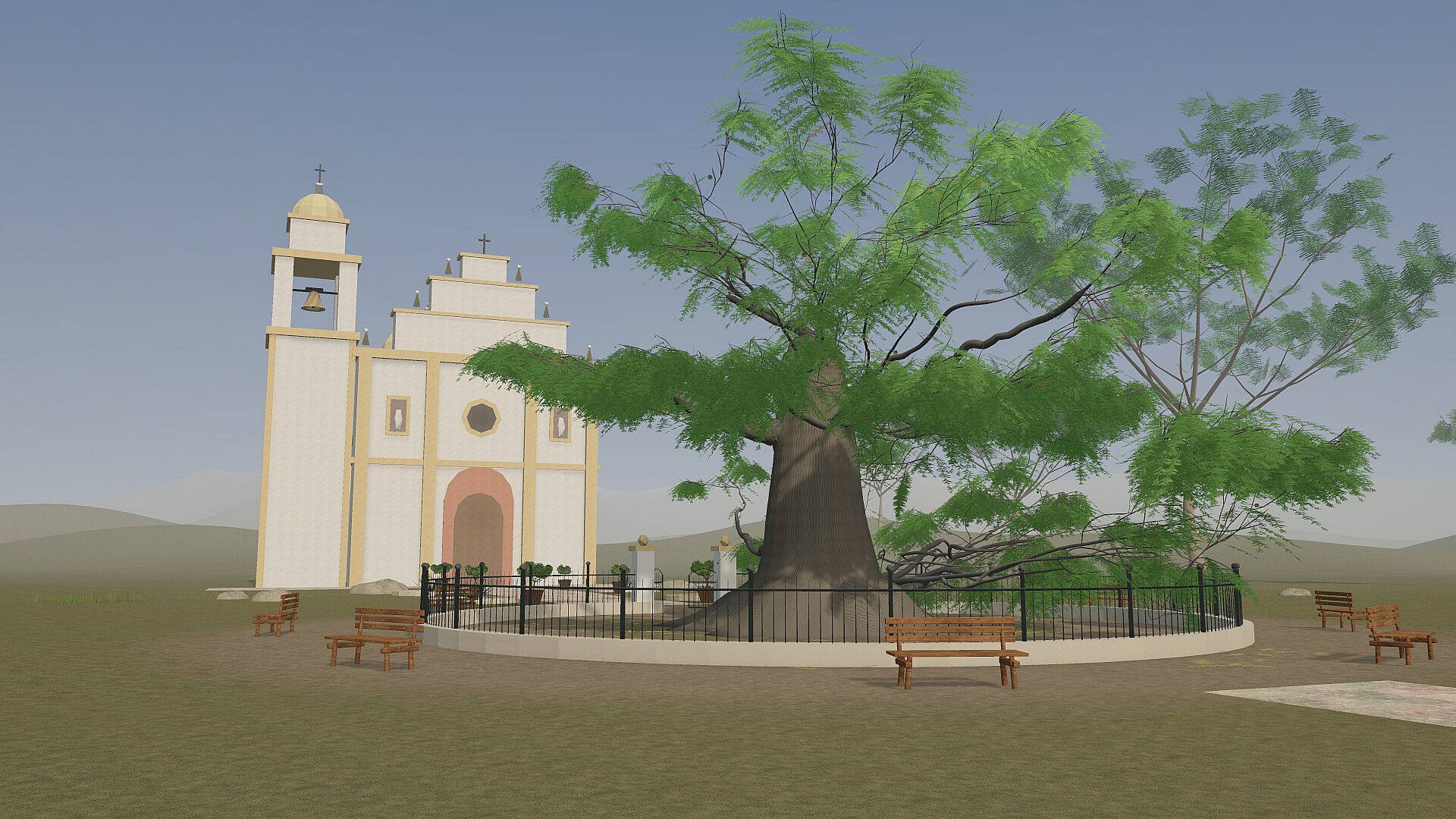
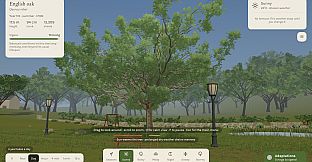
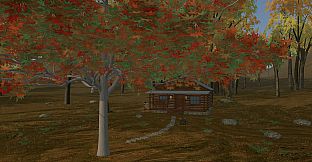

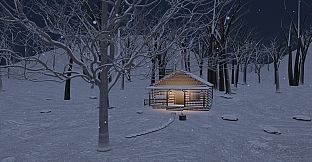
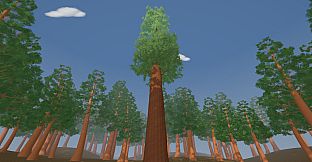
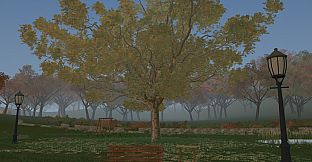
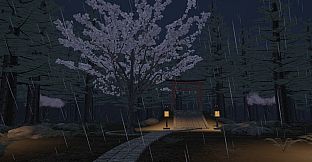
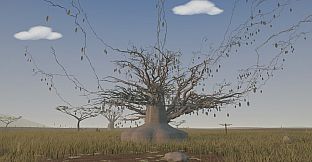
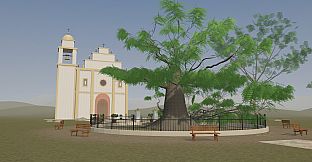
Tree Simulator is an indie simulation game for PC that places a single living tree directly into the space where it belongs. Rather than abstract menus or distant landscapes, the experience centers on one tree growing branch by branch in a chosen real-world setting, whether that is a cherry tree along Kyoto's Philosopher's Path or a giant sequoia already two thousand years old in the Sierra Nevada. The result is a calm presence that can occupy a full screen or simply a corner of a second monitor during daily routines.
Gameplay
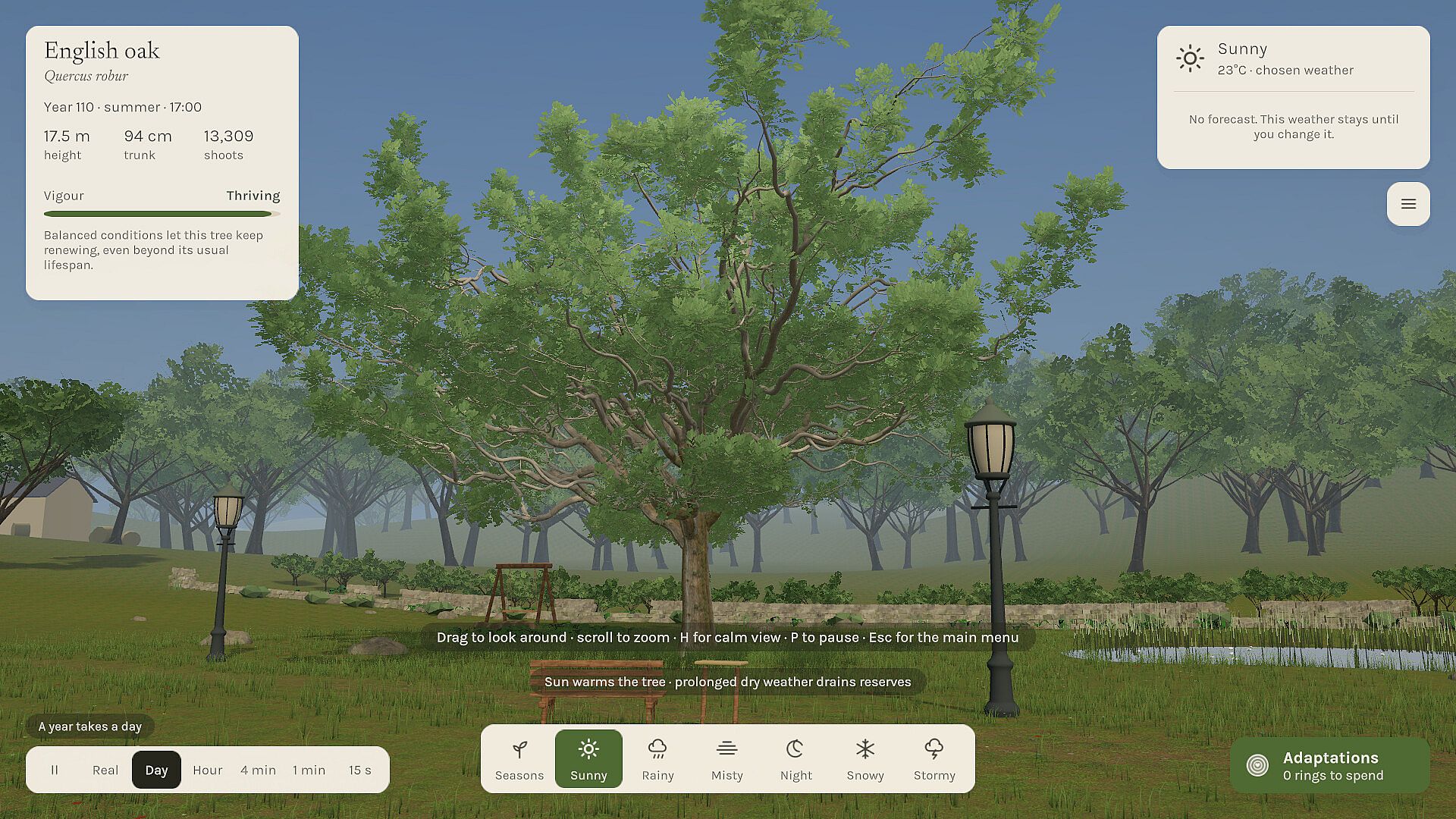
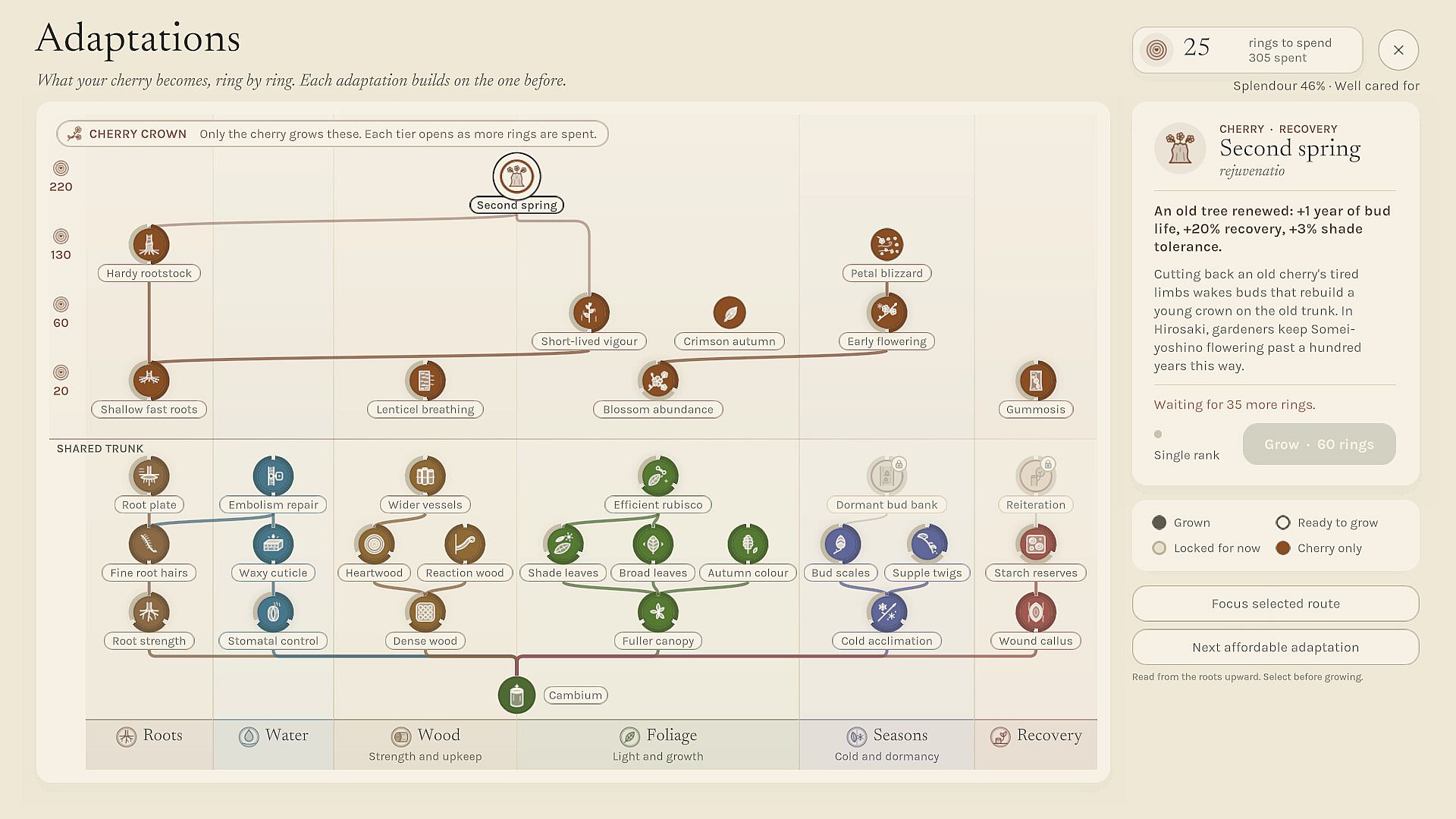
The core loop revolves around tending a tree that develops its own structure over time. Every branch seeks light in its own way, producing flowers, shedding leaves, bending with wind, and carrying visible signs of past winters. A player can accelerate a full year into fifteen seconds to observe rapid changes or switch to real-time pacing so that a Kyoto cherry blooms in sync with actual seasonal conditions in that location. Rings earned through aging can be spent on more than thirty adaptations per tree, visibly altering the crown with extra leaves, branches, flowers, or fruit. Neglect causes thinning and withering, yet the game provides warnings while recovery remains possible, and no tree dies during absence from the controls.
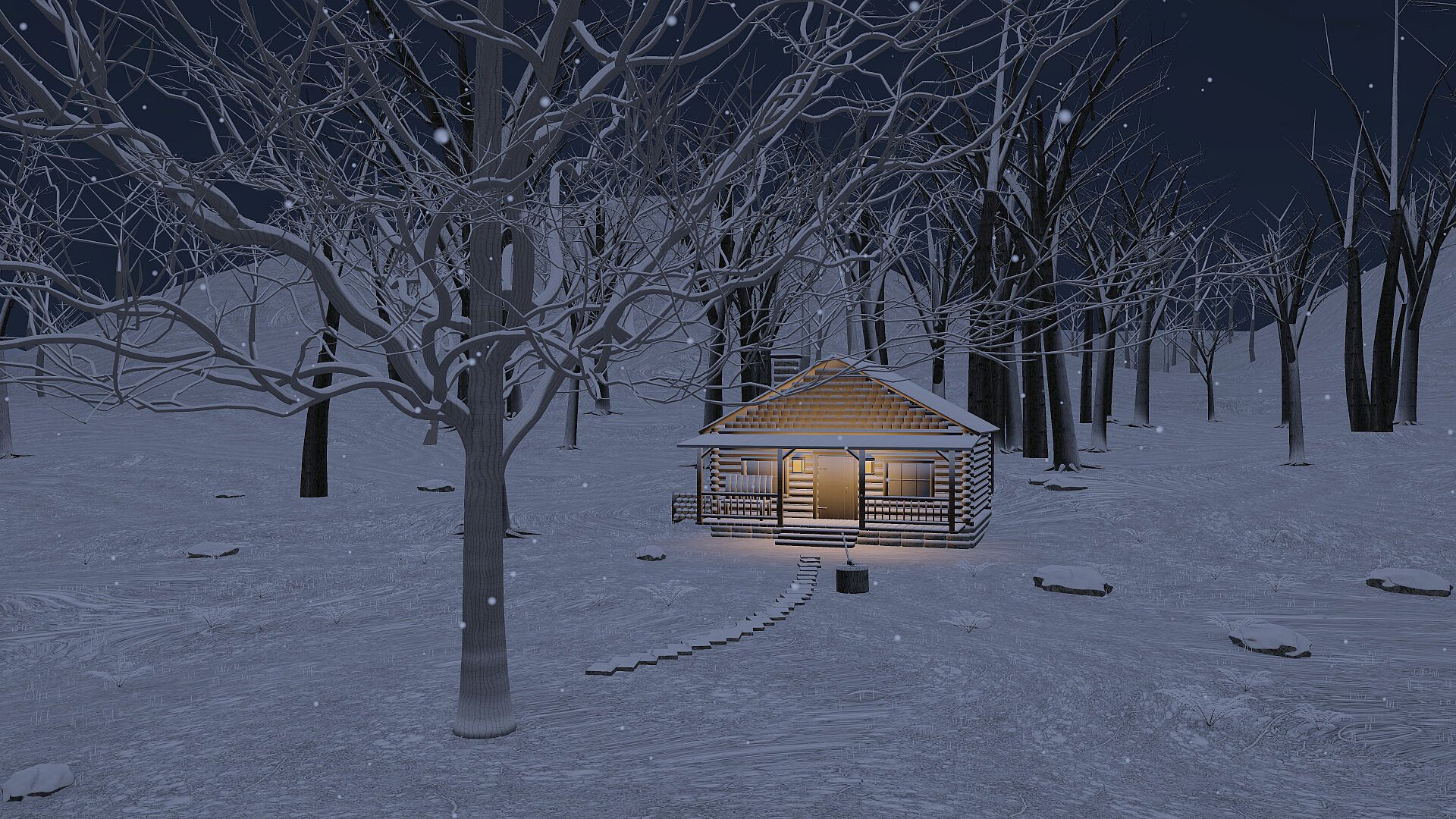
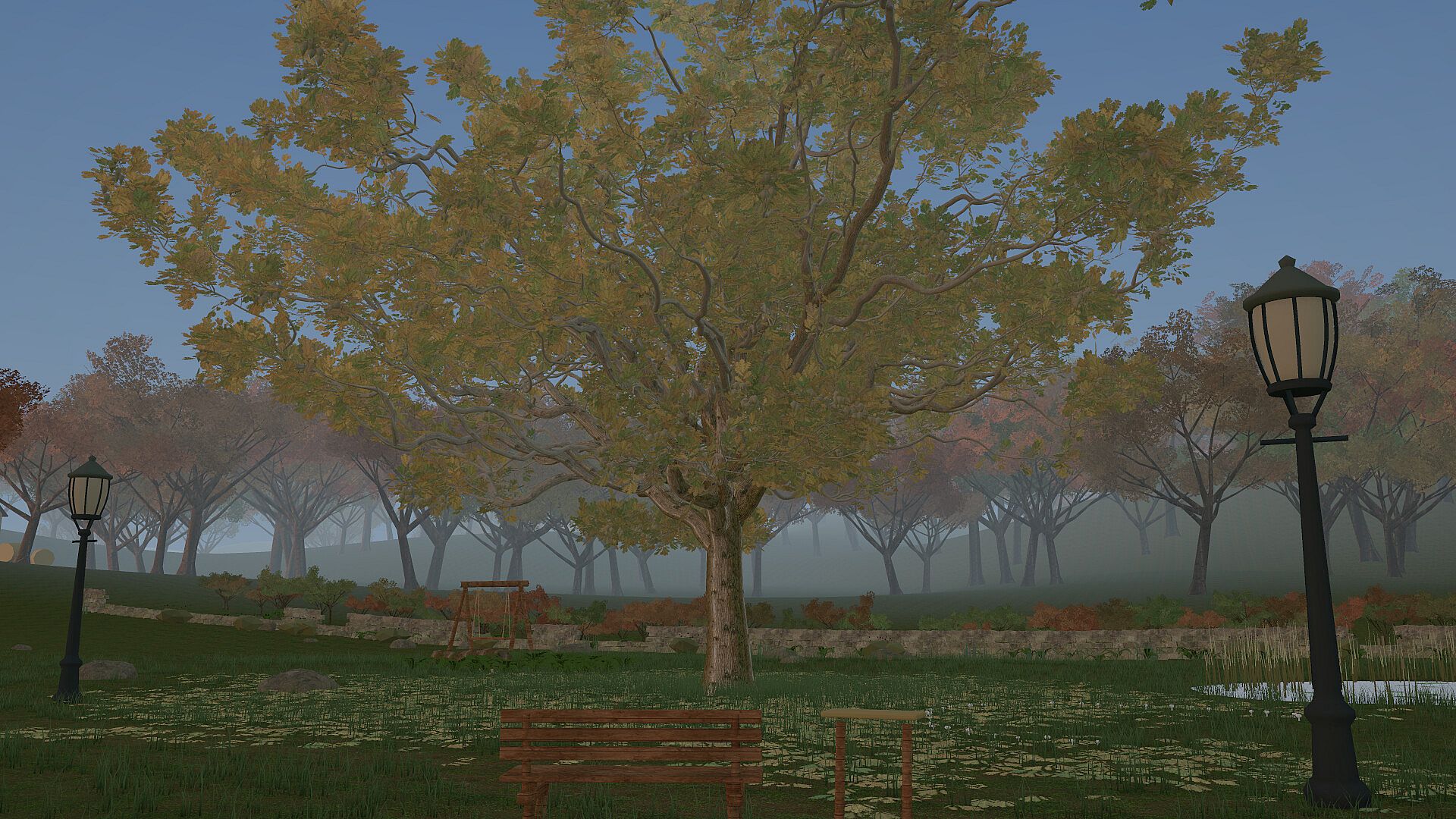
Sound and visuals are generated live rather than drawn from fixed recordings. Music composes itself in response to season, weather, and location, while ambient elements such as higurashi at dusk in Kyoto or loons near a Quebec lake emerge naturally. Eight distinct real places each carry their own climate, calendar, and sound profile. Small interactive details appear in each setting, including ringing a church bell or lighting a lantern at nightfall. Time controls include six speeds, independent weather choices, day-night cycles, or synchronization with the local computer clock, plus separate volume sliders for music, ambience, and rain.
Game Modes
The game supports focused use during study or work by running in a window beside notes, automatically dropping to thirty frames per second when another application takes focus. For rest, rainy and night conditions can be combined for a consistent atmosphere that persists until changed, with rain intensity adjustable from silence to downpour and music set to sparse intervals or turned off entirely. A hide command removes all interface panels for an uninterrupted view. Meditation occurs through a calm camera mode that, after thirty seconds of inactivity, gently returns home and begins a slow circling motion while snow or petals fall. Streaming works by opening the game borderless in calm view, where the absence of any pre-recorded or licensed audio makes it suitable as a neutral backdrop.
Customization and Progression
Players select from the eight real locations and earn rings to unlock additional ones. Each tree grows uniquely because branches follow procedural paths rather than fixed models. Weather options range from sun and mist to snow or storm, and the system can follow seasonal progression automatically. Display settings cover fullscreen, borderless, or windowed modes along with ten interface themes and adjustable text sizes. A tended tree reaches a peak state that rewards sustained care, while the option to plant a replacement or switch locations remains available at any point.
Is It Worth Playing?
Tree Simulator suits anyone seeking a low-pressure, visually and audibly soothing experience that runs quietly in the background. Its procedural growth, location-specific details, and adaptive sound design create a distinct sense of place without requiring constant input. The game rewards patient observation and occasional adjustments rather than complex systems or competitive goals. Those who enjoy ambient tools for focus, rest, or creative work will find its calm presence and visible progression satisfying over extended sessions. Availability on PC makes it straightforward to try alongside existing routines.