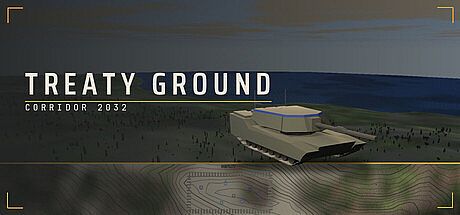


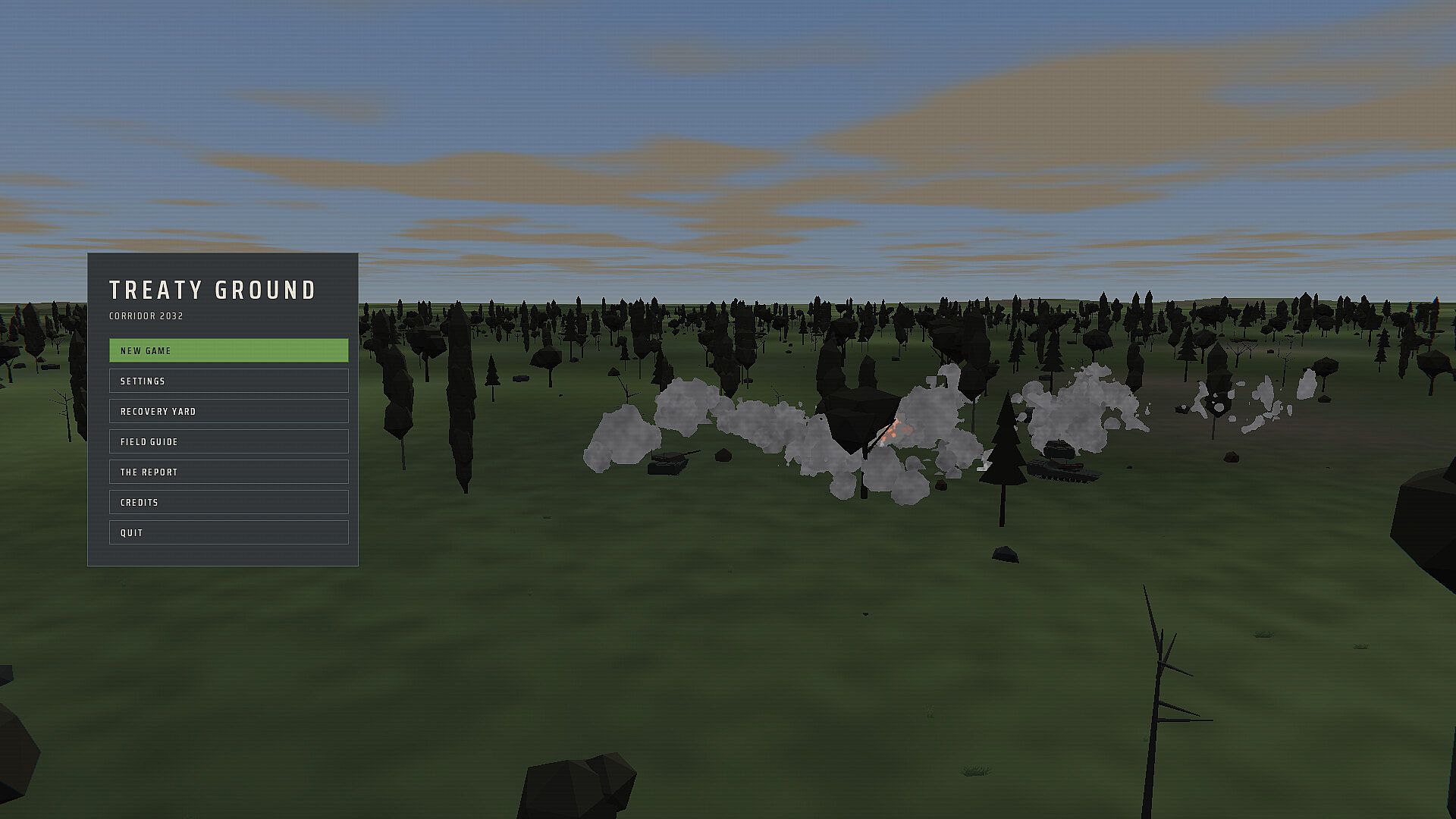
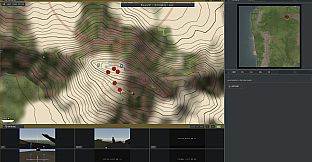
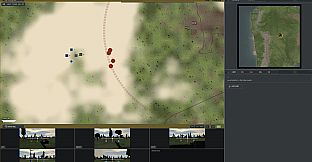
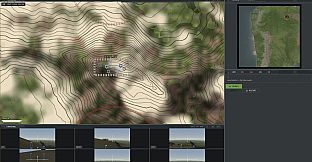
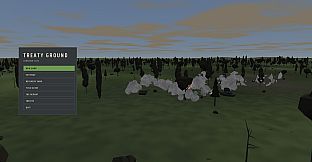
Treaty Ground: Corridor 2032 is a single-player tactical strategy game set on PC where players command armored units in a tense border zone. The title places you in command of Blue Section, 3rd Observation Regiment, patrolling the Tessil Corridor in March 2032. Five years after shooting stopped between the People's Republic of Canada and the United States, the fifty-kilometre strip remains off-limits to armies under a fragile memorandum. Your role involves observing and responding when that understanding breaks down.
Gameplay
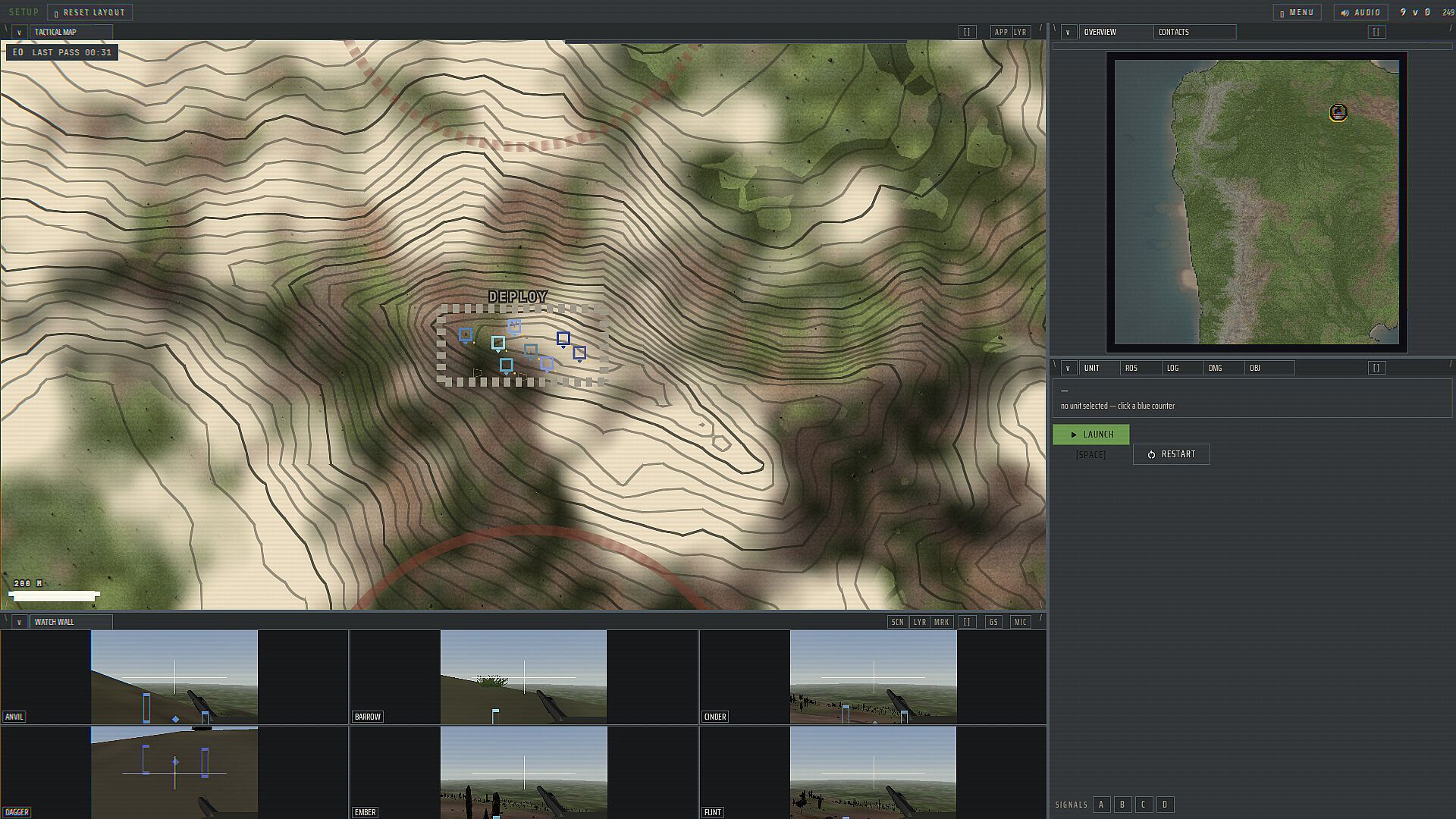
The core loop centers on real-time command of three to twelve tanks. You plan routes and assign waypoints to individual vehicles before committing to action. Once the order executes, the simulation continues without pause or rewind. Routes can be adjusted on the fly as tanks reach new positions, allowing live adjustments during active fighting. This approach emphasizes ongoing decision-making over pre-battle setup alone.
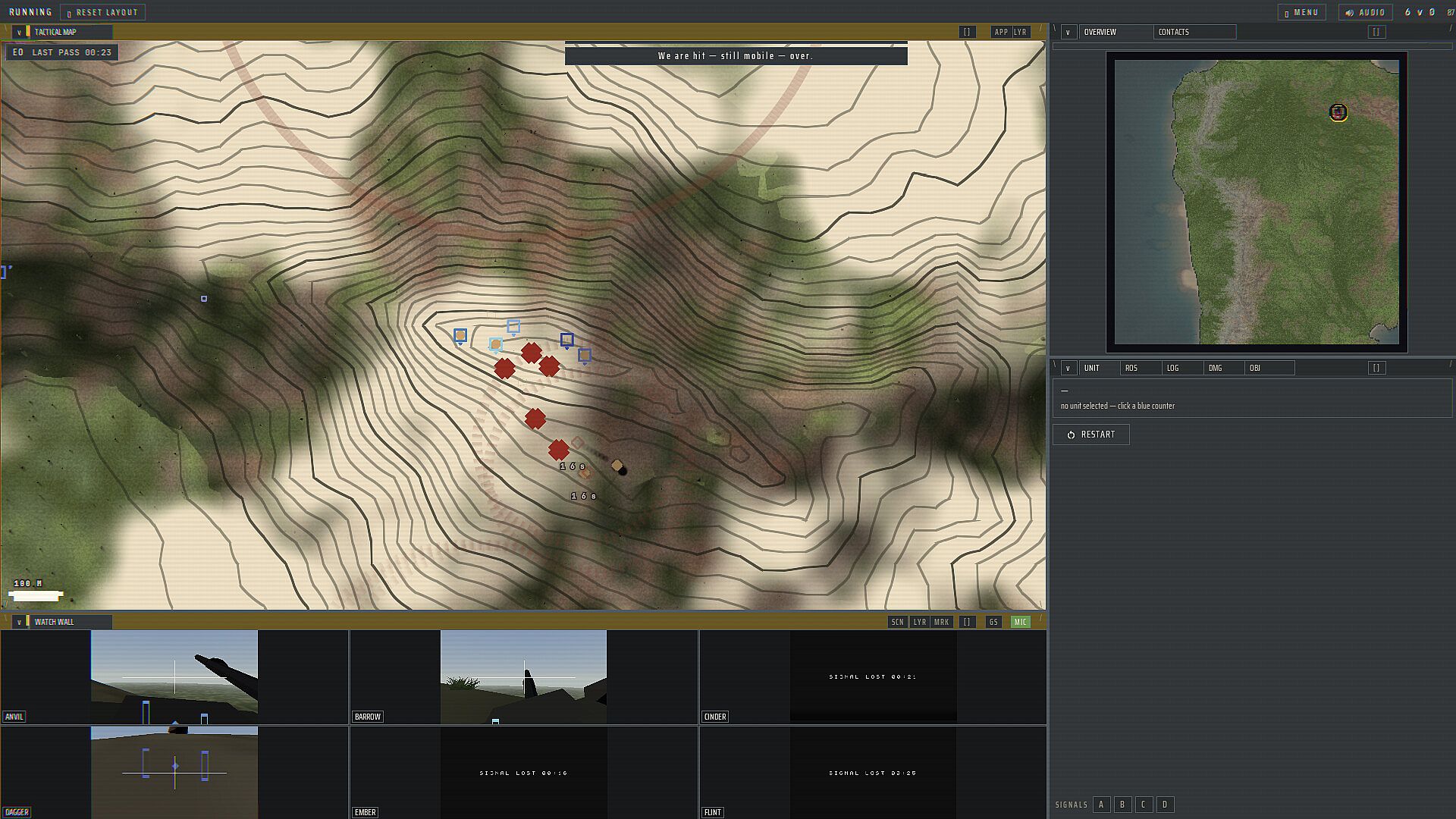
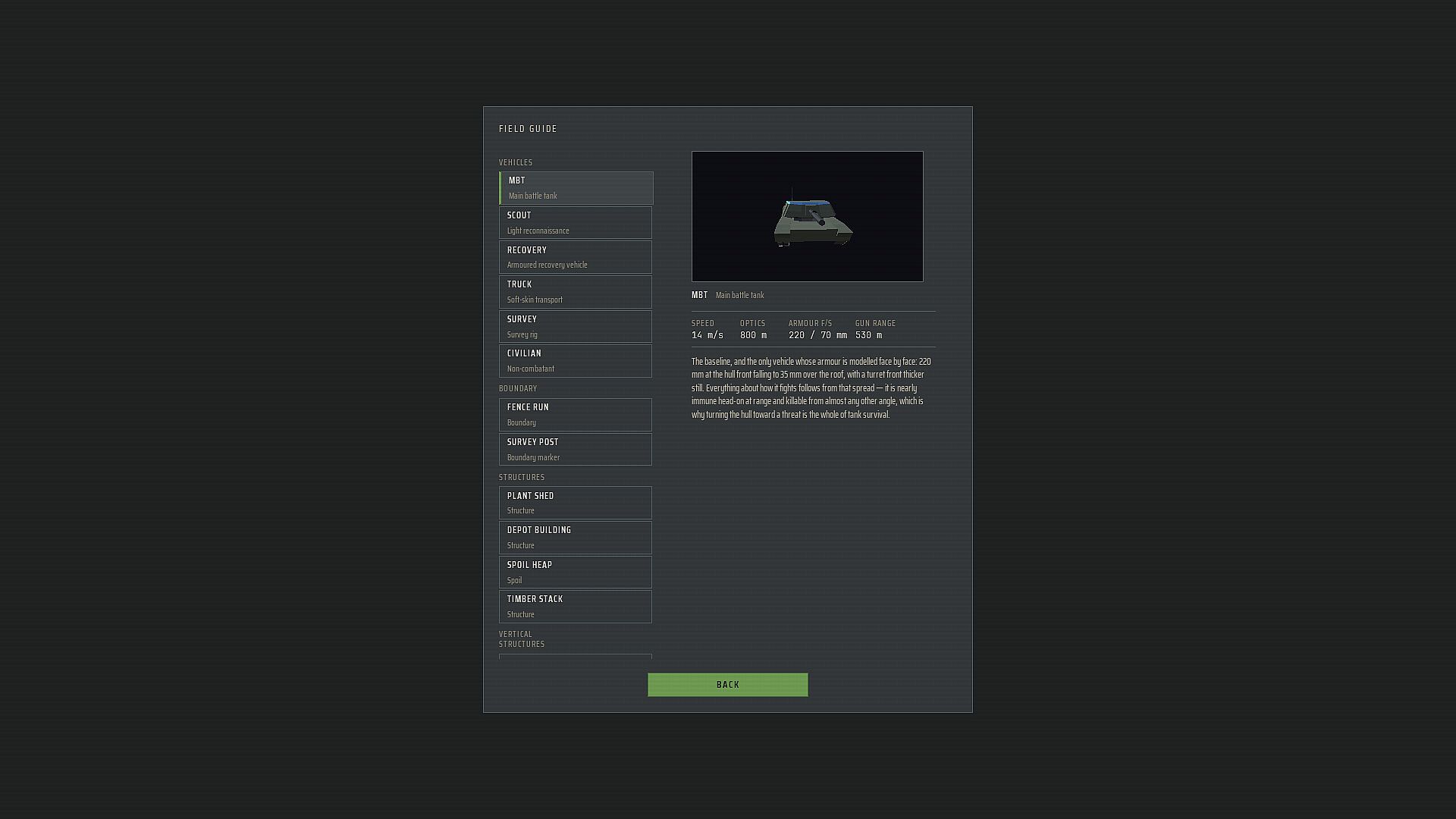
Each tank operates through four independent systems: mobility, gun, optics, and catastrophic damage. Hits affect only the struck component rather than reducing a shared health pool. An immobilized tank may still fire or provide vision, while a disabled weapon leaves the vehicle mobile for scouting. Damage multipliers apply based on hit location, with side strikes dealing fifty percent more effect and rear strikes doubling it. Detection range also drops to sixty percent when approaching an enemy from behind, rewarding careful positioning.
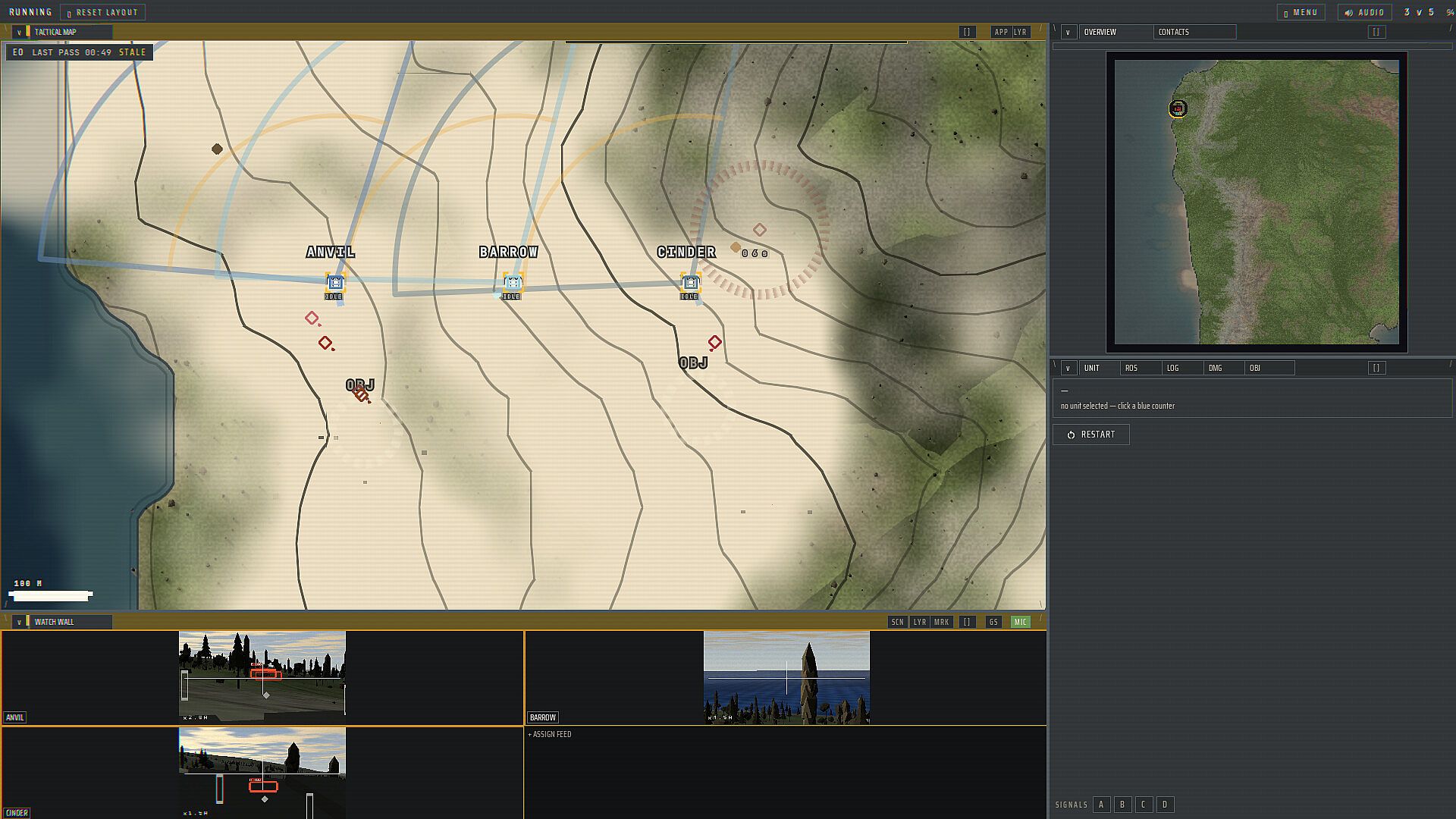
Sensing and visibility function as limited resources. Firing a weapon reveals your position. Factors such as optics quality, vehicle signature, smoke deployment, bulldozed earthworks, and hull-down terrain determine who spots whom first. Satellite imagery updates only on periodic passes, delivering ground truth from the last overflight rather than live data. Players must weigh the value of fresh eyes against the risk of exposure.
Game Modes
The PROVOCATEUR campaign consists of six story missions that progress along a rules-of-engagement ladder. Early missions focus on weapons-tight blockade duty, while later ones open into free-fire scenarios. Force sizes range from small three-versus-six engagements to larger twelve-versus-nine raids that include objectives such as towing and vehicle recovery. An always-available gunnery range lets players practice without campaign constraints.
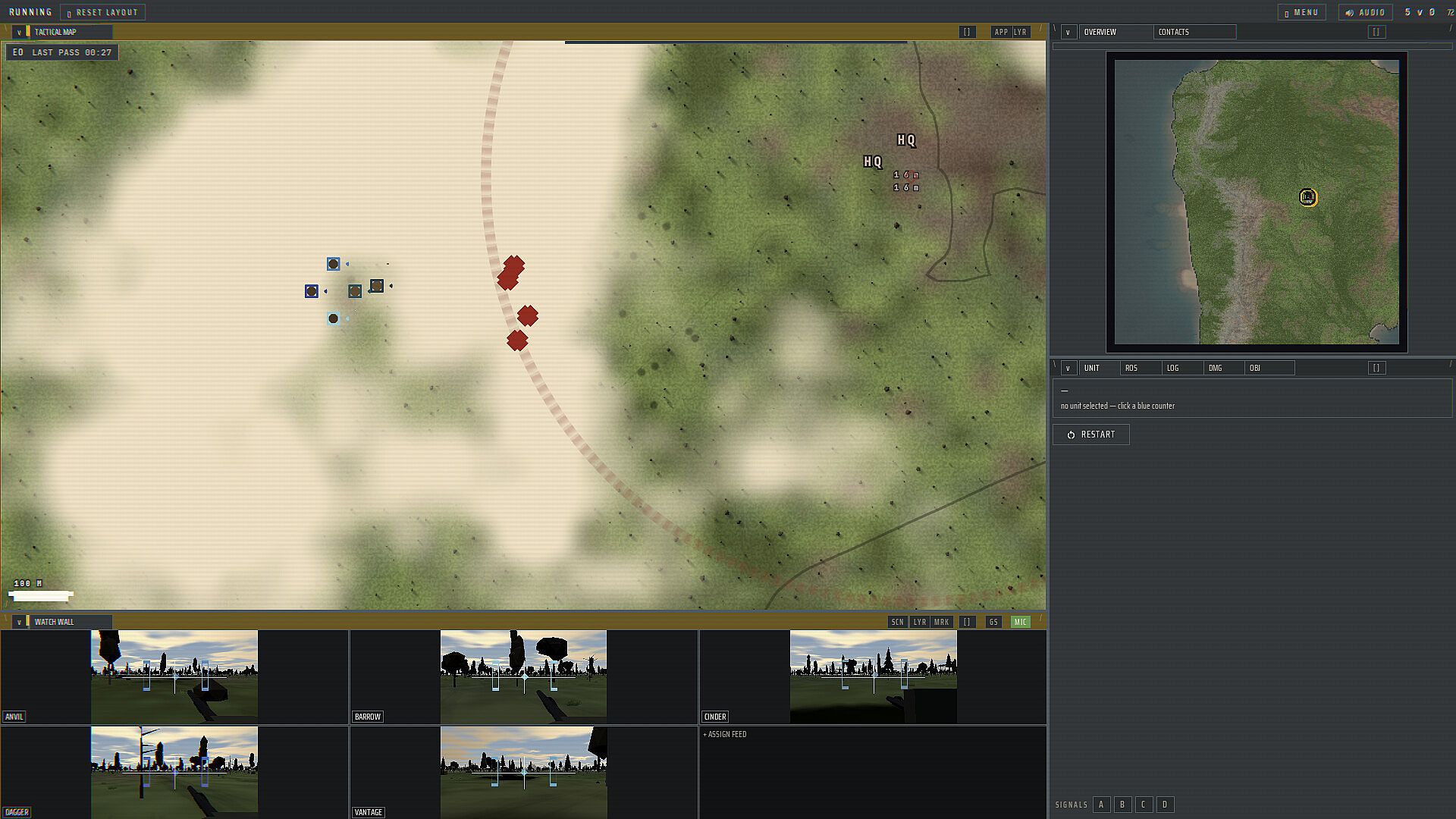
An opposing platoon commander follows its own doctrine, choosing to hold ground, counter-flank, or concentrate forces rather than following scripted paths. This creates varied encounters even on repeated attempts. The tactical map uses NATO APP-6 symbology and supports satellite and survey-block layers for planning.
Command Tools and Systems
Planning never locks during battle. Waypoints and routes remain editable as events unfold, and individual tanks can be selected for direct POV feeds. No base building, production queues, or additional purchases appear in the experience. The focus stays on positioning, timing, and exploiting system damage and facing mechanics across the corridor map.
Players manage a force that scales with mission demands while facing an adaptive enemy. Smoke, terrain modification, and careful use of stale versus fresh intelligence shape each engagement. The absence of traditional hit points shifts attention to which systems survive and how they interact with line-of-sight and detection rules.
Is It Worth Playing?
Treaty Ground: Corridor 2032 suits players who enjoy deliberate, single-player tactical command without real-time micromanagement of dozens of units or resource management layers. The free-to-play model removes any upfront cost barrier, and the always-open gunnery range provides immediate access to core mechanics. Those drawn to system-level damage modeling, facing-based combat, and planning that continues through live action will find the described systems align with that preference. The campaign structure offers a clear progression through escalating engagement rules while the enemy doctrine adds replay interest within the six missions. If the combination of real-time execution with persistent planning tools and detailed armor simulation appeals, the title delivers a focused experience on PC without extraneous features.