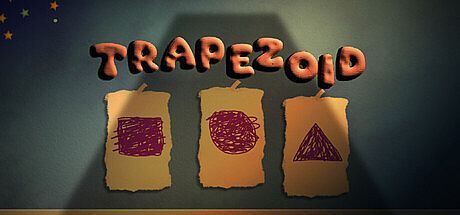


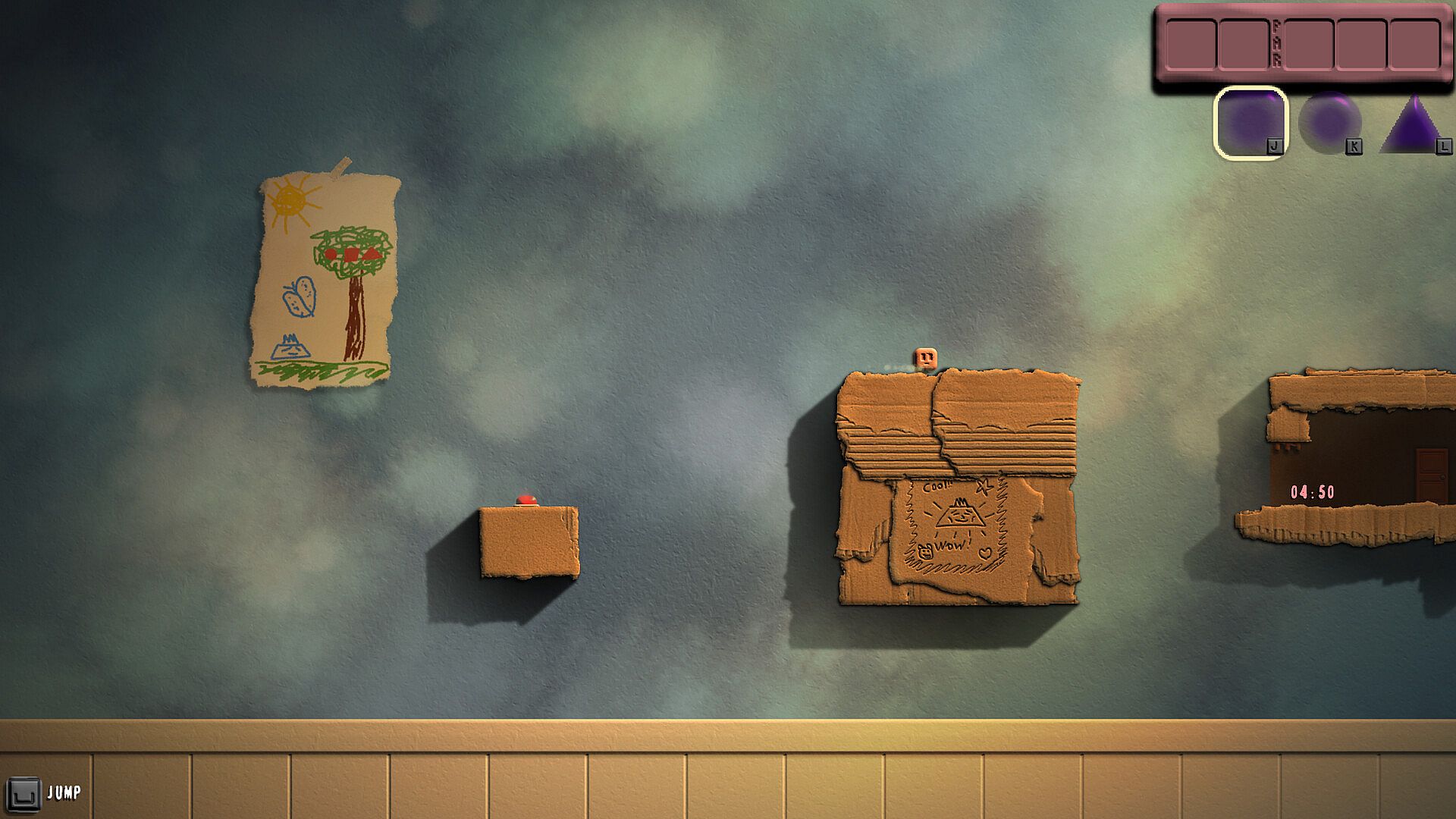
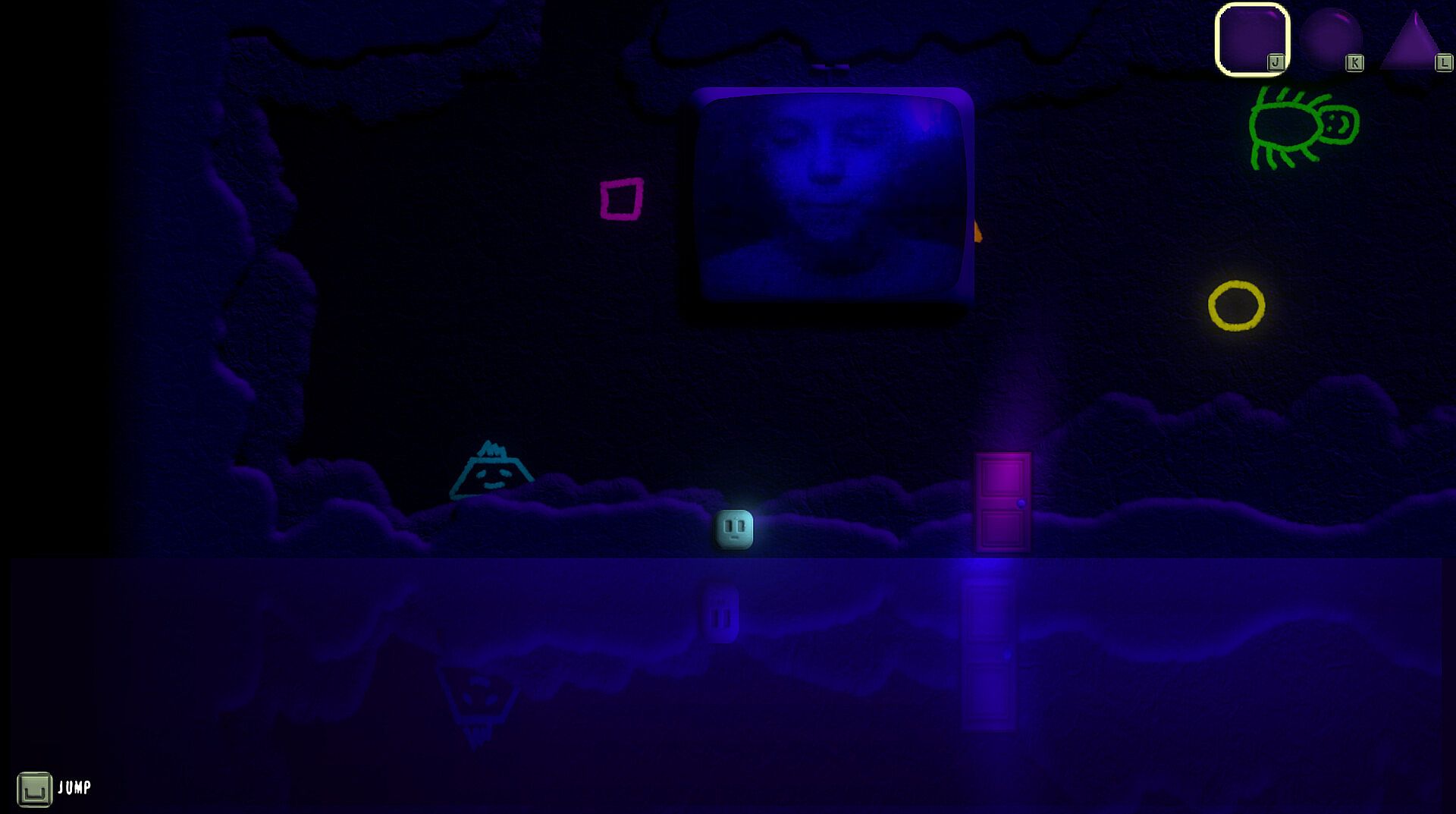
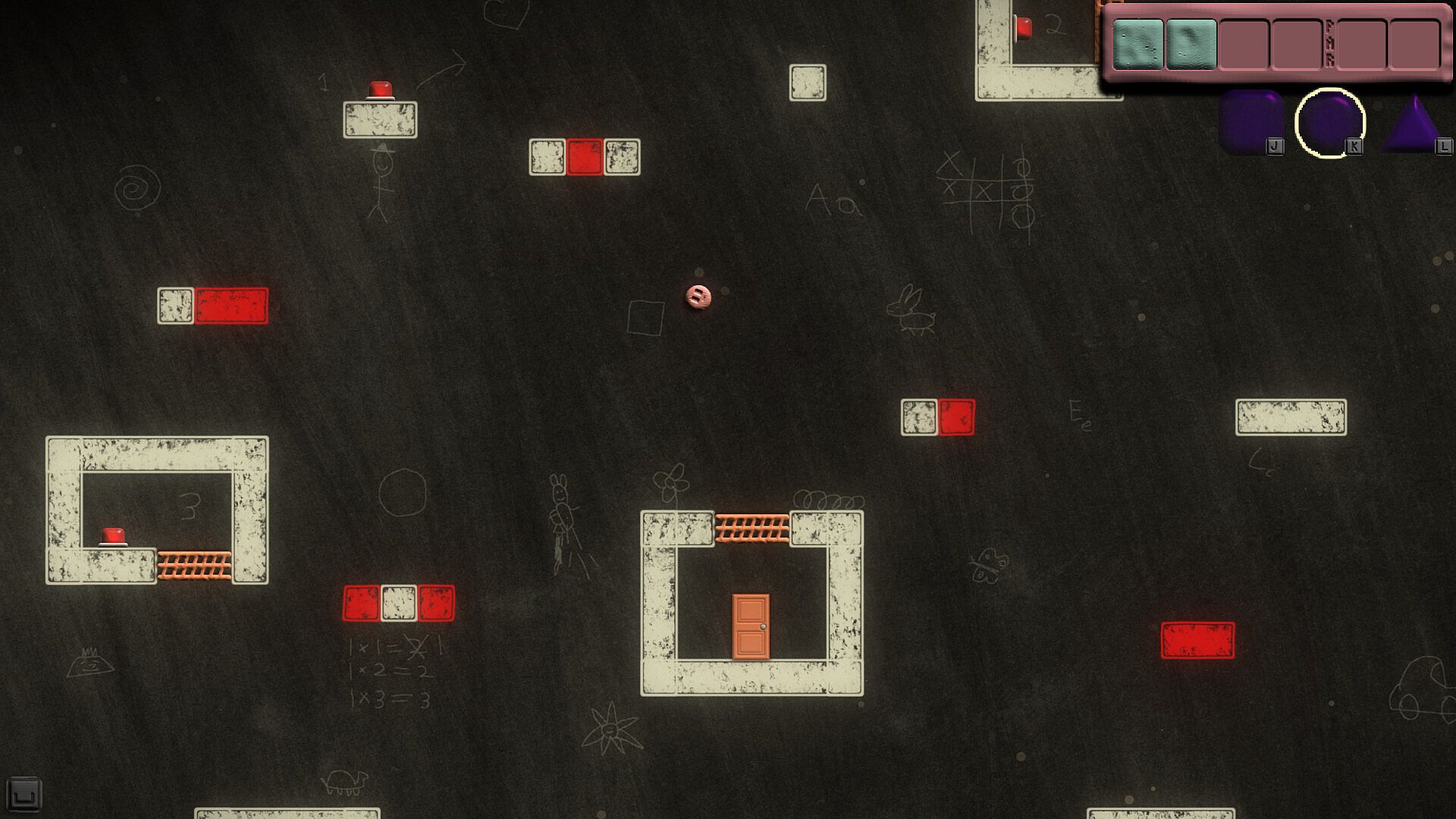
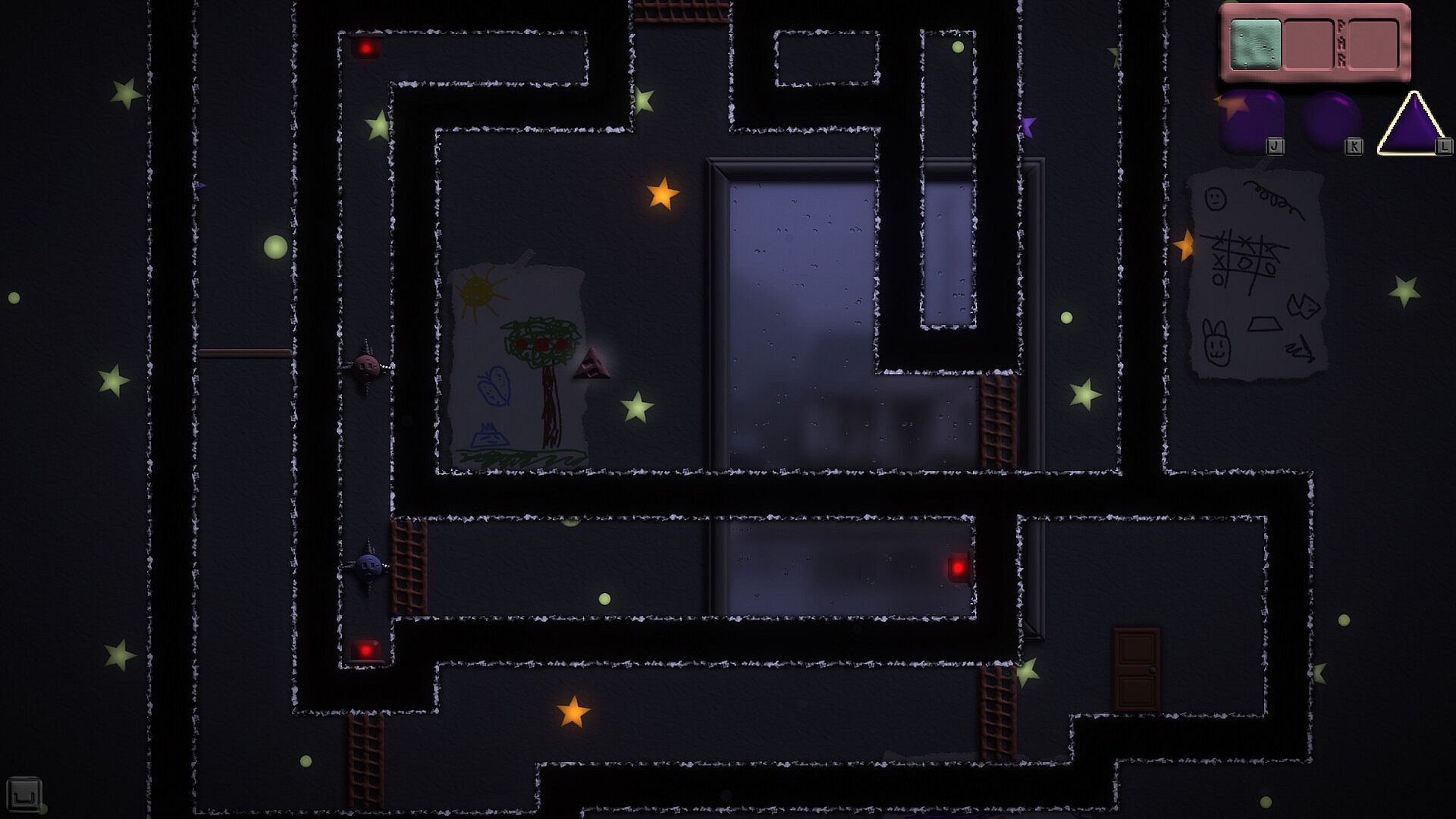
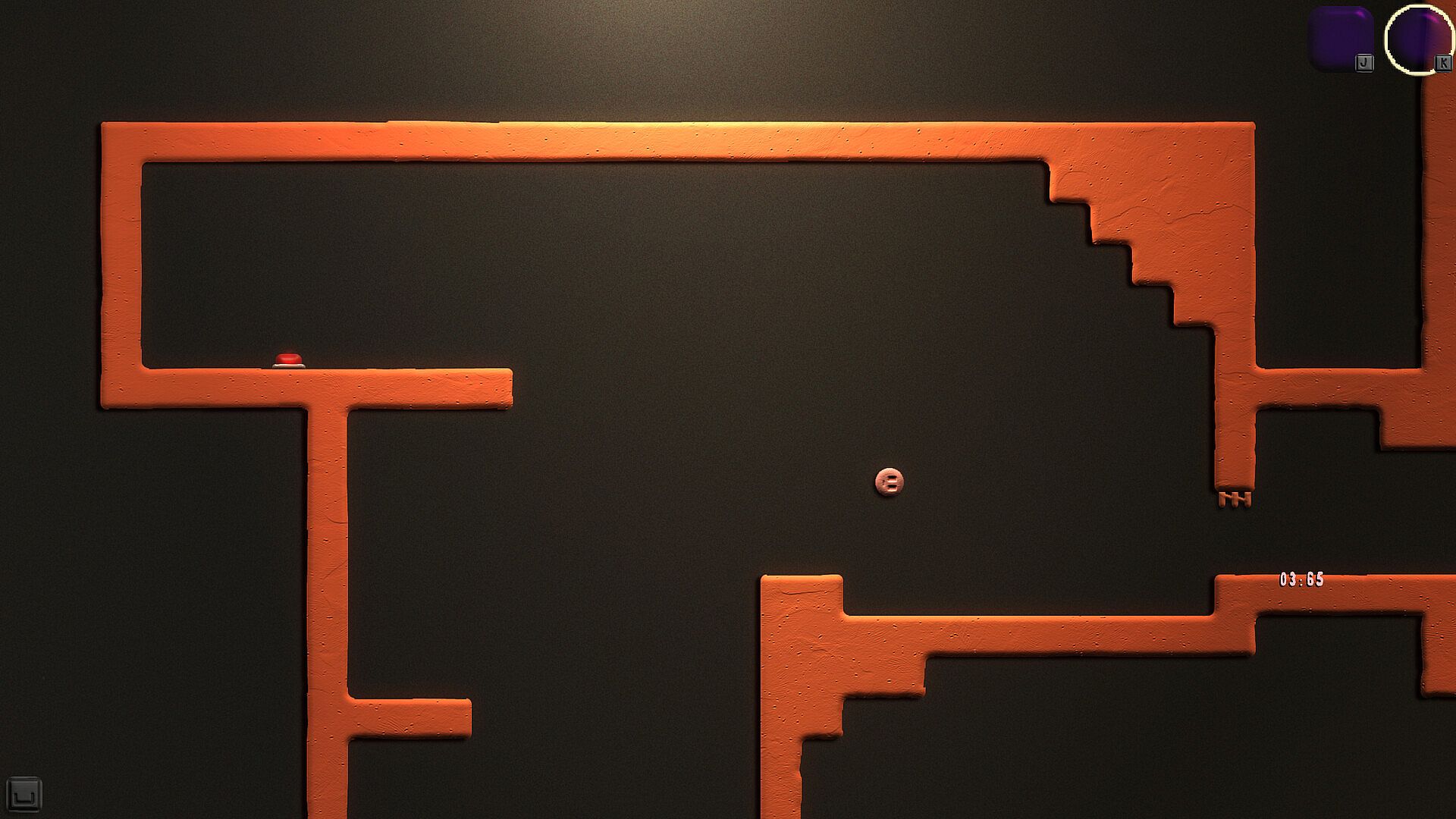
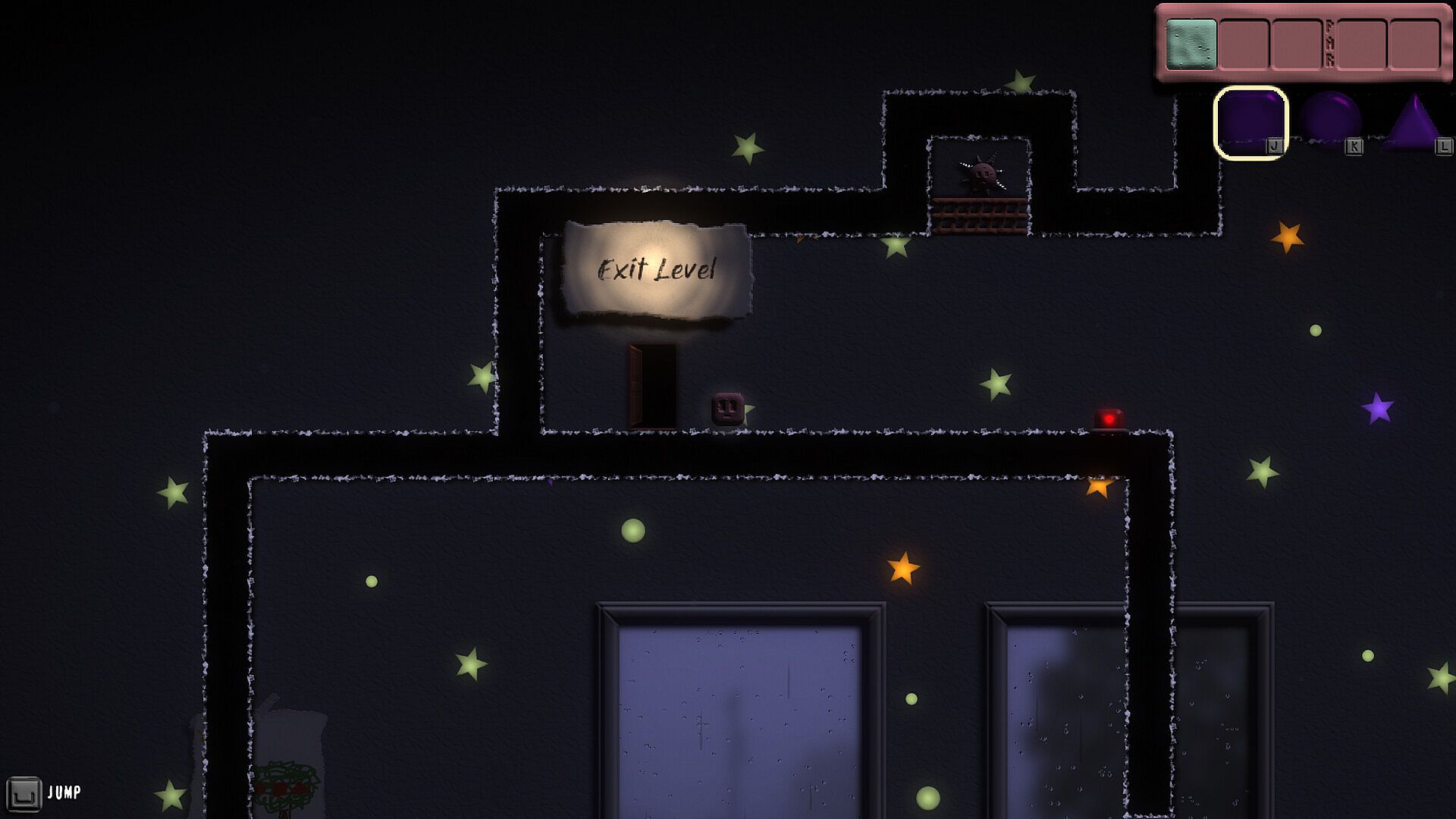
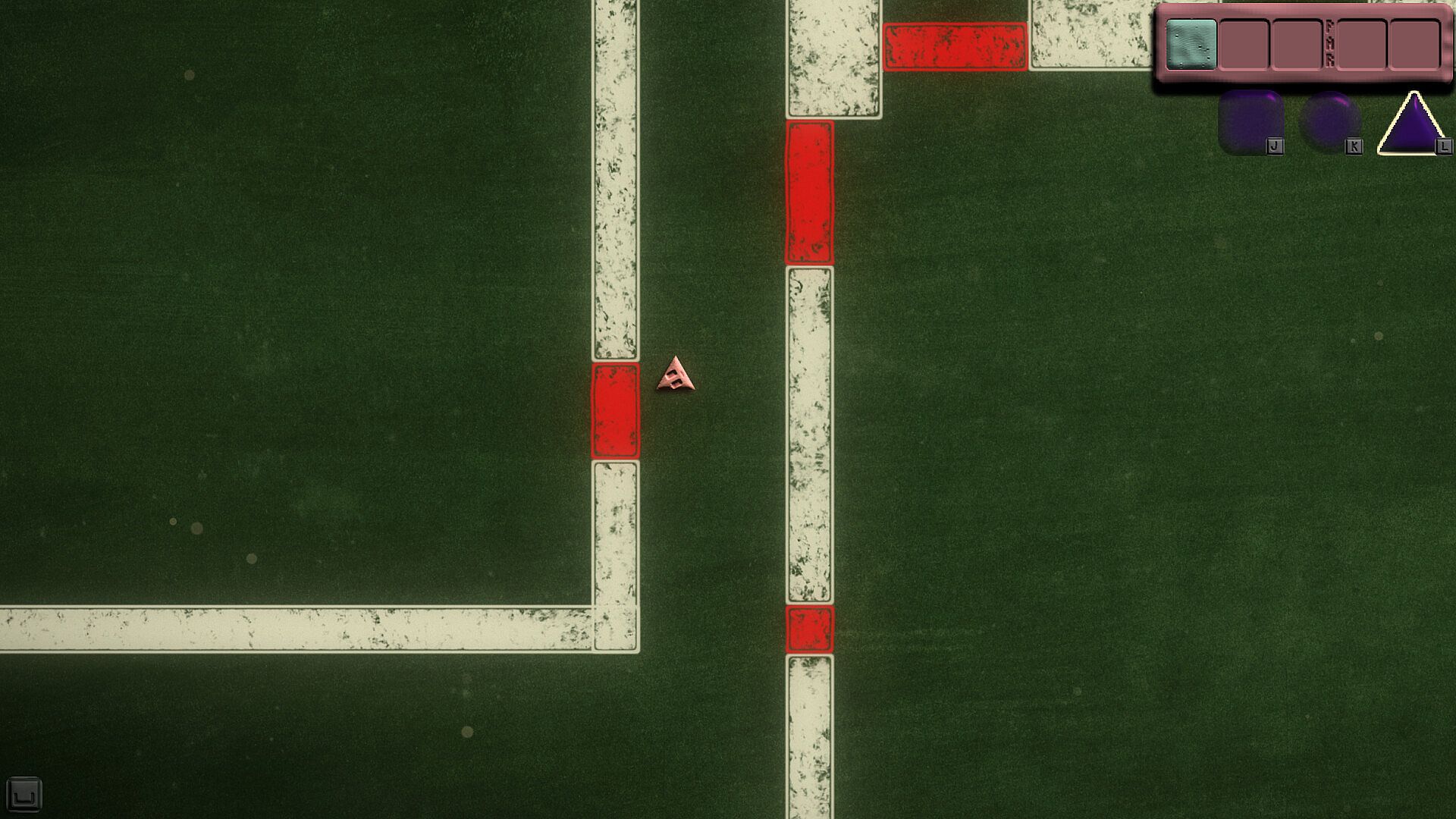

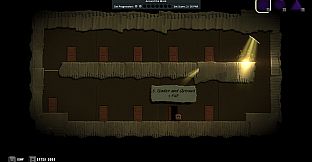
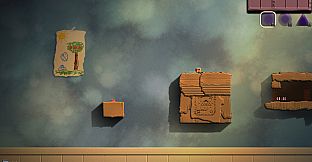
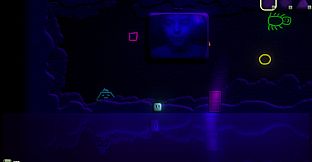
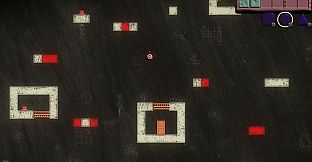
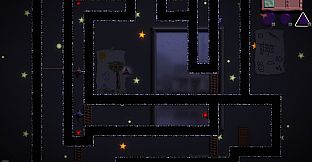
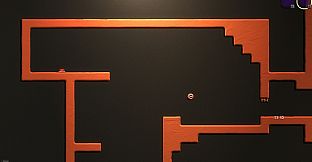
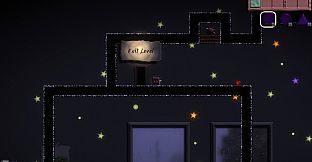
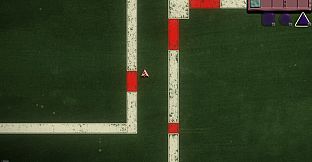
Trapezoid is an indie 2D puzzle-platformer built around shape transformation as the central mechanic. Players switch between three distinct forms to navigate handcrafted levels, where each shape carries unique movement traits that alter how the environment responds. The game emphasizes precision, momentum, and creative routing over raw speed, with every level designed to reward experimentation and refinement.
Gameplay
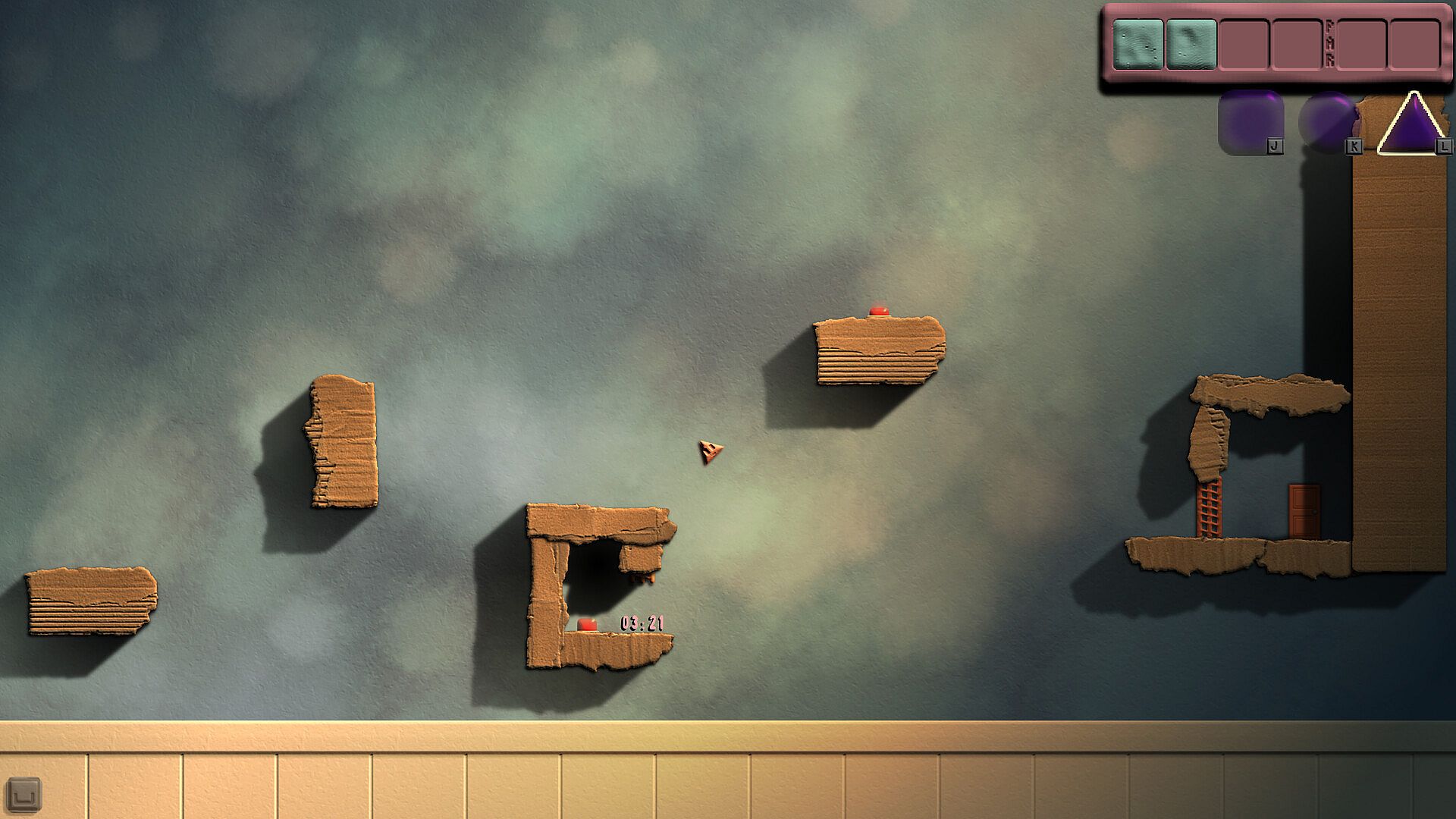
The core loop revolves around transforming between a square, triangle, and circle. The square offers stable footing and a heavy slam attack that breaks obstacles. The triangle moves deliberately but can grip and traverse floors, walls, and ceilings. The circle excels at speed and rebounding, allowing players to chain bounces across gaps or hazards. Switching forms mid-level opens new paths that a single shape cannot access, forcing players to combine abilities for timing-based jumps, momentum builds, and spatial problem solving.
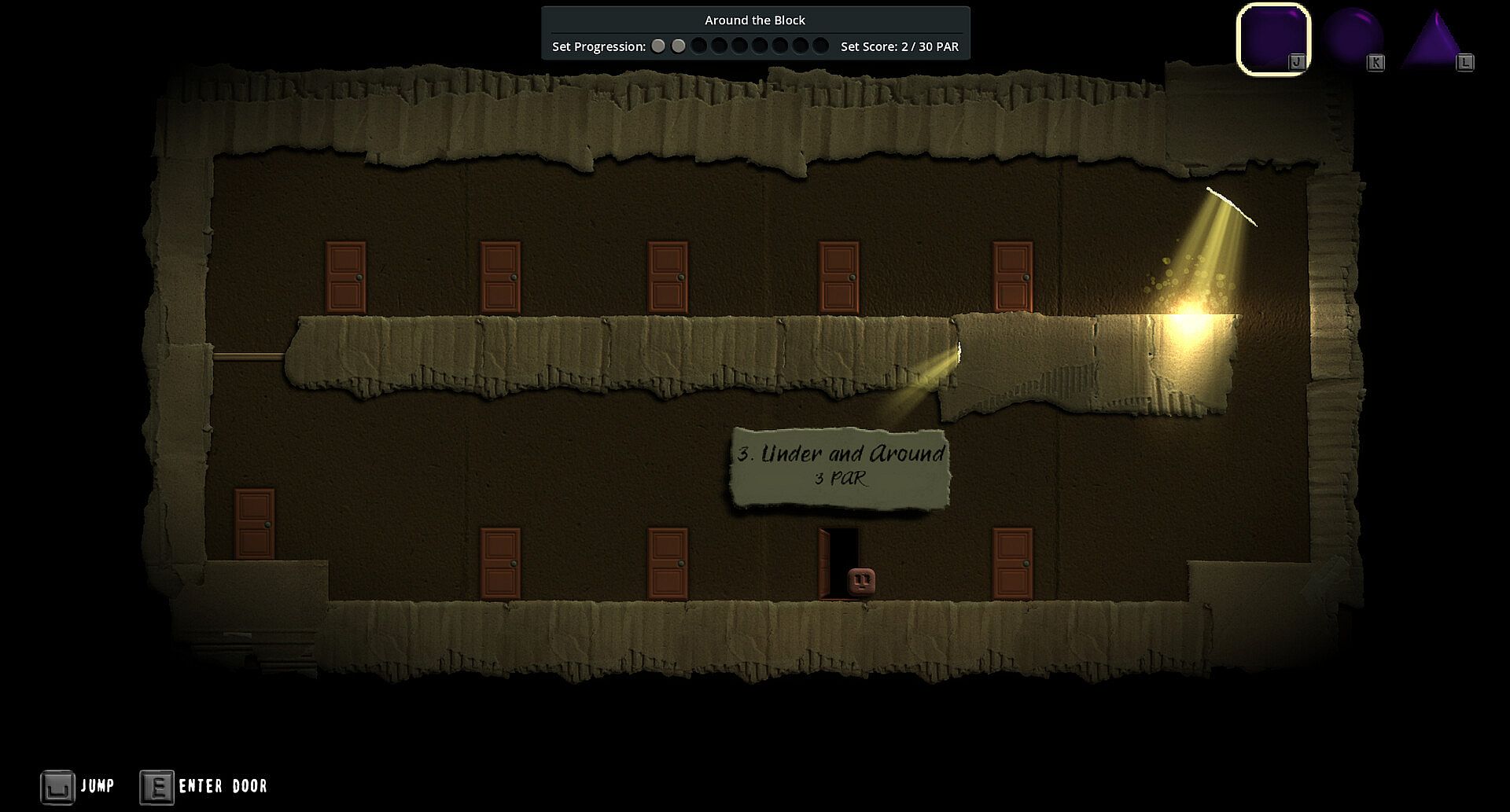
Levels present layered challenges that mix platforming with environmental hazards. Players reach an exit using any valid sequence of transformations, then revisit the same stage to lower the transformation count toward a target PAR score. This structure encourages multiple playthroughs of each puzzle, as the most direct route often uses more shape changes than necessary. Hidden efficiencies emerge only after observing how different forms interact with the same surfaces and objects.
Game Modes
Trapezoid operates as a single-player experience focused on progressive level completion and optimization. There are no separate competitive or cooperative modes. Progress flows through six distinct worlds, each with its own visual theme and set of hazards. Players complete stages in sequence, then return to refine routes. The PAR system serves as the primary scoring and replay incentive, tracking the minimum number of transformations required for each level.
World and Presentation
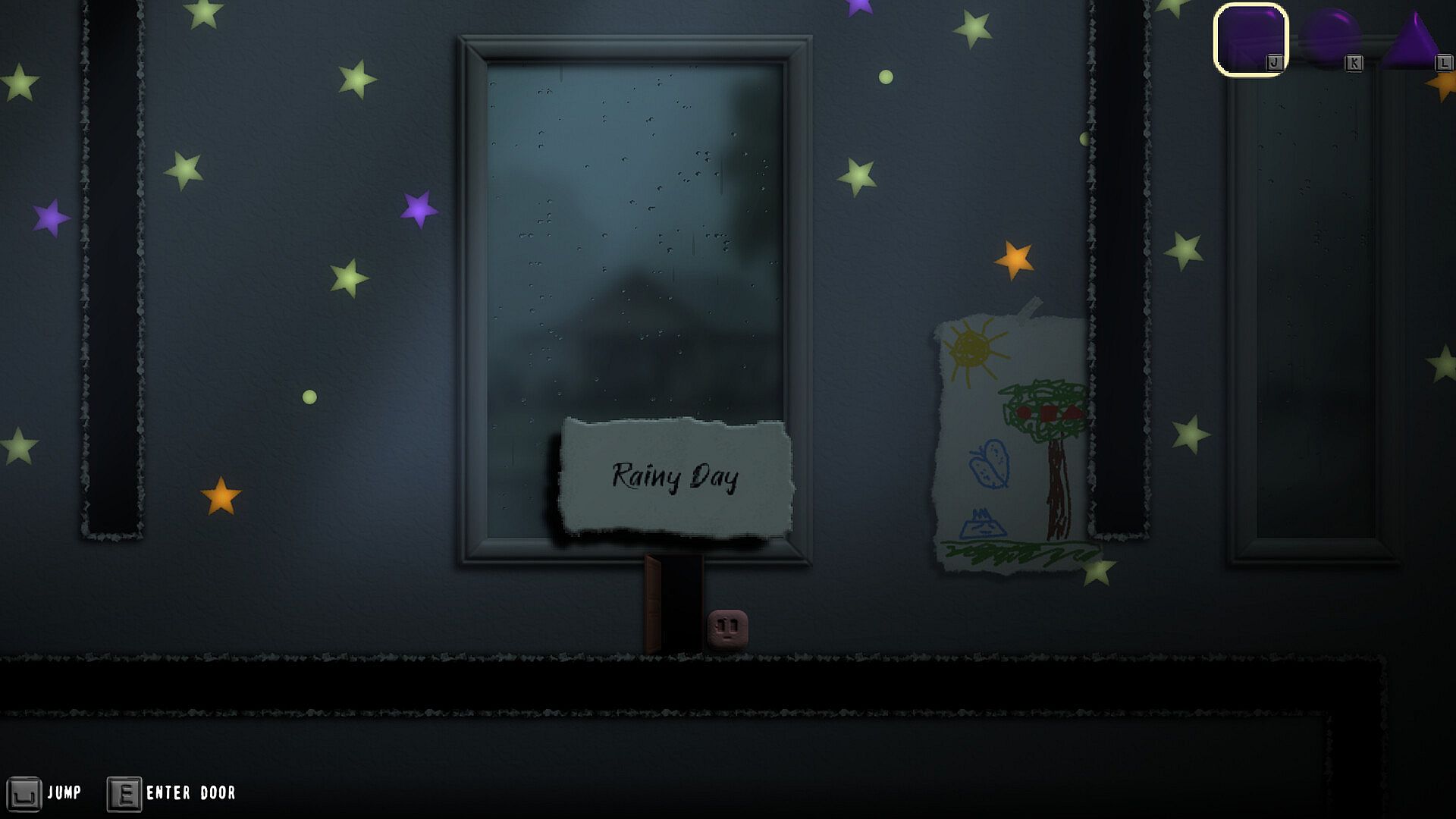
Environments draw from tactile, handmade aesthetics reminiscent of cardboard models, chalk sketches, and toy dioramas. Each world introduces fresh visual elements and material types that influence how shapes interact with surfaces. Small details reward close observation, such as unusual textures or interactive props that respond differently depending on the current form. The overall tone stays light and imaginative while hiding a understated narrative thread beneath the playful surfaces.
Is It Worth Playing?
Trapezoid suits players who enjoy deliberate puzzle-platformers that prioritize clever routing over reflexes. The transformation system creates consistent decision points across more than fifty stages, and the PAR optimization loop gives clear goals for repeated visits. Those who appreciate handcrafted indie titles with a focus on spatial reasoning and momentum will find the mechanics rewarding. The absence of additional modes keeps the experience tightly scoped around its core idea. Availability on PC makes it accessible for anyone interested in short, focused sessions that scale in depth with repeated attempts.