

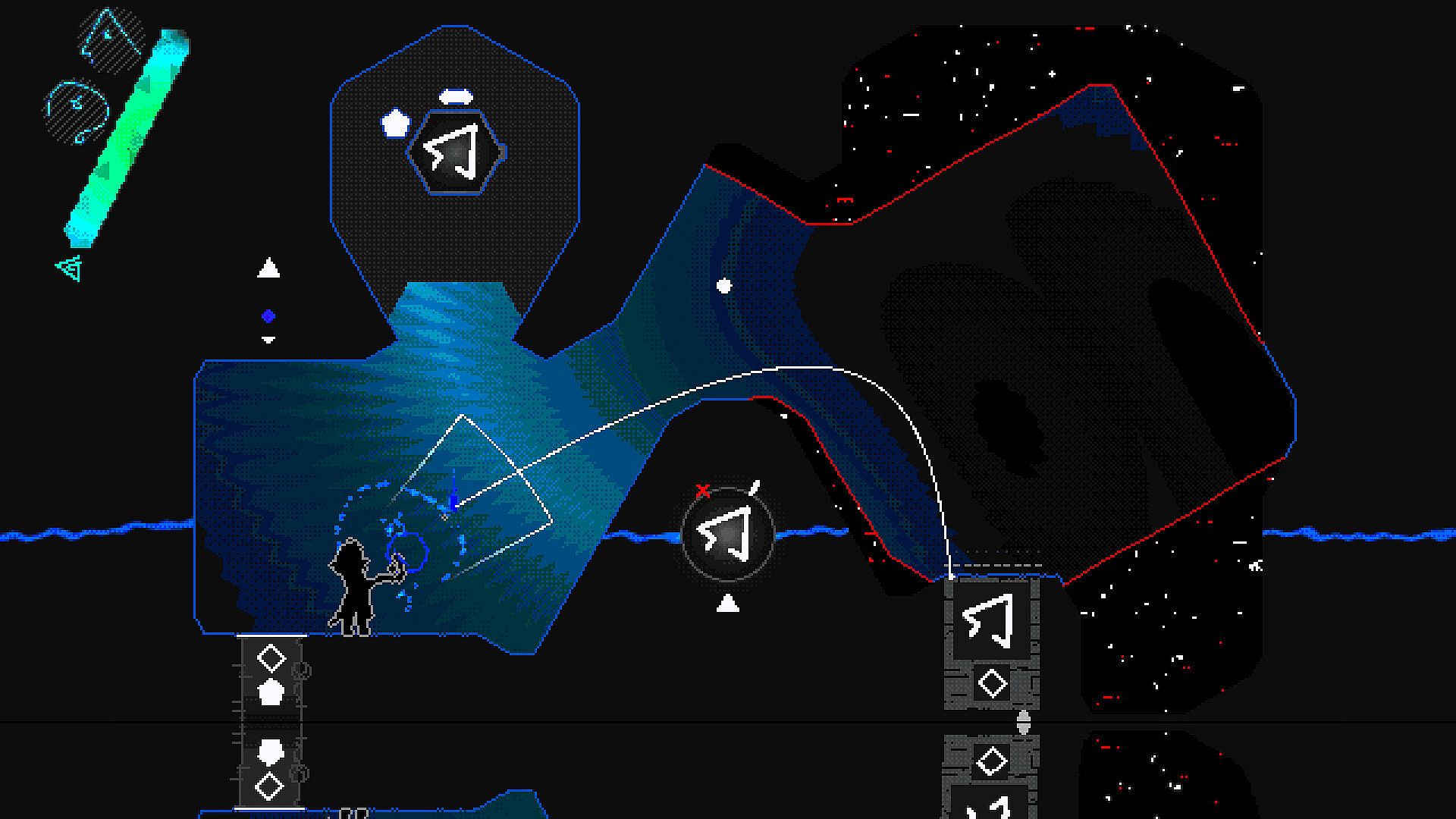
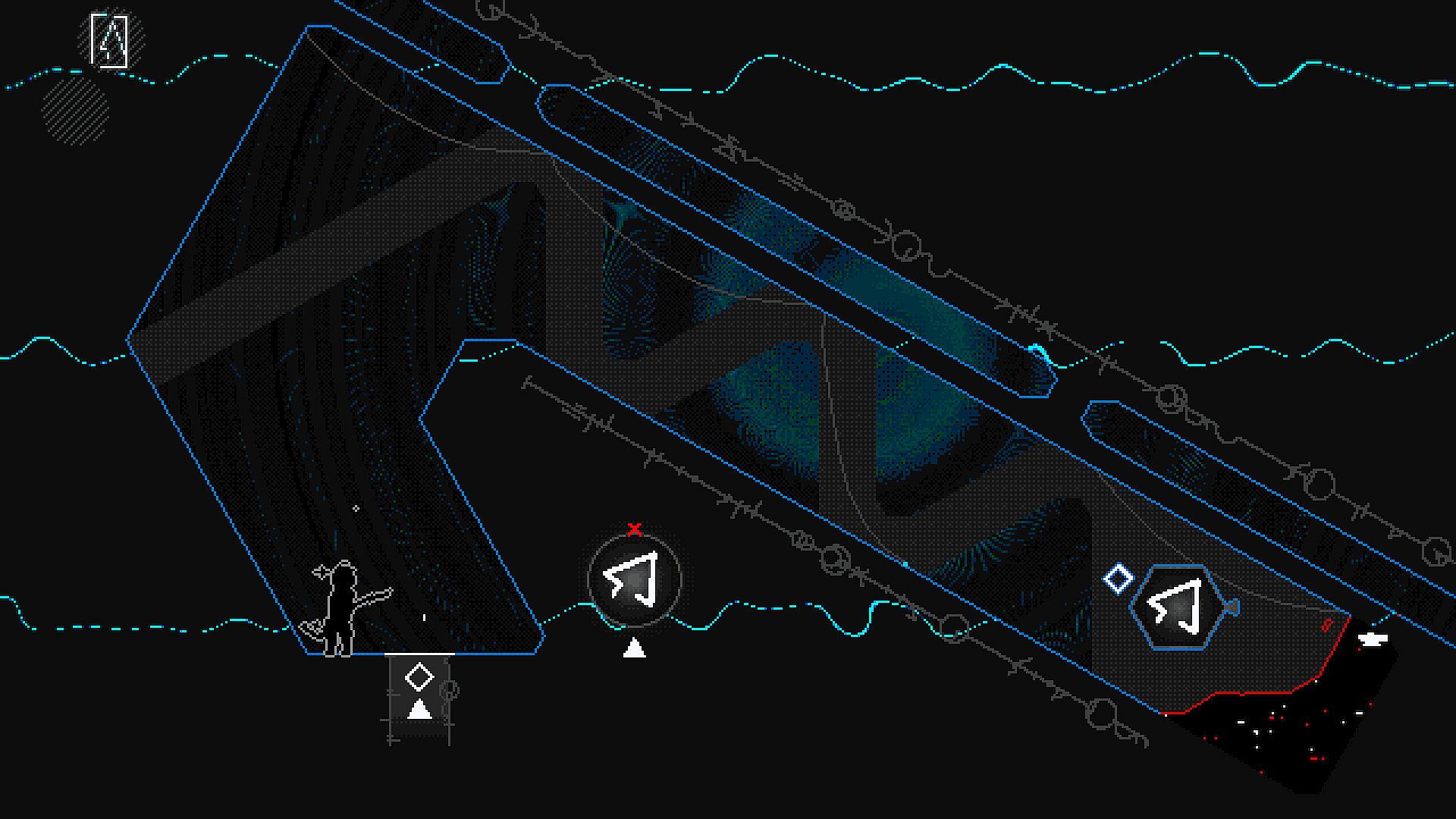
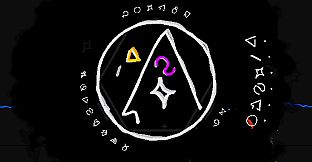
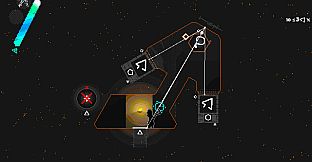
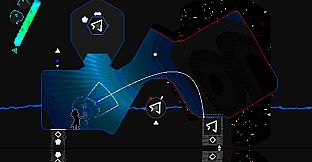
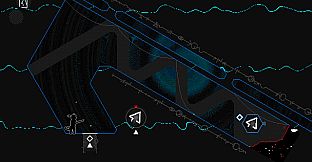
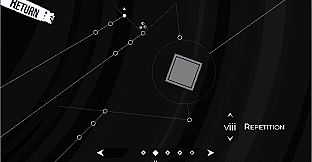
Trace Elements is an indie puzzle game developed for PC that challenges players to solve levels by drawing runes on a blank canvas to shape and cast spells. The core loop revolves around discovering glyphs, experimenting with their effects, and finding unique ways to overcome obstacles through creative spellcasting rather than following rigid patterns.
Gameplay
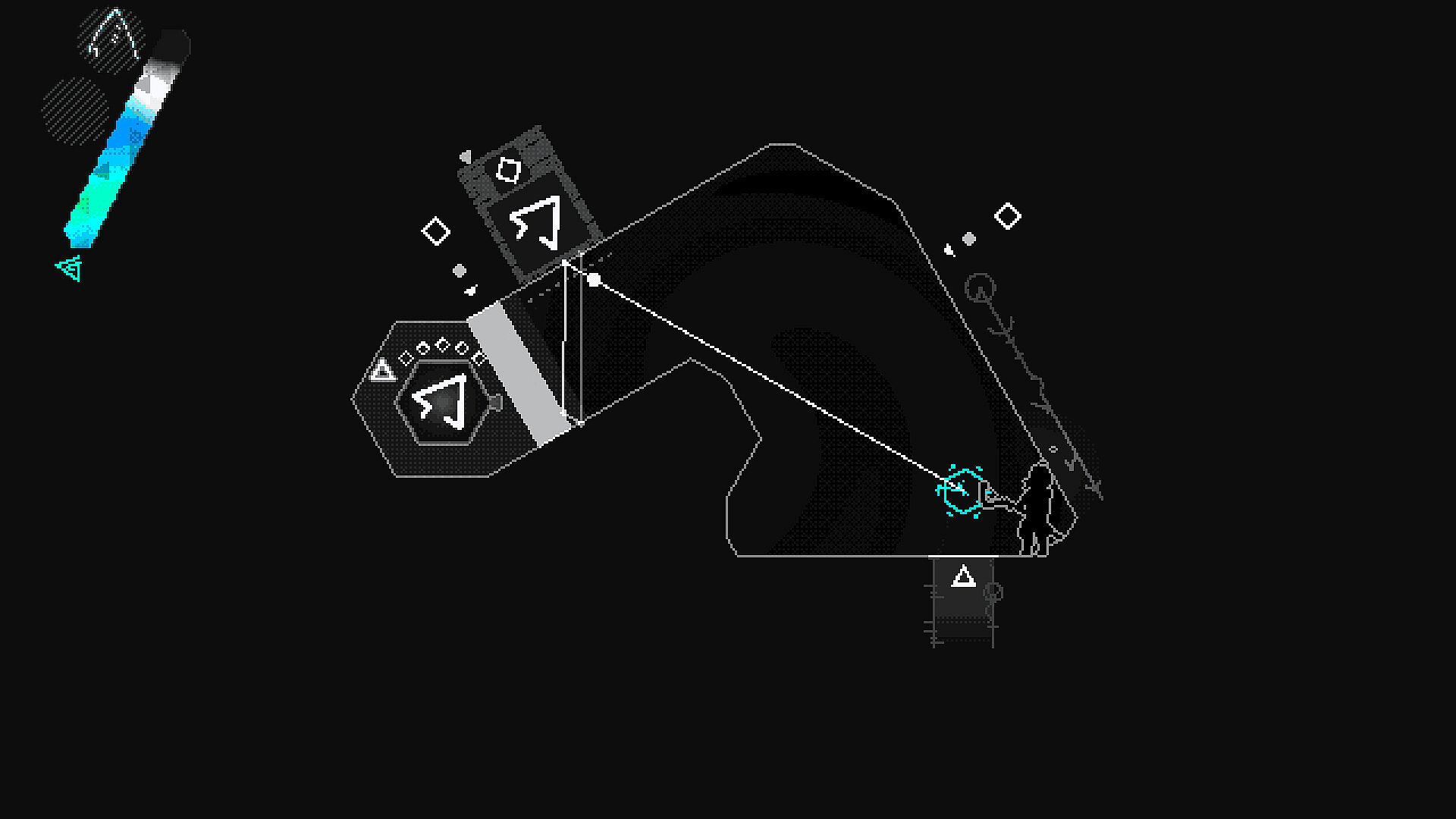
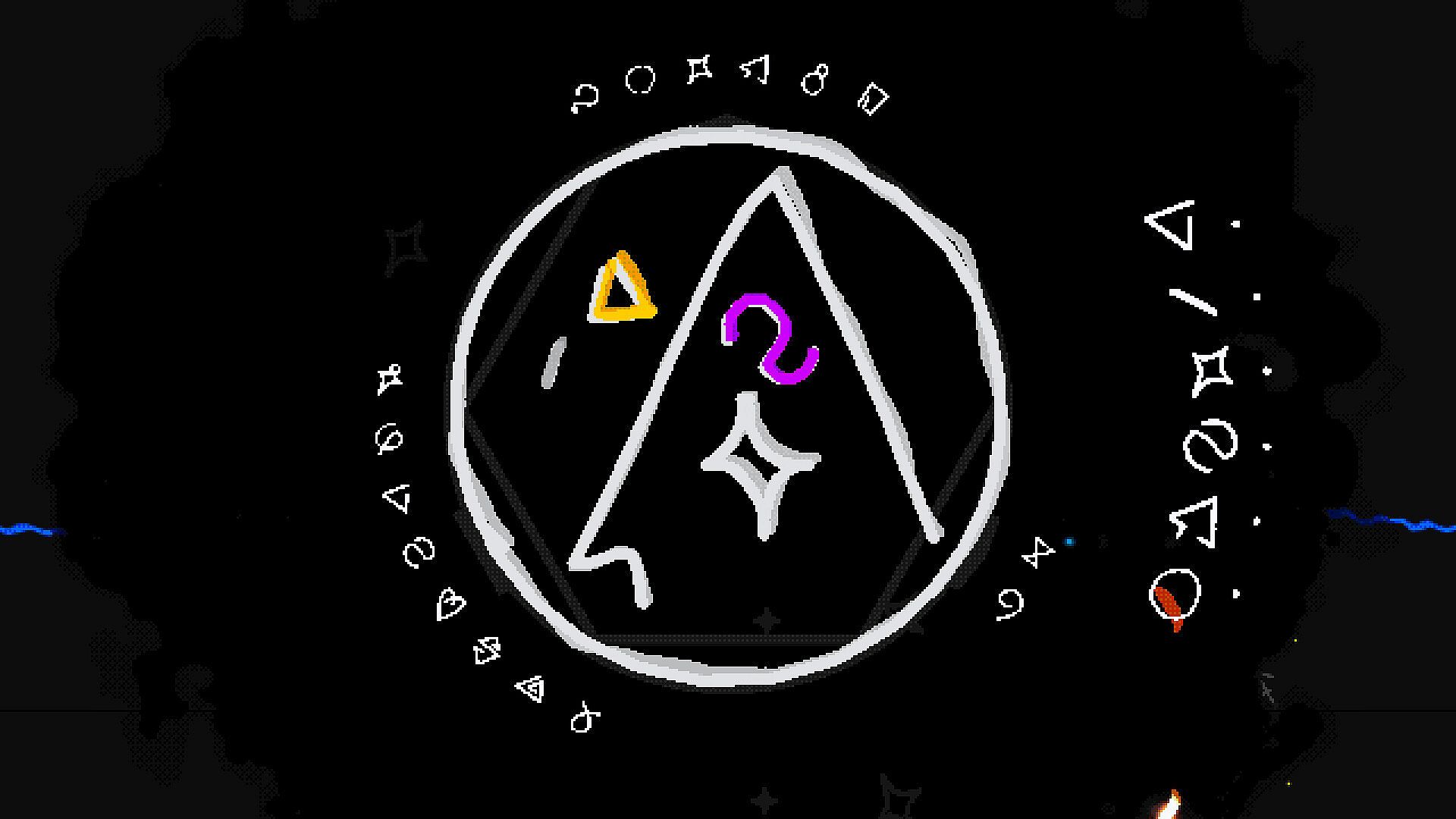
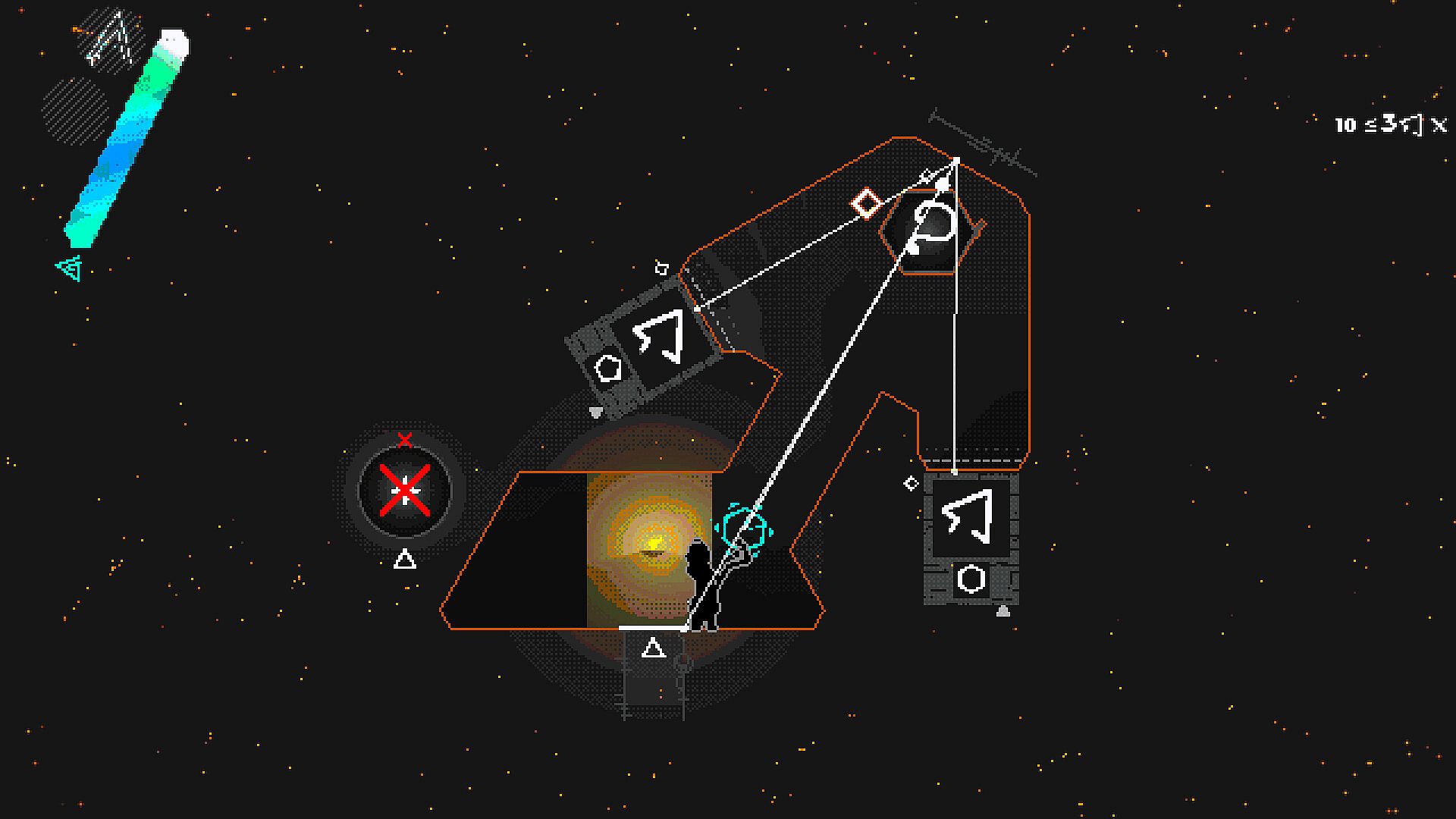
Players begin each level with an empty space and use drawing tools to create runes that form the basis of spells. These spells interact with the environment and with one another, allowing magic to influence physics in unexpected ways. For example, one spell might alter the path of another, creating chain reactions that open new routes or clear barriers. The system rewards experimentation because multiple valid solutions exist for most puzzles, and each approach feels personal to the player.
Progression introduces new glyphs gradually across chapters. Early levels focus on basic rune combinations, while later ones require players to combine everything learned so far into more complex setups. Spells do not operate in isolation; they can redirect, amplify, or modify each other, turning simple casts into intricate systems that blend magical rules with physical behaviors.
Game Modes
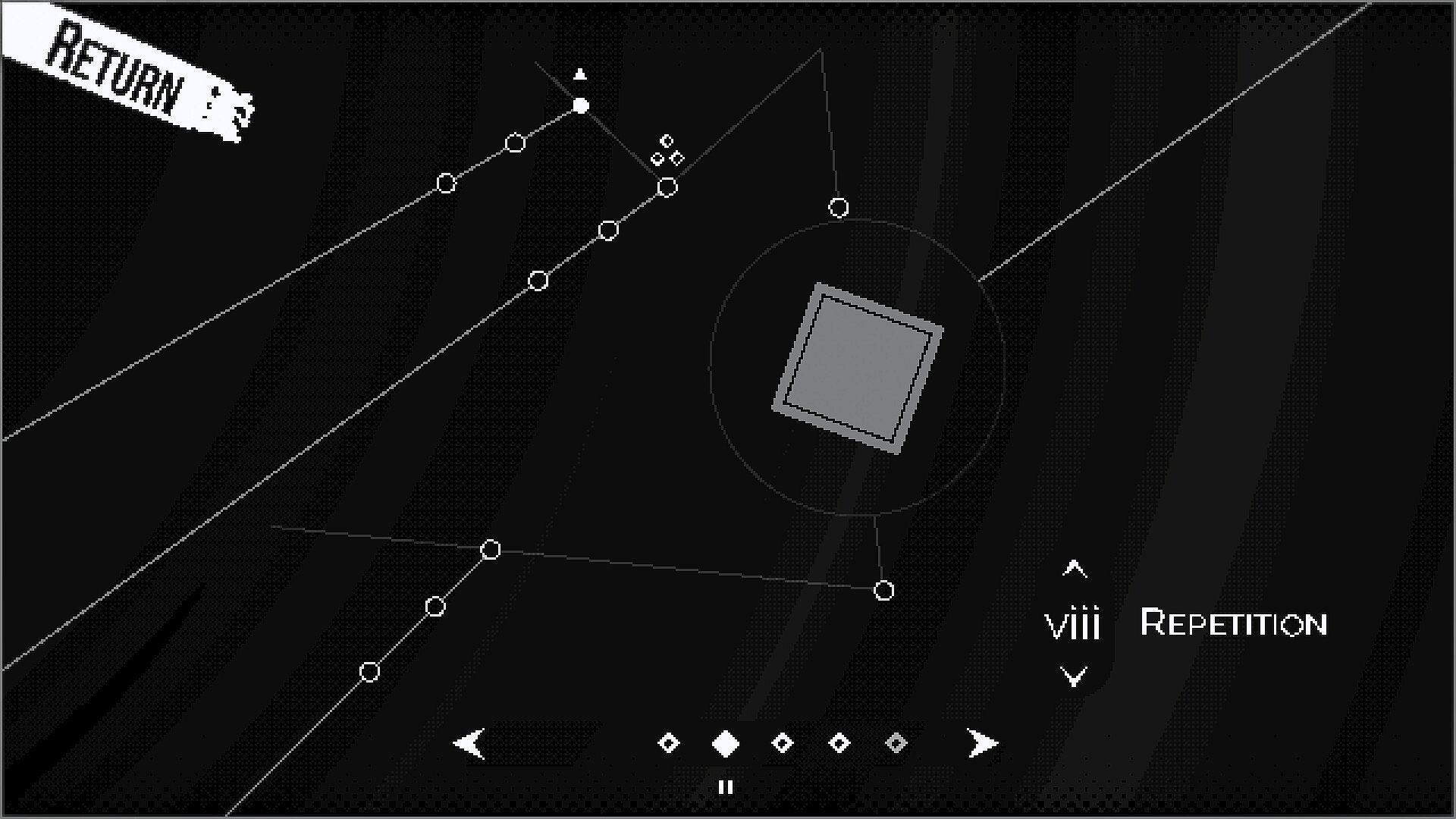
Trace Elements is a single-player experience built around a campaign of more than 50 hand-crafted levels. These levels are grouped into chapters that steadily expand the available tools and highlight fresh interactions between previously introduced elements. There are no separate multiplayer modes or competitive formats; the emphasis stays on solo puzzle solving where each level encourages players to develop their own methods.
Within the single-player structure, chapters serve as natural milestones. Each one revisits earlier mechanics while layering in new glyphs, ensuring that solutions build on prior knowledge without repeating the same challenges. The absence of time limits or scoring systems keeps the focus on discovery and personal creativity.
Creative Puzzle Solving
The game stands out for its emphasis on player-driven design. Instead of presenting fixed spell recipes, it provides a canvas where rune placement and order determine outcomes. This approach turns every level into an opportunity for novel combinations, especially when spells begin to affect one another through physics-based interactions. The result is a puzzle experience that feels more like composing than executing preset steps.
Art and logic merge directly in the rune-drawing mechanic. Visual choices influence functional results, so aesthetic decisions can lead to practical advantages when spells interact dynamically. This integration keeps the process engaging across the full set of levels without requiring external knowledge or guides.
Is It Worth Playing?
Trace Elements suits players who value open-ended puzzle design and enjoy experimenting with interconnected systems. Its single-player campaign of hand-crafted levels offers consistent opportunities to refine personal strategies as new glyphs appear. Because the game remains in development and has not yet released, current details rest on the confirmed mechanics of rune creation, spell shaping, and inter-spell interactions described by the developer. Those drawn to creative problem solving in an indie puzzle format will likely find the structure appealing once it becomes available.