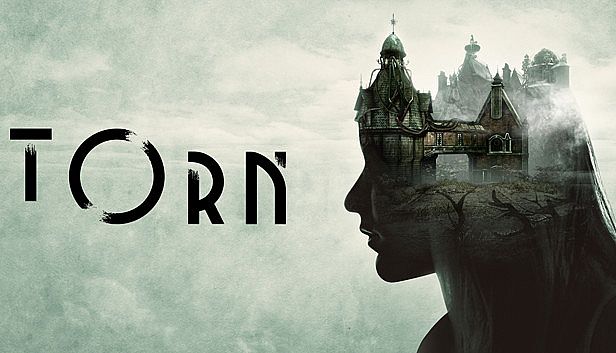
















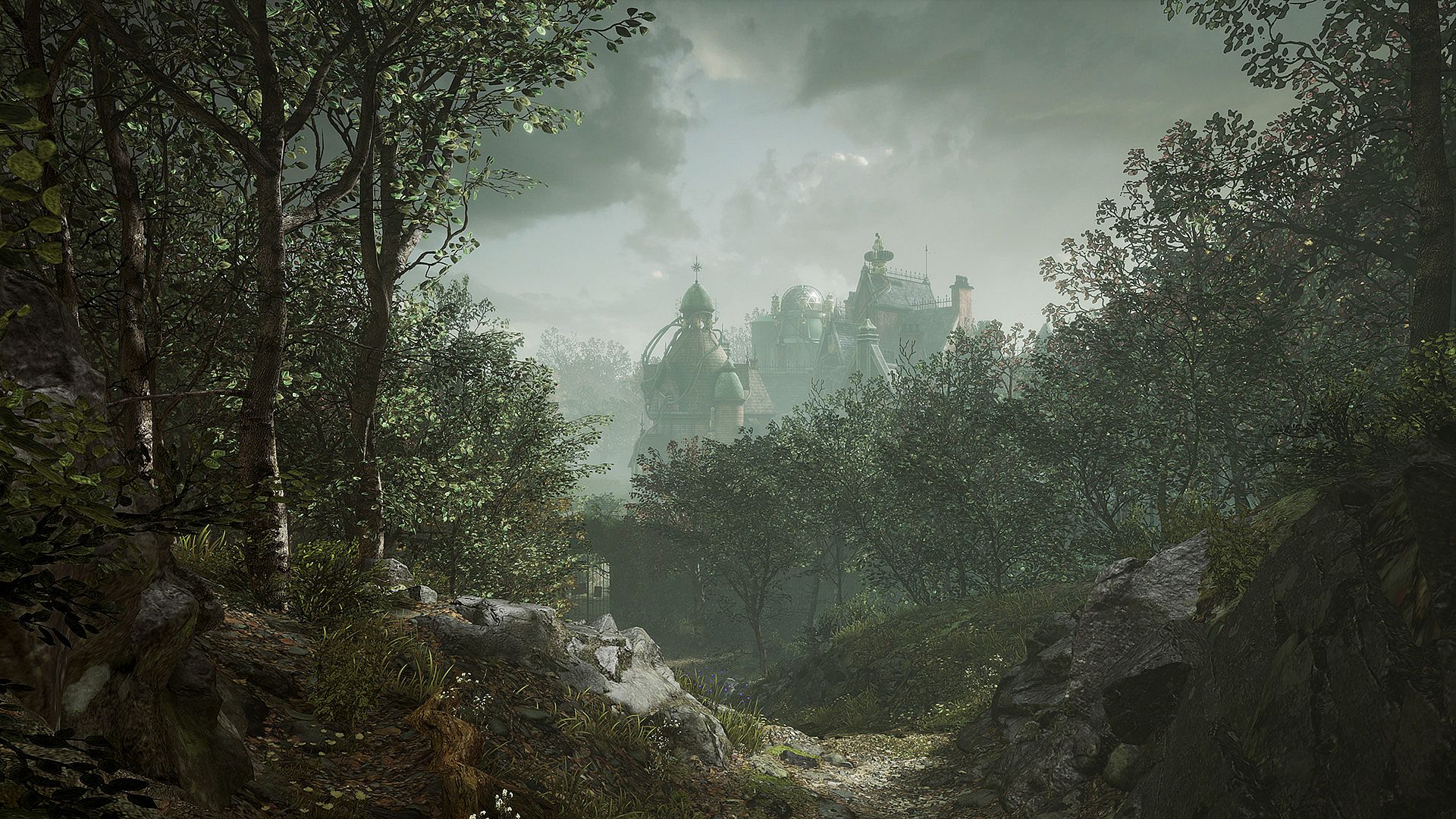
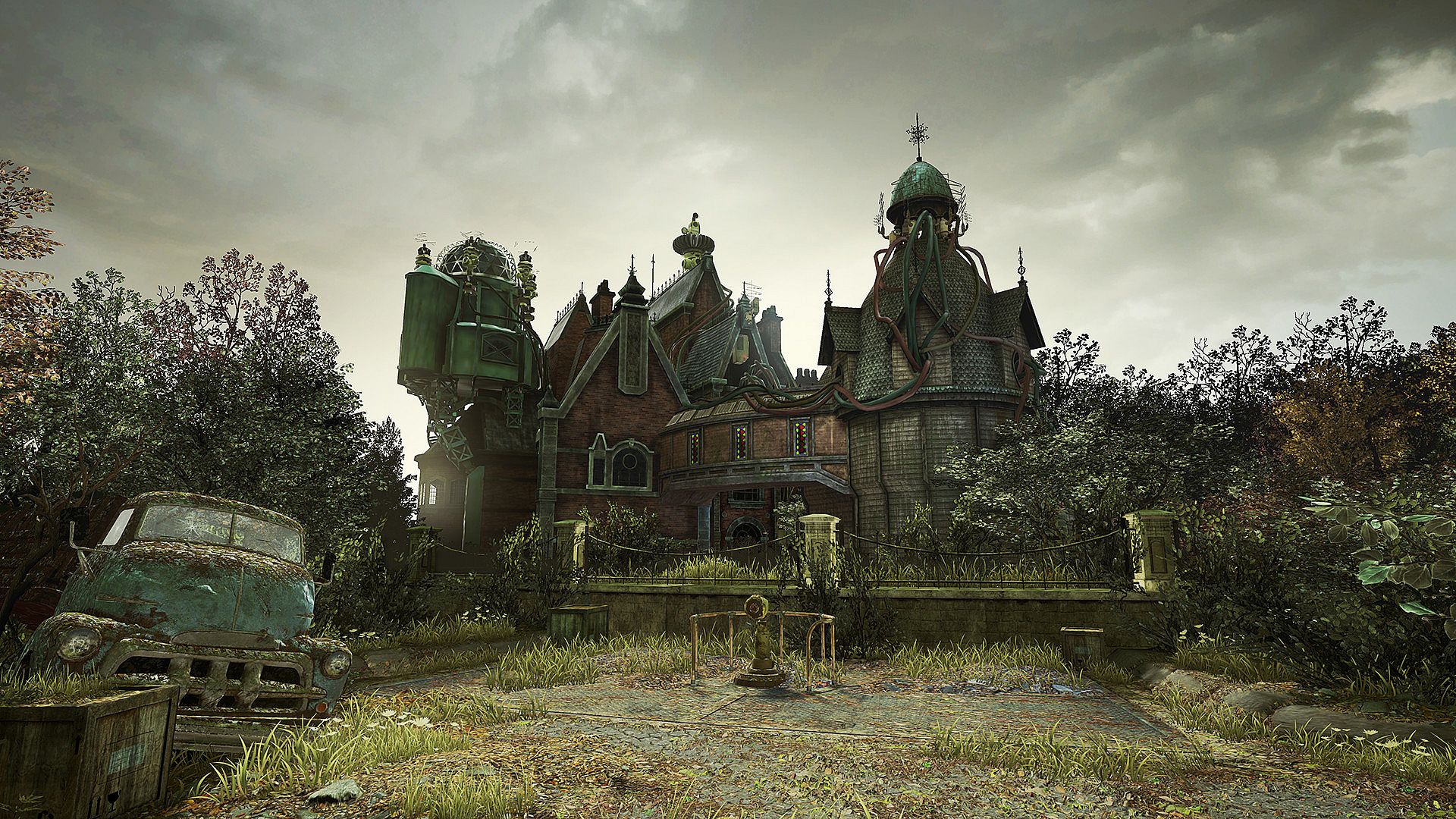
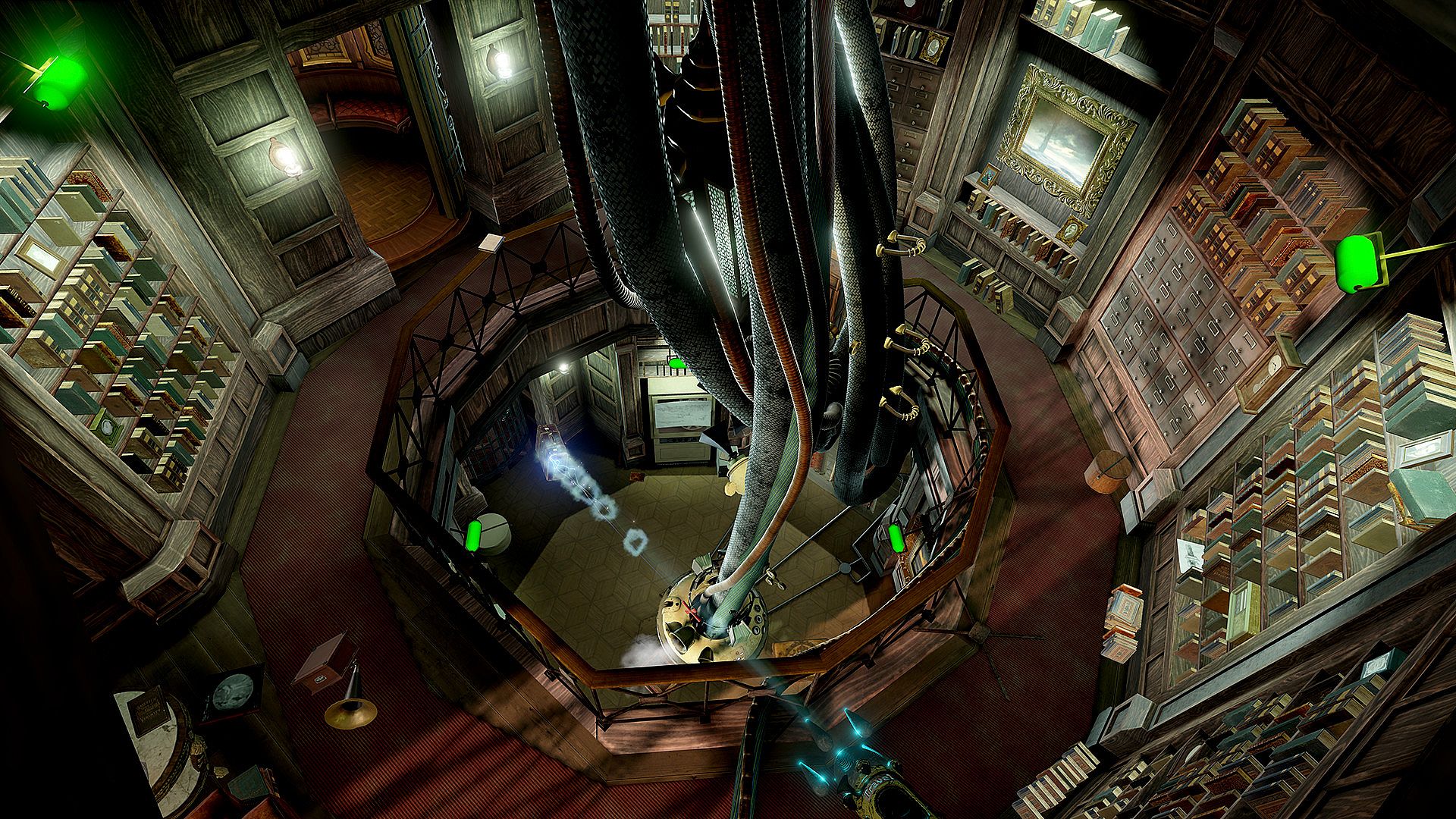
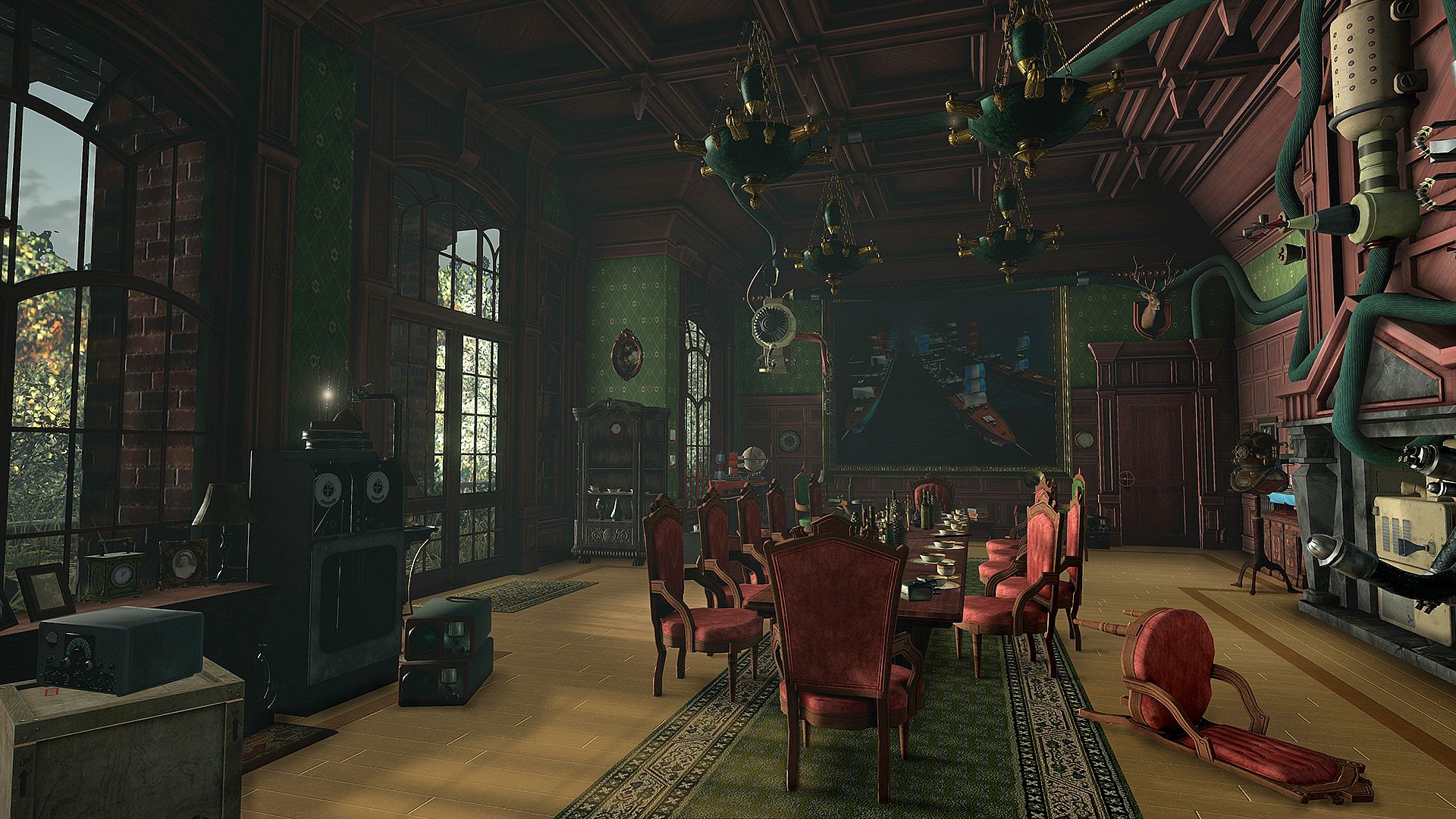
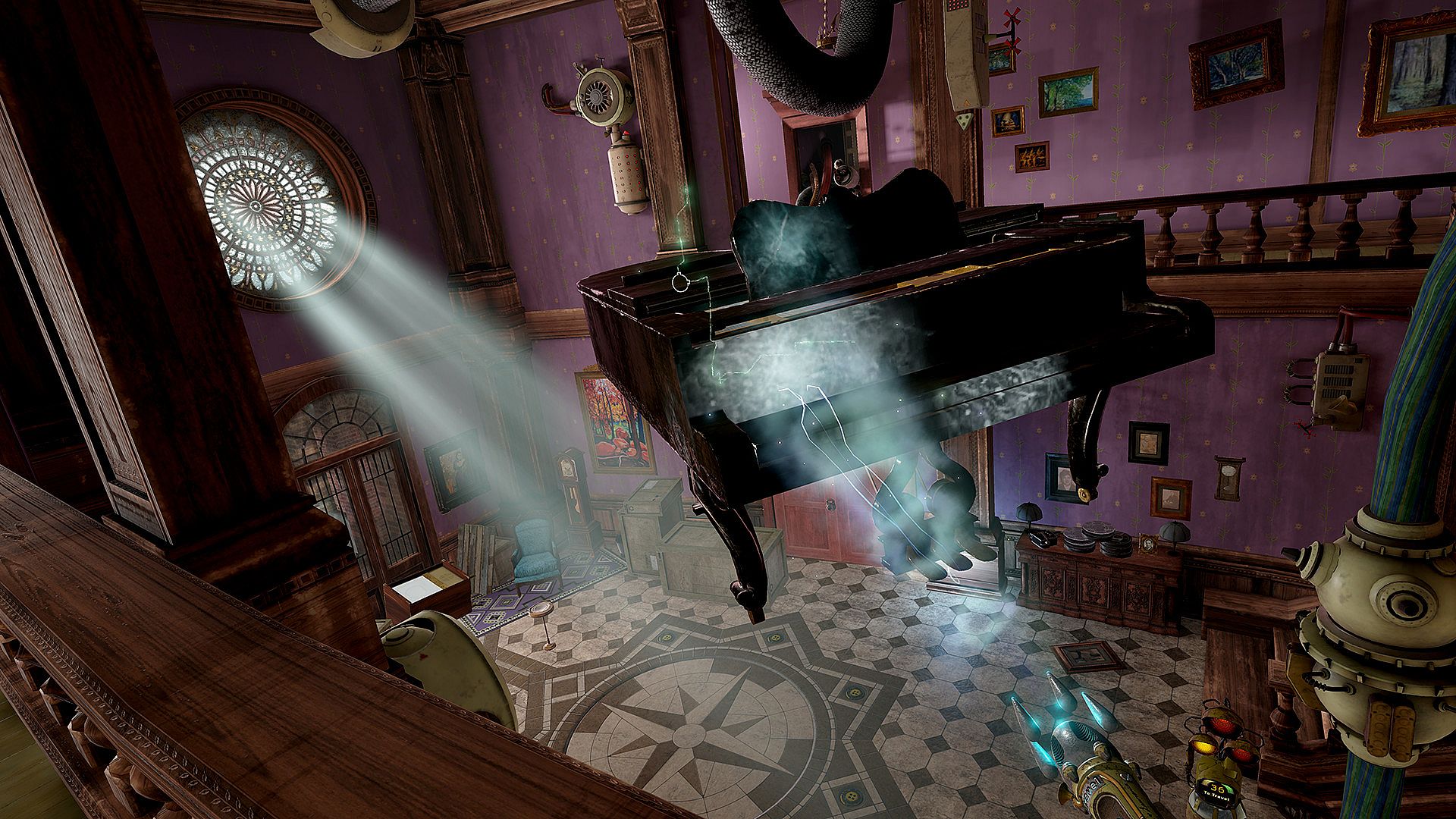
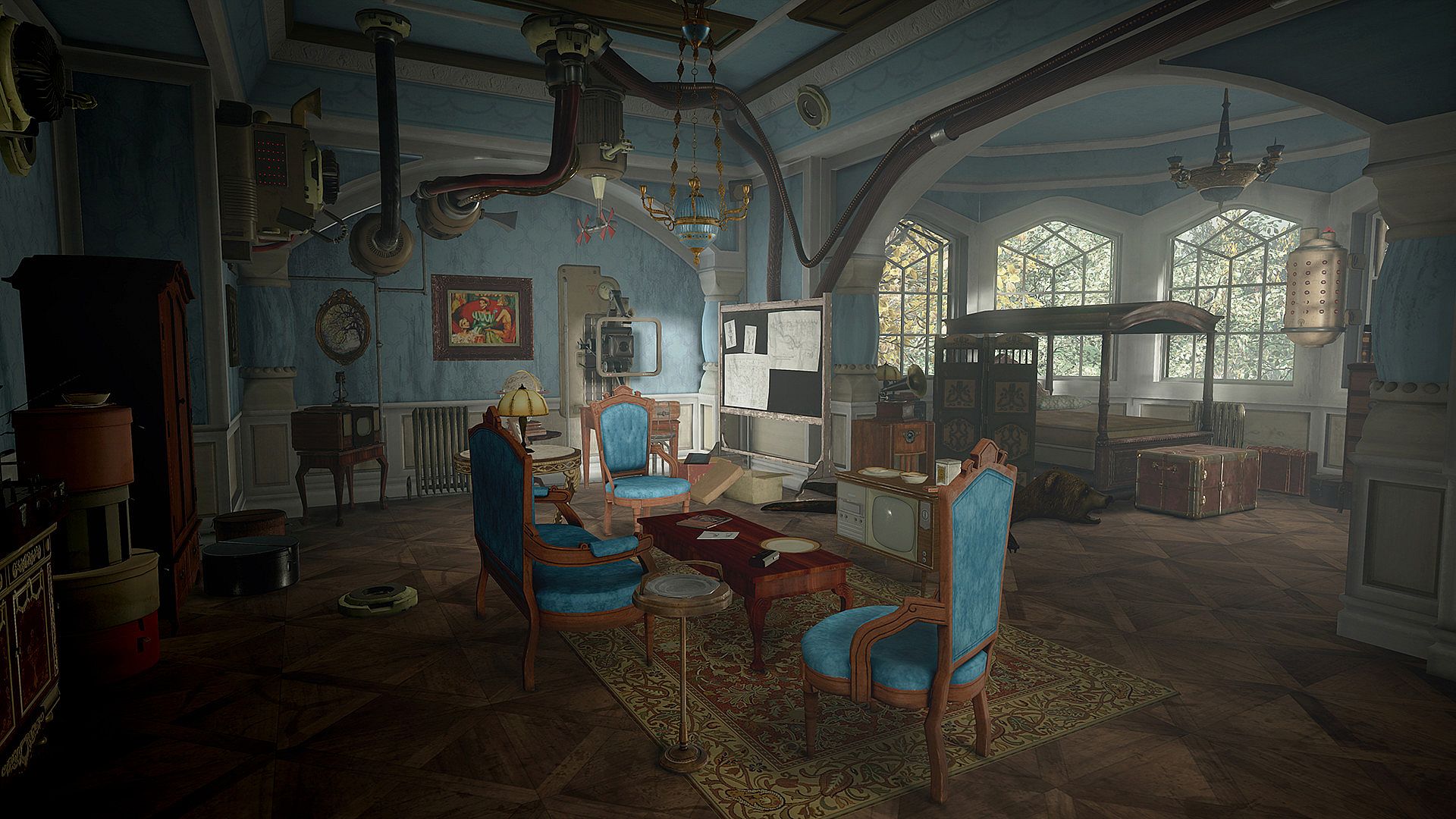
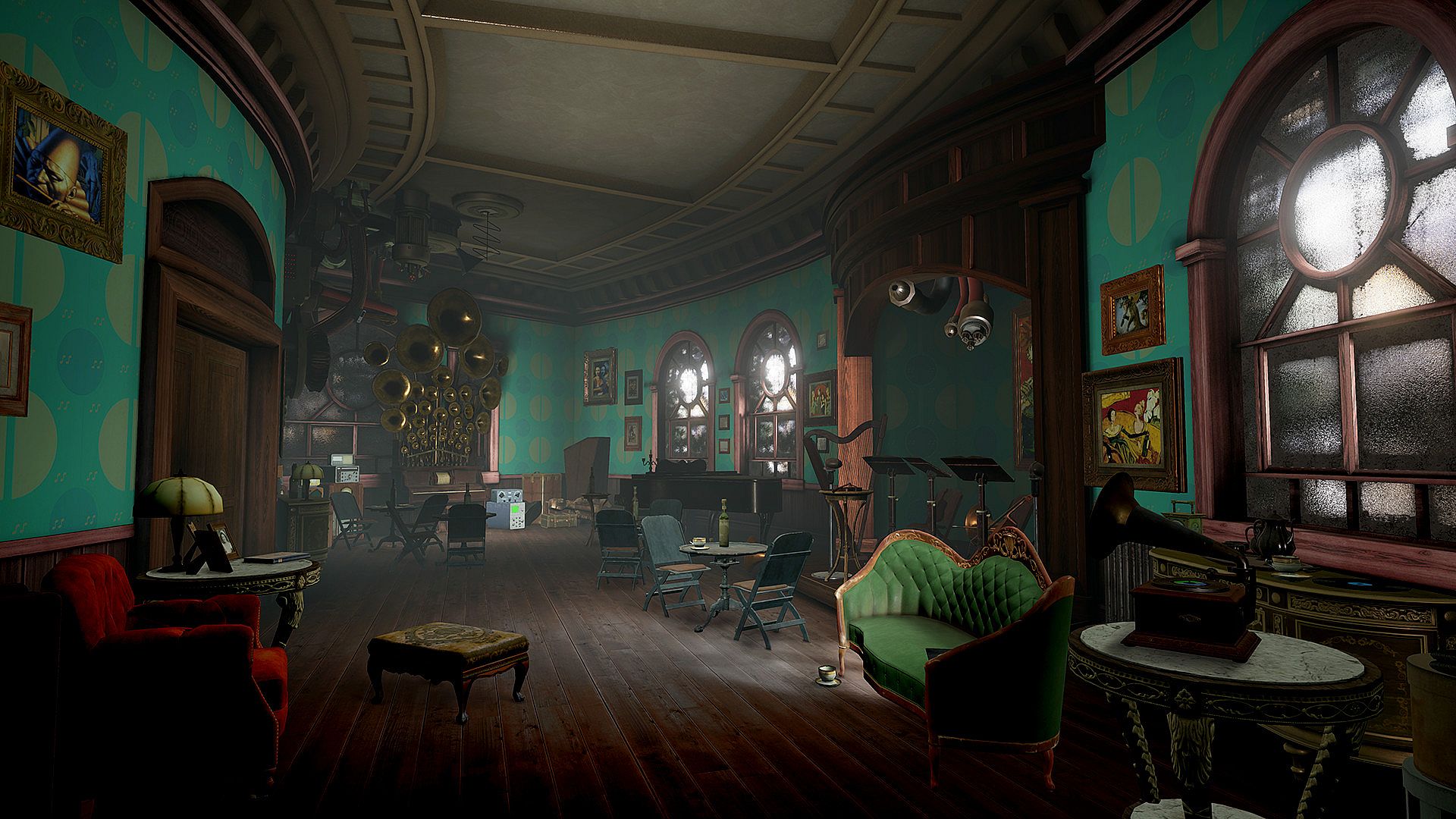
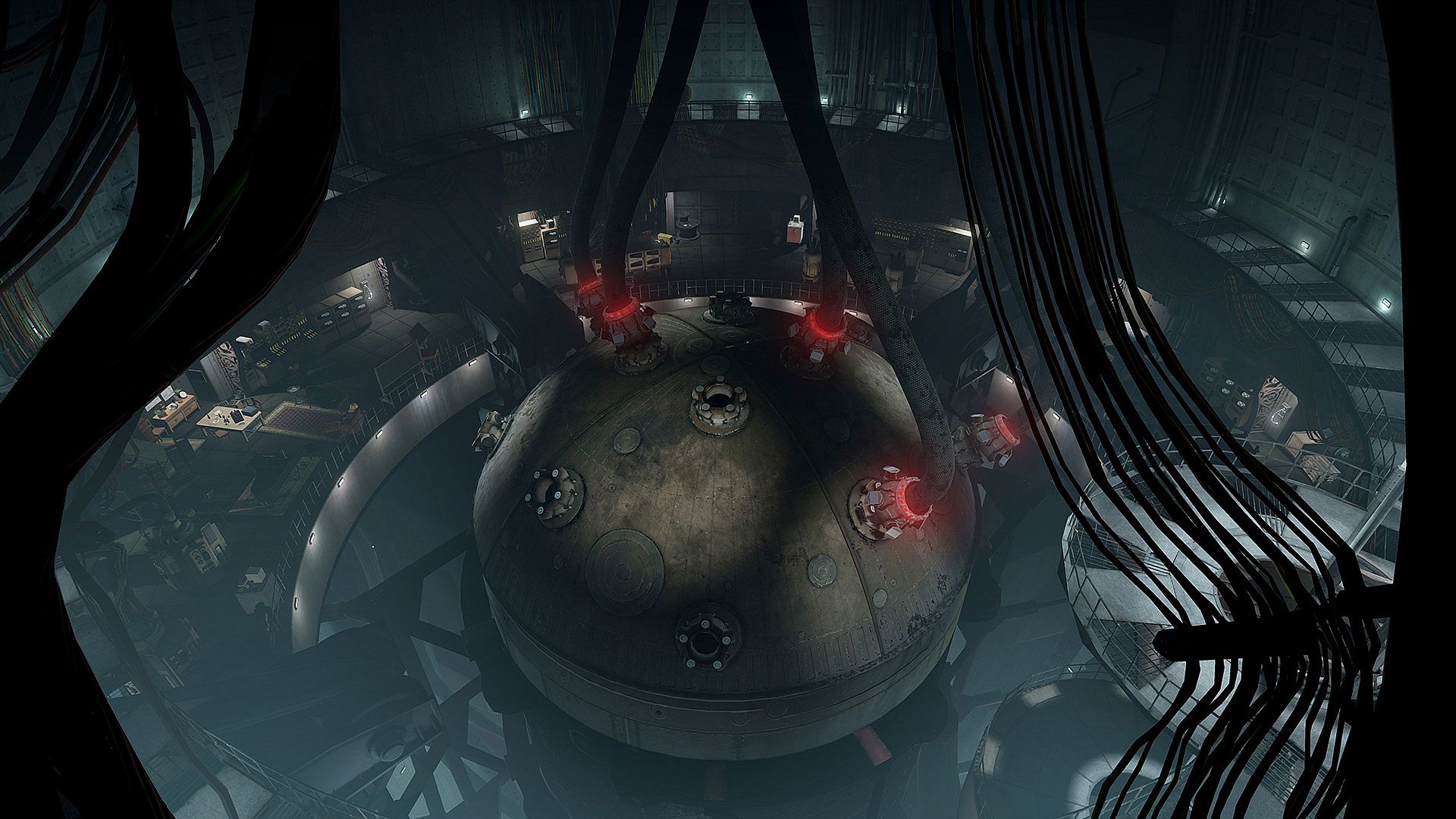
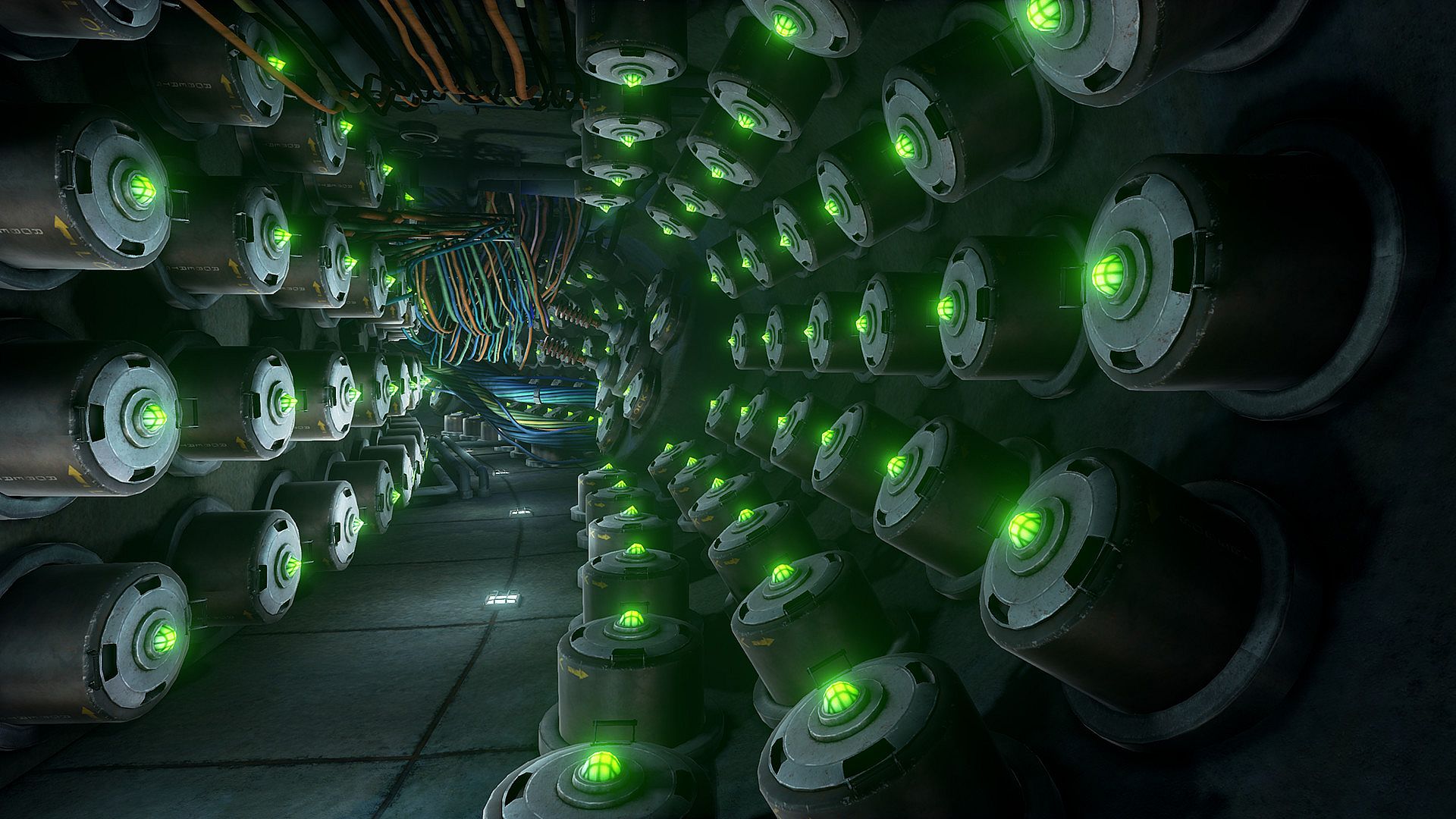
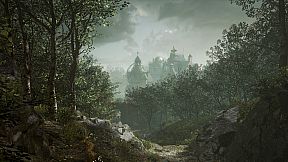
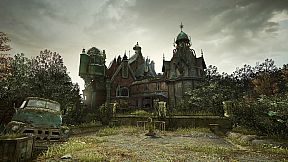
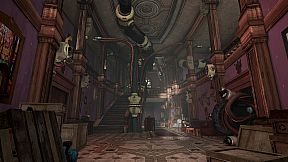
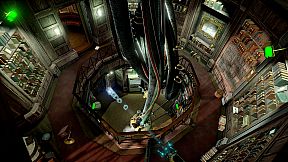
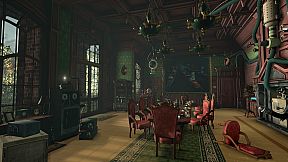
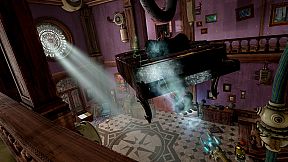
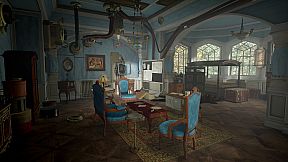
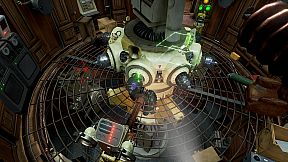
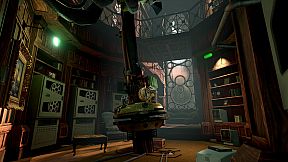
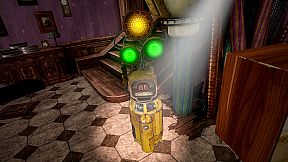
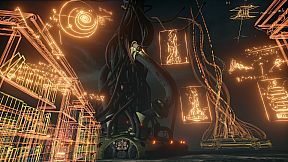
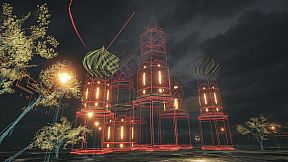
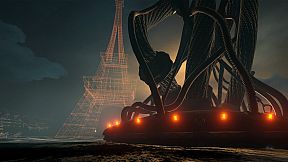
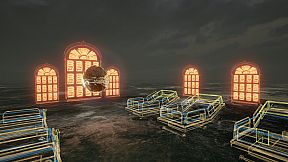
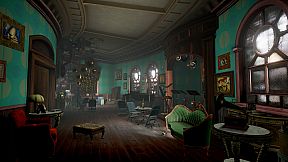
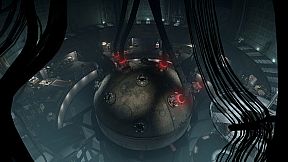
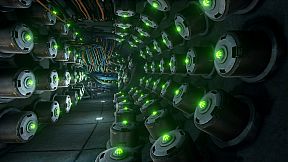
Torn is a single-player virtual reality adventure game that blends narrative puzzle solving with a dark science fiction story. Players step into the role of video blogger Katherine Patterson, who explores an abandoned mansion filled with experimental machinery and uncovers the fate of the missing scientist Dr. Lawrence Talbot. The experience unfolds entirely in VR on PC through SteamVR support and emphasizes careful observation, object manipulation, and story discovery in a contained environment.
Gameplay
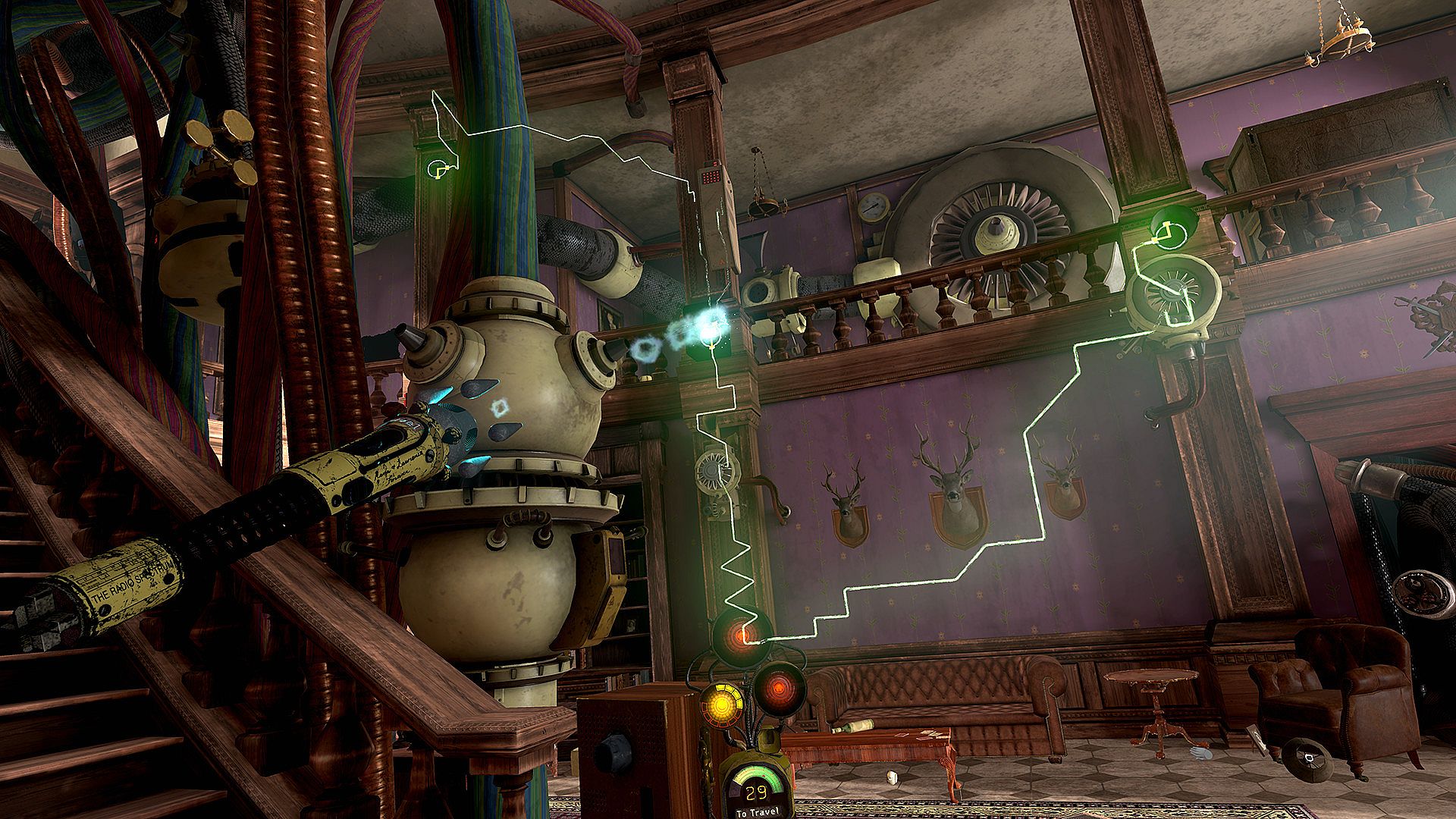
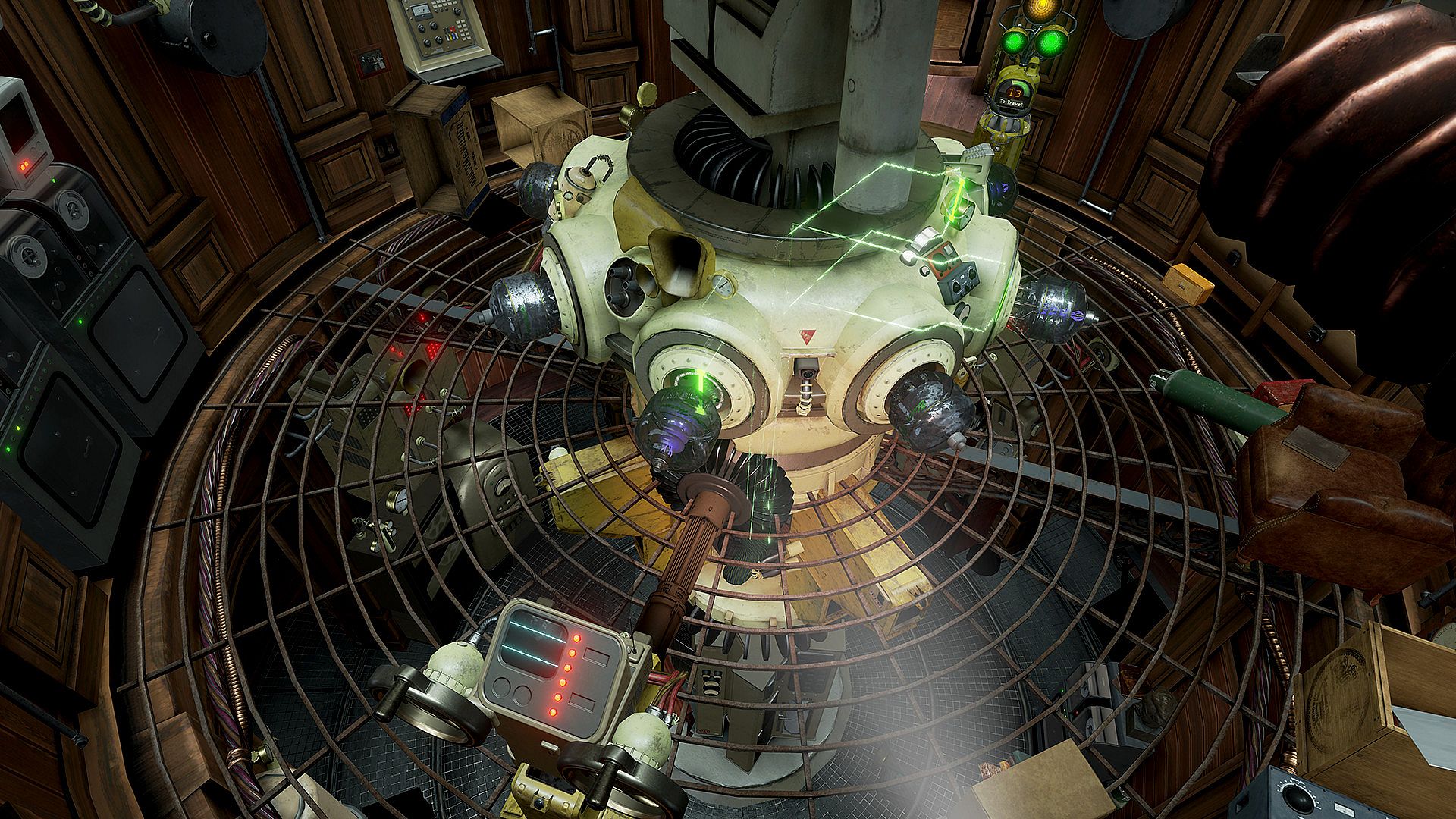
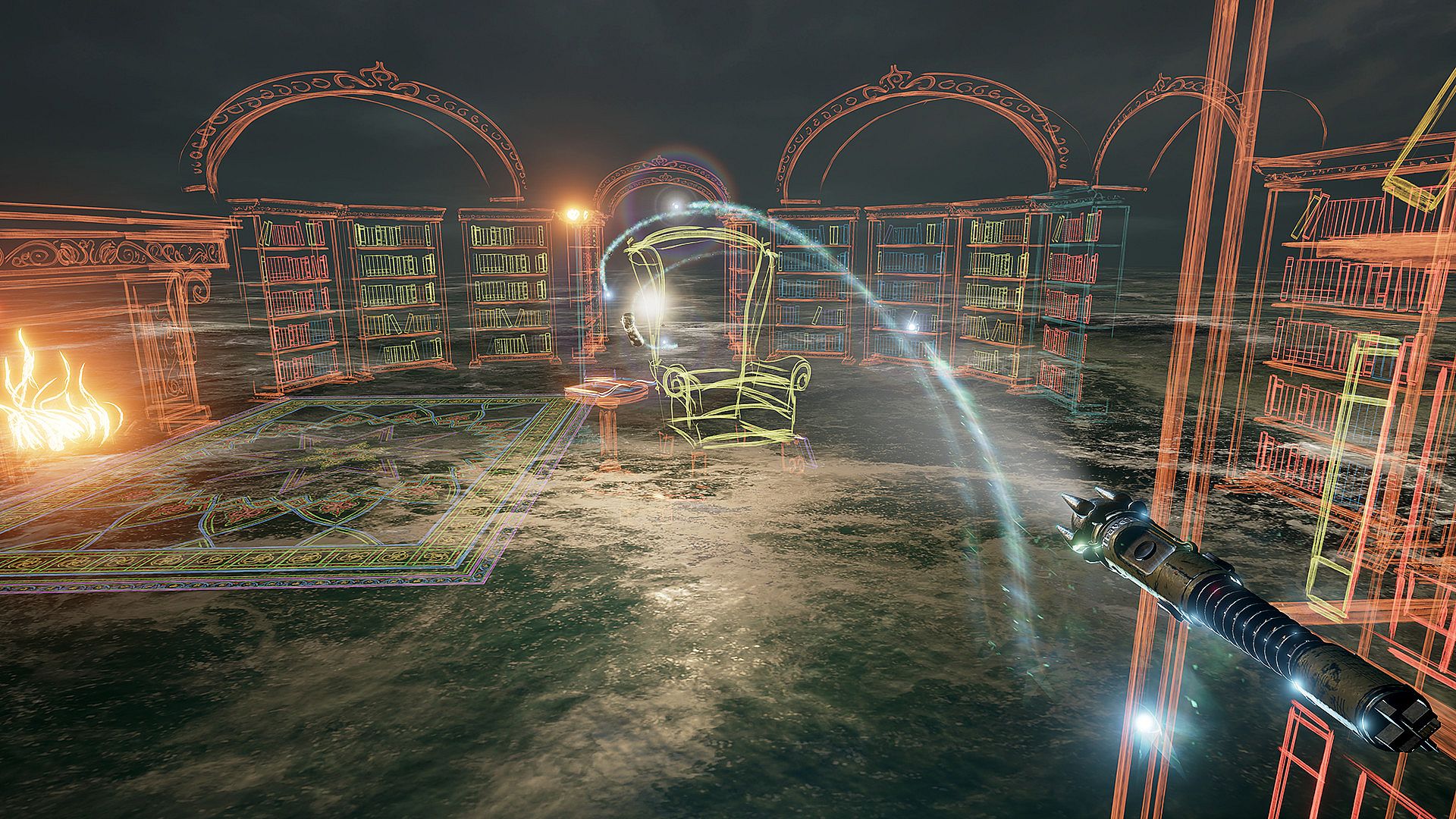
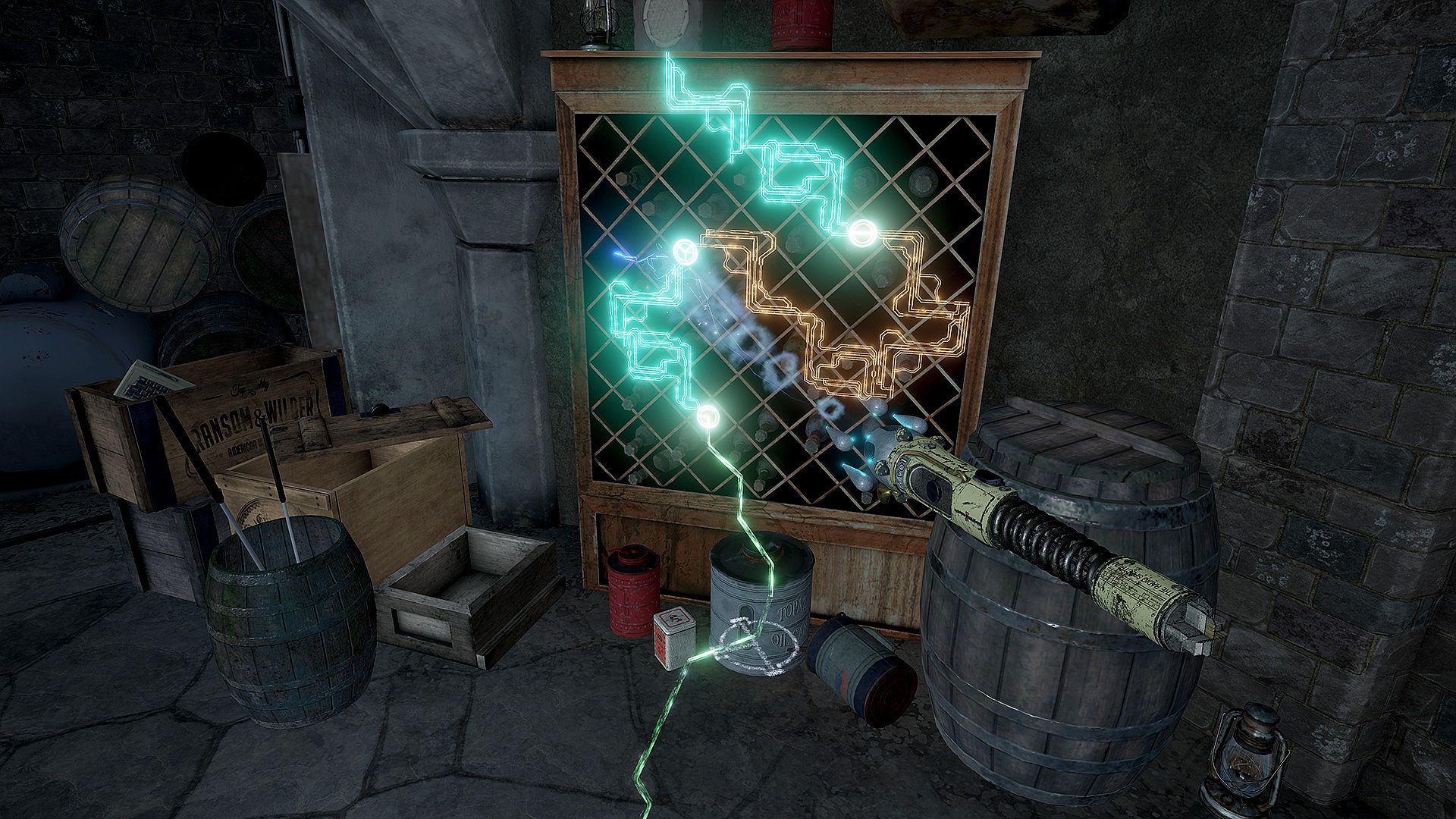
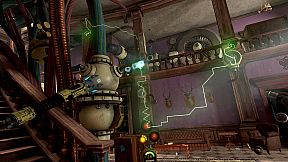
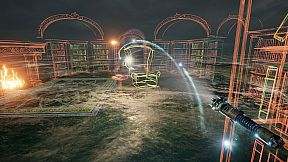
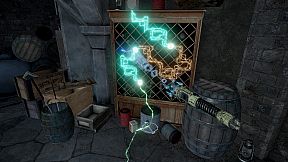
The core loop centers on using a gravity manipulation tool to interact with the mansion's contents. This device allows players to lift, move, and fling objects of varying sizes, from small components to larger furniture pieces. Puzzles often involve reactivating machines scattered throughout the house by completing circuit connections or arranging items in specific configurations. Exploration rewards attention to detail, as environmental clues and recorded messages gradually reveal the backstory of Talbot's work and the alternate dimension known as The Parallel.
Progression mixes straightforward puzzle sequences with moments of free-form interaction. Players can experiment with the gravity tool to stack objects into unstable towers or send items flying across rooms in creative ways. These acts serve both practical puzzle solutions and opportunities for spectacle within the virtual space. Voice acting and an original orchestral score support the atmosphere, guiding players through the unfolding mystery without relying on combat or timed challenges.
The game maintains a steady pace that alternates between focused puzzle work and slower narrative beats. All interactions happen from a first-person perspective with tracked controllers, encouraging physical movement and precise gestures to solve problems. The mansion functions as a self-contained sandbox where every room contributes to the central mystery.
Game Modes
Torn offers a single-player narrative experience with no separate multiplayer components or alternate modes. The entire game follows a linear story path that begins with puzzle-driven exploration and shifts toward character-focused revelations. There are no competitive, cooperative, or survival variations to select from.
Players progress through the mansion in sequence, completing objectives that advance the plot. The structure remains consistent from start to finish, relying on the same gravity tool mechanics and environmental storytelling throughout. This focused design keeps attention on the mystery rather than branching paths or replay incentives beyond revisiting the space for missed details.
Story and Atmosphere
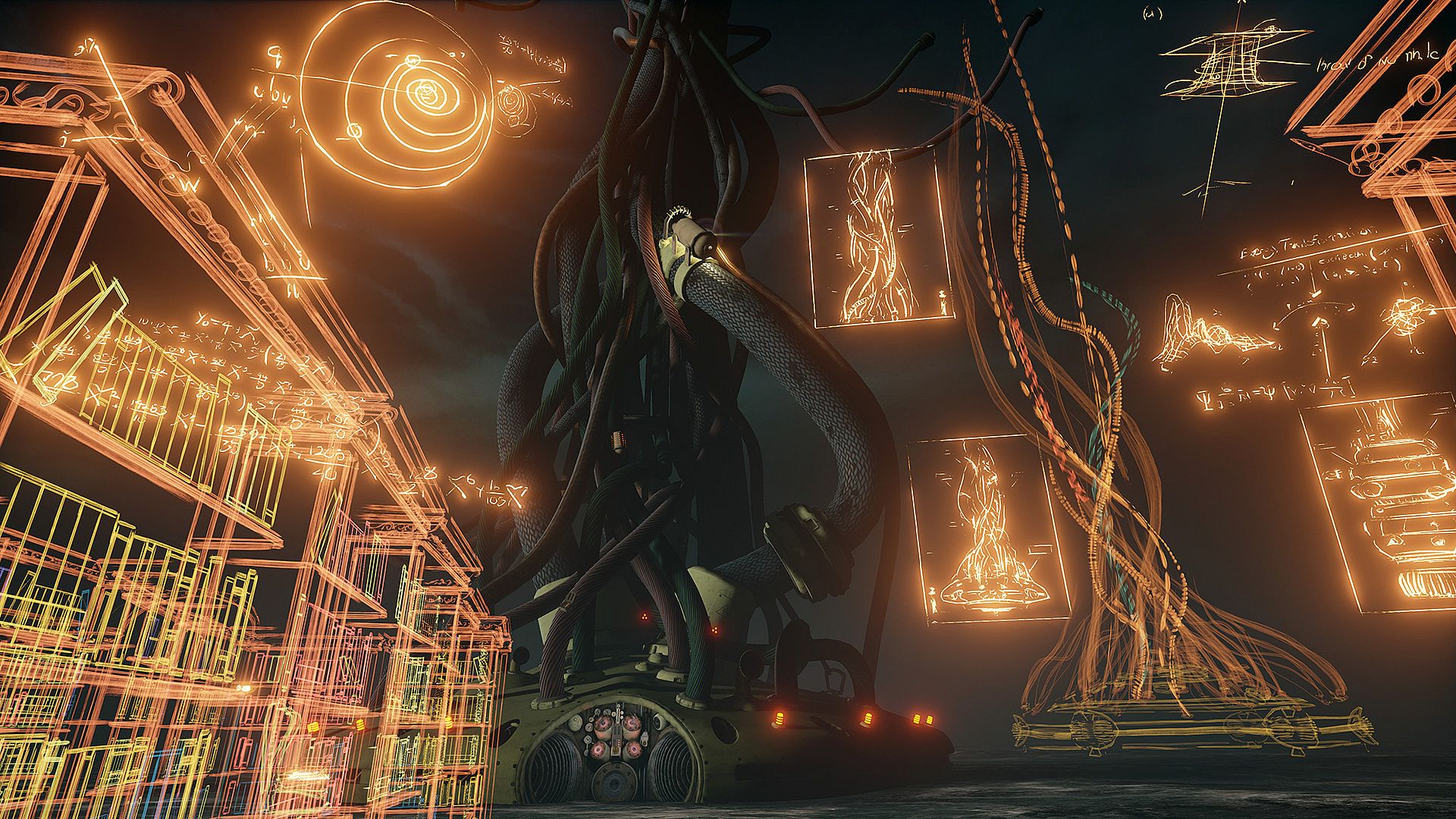
The narrative follows Patterson's investigation into Talbot's disappearance more than six decades earlier. What begins as a potential career-making discovery turns into a deeper examination of identity, reality, and scientific ambition. Talbot appears as a disembodied presence trapped between dimensions, communicating through the mansion's systems and guiding the player toward reactivation of his experiments.
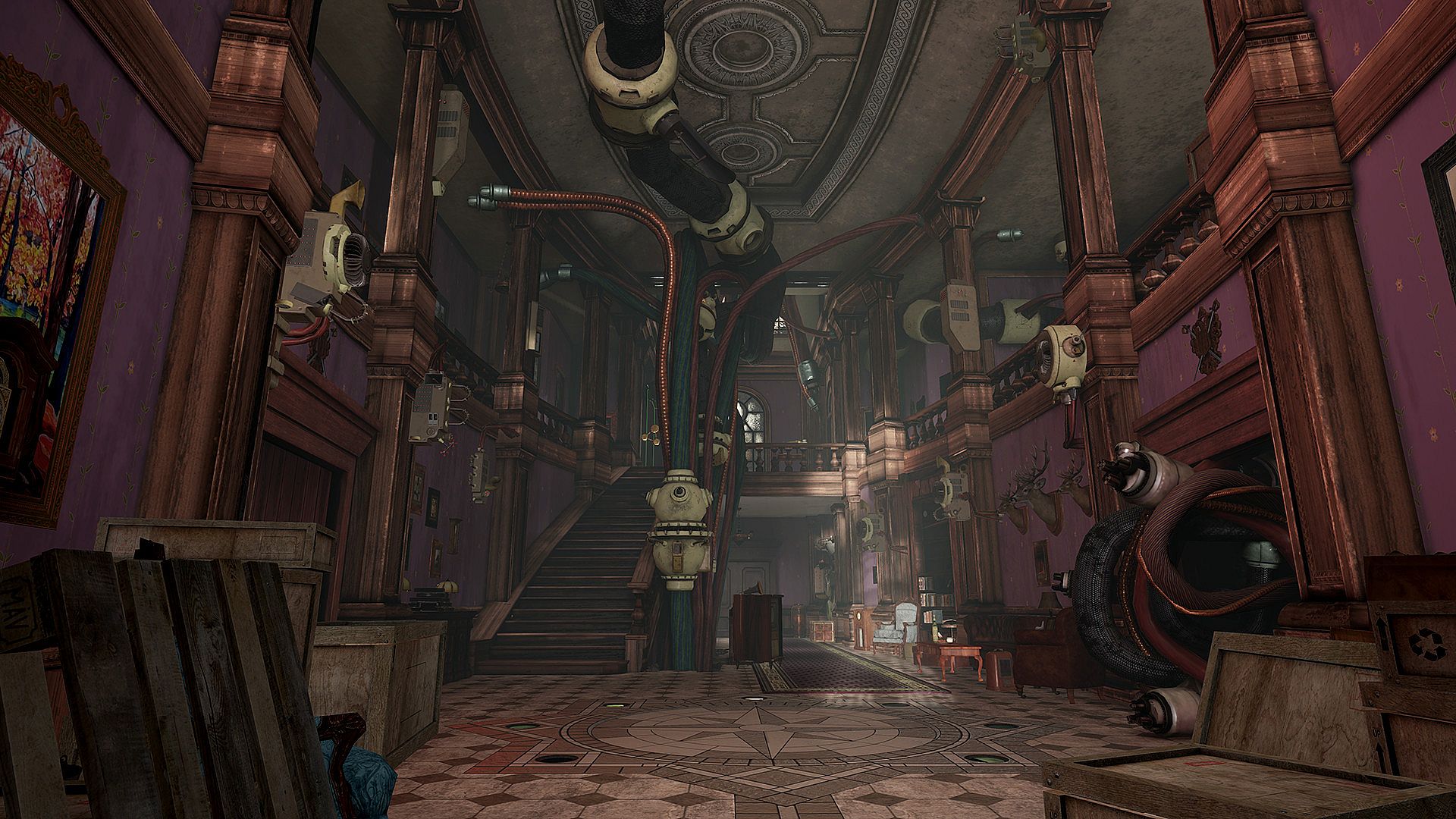
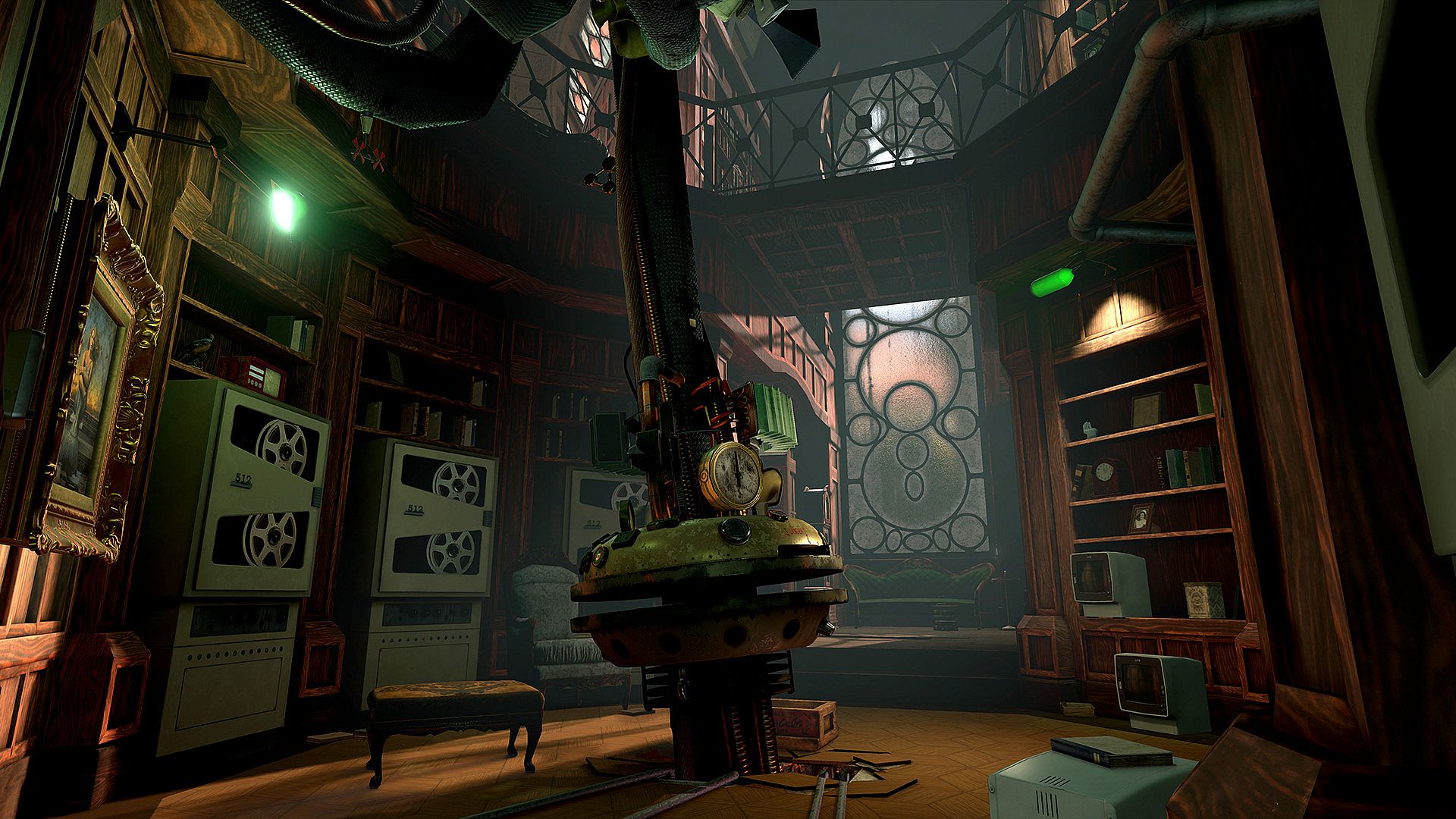
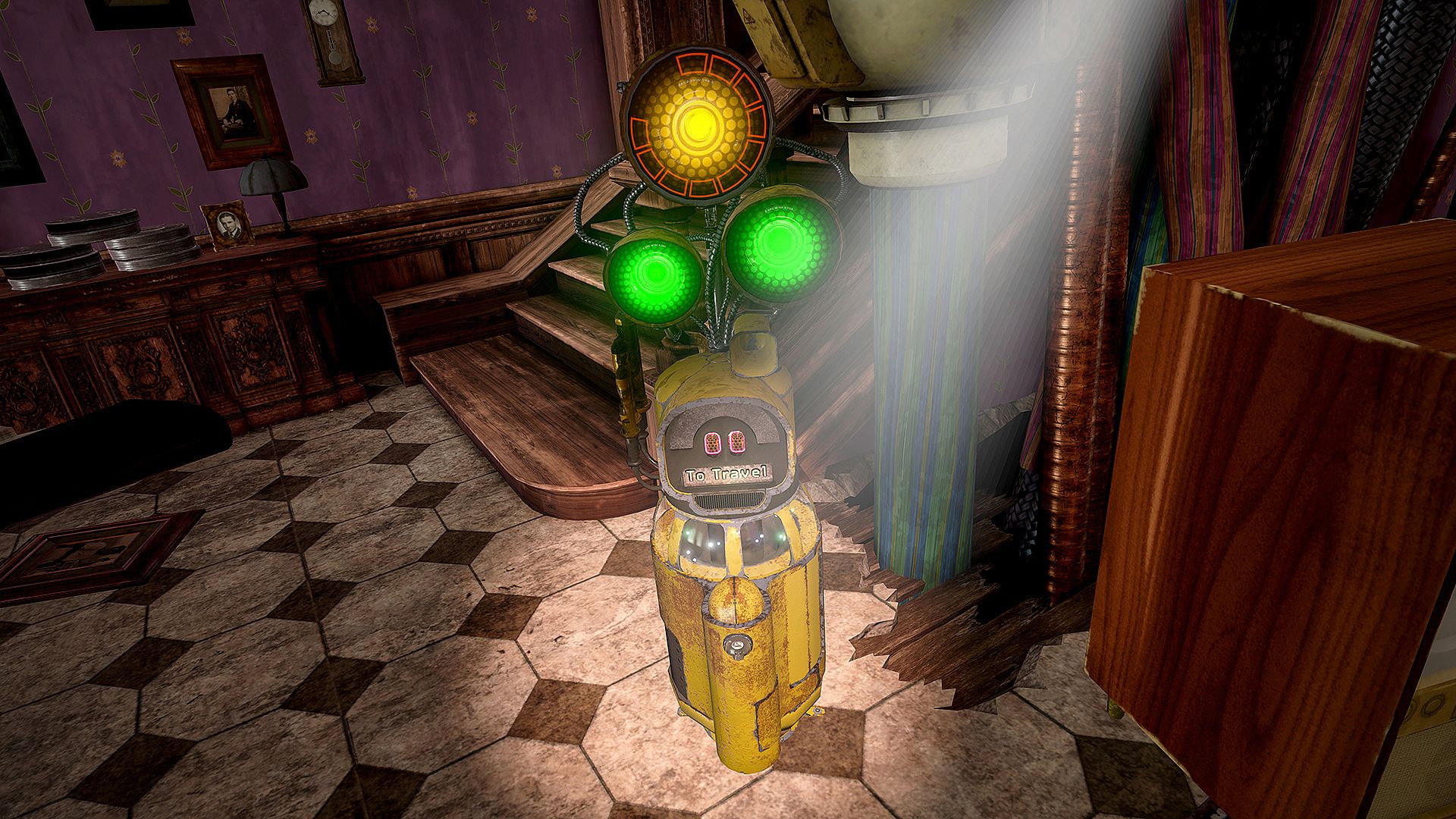
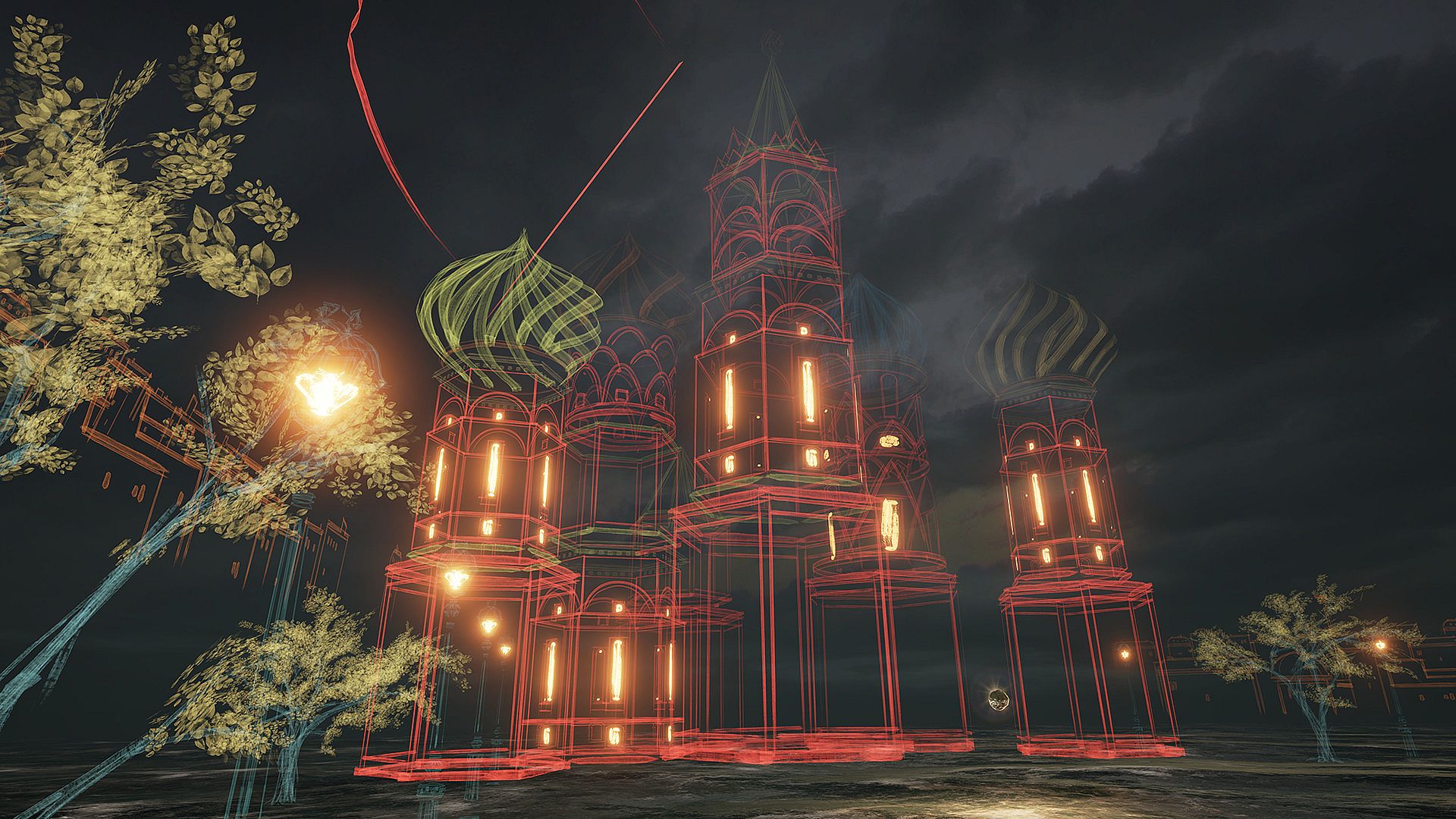
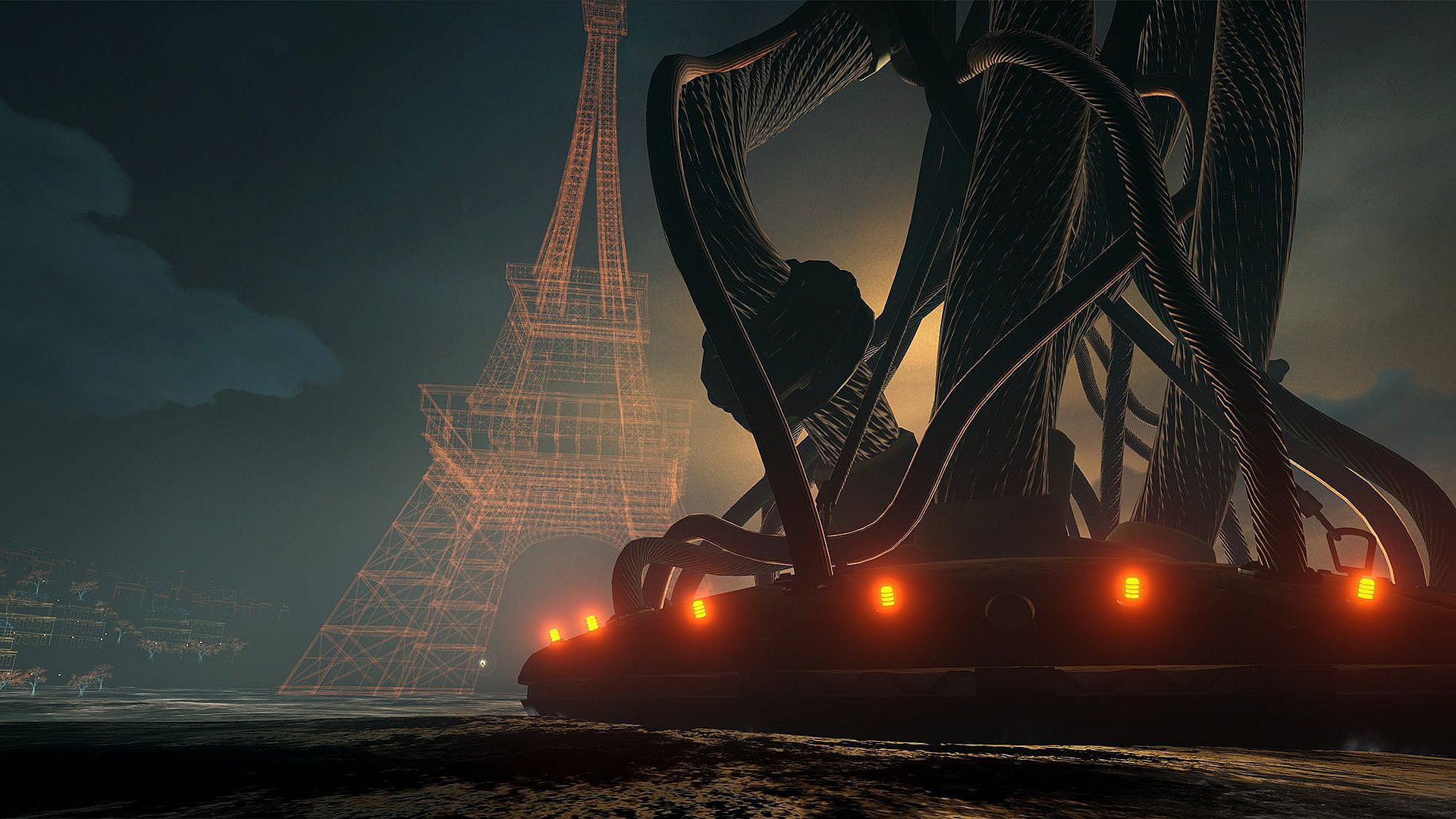
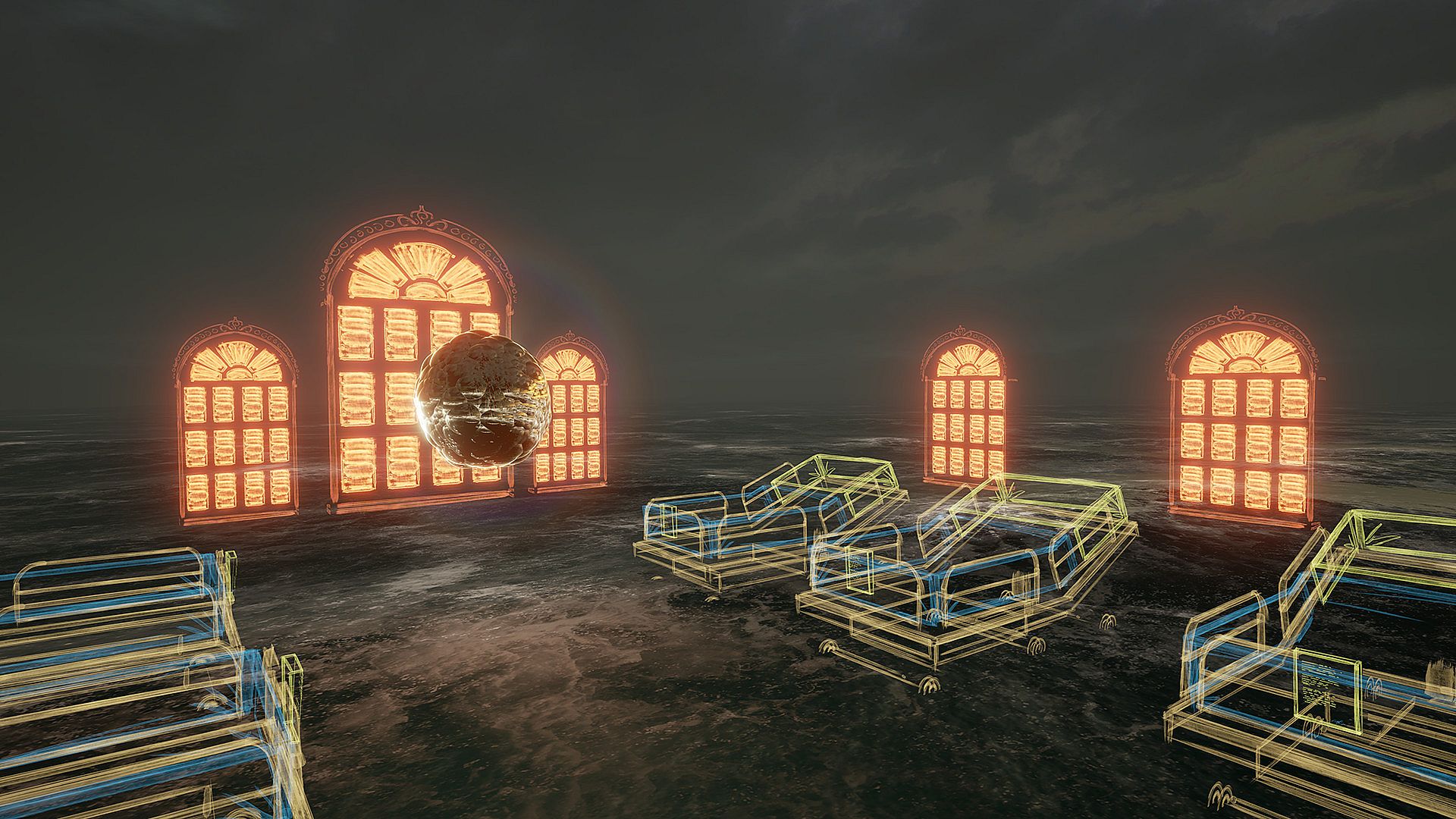
The setting draws from classic science fiction influences, presenting a house filled with retro-futuristic devices and unsettling experiments. Sound design and music reinforce the eerie tone, while the gravity tool adds a tactile layer to interactions that heighten immersion in the virtual environment. The story rewards players who pay close attention to visual and auditory clues scattered across multiple rooms.
Is It Worth Playing?
Torn suits players who enjoy deliberate puzzle adventures in VR and appreciate story-driven mysteries over action or fast pacing. The gravity tool provides satisfying physical interactions that feel unique to the medium, and the contained mansion setting allows for thorough exploration without overwhelming scope. Those seeking a complete, self-contained experience will find a polished narrative that builds steadily toward its conclusion.
The game remains available as a full release with no ongoing seasonal content or live service elements. Its strength lies in the consistent quality of its puzzle design and atmospheric presentation rather than breadth of features. VR enthusiasts interested in thoughtful science fiction themes and hands-on manipulation mechanics will likely find the experience rewarding, particularly if they value narrative focus over variety in gameplay styles.