

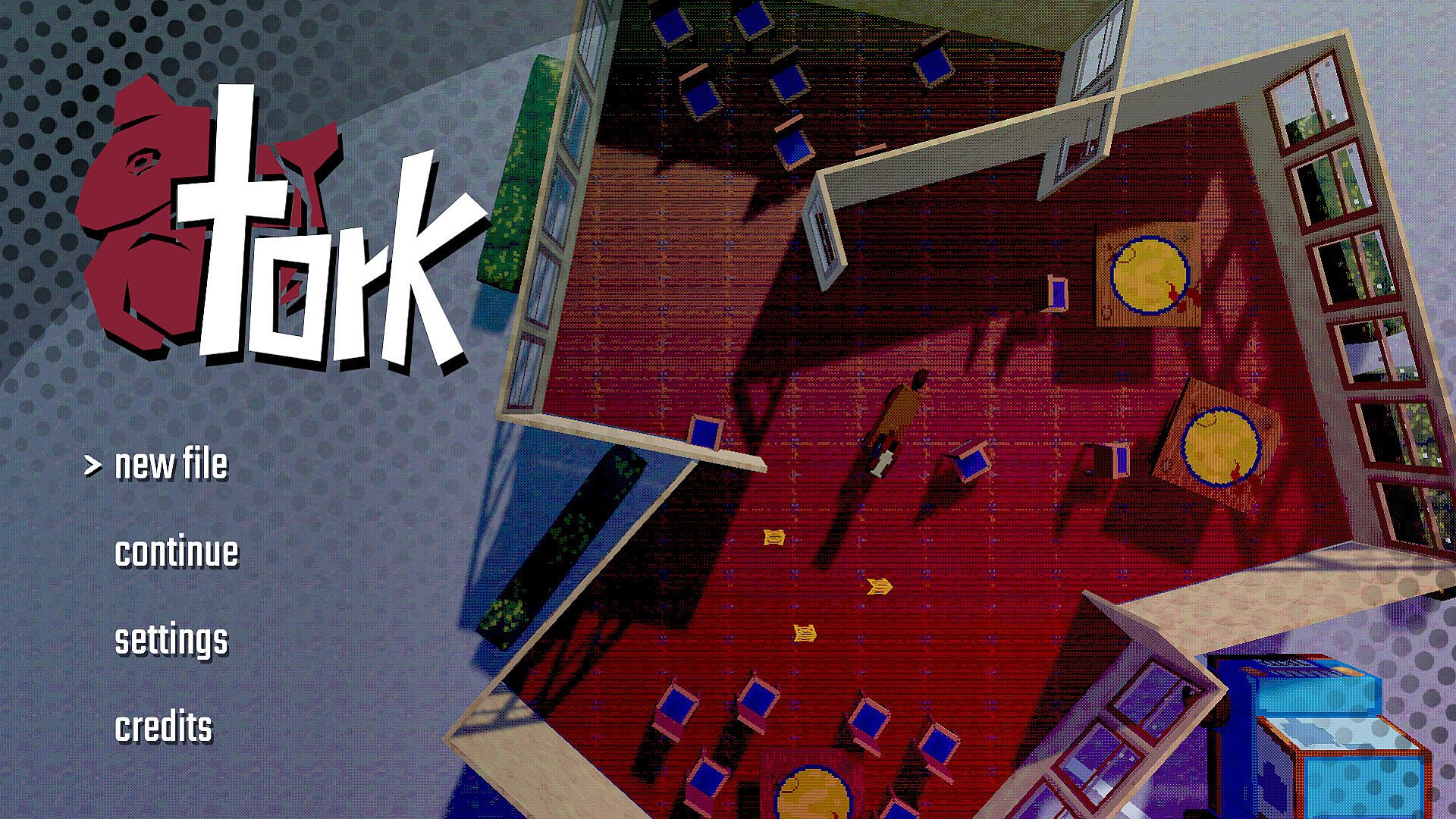
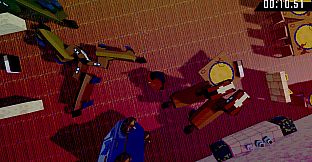
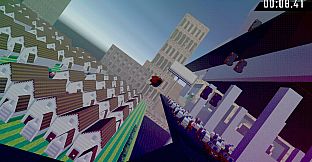
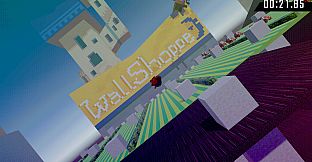
tork is a 2.5D physics-based rage platformer and indie adventure game available on PC. The premise places the player in the role of a horse transformed into a ball after excessive mischief, now equipped with the ability to manipulate gravity and roll through surreal environments built from concrete, steel, and equine themes. The core loop centers on precise navigation across handcrafted stages that reward careful control and punish minor errors with instant setbacks.
Gameplay
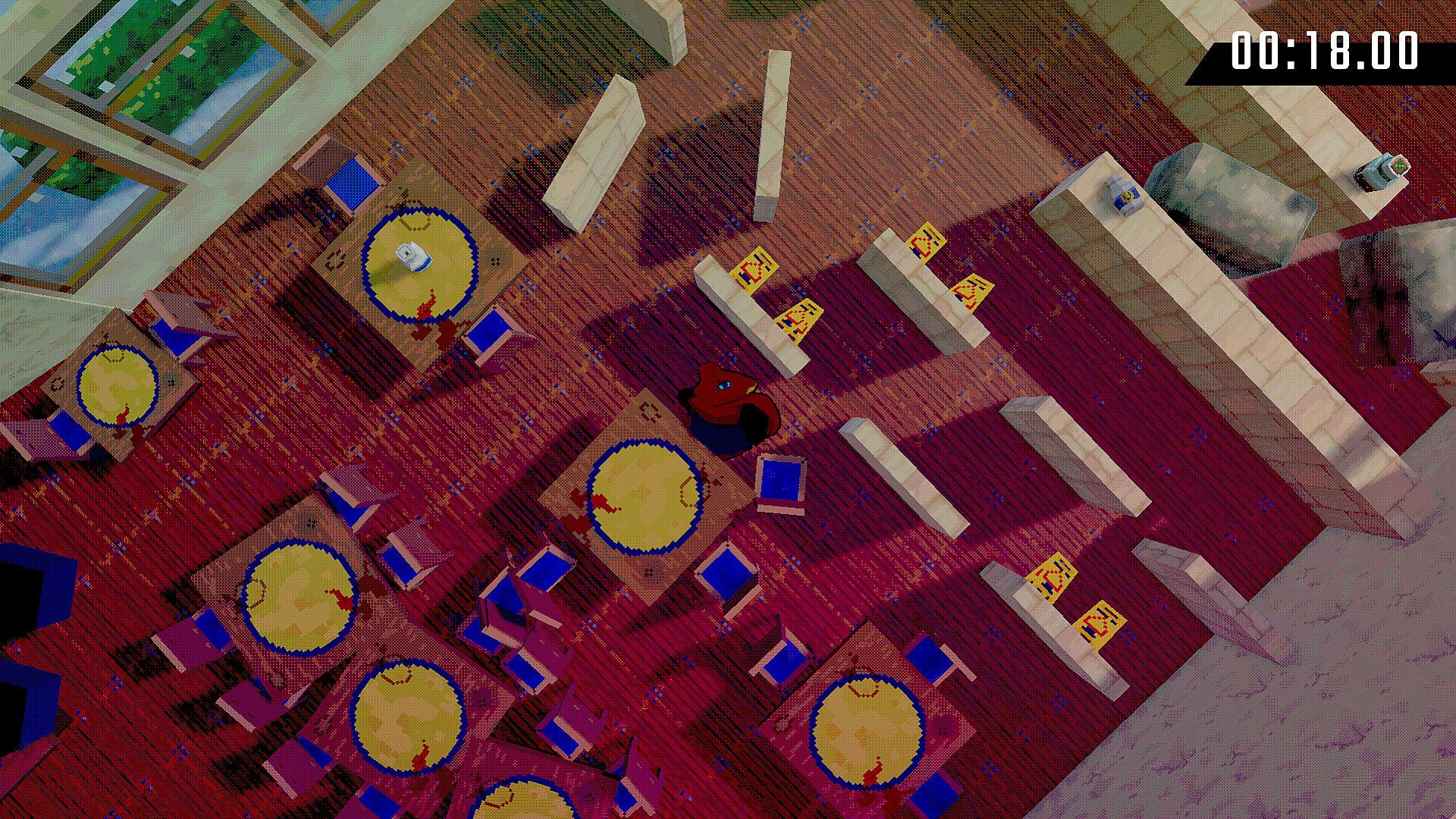
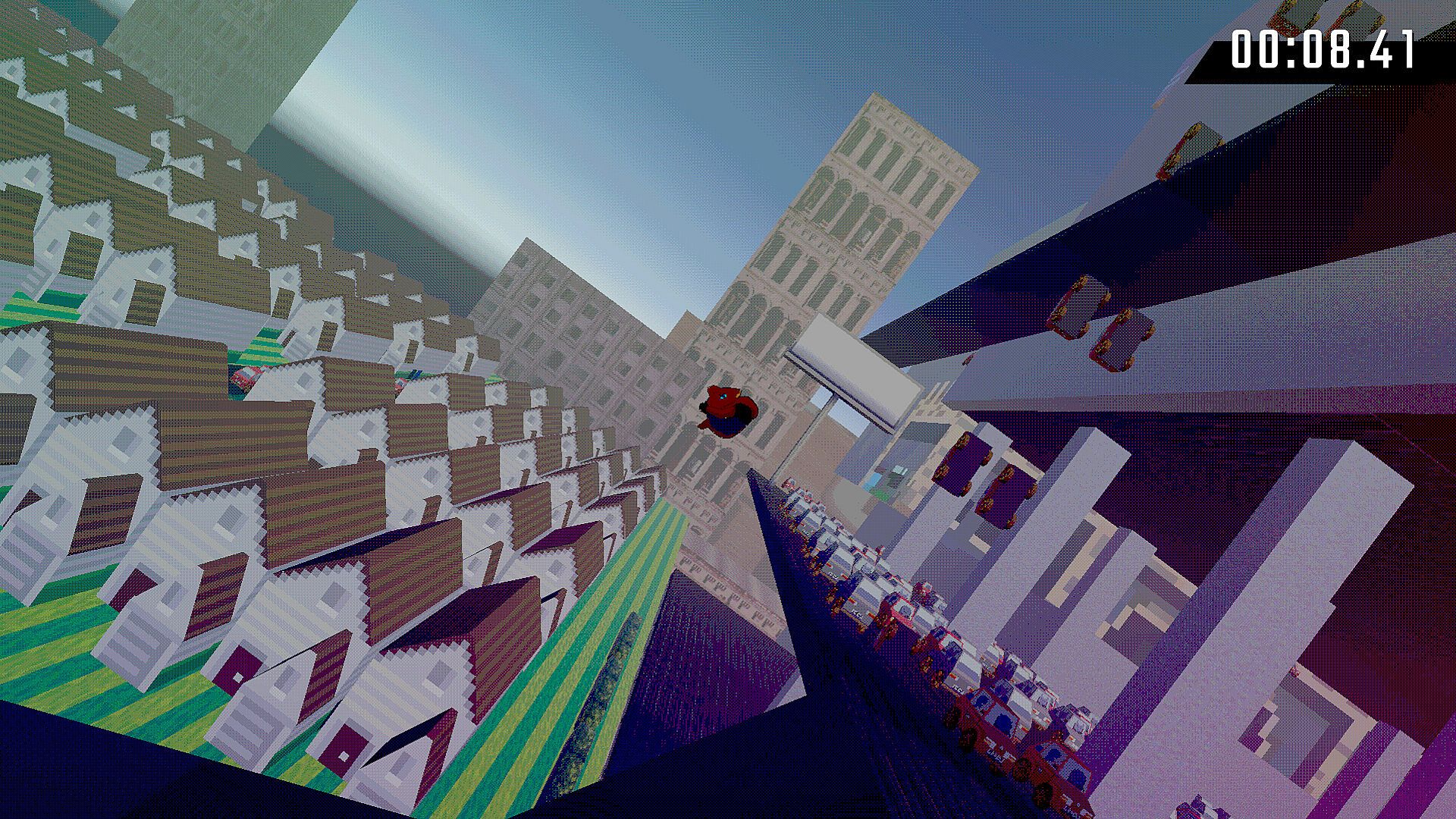
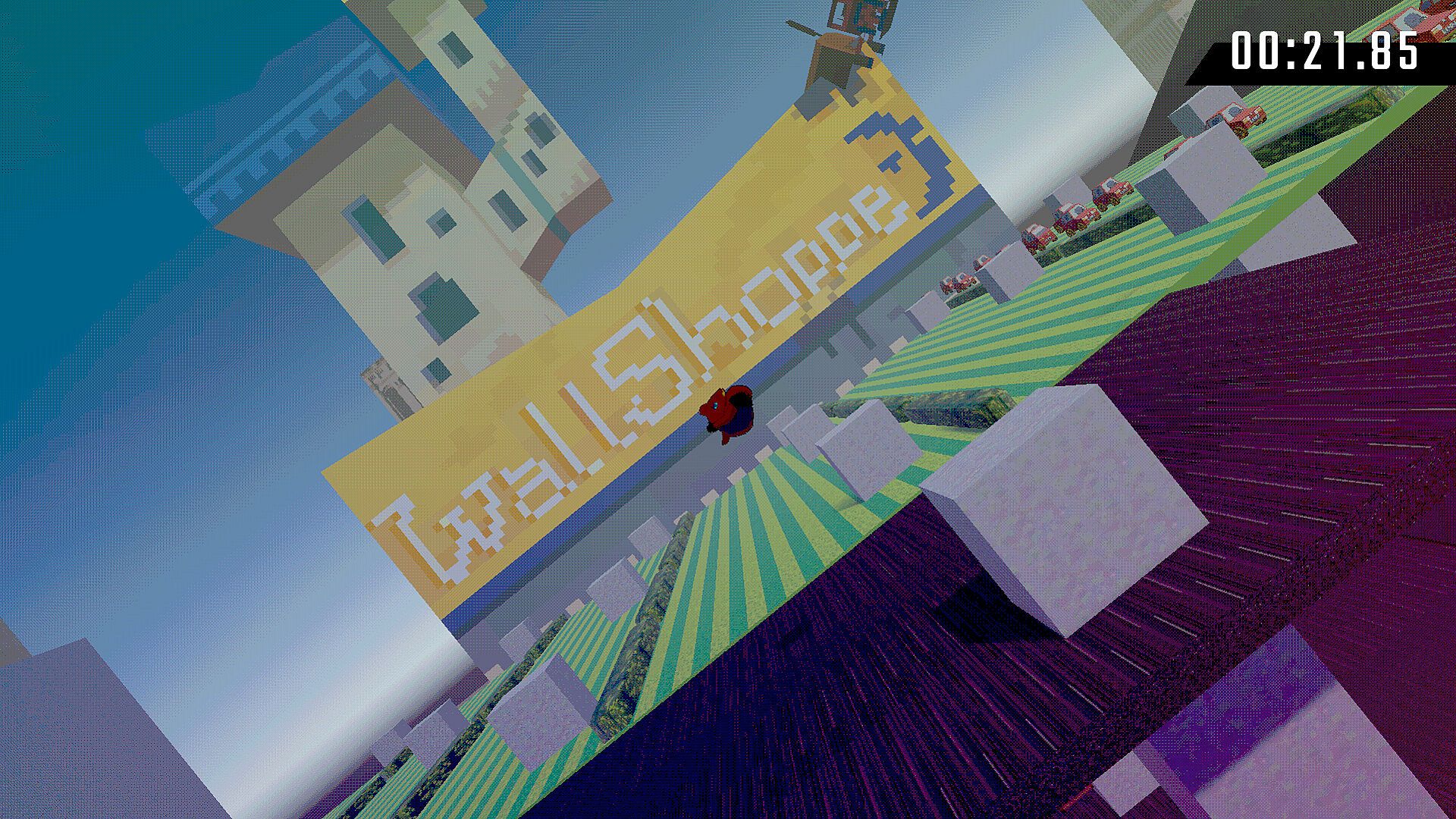
The central mechanic involves a single primary input for directing gravity, which tilts and spins the surrounding world to propel the spherical character forward. This approach draws from classic tilting mechanics while emphasizing physics-driven movement that demands exact timing and momentum management. Levels unfold across twenty distinct stages inspired by retro game aesthetics, progressing from bustling city streets filled with moving vehicles to the confines of an evil glue factory.
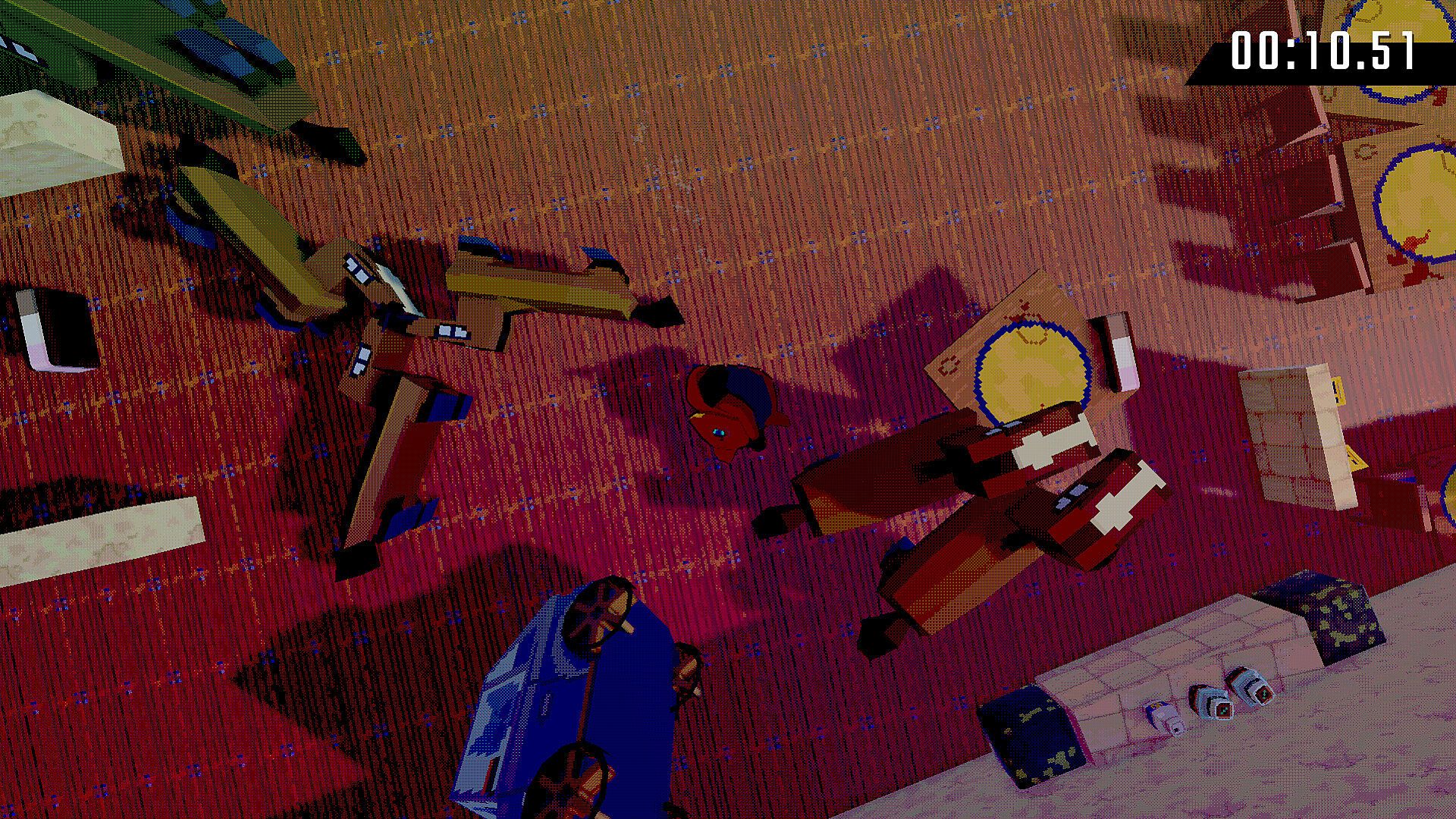
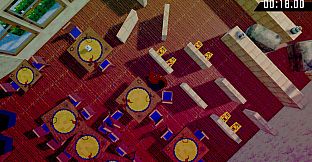
Obstacles include speeding cars as natural hazards, aggressive equestrian figures, and static barriers that require creative path adjustments. Each stage includes an in-game stopwatch to track completion times, adding a layer of personal challenge for players seeking faster runs. Scattered throughout are hidden carrot-flavored ice cream sandwiches that serve as collectibles, encouraging thorough exploration of the quirky environments without altering the main progression.
Control options extend beyond standard inputs to support high-precision hardware such as the Ploopy Knob, alongside native compatibility with mouse scroll wheels and trackpads. The design prioritizes satisfying, responsive feedback during repeated attempts, where unexpected elements can abruptly end a run and force restarts from checkpoints or level starts.
Game Modes
The experience centers on a linear single-player campaign structured around the twenty individual levels. Progression involves clearing each stage by reaching the end while managing gravity shifts to avoid hazards and collect optional items. Time tracking via the built-in stopwatch functions as an integrated challenge element on every level, allowing players to compare personal bests or simply aim for completion without external leaderboards.
No separate multiplayer or competitive modes appear in the design. The focus remains on solo navigation through the surreal landscapes, with the narrative thread of seeking revenge on the responsible organization providing context for the sequence of stages. This setup suits repeated solo sessions aimed at mastering specific sections or uncovering all hidden collectibles.
Level Design and Progression
Stages draw from retro-inspired themes while incorporating modern physics interactions that create unpredictable outcomes. Early areas introduce basic gravity tilting in open city settings, then shift toward tighter industrial spaces where barriers and moving threats demand finer adjustments. The handcrafted nature ensures each level presents unique combinations of obstacles and environmental quirks tied to the horse-themed world.
Collectible ice cream sandwiches reward deviation from the direct path, adding replay value without mandatory collection for completion. The overall structure builds toward a climactic confrontation implied by the revenge motif, though the emphasis stays on moment-to-moment control rather than complex story branches or additional systems.
Is It Worth Playing?
Players drawn to precision platformers with unconventional controls and high frustration tolerance will find the gravity-rotation system engaging for short, focused sessions. The twenty levels offer enough variety in surreal settings and obstacle types to sustain interest through multiple attempts, particularly for those who enjoy games built around momentum and instant feedback loops.
The absence of multiplayer or seasonal content keeps the scope contained to the core single-player campaign, making it suitable for individuals seeking a self-contained indie experience rather than ongoing updates. Those comfortable with rage-platformer mechanics and alternative input methods like scroll wheels or dedicated knobs may appreciate the tuned responsiveness, while others preferring traditional movement schemes could find the learning curve steep. Overall, it delivers a targeted challenge for fans of physics manipulation and retro-flavored level design.