



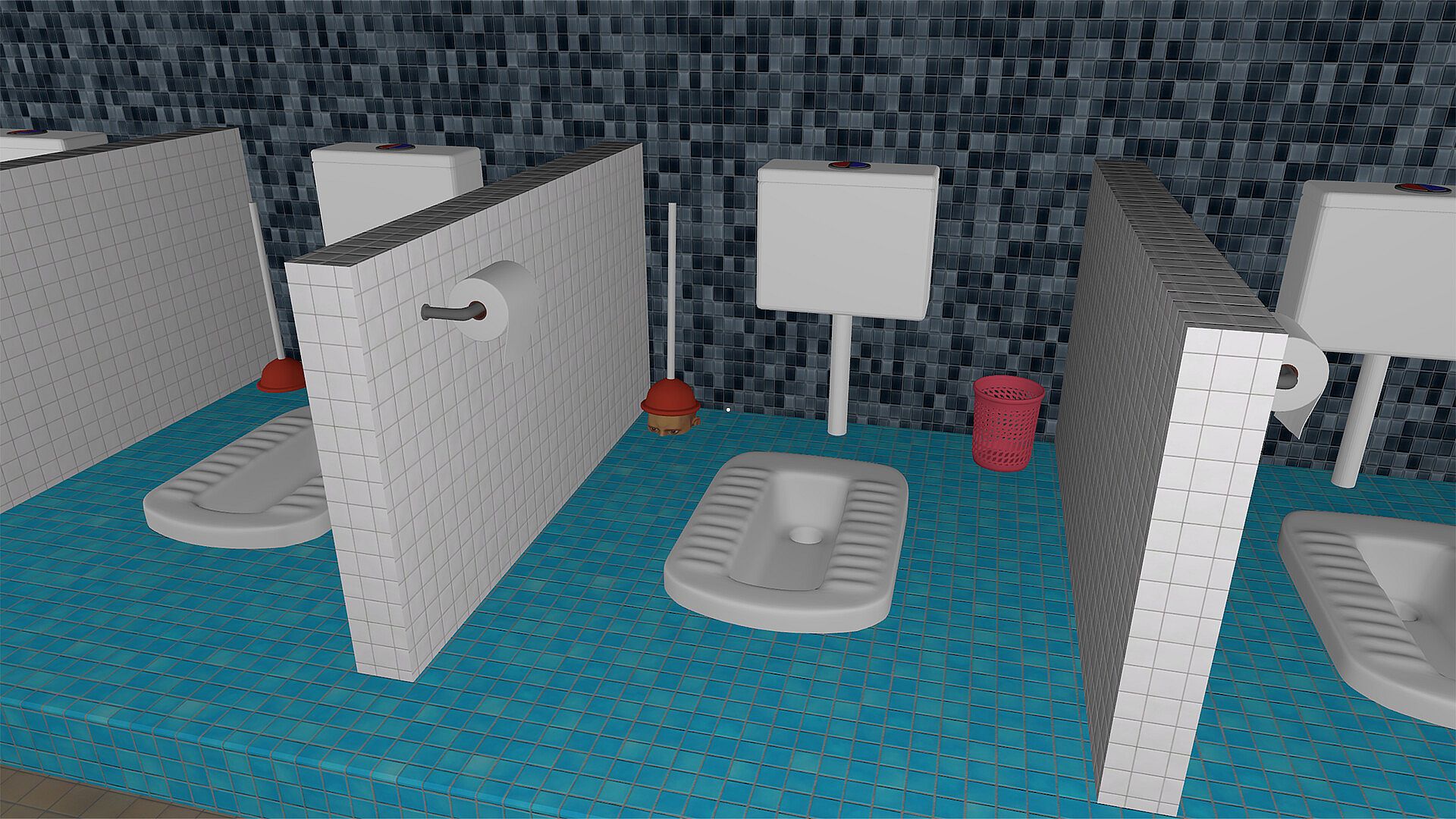
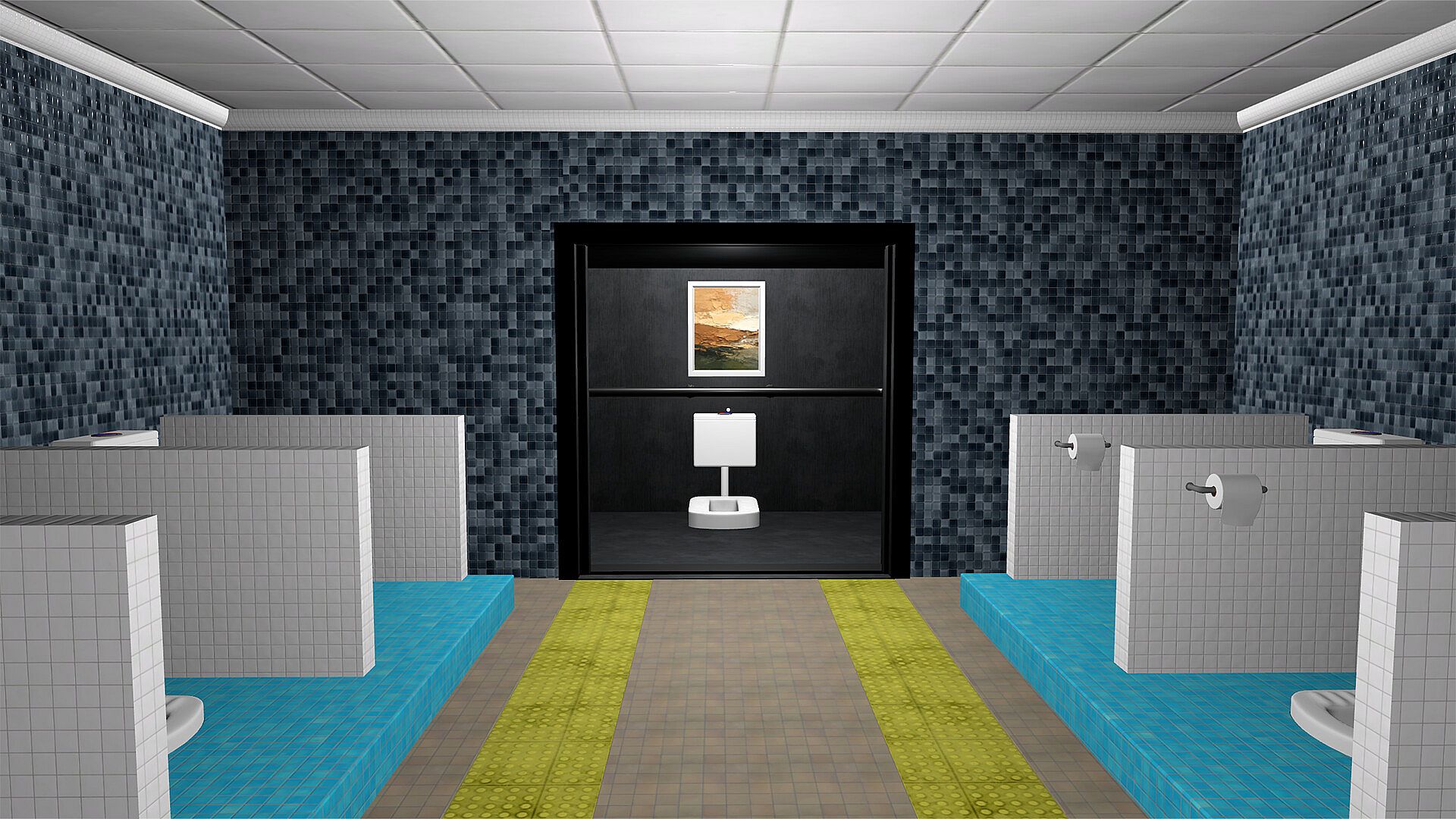
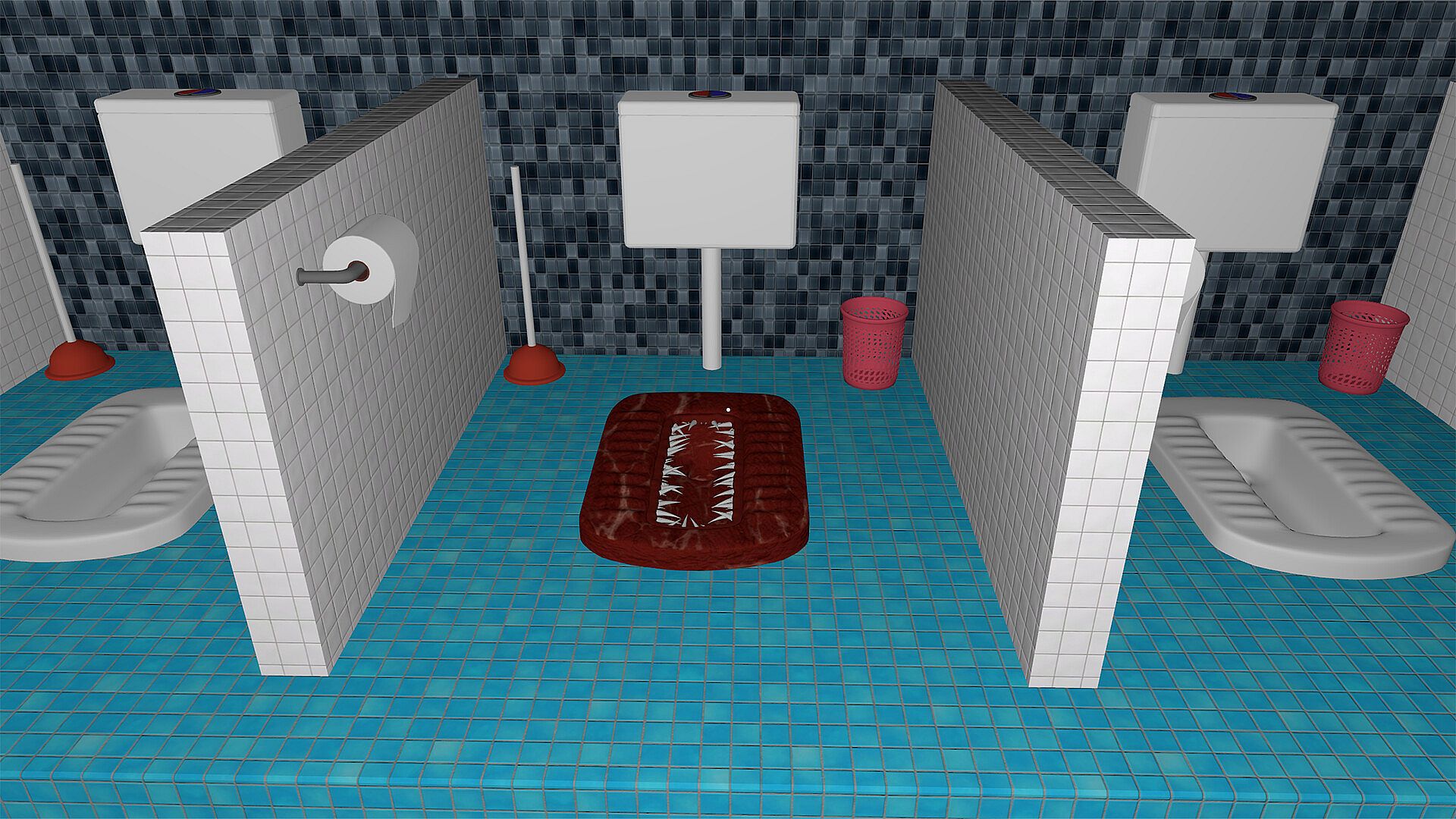
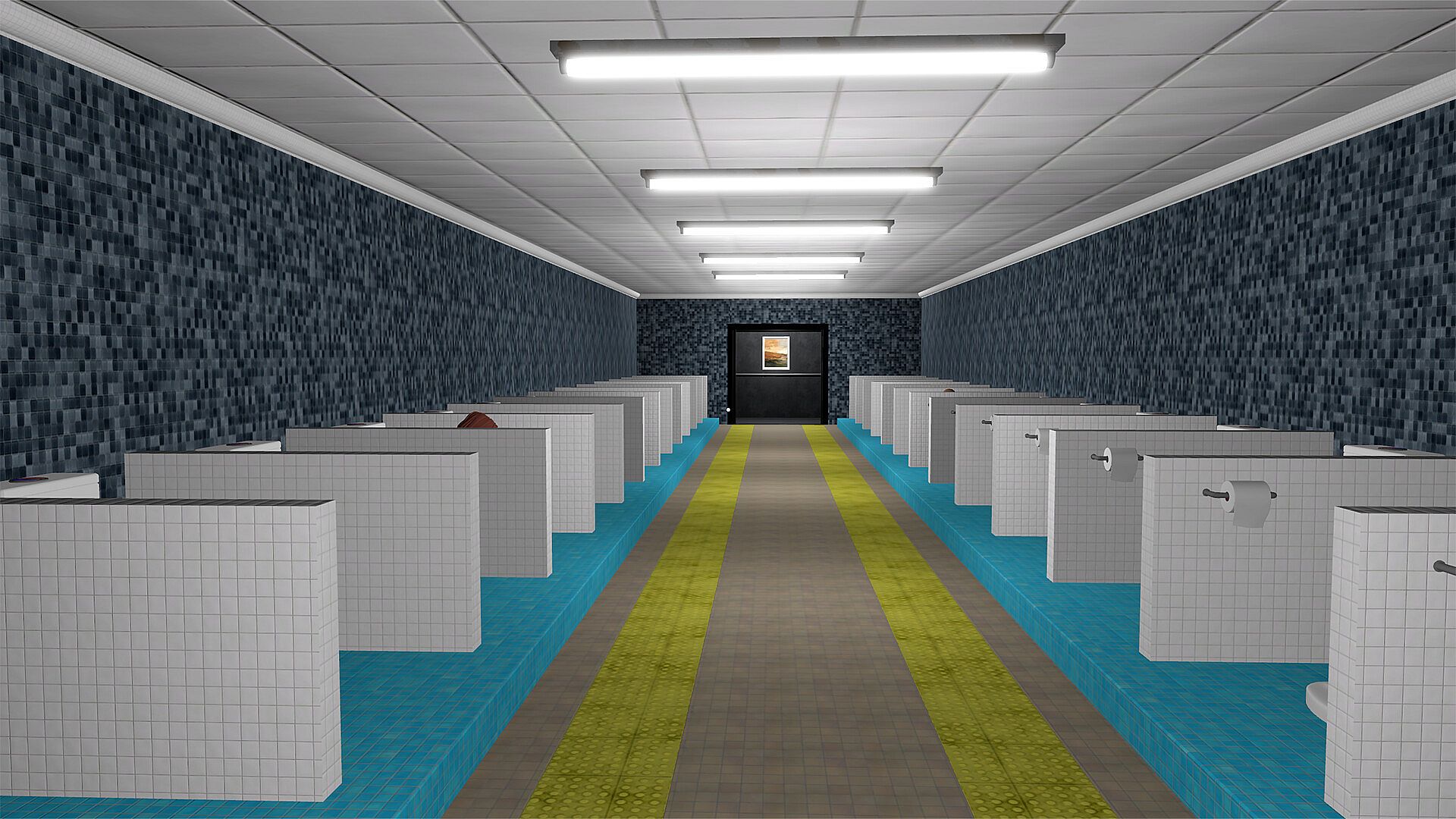
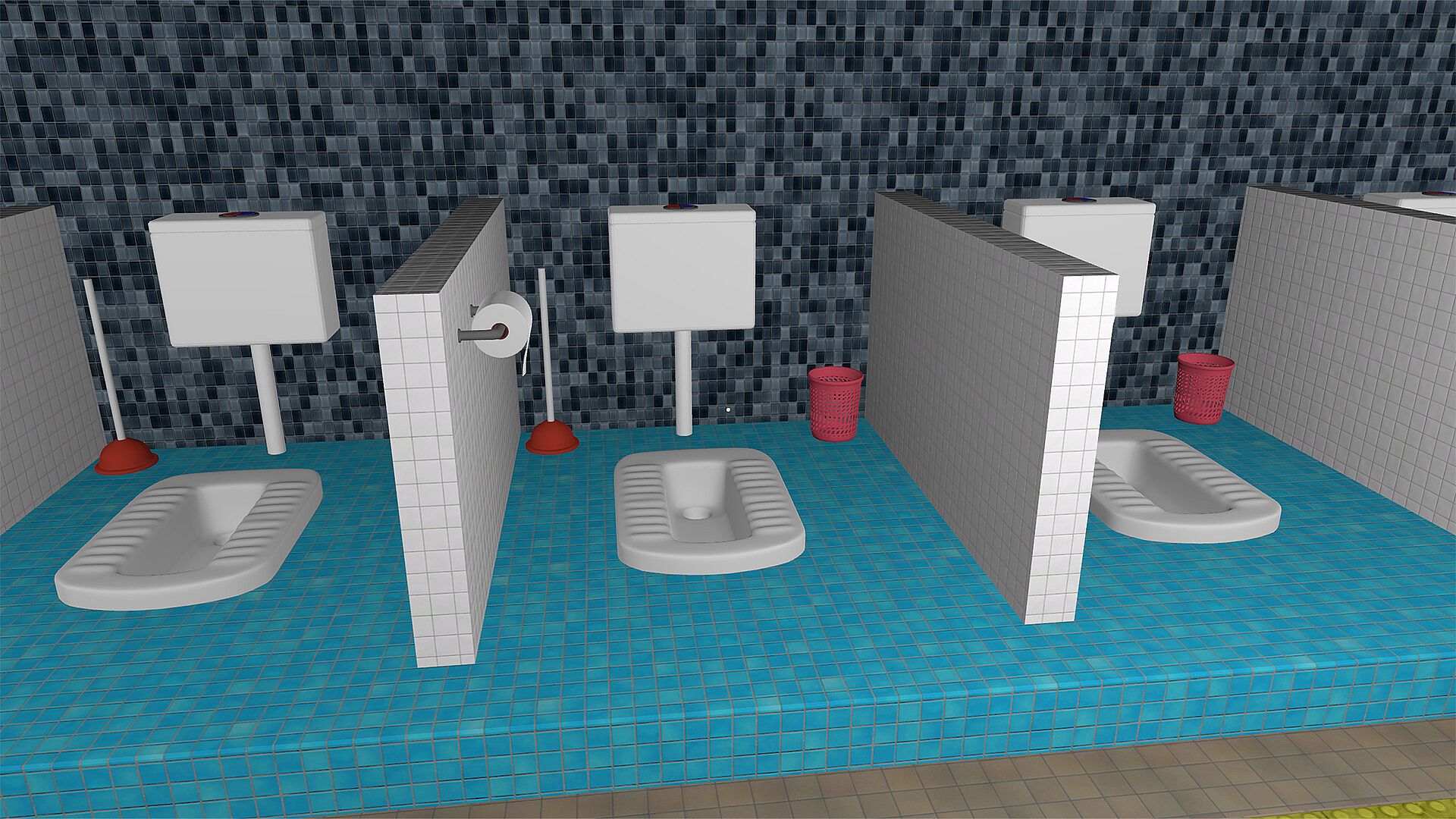
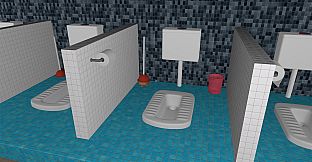
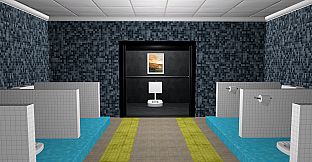
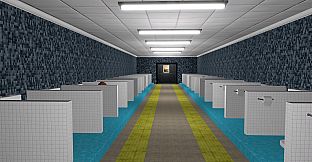
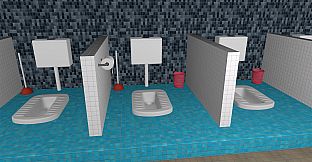
Toilet 101 is a single-player observation puzzle game that places players in the role of someone navigating a public restroom on the 60th floor of a building. The experience draws from liminal spaces and looping environments to create a focused task of spotting subtle changes in familiar surroundings.
Gameplay
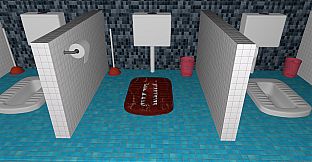
The core loop involves entering Restroom No. 101 and examining the space for any anomalies. Players must inspect details carefully without missing traces that indicate something out of place. Once the check is complete, the decision comes down to pressing one of two elevator buttons: the X button signals an anomaly detected, while the check button indicates everything appears normal. This process repeats across multiple instances of the restroom, building tension through repetition and the need for consistent attention to visual cues.
The game emphasizes careful observation over action or combat. Environments feature standard restroom fixtures arranged in ways that highlight minor inconsistencies, such as altered objects or unexpected details. The simulation elements come through in the realistic layout and mundane setting, while the adventure aspect stems from progressing through successive restroom visits toward the titular location. As an indie title, it keeps mechanics straightforward and accessible for short sessions.
Game Modes
Toilet 101 operates entirely as a single-player experience with no separate modes or multiplayer options. The gameplay centers on the repeated observation and decision-making cycle described in the core loop. There are no additional variants, challenges, or alternate play styles confirmed beyond this focused puzzle format.
Visual Style and Atmosphere
The presentation relies on eerie, looping restroom environments that evoke liminal spaces. Lighting and layout remain consistent enough to make anomalies stand out, encouraging players to scan methodically. Sound design supports the quiet, unsettling mood without overpowering the visual focus. This approach suits the casual and simulation genres by prioritizing atmosphere and detail over complex systems.
Who the Game Appeals To
Fans of short-form puzzle games that reward patience and attention to detail will find the mechanics align with their interests. The indie casual nature makes it approachable for players seeking something different from action-heavy titles, while the adventure elements provide a light narrative thread through progression. Those drawn to games involving anomaly detection or unusual everyday settings may appreciate the premise.
Is It Worth Playing?
The game launches with a demo available for those wanting to try the observation mechanics firsthand. As a new release with no user reviews yet available, reception remains to be seen, but the verified single-player structure targets players who enjoy methodical puzzle solving in a contained setting. It suits individuals looking for a concise experience centered on visual scrutiny rather than extended campaigns or competitive elements. If the concept of spotting changes in repetitive, eerie spaces matches personal preferences, the title offers a direct way to engage with that idea.