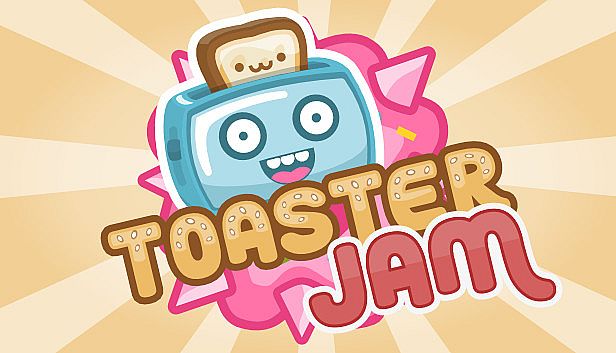












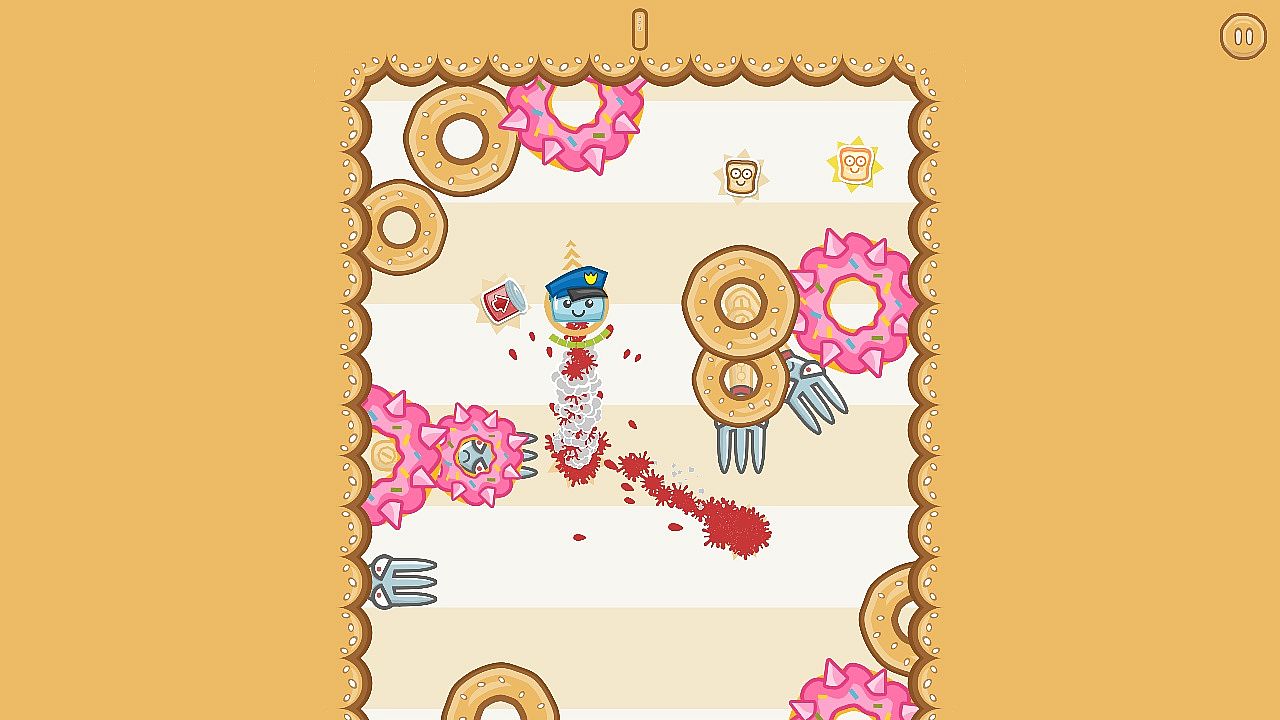
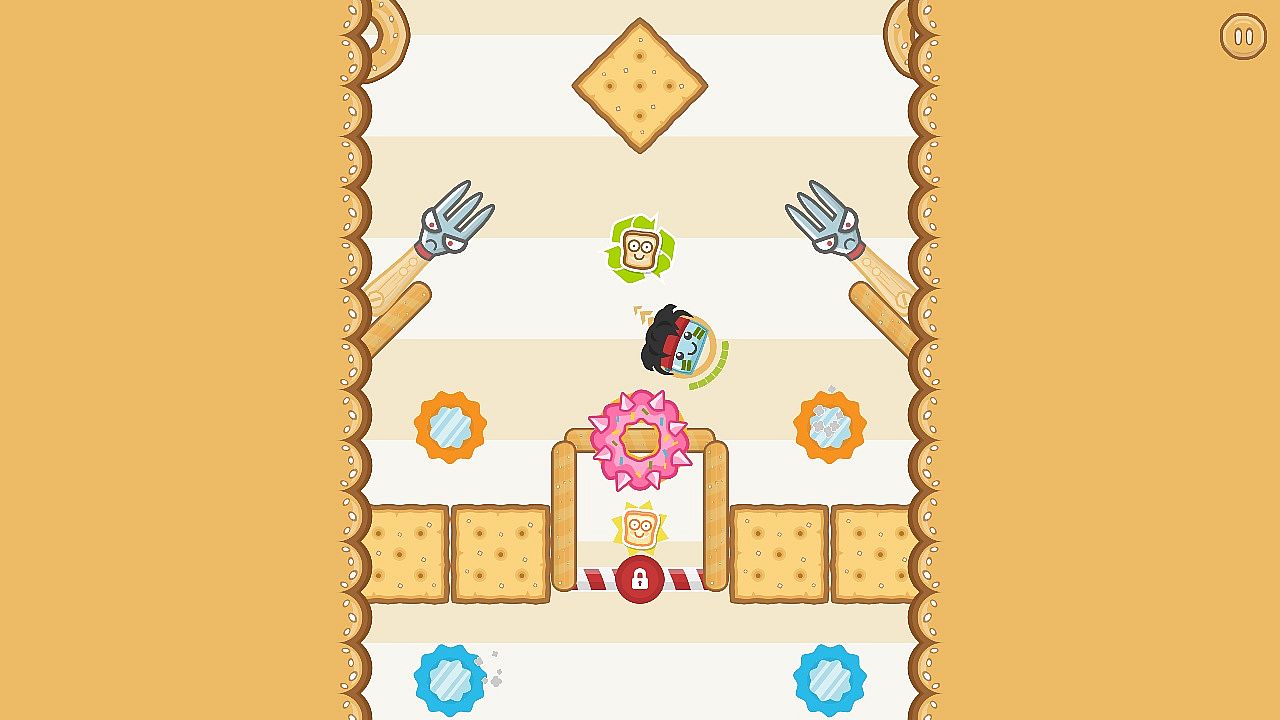
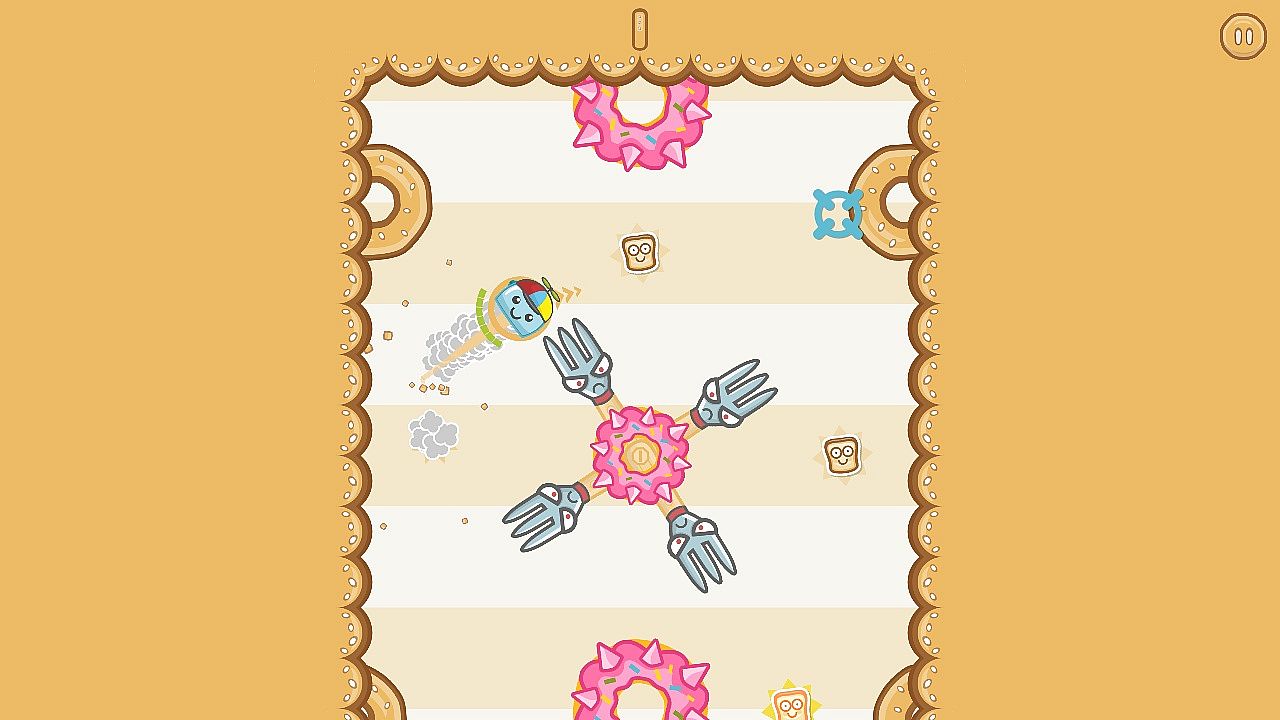
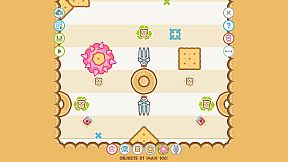
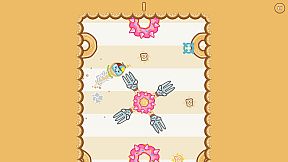
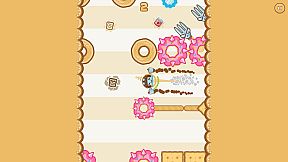
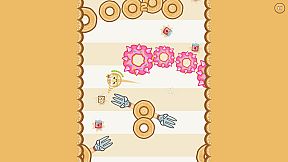
Toaster Jam is an indie casual arcade game for PC that combines fast reflexes with light puzzle solving in a breakfast themed setting. Players control a small toaster navigating kitchen hazards while collecting and toasting slices of bread for points. The core loop centers on quick movement and timing to avoid obstacles while maximizing toast output across structured challenges and open ended runs.
Gameplay
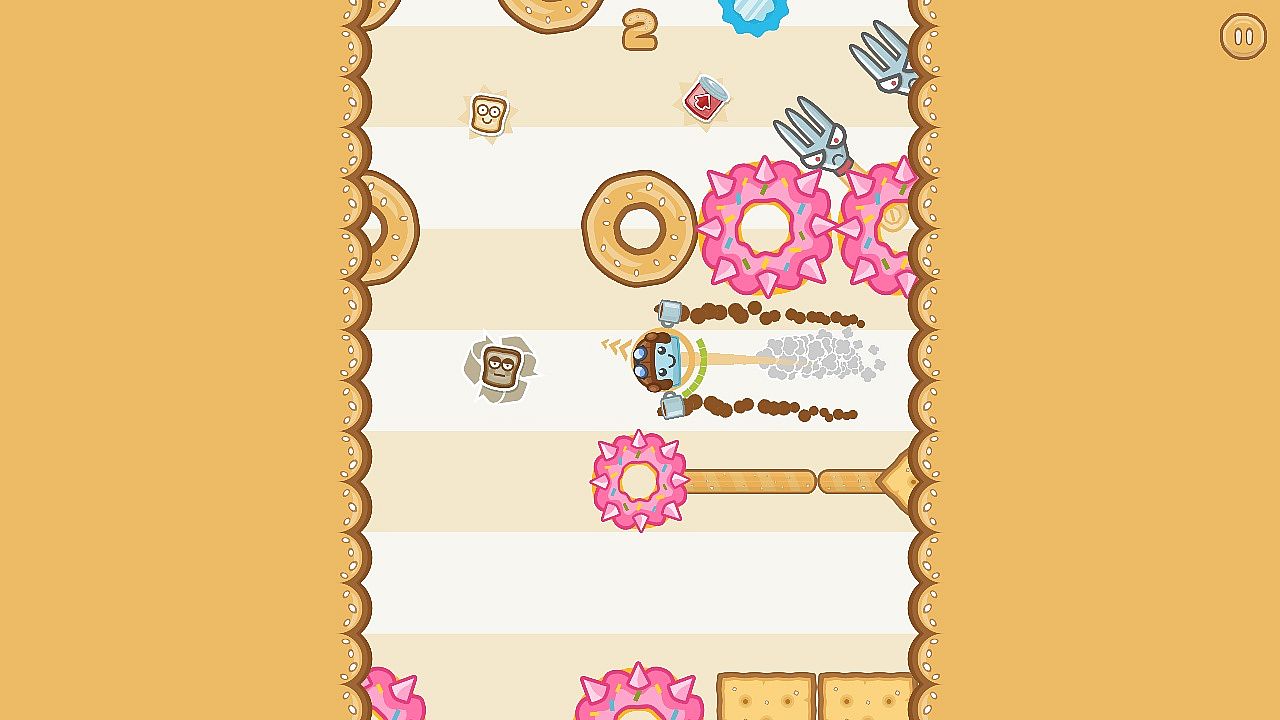
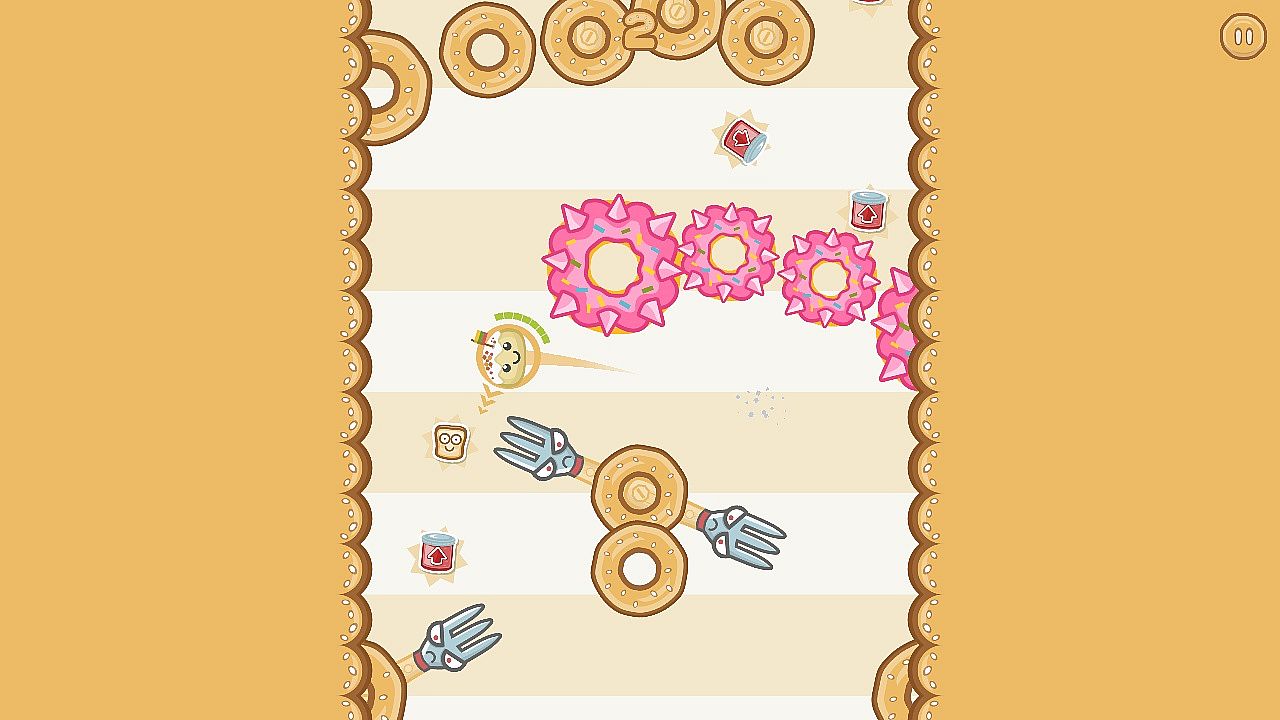
The central mechanic involves steering the toaster through linear paths filled with hazards such as spiky doughnuts and aggressive forks. Success depends on precise navigation and rapid decisions to keep the toaster moving forward without collisions. Bread slices appear along the way, and toasting them forms the main scoring objective. Coffee and jam items serve as temporary power ups that increase speed or provide other advantages to help finish sections more efficiently and build higher totals. The visual style stays simple and colorful with a focus on the breakfast motif, keeping attention on the movement and timing rather than complex graphics or narratives.
Progression relies on completing individual stages that grow in complexity. Each stage presents a fixed layout where players must learn the placement of obstacles and optimal routes. Power ups encourage experimentation with different paths to shave seconds or avoid risky areas. The game emphasizes short, repeatable attempts that reward practice and pattern recognition over long campaigns or story elements.
Game Modes
Structured levels form the primary experience, with more than forty distinct stages designed to test increasing skill levels. These stages follow a clear start to finish format where the goal is to toast as much bread as possible while reaching the end safely. Separate from the levels are three distinct endless obstacle courses that shift focus to survival and high score chasing. In these modes the toaster moves continuously through procedurally varied or repeating hazard patterns, and players aim to last as long as possible or accumulate the highest toast count before a collision ends the run.
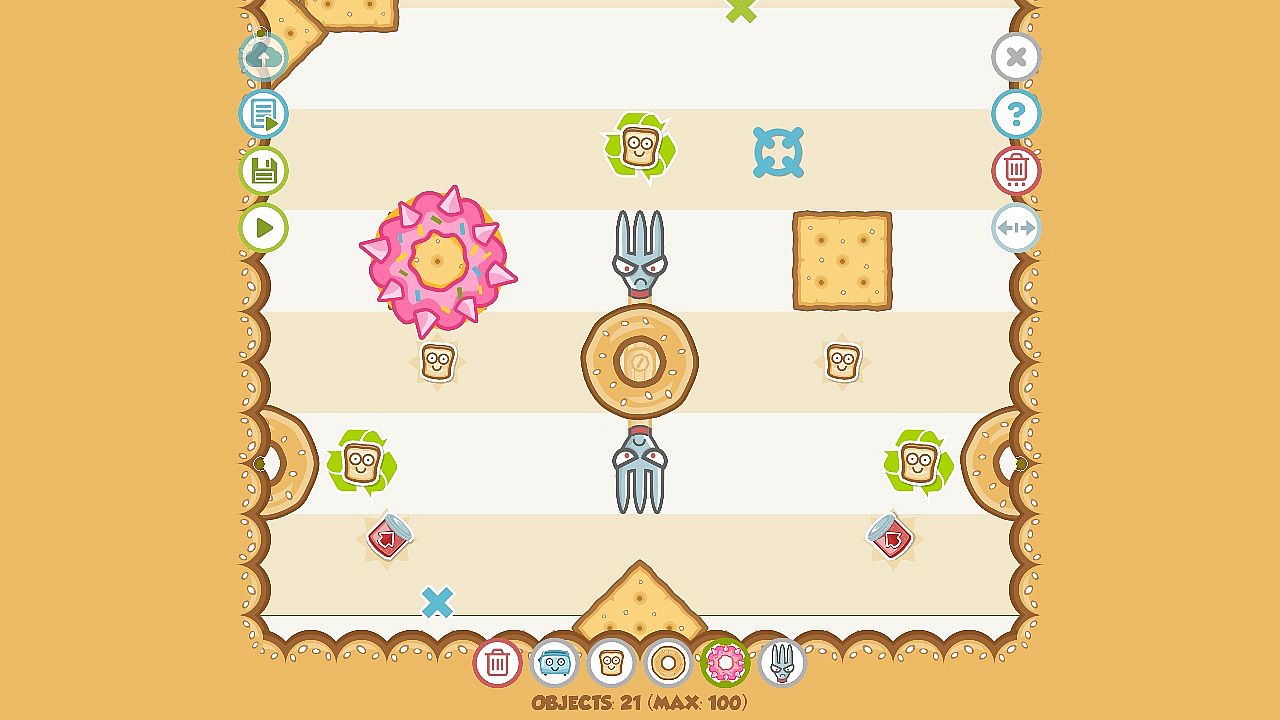
A built in level editor allows creation of custom stages with sharing options through integrated workshop tools. This extends the core systems by letting players design their own layouts of obstacles and bread placements for personal challenges or community play. Additional unlockable toaster appearances provide minor visual variety without altering mechanics.
Progression and Features
Steam achievements track milestones such as completing sets of levels or collecting specific numbers of power ups like jams and coffees. Trading cards add another layer of engagement for collectors. The level editor integrates directly with workshop features to support sharing and downloading community creations, expanding the available content beyond the initial forty plus stages and three endless courses.
Controls remain straightforward with keyboard or mouse input suited to precise directional changes. Sessions tend to be brief, making the game suitable for quick play periods where players can attempt a few levels or one endless run and return later. The design avoids complex systems like character classes or branching stories, keeping every run centered on the same toast collection and hazard avoidance loop.
Is It Worth Playing?
Toaster Jam suits players who enjoy short, skill based arcade experiences with a light puzzle twist. Its breakfast theme and simple controls make it accessible for casual sessions, while the growing difficulty in later levels and the endless courses provide ongoing challenge for those seeking higher scores. The low price point combined with the included level editor and achievement support gives it replay value for fans of reflex games who appreciate creating or trying custom content. Reviews describe it as fun and challenging in a straightforward way, with no major updates or seasonal content reported since its initial release. If the idea of guiding a toaster past kitchen obstacles appeals and sessions under an hour at a time fit your schedule, it delivers exactly that focused experience without unnecessary extras. Those looking for deeper systems or multiplayer elements will find the scope intentionally narrow.