











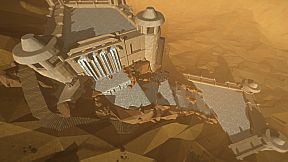

TIMEframe is an indie casual exploration game for PC that places players in a world moving at a deliberately slow pace. Time feels stretched as the environment unfolds gradually, inviting close observation of a civilization facing its end. The experience lasts roughly ten minutes per session yet encourages multiple returns to notice details missed on earlier passes.
Gameplay
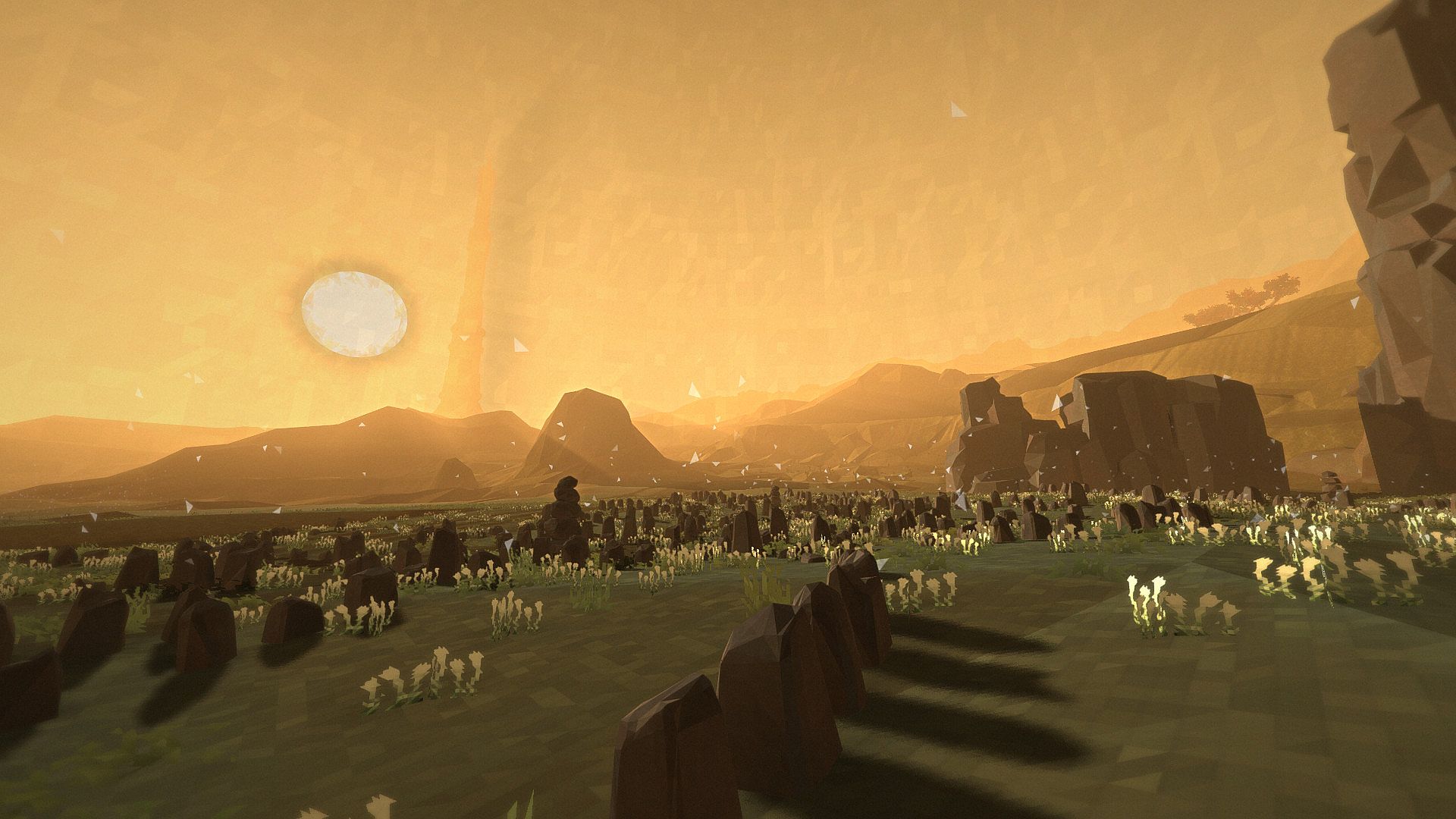
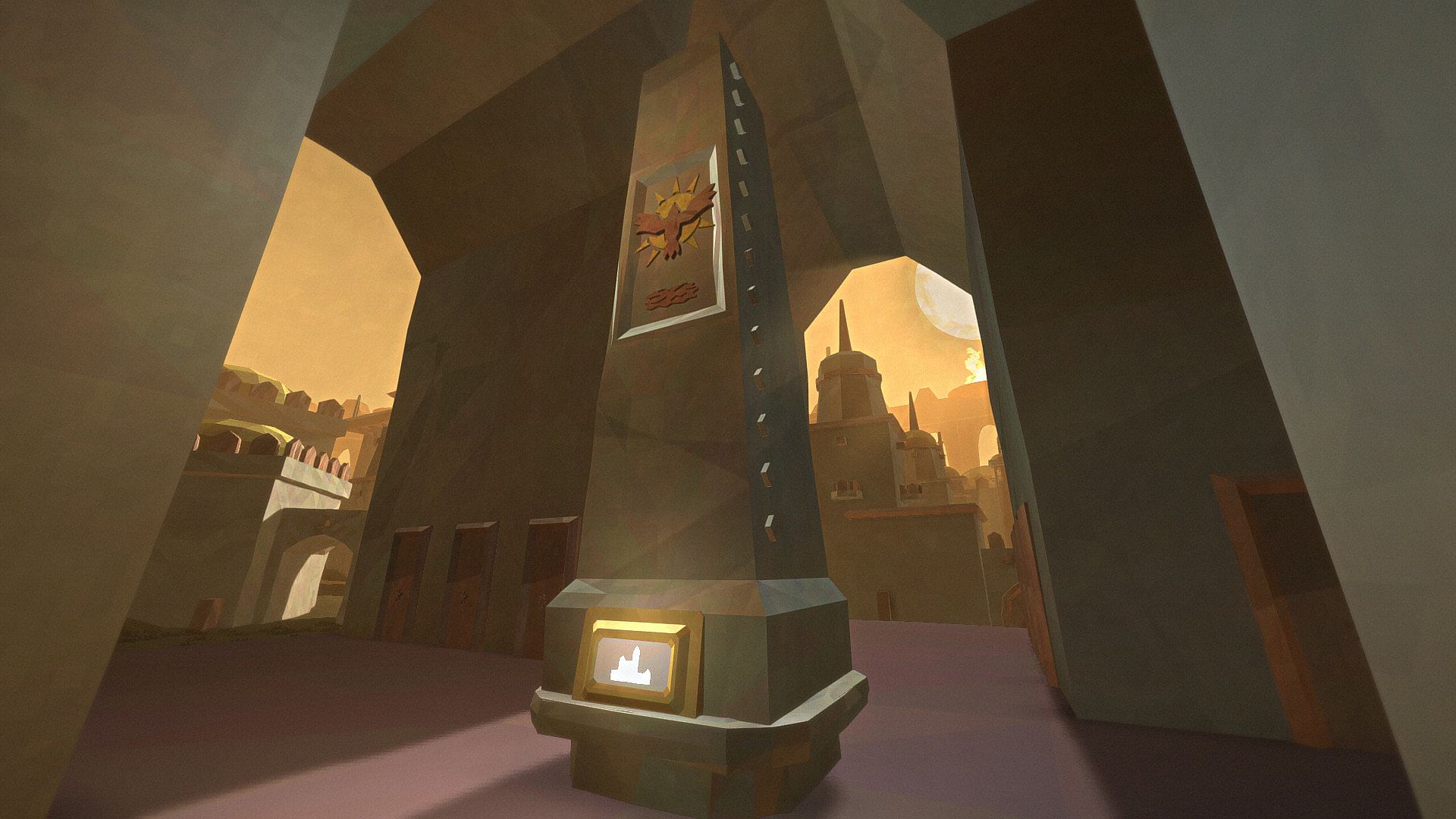
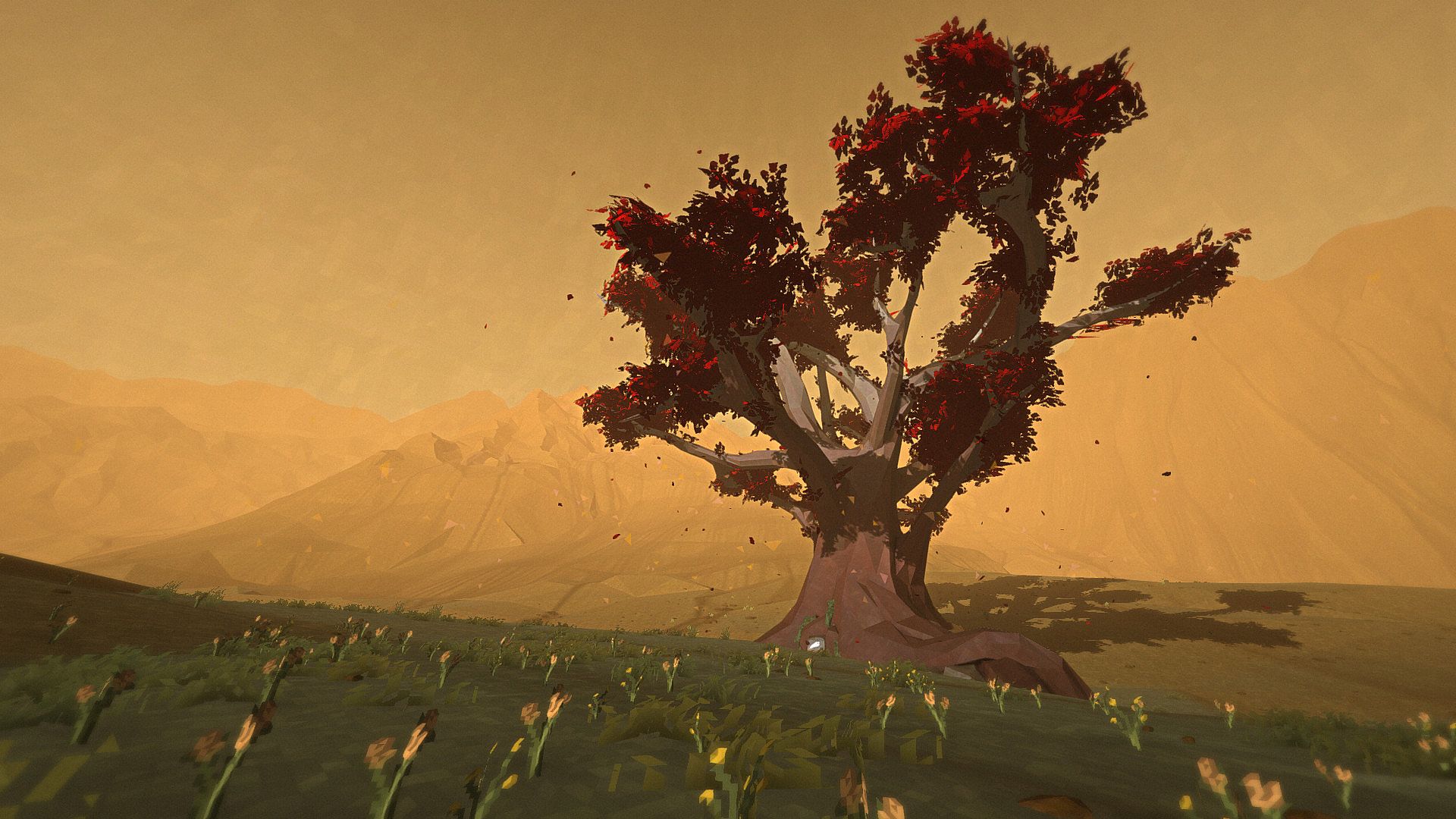
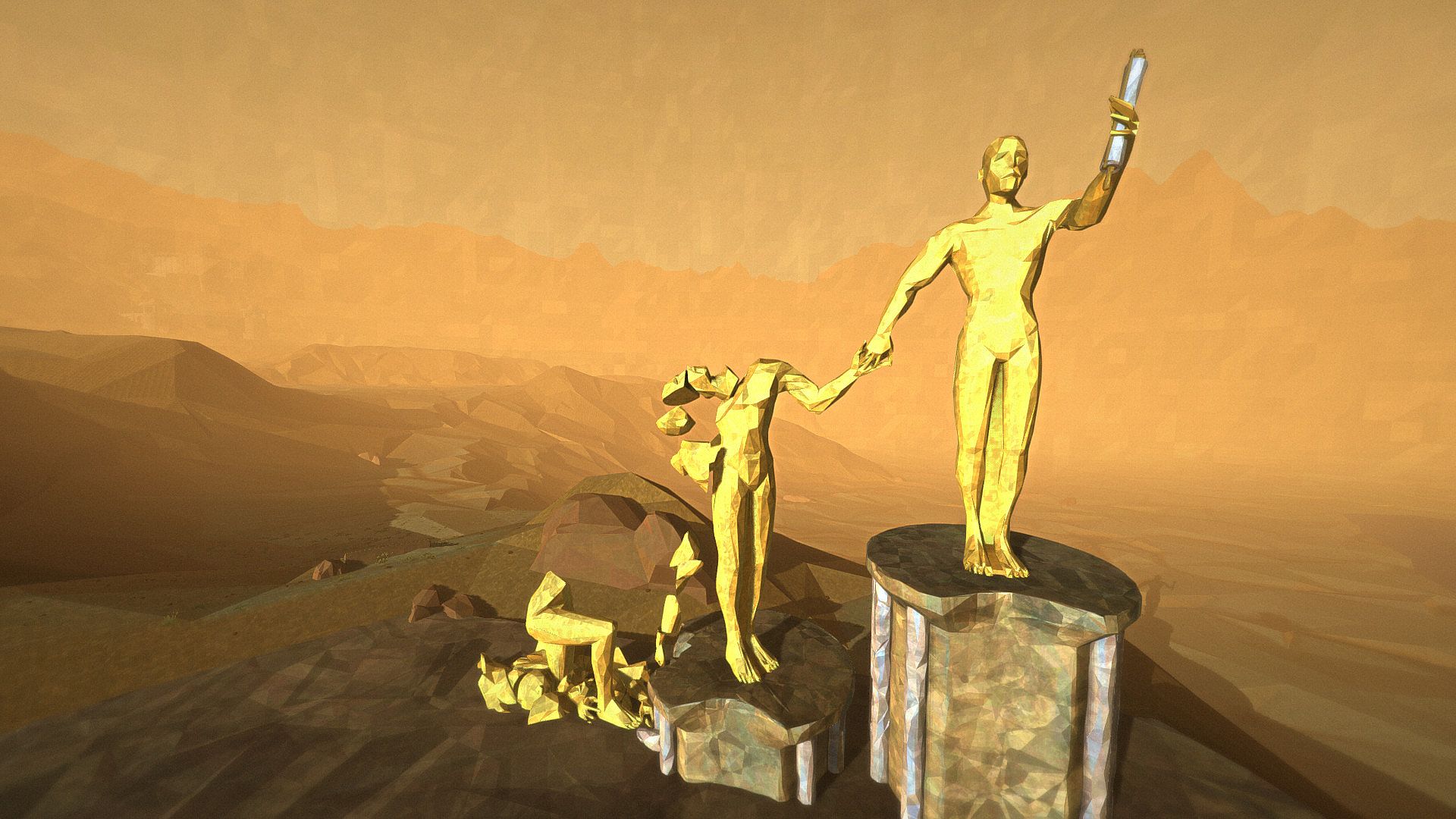
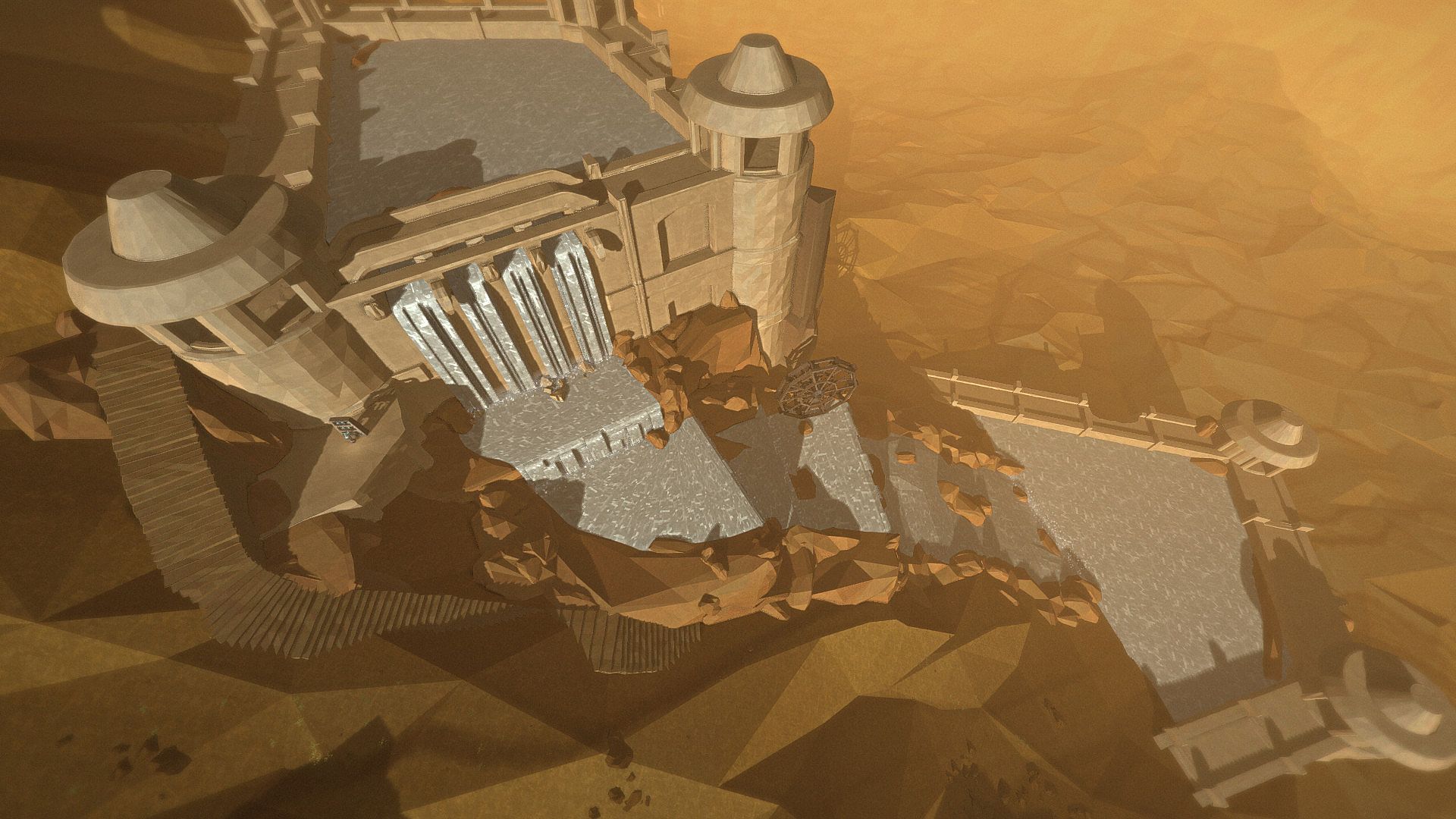
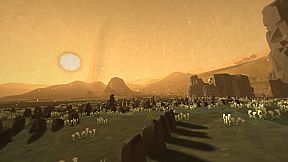
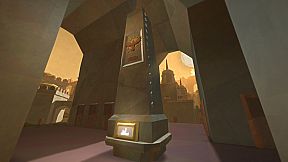
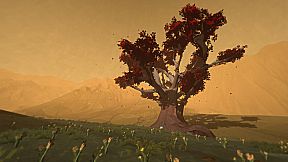
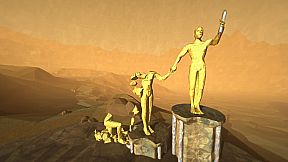
The core loop centers on walking through environments rendered in a polygonal style that echoes early three-dimensional console graphics while adding contemporary lighting and texture work. Movement occurs in slow motion, turning ordinary steps into deliberate progress that highlights every structure and object. Scattered relics and remnants provide quiet points of interest, each contributing fragments of an unspoken history without requiring combat or complex interactions.
Progression follows a linear path through distinct locations, each accompanied by its own musical theme. The journey builds toward a single world-altering moment that concludes the session. Because the pace remains constant and unhurried, players can linger on any vista or artifact as long as they choose within the fixed window.
Game Modes
TIMEframe offers only a single-player experience with no competitive or cooperative options. The primary activity consists of the ten-minute exploration loop that repeats with the same starting conditions each time. Replay value comes from the density of visual and auditory details rather than branching paths or alternate objectives, allowing different discoveries on successive attempts.
Art Style and Atmosphere
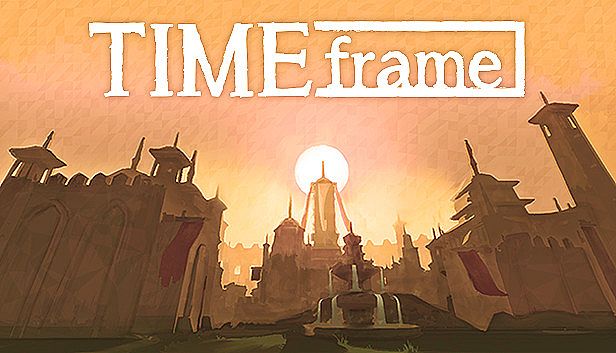
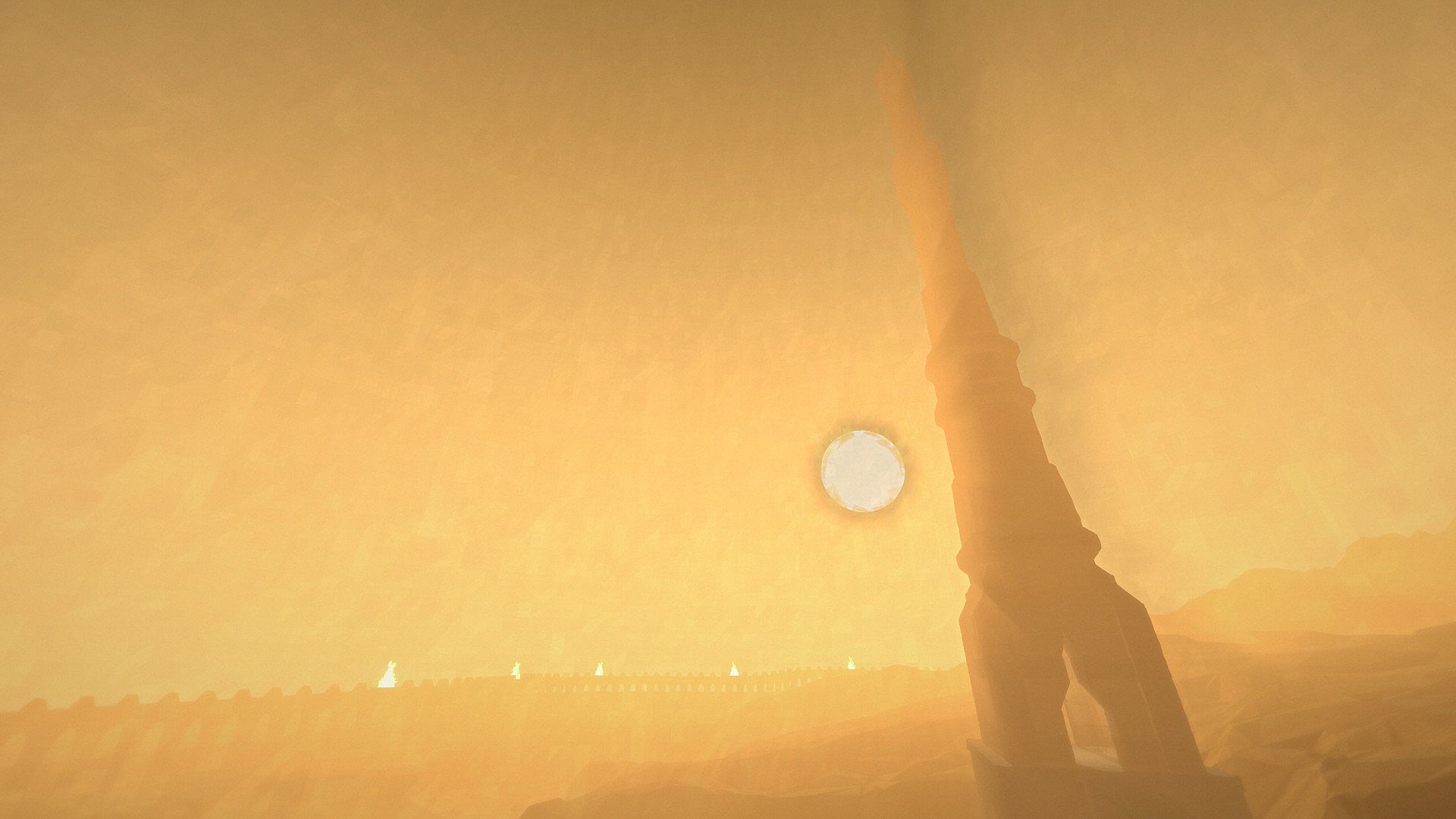
The visual design blends low-polygon models with modern rendering techniques to create a distinctive look that feels both nostalgic and fresh. Environments appear sparse yet purposeful, with every element placed to support the sense of a fading civilization. Lighting shifts subtly across locations, reinforcing the melancholy tone without relying on dramatic effects.
Atmosphere builds through restraint. There are no sudden threats or time pressures beyond the inherent length of each loop. The result is a contemplative space where the player observes rather than acts upon the world.
Soundtrack
Clark Aboud composed an original score that adapts to each area visited. Classical guitar, piano, and cello arrangements play in distinct themes, shifting in mood and instrumentation as the player moves between sites. The music remains understated, serving as an emotional underscore rather than a driving force, and it changes enough across loops to reward repeated listening.
Is It Worth Playing?
Player feedback on the game has been mostly positive, with reviewers noting its effectiveness as a short, focused artistic piece. Those who enjoy walking simulators or meditative experiences often highlight the satisfying sense of discovery within the limited runtime. The absence of ongoing updates or additional content means the package remains exactly as released, which suits players seeking a complete, self-contained session rather than long-term engagement.
Anyone looking for a brief, thoughtful single-player title on PC will find the combination of slow-motion movement, layered soundtrack, and polygonal environments delivers a distinctive mood. Those preferring action, complex systems, or extended campaigns may find the scope too narrow. The game suits quiet play sessions where the goal is reflection rather than challenge or competition.