


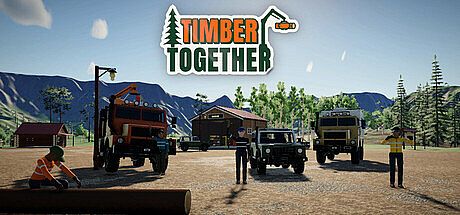


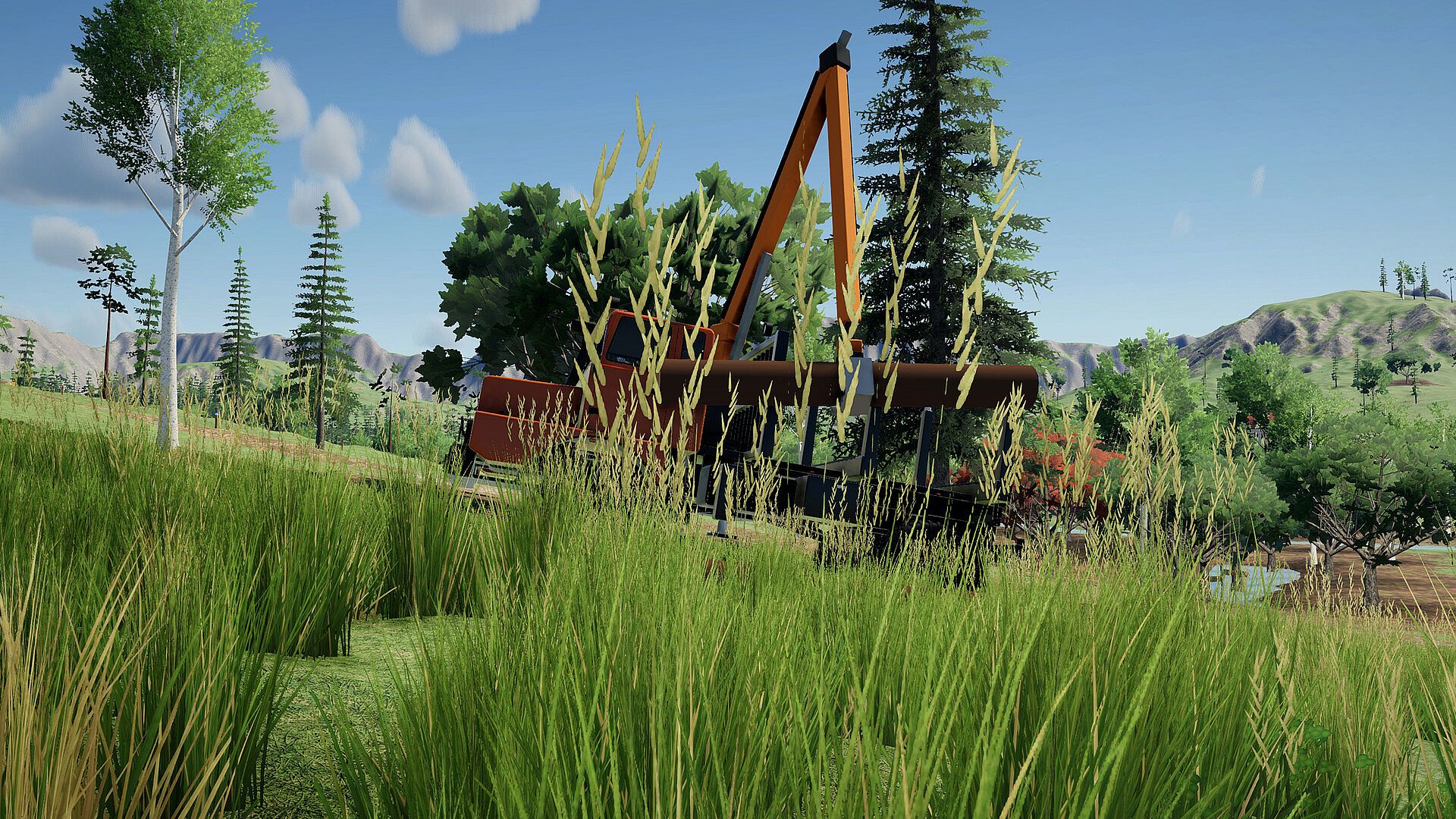
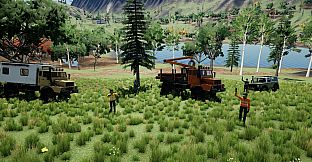
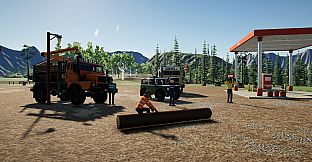
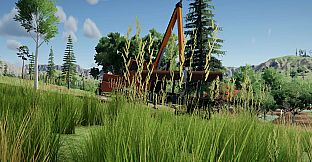

Timber Together is an indie simulation game centered on cooperative logging for one to eight players on PC. Players begin with basic tools in a quiet forest valley and build a shared logging operation through teamwork and strategic decisions.
Gameplay
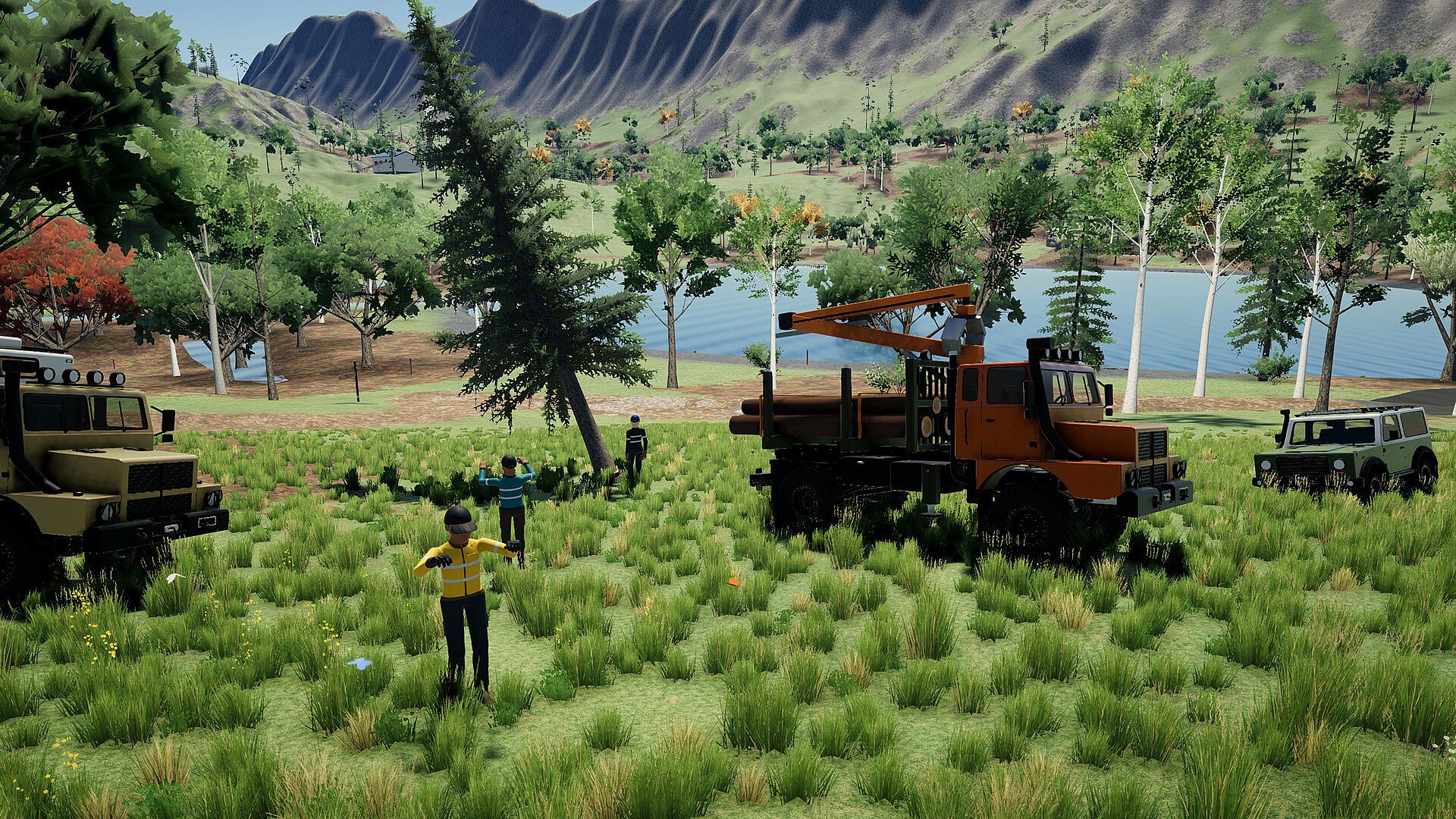
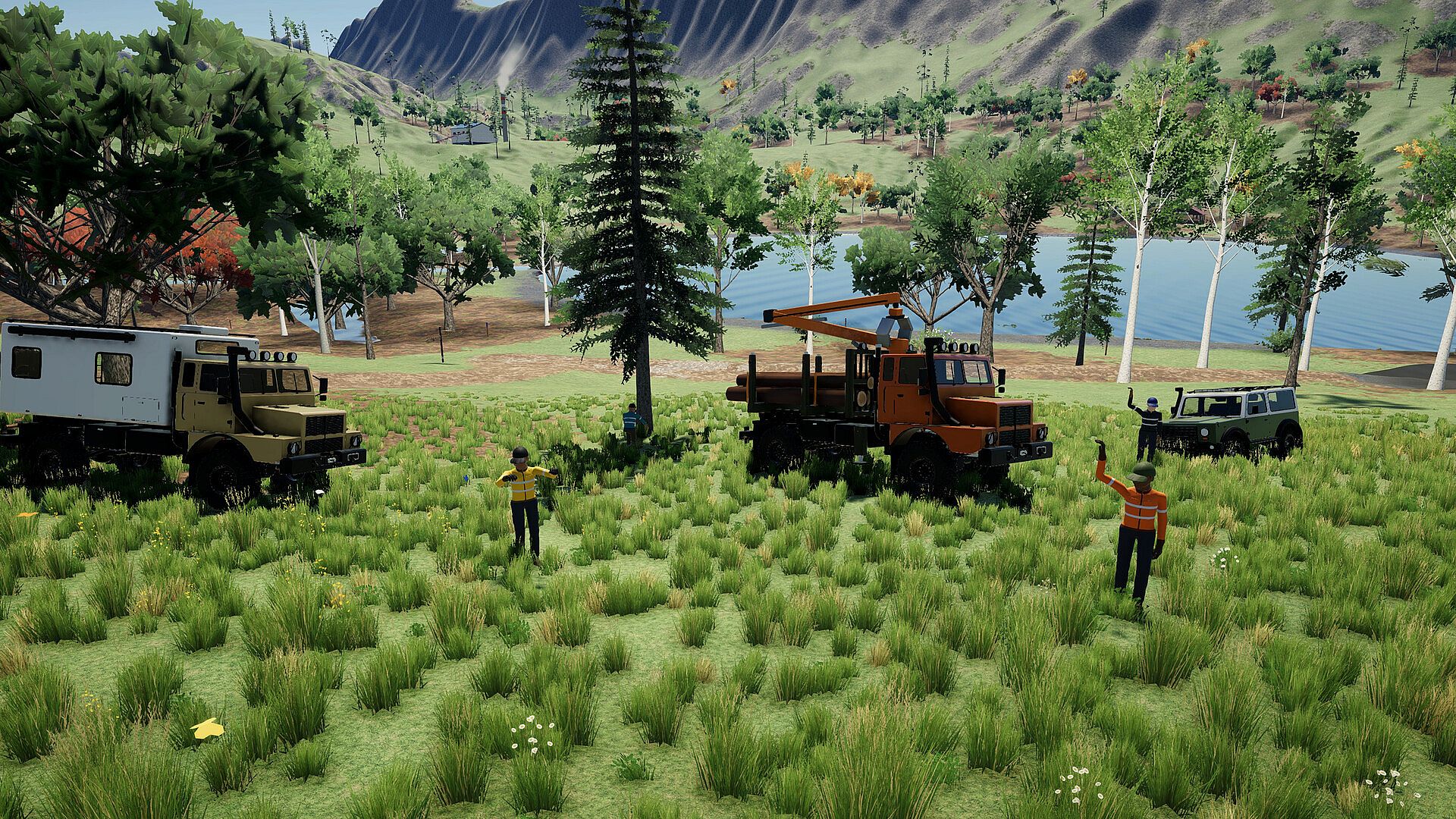
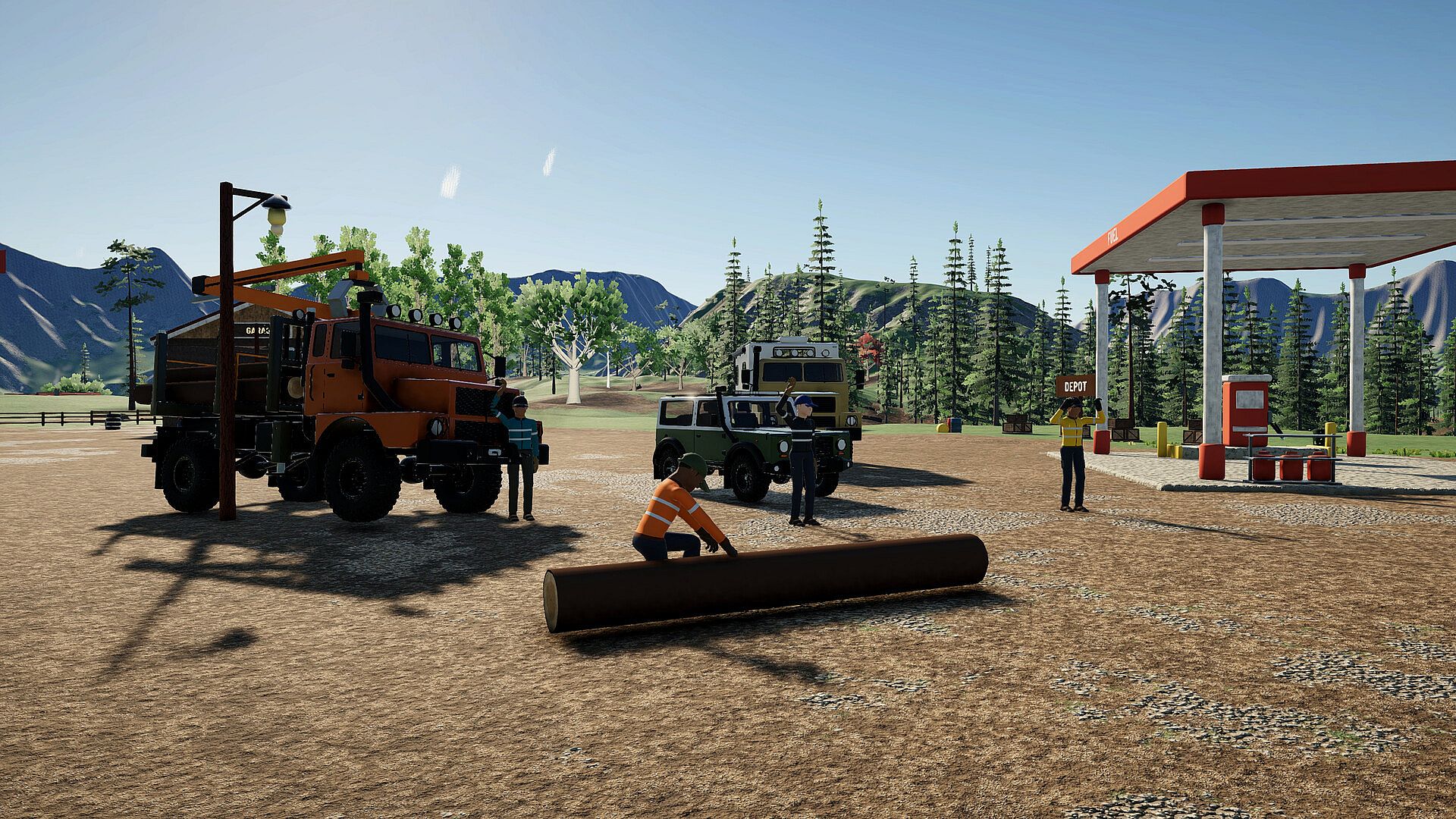
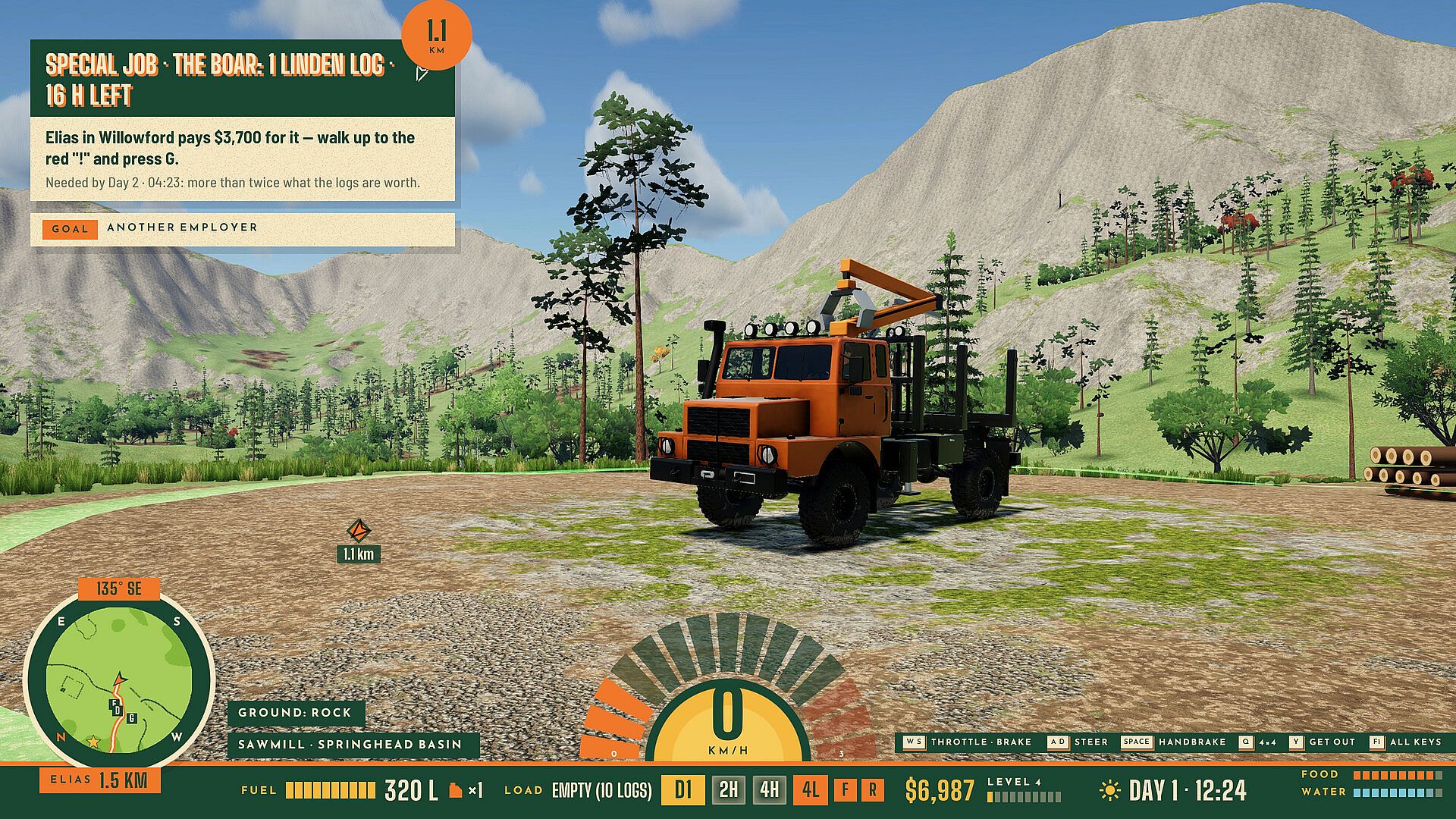
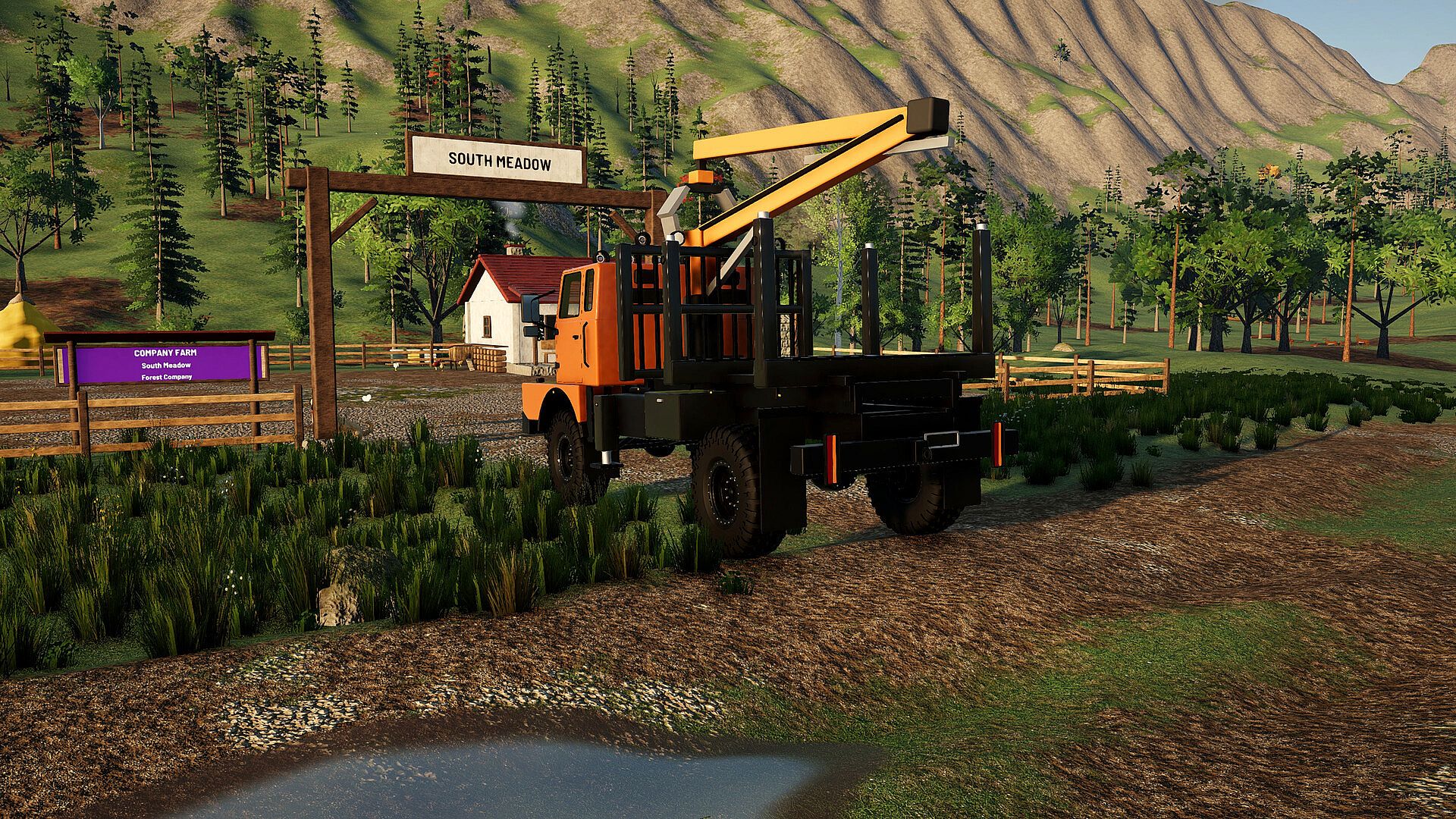
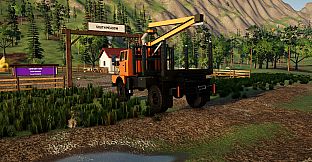
The core loop involves felling trees with a chainsaw, bucking trunks into logs, and transporting them across varied terrain. Players carry logs on their shoulder or use cranes to load them onto vehicles. Hauling requires managing muddy trails, rivers, steep climbs, and four-wheel drive features including low range, diff locks, and a winch. Sales occur at different buyers such as the sawmill, furniture workshop, paper mill, and village craftsmen, each offering varied prices based on wood type.
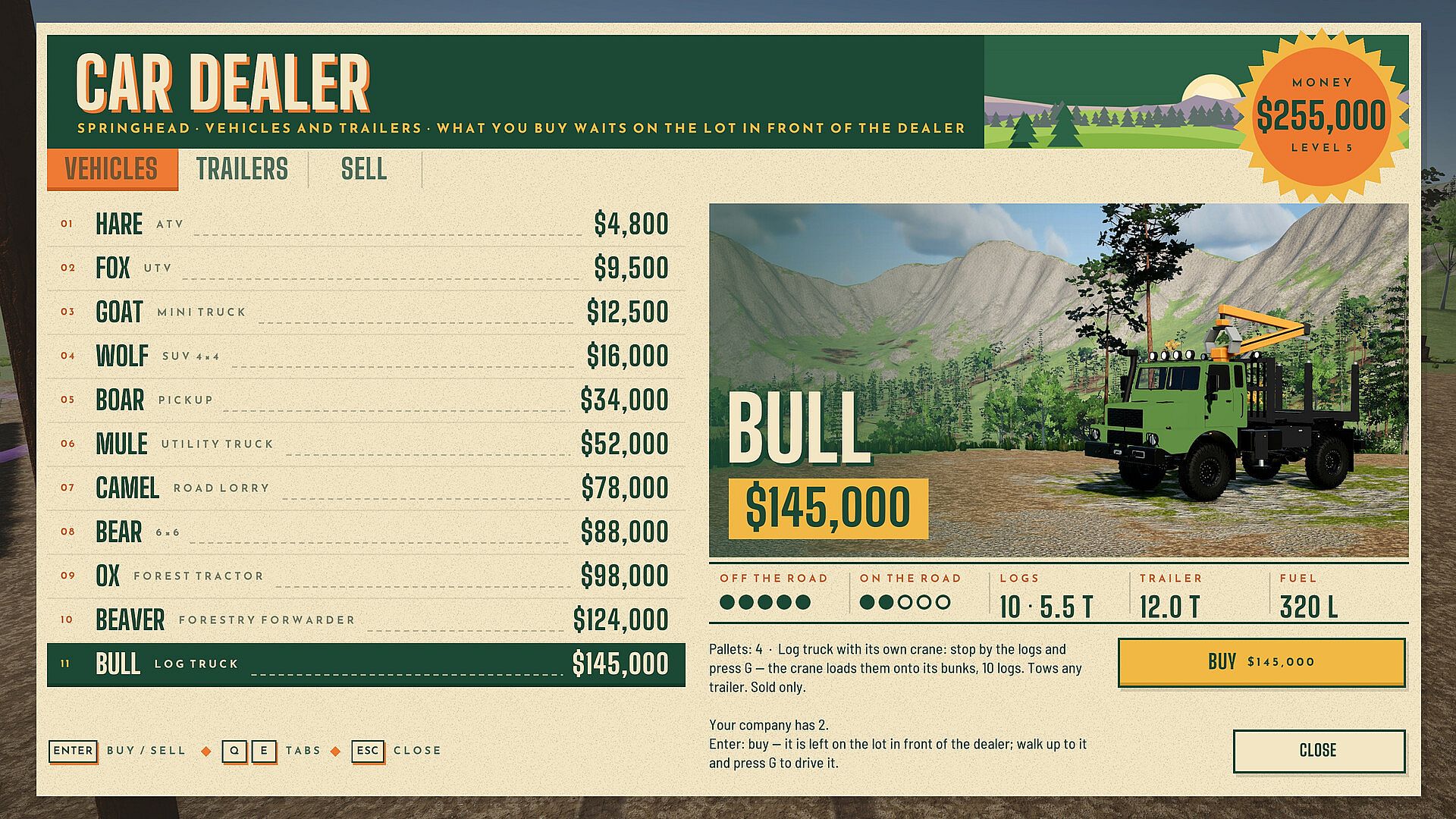
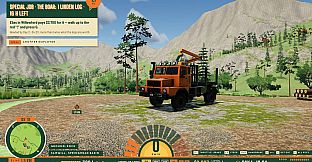
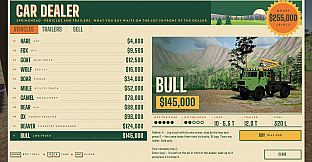
Progression centers on expanding the company with eleven vehicles ranging from an ATV to the Bull log truck equipped with its own crane. Additional elements include trailers, garage upgrades, improved chainsaws, purchasing forest land, hiring loggers, and planting saplings that regrow. Contracts provide structured tasks while a dynamic market shifts prices throughout the day. A separate farm operation features a bandsaw mill and firewood processor for further income streams.
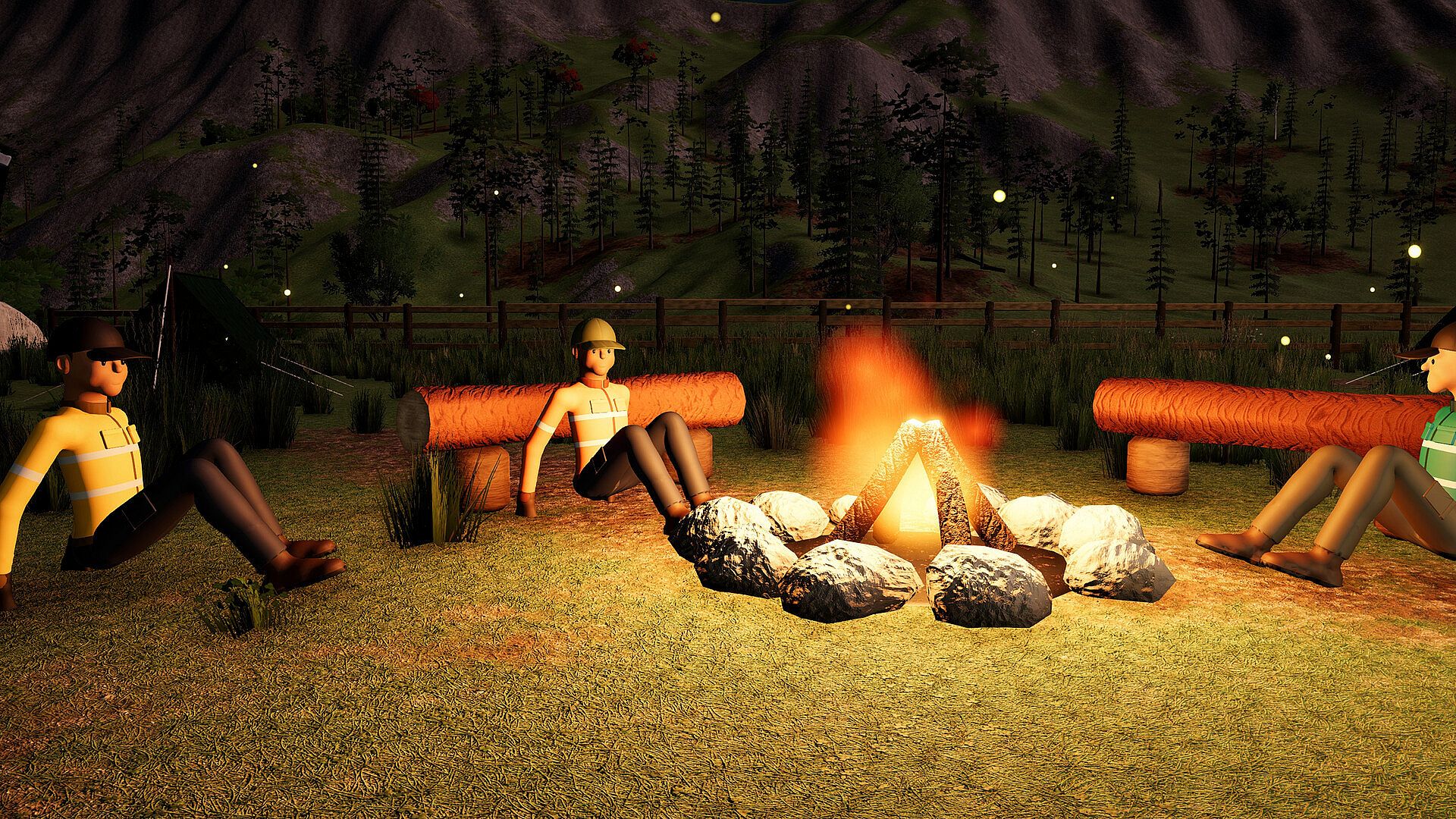
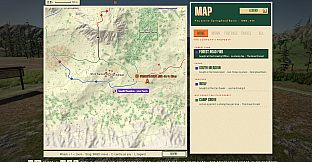
The environment includes a living valley with villages hosting market days, employers offering jobs, wildlife like deer in meadows, and changing conditions from day to night or clear weather to rain and storms. Eight tree varieties grow in the area, from pine and fir to oak and walnut, with higher-value woods rewarding longer hauls.
Game Modes
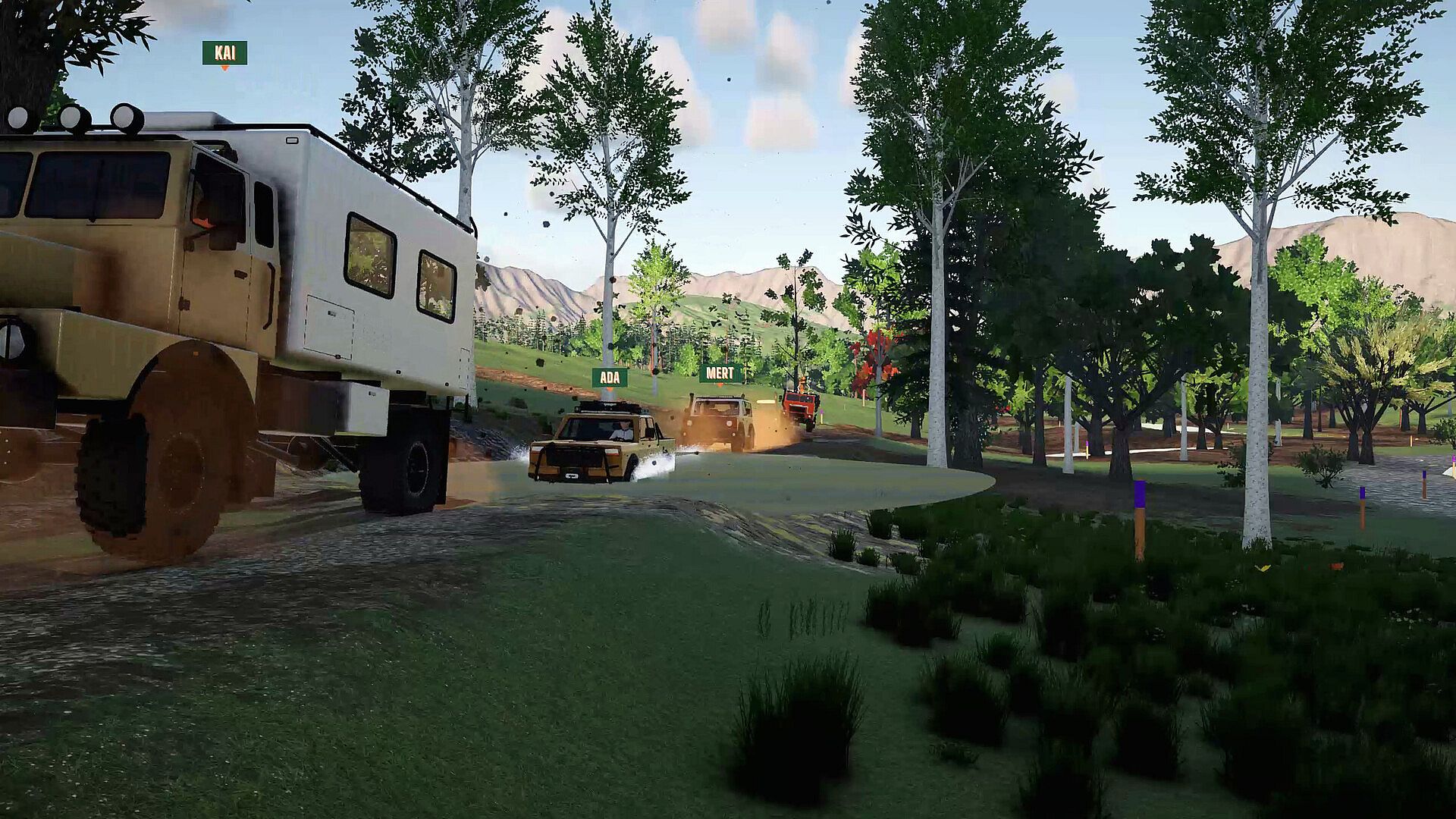
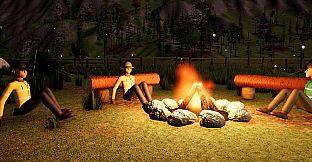
Timber Together supports solo play or cooperative sessions for up to eight players in a shared world. Everyone contributes to the same company, allowing role specialization such as one player felling trees while another bucks logs, operates a crane, or handles hauling. Sales revenue pools into the shared company funds regardless of individual contributions.
Multiplayer works through hosting for Steam friends, invitations via the Steam overlay, or LAN connections. The design emphasizes division of labor in a persistent environment where all participants advance the same operation.
Progression and Management
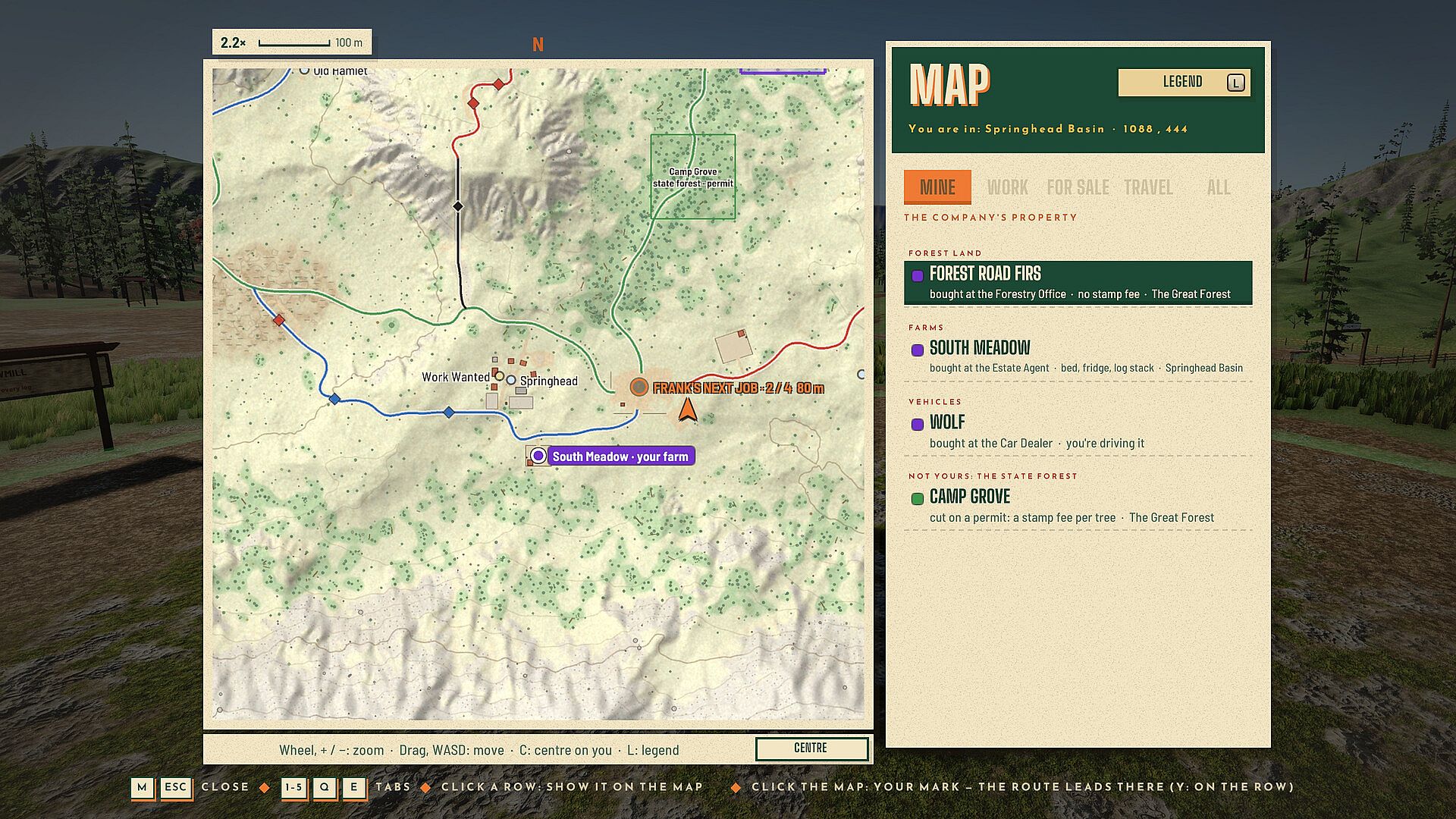
Company growth comes from reinvesting earnings into better equipment and infrastructure. Land acquisition opens new cutting areas, while hired loggers automate some tasks. Sapling planting supports long-term sustainability and repeated harvests. Market fluctuations encourage timing sales for better returns, and contracts add targeted objectives that complement open-ended exploration.
The farm side introduces processing options that convert raw logs into higher-value products. This layer integrates with the main logging activities, providing steady revenue even when hauling operations slow down.
Is It Worth Playing?
Timber Together suits players who enjoy realistic simulation mechanics combined with cooperative problem-solving. The emphasis on physical tasks like precise felling, careful loading, and terrain navigation creates satisfying teamwork opportunities. Those who prefer relaxed pacing with occasional high-stakes hauls will find the valley's changing conditions and buyer variety engaging over multiple sessions.
The shared company structure rewards consistent group play, as every participant benefits from collective upgrades and land development. Solo players can still progress at their own pace, though the design shines brightest when roles are divided among friends. Availability on PC makes it accessible for those seeking a focused logging experience without broader action elements.












