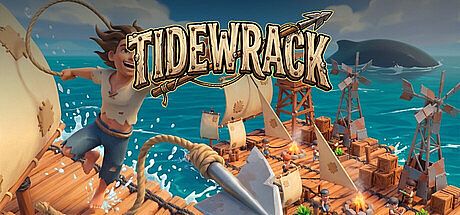






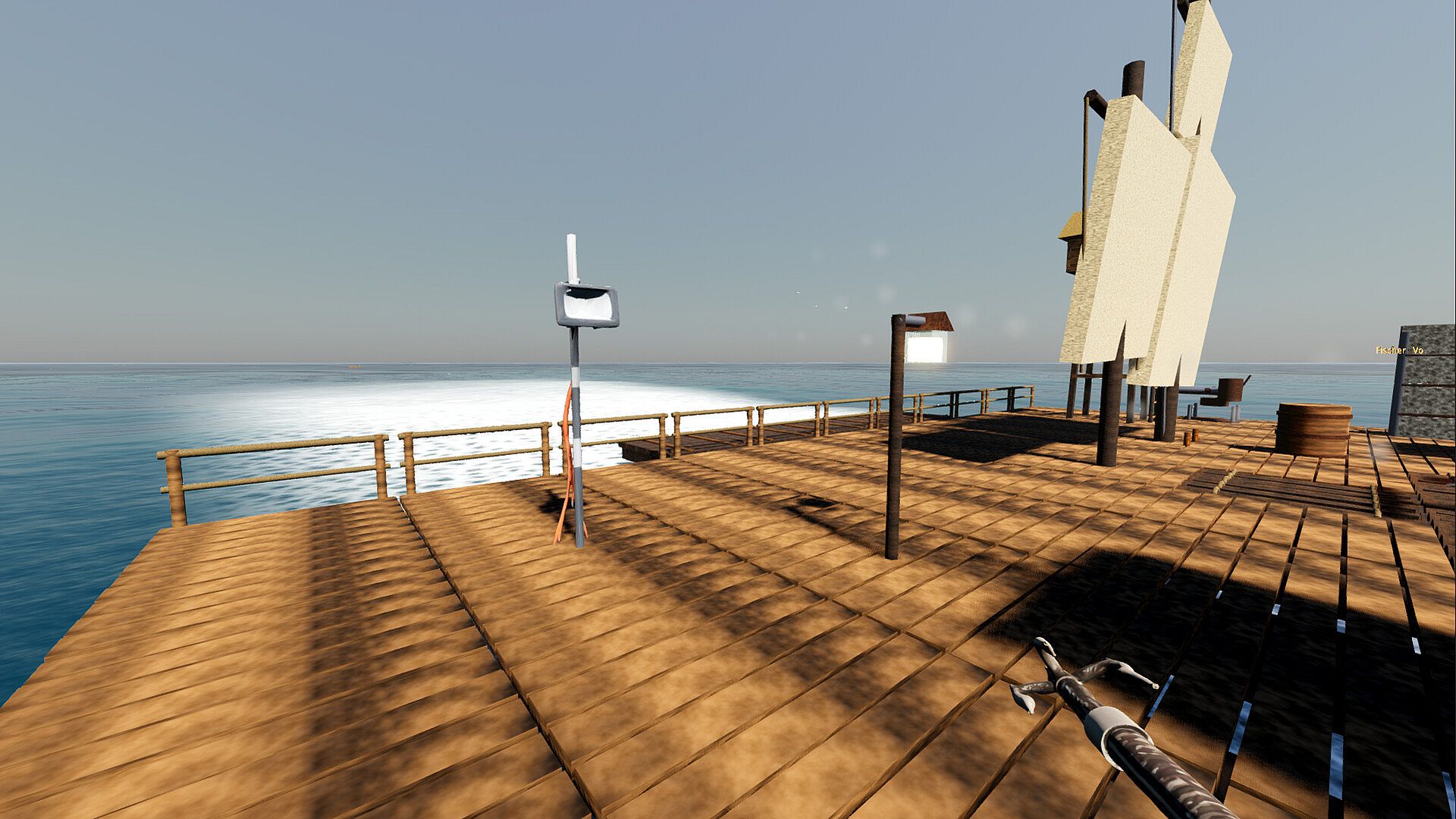

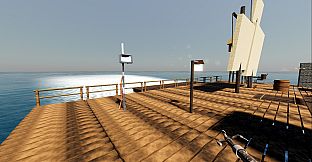

Tidewrack is an indie survival simulation adventure game set on the open ocean. Players begin alone on a makeshift raft with no memory of how they arrived and must build a sustainable community while uncovering the reason the world flooded. The experience blends resource management, underwater exploration, base defense, and narrative discovery on PC.
Gameplay
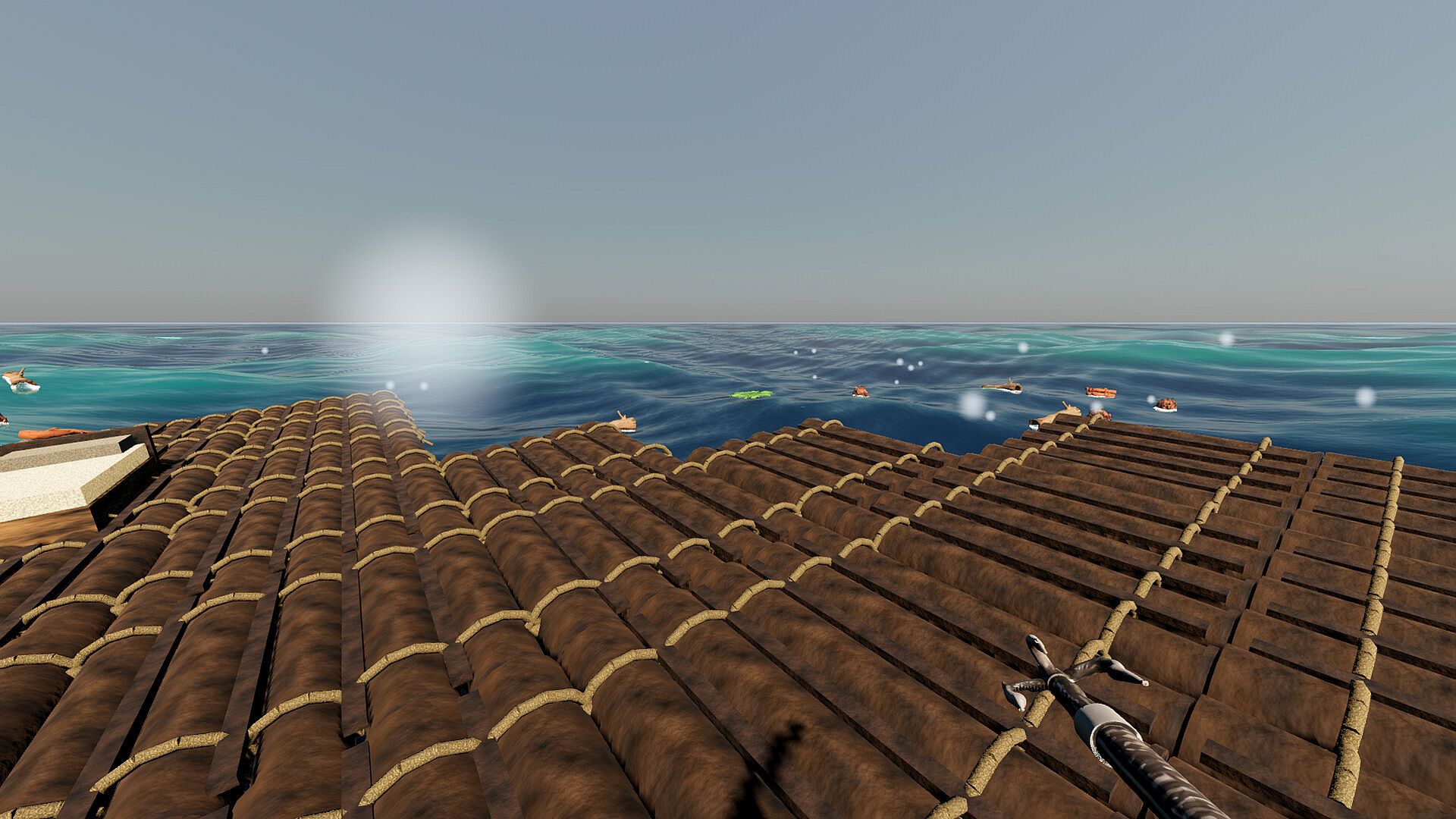
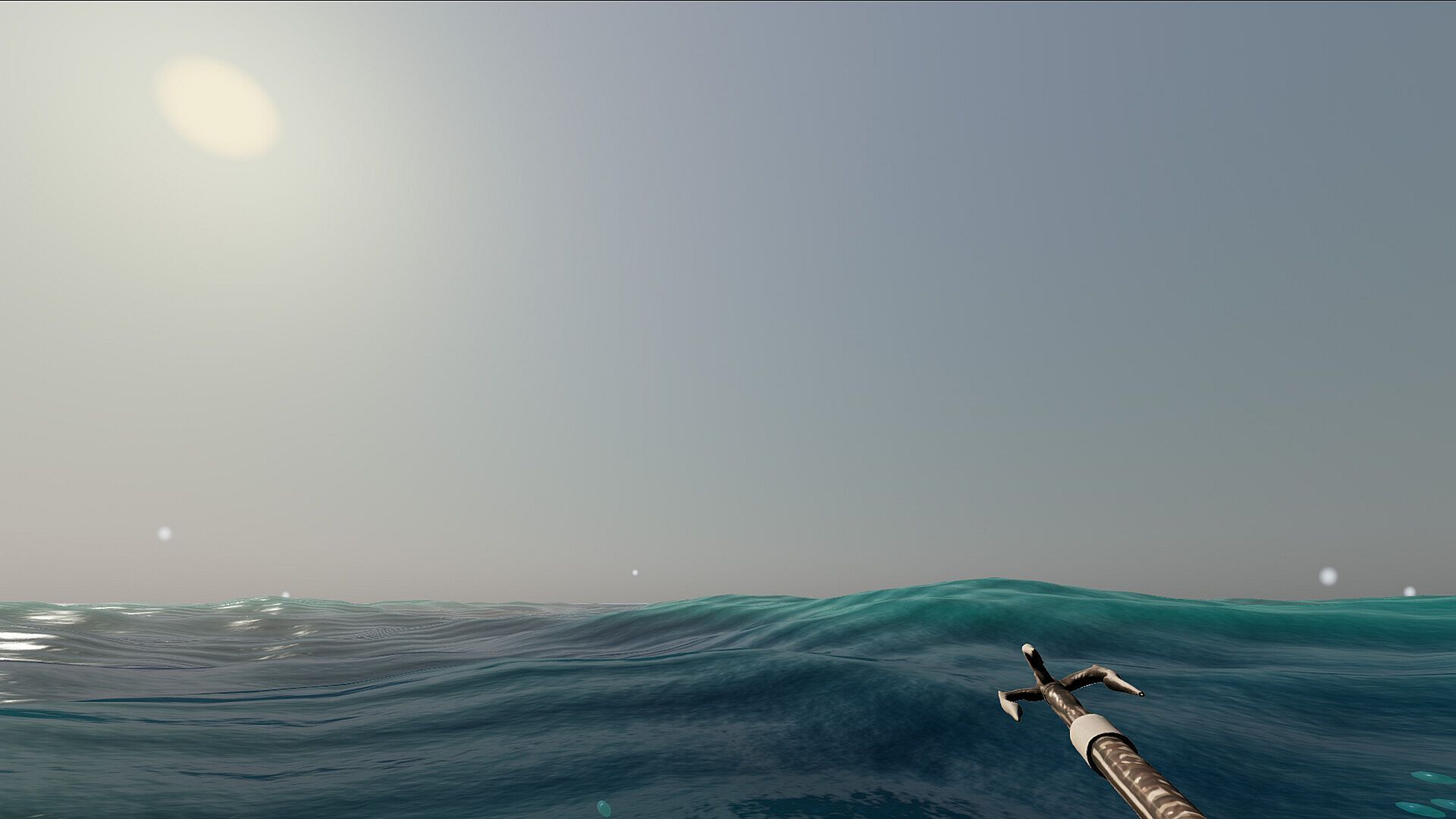
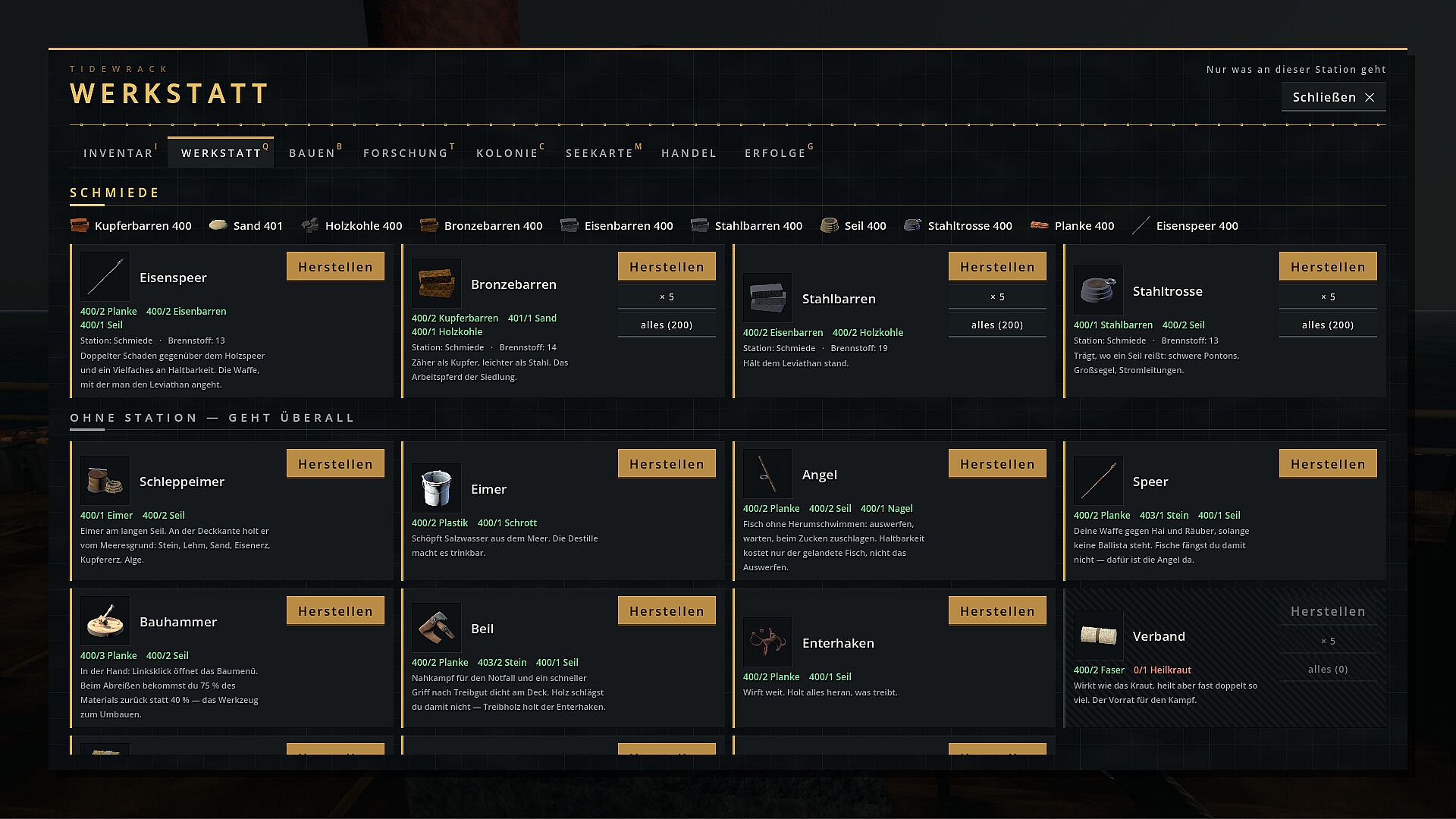
The core loop centers on turning scattered logs into a growing settlement. Early efforts focus on basic needs such as collecting driftwood, catching fish, and avoiding dehydration. A harpoon serves as the main tool for both defense and harvesting. As the raft expands, new survivors appear and require care, shifting the focus toward long-term planning and group coordination.
Underwater sections add tension through limited oxygen and visibility. Reefs and shipwrecks hold useful materials, yet divers must return to the surface before air runs out. Goggles improve clarity during later dives, allowing repeated visits to the same locations for missed items. Nighttime introduces immediate threats including passing boats that attempt to breach walls and a circling shark that waits for any lapse in attention. Storms can dismantle structures, while power shortages extinguish lights at critical moments.
Research forms another pillar. Twenty-six nodes unlock practical upgrades that improve survival odds rather than offering cosmetic changes. Floating debris fields provide one-time opportunities for rare resources, and twenty-four scattered message fragments gradually reveal the cause of the global flood. These elements combine into a loop of daytime expansion, underwater scavenging, and nighttime vigilance.
Game Modes
Tidewrack operates as a single-player experience without separate named modes. The campaign follows one continuous progression from solitary survival to community leadership and eventual confrontation with a massive sea creature known as the leviathan. All mechanics remain available throughout, with difficulty scaling naturally as the raft grows and external pressures increase.
Progression emphasizes choice in how the settlement develops. Players decide job assignments among fourteen available roles, including fisher, blacksmith, guard, and cook. Relationships among survivors evolve based on these decisions, leading to arguments, illnesses, or stronger bonds that affect overall stability. No branching campaign paths or competitive variants exist; the focus stays on one cohesive story of adaptation and revelation.
Exploration and Progression
Debris fields drift past on the horizon and disappear if ignored, encouraging constant awareness of the surroundings. Research nodes reward systematic underwater trips and careful resource allocation. The narrative threads tie together through the bottle messages, which players collect across multiple sessions. This structure rewards repeated dives and patient observation rather than speed.
Base building remains flexible yet constrained by the raft's floating nature. Walls must hold against raiders, while power systems require ongoing maintenance to keep lights functional after dark. The underwater world stays consistent across visits, so missed opportunities on one dive remain accessible later once equipment improves.
Is It Worth Playing?
Tidewrack suits players who enjoy deliberate survival management combined with light narrative discovery. The emphasis on assigning roles, maintaining group health, and balancing surface threats with underwater resource runs creates a steady rhythm of decisions. Those drawn to raft-building mechanics and gradual mystery unraveling will find the systems interconnected without unnecessary complexity.
The game targets a niche audience comfortable with single-player progression that mixes construction, exploration, and occasional defense. Its indie scope keeps the experience focused on core survival loops rather than expansive multiplayer features. Anyone seeking a thoughtful ocean-based simulation with clear long-term goals should consider trying the available demo or full release when it aligns with their preferences for paced, self-directed gameplay.