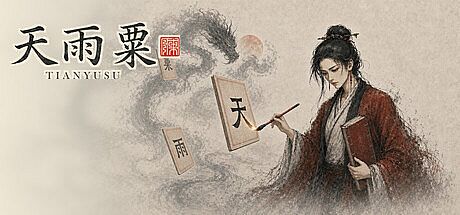



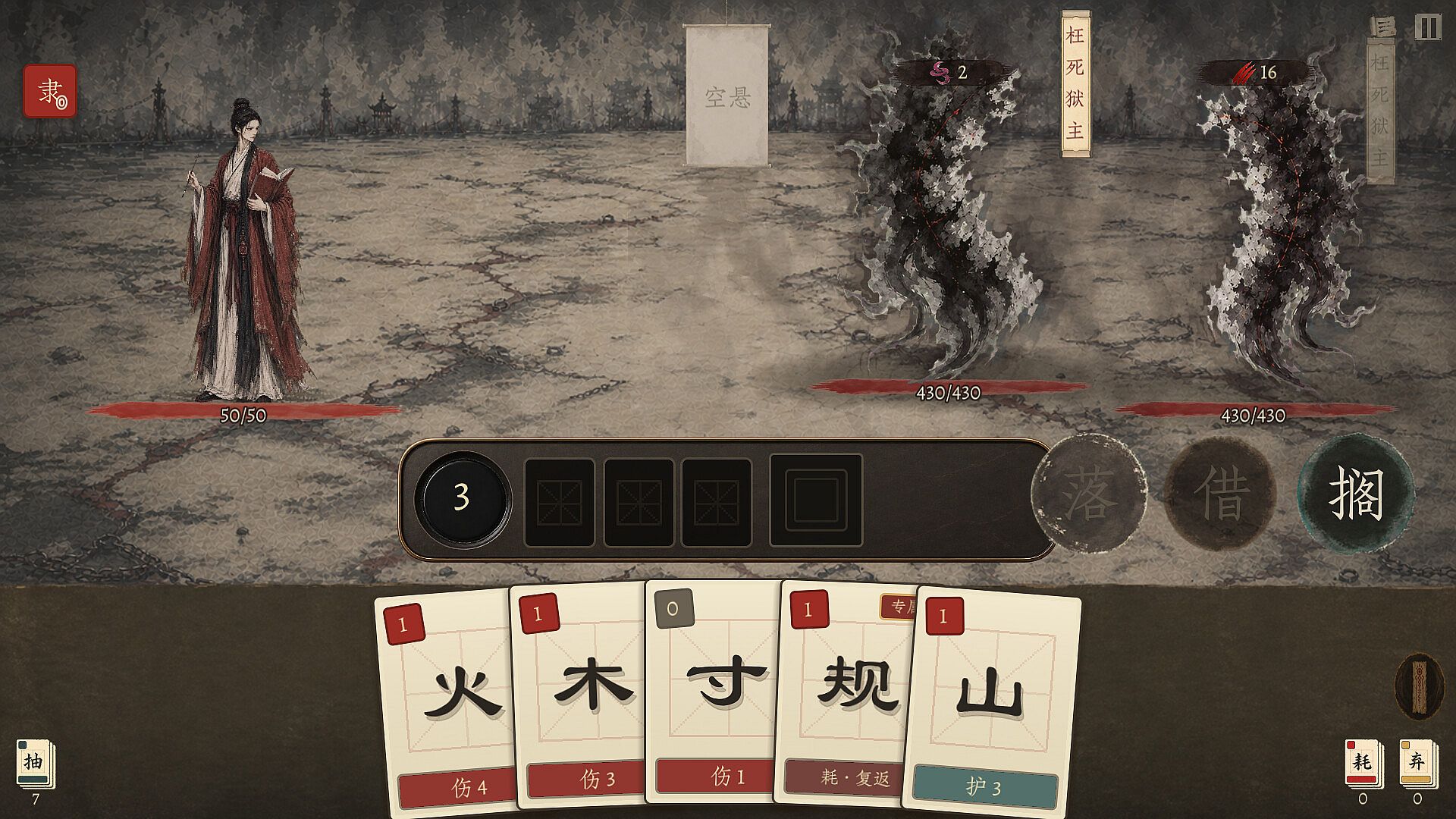
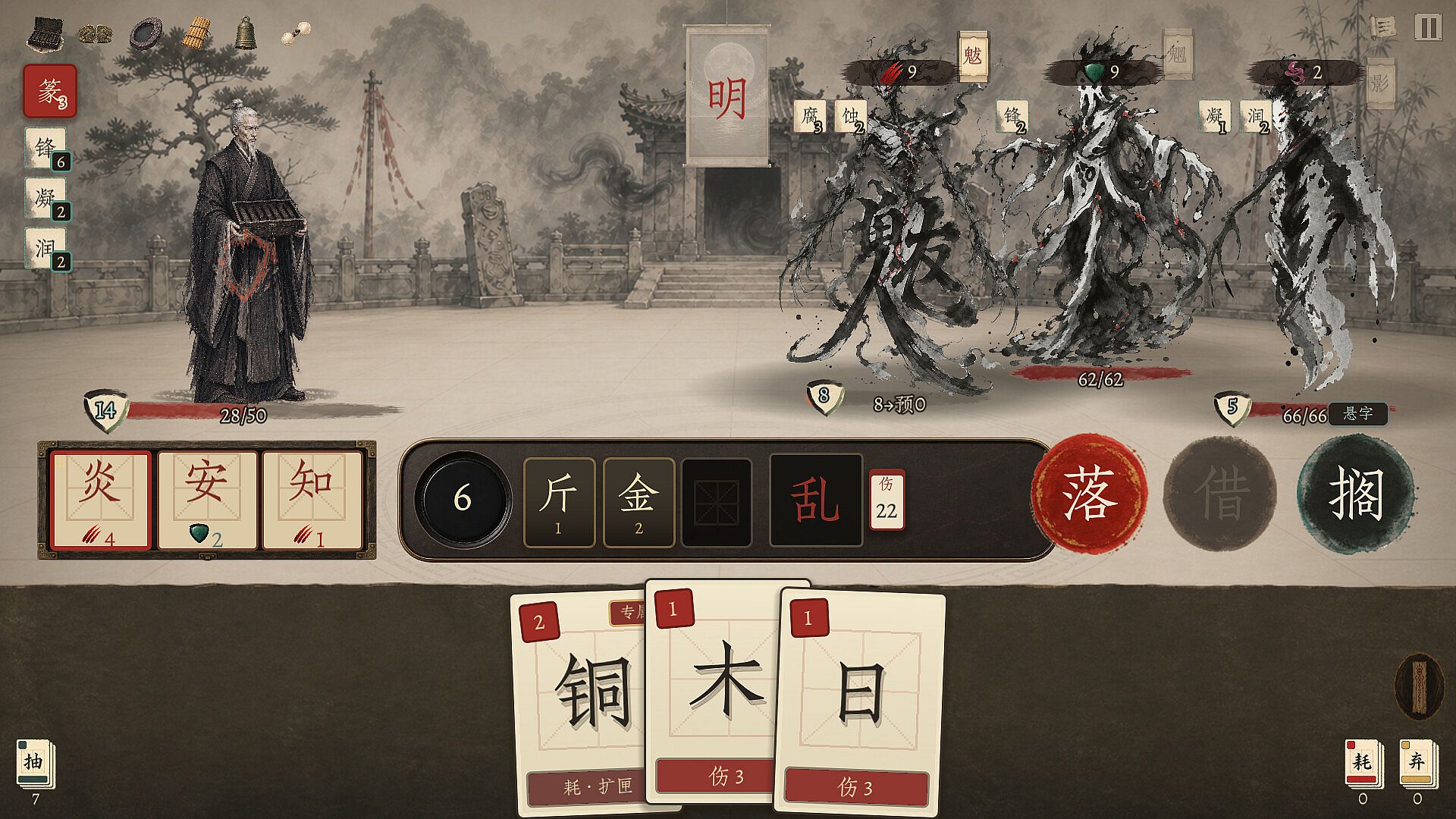
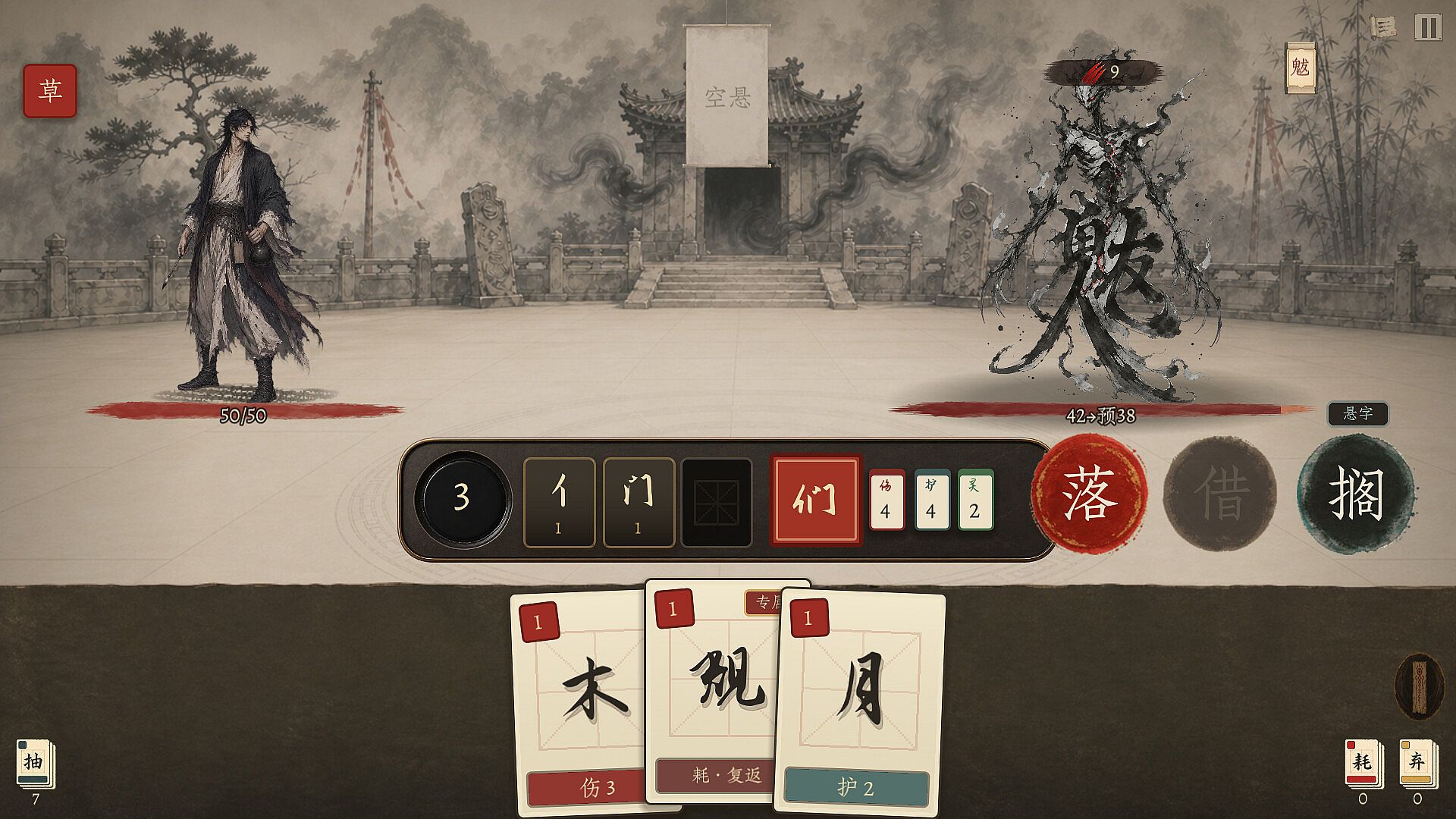
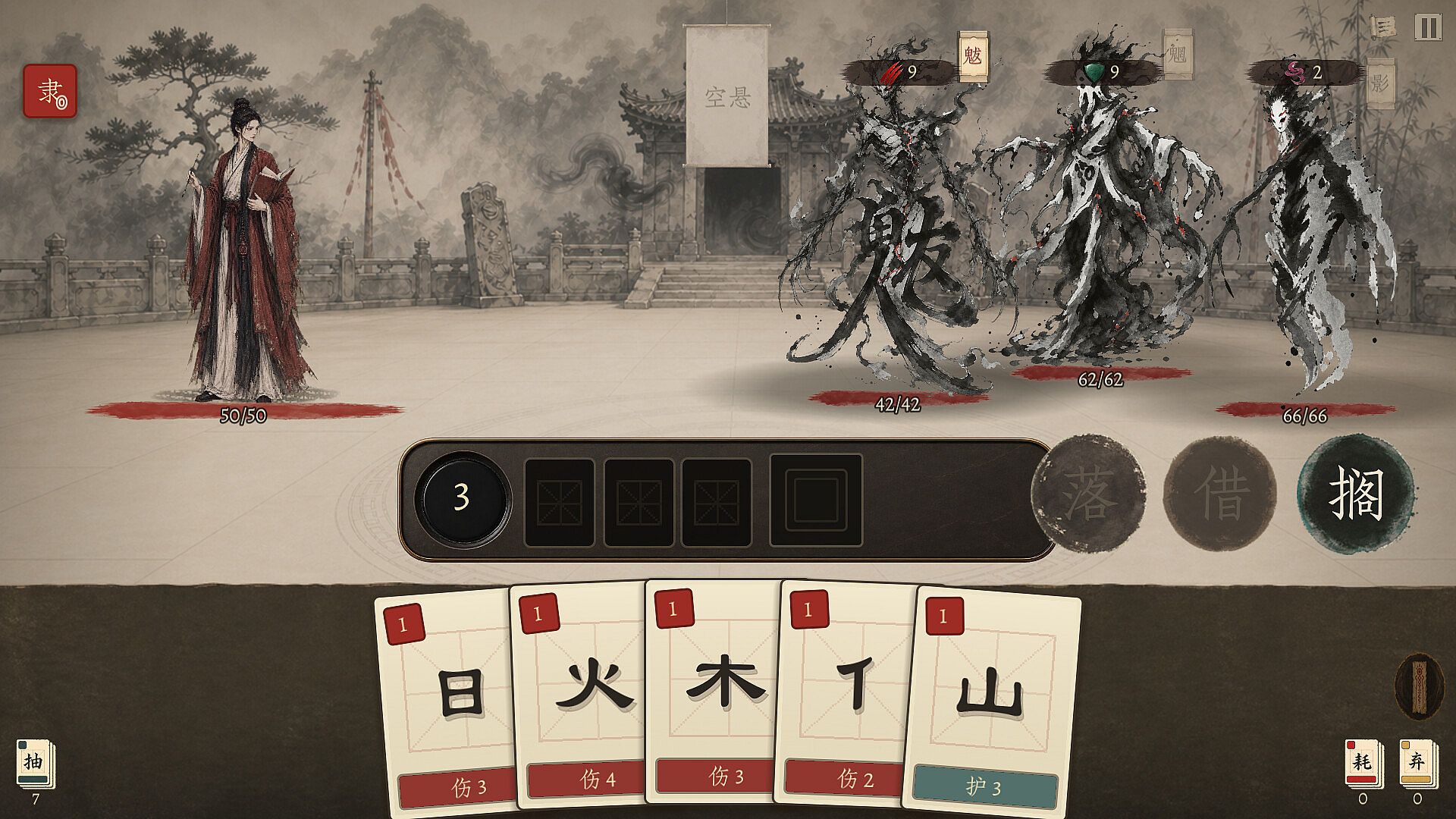
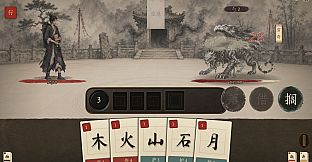
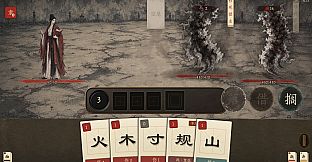
天雨粟 is a single-player strategy indie RPG that blends roguelike deckbuilding with the mechanics of composing Chinese characters. Players build spells by arranging radicals and strokes into meaningful hanzi, turning linguistic creativity into combat, defense, and progression systems on PC.
Gameplay
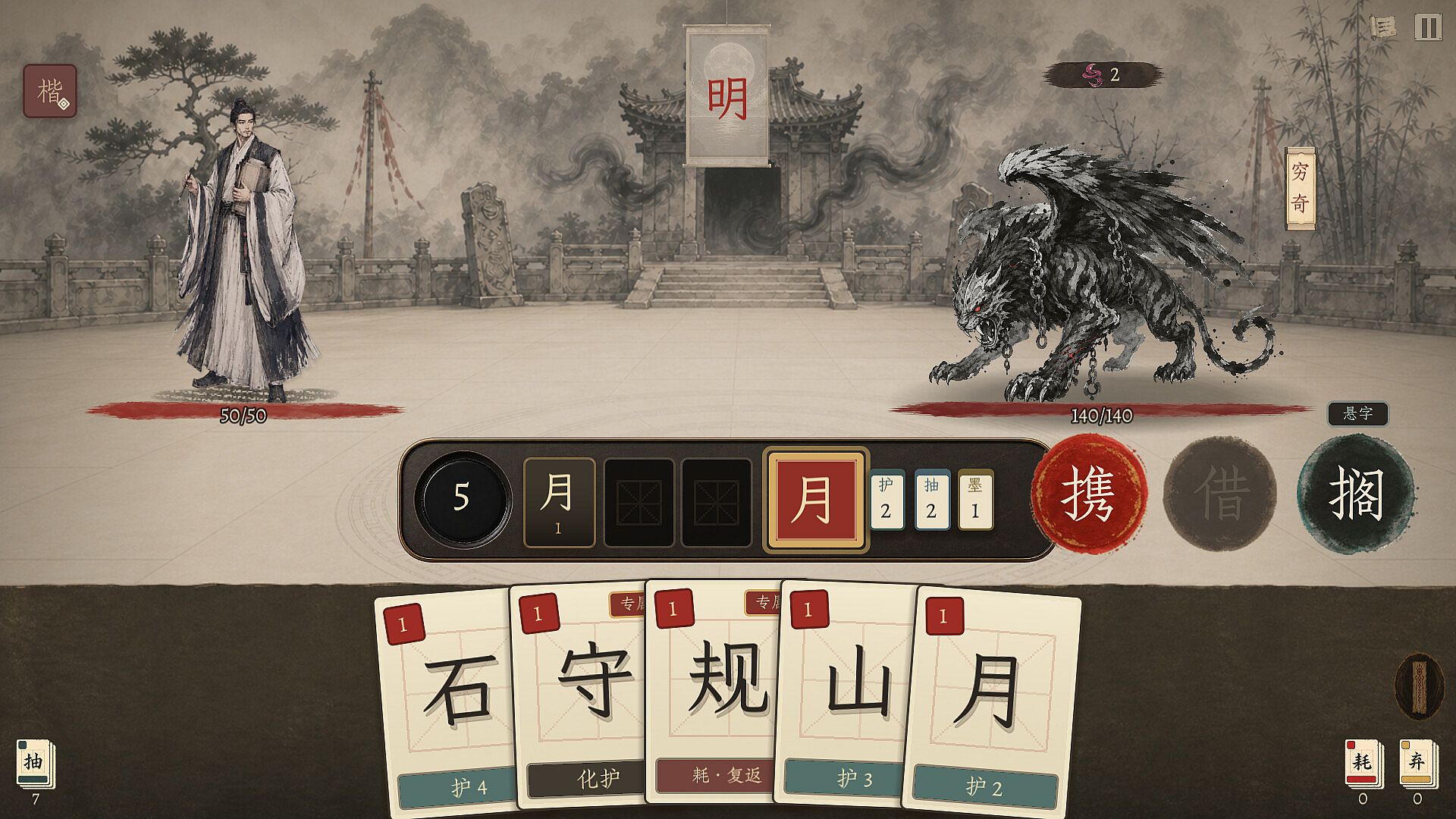
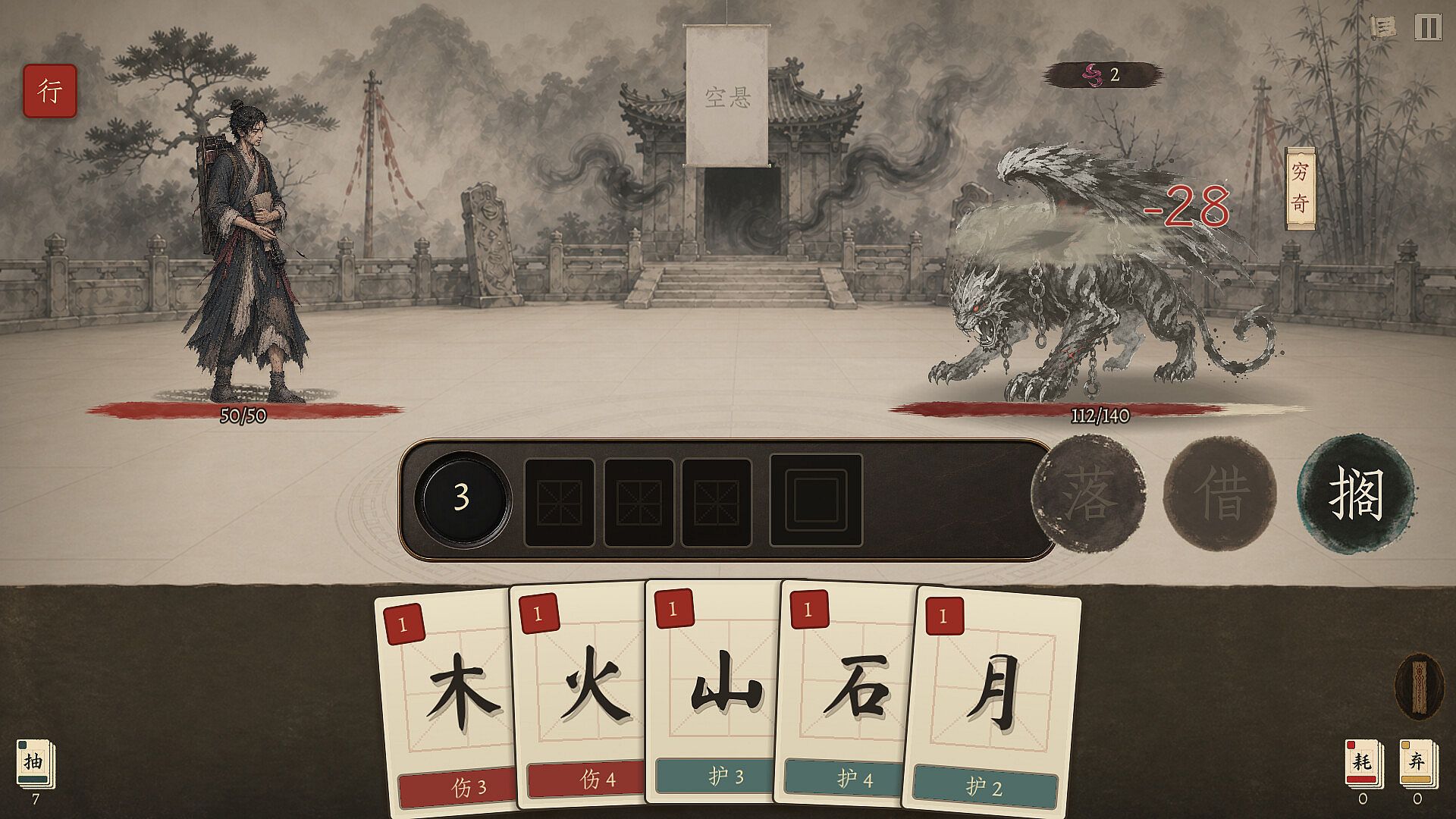
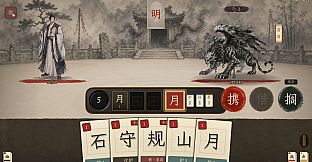
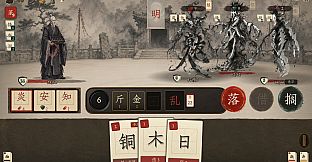
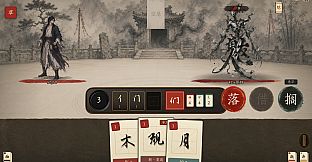
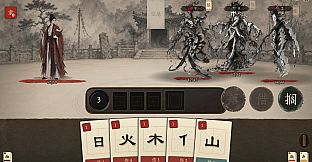
The core loop centers on drawing individual strokes and radicals rather than selecting pre-made cards. These pieces go into an inkstone where they combine into complete characters whose meanings dictate effects such as attacks, guards, or transformations. The same set of components can form different characters depending on arrangement, allowing each run to produce unique solutions based on available resources.
Completed characters persist beyond a single turn. They can hang on the inkstone for later use, link into verse chains, or serve as building blocks for subsequent compositions. This creates ongoing interactions where earlier decisions influence future options and force players to manage ink, draw piles, and potential interference from enemies.
Five distinct scripts shape how compositions form and evolve. Regular script emphasizes stability and protective structures. Running script carries momentum and unfinished elements forward. Seal script stores written power for later retrieval. Clerical script converts repeated actions into decisive verdicts. Cursive script turns incomplete or failed strokes into forward momentum. Each script begins with its own deck and relic, progressing through three stages that alter available options.
Enemies target the language system itself by removing radicals, consuming hanging characters, staining draws, or copying finished words. Success requires anticipating these disruptions and maintaining enough redundancy to recover engines after damage.
Game Modes
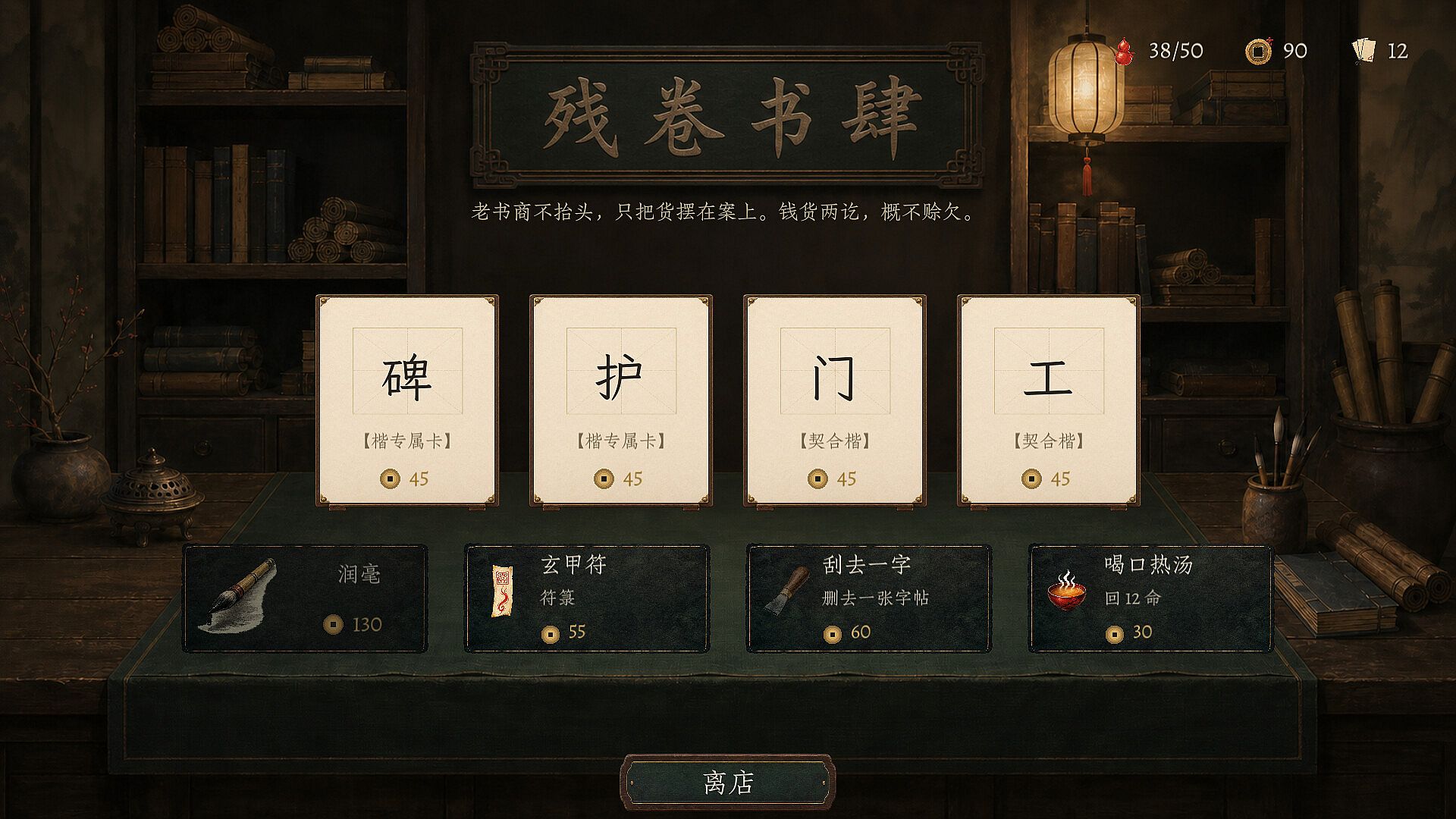
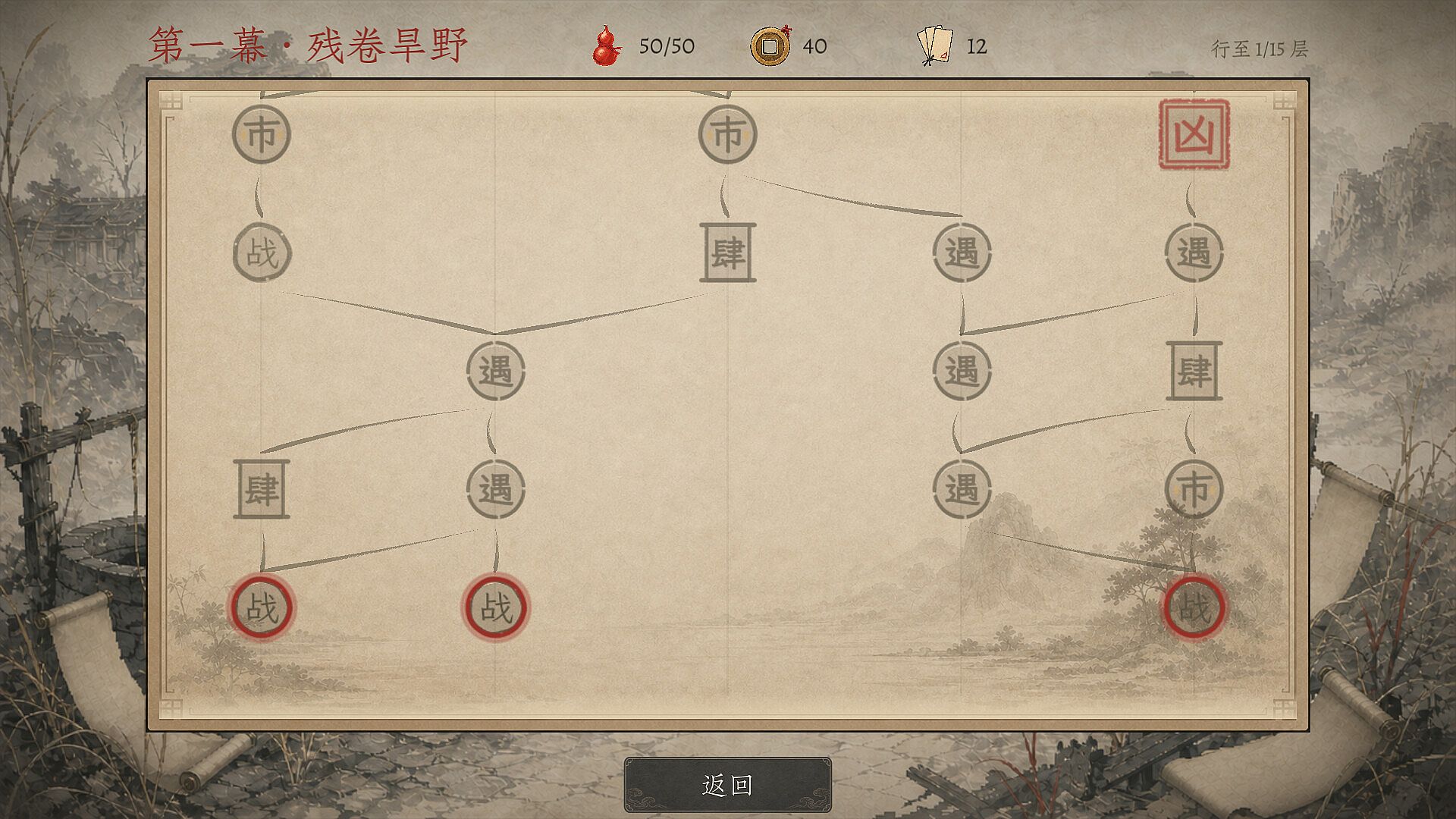
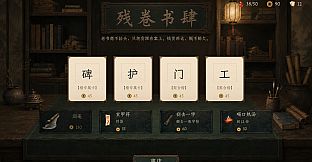
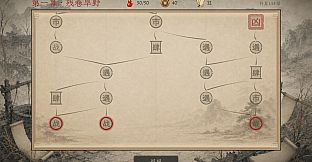
The primary experience unfolds across a three-act campaign set in distinct regions: the Drought of Torn Scrolls, the Ink Prison of Eroded Steles, and the Forbidden Court of the Celestial Codex. Bosses appear visibly before each act begins, letting players weigh safer paths against riskier routes through battles, events, shops, and rest points.
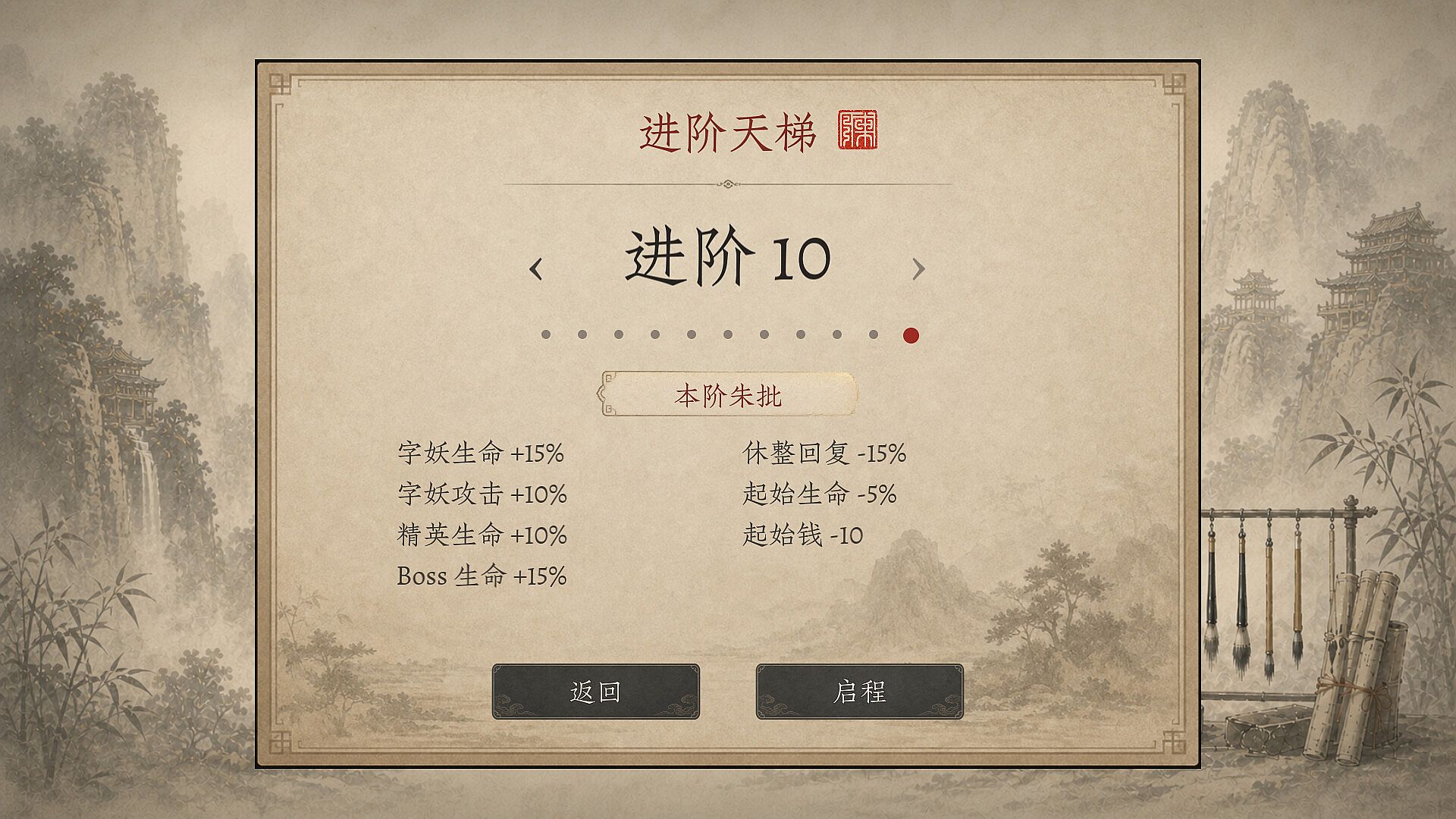
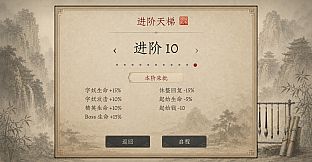
After defeating an act boss, players select a seal that provides a clear benefit paired with a specific drawback. The same evolving deck carries forward, preserving continuity while the world and threats scale. This structure encourages repeated runs with different scripts and composition strategies rather than separate competitive or cooperative modes.
Visual and Thematic Design
The entire presentation follows an ink-wash aesthetic drawn from xuan paper, wet ink blooms, and brush textures. Paper serves as the background plane while corrupted ink represents opposition. Cinnabar highlights moments of danger or judgment. Interface elements, character animations, and verse sequences all adhere to this tactile language so that every successful or failed action registers visually through brushwork and ink behavior.
The world lore positions the player as a character mender restoring names erased by corrupted forces. Glyphs break down into reusable components, and every composition leaves traces that demons actively hunt, reinforcing the theme of language as both tool and battlefield.
Is It Worth Playing?
天雨粟 suits players who enjoy roguelike deckbuilders that reward experimentation and systems thinking over memorized card synergies. The radical composition mechanic demands attention to visual arrangement and semantic outcomes, creating a loop that feels distinct from standard draw-and-play formats.
Those drawn to single-player campaigns with persistent deck evolution across multiple acts will find the three-act structure and script variety provide meaningful replay paths. The absence of multiplayer elements keeps focus on solo runs where personal creativity with strokes determines outcomes.
Because the game emphasizes careful reading of enemy intentions and building resilient engines, it appeals to strategists comfortable with occasional setbacks and iterative refinement. Availability on PC makes it accessible for those seeking an indie title centered on linguistic mechanics within a cohesive visual framework.